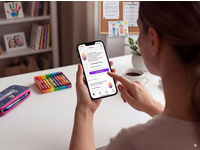
The British Medical Association (BMA) has called for doctors to remain in control of GP data in the single patient record data.
Sexual Health Education During Pregnancy
Conditions: Sexuality; Depression; Pregnancy Related
Interventions: Other: sexuality health education group
Sponsors: Ordu University
Recruiting
Interventions: Other: sexuality health education group
Sponsors: Ordu University
Recruiting
Sleep Optimization to Aid in Recovery Digital Program
Conditions: Sleep Health; Binge Eating; Disordered Eating; Sleep Disturbances
Interventions: Behavioral: SOAR
Sponsors: University of Nevada, Las Vegas
Not yet recruiting
Interventions: Behavioral: SOAR
Sponsors: University of Nevada, Las Vegas
Not yet recruiting
Study of Collection and Analysis of Clinical, Anamnestic, Functional, Biological Data Through the Support of Artificial Intelligence to Evaluate the Possibility of Defining a Digital Twin of the Lung (LUCE)
Conditions: Thoracic Neoplasm; Pulmonary Nodules; Non-oncological Pulmonary Pathologies
Sponsors: Casa di Cura Dott. Pederzoli
Recruiting
Sponsors: Casa di Cura Dott. Pederzoli
Recruiting
Effectiveness of Artificial-Intelligence (AI) Bolus Priming Added to an Existing Fully Automated Control Algorithm (AIDANET)
Conditions: Type 1 Diabetes Mellitis
Interventions: Device: Hybrid Closed Loop (HCL) x 2 weeks; Device: AIDANET x 2 weeks; Device: AIDANET AI x 4 weeks
Sponsors: Sue Brown; National Institute of Diabetes and Digestive and Kidney Diseases (NIDDK); Tandem Diabetes Care, Inc.
Not yet recruiting
Interventions: Device: Hybrid Closed Loop (HCL) x 2 weeks; Device: AIDANET x 2 weeks; Device: AIDANET AI x 4 weeks
Sponsors: Sue Brown; National Institute of Diabetes and Digestive and Kidney Diseases (NIDDK); Tandem Diabetes Care, Inc.
Not yet recruiting
Efficacy and Underlying Mechanisms of Group-Based Natural Psychotherapy for Anxiety Disorder
Conditions: Obsessive – Compulsive Disorder
Interventions: Behavioral: Group-based Natural Psychotherapy
Sponsors: Beijing HuiLongGuan Hospital; Institute of Psychology, Chinese Academy of Sciences; Fourth People’s Hospital in Hefei
Active, not recruiting
Interventions: Behavioral: Group-based Natural Psychotherapy
Sponsors: Beijing HuiLongGuan Hospital; Institute of Psychology, Chinese Academy of Sciences; Fourth People’s Hospital in Hefei
Active, not recruiting
Group Psilocybin-Assisted Therapy for Post-Traumatic Stress Disorder
Conditions: PTSD
Interventions: Drug: Psilocybin
Sponsors: University of New Mexico
Not yet recruiting
Interventions: Drug: Psilocybin
Sponsors: University of New Mexico
Not yet recruiting
Judge refuses to block sending abortion pill by mail for now, but says FDA must finish review
A federal judge Tuesday refused to block filling prescriptions for the abortion pill mifepristone by mail across the U.S. — at least for now — in a setback to Louisiana’s effort to stifle groups that send it into states where abortion is banned.
U.S. District Judge David Joseph, who sits in Lafayette, Louisiana, ruled against Louisiana Attorney General Liz Murrill, who asked that U.S. Food and Drug Administration rules that allow mifepristone to be dispensed through the mail be paused while a challenge to those 2023 regulations moves through the courts.
Telephone-Based Mental Health Promotion for Rural Women in Brazilian Agrarian Reform Communities: Pre-Post Pilot Study
Background: Women living in rural agrarian reform communities face intersecting challenges related to social, economic, racial, and gender vulnerabilities, which significantly increase their likelihood of developing physical and mental health problems. Despite the potential of telephone-based interventions to promote mental health, there is a lack of studies assessing their feasibility and effectiveness among underserved populations in Brazil. Objective: This study aimed to assess the feasibility and effectiveness of a telephone-based intervention on mental health outcomes among women living in a rural agrarian reform community in Brazil. Methods: We conducted a descriptive, prospective pilot study with a pretest and posttest design. Data were collected at 3 time points: baseline, 1 week, and 1 month after the intervention. The outcomes assessed included quality of life, social support, self-efficacy, and common mental disorder symptoms. Nonparametric tests were used to analyze the data. The intervention consisted of 3 phone calls supported by a workbook, with content based on cognitive behavioral and psychiatric nursing principles. Results: Of the 31 women enrolled, 23 (74.2%) completed all 3 phone-based sessions. There was a significant reduction in common mental disorder symptoms (Kendall =0.280; =.002), particularly in the somatic domain (=.02). Moreover, participants reported improved perceptions of the physical domain of quality of life (Kendall =0.131; =.049). All women rated the intervention positively, with more than half emphasizing its practical usefulness. Conclusions: The telephone-based intervention was feasible and showed promising results in improving mental health outcomes among women in a rural setting. These findings support integrating low-intensity, remote psychosocial strategies into primary health care, especially those led by nurses, to increase access to mental health promotion for vulnerable populations.
<img src="https://jmir-production.s3.us-east-2.amazonaws.com/thumbs/29b6717618113fd23ab574e12f131acb" />
Real-World Data From a Group Parent Management Training Program Enhanced Using Artificial Intelligence: Qualitative Study
<strong>Background:</strong> Parent management training (PMT) is an evidence-based intervention for children with disruptive behavior problems. However, access to care is often limited by cost, availability of clinicians, scheduling, and transportation barriers. Integrating artificial intelligence (AI) into group PMT may improve accessibility, personalization, and adherence, while preserving therapeutic quality. <strong>Objective:</strong> This study explored caregivers’ experiences with a hybrid PMT program that combined live therapist-led group sessions with asynchronous support from Pat, an AI conversational agent designed to augment the therapists’ support to caregivers. <strong>Methods:</strong> A total of 88 caregivers of children aged 3-14 years (mean 7.98, SD 2.45 years) from Argentina and Paraguay participated in eight weekly online group sessions led by human therapists and supplemented by Pat. Caregivers were asked to provide the net promoter score (NPS) and their perceived contribution of their experience in remote group sessions and with Pat. Caregiver perspectives were analyzed using thematic analysis by multiple coders with consensus and interrater reliability assessment. <strong>Results:</strong> The average NPS was 76.92, indicating excellent satisfaction. Regarding participants’ perceptions of the overall program, the most frequent theme was useful strategies (73/202, 36.1%), reflecting the value placed on clear, structured, and practical tools to address everyday parenting challenges. Most comments about Pat were positive (156/164, 95.1%), particularly highlighting its 24/7 accessibility and constant availability (69/164, 42.1%). Recommendations for improvement mainly focused on enhancing the user experience and incorporating additional functionalities. Regarding perceived contribution to progress, caregivers attributed, on average, 61% to Pat and 46% to the group sessions. <strong>Conclusions:</strong> Combining therapist-led PMT group sessions with AI support appears feasible, acceptable, and valued by caregivers and may expand reach without sacrificing quality. Overall, caregivers valued the useful strategies and the professional and peer support and reported positive changes. Regarding Pat, the most valued aspect is the constant and immediate support. This model integrates human expertise with the accessibility and continuity provided by AI, reducing barriers, such as time, cost, and clinician availability.