

mRNA Uses Unconventional Pathways in CD8+T Cell Priming to Help Vaccines Work

mRNA vaccines scored a stunning win against SARS-CoV-2 in 2020, and now the Nobel-prize–winning technology is out to conquer some cancers. Several mRNA vaccines are already in clinical trials for melanoma, small cell lung cancer, and bladder cancer, among others. Recently, a pancreatic cancer vaccine grabbed headlines after researchers shared that most Phase I trial participants were still alive after several years—unprecedented in a disease that is considered incurable, and usually kills patients quickly.

But how exactly does mRNA work? A new study suggests a broader role for how T cells become activated after an mRNA vaccine. It’s a process that engages both cDC1 and cDC2 cells redundantly. The study was led by researchers at Washington University School of Medicine in St. Louis (WashU) and could lead to improvements in mRNA vaccine design. The findings were published in Nature. The work was powered by a novel mouse model developed by the WashU team.

“My lab made them in 2019 and 2022. We put all of them in Jackson labs [database] so anyone can get them, no strings, and study them,” senior author Kenneth M. Murphy, MD, PhD, told Inside Precision Medicine. “Thanks to them, we saw the question and were able to address it most quickly.”

Until now, scientists assumed that cDC1, which is a classical type 1 dendritic cell, was required for mRNA vaccination to activate the immune system. But, in a lab study, these researchers found that even without cDC1 cells, the mRNA vaccine still triggers strong cancer‑killing responses. That’s because they determined that cDC2, a cousin to cDC1, can also stimulate anti-tumor immune activity—an unexpected finding given that this related subtype is not involved in responses to other vaccines.

“There is a lot of interest in applying the mRNA vaccine approaches used during the COVID-19 pandemic to the problem of inducing anti-tumor immunity,” said Murphy, the Eugene Opie Centennial Professor in the department of pathology & immunology at WashU Medicine. “By dissecting which immune cells are involved and how they coordinate the response, we’re offering vaccine developers some additional mechanistic insights to consider in their goal of optimizing these vaccines against tumor proteins.”

Murphy is also a research member at Siteman Cancer Center, based at Barnes-Jewish Hospital and WashU Medicine.

mRNA vaccines work by delivering instructions, in the form of messenger RNA, for immune cells to produce bits of protein that trigger the immune system to destroy cells bearing these proteins. Dendritic cells produce the protein bits from the mRNA instructions, and T cells then find and destroy the invading proteins. To treat cancer, mRNA vaccines can be designed to generate protein bits unique to a tumor.

The work was done in collaboration with the study’s co-corresponding author, William E. Gillanders, MD, the Mary Culver Professor of Surgery at WashU Medicine. Gillanders, a physician-scientist and surgical oncologist who has also developed an investigational vaccine against triple-negative breast cancer, treats patients at Siteman Cancer Center.

Murphy and members of his lab used their mouse models, which lacked cDC1 or cDC2, to tease out the role that different groups of dendritic cells play in priming T cells after mRNA cancer vaccination.

One of their findings was that mice immunized with an mRNA vaccine generated strong T-cell responses even in the absence of cDC1s. In addition, they found that immunized mice without cDC1s were able to clear sarcoma tumors—cancers that develop in connective tissues such as fat, muscle, nerves, blood vessels, bone, and cartilage. This indicated that some other cell type must be stimulating the T-cell response.

Indeed, their study found that cDC2s also participate in generating an immune response from T cells and preventing tumor growth. Further, the study found that T cells turned on by cDC1s and cDC2s each showed slightly different molecular “fingerprints.” These differences could help scientists design better versions of vaccines in the future.

Similarly, immunized mice lacking cDC2s and mice that had both cell subtypes produced an immune response and rejected tumor growth, demonstrating that mRNA vaccination uses both dendritic cell subtypes to stop cancer.

“This work uncovers a new way mRNA vaccines engage the immune system—through both cDC1 and cDC2—which helps explain their power and gives researchers concrete targets for making future mRNA cancer vaccines more effective,” said Gillanders. “It could improve vaccine formulation and dosing, potentially explain why some patients respond better to vaccines than others, and guide strategies for making vaccines more effective.”

The post mRNA Uses Unconventional Pathways in CD8+T Cell Priming to Help Vaccines Work appeared first on Inside Precision Medicine.

STAT+: At AACR, talk of Chinese biotech, oncology’s comms issue, and more

You’re reading the web version of STAT’s popup newsletter, AACR in 30 seconds, your guide to what’s happening at the American Association of Cancer Researchers’ annual meeting.

This is the last edition of our pop-up newsletter. We hope you’ve learned as much as we have. If you’re not already a STAT+ subscriber, consider it! There’s currently a 60% off promotion on annual subscriptions.

In the meantime, thanks for joining us.

Overcoming resistance and RevMed’s next drug?

In case you missed it, Revolution Medicines’ sessions yesterday were jam-packed with conference attendees. While most of the media coverage focused on the daraxonrasib in frontline pancreatic cancer data, the company also revealed some activity in a new compound, RM-055. CEO Mark Goldsmith described it as being part of a new class of “catalytic inhibitors,” since it can slice off a phosphate from GTP-RAS, or the “on” form of RAS, and turn the protein off.

This generated a lot of interest because one of the main ways that cancer develops resistance to RAS inhibitors is by amplifying mutant RAS, basically flooding the cell with the oncoprotein and overwhelming the inhibitor. RM-055, with its catalytic ability to turn multiple mutant RAS proteins off, may be the next step in the arms race against RAS-addicted cancer.

Continue to STAT+ to read the full story…

AI Could Help More Donor Hearts Reach Transplant Patients

Integrating artificial intelligence (AI) tools into transplant infrastructure could save a significant amount of available donor hearts from being discarded, according to research presented at the International Society for Heart and Lung Transplantation (ISHLT) 46th Annual Meeting and Scientific Sessions.

“There is a massive shortage of heart donors in the United States, with patients waiting months—if not longer—for a transplant, often on life support in the ICU. So the stakes are very high,” said Brian Wayda, MD, transplant cardiologist and assistant professor of medicine at NYU Grossman School of Medicine. 

Despite an ongoing shortage of donor hearts, only up to 40% of the hearts that become available are actually transplanted. Transplant teams will typically evaluate potential donors based on a series of donor risk factors, including the person’s age, disease history, and drug use record, among others. However, evidence is still limited on how each factor affects post-transplant outcomes, and decisions need to be made quickly to ensure any suitable hearts find a matching recipient on time. 

“It’s an extremely complex judgment call that must be made in a very short time window, often in the middle of the night,” said Wayda. “AI can support these life‑and‑death decisions made under extreme time constraints.”

Together with scientists at Stanford and other leading U.S. research centers, Wayda has developed a web-based prediction tool called TOPHAT (Tool Predicting Heart Acceptance for Transplant). This machine learning algorithm evaluates 20 donor characteristics to estimate how likely a transplant center is to accept a donor heart, based on historical data from over 78,000 potential donors.

Using this tool could help experts make decisions in a more data-driven, consistent, and efficient way. This could reduce the likelihood that a suitable donor heart gets discarded due to time running out before a matching recipient is found. 

“The tool doesn’t say ‘this is a good heart’ or ‘this is a bad heart,’” Wayda explained. “Instead, it quickly shows how a donor compares to the national experience. An older donor, or one with a single risk factor like cocaine use, may look high-risk at first glance. But when you consider all the variables at once, that donor may not be any riskier than a typical heart we already use.” 

There are currently over 4,000 patients waiting for a heart transplant in the United States. Even a relative increase of 500 additional hearts becoming available each year would be enough to reduce wait time substantially, said Wayda.

Going forward, the researchers are working toward developing a unified decision support system that brings together output from TOPHAT and other AI tools, as well as the broader donor medical record, to generate a single, easy-to-digest summary for clinicians making time-sensitive decisions about a potential transplant. 

“The real value of AI is helping us synthesize a huge amount of data quickly and objectively so clinicians can make better-informed choices,” said Wayda. “With this kind of integrated view, doctors would be less likely to anchor their decision on a single ‘red flag’—such as donor age over 50—and decline hearts that could have performed well.”

The post AI Could Help More Donor Hearts Reach Transplant Patients appeared first on Inside Precision Medicine.

Gut Microbiome Signatures Predict Melanoma Response to ICB Treatments

Researchers at NYU Langone Health’s Perlmutter Cancer Center have found that patterns in the populations of bacteria in the gut microbiome can predict which melanoma patients are more likely to benefit from immunotherapy. The study, published in Cell, showed that specific bacterial signatures, when analyzed in the context of a patient’s overall microbiome profile, can forecast cancer recurrence after immune checkpoint blockade (ICB) with accuracy as high as 94%. The findings suggest that using this information could help identify which patients will respond to ICB treatment and which are more likely to relapse.

“Our study identified for the first time gut bacterial types that can serve as markers of increased recurrence risk in these specific patients, which will help to tailor treatment,” said study senior author Jiyoung Ahn, PhD, a professor of population health at NYU Grossman School of Medicine and associate director of population research at NYU Langone’s Perlmutter Cancer Center.

ICB is a form of cancer treatment that enhances the immune system’s ability to recognize and attack tumor cells. Drugs such as nivolumab and ipilimumab work by inhibiting molecular “checkpoints” that normally restrain T cell activity to allow immune cells to mount an anti-tumor response. Because of the success of ICBs in advanced cancer, this form of treatment is now expanding into earlier-stage, higher-risk patients following surgery.

“Immune checkpoint blockade (ICB) therapy has transformed the management of advanced, unresectable melanoma,” the researchers wrote. However, it is not effective for all patients. “Clinical benefit remains unpredictable, with approximately 25%–40% of patients experiencing disease recurrence despite therapy,” they added.

In their search for biomarkers that could stratify responders from non-responders, the NYU investigators analyzed stool samples from 674 melanoma patients enrolled in the Phase III CheckMate 915 clinical trial. Participants had undergone surgical tumor removal and then received either a combination of nivolumab plus ipilimumab or nivolumab alone for up to one year. Using shotgun metagenomic sequencing, the researchers characterized the gut microbiome at strain-level resolution before treatment and, in a subset of the patients, during therapy.

Their analysis identified bacterial taxa, including Eubacterium, Ruminococcus, Firmicutes, and Clostridium, that were associated with recurrence risk.

An important finding was that predictive accuracy was dependent on matching patients by their overall microbiome composition. “Recurrence prediction was strongest when the validation cohort exhibited GMB profiles similar to those in the discovery cohort,” the researchers wrote. When patients were closely matched based on microbial similarity, prediction performance reached area under the curve (AUC) values between 0.78 and 0.94. “This evidence indicates that taxonomic markers for prediction of recurrence are generalizable across regions for individuals with similar GMB composition,” the researchers noted.

The study’s design sought to address a longstanding challenge in microbiome research, notably that earlier studies had shown bacterial markers linked to immunotherapy response varied widely by geography.

“Past studies have struggled because the gut bacteria that predict treatment success seemed to change from one region to another,” Ahn said. “Our study provides a new method that overcomes this barrier, showing that these markers are indeed generalizable if we account for the person’s underlying microbiome.”

The study also showed that the gut microbiome remains stable during treatment, a finding that suggests the potential to manipulate the gut microbiome before therapy begins. “This stability suggests an important window of opportunity before treatment begins,” Ahn told Inside Precision Medicine. “We are currently planning diet-based intervention trials aimed at actively modifying the microbiome prior to immunotherapy. The goal is to move beyond observational associations toward actionable strategies that can improve treatment response.”

The biological mechanisms underlying these associations may relate to how gut bacteria influence immune activity. “These taxa are largely fiber-metabolizing bacteria that produce short-chain fatty acids, such as butyrate,” Ahn said. “These metabolites are known to play important roles in modulating immune function, including enhancing anti-tumor immune responses and regulating inflammation.” The researchers also noted links between these bacteria and metabolic pathways such as “glycolysis/gluconeogenesis” and the “pentose phosphate pathway,” which prior research has shown can affect cancer treatment outcomes.

Evidence supporting the microbiome’s role in immunotherapy response has been accumulating. Prior studies in metastatic melanoma have shown that fecal microbiota transplantation can restore responsiveness to ICB in some patients, via activation of CD8+ T cells. But earlier research has been limited by small sample sizes and regional variability.

The current study, however, examines the influence of the microbiome during adjuvant therapy and provides a potential method for overcoming geographic differences.

“The main challenge is that prediction models may be limited to subsets of populations with similar underlying microbiome structures,” Ahn noted. “Moving forward, we will need well-characterized, large-scale microbiome reference datasets that allow appropriate matching across populations and regions.”

Additional work is needed in order to use these signatures in the clinic. “The next steps include validation in independent cohorts and prospective trials,” Ahn noted. “Ultimately, these biomarkers have the potential to guide patient stratification and optimize immunotherapy outcomes in clinical settings.”

The post Gut Microbiome Signatures Predict Melanoma Response to ICB Treatments appeared first on Inside Precision Medicine.

Hearing Loss Gene Therapy Lasts More than Two Years

A trial of a gene therapy to treat people with hearing loss related to recessive mutations in the OTOF gene shows the treatment is effective and safe for at least 2.5 years.

The study, published in Nature, showed around 90% of those who received the adeno-associated viral (AAV) vector gene therapy showed at least some restoration in hearing.

Improvement was rapid in the first six weeks, improved further by 26 weeks and in a small subset of patients remained stable for 2.5 years of follow-up.

“It’s remarkable to see patients go from complete deafness to being able to hear,” said the study’s co-lead author, Zheng-Yi Chen, PhD, the Ines and Fredrick Yeatts Chair in Otolaryngology and an associate scientist at Massachusetts Eye and Ear hospital, in a press statement. “For many patients, that also means the ability to develop and use speech.”

The OTOF gene encodes the otoferlin protein, which is critical for normal hearing. When otoferlin is missing or nonfunctional, inner‑ear hair cells can’t relay sound information to the brain, leading to severe or complete deafness. This kind of hearing loss is rare and inherited in a recessive manner, needing mutations from both parents for a child to be affected.

As of this year there are at least five gene therapies being developed to treat this kind of deafness, for example, by Akouos/Eli Lilly and Decibel/Regeneron in the U.S., Sensorion in France, and at least two additional programs in China.

The current study took place in China and included 42 people between the age of eight months and 32 years (average age six years) and is the largest cohort of OTOF gene‑therapy patients reported so far, as well as the longest study follow-up period.

The participants received one of three doses of the AAV gene therapy injected into their cochlea’s and were followed up for 13 weeks to 2.5 years (median 52 weeks) to assess the impact of the therapy on hearing and also to evaluate safety.

Overall no serious adverse events or dose-limiting toxicities occurred. Around 90% of participants experienced hearing restoration to some degree with fast improvements seen in the first six weeks after treatment and slower improvements after that. A subset of patients (seven ears from seven patients) were included in the 2.5 year follow-up group and results were similar to those seen at two years.

Some groups did better than others. For example, hearing restoration was 100% in children aged up to three years and 92% in those aged 3-8 years. Improvement was seen in older children and adults, but to a lesser degree than that seen in young children in the study. Participants with better outer hair cell function on enrollment also responded better to the therapy than those with greater functional loss.

“It is very encouraging to see meaningful improvements in some adult patients. It suggests there may be more flexibility in the human auditory system than we expected,” said Chen, who is also the scientific founder of Salubritas Therapeutics, a Massachusetts based biotech focusing on hearing loss correction.

The post Hearing Loss Gene Therapy Lasts More than Two Years appeared first on Inside Precision Medicine.

Viral Contamination Still a Challenge for CGT Industry

Raw material testing will remain the foundation of cell and gene therapy (CGT) sector quality control strategies for the foreseeable future, according to new analysis, which shows the industry still lacks suitable virus detection and inactivation methods.

Biopharmaceutical raw materials—the culture media ingredients, the reagents, and even the production cell lines themselves—are the biggest source of viral contamination in drug manufacturing.

To mitigate the risks, the protein drug industry has developed downstream virus detection, inactivation, and removal strategies to make sure products do not pose an infection risk.

For CGT firms, ensuring products are virus safe is more of a challenge, says Yoshiaki Maruyama, PhD, from the office of cellular and tissue-based products at Japan’s Pharmaceuticals and Medical Devices Agency (PMDA).

“Viral contamination of CGT products may arise from virus-contaminated raw materials or ancillary materials of human or animal origin or from the inadvertent introduction of viruses during the manufacturing process.

“Appropriate raw material controls and robust quality control parameters must be established and maintained throughout the manufacturing process to effectively manage the risk of viral contamination,” he tells GEN.

Inactivation and removal challenges

The big problem is that cell and gene therapies are too sensitive to survive current viral inactivation methods, most of which were developed with protein therapeutics in mind.

Maruyama says, “Most conventional virus inactivation or removal processes inevitably result in cell damage or loss in cell therapy and tissue-engineered products or adversely affect viral vectors in gene therapy products.”

As a result, CGT sector quality control efforts have focused on screening raw materials and finished products, according to Maruyama, who looked at current regulations and common approaches in a recent study.

“In the CGT sector, viral safety is achieved by implementing a comprehensive viral testing program. The use of inactivation and removal processes is challenging for CGT products and raw materials, so quality control strategies relying on screening are generally used,” he says.

Technological solutions?

In future, technologies may play a greater role, according to Maruyama, who says, “

“NGS technologies are expected to be applicable to the detection of adventitious viruses in human or animal cells. NGS offers a powerful, unbiased approach for detecting known and unknown viral contaminants,” they write.

However, as the authors point out, further development will be required as NGS systems detect nucleic acids rather than viable, infectious virus particles.

“Currently, there are no globally accepted NGS-based procedures or validated analytical methods that have reached a consensus on their use as substitutes for conventional viral tests. Therefore, the use of NGS as an alternative to conventional viral tests, including reducing the use of experimental animals, requires further evaluation depending on the specific test to be replaced,” they write.

And in the future, artificial intelligence (AI) systems may also play a role.

“This is largely speculative, and there are currently no concrete examples, but AI-based tools have been applied to manufacturing control for deviation prediction and similar approaches might also be useful for controlling viral contamination risks in CGT products and raw materials,” he says.

The post Viral Contamination Still a Challenge for CGT Industry appeared first on GEN – Genetic Engineering and Biotechnology News.

AI Wizard Adapts Processes in a Self-Driving Lab

German researchers who run a self-driving laboratory have created an agentic AI wizard to help their students rapidly design and implement new processes.

The wizard, which uses N8N software, can guide a student through establishing experiments without the need for coding, allowing them to quickly set up a new process.

According to Matthias Franzreb, PhD, a professor and departmental leader in bioengineering and biosystems at the Karlsruhe Institute of Technology, developing wizards could help any autonomous laboratory where the experimental setup needs to change fast.

“Each of our bachelor’s and master’s students has their own type of experiment and, in the beginning, going into Python scripting, it used to take two months to have the whole thing programmed,” he says.

By contrast, he says, the AI agent can help the student develop a new process within one or two days. It has so far been used to develop around six processes, he says, for a slightly larger number of students, as the same template can be used more than once.

Bioprocessing, like many other areas of human endeavor, is experiencing disruptive change with the growing use of digital tools at both the laboratory and commercial scale, Franzreb explained in a talk at Bioprocessing Summit Europe.

Among these changes is the difference between classical labs, which have automated equipment, such as liquid handling stations, but where scientists must design and set up their own experiments, and self-driving labs. In the latter, he explains, machine learning uses a first set of experiments to autonomously decide what experiments should be next.

In his talk, Franzreb also showed how a wizard could be used for designing a chromatography experiment. An experiment was set up to determine batch parameters at a small-scale in 96-well plates. From this, the software used a chromatography simulation to find the optimal conditions for the experiment and then ran it in a real chromatography system to validate the results.

According to Franzreb, the next step for the self-driving laboratory will be working with the German Research Center for Artificial Intelligence (DFKI) and other research partners to develop ontological capabilities for the wizards so they can extract context for the experiments from Standard Operating Procedures (SOPs) or the academic literature.

“I think this is simple in principle,” he explains. “But at the moment we don’t have it, and it will be a challenge to roll out.”

The post AI Wizard Adapts Processes in a Self-Driving Lab appeared first on GEN – Genetic Engineering and Biotechnology News.

<![CDATA[Two-dose oral R‑MDMA, EMP-01, cuts social anxiety symptoms and real‑world avoidance in phase 2a study, with strong responder rates and good tolerability.]]>

Bridging Countries and Building Capacity: A Bright Path Forward for Global Child Mental Health


By Peter Raucci, Director, Global Fellowships Strategy, Stavros Niarchos Foundation (SNF) Global Center for Child and Adolescent Mental Health at the Child Mind Institute


In May of 2025, I had the opportunity to visit Kenya to explore a possible expansion of the Stavros Niarchos Foundation (SNF) Global Center for Child and Adolescent Mental Health at the Child Mind Institute’s Clinical Fellowship model. Our goal was to build a new training pipeline connecting talented Kenyan clinicians with experts at the renowned Stellenbosch University in South Africa. The trip was eye-opening — not only because of the talent and dedication of the clinicians we met in Nairobi and Mombasa, Kenya’s two largest cities, but also because it reaffirmed a fundamental truth about global mental health. Collaboration across borders is essential.

This vision has now turned into a powerful reality. I’m proud to share that after identifying critical needs during the Kenya trip, we were able to select our first cohort of Fellows. These exceptional clinicians whose expertise, dedication, and deep commitment to their communities position them to be transformative leaders, are now on track to help pioneer this partnership.

Our inaugural fellows:

  • Muthoni Muthiga, psychiatrist
  • Milcah Olando, psychiatrist
  • Mercy Chege, psychologist

The plan is for the Fellows to spend a period of up to two years in South Africa and Kenya, receiving intensive training in child and adolescent mental health from the experts at Stellenbosch University. After concluding their Fellowship, all three have committed to continuing their work in Kenya’s public sector — exactly where their knowledge and skills are needed most.

SNF Global Center Clinical Fellows – Nairobi
SNF Global Center Clinical Fellows – Nairobi (left to right, top to bottom): Mercy Chege, Psychologist, Dr. Milcah Olando, Psychiatrist, Dr. Muthoni Muthiga, Psychiatrist

During the visit to Kenya, I witnessed an urgent and growing crisis in access to mental health care for youth. Through the SNF Global Center Fellowships Program, we aim to strengthen the capacity of the workforce by training local specialists like our inaugural Fellows. They can provide culturally responsive, evidence-based care while collaboratively building systems that prioritize youth mental health care.

Facilities like Kenyatta National Hospital and Mathari National Teaching and Referral Hospital in Nairobi — as well as public clinics in Mombasa County and Kilifi County — are in urgent need of CAMH specialists. For instance, in Kilifi County, only two psychiatric nurses serve a population of around 1.2 million people — leaving a staggering gap in mental health support for both youths and adults. Additionally, my conversations with clinicians at Aga Khan University (Kenya), a private institution with strong public partnerships that could serve as a vital hub for the Fellowship, further reinforced that sense of urgency. The clinicians I met are dedicated to improving outcomes for children and families. And what they need is time, training, mentorship, and the opportunity to grow into leadership roles in the field.

That’s why cross-country training opportunities like this matter. They don’t just build the skills of individual practitioners. They strengthen clinical networks, inspire new research, and ultimately transform systems of care. We are exploring ways to adapt our model to meet the unique needs and strengths of East and Southern Africa. Kenya has a fast-growing population of young people, yet trained CAMH specialists remain critically few. By training clinicians in South Africa and supporting their return to Kenya, we aim to help support a growing community of local experts working in public hospitals, university settings, and community mental health systems.

Ayesha Mian, MD, who sits on the Executive Council of the International Association for Child and Adolescent Psychiatry and Allied Professions (IACAPAP), joined me on the trip.

When reflecting on how much is being done in the field of global child and adolescent mental health, she says, “The answer must lie in disruptive solutions, collaborations, regional partnerships and cross disciplinary interventions that build and sustain systems. The partnership between Kenya and South Africa provides just such an opportunity, where the conversations ranged from on ground training of child and adolescent health care professionals to developing systems of care across the country and the region through policy, literacy, and capacity building.”

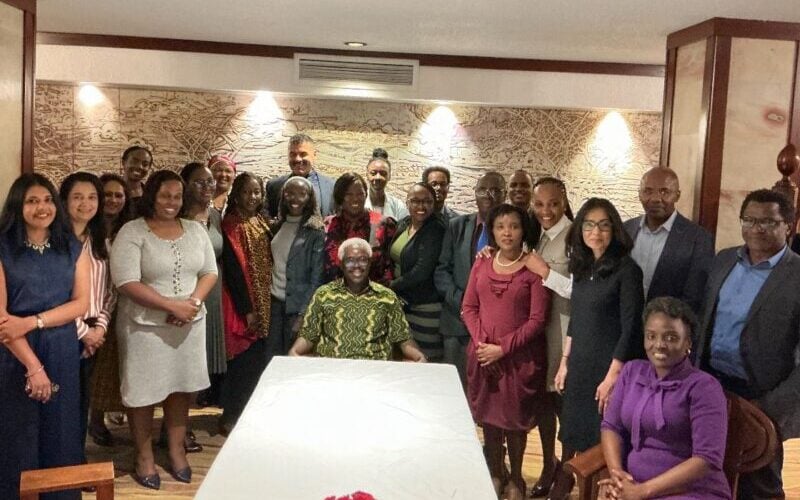
At the Serena Nairobi Hotel with attendees from Aga Khan University Nairobi, Stellenbosch University, IACAPAP, and health care and research representatives from across Kenya.

Partnerships between low- and middle-income countries (LMICs) and high-income countries (HICs) have the opportunity for impact. What’s just as powerful, perhaps even more transformative, are partnerships between LMICs themselves — countries where the economic, cultural, and systemic realities show evidence of pattern. South-South collaboration has the potential to build more contextually appropriate models of care with Fellows learning from mentors who understand the day-to-day realities of practicing in resource-constrained systems. Our Fellowship model has already proven successful in linking Mozambique with Brazil, where generalist clinicians receive training in child and adolescent mental health specializations.

This kind of collaboration isn’t about one-way knowledge transfer. It’s about co-creating solutions that are sustainable, regionally relevant, and driven by the people who will carry them forward. Over time, as this capacity grows, Kenya itself has the potential to become a regional hub for CAMH training — serving as a center of excellence for East Africa, including Uganda, Tanzania, and beyond.

The Fellowship model reflects the Child Mind Institute’s commitment to translating clinical excellence into scalable, global workforce solutions that strengthen public systems of care.

Learn more about the Global Fellowships Program

The post Bridging Countries and Building Capacity: A Bright Path Forward for Global Child Mental Health appeared first on Child Mind Institute.

Tideglusib improves novel object recognition memory in the preclinical DBA/2J mdx mouse model of Duchenne muscular dystrophy

IntroductionDuchenne muscular dystrophy (DMD) is a severe X-linked neuromuscular disorder characterized by progressive muscle wasting. Approximately 1 in 3 DMD patients experience cognitive dysfunction, with research suggesting an Alzheimer’s disease (AD)-like pathology. We have previously shown that treatment with the glycogen synthase kinase 3β (GSK3) inhibitor, tideglusib, improves muscle quality, function, and insulin sensitivity in the DBA/2J (D2) mdx mouse model of DMD. In this brief follow-up study, we report the effects of tideglusib treatment on cognitive function.MethodsMale D2 WT and mdx mice were purchased from Jackson Laboratories. Mice were separated into the following groups: (1) WT, (2) mdx-vehicle, and (3) mdx-tideglusib (10 mg/kg/day via oral gavage for 4 weeks). A novel object recognition test was performed to assess recognition memory. Hippocampus and serum samples were collected for BACE1 activity assays, amyloid beta (Aβ) ELISAs, and western blotting.ResultsCompared to vehicle-treated mdx mice, tideglusib-treated mdx mice demonstrated improved recognition memory. These changes to recognition memory were accompanied by greater expression of beta-catenin, an indirect downstream marker of GSK3 inhibition. While there were no changes in BACE1 activity, tideglusib-treated mdx mice had higher concentrations of Aβ in the serum and lower protein levels of receptor of advanced glycation end products.DiscussionThe results from this brief follow-up study offer preliminary support for tideglusib as a treatment for both muscle and brain impairments in mdx mice, potentially improving cognitive function through enhanced vascular Aβ clearance.