Why do South Koreans love AI so much?

This story originally appeared in The Algorithm, our weekly newsletter on AI. To get stories like this in your inbox first, sign up here.

When I landed in Seoul after a grueling 12-hour flight from San Francisco, I walked through an unmanned immigration checkpoint, where a machine scanned my face and passport. On the subway home, people were glued to their phones (powered by flawless 5G even underground), as we raced past platforms lined with LED screens of ads celebrating K-pop idols’ birthdays. When I got off the station in Gangnam, a cartoon-eyed robot on wheels was waiting patiently at a crosswalk to deliver someone’s dinner. Internet cafés dotted the sidewalks, crammed with teenagers playing computer games, maybe hoping to become the next legendary pro gamer.

I stood at a bus stop with interactive touch screens showing real-time bus schedule updates. It will soon become an “AI bus stop,” the Gangnam district announced in June, with a kiosk that answers riders’ questions in multiple languages. The news didn’t surprise me. Having grown up in the city, I’ve watched Seoul transform from a scrappy boomtown into the gleaming tech capital it is today.

South Korea loves AI.

While a public backlash against AI is brewing across the US, South Koreans are optimistic. Only 16% say they are more concerned than excited about AI—the lowest of any of the 25 countries surveyed by the Pew Research Center—while 50% of Americans were more worried than excited. A majority of Koreans use AI every day, either as a sort of personal assistant or to do tasks at work, according to surveys by the Ministry of Culture, Sports, and Tourism and Korea Chamber of Commerce and Industry.

One of the most wired countries in the world, South Korea loves to street-test every new technology on the block—AI webcomics, virtual K-pop idols, and humanoid monks. And the appetite for experimentation doesn’t stop with ordinary citizens. Government agencies are early adopters too, deploying AI textbooks in schools and AI eldercare robots in welfare centers. South Koreans share a deep conviction that embracing technology is integral to modernizing the country and cementing its place in the global order. Their fascination with AI is just the latest incarnation of that ethos—and it’s making them anxious to stay ahead.

Engineered enthusiasm

All this techno-optimism has largely been engineered by South Korea’s national agenda to make AI a motor of economic growth. “The South Korean government has designated an AI-powered Fourth Industrial Revolution as the country’s path forward and aggressively promoted and invested in it,” says Chihyung Jeon, a professor of science and technology policy at the Korea Advanced Institute of Science and Technology. “South Koreans have consistently and relentlessly been told by the government about AI’s potential to create a better future.”

As South Korea rose from the ashes of the Korean War, technology lifted the nation from poverty into an economic powerhouse. In the 1970s, South Korea manufactured steel and ships, then semiconductors in the 1980s, broadband in the 1990s, and smartphones in the 2000s. Today, Samsung and SK Hynix supply most of the world’s high-bandwidth memory chips, which power the cutting-edge Nvidia hardware used to train AI models. South Korea’s economy now orbits these two semiconductor giants: The country’s main equity index, Kospi, surged to record highs in 2026, powered by the soaring share prices of both companies, each valued above $1 trillion.

Lee Jae-myung, president of South Korea, has pledged to vault the country into the ranks of the “top three AI powers” alongside the US and China. After taking office in 2025, he launched the Presidential Council on National AI Strategy to help buy massive amounts of computing power and a sovereign AI foundation model project that funds Korean companies to develop homegrown AI models. The government has also supported semiconductor titans, including Samsung and SK Hynix, through generous tax credits and low-interest financing. 

South Korea’s policy posture also prioritizes accelerating AI development over safety considerations. In 2024, South Korea’s legislature passed the AI Basic Act, one of the world’s first comprehensive AI laws, to promote AI development and establish light-touch regulatory guardrails. Seventy percent of South Koreans say advancing science and medicine through AI innovation is a bigger priority than protecting industries through regulation, according to the 2026 Stanford AI Index.

All of that effort might be paying off. The same index ranked South Korea as having the third largest number of notable AI models in the world, based on criteria such as state-of-the-art advancements or high citation rates. For many small countries like South Korea, AI is a chance to punch above their weight.

The blind spots

But that single-mindedness can crowd out critical reflection on AI’s broader societal impacts. “Because the national agenda on AI prioritizes economic development,” says Jeon, the professor of science and technology policy, “there isn’t much reflection on the social, political, ethical dimensions of the technology.” In 2025, the South Korean government faced a fierce backlash for rolling out AI textbooks riddled with factual inaccuracies and data privacy risks without testing them first in a pilot program to evaluate how they affect student learning.

And despite their optimism, South Koreans are still worried that AI could displace them from their jobs. After Hyundai announced in January that it will deploy Atlas humanoid robots across its car factories, the Hyundai Motor Group union protested vehemently. “Without labor-management agreement, not a single robot using new technology will be allowed to enter the workplace,” the union said. Sixty-four percent of South Koreans fear AI could displace human labor and exacerbate inequality, although 52% believe it could also increase productivity. 

On a recent Friday night in the Seoul Central Market, I went out with my cousins to a pocha, a late-night restaurant that serves fish cakes stacked in neat pyramids. As we clinked our cups of soju cut with beer—the scrappy staple cocktail of every Korean night out—one cousin asked me if I’d asked ChatGPT about my saju, a traditional Korean fortune-telling practice. A 29-year-old insurance agent in Seoul praying for a new job and a boyfriend, she said asking ChatGPT about work and dating was her favorite pastime. She pulled up her phone and punched my birth date into the chatbot. 

Addicted to their screens, trapped between unemployment and dead-end jobs, and priced out of marriage and homeownership, 46% of South Koreans in their 20s have used a chatbot to read their fortunes, according to a survey by Korea Gallup. 

My cousin said she also asks ChatGPT for tips on trading stocks, dreaming big about making bank on her investment accounts into which she’s been pouring her salary. ChatGPT, she believes, is her portal out of reality into a better future.

Despite how fond she is of the chatbot as her shaman and financial advisor, she fears losing her job to AI. She still uses ChatGPT feverishly at work, as all her coworkers do, afraid of falling behind. 

“I sometimes fear AI, but for now, it’s just so useful,” she said.

STAT+: Trump’s obesity drug plan creates a temporary Medicare program that may be hard to end

WASHINGTON — Weight loss drugs will be available to adults 65 and older in Medicare for the first time next month, thanks to a government program that’s supposed to be temporary. It may be difficult to end it.

Medicare is prohibited by law from paying for obesity drugs. The Trump administration is circumventing that law by making the drugs available via a demonstration program.

Initially, Medicare had hoped to push private Medicare insurers to voluntarily cover the drugs via a three-year program called BALANCE, which would have started following a short transitional period. But insurers balked, so the federal government is instead extending the transitional coverage program, called Bridge, until the end of next year.

Continue to STAT+ to read the full story…

From Multi-Omics to Digital Twins: A Data-Driven Future for Precision Medicine

First coined over a decade ago in the aerospace industry to describe a digital replica of a physical object, the concept of a “digital twin” has since found its way into medicine, where it refers to the simulation of a patient’s unique biology. Drawing on multiple layers of patient health data, these computer models promise to predict how a person’s health will evolve over time and how they will respond to any given intervention.

Digital twins represent a transformative shift in medicine, moving from reactive health interventions toward preventive strategies. While this technology is still in early stages, it is already being used to guide personalized cancer treatment, simulate the outcomes of cardiology interventions, and manage complex metabolic diseases like diabetes. However, most applications today are closer to small-scale digital models of a specific tissue or condition rather than a complete digital twin that dynamically adapts to real-world data from each simulated patient.

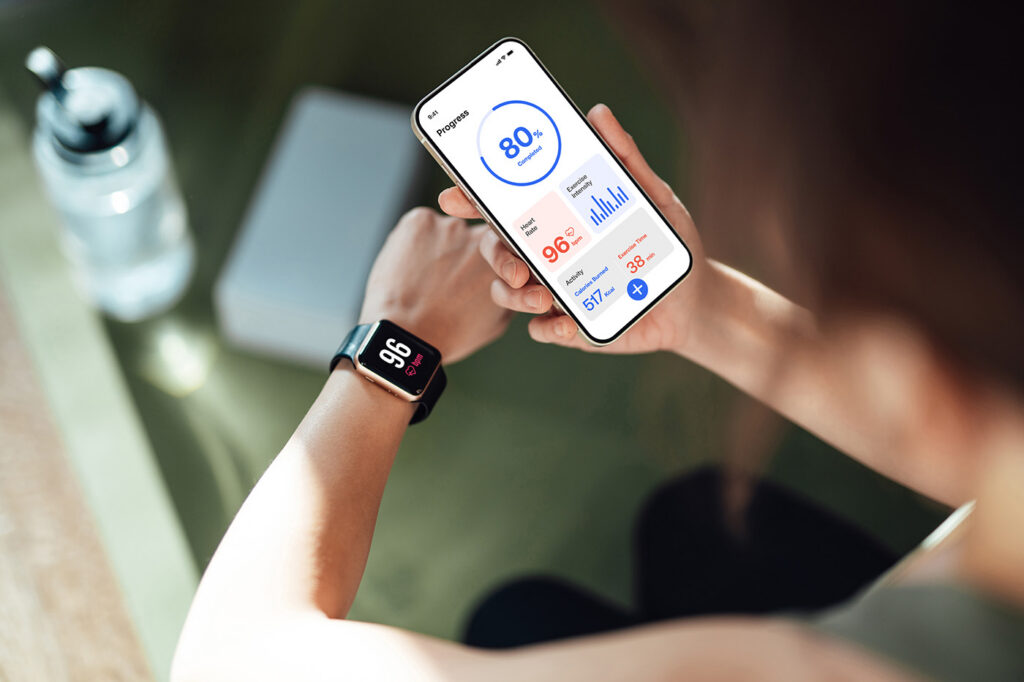
Overhead of young woman using fitness app on smartphone and smartwatch to monitor training progress after exercising at home
Credit: Oscar Wong / Getty Images

A convergence of rapid technological advances across multi-omics and artificial intelligence (AI) is priming the development of powerful computational models that can capture intricate biological processes beyond the capabilities of any of their predecessors. As large-scale multi-omics datasets are increasingly combined with clinical and real-time physiological data, digital twins are laying the foundation for a more precise and individualized understanding of human health.

Exploring uncharted territory

Digital twins could have a particularly meaningful impact in areas of medicine where knowledge is limited and currently available technologies have fallen short. One such area is rare diseases. Although rare diseases collectively affect more than 300 million people worldwide, each of the over 7,000 conditions covered under this definition only affects a small number of patients—sometimes even just a single person. This scarcity makes it difficult to study the underlying biology and hinders the development of much-needed treatments and diagnostics.

Ellen M. McDonagh
Ellen M. McDonagh, PhD
Group Team Lead
European Bioinformatics Institute

“We can use digital twins to address the fact that, with a rare disease, you might only have a handful of patients with that diagnosis,” said Ellen M. McDonagh, PhD, group team lead at the European Bioinformatics Institute (EMBL-EBI) in the U.K. and translational informatics director at Open Targets.

Through a project funded by the Chan Zuckerberg Initiative, McDonagh’s team is developing digital twins of human tissues that combine multi-omics data with a patient’s clinical history and additional phenotype data. Their approach begins by modeling biological processes in healthy tissue, and then bringing in data from common diseases affecting the same tissue to train AI models to predict patterns of dysfunction. This would allow researchers to feed the algorithm data from patients with rare diseases to better understand the underlying biological mechanisms driving each condition.

Integrating diverse layers of multi-omics data will be critical to achieving a more comprehensive understanding of the molecular basis of these rare conditions. In some countries, including the U.K., patients with rare diseases routinely undergo whole-genome or whole-exome sequencing as part of diagnostic testing. However, many of the identified genetic variants remain difficult to interpret with limited current knowledge. By combining genomics with other modalities such as transcriptomics, proteomics, and metabolomics, researchers can develop a more complete picture of the underlying molecular interactions and better determine the relevance of these previously uncharacterized variants.

On this front, a major challenge lies in collecting and integrating data across a wide range of modalities, cohorts, and institutions. To address this, McDonagh’s team is actively developing workflows to standardize data collected from the scientific literature, public datasets, and research environments, enabling more reliable comparisons across datasets and facilitating their integration into digital twin models.

This work also involves efforts to fill gaps in the data, as not all data modalities will be available for every patient. For instance, a computer model could predict what the transcriptomic profile will look like based on genomics data, and vice versa.

“We are benchmarking different methods that can help with predicting missing data, but also evaluating how confident we are in those predictions,” said McDonagh. Knowing which biological processes can be predicted with high confidence, and which cannot, can help researchers draw more robust conclusions and guide future data collection efforts.

As digital twin models keep growing and becoming more refined, they will enable the identification of new therapeutic targets and diagnostic markers, while also forecasting the precise effects an intervention will have on a given person. McDonagh highlights their potential to develop more personalized treatment plans for each patient, adding that, “Monitoring patients over time, one could also predict whether a patient might develop resistance to a given drug and switch them to an alternative treatment.”

Integrating real-time data

Integrating multi-omics data with physiological measurements, obtained from continuous sensors and wearable devices, could help digital twins take a significant step forward in accurately simulating complex and dynamic biological processes. In turn, this could help advance healthcare from a reactive model to a more proactive approach.

Tadao Ooka
Tadao Ooka, MD, PhD
Associate Professor
University of Yamanashi

“Today, much of medicine begins after a disease has become clinically apparent,” said Tadao Ooka, MD, PhD, associate professor at the University of Yamanashi in Japan. “In contrast, preemptive medicine aims to detect subtle biological changes before symptoms or irreversible damage occur, and to intervene earlier through lifestyle, environmental, pharmacological, or behavioral approaches.”

Achieving such a transformative shift could significantly reduce the burden of chronic diseases such as diabetes, cardiovascular disease, and neurodegenerative disorders. This is becoming an increasingly urgent goal in aging societies, including Japan, where preventing health decline and extending healthy life expectancy are currently major public health priorities.

Ooka’s lab is developing digital twins that integrate patient data from longitudinal multi-omics, wearables, and lifestyle questionnaires. Through Taomics, a company he co-founded, Ooka is also building a platform to collect longitudinal data from patients and healthy individuals. This data is used to create digital twins that can provide users with personalized health recommendations while informing drug discovery and identifying target populations for a more precise approach to clinical development.

“One major objective is to identify biological pathways related to insulin resistance and metabolic dysfunction,” he added. “The goal is not only to predict risk, but also to understand which behaviors or interventions may improve a person’s molecular and metabolic state.”

While multi-omics data can tell researchers what is happening within the body at the molecular level, continuous data obtained from sensors and wearables can provide a deeper insight into what a person is experiencing in daily life, including physical activity, sleep, heart rate, and stress levels.

“The key is to connect these two layers,” said Ooka. “Together, they allow us to move from general advice to personalized, testable, and adaptive recommendations. For example, if a person’s sleep, physical activity, or dietary pattern changes, we can examine how their inflammatory, metabolic, or insulin resistance-related protein signatures change afterward. Conversely, if a molecular pathway appears to be deteriorating, [sensor] data may help identify the behavioral or environmental context behind that change.”

Across all medical specialties, Ooka expects digital twins to make the greatest early impact in diseases where progression is continuous, multifactorial, and strongly influenced by the patient’s lifestyle and environment. These include metabolic diseases, which develop over many years and are shaped by interactions between genetics, environment, and behavioral patterns. Oncology will also be particularly relevant given the complexity of treatment response and resistance processes at the molecular level.

To reach these ambitious goals, however, a number of challenges must be addressed. In addition to ensuring the data used to train digital twin models is robust and reliable, implementation needs to be carefully planned so that digital twins can adapt to and integrate into real-world clinical workflows, reimbursement systems, regulatory frameworks, and ethical governance structures.

“The goal should be to create systems that benefit the broader population,” explained Ooka. “We need to ensure that prediction does not become discrimination, that data is handled securely, and that people receive understandable and actionable recommendations.”

Towards dynamic predictions

In the future, experts expect to see digital twins that integrate multi-omics data with wearable, imaging, clinical, and environmental data to capture the full complexity of human biology, becoming intelligent decision-support platforms. This progress will be underpinned by continued improvements in multi-omics technology, with the coming decade being primed for advances in longitudinal data collection and spatial multi-omics. Coupled with increasingly lower prices, this technology is expected to become much more accessible to researchers and clinicians alike.

Kyung-In Jang
Kyung-In Jang, PhD
Associate Professor
Daegu Gyeongbuk Institute of Science and Technology (DGIST)

“While omics data were once confined to laboratory analysis, emerging wearable technologies now allow real-time detection of certain metabolites and protein markers,” wrote Kyung-In Jang, PhD, associate professor at the Daegu Gyeongbuk Institute of Science and Technology (DGIST) in South Korea. “These innovations support integrating omics into everyday health monitoring, contributing to the accessibility and responsiveness of precision healthcare.”

Within the next decade, McDonagh expects to see the first translational applications of digital twins in the clinic, whether to support diagnosis, patient stratification in clinical trials, or predicting how a patient will respond to a given treatment. “It really does open the door to being able to identify new targets that are causing disease in rare disease patients, but also in more complex, common diseases,” she said. “Ultimately, digital twins will help in the development of new, safer, more effective treatments and more personalized medicine.”

Going forward, Ooka expects medical applications of digital twins to evolve in stages, starting with smaller, disease-specific models, and later becoming large-scale tools that can predict future outcomes and enable patients to alter their disease trajectories through personalized interventions. This evolution will go beyond purely technical improvements, potentially shaking the foundations of healthcare systems as we know them today.

“The field will require new ecosystem models, not only new analytical technologies,” said Ooka. “Medical digital twins cannot be built by academia, industry, hospitals, or technology companies alone. They require long-term participant engagement, trusted data governance, scientific rigor, clinical relevance, and business sustainability.”

Ooka has been actively working on setting up such an ecosystem in Japan through the COI-NEXT initiative, bringing together universities, regional companies, and global partners to return insights derived from their data to local communities.

Futuristic Data Skyline: Neon Bar Cityscape Visualization for Tech, Analytics, and Innovation
Credit: Alllex / Getty Images

“Ultimately, I would like to create a system in which individuals can receive personalized health recommendations based on their own longitudinal biological data,” he concluded. “This means moving beyond one-time testing toward a continuous feedback loop: measure, interpret, intervene, and re-measure. At the same time, such a platform could contribute to pharmaceutical research by connecting real-world human biology, lifestyle, and molecular data in a way that supports more precise and efficient drug development.

“My hope is that digital twins will help create a future where healthcare is no longer centered only on diagnosing and treating disease, but on continuously supporting each person’s optimal health throughout life.”


Clara Rodríguez Fernández is a science journalist specializing in biotechnology, medicine, deeptech, and startup innovation. She previously worked as a reporter at Sifted and editor at Labiotech, and she holds an MRes degree in bioengineering from Imperial College London.

The post From Multi-Omics to Digital Twins: A Data-Driven Future for Precision Medicine appeared first on Inside Precision Medicine.

The Download: “reprogramming” aging, and the hidden sense of interoception

This is today’s edition of The Download, our weekday newsletter that provides a daily dose of what’s going on in the world of technology.

Why “reprogramming” is the buzziest approach to reversing aging right now

Earlier this week, Life Biosciences, a biotech company focused on reversing age-related diseases, announced that it had dosed its first volunteer. A person with glaucoma has had an experimental treatment injected straight into their eyeball.

The idea is to treat the disease by regenerating healthy nerves in the eye—but the company already hopes to go further. If the treatment can reverse glaucoma, similar treatments could reverse other diseases of aging. Maybe, just maybe, they could reverse aging altogether.

The approach relies on “reprogramming” cells to a younger state. It’s one of many strategies being explored by biotech companies looking to slow and reverse aging. But of all of them, it seems to be the one that is truly taking off.

Read the full story on the pursuit of reprogramming for rejuvenation.

—Jessica Hamzelou

This story is from The Checkup, our weekly newsletter giving you the inside track on all things biotech. Sign up to receive it in your inbox every Thursday.

Inside Interoception: The hidden sense of how you feel inside

Scientists have a word for how we sense ourselves from the inside: interoception. Today, thanks to a 2021 Nobel Prize and new tools that can map internal signaling across the body, research into interoception is taking off.

As researchers decode how signals move between body and brain, a clearer picture is starting to take shape—with implications for how we understand and treat conditions from obesity to chronic pain to anxiety.

Find out how it’s leading to a “new continent of awareness.”

—Katherine W. Isaacs

This story is part of MIT Technology Review Explains, our series untangling the complex, messy world of technology to help you understand what’s coming next. You can read more from the series here. 

The must-reads

I’ve combed the internet to find you today’s most fun/important/scary/fascinating stories about technology.

1 SpaceX has officially delivered the largest IPO in history
It’s raised a record $75 billion at a $1.77 trillion valuation. (Axios)
+ Making Elon Musk the world’s first trillionaire (on paper). (Reuters $)
+ The IPO will now put his “extreme ownership” to the test. (Wired $)
+ While China attempts to build a Starlink rival. (Rest of World)
+ And other challenges to SpaceX emerge. (MIT Technology Review)

2 Jeff Bezos wants to build an “artificial general engineer”
Through his new industrial AI startup, Prometheus. (NYT $)
+ Which just raised $12 billion, valuing it at $41 billion. (TechCrunch)
+ Meanwhile, OpenAI is building a fully automated researcher. (MIT Technology Review)

3 Chinese regulators are dramatically intensifying tech enforcement
A spell of relative restraint has ended. (SCMP)
+ Regulators have admonished e-commerce giants Alibaba and JD.com. (FT $)
+ And blocked Meta’s acquisition of Chinese AI startup Manus. (BBC)

4 Google says Chinese cybercriminals used Gemini to scam Americans
It’s suing the network over the alleged AI-powered scams.(NYT $)
+ “Supercharged scams” are one of our 10 Things That Matter in AI Right Now. (MIT Technology Review)

5 Ukraine’s defense AI chief predicts a “new paradigm” of warfare
He expects AI systems to unify into a single battlefield network. (Reuters $)
+ AI chatbots could be used for targeting decisions. (MIT Technology Review)

6 Anthropic has rankled users with its safety-first Fable model
Stringent safety rules and refusals to help have sparked a backlash. (NBC)
+ Anthropic has backtracked on some policies. (Wired $)

7 Pokémon Go data trained AI that could assist military drones
It could help them locate themselves in war zones. (Guardian)
+ Pokémon Go data is also training delivery robots. (MIT Technology Review)

8 Orbital data centers are harder than Silicon Valley thinks
Shedding heat in space requires ingenious new designs. (IEEE Spectrum)
+ We need a few things to put data centers in space. (MIT Technology Review)

9 A toy universe shows time could be a quantum illusion
It could emerge from quantum interactions, rather than just existing by default. (New Scientist $)

10 Chatbots keep telling stories about a lighthouse keeper called Ella
And now we may finally know why. (404 Media)

Quote of the day

“People are paying a trillion dollars for Elon.” 

—Ross Gerber, the CEO of Gerber Kawasaki, which owns SpaceX stock, tells the New York Times why he believes the company’s IPO is overvalued.

One More Thing

a knight standing in a virtual space

GEORGE WYLESOL


How generative AI could reinvent what it means to play

I was immediately attracted to open-world games, in which you’re free to explore a vast simulated world and choose what challenges to accept. To make them feel alive, these games are inhabited by crowds of “nonplayer characters” (NPCs). But the illusion starts to weaken when you spend enough time with them.

It may not always be like that. Just as it’s upending other industries, generative AI is opening the door to entirely new kinds of in-game interactions that are open-ended, creative, and unexpected. The game may not always have to end.

Discover how generative AI could make games—and other worlds—deeply immersive.

—Niall Firth

We can still have nice things

A place for comfort, fun, and distraction to brighten up your day. (Got any ideas? Drop me a line.)

+ My feet have fallen for the Crocs x Super Mario collection.
+ Denmark’s 2026 Mullet Championship is the hottest hairdo contest of the year.
+ Hungry at half-time? Here are seven mouth-watering international recipes inspired by the World Cup.
+ Feast your eyes on a helicopter bound for Mars and a flowery Milky Way frame in Nature’s top images from last month.

Inside interoception: The hidden sense of how you feel inside

MIT Technology Review Explains: Let our writers untangle the complex, messy world of science and technology to help you understand what’s coming next. You can read more from the series here.

Your brain lives in the dark space of your skull. Yet it knows when the wind lifts the hairs on your skin, when your heart is racing, when your gut tightens with fear.

It’s also, right now, predicting what you’ll read next as your eyes move across this page. It’s picking up signals that help it make sense of what’s happening around you and prepare you to act if you need to stay safe. You aren’t usually aware that your brain is doing all that.

Our senses take in information at a staggering rate—roughly 11 million bits flood in every second from our skin, eyes, ears, and more. That’s nearly three paperback novels’ worth of data every second. Only a sliver reaches our conscious awareness.  Researchers estimate that our conscious minds can process roughly 10 to 60 bits of information per second, about the rate at which you’re reading this sentence. That’s a ratio of about one conscious bit to hundreds of thousands of unconscious bits.

And that’s a mercy. As Moriah Thomason, a neuroscientist at NYU Langone, says, “Thank goodness we’re built like this. There’s a layer of what we have access to in conscious awareness. And then we have a right-under-the-surface amount. There is only a certain amount we are meant to ‘hold in mind’ in order to function successfully.” 

What you are aware of: Your stomach growling when you’re hungry. Your palms sweating before you speak in public. The breath you just took, if you pay attention to it. Even your heartbeat, which some people can sense from the inside without feeling their pulse in their wrist.

Scientists have a word for how we sense ourselves from the inside: interoception. 

The term was coined in 1906 by the British neurophysiologist Charles Sherrington. For most of the 20th century it remained largely confined to textbooks. Today, thanks to a 2021 Nobel Prize and new tools that can map the interoceptive system across the body, the study of this facility is suddenly quite hot. As researchers decode how signals move between body and brain, a clearer picture is starting to take shape—with implications for how we understand and treat conditions from obesity to chronic pain to anxiety.

The field began to take off in the 1990s. In 1994, the neurologist Antonio Damasio published a book with a pointed title: Descartes’ Error. He challenged the historical separation of thinking and feeling, arguing that our ability to choose and act is driven by feelings, and those feelings in turn are shaped by the body’s signals, such as your gut clenching or your skin going clammy. When we lose that connection between feeling and thinking, as one of Damasio’s patients did after surgery to treat a brain tumor, we may still be able to reason with perfect logic about the pros and cons of traveling on a Tuesday or a Wednesday. But without the emotional signals that help us predict what a choice will feel like, our reason spins and circles, and we cannot decide.

A contemporary of Damasio’s, the neuroscientist Bud Craig, spent his career asking one question: How do you feel? He charted how the brain builds an inner map of the body and updates it in real time every moment you are alive.

Think of the captain’s bridge on the USS Enterprise, where a live map displays the status of the ship’s critical systems: oxygen levels, energy availability, hull integrity, shield strength. Another set of indicators senses things outside the ship: asteroid belts, enemy ships, radiation, life signs, and spatial anomalies not yet understood.

Your brain, only about the size of your two fists pressed together, creates a map like this for your entire body, along with a map of the outside world, from data streaming in through your five senses. Together, they feed into your brain’s working model of you in the world, now and across time—where you are, who you are, your expectations for what’s about to happen (based on everything you know), and what all that means for you.

When someone asks “How are you doing?” we consult our maps and report back on our status. We might say we’re happy, depleted, anxious, or energetic. These feelings are always a braid of emotional and physical sensations. They’re what your interoceptive navigational system serves up to your awareness when you sense yourself from the inside.

As we grow up, we learn to interpret what these sensations mean—interpretations that, in turn, can alter our physiology, emotions, and behavior. Research by the psychologist Alia Crum shows that people who embrace a “stress is enhancing” mindset produce more growth hormones than people who have a “stress is debilitating” mindset. They also experience more positive emotions and greater cognitive flexibility.

Language also matters. We learn words for the textures of our feelings—words that then shape how we feel and act. People low in emotional “granularity”—as the psychologist Marc Brackett calls the ability to distinguish between closely related feelings—react more impulsively under stress and are less able to find meaning in difficult experiences. But mindsets and emotional intelligence are malleable. We can learn that “anxious” is different from “terrified,” and we can even reframe how we interpret our body’s sensations. Instead of thinking of the butterflies in our bellies as annoying, we can welcome them as our body’s way of preparing us for a peak performance.

Scientists have long understood that the interoceptive information informing these lived experiences travels via two major systems: nerves and humors (blood and lymph). Now they’re actively studying a third system—the “interstitium,” a network of fluid-filled spaces woven throughout the body’s connective fascia that may also play a role in communication.

But until recently, scientific understanding of this interoceptive system looked like a high-level schematic that left out vital details—how information travels from the outside environment in, how it moves from your body to your brain, and how it is integrated and interpreted within your brain. Researchers are now racing to explore what the neuroscientist Catherine Tallon-Baudry calls this “new continent of awareness.”

The wandering highway

One of the most active areas of research centers on the vagus nerve, the main component of the parasympathetic nervous system and an information highway carrying news from your organs up to your brain and back down to your body. The vagus has become a celebrity nerve, ubiquitous in wellness podcasts and trauma therapy. “Tone your vagus nerve.” “Activate your parasympathetic system.” The language suggests a single thing you can target, like a muscle. The reality, as Steve Liberles at Harvard Medical School is discovering, is far more interesting.

Liberles has spent most of his career mapping what he calls “the great wide unknown” of one of our largest and longest nerves. He speaks the way he works—methodically, without overselling. But the questions driving him are huge. How do we sense our body’s inner state? What information flows through which channels? And how does the brain decide what to do with it?

“When I’m nervous giving a talk in front of a thousand people,” he says, “my heart might race. I might get butterflies in my stomach. I might get goosebumps on my skin.” We all know what he’s talking about.

“It’s bizarre,” he muses. “Your brain has to send a signal to the gut, and then the gut back to the brain, to tell you you’re nervous?” He pauses. “This just shows there is this intimate connectivity between the brain and the body that’s real.”

The vagus is often called the calming nerve, because it controls “rest and digest” functions that quiet our body after the sympathetic nervous system revs us up with “fight or flight” impulses to handle danger or stress. 

But it is also doing something else: It’s listening to us inside. Anatomists have known for over a century that roughly 80% of its fibers carry information upward, from body to brain. Think of it as a two-lane highway with far more traffic headed north. What scientists are just beginning to understand in detail is what those signals are saying. 

Liberles is decoding the vagus with molecular precision and finding that its messaging system is unexpectedly diverse. So far, his research has uncovered dozens of types of vagus nerve cells, each wired to a specific organ. Team Red relays information about the heart; Team Blue, the gut.

Within those teams, each courier has a unique job that’s different from those all its teammates perform. Liberles found 10 types in the lungs alone. Until then, only one lung reflex had ever been identified, in 1868. One nerve courier carries information about breathing rate; another the stretch of your lungs; yet another information about airway threats, like food going down the wrong pipe.

“It’s super exciting to think about what each of these neurons is doing,” he told me in a conversation last fall, a flash of intensity breaking through the calm. “Where does it go in the body? What is it sensing? What is it controlling?”

The doors of the cell

Liberles is mapping the vagus information highways. But highways need on-ramps for signals to enter. For years, one of neurobiology’s biggest mysteries was the molecular on-ramp for our sense of touch.

Somewhere, something in our bodies was converting physical force into an electrical signal that the nervous system could understand. But no one knew how. 

Solving that mystery required a scientist willing to trust a hunch when the data couldn’t show the way. 

Ardem Patapoutian grew up in Lebanon and fled the country’s civil war at 18, landing in Los Angeles, where he delivered pizzas and wrote horoscopes for a local newspaper before falling in love with science at UCLA.

In the 1990s, as a postdoc at the University of California, San Francisco, he became fascinated with our sense of touch—the last of the five major senses not yet understood at the molecular level. The lung stretch signal that Liberles’s vagus neurons carry to the brain? No one had ever figured out how that signal began.

“How do you feel the embrace of a loved one? How do your fingers distinguish one texture of hair from another?” Patapoutian invites us to wonder in his 2021 Nobel Prize lecture. The problem: Most cellular communication works through chemistry. But mechanical force offers no molecule to bind. How does the body translate physical pressure into the electrochemical language that neurons speak?

Scientists knew that the answer had to be an ion channel—a protein gate embedded in cell membranes that opens to let electrically charged particles into the cell. But tracking down the one responsible for touch turned out to be absurdly difficult. Ion channels are a hundred thousandth the size of a cell, invisible to ordinary microscopes. Worse, they don’t resemble each other. You can’t recognize one by its shape or its sequence of amino acids. Even with one right in front of you, nothing would tell you it was there.

At Scripps, where he works now, Patapoutian decided to try an unusual approach. He’d try to find cells that showed sensitivity to touch and destroy their internal genetic blueprint one gene at a time—hunting for the move that would make the cell go numb. It was tedious, expensive, and possibly a dead end. “A lot of people made fun of us,” he says.

Two years in, Patapoutian’s collaborator Bertrand Coste had burned through half his postdoctoral appointment with no results. Patapoutian said: Another 30 genes, and then we decide whether to continue.

What kept them going, Patapoutian told me, was informed intuition. “As you gain more experience, you have this sense of what’s going to work, what’s not going to work. Sometimes the data cannot answer the question of when to stop or when to continue. There has to be another process. If you start trusting it, it gives you an avenue to continue.”

Coste knocked out candidate gene 72. Flatline. The cell had gone numb.

They’d found it—the mechanism behind something you feel every day.

They named the protein they identified PIEZO, from the Greek piezi, meaning pressure. There are two variations, PIEZO1 and PIEZO2, each responsible for sensing different kinds of pressure in the body. They’re elegant in their design—over 2,500 amino acids folded into a three-bladed propeller-shaped gate embedded in cell membranes. When pressure stretches the membrane, the gate opens and electrically charged ions flood through, translating physical pressure into an electrical signal that the brain can understand—all within milliseconds.

Patapoutian calls scientific discovery a dream that survives reality. He won the Nobel Prize in medicine in 2021 for his discovery of PIEZO, sharing the award with David Julius of UCSF for his work on how cells sense temperature. Now researchers are finding PIEZO proteins everywhere—skin, organs, blood vessels, and even red blood cells, where they help the cells squeeze through narrow capillaries. They’re how your brain knows where your hand is in space without looking at it, a sense called proprioception. They’re in plants too, enabling roots to sense pressure as they push down into the earth.

PIEZO was just the beginning. With a $14.5 million grant from the US National Institutes of Health, Patapoutian and his collaborators are now mapping the body’s entire interoceptive system—as many internal senses as he can find, he says.8

Patapoutian has translated his discovery into a unique form of public outreach. At scientific conferences, he sometimes rolls up his sleeve mid-lecture to reveal half his arm covered in ink—a gigantic PIEZO protein in exquisite anatomical detail, its blades spreading across his biceps. Then he flexes. The tattoo flexes with him, the structure bending exactly as the real protein does when pressure opens the gate.

“At a pub or a party,” he explains, smiling, “how else would I demonstrate this beautiful structure?”

Orchestrating the field

Steve Liberles is mapping a major interoception highway. Ardem Patapoutian discovered the gates of touch. Meanwhile, Wen Chen at the National Institutes of Health is pulling the field together, putting neuroscientists, immunologists, physiologists, and clinicians into the same room. The demand, she says, has been enormous.

She tested her pitch at a dinner party with NIH colleagues a few years ago. You’re hungry right now—that’s interoception. You’re thirsty—that’s interoception. Heads nodded as she pointed around the table.

“We can’t have just the brain or just the body,” she told me. “We need to look at the whole person.”

In 2018 she organized a symposium on interoception where Liberles was one of the invitees, along with researchers and practitioners of meditation and yoga. “It was not their thing,” she says, laughing as she recalls how uncomfortable some of the researchers looked. But the practitioners were excited to finally meet scientists who were studying the inner mechanisms of what they did.

That was followed by a series of NIH workshops on interoception that spanned topics from basic science to clinical practice. Patapoutian was the keynote speaker for the first one. 

The NIH began funding scientists to chart the neural circuits of interoception and bringing them together to talk about their findings. Partway through one of these meetings, the equipment failed for an hour. More than 1,000 people stayed online, waiting for it to come back.

“We were shocked at the turnout,” she says. “There was much bigger interest than we could have imagined.”

Chen is now building infrastructure to match the demand: a formal community, funding mechanisms, a venue where cardiologists and neuroscientists and clinicians can all find each other. And she’s redefining the field as she goes; interoception is not a one-way signal from body to brain but a continuous two-way communication system, each direction shaping the other in real time.10   

Liberles’s nervousness on stage is that two-way loop in action. Signals from his racing heart and belly butterflies travel up to the brain, which weaves them into an interpretation: This is anxiety, and this is what to do to handle it. His actions produce fresh signals that the brain reads in light of its ongoing predictions about what will happen next. In the body-brain communication loop, each player constantly updates the other.

I asked Wen what her work on interoception might mean for another inner sense: intuition. “People talk about ‘gut feelings,’” I said. “How does that relate to interoception?”

 “Intuition might be the bridge where interoception moves from unconscious processing to conscious awareness,” she answered. “If that’s true, then intuition is not magic. It’s physiology.”

But it depends on how we read the signals. Intuition is like pain. It tells you something, but it’s not always clear what. “Perhaps we can treat intuition as a source of data,” she says. “Meaningful, but probably not complete.”

“Maybe we can be grounded in both—in feeling and fact.”

Which raises a more personal question: What do you do with the signals your body is sending?

One avenue for exploration is therapeutic intervention—both pharmacological and neural stimulation. Vagal nerve stimulation has treated epilepsy and depression for four decades, but as Liberles puts it, it’s like pressing all the keys on the piano to hit one note. Weight-loss drugs like Ozempic act in part through vagal pathways but can cause nausea as a side effect, because the targeting isn’t precise enough. Map the body’s circuits with enough accuracy and you might hit the note you actually want.

Another area of active research is psychological and behavioral—teaching people how to detect and even shape interoceptive signals. Low interoceptive awareness is linked to mental-health disorders and stress-related physical conditions.11 But like emotional intelligence, it’s not fixed. Researchers are finding that people can boost their body awareness by, for example, learning to detect their heartbeats from the inside—now a common measure of interoceptive awareness.12 Other interventions focus on body-based therapies and conscious activation of the parasympathetic “rest and digest” system to improve emotional and physical well-being. The placebo effect is another example of the mind acting on the body through expectation alone.

The signals we once dismissed as vague feelings—when your gut tightens before you know why, when your body says yes or no before your mind catches up—those are real. How we interpret them and whether we act on them is another frontier.

It’s clear that gut feelings play a role in scientific research, especially when the path forward looks foggy. Patapoutian’s informed intuition kept him and his colleagues going long enough to find PIEZO, a reminder that major discoveries often start with a hunch that is later tested against evidence. Chen puts it well: Maybe we can be grounded in both feeling and fact.

Katherine W. Isaacs is a writer and senior lecturer at the MIT Sloan School of Management. Her teaching and research focus on the intersection of psychology, technology, and innovation. Originally trained as a biologist and later as a social psychologist, she is currently working on a book called Gut Feel, about intuition, interoception, and embodied decision-making.


App-Based Physical Activity Intervention for Individuals With Depression (MoodMover): Single-Arm, Pre-Post Proof-of-Concept and Feasibility Study

Background: Depression is a prevalent mental disorder, and it remains one of the leading causes of disability in Canada and globally. Mobile app–based physical activity interventions may offer an effective and accessible treatment option for individuals with depression who cannot or prefer not to access supervised exercise programs. Objective: This study aims to investigate the feasibility, acceptability, and proof of concept of a 9-week, theory-guided, app-based physical activity promotion intervention (MoodMover) developed for people with depression. Methods: We conducted a single-arm, pre-post study from November 2024 to May 2025, following the phase IIa: Proof-of-concept and phase IIb: Pilot and Preliminary Testing of the Obesity-Related Behavioural Intervention Trials model. Physically inactive adults who either self-reported a diagnosis of major depressive disorder or reported at least mild depressive symptoms, operationalized as a minimum score of 5 on the Patient Health Questionnaire, 9-Item, were recruited. The intervention spanned 9 weeks, with the first week serving as a run-in period and including a 15-minute orientation session on the first day. Participants were instructed to use the MoodMover program, delivered via the Pathverse app. Feasibility was assessed based on 4 primary criteria: recruitment, adherence, usability, and retention. Proof-of-concept was evaluated by assessing changes in physical activity behavior and depressive symptoms over the intervention period. Results: From November 2024 to March 2025, 32 of the 51 adults who met eligibility criteria consented to participate in this study, resulting in a recruitment rate of 63%. Twenty-eight participants completed baseline assessments, with a mean age of 39.8 (SD 13.4) years. A total of 21 participants attended the orientation session and received the intervention. Retention, adherence, and usability rates were 57% (16/28), 67% (14/21), and 50% (8/16), respectively. Regression analyses found that age consistently associated with app engagement, usability, and satisfaction. Two-tailed paired tests indicated significant pre-post changes in self-reported moderate to vigorous physical activity and depressive symptoms across the 75%, 85%, and 95% CIs. Among participants with clinically elevated depressive symptoms at baseline (Patient Health Questionnaire, 9-Item ≥10), 75% (9/12) achieved a clinically meaningful reduction in symptom severity. Conclusions: Our findings suggest that MoodMover holds potential for promoting physical activity behavior among individuals with depression and supporting depression management at scale. However, the feasibility of the tested version remains suboptimal. Necessary modifications (eg, improvements to enhance the accuracy of step tracking) should be implemented and reevaluated before progressing to a more rigorous efficacy trial. Trial Registration: ClinicalTrials.gov NCT06573125; https://clinicaltrials.gov/study/NCT06573125
<img src="https://jmir-production.s3.us-east-2.amazonaws.com/thumbs/3b1cfec4cf77a239ea121adef6075f91" />

The Effect of Hunger on the Likelihood of Glucose Excursions in Adults with Overweight or Obesity: Continuous Glucose Monitoring and Ecological Momentary Assessment Observational Study

Background: Maintaining stable glucose levels is important for metabolic health. Glucose excursions (GEs), which are marked increases in glucose following food intake, have been associated with a higher risk for cardiovascular disease and metabolic dysfunction. Individuals with overweight or obesity who do not have diabetes may still show impaired glucose regulation, as reflected in increased glucose variability. Hunger, as a real-time physiological cue, may be associated with subsequent glucose changes and represents a potential target for just-in-time adaptive interventions. Objective: This study aimed to investigate the temporal relationship between self-reported hunger and subsequent glucose dynamics, including the likelihood of GE occurring, in adults with overweight or obesity using continuous glucose monitoring and ecological momentary assessment. Methods: Data from 84 nondiabetic adults with overweight or obesity (mean age 47.7, SD 11.5 years) were analyzed over a 14-day period. Participants were recruited through community-based methods and enrolled between October 2022 and April 2023. Ecological momentary assessment reports of hunger were collected 6 times daily via smartphone prompts, and interstitial glucose levels were captured via continuous glucose monitoring. Three linear mixed effects models were applied to examine (1) the association between hunger and immediate glucose level, (2) glucose level 30 minutes after hunger, and (3) glucose trajectories from 30 to 180 minutes after hunger. In addition, a logistic mixed effects model was used to estimate the likelihood of a GE occurring within 30 to 180 minutes following a hunger report. Results: Hunger reports were associated with significantly lower glucose levels both at the time of reporting (mean difference [MD] 13.6 mg/dL, 95% CI –15.9 to –11.3; <.001) and 30 minutes afterward (MD –11.0 mg/dL, 95% CI –13.4 to –8.6; <.001). A significant time-by-hunger interaction revealed a progressive increase in glucose levels over 180 minutes after hunger (MD +6.7 mg/dL at 180 minutes, 95% CI +5.1 to +8.3; <.001). Hunger was associated with increased odds of experiencing a GE by 23.7% at 30 to 60 minutes (odds ratio [OR] 1.24; 95% CI 1.07 to 2.38; =.02), 36.1% at 60 to 90 minutes (OR 1.36; 95% CI 1.61 to 2.40; <.001), and 13% at 90 to 120 minutes (OR 1.13; 95% CI 1.05 to 1.63; =.01). No significant GE risk was observed beyond 120 minutes. Conclusions: Hunger was associated with an initial decrease in glucose followed by a delayed rise and heightened risk of GE within 30 to 120 minutes. These findings suggest that hunger may be a real-time behavioral signal associated with subsequent glucose changes. Although these findings should be interpreted with caution given the absence of direct measures of eating behavior, they highlight the potential relevance of hunger for future behavioral and digital health interventions. International Registered Report Identifier (IRRID): RR2-10.2196/45104

GLP-1s May Benefit Mental Health Through Gut–Brain Axis

GLP-1 drugs could act on depression by improving the balance of microorganisms in the intestinal tract, preclinical research suggests.

The findings, in Cell Host & Microbe, suggest extra benefits from this new class of drugs, beyond their metabolic effects on diabetes and obesity.

The GLP-1 receptor agonist liraglutide appeared have mental health benefits on mice, influencing brain function and behavior and reducing symptoms of depression.

This related to an increase in the abundance in the microbe Lactobacillus delbrueckii, which is known to act positively on neurons relating to stress.

Researcher Yonggui Yuan, PhD, from Southeast University in Jiangsu, China, noted mixed results from previous studies into the antidepressant effects from GLP-1 agonists.

“The prevailing model held that these drugs act directly on GLP-1 receptors in the brain, while our study provides evidence for an alternative pathway,” he said.

Emerging evidence suggests this drug class may exert biological effects beyond GLP receptors, such as reducing neuroinflammation after stroke or protecting against cisplatin-induced kidney injury.

The researchers therefore examined the neuropsychiatric effects of liraglutide and found that it had antidepressant effects that remained in mice deficient in the GLP-1 receptor.

The team identified a pathway independent of the GLP-1 receptor through which liraglutide could alleviate depressive-like behaviors in the animals.

Liraglutide encouraged the growth of L. delbrueckii by improving bacterial biosynthesis of serine and phosphoenolpyruvate (PEP), two metabolites that occupy pivotal roles in bacterial central metabolism.

PEP serves as a precursor for biosynthesis of amino acids, nucleotides, and cell wall components while the amino acid serine is a key node in one-carbon metabolism and a precursor for glycine, cysteine, and phospholipid synthesis, all essential for rapid bacterial proliferation.

Increasing levels of L. delbrueckii aided the production of diacylglycerol via triacylglycerol lipase.

This provided a precursor by which the animals could synthesize 2-arachidonoylglycerol (2-AG) levels, to normalize neuronal activity in emotional brain regions.

Gut-derived 2-AG inhibited stress-induced neuronal hyperactivity in the basolateral amygdala and dorsomedial hypothalamus, revealing a microbiota-endocannabinoid axis for potential use in depression therapy.

“Given the growing clinical use of GLP-1R agonists for metabolic disorders and the high comorbidity between metabolic and psychiatric conditions, understanding these pleiotropic, microbiota-mediated effects has important translational implications,” the authors noted.

“More broadly, the demonstration that a clinically approved metabolic drug can exert neuropsychiatric effects through microbiota-dependent mechanisms opens new avenues for drug repurposing and suggests that the therapeutic potential of existing pharmacological agents may extend far beyond their originally intended targets,” the authors concluded.

The post GLP-1s May Benefit Mental Health Through Gut–Brain Axis appeared first on Inside Precision Medicine.