

BackgroundMild cognitive impairment due to Alzheimer’s disease (MCI due to AD) is a crucial stage for the early identification of Alzheimer’s disease (AD), and timely detection at this stage may provide opportunities for earlier intervention and potentially delay disease progression.MethodsThis study proposed a digital early-screening method based on a touchscreen maze hand-interaction kinetic paradigm, which integrates digital biomarkers from the visuospatial/executive and episodic memory domains to support the screening of MCI due to AD. A customized maze task was administered to 40 patients with clinically diagnosed MCI due to AD and 40 healthy controls (HC). Behavioral data were collected, and two categories of digital biomarkers were extracted: (1) visuospatial/executive digital biomarkers, such as task completion time (VSETT) and average movement speed (VSES); and (2) episodic memory digital biomarkers, such as episodic memory total time (EMTT) and number of correct choices (EMCC). Significant digital biomarkers were identified through between-group comparisons, and their combined classification performance was evaluated using binary logistic regression and receiver operating characteristic (ROC) analysis.ResultsThe integrated digital biomarker model showed promising apparent discriminative performance in the full cohort, with an AUC of 0.899 (95% CI: 0.831–0.967). To reduce potential optimism associated with biomarker selection, model development, and model evaluation within the same dataset, internal validation was performed using full-pipeline repeated stratified five-fold cross-validation with all 16 candidate digital biomarkers entered into the validation procedure and biomarker selection repeated within each training fold. The internally validated model retained good discriminative performance, with a mean cross-validated AUC of 0.842, an empirical 95% interval of 0.779–0.878, an accuracy of 0.783, a sensitivity of 0.772, and a specificity of 0.795.ConclusionThese findings suggest that the proposed touchscreen maze-based digital assessment method may provide a promising and objective approach to supporting the early screening of MCI due to AD.
Clinical correlates and cognitive associations of the neutrophil-to-lymphocyte ratio in first-episode psychosis and at-risk mental states
ObjectiveClinical high-risk for psychosis (CHR-P) and first-episode psychosis (FEP) individuals present immune alterations that precede treatment initiation. The neutrophil-to-lymphocyte ratio (NLR) has emerged as a simple, accessible marker of systemic inflammation. This study investigates differences across CHR-P, FEP, and healthy control (HC) populations and explores peripheral associations between NLR and demographic, clinical, and cognitive variables.MethodsData were collected from 63 FEP, 56 CHR-P, and 27 HC individuals from two early intervention services in Spain. Socio-demographic, clinical, and neurocognitive data were collected from all participants, along with peripheral blood samples for NLR calculation. Correlations between NLR and clinical and neurocognitive variables were analyzed using multivariate models to control for potential confounders.ResultsNo significant differences in NLR were observed between the FEP, CHR-P, and HC groups (F = 1.04; p=0.36). In the FEP population, NLR was positively correlated with higher levels of positive symptoms (β=0.035; p=0.01) and longer duration of untreated psychosis (β=0.003; p=0.04) after adjusting for sex and age. In CHR-P individuals, NLR was negatively correlated with antidepressant use (β=-0.664; p=0.02). No significant associations were found between NLR and neurocognitive performance or antipsychotic treatment in any clinical group.ConclusionsOur findings do not support the utility of NLR as a diagnostic biomarker in early psychosis. However, the observed association between elevated NLR and positive psychotic symptoms in FEP suggests that NLR could serve as a state biomarker, reflecting inflammatory status related to symptom severity. Further research is needed to explore NLR dynamics in larger samples and its potential role in monitoring clinical progression in psychosis.
<![CDATA[APA’s next DSM rebrands and adds context, cross-cutting symptoms, and biomarker-ready science to sharpen diagnoses and personalize psychiatric care.]]>
Pharma’s Trial Problem: Outdated Systems, Broken Data, and the Coming AI Reset

Managing Director
Silicon Foundry, a Kearney Company
Clinical development has become the most resource-intensive stage of drug innovation. Across the industry, clinical trials consume 60–70% of total R&D spending, a proportion that continues to rise as trials grow more complex, more data-heavy, and more operationally demanding. The irony is that while science has advanced dramatically, the underlying model for running trials still reflects assumptions from a pre-digital era. The result is an ecosystem in which timelines stretch, costs multiply, and meaningful efficiency gains remain elusive.
AI has reached a level of maturity capable of reshaping this landscape, but its potential remains constrained by a fundamental issue the industry has been slow to confront. The data used to power these systems was never designed with AI in mind. In fact, the true crisis in clinical development today is structural and deeply rooted in how trial data is organized, contextualized, and interpreted.
Why trial models are failing
Clinical trials were built for physical sites, paper workflows, and slow-moving systems. Modern trials look nothing like that. They are distributed, data-heavy, biomarker-driven, and increasingly adaptive, yet they still run on infrastructure designed for a simpler era.
For years, clinical operations have been organized around sites and checklists rather than continuous insight. Data moves in bursts, workflows remain fragmented, and systems rarely talk to one another. Precision medicine expanded what trials could ask of data, but the way trials actually operate has barely evolved.
The problem isn’t only speed or scale. It’s also the quiet erosion of efficiency in places trial plans rarely account for. Across the industry, leaders describe a growing layer of “invisible waste”: repeated handoffs, duplicative manual work, incompatible data structures, and everyday operational friction that steadily stretches timelines and drives up costs, even though it seldom appears in formal project plans.
AI changes the equation, but only if trial data can support it.
Why AI stumbles in pharma
There is no shortage of AI talent, tools, or ambition in the life sciences sector. What is scarce is data that AI can meaningfully learn from. Most early AI-for-clinical-trials initiatives failed not because the models were immature, but because the data they were fed was not curated with clinical intent.
Two challenges define this crisis:
1. General-purpose models cannot interpret clinical nuance.
Models trained on large public corpora can identify patterns, but they lack clinical judgment. If the data is unstructured, inconsistently labeled, or lacks contextual metadata, the model will draw the wrong conclusions with absolute confidence. The well-known “ruler problem”—in which an AI system learned to detect malignant skin lesions based on the presence of a ruler beside the lesion—illustrates how easily models latch onto irrelevant signals.
2. Pharma’s internal data is both rich and unusable.
Organizations hold decades of trial data, but these assets are rarely AI-ready. Different study teams, CROs, and geographies used different standards. Biomarker and imaging data are often stored in systems that cannot communicate with EDC or safety platforms. And clinical notes, PDFs, and unstructured documents require interpretation that models cannot perform without curated training sets.
AI amplifies the quality of the data it is given. If the input is clinically inconsistent, overgeneralized, or disconnected from the trial context, the outputs will be clinically meaningless.
Recognizing this, many pharmas are now investing heavily in curated internal datasets, governance frameworks, and senior AI leadership, often in the form of newly created chief AI officer roles. These leaders are tasked with not just deploying tools, but rebuilding the data infrastructure from which future AI insights will emerge.
The new AI toolkit for clinical trials
Once the data foundation is strong, AI becomes a force multiplier across the entire trial lifecycle. Several categories show particularly high near-term impact potential.
Clinical-grade language models: Purpose-built models that ingest curated internal datasets can help draft protocols, refine eligibility criteria, flag operational risks, and interpret historical trial performance. Unlike general-purpose systems, these models are tuned to reason the way experienced clinical scientists do.
Multimodal AI for patient stratification and endpoint optimization: Integrating imaging, labs, digital biomarkers, and historical trial outcomes enables more precise cohort selection and improves the likelihood of detecting true therapeutic effect. These tools help convert today’s complex data streams into actionable insights.
Synthetic and hybrid control arms: While still emerging, these approaches reduce dependence on large traditional control cohorts by incorporating real-world evidence and model-generated comparators when appropriate. The result is faster recruitment and more efficient statistical design.
AI agents for operations: Operational agents can triage site queries, assist with eligibility adjudication, coordinate scheduling, and draft routine documentation. They are particularly helpful in reducing the administrative burden that slows trial execution.
The most underestimated category, and the one with the most long-term potential, is clinical-driven AI, where the model is trained to interpret clinical data the way a researcher with a PhD or a clinician would. This approach addresses the core issue of context, which is essential for decision-making in regulated environments.
From site-centric to data-centric trials
Trials are gradually evolving away from rigid site-based infrastructure and toward data-centric execution. AI accelerates this shift by enabling continuous monitoring, adaptive decision-making, and greater representation across diverse populations. The next phase of this transition requires progress in several areas:
- Reliable digital biomarkers collected via wearables and sensors that feed directly into the trial data ecosystem.
- Real-world evidence integration that allows trial designs to incorporate external data while maintaining regulatory rigor.
- Improved cohort diversity, supported by AI-driven recruitment models that identify and engage underrepresented populations.
- Always-on trial oversight, where adaptive protocols adjust based on real-time data rather than periodic interim reviews.
As these elements mature, trials will resemble dynamic learning systems rather than static sequences of predefined events.
Pharma cannot do this alone
The clinical-trial innovation ecosystem is now incredibly fragmented. A myriad of startups, many founded within the last five years, are attempting to solve different slices of the trial process. Some focus on recruitment; others on protocol simulation, operational automation, predictive enrollment, or digital biomarker analysis.
This fragmentation creates noise but also opportunity. The organizations that succeed will be those that adopt a hybrid strategy, in which internal data expertise is paired with carefully selected external partners. Evaluating early-stage companies requires disciplined technical assessment and an understanding of which partners can meet enterprise requirements in a regulated environment.
Pharma organizations also face a structural talent challenge. The best AI engineers often gravitate toward startups rather than large enterprises. This dynamic reinforces the need for partnership models that combine internal governance with external innovation rather than relying exclusively on one or the other.
What AI can (and cannot) fix
While AI can dramatically shorten timelines and improve decision-making, it is not a cure-all. It will not rescue a flawed trial design, replace human oversight, or eliminate the need for regulatory rigor. What it can do is accelerate the work around those elements, optimizing how protocols are developed, how patients are selected, how data is interpreted, and how milestones are achieved. The organizations that reap the greatest benefit will be those with disciplined data stewardship and a willingness to rethink long-held operational assumptions.
Erik Terjesen is the managing director at Silicon Foundry, a Kearney Company
The post Pharma’s Trial Problem: Outdated Systems, Broken Data, and the Coming AI Reset appeared first on GEN – Genetic Engineering and Biotechnology News.
State of the Diagnostic Industry: Recombinants on the Rise
Discovery of a fragile foundation
Four years ago in GEN, Scripps Laboratories predicted that the clinical diagnostic industry was on the verge of a recombinant protein revolution. At the time, in vitro diagnostic (IVD) assay developers were opposed to using recombinant proteins as replacements for proteins derived from human or animal tissues, glands, organs, and fluids, so-called “native” proteins. The pushback was vigorous, even palpable.

Director, Product Research
Scripps Laboratories
Today, the transition to recombinants is underway, as they are being approved and adopted in IVD assays around the globe. I witnessed firsthand the shortage of native starting materials and helped drive this shift by developing recombinants suitable for the IVD industry. Recombinants are now the most responsible option in many diagnostic areas for laboratories that care about long‑term risk management, supply chain resilience, sustainable sourcing, and price stability.
The IVD industry relied far too long on a surprisingly fragile supply network. Many of the proteins used in diagnostic assays are purified from starting materials obtained from human donors, or from abattoirs in the case of animal-sourced materials. For decades, this system appeared satisfactory: native materials were available, performance was good, and IVD assays were being produced to meet global demand. The system appeared sustainable, and there was no visible reason to change; that is, until there was.
Native sourcing becomes unsustainable
The erosion of the native starting material supply chain was not a single, isolated event. It occurred over many years, even decades. Today, native raw materials for critical proteins in several diagnostic areas are unavailable in the quantities needed to support the growing IVD industry.
Going back 10 to 15 years, human hearts and livers were becoming increasingly expensive and difficult to obtain. In addition, the quality of the donor organs made available to material manufacturing companies was deteriorating severely. Many organs were either resected or visibly diseased. The poor-quality hearts yielded less and less of the cardiac biomarkers creatine kinase MB (CK-MB), troponin I (TnI), and troponin T (TnT). Similarly, yields of the iron-storage protein ferritin from human livers decreased precipitously.
Pituitary glands have a similar story of declining availability and spiking costs. Pituitaries are the source of follicle-stimulating hormone (FSH), luteinizing hormone (LH), prolactin (PRL), and thyroid-stimulating hormone (TSH). These hormones are essential to testing in reproductive medicine (FSH, LH, PRL) and thyroid disease (TSH). The pituitary gland is small, the size of a pea, and each human has only one. Several thousand glands are needed, from several thousand donors, for a single pituitary gland-extraction batch. Given the growing size of the reproductive and thyroid testing markets, such large-scale consumption of this limited resource was not sustainable.
Animal-derived proteins are not immune to such supply chain disruptions. Changes in how porcine stomachs are processed at abattoirs around the world significantly reduced the intrinsic factor content available for purification. Porcine intrinsic factor has a high affinity for vitamin B12 and has been used for decades in metabolic diagnostics as the binding reagent in B12 assays. With the new stomach excision process resulting in lower yields, producing native intrinsic factor has become more challenging and expensive.
One telling indicator that some areas of the native protein model are under strain is the behavior of IVD assay manufacturers themselves. Many long-standing hormone customers have implemented a “last time buy” strategy, purchasing native hormones in quantities to last three to five years. This tactic may bridge a short-term gap, but it signals a deeper, industry-wide revelation: continuing to build assay portfolios on such vulnerable raw materials is not aligned with long-term risk management.
From skepticism to necessity
When companies began presenting recombinant alternatives to the IVD industry, the reception was cool. Many companies would not entertain a discussion about recombinants, let alone consider evaluating them. The conventional wisdom was that native proteins were inherently superior in immunoassays, particularly for structurally complex proteins, like the 24-subunit ferritin molecule, or for glycosylated, two-subunit proteins, like FSH, LH, and TSH. To be fair, the recombinants available 10 or 20 years ago were not produced with the IVD industry in mind and did not perform up to industry standards.
In only a few years, the IVD industry’s attitude toward recombinants has shifted dramatically. A willingness to evaluate them as replacements for native proteins has spread across the globe. The same diagnostic laboratories that refused to have a conversation about recombinants four years ago are now proactively soliciting their suppliers for recombinant alternatives to native proteins. Many global IVD leaders have implemented a mandate to switch to recombinant proteins wherever a native protein may be considered at risk of a raw material shortage. Furthermore, when a new assay is being developed, a “recombinant-first” approach is now the norm.
I have also witnessed a cultural element to the shift. Some of the larger IVD companies have said that their scientific staff was reluctant to switch away from native proteins, but that the transition to recombinants is happening, regardless. This, too, demonstrates a broader understanding in the industry of the fallibility of the old native model.
Recombinants taking over
The most swift and dramatic transition to recombinant hormones is occurring in the fields of reproductive biology (FSH, LH, PRL) and thyroid disease (TSH). Historically, recombinant forms of these hormones performed poorly, so the resistance to evaluating recombinants was strong. As the supply of pituitary glands contracted, however, assay manufacturers were forced to confront the vulnerability of their supply chain. Fortunately, having inside knowledge of the pituitary supply constraints, our laboratory set out early to develop recombinant forms of these hormones. By the time the supply crisis hit, we were prepared with a full line of IVD-assay-tested recombinant hormones.
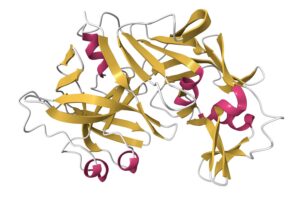
The response in the industry has been decisive and far-reaching. Most customers for native hormones have now tested, approved, and switched to recombinant versions. This change did not occur because native hormones suddenly became unusable, but because their supply became incompatible with the magnitude, reliability, and planning requirements of the industry. By contrast, recombinant hormones can be produced at scale in controlled systems with consistent quality and predictable availability.
Cardiovascular diagnostics are following a similar path. Recombinant TnI, TnT, CK-MB, and myoglobin are being adopted quickly as replacements for the native forms derived from human hearts. The supply of suitable organs cannot keep pace with industry demand, as cardiovascular disease is on the rise globally and the growth of point-of-care testing continues. Recombinant cardiac markers offer a solution to organ supply shortages, meeting the industry’s high demand for these proteins, while maintaining the performance characteristics IVD laboratories expect.
In anemia and metabolic diagnostics, the switch has not been immediate, but it is underway. Recombinant apoferritin (ferritin without iron) and recombinant human intrinsic factor are available to replace the native proteins, and they are being evaluated and approved. The global supply of native ferritin and intrinsic factor is diminishing, but the situation is not as dire as with heart- and pituitary-derived proteins. Thus, the transition is progressing, but is not as far along.
Keys to producing recombinants
To justify switching to a recombinant protein, the recombinant must perform comparably to the native protein it is intended to replace. Early recombinants did not perform well, resulting in the skepticism seen initially. In antibody-based assays, even subtle structural differences can translate into poor recognition, reduced sensitivity, or altered calibrator performance. Overcoming these issues requires more than simply expressing a protein in a convenient host; it requires a project development and testing strategy tailored to the nuances of IVD assay development.
At Scripps, our intention was to devise and implement a strategy that would produce recombinants suitable for the IVD industry. The process involves appropriate gene, expression vector, and host cell line selection; tagless protein expression; early and extensive testing in antibody-based systems, including clinical analyzers; and a willingness to revisit any or all of these elements if the desired recombinant is not produced.
This development strategy addresses the concern about recombinant protein performance in the IVD industry. When a recombinant biomarker performs well and can be supplied consistently, without relying on the unstable supply framework of donor materials, the recombinant becomes not just an acceptable option, but the preferred one.
Looking ahead
The IVD industry is at an inflection point, bending toward global acceptance of recombinant biomarkers. The constraints on native tissue supply and quality will not ease; in fact, they will likely intensify. Simultaneously, industry expectations surrounding ethical sourcing, supply chain stability, risk mitigation, and long-term cost control will become more stringent. Given this environment, continued reliance on donor materials is difficult to justify and is perhaps foolish.
Recombinant proteins offer a way forward that unites consistent assay performance with sound business judgement. Disconnected from unreliable tissue supply networks, recombinants support sustainable and ethical sourcing practices, providing IVD assay manufacturers with a stable foundation for planning and growth. The experience of recent years—in reproductive biology, cardiology, and thyroid disease in particular—has shown that when recombinants are developed with clinical assay performance in mind, they can match or even exceed the standards set by native proteins.
I have seen the industry’s view of recombinants evolve from skepticism to necessity. Focusing on tagless expression and rigorous early testing, recombinants can be produced not as lesser-quality replacements, but as robust solutions. As assay developers and IVD executives look ahead to the next decade of innovation, recombinants are no longer a speculative option. They are the most responsible path toward assuring the continued availability of the tests that patients and clinicians rely on daily.
David A. George is director of product research at Scripps Laboratories.
The post State of the Diagnostic Industry: Recombinants on the Rise appeared first on GEN – Genetic Engineering and Biotechnology News.
Multiomics Mass Spec Workflows in Drug Discovery
Advances in end-to-end multiomics platforms and the underlying scientific knowledge now enable faster and more precise biomarker discovery, mechanistic insight generation, and therapeutic design—core drivers of modern drug discovery programs. Within this integrated ecosystem, mass spectrometry-based metabolomics serves as a central analytical modality, offering the ability to quantify large numbers of metabolites from a single sample with high sensitivity and rapid turnaround.
Metabolomics supports biochemical pathway-level interpretation, where a primary biomarker can be contextualized alongside upstream and downstream metabolites to inform target identification, pathway modulation, and pharmacodynamic response assessment. Rather than focusing solely on the discovery of novel metabolites, emerging approaches emphasize the identification of characteristic metabolic signatures that differentiate disease states, therapeutic responses, or mechanistic subtypes.
Realizing this potential requires the development and deployment of AI enabled data analysis workflows that can reduce interpretation time, expand the breadth of detectable targets, and uncover complex patterns of metabolite perturbation. These capabilities ultimately enhance the precision and effectiveness of targeted therapeutic development.
Taraka Donti, PhD, is director of lab services at Revvity Omics.
The post Multiomics Mass Spec Workflows in Drug Discovery appeared first on GEN – Genetic Engineering and Biotechnology News.
Predictive value of antioxidant and thyroid function indicators for non-suicidal self-injury in adolescents with major depressive disorder
BackgroundNon-suicidal self-injury (NSSI) is highly prevalent in adolescents with major depressive disorder (MDD); however, its underlying pathophysiological mechanisms remain incompletely elucidated. Emerging evidence suggests a potential association between antioxidant markers, thyroid function parameters, and the occurrence of NSSI, although research in this domain remains limited. Accordingly, this study aimed to investigate the predictive efficacy of combining antioxidant and thyroid biomarkers with clinical symptoms for NSSI in adolescents with MDD.MethodsThis study recruited 162 adolescents with MDD between September 2022 and January 2026. Participants were stratified into groups based on the presence or absence of NSSI, in accordance with DSM-5 diagnostic criteria. Multidimensional scales were employed to assess the severity of depression, anxiety, perceived stress, and internet addiction (IA). Concurrently, blood samples were collected to measure bilirubin levels and thyroid function parameters. Stepwise logistic regression analysis was subsequently performed to identify independent risk factors associated with NSSI. Finally, receiver operating characteristic (ROC) curves were constructed to quantify the predictive performance of these identified independent factors.ResultsThe prevalence of NSSI in adolescents with MDD was 57.4%. Multivariate logistic regression analysis identified females (OR = 2.246, 95% CI = 1.032-4.888, P = 0.041), HAMD-17 score (OR = 1.183, 95% CI = 1.088-1.286, P < 0.001), indirect bilirubin (OR = 0.890, 95% CI = 0.797-0.995, P = 0.040), and TSH (OR = 2.060, 95% CI = 1.254-3.385, P = 0.004) as independent predictors of NSSI. Furthermore, ROC curve analysis further demonstrated that the four-item combination of sex, HAMD-17 score, indirect bilirubin, and TSH (AUC = 0.776, 95% CI = 0.701-0.850, P < 0.001) had a better ability to identify NSSI.ConclusionAdolescents with MDD, particularly females, represent a high-risk population for NSSI. Reduced levels of indirect bilirubin coupled with elevated TSH levels may constitute the underlying pathophysiological basis of NSSI and demonstrate significant clinical predictive value. In the future, targeted intervention strategies focusing on the antioxidant defense system and thyroid function may offer novel therapeutic avenues for the management of NSSI.
Towards a holistic understanding of pain in the biomarker age
Nature Neuroscience, Published online: 01 June 2026; doi:10.1038/s41593-026-02323-y
Pain biomarkers cannot prove or disprove another person’s pain, but they need not be rejected as futile or reductionist. When developed within a bio-psycho-social framework and guided by epistemic humility and ethical safeguards, they can complement and enrich the voices of those living with pain rather than replace them.
Why pain biomarkers cannot replace the patient experience
Nature Neuroscience, Published online: 01 June 2026; doi:10.1038/s41593-026-02324-x
Using neuroimaging to understand the mechanisms of pain is an important task. But we must understand that the gold standard of measuring pain will always be the self-report.
Identification of Physiological Sleep Indices That Reflect Clinical Improvement and Reduction in Stress Biomarkers After Stellate Ganglion Block in Patients With Posttraumatic Stress Disorder (PTSD)
Conditions: Post Traumatic Stress Disorder
Interventions: Procedure: Stellate ganglion block
Sponsors: sara dichtwald
Not yet recruiting
Interventions: Procedure: Stellate ganglion block
Sponsors: sara dichtwald
Not yet recruiting