No one’s sure if synthetic mirror life will kill us all

For four days in February 2019, some 30 synthetic biologists and ethicists hunkered down at a conference center in Northern Virginia to brainstorm high-risk, cutting-­edge, irresistibly exciting ideas that the National Science Foundation should fund. By the end of the meeting, they’d landed on a compelling contender: making “mirror” bacteria. Should they come to be, the lab-created microbes would be structured and organized like ordinary bacteria, with one important exception: Key biological molecules like proteins, sugars, and lipids would be the mirror images of those found in nature. DNA, RNA, and many other components of living cells are chiral, which means they have a built-in rotational structure. Their mirrors would twist in the opposite direction. 

Researchers thrilled at the prospect. “Everybody—everybody—thought this was cool,” says John Glass, a synthetic biologist at the J. Craig Venter Institute in La Jolla, California, who attended the 2019 workshop and is a pioneer in developing synthetic cells. It was “an incredibly difficult project that would tell us potentially new things about how to design and build cells, or about the origin of life on Earth.” The group saw enormous potential for medicine, too. Mirror microbes might be engineered as biological factories, producing mirror molecules that could form the basis for new kinds of drugs. In theory, such therapeutics could perform the same functions as their natural counterparts, but without triggering unwelcome immune responses. 

After the meeting, the biologists recommended NSF funding for a handful of research groups to develop tools and carry out preliminary experiments, the beginnings of a path through the looking glass. The excitement was global. The National Natural Science Foundation of China funded major projects in mirror biology, as did the German Federal Ministry of Research, Technology, and Space.

By five years later, in 2024, many researchers involved in that NSF meeting had reversed course. They’d become convinced that in the worst of all possible futures, mirror organisms could trigger a catastrophic event threatening every form of life on Earth; they’d proliferate without predators and evade the immune defenses of people, plants, and animals. 

“I wish that one sunny afternoon we were having coffee and we realized the world’s about to end, but that’s not what happened.”

Kate Adamala, synthetic biologist, University of Minnesota

Over the past two years, they’ve been ringing alarm bells. They published an article in Science in December 2024, accompanied by a 299-page technical report addressing feasibility and risks. They’ve written essays and convened panels and cofounded the Mirror Biology Dialogues Fund (MBDF), a broadly funded nonprofit charged with supporting work on understanding and addressing the risk. The issue has received a blaze of media attention and ignited dialogues among not only chemists and synthetic biologists but also bioethicists and policymakers.  

What’s received less attention, however, is how we got here and what uncertainties still remain about any potential threat. Creating a mirror-life organism would be tremendously complicated and expensive. And although the scientific community is taking the alarm seriously, some scientists doubt whether it’s even possible to create a mirror organism anytime soon. “The hypothetical creation of mirror-­image organisms lies far beyond the reach of present-day science,” says Ting Zhu, a molecular biologist at Westlake University, in China, whose lab focuses on synthesizing mirror-image peptides and other molecules. He and others have urged colleagues not to let speculation and anxiety guide decision-making and argued that it’s premature to call for a broad moratorium on early-stage research, which they say could have medical benefits. 

But the researchers who are raising flags describe a pathway, even multiple pathways, to bringing mirror life into existence—and they say we urgently need guardrails to figure out what kinds of mirror-biology research might still be safe. That means they’re facing a question that others have encountered before, multiple times over the last several decades and with mixed results—one that doesn’t have a neat home in the scientific method. What should scientists do when they see the shadow of the end of the world in their own research? 

Looking-glass life

The French chemist and microbiologist Louis Pasteur was the first to recognize that biological molecules had built-in handedness. In the late 19th century, he described all living species as “functions of cosmic asymmetry.” What would happen, he mused, if one could replace these chiral components with their mirror opposites? 

Scientists now recognize that chirality is central to life itself, though no one knows why. In humans, 19 of the 20 so-called “standard” amino acids that make up proteins are chiral, and all in the same way. (The outlier, glycine, is symmetrical.) The functions of proteins are intricately tied to their shapes, and they mostly interact with other molecules through chiral structures. Almost all receptors on the surface of a cell are chiral. During an infection, the immune system’s sentinels use chirality to detect and bind to antigens—substances that trigger an immune response—and to start the process of building antibodies. 

By the late 20th century, researchers had begun to explore the idea of reversing chirality. In 1992, one team reported having synthesized the first mirror-image protein. That, in turn, set off the first clarion call about the risk: In response to the discovery, chemists at Purdue University pointed out, briefly, that mirror-life organisms, if they escaped from a lab, would be immune to any attack by “normal” life. A 2010 story in Wired highlighting early findings in the area noted that if a such a microbe developed the ability to photosynthesize, it could obliterate life as we know it. 

The synthetic biology community didn’t seriously weigh those threats then, says David Relman, a specialist who bridges infectious disease and microbiology at Stanford University and a trailblazer in studying the gut and oral microbiomes. The idea of a mirror microbe seemed too far beyond the actual progress on proteins. “This was almost a solely theoretical argument 20 years ago,” he says. 

Now the research landscape has changed. 

Scientists are quickly making progress on mirror images of the machinery cells use to make proteins and to self-replicate. Those components include DNA, which encodes the recipes for proteins; DNA polymerases, which help copy genetic material; and RNA, which carries recipes to ribosomes, the cell’s protein factories. If researchers could make self-replicating mirror ribosomes, then they would have an efficient way to produce mirror proteins. That could be used as a biological manufacturing method for therapeutics. But embedded in a self-­replicating, metabolizing synthetic cell, all these pieces could give rise to a mirror microbe. 

When synthetic biologists convened in Northern Virginia in 2019, they didn’t recognize how quickly the technology was advancing, and if they saw a threat at all, it may have been obscured by the blinding appeal of pushing the science forward. What’s become apparent now, says Glass, is that scientists in different disciplines, all related to mirror life, were largely unaware of what other scientists had been doing. Chemists didn’t know that synthetic biologists had made so much progress on creating mirror cells with natural chirality from scratch. Biologists didn’t appreciate that chemists were building ever-larger mirror macromolecules. “We tend to be siloed,” Glass says. And nobody, he says, had thought to seriously examine the immune system concerns that had already been raised in response to earlier work. “There was not an immunologist or an infectious disease person in the room,” Glass says, reflecting on the 2019 meeting. “I may have come closest, given that I work with pathogenic bacteria and viruses,” he adds, but his work doesn’t address how they cause infections in their hosts.

on the left, a hand with petri dish and the same image inverted on the right

GETTY IMAGES

These scientists also didn’t know that around the same time as their meeting, another conversation about mirror life was happening—a darker dialogue that was as focused on danger as it was on discovery. Starting around 2016, researchers with a nonprofit called Open Philanthropy had begun compiling research files on catastrophic biological risks. The organization, which rebranded as Coefficient Giving in 2025, funds projects across a range of focus areas; it adheres to a divisive philanthropic philosophy called effective altruism, which advocates giving money to projects with the highest potential benefit to the most people. While that might not sound objectionable, critics point out that the metrics devotees use to gauge “effectiveness” can prioritize long-term solutions while neglecting social injustices or systemic problems. 

Someone in Open Philanthropy’s bio­security group had suggested looking into the risks posed by mirror life. In 2019 the organization began funding research by Kevin Esvelt, who leads the Sculpting Evolution group at the MIT Media Lab, on biosecurity issues, including mirror life. He began reading up to see whether mirror life was something to worry about.

Esvelt made waves in 2013 for pioneering the use of CRISPR to develop a gene drive, a technology that could spread genetic changes introduced into a living organism through a whole population. Researchers are exploring its use, for example, to make mosquitoes hostile to the parasite that causes malaria—and, as a result, lower their chance of spreading it to humans. But almost immediately after he developed the tool, Esvelt argued against using it for profit, at least until proper safeguards could be set and its use in fighting malaria had been established. “Do you really have the right to run an experiment where if you screw up, it affects the whole world?” he asked, in this magazine, in 2016. At the Media Lab, Esvelt leads efforts to safely develop gene drives that can be deployed locally but prevented from spreading globally. 

Esvelt says he’s often thinking about the security risks posed by self-sustaining genetically engineered technologies, and research led him to suspect that the threat of mirror organisms hadn’t been seriously interrogated. The more he learned about microbial growth rates, predator-prey and microbe-microbe interactions, and immunology, the more he began to worry that mirror organisms, if impervious to the innate defenses of natural ones, could cause unstoppable infections in the event that they escaped the lab. 

Even if the first experimental iteration of such a germ were too fragile to survive in the environment or a human body, Esvelt says, it would be a light lift to genetically engineer new, more resilient versions with existing technology. Even worse, he says, the results could be weaponized. The possible path from 2019 to global annihilation seemed almost too direct, he found. 

But he wasn’t an expert in all the scientific fields involved in research on mirror life, so he started making calls. He first described his concerns to Relman one night in February 2022, at a restaurant outside Washington, DC. Esvelt hoped Relman would tell him he was wrong, that he’d missed something over the years of gathering data. Instead, he was troubled. 

The concern spreads

When Relman returned to California, he read more about the technology, the risks, and the role of chirality in the immune system and the environment. And he consulted experts he knew well—ecologists, other microbiologists, immunologists, all of them leaders in their fields—in an attempt to assuage his concerns. “I was hoping that they’d be able to say, I’ve thought about this, and I see a problem with your logic. I see that it’s really not so bad,” he says. “At every turn, that did not happen. Something about it was new to every person.” 

The concern spread. Relman worked with Jack Szostak, a professor of chemistry at the University of Chicago, and a group of researchers to see if it was possible to make an argument that mirror life wasn’t going to wipe out humanity. Included in that group was Kate Adamala, a synthetic biologist at the University of Minnesota. She was a natural choice: Adamala had shared the initial grant from the NSF, in 2019, to explore mirror-life technologies. 

She also became convinced the risk was real—and was dumbfounded that she hadn’t seen it earlier. “I wish that one sunny afternoon we were having coffee and we realized the world’s about to end, but that’s not what happened,” she says. “I’m embarrassed to admit that I wasn’t even the one that brought up the risks first.” Through late 2023 and early 2024, the endeavor began to take on the form of a rigorous scientific investigation. Experts were presented with a hypothesis—namely, that if mirror cells were built, they would pose an existential threat—and asked to challenge it. The goal was to falsify the hypothesis. “It would be great if we were wrong,” says Vaughn Cooper, a microbiologist at the University of Pittsburgh and president-elect of the American Society for Microbiology. 

Relman says that as the chemists and biologists learned more about one another’s work and began to understand what immunologists know about how living things defend themselves, they started to connect the dots and see an emerging picture of an unstoppable synthetic threat.

Some scientists have pushed back against the doomsday scenario, suggesting that the case against mirror life offers an “inflated view of the danger.”

Timothy Hand, an immunologist at the University of Pittsburgh who hadn’t participated in the 2019 NSF meeting, wasn’t initially worried when he heard about mirror life, in 2024. “The mammalian immune system has this incredible capability to make antibodies against any shape,” he says. “Who cares if it’s a mirror?” But when he took a closer look at that process, he could see a cascade of potential problems far upstream of antibody production. Start with detection: Macrophages, which are cells the immune system uses to identify and dispatch invaders, use chiral sensing receptors on their surfaces. The proteins they use to grab on to those invaders, too, are chiral. That suggests the possibility that an organism could be infected with a mirror organism but not be able to detect it or defend against it. “The lack of innate immune sensing is an incredibly dangerous circumstance for the host,” Hand says.

By early 2024, Glass had become concerned as well. Relman and James Wagstaff, a structural biologist from Open Philanthropy, visited him at the Venter Institute to talk about the possibility of using synthetic cell technology—Glass’s specialty—to build mirror life. “At first I thought, This can’t be real,” Glass says. They walked through arguments and counterarguments. “The more this went on, the more I started feeling ill,” he says. “It made me realize that work I had been doing for much of the last 20 years could be setting the world up for this incredible catastrophe.” 

In the second half of 2024, the growing group of scientists assembled the report and wrote the policy forum for Science. Relman briefed policymakers at the White House, members of the defense community, and the National Security Agency. Researchers met with the National Institutes of Health and the National Science Foundation. “We briefed the United Nations, the UK government, the government of Singapore, scientific funding organizations from Brazil,” says Glass. “We’ve talked to the Chinese government indirectly. We were trying to not blindside anybody.” 

A year and a half on, the push has had an impact. UNESCO has recommended a precautionary global moratorium on creating mirror-life cells, and major philanthropic organizations that fund science, including the Alfred P. Sloan Foundation, have announced they will not finance research leading to a mirror microorganism. The Bulletin of the Atomic Scientists highlighted considerations about mirror life in its most recent report on the Doomsday Clock. In March, the United Nations Secretary-General’s Scientific Advisory Board issued a brief highlighting the risks—noting, for example, that recent progress on building mirror molecules could reduce the cost of creating a mirror microbe. 

“I think no one really believes at this stage that we should make mirror life, based on the evidence that’s available,” says James Smith, the scientist who leads the MBDF, the nonprofit focused on assessing the risks of mirror life, which is funded by Coefficient Giving, the Sloan Foundation, and other organizations. The challenge now, Smith says, is for scientists to work with policymakers and bioethicists to figure out how much research on mirror life should be permitted—and who will enforce the rules.

Drawing the line

Not everyone is convinced that mirror organisms pose an existential threat. It’s difficult to verify predictions about how mirror microbes would fare in the immune system—or the larger world—without running experiments on them. Some scientists have pushed back against the doomsday scenario, suggesting that the case against mirror life offers an “inflated view of the danger.” Others have noted that carbohydrates called glycans already exist in both left- and right-handed forms—even in pathogens—and the immune system can recognize both of them. Experiments focused on interactions between the immune system and mirror molecules, they say, could help clarify the risks of mirror organisms and reduce uncertainty. 

Even among those convinced that the worst-case scenario is possible, researchers still disagree over where to draw the line. What inquiries should be allowed and what should be prohibited?

Andy Ellington, a biotechnologist and synthetic biologist at the University of Texas at Austin, doesn’t think mirror organisms will come to fruition anytime soon. Even if they do, he isn’t sure they will pose a threat. “If there is going to be harm done to the human race, this is about position 382 on my list,” he says. But at the same time, he says it’s a complicated issue worth studying more, and he wants to see the conversations continue: “We’re operating in a space where there’s so much unknown that it’s very difficult for us to do risk assessment.” 

Even among those convinced that the worst-case scenario is possible, researchers still disagree over where to draw the line. What inquiries should be allowed and what should be prohibited? 

Adamala, of the University of Minnesota, and others see a natural line at ribosomes, the cellular factories that transform chains of amino acids into proteins. These would be a critical ingredient in creating a self-replicating organism, and Adamala says the path to getting there once mirror ribosomes are in place would be pretty straightforward. But Zhu, at Westlake, and others counter that it’s worth developing mirror ribosomes because they could possibly produce medically useful peptides and proteins more efficiently than traditional chemical methods. He sees a clear distinction, and a foundational gap, between that kind of technology and the creation of a living synthetic organism. “It is crucial to distinguish mirror-image molecular biology from mirror-image life,” he says. That said, he points out that many synthetic molecules and organisms containing unnatural components, including but not limited to the mirror-image subset, might pose health risks. Researchers, he says, should focus on developing holistic guidelines to cover such risks—not just those from mirror molecules. 

Even if the exact risk remains uncertain, Esvelt remains more convinced than ever that the work should be paused, perhaps indefinitely. No one has taken a meaningful swing at the hypothesis that mirror life could wipe out everything, he says. The primary uncertainties aren’t around whether mirror life is dangerous, he points out; they have more to do with identifying which bacterium—including what genes it encodes, what it eats, how it evades the immune system’s sentinels—could lead to the most serious consequences. “The risk of losing everything, like the entire future of humanity integrated over time, is not worth any small fraction of the economy. You just don’t muck around with existential risk like that,” he says. 

In some ways, scientists have been here before, working out rules and limits for research. Two years after the start of the covid-19 pandemic, for example, the World Health Organization published guidelines for managing risks in biological research. But the history is much deeper: Horrific episodes of human experimentation led to the establishment of institutional review boards to provide ethical oversight. In the early 1970s, in response to concerns over lab-acquired infections and growing use of biological warfare, the US Centers for Disease Control and Prevention established biohazard safety levels (BSLs), which govern work on potentially dangerous biological experiments.

And in 1975—at the dawn of recombinant DNA research, which allows researchers to put genetic material from one organism into another—geneticists met at the Asilomar conference center in Pacific Grove, California, to hammer out rules governing the work. There were concerns over what would happen if some virus or bacterium, genetically engineered to have traits that would make it particularly dangerous for people, escaped from a lab. Scientists agreed to self-imposed restrictions, like a moratorium on research until new safety guidelines were in place. As a result of the meeting, in June 1976 the NIH issued rules that, among other things, categorized the risks associated with rDNA experiments and aligned them with the newly adopted BSL system.

Asilomar is often hailed as a successful model for scientific self-governance. But that perception reflects a tendency to recall the meeting through a nostalgic haze. “In fact, it was incredibly messy and human,” says Luis Campos, a historian of science at Rice University. Equally brilliant Nobelists argued on either side of the question of whether to rein in rDNA research. Technical discussions dominated; talks about who would be affected by the technology were missing. The meeting didn’t start establishing guidelines, says Campos, until the lawyers mentioned liability and lab leaks. 

For now it’s unclear whether these examples of self-­governance, which arose from the demonstrated risks of existing technologies, hold useful lessons for the mirror-life community. Three competing images of the future are coming into focus: Mirror life might not be possible, it might be possible but not threatening, or it might be possible and capable of obliterating all life on Earth. 

Scientists may be censoring themselves out of fear and speculation. To some, shutting down the work seems necessary and urgent; to others, it is unnecessarily limiting. What’s clear is that the question of what to do about mirror life has been both illuminating and disorienting, pushing scientists to interrogate not only their current research but where it might lead. This is uncharted territory. 

Stephen Ornes is a science writer based in Nashville, Tennessee.

Building trust in the AI era with privacy-led UX

The practice of privacy-led user experience (UX) is a design philosophy that treats transparency around data collection and usage as an integral part of the customer relationship. An undertapped opportunity in digital marketing, privacy-led UX treats user consent not as a tick-box compliance exercise, but rather as the first overture in an ongoing customer relationship. For the companies that get it right, the payoff can bring something more intangible, valuable, and durable than simple consent rates: consumer trust.

The opportunities of privacy-led UX have only recently come into focus. Adelina Peltea, the chief marketing officer at Usercentrics, has seen enterprise sentiment shift: “Even just a few years ago, this space was viewed more as a trade-off between growth and compliance,” she says. “But as the market has matured, there’s been a greater focus on how to tie well-designed privacy experiences to business growth.”

And it turns out that well-designed, value-forward consent experiences routinely outperform initial estimates.
Touchpoints for privacy-led UX often include consent management platforms, terms and conditions, privacy policies, data subject access request (DSAR) tools, and, increasingly, AI data use disclosures.

This report examines how data transparency builds trust with customers; how this, in turn, can support business performance; and how organizations can maintain this trust even as AI systems add complexity to consent processes.

Key findings include the following:

  • Privacy is evolving from a one-time consent transaction into an ongoing data relationship. Rather than asking users for broad permissions up front, leading organizations are introducing data-sharing decisions gradually, matching the depth of the ask to the stage of the customer relationship. Companies that take this tack tend to gather both a larger quantity and higher quality of consumer data, the value of which often compounds over time.
  • Privacy-led UX is a prerequisite for AI growth. The consumer data that organizations gather is rapidly becoming a core foundation upon which AI-powered personalization is built. Organizations that establish clear, enforceable privacy and data transparency policies now are better positioned to deploy AI responsibly and at scale in the future. This starts with correctly configured consent mode across ad platforms.
  • Agentic AI introduces new levels of both complexity and opportunity. As AI systems begin acting on users’ behalf, the traditional consent moment may never occur. Governing agent-generated data flows requires privacy infrastructure that goes well beyond the cookie banner.
  • Realizing the advantages of privacy-led UX requires cross-functional collaboration and clear leadership. Privacy-led UX touches marketing, product, legal, and data teams—but someone must own the strategy and weave the threads together. Chief marketing officers
  • (CMOs) are often best positioned for that role, given their visibility across brand, data, and customer experience.
  • A practical framework can support businesses in getting it right. Organizations must define their data collection and usage strategies and ensure their UX incorporates data consent, including a focus on banner design. Following a blueprint for evaluating and improving privacy-led UX supports consistency at every consent touchpoint.

Download the report.

This content was produced by Insights, the custom content arm of MIT Technology Review. It was not written by MIT Technology Review’s editorial staff. It was researched, designed, and written by human writers, editors, analysts, and illustrators. This includes the writing of surveys and collection of data for surveys. AI tools that may have been used were limited to secondary production processes that passed thorough human review.

Designing Psychologically Grounded Artificial Intelligence for Supporting Bystander-Based Cyberaggression Intervention: Mixed Methods Exploratory Study

Background: Cyberaggression poses a growing threat to mental health, contributing to increased distress, reduced self-esteem, and other adverse psychosocial outcomes. Although bystander intervention can mitigate the escalation and impact of cyberaggression, individuals often lack the confidence, strategies, or language to respond effectively in these high-stakes online interactions. Advances in generative artificial intelligence (AI) present a novel opportunity to facilitate digital behavior change by assisting bystanders with contextually appropriate, theory-informed intervention messages that promote safer online environments and support mental well-being. Objective: This mixed methods design study aimed to explore the feasibility of using generative AI to support bystander intervention in cyberaggression on social media. Specifically, we examined whether AI can generate effective responses aligned with established intervention strategies and how these responses are perceived in terms of their potential to de-escalate online harm and foster behavior change. Methods: We collected 1000 real-world cyberaggression examples from public social media datasets and generated bystander intervention responses using 3 distinct prompt strategies: a generic policy reminder, a baseline GPT prompt, and a theory-driven GPT prompt (AllyGPT). To evaluate the responses, we conducted computational linguistic analyses to assess their psycholinguistic features and carried out a mixed methods evaluation. Three trained coders rated each message on favorability, conversational impact, and potential to change behavior and later participated in semistructured interviews to reflect on their evaluation process and perceptions of intervention effectiveness. Results: Linguistic analyses revealed that baseline GPT responses exhibited more emotionally positive and authentic language compared to AllyGPT responses, which showed a more analytical and assertive tone. Policy reminder messages were linguistically rigid and lacked emotional nuance. Human evaluation results showed that AllyGPT responses received the highest effectiveness ratings for low-incivil cyberaggression cases in 2 dimensions (favorability and changing behavior), and baseline GPT works better for mid and high levels for all effectiveness dimensions. For medium- and high-incivility aggressions, baseline GPT responses received the highest ratings across all 3 dimensions of effectiveness (favorability, discussion-shifting potential, and likelihood of changing bullying behavior), followed by AllyGPT, with policy reminders rated lowest. Qualitative feedback further emphasized that baseline GPT responses were perceived as natural and inclusive, while AllyGPT responses, although grounded in psychological theory, were sometimes viewed as overly direct. Policy reminders were considered clear but lacked persuasive impact. Conclusions: Our work showed that designing effective AI-generated bystander interventions requires a deep sensitivity to platform culture, social context, and user expectations. By combining psychological theory with adaptive, conversational design and ongoing feedback loops, future systems can better support bystanders, delivering interventions that are not only contextually appropriate but also socially resonant and behaviorally impactful. As such, this work serves as a foundation for scalable, human-centered AI systems that promote safer online spaces and users’ mental well-being.
<img src="https://jmir-production.s3.us-east-2.amazonaws.com/thumbs/2902e66b1ac5ac34f57f42bbc6adfe75" />

From peripheral initiation to central integration: a narrative review of the antihypertensive mechanisms of acupuncture in regulating autonomic nervous system homeostasis

Essential Hypertension (EH) is one of the most prevalent chronic cardiovascular diseases, imposing a significant burden on healthcare systems worldwide due to its high rates of disability and mortality. Long-term elevation of blood pressure leads to multi-organ damage in the heart, brain, and kidneys, resulting in severe complications such as coronary heart disease, stroke, and chronic kidney disease. Current treatment for hypertension primarily relies on pharmacological interventions. Although antihypertensive drugs have achieved notable success in controlling blood pressure, challenges remain, including poor long-term medication adherence, side effects, and inadequate blood pressure control in some patients with resistant hypertension. In parallel, acupuncture, a key modality of traditional Chinese medicine, has demonstrated unique advantages in hypertension management in recent years. Characterized by its holistic regulatory effects and minimal side effects, acupuncture is recognized by the World Health Organization as a recommended complementary and alternative therapy for hypertension, although its precise mechanisms remain incompletely understood. This review aims to summarize the “peripheral-central synergy” antihypertensive mechanism of acupuncture in regulating autonomic nervous system (ANS) homeostasis. Studies indicate that acupuncture primarily modulates autonomic homeostasis through the following pathways: (1) activating peripheral nerve fibers to convert physical stimulation into complex bioelectrical signals; (2) regulating synaptic neurotransmitter release and the expression of related membrane receptors; (3) modulating the synaptic microenvironment; (4) regulating the NTS-CVLM-RVLM neural circuit; and (5) modulating the HPA axis neuro-endocrine circuit. Through in-depth analysis, this review elucidates the multi-level and multi-dimensional impact of acupuncture therapy on primary hypertension, providing stronger evidence and a theoretical foundation for its clinical application.

Job titles of the future: Wildlife first responder

Grizzly bears have made such a comeback across eastern Montana that in 2017, the state hired its first-ever prairie-based grizzly manager: wildlife biologist Wesley Sarmento. 

For some seven years, Sarmento worked to keep both the bears, which are still listed as threatened under the Endangered Species Act, and the humans, who are sprawling into once-wild spaces, out of trouble. Based in the small city of Conrad, population 2,553, he acted sort of like a first responder, trying to defuse potentially dangerous situations. He even got caught in some himself—which is why, before he left the role to pursue a PhD, he turned to drones to get the job done. 

The bear necessities

Sarmento was studying mountain goats in Glacier National Park when he first started working with bears. To better understand how goats responded to the apex predator, he dressed up in a bear costume once a week for over three years. 

When he later started as grizzly manager, he often drove long distances to push bears away from farms. Bears are drawn to spilled or leaking grains, and an open silo quickly turns into a buffet. Sarmento would typically arrive armed with a shotgun, cracker shells, and bear spray, but after he narrowly escaped getting mauled one day, he knew he had to pivot.

“In that moment,” he says, “I was like, I am gonna get myself killed.”

A bird’s-eye view

Sarmento first turned to two Airedale dogs, a breed known for deterring bears on farms, but the dogs were easily sidetracked. Meanwhile, drones were slowly becoming more common tools for biologists in a range of activities, including counting birds and mapping habitats.

He first took one into the field in 2022, when a grizzly mom and two cubs were found rummaging around in a silo outside of town. The drone’s infrared sensors helped him quickly find their location, and he used the aircraft’s sound to drive them away from the property. (Researchers suspect bears instinctively dislike the whir of blades because it sounds like a swarm of bees.) “The whole thing was so clean and controlled,” he says. “And I did it all from the safety of my truck.”

Since then, the flying machine that Sarmento bought for $4,000—a fairly simple model with a thermal camera and 30 minutes of battery life—has shown its potential for detecting grizzlies in perilous terrain he’d otherwise have to approach on foot, like dense brush or hard-to-reach river bottoms.

A new technological foundation

Now studying wildlife ecology at the University of Montana, Sarmento is hoping to design a drone campus police can use to deter black bears from school grounds. In the future, he hopes, AI image recognition might be broadly integrated into his wildlife management work—maybe even helping drones identify bears and autonomously divert them from high-traffic areas.

All this helps keep bears from learning behaviors that lead to conflict with people—which typically ends badly for the bear and is occasionally fatal for humans.

“The out-of-the-box technology doesn’t exist yet, but the hope is to keep exploring applications,” he says. “Drones are the next frontier.” 

Emily Senkosky is a writer with a master’s degree in environmental science journalism from the University of Montana.

In Memoriam: Edna B. Foa, PhD

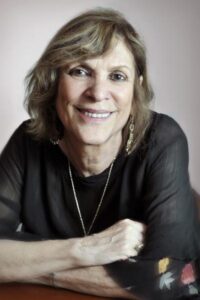
Dr. Edna Foa served for decades as a professor of clinical psychology in psychiatry at the University of Pennsylvania, where she also directed the Center for the Treatment and Study of Anxiety (CTSA), the internationally renowned program she founded in 1979. Through the CTSA, Edna created not only a hub for groundbreaking research, but also a training ground that would shape the future of evidence-based treatment for anxiety, obsessive compulsive disorder (OCD), and post-traumatic stress disorder (PTSD).

Foa_Edna

At a time when OCD was poorly understood and often ineffectively treated, Edna helped establish and rigorously validate exposure and response prevention (ERP) as a gold-standard intervention. Building on the early behavioral work of pioneers before her, she brought a level of empirical precision, clinical sophistication, and dissemination that transformed ERP from a promising approach into a cornerstone of modern treatment. In doing so, she fundamentally changed what recovery could look like for millions of people living with OCD.

Her influence extended well beyond OCD. Dr. Foa was also a central figure in the development of cognitive-behavioral models and treatments for PTSD, including prolonged exposure therapy, which has become one of the most widely used and effective interventions for trauma-related disorders. Across both domains, her work exemplified a rare integration of theory, research, and clinical application—always grounded in a singular goal: to reduce suffering and restore lives.

Her connection to the International OCD Foundation (IOCDF) was a natural extension of her commitment to bridging science and real-world impact. Edna was deeply engaged with the IOCDF community over many years, contributing to its mission of improving access to effective treatment and advancing understanding of OCD. The Foundation awarded her with the Outstanding Career Achievement Award in 2011. She was a frequent presence at conferences, where she not only shared her research but also helped elevate the standards of clinical care through teaching, mentorship, and collaboration.

The IOCDF’s growth into a global leader in OCD advocacy, education, and training reflects, in many ways, the scientific foundation that Edna helped build. Her work made it possible for organizations like the IOCDF to promote treatments that are not only evidence-based, but truly life-changing. And through her direct involvement, she helped ensure that the connection between research and practice remained strong, dynamic, and accessible.

Edna Foa showed us what it means to dedicate a life to advancing knowledge in the service of humanity. She illuminated a path forward for so many, and her influence will continue to guide the field for generations to come.

Below are several tributes to Dr. Foa from IOCDF community members.

From Jonathan Grayson, PhD

My mentor, Tom Borkovec, used to talk about our psychological lineage; that in 1979, you only had to go back a few generations of your “forefathers” to reach the founders of American psychology. In this respect, Tom is my psychology father – he taught me to discipline my thinking – he encouraged wild flights of speculation, but to always temper it in print with what could be researched and proved. With this in mind, Edna is my psychology mother. As I noted elsewhere, for all of us who work with OCD, we are her children, grandchildren and so on.

I first met Edna  in 1979 at Joseph Wolpe’s Behavior Therapy Unit at Temple University. She hired me as an adjunct research assistant professor. This was in the ancient days at the height of the first wave. There was no cognitive behavioral therapy. ABCT was AABT, American Association of Behavior Therapy. The disorder we were studying was OC, the DSM labeling it obsessive compulsive disorder doesn’t yet exist. Edna was on the first of her landmark OC grants.

She was the flashpoint for all that we do with OCD.  Don’t get me wrong, she didn’t invent ERP, but her work was/is the basis of all OCD treatment today. In the same way that cognitive therapy techniques existed before Aaron Beck, but his work was the flashpoint of that second wave; and the techniques of ACT pre-exist Stephen Hayes, but his work and thinking were the flashpoint of the third wave. There was no OC Foundation.

I joined Edna and Gail Steketee and to work with Edna was always a collaboration. So many hours of discussing, designing and analyzing research. Writing papers together often until midnight and beyond. You may have heard that Edna was demanding.  She was, but that had nothing to do with the hours we worked.  The same clinical skills she used with patients, she used in choosing those who worked with her. We were all driven. There are those who found her direct delivery difficult, but it wasn’t anger or belittling, it wasn’t intimidating (okay, maybe a little), she was simply direct without sugar coating. The truth about Edna was that she was caring and very generous.

As I said, our research was a collaboration and the order of authors on publications reflected our contributions. If you had a research idea that was tangential to her main projects, she would support you.  When I told her I thought we should have support groups to help sufferers maintain their gains, I was given a free hand to develop and run GOAL as I saw fit. When my son was nine months old and I told Edna that I was going to change my work hours to: one and a half daytime hours and the rest of my hours after 4 pm, she accepted this. She didn’t have to admonish me or warn me to do my job, Edna knew the kind of people she had chosen.  She wanted the people who worked with her to grow. When it came time for me to move on, she was like any parent, sorry for me to go, but happy for me to pursue my life.  She was like that with all of us.  So many of those who have shaped the OCD world worked with Edna.  While I was there, Michael Kozak joined the team and later Edna and Michael published their ground breaking paper on emotional processing. Alec Pollard, Charly Mansueto and Rich McNally also passed through our center. Marty Franklin and Jon Abramowitz came after me making up the many generations of her “children.”

For those whom I’ve neglected to mention, forgive me, but the list is too long. My OCD career began in 1979. Her loss is a hole in the fabric of reality, but her legacy and wisdom lives on through all of us whose OCD psychological lineage can be traced back to Edna Foa.

From Marty Franklin, PhD

I am writing this tribute while waiting at an airport gate for a flight to a national conference. Over the course of the next few days I will have the opportunity to present applied research data, participate in a clinical roundtable about OCD and its treatment, & engage with colleagues as we toss around ideas for how best to move the field forward. Edna’s profound influence on my career, my life, and even my thinking is most often accessible during relatively quiet moments like this, where opportunities for reflection make their way forward amidst the work I have committed to myself to doing.  Indeed, I learned of Edna’s passing a few weeks ago while right in the middle of presenting a clinical training about exposure-based treatments for OCD. I paused for a moment to take it all in, but before I could decide how best to proceed under the circumstances, I heard Edna’s voice, in her characteristic and unmistakable Israeli accent, telling me that these clinicians took time out of their busy schedules to receive this training, and therefore I must continue straight through to the end. My feelings?  You can process those later. Classic Edna.

My very first day of internship in 1991 at the Medical College of Pennsylvania was spent in Edna’s presence at her Center for the Treatment and Study of Anxiety, the unit she established in 1979 to develop, test, and disseminate cognitive-behavioral interventions for anxiety and related conditions. Edna’s work even by then was highly influential, and her legend was already well in the making.  At that initial meeting, Edna slid a formidable stack of old-school medical charts across the table to me and said, “Marty, is it?  These are your OCD cases for this rotation.” I thanked her, then asked the first of myriad naïve questions in the legendary Tuesday Meetings:  “When will I receive the training to treat these cases?” She pivoted back to look at Michael Kozak, her Clinical Director, as if to wax nostalgic about the process of indoctrinating yet another green intern. Edna then gestured at the pile, and said, “The training is in there.” Edna was a fine clinician too, and thus read well my horrified expression, then offered, “But don’t worry: we’ll help you.” True to her word, she did exactly that.

Edna’s influence on the field broadly speaking, on the development and expansion of cognitive-behavioral theory, on using clinical science to alleviate human suffering, and in pushing the proverbial envelope, has been chronicled elsewhere and cannot ever be overstated. Edna was one of the true pillars of clinical psychology, and the effects of her work will live on in perpetuity, of that I have little doubt. What was less well known except for those of us fortunate enough to have been mentored by Edna was the incredible amount of time and emotional investment she made in seeding the field with the next generation of theorists, scholars, and clinicians who would carry that work forward in the years to come. I count myself in that incredibly lucky group, all of whom were blessed by her personal investment in our training and careers. Edna had exacting standards for herself and for us, and fully expected that same level of investment and intensity on our part. Vigorous debate was just part of the process, where occasionally the fur would fly. But Edna also knew us well enough to understand what each of us needed in order to help us make the commitment needed to join her in the vanguard. In one of our many career development conversations back in the mid 1990s, likely in her East Falls office well after 8 pm, I was fretting about the “soft money” environment of academic psychiatry, and openly wondering if it was time to pivot to hard-line academic psychology or even to private practice. Edna stopped my rumination dead in its tracks, looked into the depths of my soul (which she did regularly), and said, “It’s only soft money if you can’t get it…and I know you can get it. Plus, academia is a really fun way to make a living, and a life.” Edna Foa believed in me:  it was about damn time to believe in myself as well, and to make the commitment required to honor that belief. And to always keep pushing to get better at the work, which is truly a never-ending process.

Sitting in this airport now, on my way to give another set of talks on topics I have come to know very well and continue to pursue with the passion that comes from also believing that this work is vital, I concur with Edna’s assessment of academia, and am truly grateful that I listened. Thank you, Edna, for illuminating a path forward for me, as I know you did for countless others. You were unforgettable, and your work will continue on in the hands of those you mentored and trained to carry on the legacy.

From Gail Steketee, PhD, MSW

I had the pleasure and helpful educational challenge of training under Dr. Edna Foa beginning in 1976 and continuing for a decade during which I worked closely with her studying OCD and co-authoring manuscripts and federal grant applications.  Edna generously provided me with excellent clinical supervision during my training at the Behavior Therapy Unit at Temple University where I learned how to treat phobias, agoraphobia and panic, and especially OCD.  Edna’s encouragement and specific feedback guided my understanding of patients and how to provide effective treatment.  Her supervision coincided with the end of her important early study of the impact of exposure and response prevention, following in the steps of Victor Meyer, Isaac Marks, and Jack Rachman. I treated the last few patients with OCD in her study and co-authored a case report stemming from that work – my first published paper in the field in 1977.

Edna opened many doors for me to join colleagues around the world who were studying OCD and behavioral treatment methods. Together we wrote and published 26 papers and 14 book chapters.  And I mean “together”.  We would schedule writing times during which Edna generated ideas and spoke aloud in her heavily accented Israeli English while I contributed my thoughts and sharpened the language as we went along. Grant applications were a special challenge as NIMH became strict about page limits.  More than once we stayed up all night writing grants to meet the deadline – we were both younger then – and once we actually drove to Bethesda to deliver a grant application just in time for the deadline.  I joined Edna at many conferences in the U.S. (especially AABT [now ABCT] and OCF [now IOCDF]) and in Europe at EABCT and WCBCT (the World Congress of CBT). We met many delightful OCD researchers and clinicians – it was an exhilarating time.  I traveled with Edna and friends to her home country of Israel where she treated us to delightful sights and experiences including the Dead Sea.

The 10 year period with Edna was a heady time as my career unfolded. She supported my decision to get a PhD in social work at Bryn Mawr while working full time with her on our research. Eventually, I left Temple to take a full-time faculty position at Boston University, arriving with a strong publication record already in hand thanks to Edna’s masterful training and modeling of how to design and conduct research, how to write papers that accurately reflected the study and its findings, how to write strong grant applications, and how to connect with energizing colleagues around the world.  I am grateful for her mentoring that enabled me to establish my own career and become a mentor to others.  She was a brilliant theoretician who spawned impressive thinking and research on OCD, PTSD, behavior therapy, and related topics.  Hers was a long and full life.  She will be sorely missed.

The post In Memoriam: Edna B. Foa, PhD appeared first on International OCD Foundation.

In Memoriam: Judith L. Rapoport, MD

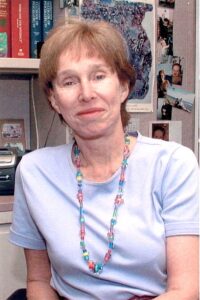
Dr. Judith L. Rapoport has left an indelible mark on the field of obsessive compulsive disorder (OCD) — not only through her extraordinary scientific contributions, but through the compassion, curiosity, and humanity she brought to her work. For countless individuals and families, her legacy is not just measured in research breakthroughs, but in hope restored and lives changed.

At a time when OCD was widely misunderstood, often hidden, and rarely discussed, Dr. Rapoport helped bring it into the light. Through her pioneering work at the National Institute of Mental Health, she gave shape and voice to a condition that many struggled to name. She was among the first to recognize that OCD could affect children, and that these young people deserved understanding, accurate diagnosis, and effective care. This insight alone transformed the trajectory of the field and opened doors for earlier intervention and support for families who had long felt alone.

judith-rapoport-silver-spring-md-obituary

What set Dr. Rapoport apart was not only her intellect, but her deep commitment to the people behind the science. She approached each question with both rigor and empathy, helping to establish treatments that have since become the gold standard, including exposure and response prevention (ERP) and medication. Her work helped shift the narrative—away from blame or misunderstanding, and toward recognition of OCD as a real, treatable medical condition.

Beyond the lab and clinic, Dr. Rapoport had a rare gift for storytelling. Her book, The Boy Who Couldn’t Stop Washing, brought readers into the lived experience of OCD with clarity and care. For many, it was the first time they saw their own struggles reflected with such honesty and dignity. It helped families feel seen, understood, and less alone — an impact that continues to ripple outward today. The Boy Who Couldn’t Stop Washing impacted professionals as well, providing an eye-opening introduction and gateway to the world of working with OCD.

For these accomplishments and more, Dr. Rappaport received the IOCDF’s 2018 Career Achievement Award. Her influence extends through the many clinicians and researchers she has mentored, each carrying forward her dedication to both excellence and empathy. Through them, her work continues to grow, shaping the future of OCD research and care in ways that are both profound and deeply human.

To honor Dr. Judith Rapoport is to honor a career defined not only by discovery, but by kindness and purpose. She helped the world better understand OCD — but more importantly, she helped people living with OCD feel understood. And in doing so, she changed lives in ways that will endure for generations.

The post In Memoriam: Judith L. Rapoport, MD appeared first on International OCD Foundation.

The Mental Health Commission of Canada is pleased to welcome Shauna Cronin

The Mental Health Commission of Canada is pleased to welcome Shauna Cronin (she/her) as our new Vice President, Programs, effective April 27, 2026.

Shauna brings nearly two decades of national leadership in mental health system transformation, program design, and policy innovation. Her experience spans complex, multi‑partner initiatives across governments, communities, and lived and living experience networks, with notable contributions through organizations such as CAMH, Frayme, Stepped Care Solutions 2.0, and the Global Leadership Exchange.

A widely respected and internationally recognized leader, Shauna is known for turning bold vision into measurable impact. Her work has consistently advanced equity, strengthened service integration, and elevated Canada’s leadership in mental health, while meaningfully valuing First Nations, Inuit, and Métis voices as part of an ongoing reconciliation journey.

Shauna holds advanced degrees in political science, strategic communications, and international affairs, is currently pursuing a Master’s in Nonprofit and Philanthropic Leadership, and holds a Health Leadership designation from the Rotman School of Management. She brings a rare combination of deep policy insight, collaborative systems leadership, and a genuine commitment to people and outcomes.

We look forward to the perspective, care, and leadership Shauna will bring as she joins our exceptional Programs team and helps advance mental health and well-being across Canada.

The post The Mental Health Commission of Canada is pleased to welcome Shauna Cronin appeared first on Mental Health Commission of Canada.