

Schizophrenia involves emotional and cognitive deficits that are often unresponsive to medication, emphasizing the need for effective psychosocial rehabilitation. This narrative review and conceptual perspective explores the potential integration of expressive writing (EW) and digital cognitive therapy (DCT) as a proposed dual approach to support emotional regulation and cognitive recovery. EW can facilitate emotional processing and motivation, while digital therapy may improve attention, memory, and executive function through structured and interactive training. Their proposed combination could promote engagement, strengthen self-efficacy, and support long-term rehabilitation. Linguistic analysis using natural language processing (NLP) could offer objective indicators of emotional and cognitive change, potentially enabling personalized and adaptive intervention. Overall, the proposed integration model may provide a practical and broadly implementable framework for improving functional prognosis and promoting recovery in schizophrenia, but empirical research is needed to determine its effectiveness, scalability, or clinical applicability, among other aspects.
Functional MRI evidence of brain alterations in premenstrual dysphoric disorder: a systematic review
IntroductionPremenstrual Dysphoric Disorder (PMDD) affects approximately 1.6% of women of reproductive age and significantly impacts quality of life. Despite its prevalence, the underlying pathophysiology remains incompletely understood. First-line treatment typically involves selective serotonin reuptake inhibitors (SSRIs); however, approximately 40 percent of women with PMDD do not respond to these medications. This systematic review synthesizes current evidence on functional brain alterations in women with PMDD, as assessed using functional magnetic resonance imaging (fMRI), with the goal of identifying potential novel therapeutic strategies.MethodsData from 598 participants, including 294 PMDD patients and 304 healthy controls, were analyzed.ResultsThe findings suggest alterations in both topdown regulatory mechanisms and large-scale brain networks, including the salience network, default mode network, and executive control network. These alterations are characterized by decreased activation in the anterior cingulate cortex, dorsolateral prefrontal cortex, medial orbitofrontal cortex, and postcentral gyrus, alongside increased activation in the amygdala and insula, as well as impairments in corticolimbic connectivity.DiscussionThese results highlight the complexity of PMDD, implicating widespread neural circuits rather than a single localized dysfunction. Targeting these mechanisms may inform the development of novel interventions for symptom relief.Systematic review registrationhttps://www.crd.york.ac.uk/PROSPERO/, identifier CRD420251174749.
STAT+: Alnylam to partner with Inceptive Nucleics for AI foundation models for RNAi therapeutics
Jakob Uszkoreit went from inventing the “T” in ChatGPT to putting the “AI” in Alnylam’s RNAi therapeutics.
After over a dozen years at Google, where he’d co-authored the seminal “Attention is all you need” paper that laid the foundations for artificial intelligence models like GPT, Uszkoreit in 2021 left a job at Google Brain to start Inceptive Nucleics. The company is building “AI foundation models of life” — models that will hopefully learn so much about how biology operates that they will be reusable across many different tasks without having to be trained specifically to do them.
On Wednesday, Alnylam and Inceptive announced a new, three-year strategic collaboration worth up to $2 billion, with $30 million up front in cash and equity in the startup. The additional payments will be predicated on the co-discovered drugs achieving preclinical, regulatory, and commercial sales milestones. In 2025, Alnylam’s total revenues were $3.7 billion.
Gentler Cell Separation Methods Gain Momentum
The race to commercialize cell therapies is forcing bioprocessing innovators to confront one of the field’s most persistent manufacturing bottlenecks: isolating fragile hematopoietic stem cells (HSCs) without compromising their therapeutic potential. “HSCs are extremely rare and extremely delicate,” says Sophie He, PhD, vice president of cell therapy and head of mergers and acquisitions at Bracco. “Trying to isolate HSCs while preserving their therapeutic function is extremely difficult.”
The challenge begins with biology itself. CD34+ hematopoietic stem and progenitor cells typically account for just one to three percent of mobilized apheresis collections and one to four percent of bone marrow populations, while the most primitive long-term HSCs can represent less than one-tenth of a percent of total marrow cells. That rarity means every processing step matters.
For manufacturers scaling autologous and allogeneic therapies, the result is a difficult balancing act between purity and yield. Conventional enrichment workflows often sacrifice one to achieve the other. “To get higher purity, traditionally one gets lower yield,” He explains. “Every wash or transfer step in the isolation process results in cell loss.” The problem is magnified by the fact that HSCs rely on preserving self-renewal, multipotency, and engraftment capability—functions that can easily be disrupted during processing, ultimately reducing clinical effectiveness.
As developers move toward commercial-scale manufacturing, traditional magnetic separation systems are facing growing scrutiny. According to He, magnetic columns can expose HSCs to damaging shear forces, compression, and membrane stress because of their fragile membranes and cytoskeletons. Processing times can also become a major operational burden. “Magnetic columns can require more than 10 hours to completely process larger mobilized apheresis starting material,” she says. “That could lead to apoptosis and metabolic stress.” The lengthy workflows create additional challenges for scalability and reproducibility across manufacturing sites, particularly as companies transition from small clinical batches to commercial production runs.
Newer approaches are gaining attention for their ability to handle cells more gently while supporting larger-scale workflows. Among them, microbubble-based separation uses buoyancy rather than magnetic force to isolate HSCs. He says the technology reduces mechanical stress on cells while also minimizing concerns about residual materials left behind during processing. The broader industry goal, however, extends beyond replacing one technology with another. Developers are searching for a platform simultaneously capable of delivering high purity, high yield, preserved cell functionality, and proven scalability.
He describes the search for an ideal HSC isolation platform as “the holy grail” for cell-therapy bioprocessing at a commercial scale. In addition to biological performance, future systems must reduce operator dependency, integrate efficiently into manufacturing workflows, and support reproducibility across donors, sites, and operators. Regulatory clarity will also be essential before any technology can achieve widespread adoption. As regenerative medicine advances toward broader commercialization, the ability to isolate healthy stem cells consistently and at scale might determine which therapies successfully transition from experimental promise to industrial reality.
The post Gentler Cell Separation Methods Gain Momentum appeared first on GEN – Genetic Engineering and Biotechnology News.
Eye-Tracking Technologies for Cognitive Assessment After Acquired Brain Injury: Systematic Review
Background: Acquired brain injury (ABI) is a heterogeneous umbrella term encompassing traumatic and nontraumatic etiologies and is frequently associated with persistent cognitive dysfunction. Conventional neuropsychological assessment remains central to clinical evaluation, but feasibility and measurement precision may be limited in individuals with motor impairment, aphasia, reduced stamina, or fluctuating arousal. Eye tracking offers an objective, low-burden approach that can quantify gaze behavior during task engagement and may provide complementary process-level markers of cognition. Objective: This study aimed to systematically synthesize the evidence on eye-tracking paradigms used as a primary approach for cognitive assessment in ABI and to summarize findings by cognitive domain, paradigm, and clinical interpretability. Methods: We conducted a PRISMA (Preferred Reporting Items for Systematic Reviews and Meta-Analyses) 2020–compliant systematic review and registered the protocol in PROSPERO (CRD420251038768). PubMed, Web of Science, the Cochrane Library, Embase, EBSCOhost, PsycINFO, and Scopus were searched from inception to April 10, 2025. We included peer-reviewed English-language studies enrolling children or adults with ABI in which eye tracking was the primary assessment modality used to quantify at least one cognitive domain or clinically relevant cognitive-communication process. Two reviewers independently screened studies, extracted data, and assessed methodological quality using design-appropriate tools (Risk of Bias 2, Risk of Bias in Non-Randomized Studies of Interventions, Quality Assessment of Diagnostic Accuracy Studies 2, and the Newcastle-Ottawa Scale). A structured narrative synthesis was performed because of heterogeneity in paradigms and outcome definitions. Results: Twenty-seven studies met the inclusion criteria (N=872 participants; females: n=354 and males: n=518), with most evidence derived from mild traumatic brain injury cohorts, and fewer studies involving stroke, mixed etiologies, and disorders of consciousness. Across domains, antisaccade and related paradigms were commonly associated with differences in inhibitory control and executive function, while predictive tracking, smooth pursuit, and target-blanking paradigms frequently captured alterations in attentional prediction and timing. Virtual reality (VR) free-viewing paradigms identified visuospatial exploration asymmetries in stroke-related neglect, and gaze-based human-computer interface approaches demonstrated above-chance task performance in a subset of patients with disorders of consciousness. Evidence for incremental validity beyond conventional assessment was mixed and often indirect, and safety reporting was uncommon. Overall certainty of evidence was generally low and limited by small sample sizes, cross-sectional designs, and heterogeneity in acquisition procedures, metrics, and analytic pipelines. Conclusions: Eye tracking shows potential as an adjunctive, process-level approach for quantifying specific cognition-relevant behaviors after ABI, particularly within paradigms targeting inhibitory control and predictive attention. Current evidence is insufficient to support broad diagnostic claims or the routine replacement of conventional neuropsychological assessment. Future research should prioritize harmonized paradigms and reporting standards, external validation of classification models, longitudinal designs, and explicit feasibility and safety reporting to clarify when eye tracking provides incremental clinical value for precision neurorehabilitation.
<img src="https://jmir-production.s3.us-east-2.amazonaws.com/thumbs/a683e26d5f5b1f17e940b9e6925b9106" />
STAT+: Longevity startup NewLimit raises $435 million ahead of first clinical trial
Longevity startup NewLimit plans to launch its first clinical trial of a liver medicine after raising a staggering $435 million in new funding.
NewLimit announced its plans and Series C fundraising Tuesday. Founders Fund, the noted Silicon Valley venture capital firm co-founded by Peter Thiel, led the financing, which also included Thrive Capital, Lilly Ventures, and money from tech entrepreneurs Nat Friedman and Daniel Gross. The company is now valued at around $3.1 billion, according to co-founder and CEO Jacob Kimmel.
NewLimit was founded in 2021 by Coinbase CEO and co-founder Brian Armstrong, former GV partner and bioengineer Blake Byers, and Kimmel, a stem cell biologist. The South San Francisco-based startup has been moving rapidly, and grabbing investors’ attention. This is the third time in the past year that the company has announced it has raised money from investors — first, a $130 million Series B round in May 2025, followed by another $45 million in October.
New national action plan targets gaps at the intersection of mental health and criminal justice.
Chemotherapy-related cognitive impairment and non-pharmacological interventions targeting the nervous system: a systematic review
BackgroundChemotherapy-related cognitive impairment (CRCI) represents an increasingly recognized problem in the growing cancer survivor population within the US and worldwide. CRCI is characterized by deficits in memory, sustained attention, and executive function, which significantly worsens the cancer survivors’ quality of life. An increasing number of studies have been conducted using novel intervention approaches aimed at mitigating CRCI. In this systematic review, we sought to summarize the current evidence of cognitive improvement in cancer survivors receiving non-pharmacological interventions with neurostimulatory effects following chemotherapy.MethodsWe screened five databases (Embase, MEDLINE, PubMED, Scopus, and PsycINFO) for original articles reporting the administration of any type of brain stimulation or complementary/alternative therapies targeting the central and/or peripheral nervous system to improve cognitive outcomes in cancer survivors reporting CRCI. We systematically extracted information from each eligible study using participant, intervention, comparison, outcome(s), and study design (PICOS) framework according to Cochrane recommendations. We used the critical appraisal tool by Joanna Briggs Institute to assess the risk of bias.ResultsAfter screening 2,708 manuscripts, we performed a full-text review of 77 papers and identified 17 studies that met our inclusion criteria: nine randomized controlled trials, four case reports, one case series, two quasi-experimental study, and one cohort study. We identified seven studies which focused on CRCI and 10 others where cognitive function was properly reported for inclusion. Subjective and objective cognitive outcome measures reflecting overall performance, attention, working memory, processing speed, and quality of life with separate cognitive function reporting were assessed in patient(s) treated with transcranial direct current stimulation, transcranial magnetic stimulation, multisensory stimulation, Flexyx neurotherapy system, acupuncture, and electroacupuncture. Mild improvements in some of the cognitive outcome measures were observed in all studies. The weaknesses of these studies can be attributed to insufficient statistical power and testing, lack of a control group, randomization, blinding, and incorrect statistical methods.Discussion and conclusionWe found only a handful of trials reporting cognitive outcomes in CRCI interventions, with small sample sizes and biased study designs limiting the validity of the statistically significant findings. Our systematic review provides rationale for assessing the impact of non-pharmacological neurostimulatory techniques on CRCI in large-scale randomized controlled trials.
Reporter’s Notebook: Are One-Shot Gene Editors Ready to Tackle Chronic Illness?
No one wants to pay for genetic medicines, especially gene editing therapies. This is a painful truth that patient advocates and startup founders alike have to face.
For years, leaders, even pioneers of CRISPR gene editing technologies, have passionately pleaded with government, banks, and the pharmaceutical industry for support. It only gets harder to hear when patients and their families are begging and praying, their fates blown one way or another by the actions of massive entities that shape the development, funding, and regulation of these potentially life-saving drugs. On the patient side, parents have been on the fence about research-as-care gene editing therapies because of the (rightly) perceived cost, millions of dollars.
Most gene-editing medicines target tiny patient populations, often numbering in the thousands worldwide, and can cost millions of dollars per patient. Manufacturing and delivery are far from solved. And despite years of excitement around CRISPR and related technologies, gene editing has yet to reshape mainstream medicine.
So, most parents don’t even get to choose whether to sell their house to save their child—they just watch and wait. For the thousands of monogenic inherited diseases, gene editing is a mirage, seemingly forming on the horizon only for it to vanish when reached.
That the rate-limiting factor is not in the science is clear as day. For nearly a decade, gene editing has carried the aura of scientific revolution while remaining, in practical terms, a niche corner of medicine. But the economics and scale of those therapies have remained limited.
Pharma behemoth Lilly appears to have picked up an ax, struck into this frozen wall, and made a sizeable crack with their experimental in vivo base-editing therapy VERVE-102. Originally developed by Verve Therapeutics, a recent Lilly acquisition, VERVE-102 is designed to permanently reduce cholesterol by switching off the PCSK9 gene inside liver cells. In adults with atherosclerotic cardiovascular disease (ASCVD), one dose of VERVE-102 should reduce PCSK9 and LDL-C levels safely, significantly, and sustainably.
Early clinical results, published in the New England Journal of Medicine, from 35 participants with heterozygous familial hypercholesterolemia (HeFH) or premature coronary artery disease (CAD) showed just that. This ongoing Heart-2 Phase Ib study could lead to the approval of a one-time, possibly best-in-class treatment for a condition that is a leading cause of death of adults worldwide. If ultimately validated, VERVE-102 could reshape cardiovascular medicine.
The trial is also one of the clearest signs that the biotech industry is progressing in transforming gene editing from a boutique technology for rare disease into a scalable platform for chronic illness.
Gene-editing wizard and base editor inventor David Liu, PhD, told Inside Precision Medicine, “I consider VERVE-102 to be important in several ways—as the first example of clinical in vivo base editing (note that now the majority of the 23+ clinical trials that use base or prime editing are in vivo!); as an effective, one-time treatment for a serious genetic disease (FH); and as a key demonstration of the use of precision gene editing for disease PREVENTION, not just for the correction of pathogenic mutations. In this case, lowering LDL reduces the risk of the #1 killer of humans around the world, so the potential implications of using precision gene editing to lower disease risk are vast.”
Uli Stilz, PhD, senior advisor at Flagship Pioneering, board member to biotech companies and venture capital funds, and advocate for using genetic editing approaches to treat complex diseases, echoed Liu’s statements. “VERVE-102 is important not simply because of the clinical results, but because it continues to test a much larger hypothesis: can one-time genetic medicines become practical therapies for common chronic diseases?” Stilz told Inside Precision Medicine. “The field is moving beyond proof of concept. The next challenge is demonstrating the combination of safety, durability, scalability, and clinical utility required for broad patient populations. If successful, this could represent a fundamental shift in how we think about the prevention and treatment of cardiovascular disease.”
Cutting off cholesterol at the genetic source
Two significant events from ten years ago underpinned the VERVE-102 results released this week. In April 2016, Alexis Komor, PhD, and Liu published the first base editor— programmable editing of a genomic DNA target base without double-stranded DNA cleavage— in Nature, rocking the gene editing world. The other, the idea behind Verve Therapeutics, was kept under wraps and thus did not cause nearly as much of a stir.
From its conception to its official founding in 2018, Verve Therapeutics co-founders Sekar Kathiresan, MD, and Kiran Musunuru, MD, PhD, anticipated that delivering gene-editing therapies safely into the body would be its biggest challenge. Kathiresan and Musunuru, one half of the clinical duo at the heart of the baby KJ story, intentionally developed multiple product candidates with different lipid nanoparticle (LNP) delivery systems to reduce that risk.
This approach became particularly important after Verve halted its Heart-1 trial of VERVE-101 in April 2024 due to a severe but reversible adverse event in one patient, which Verve attributed to the LNP delivery shell rather than the gene-editing machinery itself. While VERVE-101 used an Acuitas-developed LNP, Verve’s newer candidates, VERVE-102 and VERVE-201, rely on a second-generation GalNAc-enhanced LNP designed to improve both safety and targeting efficiency.
Despite the trial setback and stock decline, Verve showed the first human proof of concept for in vivo base editing, with permanent PCSK9 gene editing reducing LDL-C in early patients. A bit over a year later, in June 2025, Lilly made a prophetic acquiring Verve for north of $1 billion in all-cash. About two years after VERVE-101 and the Heart-1 trial were paused, VERVE-102’s historic results were announced and published.
In the interim Heart-2 analysis, Verve researchers treated 35 participants with HeFH or premature CAD across six escalating dose cohorts ranging from 0.3 mg/kg to 1.0 mg/kg. The results showed clear dose-dependent effects: mean reductions in circulating PCSK9 protein ranged from 51% at the lowest dose to 88% at the highest, and LDL-C reductions ranged from 9% to 62%, with participants in the highest-dose group seeing an average absolute LDL reduction of 78 mg/dL. Perhaps most striking was VERVE-102’s durability. Some participants have now been followed for up to 18 months, and cholesterol lowering has thus far persisted throughout follow-up.
Marc S. Sabatine, MD, chairman of the Thrombolysis in Myocardial Infarction (TIMI) Study Group, Endowed Chair in Cardiovascular Medicine at Brigham and Women’s Hospital (BWH), and professor of medicine at Harvard, put the efficacy findings into context with existing cardiovascular medications. In speaking with Inside Precision Medicine, Sabatine said, “The reductions in LDL-C are on par with what has been seen for the monoclonal antibody PCSK9 inhibitors and, more recently, the oral PCSK9 inhibitor enlicitide. Moreover, the effect appears durable, with data out to one year.”
Researchers reported no dose-limiting toxicities. The most common side effects reported from the Heart-2 trial were mild-to-moderate infusion-related reactions and temporary elevations in liver enzymes. One participant developed aspiration pneumonitis associated with pre-existing gastroesophageal reflux disease.
According to Lilly, with no unanticipated safety findings observed, the overall safety profile remains encouraging. Sabatine added, “In this small number of patients, the safety profile appears good so far, with only mild to moderate infusion reactions and only transient, mild elevations in levels of aminotransferases.”
All of the participants are expected to enroll in a long-term follow-up study for up to 15 years. The long-term follow-up requirement reflects both the promise and the tension of permanent gene editing. Unlike conventional drugs, DNA edits may persist for decades—potentially for life. That raises the possibility of lifelong benefit from a single treatment but also creates unusually high regulatory scrutiny around safety and durability.
“These data, although very preliminary, are exciting,” Sabatine said. “If these observations are confirmed in larger and longer studies, VERVE-102 would be another powerful tool in our PCSK9 inhibitor armamentarium, which might someday allow patients to choose between a daily pill, periodic injections, or a once-in-a-lifetime infusion.”
According to a Lilly spokesperson, enrollment in the Heart-2 study is ongoing, together with continued participant follow-up. Together with the safety findings, these data will help inform dose selection for Phase II of the study, which is expected to begin before year-end.
Lilly isn’t the only horse in the race, which began to heat up in March 2026 when Chinese researchers published a study in Nature using their own in vivo PCSK9 base editor delivered via GalNAc-modified LNPs YOLT-101 to patients with HeFH. In a Phase I study with Shanghai Jiao Tong University School of Medicine and the Shanghai Key Laboratory of Precision Gene Editing and Clinical Translation, YolTech Therapeutics reported that YOLT-101 reduced LDL-C by 52.3% and circulating PCSK9 protein by 74.4% at 24 weeks in patients receiving the highest dose.
Lilly’s bet on scale
Lilly appears to be making a calculated bet that gene editing can evolve into a commercially viable platform for chronic disease—not just scientifically, but economically. That would represent a dramatic shift for the field. Rare disease therapies often justify high prices because they target extremely small patient populations. But cardiovascular disease operates on an entirely different scale. Elevated LDL-C affects hundreds of millions of people worldwide. Even a fraction of that market would dwarf nearly every current gene therapy indication.
The challenge is that gene-editing medicines have historically struggled with scalability, manufacturing costs, and delivery efficiency. To succeed commercially in chronic disease, companies will likely need therapies that are easier to manufacture, simpler to administer, safer in broader populations, and capable of producing durable benefit from a single intervention.
At the same time, Lilly is positioning genetic medicine not as a niche business unit but as a central long-term pillar of the company’s research strategy. According to Lilly, VERVE-102 is a key part of Lilly’s growing genetic medicines portfolio, which now accounts for more than one-third of the company’s R&D portfolio.
Since the Verve acquisition, Lilly has made several acquisitions that echo Kathiresan and Musunuru’s concern with genetic medicine delivery. The acquisitions of Kelonia Therapeutics and EngageBio expand Lilly’s genetic medicine capabilities with novel viral and non-viral in vivo gene delivery and integration technology, respectively, that has potential for broad applicability. Since these acquisitions are only applicable in oncology, Lilly will face a major challenge in expanding its targeting from the liver, the default homing site for many LNPs, to the rest of the body.
The company’s strategy reveals a broader industry transition now underway: using the massive profits generated by today’s blockbuster chronic-disease drugs to finance the development of entirely new therapeutic paradigms. Lilly’s current growth has heavily relied on incretin-based obesity and diabetes drugs, medicines that typically require continuous use. Gene editing, by contrast, could theoretically reduce or eliminate recurring treatment altogether. The Lilly spokesperson added, “Incretin-based therapies are transforming care for many people today, while genetic medicines represent a longer-term investment in approaches that could potentially shift some diseases from chronic management toward more durable intervention.”
These complementary approaches appear to be sufficient in making the risky and costly field of gene editing a strategic bet for Lilly. It may even be necessary. For pharmaceutical companies, that creates both a challenge and an opportunity: replacing recurring chronic revenue models with potentially curative interventions that may command large upfront prices but fewer repeat prescriptions.
Rare to population, reactive to prevention
The VERVE-102 data also highlight how rapidly genetic medicine is expanding beyond its original targets. “Genetic medicines have historically focused on rare diseases, and we believe they continue to hold significant potential for areas that have received less attention due to smaller patient populations and limited commercial incentives,” said a Lilly spokesperson. The company is exploring opportunities to apply these platforms across a range of conditions, “including inherited sensory disorders such as genetic hearing and vision loss, as well as chronic diseases where the underlying biology is well understood.”
What the early results from Heart-2 show is that gene-editing drugs need not only be reactive. Rather, if used preventively, drugs like VERVE-102 may ultimately prove the most disruptive aspect of gene editing in common disease. Lilly says that the early results from the Heart-2 study offer “an encouraging example of the potential in chronic diseases—treating disease at its source but also potentially shifting care from reactive treatment to earlier intervention and, in some cases, prevention.”
Historically, cardiovascular medicine has focused on lowering risk after damage has already begun accumulating. Patients develop plaque over decades, then receive progressively more intensive therapies as disease advances. A one-time gene-editing intervention administered earlier in life could theoretically alter that trajectory before severe disease develops.
Lilly and Verve researchers are already exploring adjacent approaches. In addition to the PCSK9 program, the Pulse-1 Phase Ib trial for VERVE-201 is testing another in vivo gene-editing therapy targeting ANGPTL3, another important regulator of lipid metabolism.
Together, the programs suggest a future in which cardiovascular disease may eventually be treated not with escalating layers of medication, but with molecular interventions designed to reset risk factors permanently at their genetic source. That future remains far from certain. Researchers still need to prove long-term safety, establish cardiovascular outcome benefits, and demonstrate that permanent editing can be deployed reliably across broad populations.
But the direction of the gene editing field is clearly no longer confined to the rarest diseases in medicine. And if therapies like VERVE-102 ultimately succeed, the age of in vivo gene editing may no longer be defined by rare disease at all, but by the much larger ambition of rewriting the treatment model for chronic illness itself.
The post Reporter’s Notebook: Are One-Shot Gene Editors Ready to Tackle Chronic Illness? appeared first on Inside Precision Medicine.
Targeted Protein Degradation Broadens Its Scope
Like any complex system, the cell depends on a tightly regulated quality control network to maintain order and prevent the accumulation of harmful proteins. This network governs protein homeostasis, including the synthesis, folding, trafficking, and ultimately the clearance of proteins. When these processes fail, aberrant or misfolded proteins can accumulate and drive disease.
Targeted protein degradation (TPD) therapeutics seek to harness this intrinsic quality control machinery to selectively eliminate disease-causing proteins. Central to this approach is the principle of induced proximity, in which a designed molecule brings a target protein into close contact with a cellular effector, triggering its removal through endogenous degradation pathways.
Two major systems underpin these processes. The ubiquitin-proteasome system governs the degradation of intracellular, soluble proteins, where targets are tagged with ubiquitin by a cascade of enzymes, including E3 ubiquitin ligases, and directed to the proteasome for destruction. In parallel, lysosome-mediated pathways handle larger, membrane-bound, extracellular, or aggregated proteins by routing them through endocytic or autophagic mechanisms for degradation.
Building on these natural systems, a growing toolkit of TPD modalities has emerged. For example, proteolysis-targeting chimeras (PROTACs) exploit the ubiquitin-proteasome system, while newer approaches such as lysosome-targeting chimeras, including sortilin-based lysosome targeting chimeras (SORTACs), extend degradation to extracellular and membrane-associated proteins. Molecular glues, by contrast, stabilize interactions between E3 ligases and target proteins without requiring a bifunctional design, further expanding the scope of induced proximity strategies. Additional degrader technologies are being developed.
Although first described more than 25 years ago, TPD is now entering a phase of rapid maturation and increasing therapeutic relevance. By operating through catalytic, event-driven mechanisms rather than traditional occupancy-based inhibition, these approaches offer the potential to address previously “undruggable” targets, overcome resistance mechanisms, and deliver more durable clinical responses. At the same time, key challenges remain, including expanding access to extracellular targets, improving target validation strategies, and navigating an increasingly complex and data-rich development landscape.
Tackling the extracellular frontier
Early TPD efforts have primarily targeted cytosolic proteins, leaving extracellular and membrane-bound targets (estimated to comprise about 40% of the human proteome) largely unaddressed.
“Many key drivers of disease, including inflammatory cytokines, protein aggregates, and secreted factors, remain inaccessible to conventional PROTAC-based approaches,” says Simon Glerup, PhD, co-founder and CSO, Draupnir Bio, a spinout from Aarhus University (Denmark).

The company is addressing this gap by utilizing its proprietary SORTAC platform, a modular, small-molecule technology designed to degrade extracellular proteins by harnessing the natural lysosomal clearance pathway. Glerup notes that “these targets are central to diseases such as neurodegeneration and inflammation, yet remain difficult to drug with existing modalities.”
SORTACs are bifunctional small molecules composed of a sortilin-binding module linked to a target-binding ligand, enabling formation of a ternary complex between an extracellular disease protein and the lysosomal receptor sortilin, which drives internalization and degradation in lysosomes. Glerup elaborates, “Unlike antibody-based or intracellular TPD approaches, SORTACs combine the advantages of small molecules (such as potential oral delivery and tissue penetration) with catalytic, event-driven pharmacology. The platform has demonstrated hallmark TPD properties, including ternary complex formation and catalytic turnover, with in vitro and in vivo degradation of therapeutically relevant targets.”
Glerup emphasizes that SORTACs enable degradation of both soluble and membrane-associated proteins and leverage receptor recycling to drive sustained target clearance.
The company has launched a multi-partner Danish initiative, DESYNA (Degradation of Extracellular α-SYNuclein Aggregates) in collaboration with Aarhus University, focusing on Parkinson’s disease. Accumulation of α-synuclein aggregates is a key driver of disease, and the approach aims to selectively degrade these pathogenic species and halt their progression.
Glerup believes extracellular TPD represents the next major wave of innovation in the field. “By extending TPD beyond the cell’s interior, the cytosol, SORTAC has the potential to unlock a large and previously inaccessible target space. With growing validation and collaborative efforts such as DESYNA, there is strong reason for optimism that this approach can deliver transformative therapies for diseases that currently lack effective treatment options.”
Enabling TPD workflows
Advancing TPD depends on a coordinated ecosystem of tools that support target validation, mechanistic interrogation, and translational predictions. Within this context, attention is increasingly focused on the central challenge of translating mechanistic promise into consistent patient benefits.

Senior Director
Bio-Techne
“I think we are on the brink of seeing TPD and induced proximity truly usher in a new era in drug discovery as we await the first clinical approval of a PROTAC degrader,” says Hannah Maple, PhD, senior director at Bio-Techne®. At the same time, she notes that “one of the challenges with this as a new drug modality is to gain a deeper understanding of where the maximum patient benefit lies from a target and indication perspective.”
That uncertainty places renewed emphasis on target validation strategies. Maple elaborates, “Driving efficacy versus standard of care in a predictable way remains a challenge, despite in many cases strong mechanistic rationale for degradation versus inhibition of a particular target. For this reason, I would keep target validation high on the list of key challenges for the field as it relates to driving clinical impact and patient benefit with this technology.”
To support this critical transition, Maple says Bio-Techne has established long-standing collaborations with leading research groups to co-develop new technologies and support training of the next generation of TPD scientists. The company has also built an integrated portfolio of tools spanning biological reagents, chemical probes, and assay platforms with TPD-focused capabilities across its R&D Systems portfolio brand, including the Tocris small-molecule products.
Maple provides an example. “Some of the most useful categories of tools for target exploration and validation in the context of TPD are the R&D Systems’ Tocris Tag Degradation Platforms and self-labeling protein tag platforms.” These approaches involve fusing a small protein tag to the protein of interest and pairing it with a complementary small-molecule ligand that binds the tag. The tag ligand is typically bifunctional and can be developed to recruit an E3 ligase to the protein-of-interest, eliciting degradation in a controllable, tunable manner.
Within this ecosystem, protein-level tools support target interrogation and validation. Maple highlights self-labeling tag systems as particularly valuable. “Through our R&D Systems brand, we have built a leading portfolio of these technologies, and very recently launched BromoCatch, a next-generation self-labeling tag platform that was co-developed with [the lab of Alessio Ciulli, PhD] at the Centre for Targeted Protein Degradation, University of Dundee. BromoCatch represents a powerful, modular platform that uses a low molecular weight protein tag. The benefit of this approach is to minimally perturb the native localization or function of the protein being tagged, versus prior larger tags that could cause undesired functional effects.”
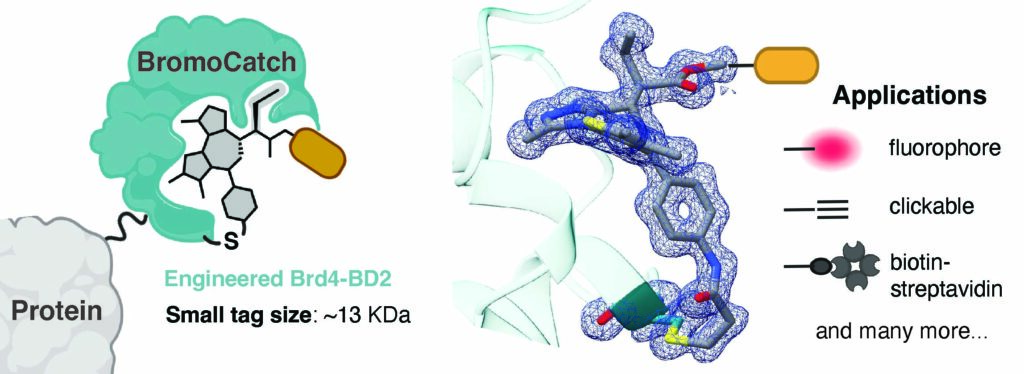 is a small, rationally designed self-labeling tag platform for targeted protein analysis, manipulation, and degradation.
[Bio-Techne]
Complementing these approaches, the R&D Systems portfolio provides targeted degradation reagents such as dTAG-13, a heterobifunctional degrader used in tag-based systems to selectively eliminate engineered proteins of interest, offering a chemical alternative to genetic knockdown approaches.
Maple reports that another impactful technology of Bio-Techne’s R&D Systems portfolio is their Simple WesternTM automated western blot instruments. She explains, “TPD heavily relies on western blotting, but scaling screening campaigns using this as a primary assay is a huge time and resource drain, with variable data quality and poor reproducibility. Simple Western technology allows researchers to get reliable, reproducible and quantitative degradation data on a fully automated instrument.”
Enhancing pipeline intelligence

Lead Research Analyst
Beacon by Hanson Wade
Keeping pace with the fast-moving TPD landscape can be daunting. “Part of the problem is that reliable data is hard to come by, particularly in regards to the advancements coming out of China, with developers still relying on their own, in-house methods to generate viable, orally bioavailable lead candidates at the cost of significant time and investment,” observes Flavio Lima Bianchi, lead research analyst at Beacon by Hanson Wade.
As evidence of this challenge, Bianchi notes that despite PROTACs comprising roughly a third of the overall TPD landscape, “to date less than five percent of PROTACs have managed to progress into the clinic and only a select few drugs have reached late-state, pivotal studies.”
The company is addressing these limitations in several ways. “We aggregate all available TPD data and render it into an easily searchable and digestible format. Too often is information siloed within organizations and, perhaps more importantly, failed degraders are rarely published or are quietly swept under the rug.”
He continues, “Beacon leverages a mixture of publicly available and proprietary data obtained directly from developers to track every single TPD program globally and to lift the lid on both the successes and the failures, enabling developers to make better, more informed decisions.”
While investigators relying on in-house methods may spend significant time searching available information, Bianchi emphasizes that their platform extends well beyond data access. “Beacon TPD is a subscription-based intelligence platform, providing users the ability to search comprehensive, curated preclinical, clinical, and commercial data across the induced proximity landscape. Aside from this primary search and retrieve function, Beacon’s additional functionalities include analyst reports, conference summaries, weekly newsletters and alerts, all designed to keep users abreast of the latest development within their field of interest.”
Broadening TPD horizons
Bio-Techne’s Maple envisions TPD expanding well beyond its original scope. “I think about TPD as one portion of a broader induced proximity revolution. The basic principles and technological breakthroughs that have driven TPD can be applied to targeted protein localization, stabilization, modulation, etc. This opens new optionality from a therapeutic standpoint and is also opening entire new fields of basic research enabled by these new principles and chemical tools.”
The post Targeted Protein Degradation Broadens Its Scope appeared first on GEN – Genetic Engineering and Biotechnology News.