Scientists have found that the antimalarial drug quinacrine can exploit a vulnerability in cancers that become reliant on the NDRG1 protein to sustain their DNA damage response. Published in Science Signaling, their study not only identifies NDRG1 as a promising therapeutic target, but also demonstrates a new strategy for discovering similar vulnerabilities across multiple types of cancer.
“Our findings suggest that NDRG1 expression could serve as a biomarker to help identify patients most likely to benefit from therapies targeting this pathway,” said Garik V. Mkrtchyan, PhD, assistant professor at the University of Copenhagen and lead author of the study. “We further showed that high NDRG1 expression predicts poor survival across multiple cancers, and that inhibiting NDRG1 creates vulnerabilities, highlighting new opportunities for precision oncology.”
Mkrtchyan and colleagues set out to identify new targets for cancer therapeutics by leveraging the concept of synthetic lethality—a phenomenon where cancer cells can survive the loss of one of two genes but die when both are inhibited. This approach has already proven successful in ovarian, breast, and prostate cancers with BRCA mutations, which are particularly vulnerable to PARP inhibitor drugs.
“In oncology, this concept is particularly promising because cancer cells often harbor mutations in specific DNA damage response pathways, making them highly dependent on the remaining repair mechanisms for survival,” said Mkrtchyan. “Targeting these dependencies enables selective elimination of cancer cells while sparing healthy tissue.”
Using transcriptomics data, the researchers identified quinacrine as a promising candidate for disrupting the DNA damage response by targeting the stress-response protein NDRG1. Quinacrine has been used as an antimalarial drug for nearly a century, later gaining approval as a treatment for lupus. In recent years, the compound has attracted growing interest as a potential cancer treatment.
Screening through hundreds of cancer cell lines revealed that blood cancers, which generally showed high NDRG1 expression, were the most sensitive to the drug. Colorectal cancer cells were also sensitive to quinacrine, especially those with mutations in the MLH1 and PARP3 genes. The team later confirmed these findings in patient datasets, where high NDRG1 expression together with loss of either of these genes correlated with improved survival rates.
“While quinacrine has previously been reported to possess anticancer activity, our study uncovers upstream mechanisms of its action on DNA damage response,” said Mkrtchyan. “By applying an automated robotics screen across more than 130 cancer cell lines, we identified novel synthetic lethal interactions involving NDRG1, providing a framework for discovering new therapeutic vulnerabilities across multiple cancer types.”
Despite its potential as a cancer therapy, quinacrine can potentially cause unwanted side effects. The researchers therefore plan to explore alternative drug candidates that can inhibit NDRG1 with more potency while reducing toxicity.
“The next steps will be to develop small molecules that inhibit NDRG1 with greater potency and specificity than quinacrine, thereby minimizing potential off-target effects,” said Mkrtchyan. “From a translational perspective, we aim to validate the identified synthetic lethal interactions in preclinical tumor models and investigate whether targeting the NDRG1 axis can overcome treatment resistance across a broader range of cancers.”
Sponsors: Herlev and Gentofte Hospital; Jascha Fonden; BETA-HEALTH Foundation; Mental Health Centre Ballerup; Region Capital Denmark; University of Copenhagen
BackgroundVoice hearing can occur in healthy people without a trigger, be caused by a traumatic event, or occur as part of a psychiatric disorder. There are still many gaps in our understanding of voice hearing, and research in this field can be challenging, maybe because it is associated with shame and stigma. Those who experience distress by voice hearing could benefit from a treatment, aimed directly at that. The ECHO manualized treatment is based on the principles of compassion-focused therapy (CFT).MethodsTreatment will take place on several different psychiatric hospitals in the Region of Southern Denmark. Treatment consists of a 10-session, manualized CFT for voice hearing. Caregivers participate in half of the sessions, and a recording of the voice content is made, which the caregivers are encouraged to listen to. The study is designed as a prospective single-arm pre–post intervention study using a mirror-image approach, in which participants serve as their own controls over time. The intervention group consists of (N = 60) voice-hearing adolescents aged 13–18 years. Additionally, a clinical comparison group (who also receive the intervention) of (N = 20) individuals aged 18–20 years with first-episode schizophrenia and voice hearing is included for descriptive and exploratory analyses. Data are collected 3 months prior to CFT treatment, immediately before the start of treatment, immediately after treatment is completed, and at 1 month follow-up. Data will be centered around social cognition, perceived social safeness, social connectedness, general well being, auditory hallucinations and compassion.DiscussionThe ECHO study addresses the wellbeing and thriving of an overlooked group of young people. The results of this study will provide information about who the voice hearers are, what challenges they face, and how they perceive them. The results will also provide information about the feasibility and efficacy of the treatment manual and, thus, its potential further implementability. Caregivers participate in half of the sessions, to facilitate a common language about mental states and voice hearing. To support their understanding, a recording of the voice content is made and the caregivers are encouraged to listen to it. We suggest that when caregivers understand the young voice hearers’ experiences, they can adjust their expectations and approach accordingly. We also suggest that by sharing the voice content, the young voice hearer will feel less isolated.Study protocol registrationhttps://clinicaltrials.gov/study/NCT07314515, identifier NCT07314515.
Crossing the blood-brain barrier and avoiding off-target effects are two important challenges for gene therapies designed to target diseases of the brain. Now, developers of a gene therapy delivery platform that pairs specially engineered adeno-associated viruses (AAVs) with a delivery strategy that harnesses the brain’s fluid transport pathways claim that their approach addresses both issues and could help pave the way to new treatments for neurological disorders like multiple sclerosis, Huntington’s disease, and rare pediatric white matter disorders.
While the platform can deliver therapeutic genes broadly throughout the brain, it preferentially targets human glial cells. Steve Goldman, MD, PhD, lead author of the study and co-director of the Center for Translational Neuromedicine at URochester, has spent his career studying glial cells and elucidating their role in disease progression and recovery. Previously, his lab developed human glial progenitor cell models and investigated the link between glial dysfunction and neurological disease. For example, in Huntington’s disease, his lab has shown that healthy human glial progenitor cells could outcompete and replace diseased cells in the brain.
“Over the last decade, we’ve learned that many neurological disorders involve glial dysfunction as a major driver of disease,” Goldman said. “That realization has created an urgent need for tools that can safely and efficiently deliver therapies to these cells throughout the brain.”
The current study gets scientists one step closer to that goal. Digging into the details, Goldman and his colleagues engineered a library of modified AAV5 viral vectors by making small changes to the vectors’ capsids. They then screened the vectors in mice whose brains were transplanted with human glial progenitor cells and tracked their movements to identify which ones most effectively infected the human glial progenitor cells and their descendants including astrocytes and oligodendrocytes.
“Human cells display different molecular signatures than mouse cells, and cells behave differently in the brain than they do in a dish,” Goldman explained. “By selecting vectors under biologically relevant conditions, we were able to identify candidates with a strong preference for human glia.”
Next, the team turned their efforts to studying how best to distribute the AAVs throughout the brain. For that, they turned to the glymphatic system, the brain’s network of fluid-filled pathways used to clear metabolic waste by circulating cerebrospinal fluid through the brain. They delivered the engineered AAVs into the cisterna magna, a fluid-filled compartment at the base of the brain, while using hypertonic treatment to enhance fluid uptake into the network. This approach spread the vectors broadly throughout the brain tissue while largely avoiding the blood-brain barrier, and reducing exposure to peripheral organs like the liver.
“The glymphatic system is changing the way we think about brain drug delivery,” Goldman said. “Rather than trying to force therapies across the blood-brain barrier from the bloodstream, we can use the brain’s own transport pathways to distribute them more effectively where they are needed.”
Immediate targets for this approach are pediatric lysosomal storage diseases and other inherited disorders in which glial cells lack critical enzymes. Essentially, diseases of the brain’s white matter with well-defined biological targets. Further down the road, the approach could support novel therapies for multiple sclerosis, age-related white matter loss, and Huntington’s, among other neurodegenerative disorders where glial dysfunction is involved.
“We envision a future in which vectors can be designed for specific diseases and specific cell populations,” Goldman said. His lab is already exploring whether they can use artificial intelligence to design viral capsids that have specific targeting characteristics. “This study shows that by combining targeted vector engineering with glymphatic delivery, we can begin to build that future.”
Thanks to booming sales of blockbuster obesity and diabetes treatments, the amount that Americans spent on prescription drugs this year is on track to surpass $1 trillion, according to a report released in April by the American Society of Health-System Pharmacists (ASHP).
That would be a sharp, above-inflation 9.3% increase from the $915 billion in U.S. drug sales recorded last year, one of the fastest one-year percentage jumps ever recorded by the group. That 12.7% jump is higher than the one-year increases achieved by healthcare costs, and growth in the overall economy.
Even more eye-opening: Nearly one-third of prescription drug spending growth came from the $132 billion spent on a single category, namely glucagon-like peptide 1 (GLP-1) receptor agonists indicated for obesity/wight management and for type 2 diabetes.
“GLP-1s have fundamentally reshaped the drug-spending landscape,” Eric Tichy, PharmD, MBA, lead author of the report and division chair of supply chain management at Mayo Clinic. “And we are still on the steep part of the curve.”
According to ASHP, the 2025 and projected 2026 leaps in drug spending reflect more medications being used by more patients, with spending growth being predicted to range from 10–12% overall.
That would appear to explain the robust increases in sales by every one of the top 10 best-selling prescription drugs (based on 2025 sales) featured in this GEN A-List. Top-selling drugs are ranked based on sales or revenue reported for 2025 by biopharma companies in press announcements, annual reports, investor materials, and/or conference calls. Each drug is listed by name, sponsor(s), 2025 sales, 2024 sales, and the percentage change between those years.
The total 2025 aggregate value of the top 10 best-selling drugs was $188.136 billion, up 21.5% from $154.888 billion in 2024—and more than double (up 127.5% over 10 years from the $82.694 billion generated by 2016’s top 10 sellers, as reported by GEN.
Just missing the top 10 at #11 was Novo Nordisk’s Wegovy®, the glucagon-like peptide 1 (GLP-1) receptor agonist indicated for weight loss in obese or overweight adults. Treatments ranked number 11 through number 15 in 2025 generated between approximately $8.4 billion and $12.2 billion in revenues. In addition to Wegovy, best sellers Nos. 12-15 include:
Opdivo® and its subcutaneous injection version Opdivo Qvantig (nivolumab / nivolumab and hyaluronidase-nvhy), marketed by Bristol Myers Squibb (BMS) worldwide except Japan, South Korea, and Taiwan, where Ono Pharmaceutical markets the drug.
Trikafta® (elexacaftor/tezacaftor/ivacaftor and ivacaftor) from Vertex Pharmaceuticals, which markets the drug outside the U.S. as Kaftrio®.
Ocrevus®(ocrelizumab) from Roche and its U.S. subsidiary Genentech.
Farxiga®(dapagliflozin), from AstraZeneca, which markets the drug outside the U.S. as Forxiga®
Three drugs that ranked between #11 and #15 on last year’s A-List based on 2024 sales placed lower this year: Eylea/Eylea HD (aflibercept) from Regeneron Pharmaceuticals and Bayer, which ranked No. 17 in 2025 sales; Gardasil/Gardasil 9 (Human Papillomavirus Quadrivalent (Types 6, 11, 16, and 18) Vaccine, Recombinant/Human Papillomavirus 9-valent Vaccine, Recombinant) from Merck & Co., now No. 27; and Humira® (adalimumab) from AbbVie, which had long been the top-selling drug for years until being surpassed by Keytruda® but is now No. 32.
Eylea and Humira now face competition from biosimilars, while Merck halted Gardasil shipments to China last year, citing declining sales.
1. Keytruda® / Keytruda Qlex1
(pembrolizumab / pembrolizumab and berahyaluronidase alfa-pmph) Merck & Co.
Starting in 2025, Merck combined into a single figure the sales of Keytruda (pembrolizumab) and Keytruda Qlex, a subcutaneous injectable immunotherapy consisting of pembrolizumab and berahyaluronidase alfa, and which like Keytruda is indicated to treat multiple types of cancer.
Figure differs from the $18.655 billion reported by GEN in last year’s A-List of Top 10 Best-Selling Drugs due to currency fluctuations.
Sanofi records global net product sales of Dupixent, with each company recording its half-share of profits on global sales of the drug.
Figure differs from the $15.125 billion reported by GEN in last year’s A-List of Top 10 Best-Selling Drugs due to currency fluctuations.
All sales figures are recorded by Johnson & Johnson, with Genmab receiving royalties on worldwide sales from J&J. Genmab does not disclose specific royalty revenues for Darzalex and Darzalex Faspro but has furnished a 2025 royalty figure for the treatments of $2.443 billion, up 12.5% from DKK 13.922 billion ($2.172 billion) in 2024. Genmab changed its reporting and functional currency to U.S. dollars from Danish kroner as of 2025.
Lilly includes revenues from Glyxambi® (empagliflozin/linagliptin), Synjardy® (empagliflozin/metformin hydrochloride), and Trijardy® XR (empagliflozin, linagliptin, and metformin hydrochloride) in its revenue figures for the Jardiance family—which includes net product revenue as well as collaboration and other revenue.
Figure differs from the $12.832 billion in 2024 sales reported by GEN in last year’s A-List of Top 10 Best-Selling Drugs due to currency fluctuations.
This is today’s edition of The Download, our weekday newsletter that provides a daily dose of what’s going on in the world of technology.
Why “reprogramming” is the buzziest approach to reversing aging right now
Earlier this week, Life Biosciences, a biotech company focused on reversing age-related diseases, announced that it had dosed its first volunteer. A person with glaucoma has had an experimental treatment injected straight into their eyeball.
The idea is to treat the disease by regenerating healthy nerves in the eye—but the company already hopes to go further. If the treatment can reverse glaucoma, similar treatments could reverse other diseases of aging. Maybe, just maybe, they could reverse aging altogether.
The approach relies on “reprogramming” cells to a younger state. It’s one of many strategies being explored by biotech companies looking to slow and reverse aging. But of all of them, it seems to be the one that is truly taking off.
This story is from The Checkup, our weekly newsletter giving you the inside track on all things biotech. Sign up to receive it in your inbox every Thursday.
Inside Interoception: The hidden sense of how you feel inside
Scientists have a word for how we sense ourselves from the inside: interoception. Today, thanks to a 2021 Nobel Prize and new tools that can map internal signaling across the body, research into interoception is taking off.
As researchers decode how signals move between body and brain, a clearer picture is starting to take shape—with implications for how we understand and treat conditions from obesity to chronic pain to anxiety.
This story is part of MIT Technology Review Explains, our series untangling the complex, messy world of technology to help you understand what’s coming next. You can read more from the series here.
The must-reads
I’ve combed the internet to find you today’s most fun/important/scary/fascinating stories about technology.
1 SpaceX has officially delivered the largest IPO in history It’s raised a record $75 billion at a $1.77 trillion valuation. (Axios) + Making Elon Musk the world’s first trillionaire (on paper). (Reuters $) + The IPO will now put his “extreme ownership” to the test. (Wired $) + While China attempts to build a Starlink rival. (Rest of World) + And other challenges to SpaceX emerge. (MIT Technology Review)
2 Jeff Bezos wants to build an “artificial general engineer” Through his new industrial AI startup, Prometheus. (NYT $) + Which just raised $12 billion, valuing it at $41 billion. (TechCrunch) + Meanwhile, OpenAI is building a fully automated researcher. (MIT Technology Review)
3 Chinese regulators are dramatically intensifying tech enforcement A spell of relative restraint has ended. (SCMP) + Regulators have admonished e-commerce giants Alibaba and JD.com. (FT $) + And blocked Meta’s acquisition of Chinese AI startup Manus. (BBC)
4 Google says Chinese cybercriminals used Gemini to scam Americans It’s suing the network over the alleged AI-powered scams.(NYT $) + “Supercharged scams” are one of our 10 Things That Matter in AI Right Now. (MIT Technology Review)
5 Ukraine’s defense AI chief predicts a “new paradigm” of warfare He expects AI systems to unify into a single battlefield network. (Reuters $) + AI chatbots could be used for targeting decisions. (MIT Technology Review)
6 Anthropic has rankled users with its safety-first Fable model Stringent safety rules and refusals to help have sparked a backlash. (NBC) + Anthropic has backtracked on some policies. (Wired $)
7 Pokémon Go data trained AI that could assist military drones It could help them locate themselves in war zones. (Guardian) + Pokémon Go data is also training delivery robots. (MIT Technology Review)
8 Orbital data centers are harder than Silicon Valley thinks Shedding heat in space requires ingenious new designs. (IEEE Spectrum) + We need a few things to put data centers in space. (MIT Technology Review)
9 A toy universe shows time could be a quantum illusion It could emerge from quantum interactions, rather than just existing by default. (New Scientist $)
10 Chatbots keep telling stories about a lighthouse keeper called Ella And now we may finally know why. (404 Media)
Quote of the day
“People are paying a trillion dollars for Elon.”
—Ross Gerber, the CEO of Gerber Kawasaki, which owns SpaceX stock, tells the New York Times why he believes the company’s IPO is overvalued.
One More Thing
GEORGE WYLESOL
How generative AI could reinvent what it means to play
I was immediately attracted to open-world games, in which you’re free to explore a vast simulated world and choose what challenges to accept. To make them feel alive, these games are inhabited by crowds of “nonplayer characters” (NPCs). But the illusion starts to weaken when you spend enough time with them.
It may not always be like that. Just as it’s upending other industries, generative AI is opening the door to entirely new kinds of in-game interactions that are open-ended, creative, and unexpected. The game may not always have to end.
Antiretroviral therapy (ART) has enabled most people living with HIV to live long and healthy lives. However, a small portion of people experience detectable traces of the virus, known as nonsuppressible viremia (NSV), despite strict adherence to long-term treatment regimens and the absence of symptoms. The results of a study headed by researchers at Johns Hopkins University School of Medicine now suggest that most cases of NSV are explained by defective and noninfectious copies of the virus.
The study, which involved more than 50 people, found that while traces of HIV-1 RNA can persist in blood after optimal therapy, cases of non-suppressible viremia are driven by HIV-1 RNA with defects in a piece of the RNA known as 5’-leader. The team developed a digital PCR (dPCR) assay, CLAWS (Capturing 5′ Leader Anomalies Without Sequencing), that distinguishes intact from defective 5′L RNA.
“From a clinical perspective, this is important because people with HIV are taught that the absolute goal of their medication is to achieve undetectable viral load, and they worry,” said Francesco R. Simonetti, MBChBD, PhD, an assistant professor of medicine in the Division of Infectious Diseases at Johns Hopkins University School of Medicine. The new findings, said Simonetti and his team, should provide relief to many people living with HIV who fear a viral rebound or who are concerned about transmitting the virus to partners despite taking effective treatment.
Simonetti is senior and corresponding author of the team’s report in Nature Communications (“5′ leader defects drive persistent HIV-1 viremia on long-term ART”), in which they stated, “These findings identify 5′L-defective genomes as the predominant driver of NSV and establish CLAWS as a practical tool for monitoring viremia in clinical and cure-related settings.”Modern antiretroviral therapies, which date back to 1996, prevent HIV from infecting new populations of immune system cells, but aren’t able to retroactively prevent previously infected cells from releasing HIV viral particles. Since those cells usually represent a small portion of infected cells after a person is on stable therapy, most people with HIV (PWH) who take antiretroviral therapies are able to bring their viral loads to clinically undetectable levels in their blood.
However, in some cases, which are estimated to occur less than 1% of the time, people may experience clinically detectable levels after taking long-term antiretroviral drug therapy. “Traces of HIV-1 RNA can persist in plasma despite long-term suppressive antiretroviral therapy (ART), the authors stated. This could happen years later, or, in less frequent cases, they may have never achieved undetectable levels. “The sources of NSV remain poorly defined, in part due to limited tools to characterize plasma HIV-1 RNA,” the team continued. “NSV raises concerns for virologic failure, transmission, and immune activation, complicates ART management, causing anxiety and ultimately affecting the quality of life of PWH.”
For the newly reported study, the investigators examined blood samples from 52 people living with HIV who had detectable loads of the virus despite taking long-term antiretroviral drug therapy. These samples, which were assessed from 32 people and compared to an additional 20 samples, were collected between 2021 and 2025. The majority of participants were white men, between ages 58 and 68, and received care in the United States, Canada, and Denmark. The researchers found that most detectable forms of the virus, around 95%, were due to defective copies, and most defects were due to mutations or deletions in the 5’-leader region of HIV-1 RNA. This region is known to orchestrate the production of copies of the virus, but in this case, the defects prevented the generation of infectious virus.
“In 31 participants from the original NSV cohort and an additional 20 participants from the validation cohort, RNA transcribed from defective proviruses accounted for a median of 95% of plasma HIV-1 RNA, firmly establishing their central role in persistent viremia,” the investigators wrote in summary.
The study offers evidence that clinicians can now study the virus in blood plasma and confirm if clinically detectable levels are due to defective copies released from one or a few T-cell clones, said Simonetti. If so, he added, this could eliminate the need for extra medications and could prevent related complications. It could also help people living with HIV have access to surgeries or other procedures, such as hip or knee replacements or organ transplants, and participate in clinical studies if they know they have HIV under control.
“We know that these defective proviruses cannot infect new cells, but they are still clinically relevant,” said Simonetti. “Think of how many extra visits, extra drugs, extra costs, and tests they’ve been causing. It’s also clear from the new study that, over time on treatment, intact proviruses that make virus are pruned away, while defective ones escape the immune system,” he said. “Now we want to understand these differences in immune recognition to uncover HIV’s vulnerabilities.”
Similar to using a liquid biopsy to detect cancer mutations in DNA, the CLAWS assay developed by the researchers uses advanced technology to identify detectable viral loads that are due to defective copies. The method is cost-effective and can be broadly used in HIV clinics and research settings.
In their paper, the authors wrote in conclusion, “In summary, our results establish 5’L-defective proviruses as the major source of NSV and introduce CLAWS as a practical tool for dissecting persistent viremia. Beyond clarifying mechanisms of HIV-1 persistence, CLAWS provides immediate translational utility for clinical monitoring and HIV-1 cure research.”
Like any complex system, the cell depends on a tightly regulated quality control network to maintain order and prevent the accumulation of harmful proteins. This network governs protein homeostasis, including the synthesis, folding, trafficking, and ultimately the clearance of proteins. When these processes fail, aberrant or misfolded proteins can accumulate and drive disease.
Targeted protein degradation (TPD) therapeutics seek to harness this intrinsic quality control machinery to selectively eliminate disease-causing proteins. Central to this approach is the principle of induced proximity, in which a designed molecule brings a target protein into close contact with a cellular effector, triggering its removal through endogenous degradation pathways.
Two major systems underpin these processes. The ubiquitin-proteasome system governs the degradation of intracellular, soluble proteins, where targets are tagged with ubiquitin by a cascade of enzymes, including E3 ubiquitin ligases, and directed to the proteasome for destruction. In parallel, lysosome-mediated pathways handle larger, membrane-bound, extracellular, or aggregated proteins by routing them through endocytic or autophagic mechanisms for degradation.
Building on these natural systems, a growing toolkit of TPD modalities has emerged. For example, proteolysis-targeting chimeras (PROTACs) exploit the ubiquitin-proteasome system, while newer approaches such as lysosome-targeting chimeras, including sortilin-based lysosome targeting chimeras (SORTACs), extend degradation to extracellular and membrane-associated proteins. Molecular glues, by contrast, stabilize interactions between E3 ligases and target proteins without requiring a bifunctional design, further expanding the scope of induced proximity strategies. Additional degrader technologies are being developed.
Although first described more than 25 years ago, TPD is now entering a phase of rapid maturation and increasing therapeutic relevance. By operating through catalytic, event-driven mechanisms rather than traditional occupancy-based inhibition, these approaches offer the potential to address previously “undruggable” targets, overcome resistance mechanisms, and deliver more durable clinical responses. At the same time, key challenges remain, including expanding access to extracellular targets, improving target validation strategies, and navigating an increasingly complex and data-rich development landscape.
Tackling the extracellular frontier
Early TPD efforts have primarily targeted cytosolic proteins, leaving extracellular and membrane-bound targets (estimated to comprise about 40% of the human proteome) largely unaddressed.
“Many key drivers of disease, including inflammatory cytokines, protein aggregates, and secreted factors, remain inaccessible to conventional PROTAC-based approaches,” says Simon Glerup, PhD, co-founder and CSO, Draupnir Bio, a spinout from Aarhus University (Denmark).
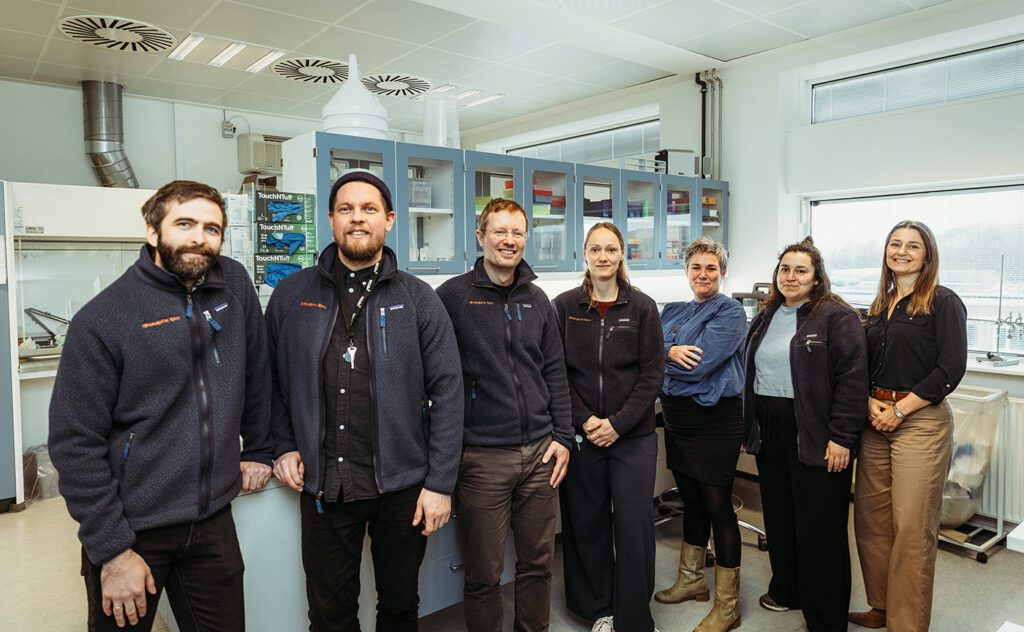
Simon Glerup, PhD, co-founder and CSO, Draupnir Bio and Lab: Lab photo from left: Jonas Lende, Casper Larsen, Simon Glerup, Marianne Kristensen, Camilla Gustafsen, Amanda Simonsen, Line Slemming.
The company is addressing this gap by utilizing its proprietary SORTAC platform, a modular, small-molecule technology designed to degrade extracellular proteins by harnessing the natural lysosomal clearance pathway. Glerup notes that “these targets are central to diseases such as neurodegeneration and inflammation, yet remain difficult to drug with existing modalities.”
SORTACs are bifunctional small molecules composed of a sortilin-binding module linked to a target-binding ligand, enabling formation of a ternary complex between an extracellular disease protein and the lysosomal receptor sortilin, which drives internalization and degradation in lysosomes. Glerup elaborates, “Unlike antibody-based or intracellular TPD approaches, SORTACs combine the advantages of small molecules (such as potential oral delivery and tissue penetration) with catalytic, event-driven pharmacology. The platform has demonstrated hallmark TPD properties, including ternary complex formation and catalytic turnover, with in vitro and in vivo degradation of therapeutically relevant targets.”
Glerup emphasizes that SORTACs enable degradation of both soluble and membrane-associated proteins and leverage receptor recycling to drive sustained target clearance.
The company has launched a multi-partner Danish initiative, DESYNA (Degradation of Extracellular α-SYNuclein Aggregates) in collaboration with Aarhus University, focusing on Parkinson’s disease. Accumulation of α-synuclein aggregates is a key driver of disease, and the approach aims to selectively degrade these pathogenic species and halt their progression.
Glerup believes extracellular TPD represents the next major wave of innovation in the field. “By extending TPD beyond the cell’s interior, the cytosol, SORTAC has the potential to unlock a large and previously inaccessible target space. With growing validation and collaborative efforts such as DESYNA, there is strong reason for optimism that this approach can deliver transformative therapies for diseases that currently lack effective treatment options.”
Enabling TPD workflows
Advancing TPD depends on a coordinated ecosystem of tools that support target validation, mechanistic interrogation, and translational predictions. Within this context, attention is increasingly focused on the central challenge of translating mechanistic promise into consistent patient benefits.
Hannah Maple, PhD Senior Director Bio-Techne
“I think we are on the brink of seeing TPD and induced proximity truly usher in a new era in drug discovery as we await the first clinical approval of a PROTAC degrader,” says Hannah Maple, PhD, senior director at Bio-Techne®. At the same time, she notes that “one of the challenges with this as a new drug modality is to gain a deeper understanding of where the maximum patient benefit lies from a target and indication perspective.”
That uncertainty places renewed emphasis on target validation strategies. Maple elaborates, “Driving efficacy versus standard of care in a predictable way remains a challenge, despite in many cases strong mechanistic rationale for degradation versus inhibition of a particular target. For this reason, I would keep target validation high on the list of key challenges for the field as it relates to driving clinical impact and patient benefit with this technology.”
To support this critical transition, Maple says Bio-Techne has established long-standing collaborations with leading research groups to co-develop new technologies and support training of the next generation of TPD scientists. The company has also built an integrated portfolio of tools spanning biological reagents, chemical probes, and assay platforms with TPD-focused capabilities across its R&D Systems portfolio brand, including the Tocris small-molecule products.
Maple provides an example. “Some of the most useful categories of tools for target exploration and validation in the context of TPD are the R&D Systems’ Tocris Tag Degradation Platforms and self-labeling protein tag platforms.” These approaches involve fusing a small protein tag to the protein of interest and pairing it with a complementary small-molecule ligand that binds the tag. The tag ligand is typically bifunctional and can be developed to recruit an E3 ligase to the protein-of-interest, eliciting degradation in a controllable, tunable manner.
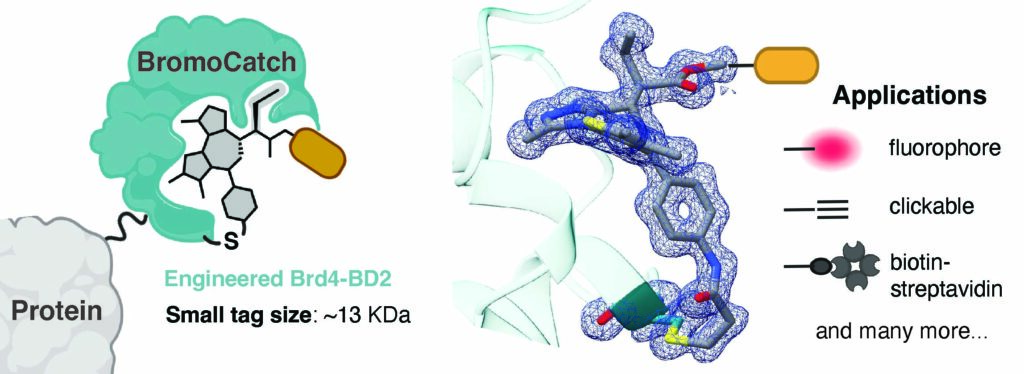
Within this ecosystem, protein-level tools support target interrogation and validation. Maple highlights self-labeling tag systems as particularly valuable. “Through our R&D Systems brand, we have built a leading portfolio of these technologies, and very recently launched BromoCatch, a next-generation self-labeling tag platform that was co-developed with [the lab of Alessio Ciulli, PhD] at the Centre for Targeted Protein Degradation, University of Dundee. BromoCatch represents a powerful, modular platform that uses a low molecular weight protein tag. The benefit of this approach is to minimally perturb the native localization or function of the protein being tagged, versus prior larger tags that could cause undesired functional effects.”
BromoCatch is a small, rationally designed self-labeling tag platform for targeted protein analysis, manipulation, and degradation. [Bio-Techne]
Complementing these approaches, the R&D Systems portfolio provides targeted degradation reagents such as dTAG-13, a heterobifunctional degrader used in tag-based systems to selectively eliminate engineered proteins of interest, offering a chemical alternative to genetic knockdown approaches.
Maple reports that another impactful technology of Bio-Techne’s R&D Systems portfolio is their Simple WesternTM automated western blot instruments. She explains, “TPD heavily relies on western blotting, but scaling screening campaigns using this as a primary assay is a huge time and resource drain, with variable data quality and poor reproducibility. Simple Western technology allows researchers to get reliable, reproducible and quantitative degradation data on a fully automated instrument.”
Enhancing pipeline intelligence
Flavio Lima Bianchi Lead Research Analyst Beacon by Hanson Wade
Keeping pace with the fast-moving TPD landscape can be daunting. “Part of the problem is that reliable data is hard to come by, particularly in regards to the advancements coming out of China, with developers still relying on their own, in-house methods to generate viable, orally bioavailable lead candidates at the cost of significant time and investment,” observes Flavio Lima Bianchi, lead research analyst at Beacon by Hanson Wade.
As evidence of this challenge, Bianchi notes that despite PROTACs comprising roughly a third of the overall TPD landscape, “to date less than five percent of PROTACs have managed to progress into the clinic and only a select few drugs have reached late-state, pivotal studies.”
The company is addressing these limitations in several ways. “We aggregate all available TPD data and render it into an easily searchable and digestible format. Too often is information siloed within organizations and, perhaps more importantly, failed degraders are rarely published or are quietly swept under the rug.”
He continues, “Beacon leverages a mixture of publicly available and proprietary data obtained directly from developers to track every single TPD program globally and to lift the lid on both the successes and the failures, enabling developers to make better, more informed decisions.”
While investigators relying on in-house methods may spend significant time searching available information, Bianchi emphasizes that their platform extends well beyond data access. “Beacon TPD is a subscription-based intelligence platform, providing users the ability to search comprehensive, curated preclinical, clinical, and commercial data across the induced proximity landscape. Aside from this primary search and retrieve function, Beacon’s additional functionalities include analyst reports, conference summaries, weekly newsletters and alerts, all designed to keep users abreast of the latest development within their field of interest.”
Broadening TPD horizons
Bio-Techne’s Maple envisions TPD expanding well beyond its original scope. “I think about TPD as one portion of a broader induced proximity revolution. The basic principles and technological breakthroughs that have driven TPD can be applied to targeted protein localization, stabilization, modulation, etc. This opens new optionality from a therapeutic standpoint and is also opening entire new fields of basic research enabled by these new principles and chemical tools.”
Background: Clinical outcomes for patients with cystic fibrosis have improved over the last decades, with a focus on enhancing the quality of life for children and their families. These improvements are expected to reduce the need for in-hospital visits, allowing for alternative care provisions that further enhance their quality of life. Telehealth can decrease the number of in-hospital visits and disruptions to everyday life. Objective: This study aims to assess the feasibility of home monitoring with subsequent video consultations and to explore the experiences of families and health care professionals. Methods: We recruited 12 children with cystic fibrosis (>6 y) and their parents from the Cystic Fibrosis-Center Copenhagen. The 5-month intervention consisted of alternately standard care visits and telehealth care visits. Telehealth care visits consisted of home monitoring, with automatically transmitted data to the hospital-based electronic health record. Home monitoring included spirometry, weight, and oxygen saturation, conducted with parental support, along with a video consultation. To monitor lung infections during telehealth care visits, all participants were encouraged to send in a sputum sample beforehand. Families completed preintervention and postintervention questionnaires about time spent, sense of security, and usability of home monitoring devices. We also collected data on families’ and health care professionals’ experiences with telehealth care visits through semistructured interviews after the intervention. Results: All 12 (100%) approached children and their parents accepted to participate. Standard care visits caused full-day absences for 8 (73%) children and 10 (91%) parents, compared to only 1 (8%) child and their parents during telehealth visits. More than 70% of children and their parents rated the oxygen saturation device (n=9, 75%) and weighing scale (n=11, 92%) as “very easy” to use after the intervention. However, 50% (n=6) found the home spirometry device “difficult” or “acceptable” to use, possibly due to device errors. We identified 4 main themes in the interviews: benefits of telehealth, disadvantages of telehealth, prerequisites for telehealth to be successful, and next steps toward telehealth. Conclusions: Home monitoring with automatically transmitted data to the hospital-based electronic health record and video consultations was feasible despite identified concerns regarding technical issues with home spirometry devices.


 (nivolumab / nivolumab and hyaluronidase-nvhy), marketed by Bristol Myers Squibb (BMS) worldwide except Japan, South Korea, and Taiwan, where Ono Pharmaceutical markets the drug.


 portfolio brand, including the Tocris