

IntroductionPsychological recovery after the acute COVID-19 emergency has been uneven, and brief non-diagnostic markers that stratify vulnerability may support public mental health monitoring. We examined whether person-centered Big Five profiles differentiated self-reported distress and resilience resources among adults living in Italy after the end of the World Health Organization-declared COVID-19 public health emergency.MethodsThis cross-sectional anonymous online survey included 2,169 adults assessed between 22 May 2023 and 23 December 2024. Participants completed the Big Five Inventory-10 (BFI-10), Generalized Anxiety Disorder-7 (GAD-7), Patient Health Questionnaire-9 (PHQ-9), Perceived Stress Scale-10 (PSS-10), and Resilience Scale for Adults-11 (RSA-11). Standardized Big Five scores were clustered using k-means, and the number of profiles was evaluated using elbow, silhouette, and hierarchical-clustering methods.ResultsA two-profile solution was retained, although separation was modest (average silhouette width = 0.185). Compared with the resourceful trait profile (n = 1,113), the vulnerable trait profile (n = 1,056), characterized especially by lower emotional stability and conscientiousness, reported higher anxiety symptoms (g = 0.74), depressive symptoms (g = 0.76), and perceived stress (g = 0.86), and lower resilience resources (g = −1.02; all p < 0.001).DiscussionBrief person-centered Big Five profiling differentiated adults with greater self-reported symptom burden and fewer resilience resources in a prolonged post-emergency context. These findings are non-diagnostic and do not establish COVID-specific causal mechanisms, but may inform vulnerability stratification during future prolonged crises.
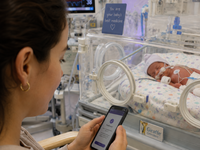
A Digital Acceptance and Commitment Therapy and Education Intervention for Caregivers of Very Preterm Infants in the Neonatal Intensive Care Unit: Randomized Controlled Trial
Background: Parents of very preterm infants admitted to the neonatal intensive care unit (NICU) experience high levels of psychological distress, yet access to timely, evidence-based mental health support is limited by staffing and resource constraints. Digital mental health interventions offer a scalable approach to addressing this gap; however, their effectiveness has not been well established in NICU caregiver populations, particularly during periods of acute stress. Objective: This study aims to evaluate the effectiveness of a self-guided digital acceptance and commitment therapy (ACT)–based intervention combined with NICU-specific education (NICU parent acceptance and commitment therapy [NPACT]). The study explored the intervention’s effects on stress among parents and primary caregivers of very preterm infants, compared to a digital education-only intervention, and active control. Methods: We conducted a 3-arm, single-center, randomized controlled cluster trial in a tertiary NICU. Parents and primary caregivers of very preterm infants (<32 wk’ gestational age,<1 wk old) were randomized by family cluster to (1) NPACT (ACT+ education), (2) a digital education-only intervention, or (3) active control. Digital interventions were delivered via a web-based platform over 2 weeks. The primary outcome was NICU-related stress on the Parent Stressor Scale: Neonatal Intensive Care Unit (PSS:NICU) at 2 weeks postrandomization. Secondary outcomes included caregiver anxiety, depression, perceived stress, and selected neonatal outcomes. Engagement and perceived helpfulness were assessed for digital interventions. Results: A total of 102 caregivers from 68 family clusters (79 infants; mean gestational age 28.1, SD 2.2 wk) were enrolled. There were no statistically significant between-group differences in the mean PSS:NICU scores at 2 weeks (NPACT 3.0, SD 0.9; education-only 2.5, SD 1; active control 2.6, SD 0.9; adjusted mean difference for NPACT vs active control 0.04, 95% CI −0.39 to 0.47). No between-group differences were observed for secondary psychological outcomes at any time point. However, caregivers in both digital intervention groups had higher odds of full breastfeeding at discharge compared with active control. Engagement with the digital interventions was high, with 97% (28/29) of NPACT participants and 76% (19/25) of education-only participants completing at least 5 of 7 modules, and both interventions were rated as very helpful. Conclusions: In this trial, an unguided digital mental health intervention delivered during NICU admission did not reduce NICU-specific parental stress or other psychological outcomes relative to active control. However, the intervention was highly used by caregivers. These findings suggest that while a brief digital mental health intervention can be successfully implemented in a high-stress clinical setting with caregivers, its capacity to reduce acute psychological distress may be limited. Secondary findings indicate potential benefits of the digital intervention on breastfeeding, generating hypotheses for future research. Digital mental health interventions in neonatal settings may be most effective when integrated within hybrid models of care and/or delivered beyond the acute admission phase. Trial Registration: Australian New Zealand Clinical Trials Registry ACTRN12623000641695; https://tinyurl.com/2e8677bb International Registered Report Identifier (IRRID): RR2-10.1016/j.cct.2024.107519
Sex-related molecular phenotypes in anxiety-depressive disorders: a machine learning analysis of routine blood biomarkers
BackgroundAnxiety disorders and depressive disorders are the most prevalent mental disorders worldwide. Their diagnosis has long relied on clinical symptom assessment, and objective blood−based biomarkers remain lacking. Sex is a critical risk factor for these disorders; however, sex−specific divergence in blood biochemical profiles has yet to be systematically characterized.MethodsThis retrospective study enrolled 778 patients diagnosed with anxiety−depressive state at China−Japan Friendship Hospital. Demographic data, complete blood count parameters, and blood biochemical parameters were collected. Following missing value processing and multiple imputation, Mann–Whitney U tests were applied to identify sex−differentially expressed biomarkers. A random forest classifier was constructed to evaluate the discriminative capacity of combined multi−marker panels, with model performance comprehensively assessed through receiver operating characteristic curve analysis, SHAP−based explainability analysis, and multi−classifier probability projection. Age−stratified analyses were performed with a threshold of 50 years to explore the potential modifying effect of age on sex differences.ResultsSeveral biomarkers exhibiting significant differences between males and females were identified (FDR < 0.05), among which creatinine, hemoglobin, hematocrit, red blood cell count, and uric acid demonstrated the largest effect sizes. The random forest model achieved an area under the receiver operating characteristic curve of 0.902 on the independent test set. Multi−classifier probability projection following hyperparameter tuning yielded a Silhouette coefficient of 0.464 in the two−dimensional space, with permutational multivariate analysis of variance confirming highly significant centroid differences between groups (p < 0.001). Age−stratified analysis using hemoglobin as an example revealed that levels in males were significantly higher than those in females across both age strata, with the magnitude of the sex difference attenuated in the ≥50−year group compared with the <50−year group.ConclusionsRobust sex−related signals are embedded in routine blood biochemical markers. Although complete separation is difficult to achieve under unsupervised dimensionality reduction, these signals can be efficiently integrated through ensemble learning algorithms. This study provides a molecular phenotypic basis related to sex in patients with anxiety−depressive state and underscores the importance of fully considering sex as a variable in clinical laboratory testing.
Art therapy for depression: a systematic review and meta-analysis
IntroductionDepression is among the leading causes of disability globally. Therefore, exploring the various non-medical treatment options for this condition is particularly important. The aim of the review was to assess the effect of art therapy on depressive symptoms.MethodsThe foundation of this review is a pre-planned, explorative, secondary analysis of a previously published umbrella review, encompassing the databases Cochrane Library, Embase, MEDLINE, CINAHL, ERIC, American Psychological Association PsycArticles, American Psychological Association PsycInfo, PSYNDEX, the German Clinical Trials Register, and ClinicalTrials.gov. Included were all randomized trials with any patient population receiving active visual art therapy. The outcome was depressive symptoms measured by depression assessment instruments. We followed the Preferred Reporting Items for Systematic Reviews and Meta-Analyses (PRISMA) guidelines and conducted a bias assessment using a modified Cochrane risk of bias tool. Data was pooled using a random-effects model and visualized in forest plots. A pooled standardized mean difference (SMD) with hedges g was calculated to measure the reduction of depressive symptoms.ResultsOf 3,100 identified reports we included 26 studies. Of these, 19 studies with 997 patients were eligible for inclusion in the meta-analysis. Overall, we found a standardized mean difference of 0.53 (95% CI: 0.30 to 0.76) for depressive symptoms, favoring the intervention group. Main sources of variation were different types of control groups, methodological quality, and patient populations.ConclusionOur results suggest that art therapy is associated with improved depressive symptoms. Therefore, art therapy should be accessible as complementary treatment for patients suffering from depressive symptoms.
A comparison between seven scales of neuropsychological assessments for cognitive impairment screening in Chinese older population: a cross-sectional study in Chongqing, China
BackgroundThe Clinical Dementia Rating Scale (CDR), the Ascertain Dementia 8 (AD8), the Mini-Cog, the Verbal Fluency Test (VFT), the Community Screener for Dementia (CSI-D), the Rey Auditory Verbal Learning Test (RAVLT), and the Activities of Daily Living Scale (ADL) represent seven commonly employed methods for community cognitive impairment screening in China that have garnered limited attention. This study aimed to assess the discriminatory power of these seven tests when administered concurrently in a single screening to detect cognitive impairment in the absence of a gold standard.MethodsWe conducted a cross-sectional survey among 1,506 elderly people aged 60 and above in the community. The cognitive and social functions of the elderly population were evaluated by using the Seven scales. The characteristics related to demographics and health were collected through questionnaire surveys, and the correlations and consistencies of the Seven scales with cognitive impairment were analyzed respectively. Multifactor logistic regression model was used to analyze the risk factors of cognitive impairment in each scale.ResultsThe positive screening proportions for the seven scales—CDR, ADL, AD8, CSI-D, Mini-Cog, VFT, and RAVLT—were 61.1%, 33.7%, 38.0%, 37.1%, 53.7%, 39.3%, and 52.9%, respectively. Agreement on cognitive impairment risk between each pair of scales was fair-to-moderate (Kappa: 0.32–0.645, all p < 0.001). Screening results differed significantly across the seven scales by age, educational, marital status, epilepsy, cerebral infarction, brain atrophy, and depression (all P < 0.001). Notably, Screen-positive proportions for cognitive impairment rose significantly with increasing age (p < 0.001); the ≥ 80-year-old group showed the highest proportions across scales. Conversely, higher educational attainment was associated with lower risk of screening positive for cognitive impairment (p < 0.001).ConclusionsOur study identified a relatively high screening positivity proportion for cognitive impairment in Chongqing, Age, Sex, Education, Marital status, Brain atrophy, Anxiety, and Depression are risk factors for screening positivity. The identified screening positivity for cognitive impairment varied across different neuropsychological assessment methods, indicating that assessment choice should be tailored to population characteristics rather than applying a one-size-fits-all approach. Selecting the appropriate tool can improve sensitivity and reduce missed diagnoses.
Changes in depression, anxiety, and post-traumatic stress symptoms among children and adolescents exposed to adverse childhood experiences following participation in the PROACT intervention in Nairobi, Kenya
IntroductionGlobally, children and adolescents exposed to Adverse Childhood Experiences (ACEs) face an increased risk of developing mental health disorders. The prevalence of these mental disorders is further amplified by the lack of access to specialised mental health treatment especially in low resource settings. There is an urgent need for scalable mental health interventions that can effectively address the needs of these vulnerable populations. Non-specialist-delivered interventions, such as PROACT (Psychoeducation, Relaxation, Problem-solving, Activation, and Cognitive Coping Therapy), represent a promising scalable approach that could help bridge the existing mental health treatment gap in low-resource settings.ObjectivesThis study aimed to assess changes in depression, anxiety, and post-traumatic stress symptoms among children and adolescents exposed to adverse childhood experiences following participation in the PROACT intervention delivered by trained social workers in Nairobi, Kenya.MethodologyMixed-methods pre-post study design was employed. Twenty purposively selected sites across Nairobi County each contributed one social worker (N = 20), who received training to deliver the intervention. A total of 40 children participated and received 4–6 PROACT sessions. Quantitative data were analysed using STATA version 17. Paired t-tests were used to compare baseline and endline scores, while mixed-effects linear regression models with participant ID as a random effect were fitted to estimate changes in outcomes over time and account for repeated measures. Statistically significant improvements were observed across all mental health outcomes. Mean anxiety scores decreased from 6.2 at baseline to 2.7 at endline (mean difference: −3.5; 95% CI: −4.7 to −2.2; p < 0.001), while mean depression scores decreased from 6.4 to 2.9 (mean difference: −3.6; 95% CI: −4.9 to −2.3; p < 0.001). Mean PTSD scores decreased from 16.7 (95% CI: 12.8–20.5) at baseline to 7.3 (95% CI: 4.4–10.1) at endline (mean difference: −9.4; 95% CI: −14.6 to −9.3; p < 0.001). Mixed-effects linear regression analyses corroborated these findings, demonstrating significant reductions in PTSD (β = −9.44), anxiety (β = −3.48), and depression (β = −3.59) symptoms (all p < 0.001).ConclusionThe PROACT intervention was feasible and acceptable when delivered by social workers in Nairobi primary healthcare facilities and was associated with improvements in mental health outcomes among children and adolescents. These findings highlight the potential of task-sharing approaches to expand access to mental healthcare in low- and middle-income countries (LMICs) and warrant further evaluation in controlled studies.
Effects of visual art therapy on depressive symptoms in adults: a systematic review and meta-analysis
ObjectiveTo systematically evaluate the intervention effects of visual art therapy on depressive symptoms in adults, and to examine its impact on anxiety symptoms.MethodsA systematic search was conducted in databases including CNKI, WanFang Data, VIP, Chinese Biomedical Literature Database (CBM), PubMed, Web of Science, Cochrane Library, and Embase from inception to March 2026. Randomized controlled trials were included in which visual art therapy was used to intervene in depressive symptoms among adults (≥18 years).Meta-analysis was performed using Stata 18.0 software.The primary outcome was depressive symptoms, measured by scales such as the BDI, GDS, HADS-D, and SDS, and the secondary outcome was anxiety symptoms, measured by scales such as the BAI, HADS-A, and SAS. Fixed-effect or random-effect models were selected according to the level of heterogeneity, and subgroup analyses were conducted.ResultsA total of 12 randomized controlled trials involving 741 adults were included, with 377 participants in the intervention group and 364 in the control group.The meta-analysis showed that visual art therapy effectively alleviated depressive symptoms (SMD = -0.81, 95% CI: -1.16 to -0.46, P < 0.00001) and anxiety symptoms (SMD = -0.69, 95% CI: -0.90 to -0.48, P < 0.00001) in adults.Subgroup analyses indicated that interventions with a duration of <12 weeks, <12 sessions in total, and a single-session length of ≤60 minutes were associated with larger effect sizes for the improvement of depressive symptoms; improvements in anxiety symptoms were more pronounced in intervention protocols characterized by higher frequency (>12 sessions), shorter overall duration (≤6 weeks), and shorter single-session length (≤60 minutes).ConclusionAs a non-pharmacological intervention, VAT has potential as an adjunctive approach for alleviating depressive and anxiety symptoms in adults.Systematic review registrationhttps://www.crd.york.ac.uk/PROSPERO/view/CRD420261371354, identifier CRD420261371354.
A conceptual multi-agent architecture for mental health triage in post-conflict Arabic-speaking populations: a theoretical proposition and staged validation argument
Syria’s protracted conflict has produced a mental health crisis of extraordinary scale, with post-traumatic stress, depression, and anxiety estimated at several times global baselines, set against fewer than 0.37 psychiatrists per 100,000 people. Existing AI mental health tools have been developed and evaluated primarily for English-speaking, non-humanitarian populations, and their transfer to this setting is constrained by three simultaneous structural deficiencies—extreme clinical scarcity, Arabic natural-language-processing underperformance for dialect, and cultural misalignment with Syrian idioms of distress—which we term the Triple Gap. This article is a conceptual contribution in the Hypothesis and Theory genre, and its central claim is theoretical rather than technical: that AI-assisted mental-health triage at a safety floor adequate for crisis relevant care in this setting is conditional on the joint satisfaction of three constraints—linguistic adequacy for the local dialect, cultural validity for local idioms of distress and help-seeking, and bounded clinical responsibility through human oversight. These constraints interact, so that a system satisfying fewer than all three is expected to fail in clinically consequential rather than random ways. As one possible design response to this proposition—neither the only one nor a validated one—we describe a conceptual multi-agent architecture aligned with the WHO mhGAP task-shifting model: a four-stage pipeline (screening, risk stratification, routing, follow-up) constrained by a cross-cutting cultural-adaptation layer, augmented by candidate verification mechanisms with explicit abstention, and governed by human oversight in which clinical responsibility rests with a licensed clinician. The proposal is a hybrid clinical decision support hypothesis, not an autonomous system. Because no Syrian Arabic clinical corpus yet exists, the conversational components of the design cannot presently be evaluated; we therefore set out a staged sequencing argument for future work in which the construction of a Syrian Arabic Mental Health Evaluation Corpus (SAMHEC) is the first and rate-limiting condition. We present no prototype, no corpus, and no clinical, cultural, or safety evaluation, and we make no claim of clinical validity, safety, or readiness for deployment. The contribution is the integration of multi-agent triage with task-shifting and cultural adaptation into a single conditional argument whose adequacy can be established only through the staged empirical work we describe.
Editorial: Treatment resistant depression: epidemiology, clinic, burden and treatment, volume II
Evaluating the Impact of Digital Behavioral Interventions to Address Insomnia and Depression in Breast Cancer Survivors Using an Adaptive Design
Conditions: Insomnia; Depression
Interventions: Behavioral: Digital Insomnia Program; Behavioral: Digital Mental Health Program; Behavioral: Psychoeducation
Sponsors: University of Virginia; National Cancer Institute (NCI)
Not yet recruiting
Interventions: Behavioral: Digital Insomnia Program; Behavioral: Digital Mental Health Program; Behavioral: Psychoeducation
Sponsors: University of Virginia; National Cancer Institute (NCI)
Not yet recruiting