

NHS trusts in England could spend more than £13.5m in 2026 on correcting data problems that emerge EPR go-lives, MBI Health analysis suggests.
King’s College rolls out AI to enhance cardiac care
AI software that helps cardiologists make quicker and more accurate decisions has been rolled out at King’s College Hospital.
Bed Rest With a Short Cervix on Preterm Birth
Conditions: Preterm Birth; Cervical Insufficiency; Bed Rest; Pregnancy Complications; Immobilization; Depression, Postpartum; Pregnancy Outcome; Infant, Premature; Uterine Cervical Incompetence; Premature Birth; Obstetric Labor, Premature; Physical Activity; Bone Density
Interventions: Behavioral: Activity Restriction; Behavioral: No Activity Restriction
Sponsors: Julie Glavind; Aarhus University Hospital; University of Aberdeen; Rigshospitalet, Denmark; Odense University Hospital; Aalborg University Hospital; Zealand University Hospital
Not yet recruiting
Interventions: Behavioral: Activity Restriction; Behavioral: No Activity Restriction
Sponsors: Julie Glavind; Aarhus University Hospital; University of Aberdeen; Rigshospitalet, Denmark; Odense University Hospital; Aalborg University Hospital; Zealand University Hospital
Not yet recruiting
ASGCT Honors Mohamed Abou‑el‑Enein as Outstanding New Investigator
Some scientists build tools. Others build bridges. Mohamed Abou‑el‑Enein, MD, PhD, does both—engineering a high‑dimensional platform that temporally maps CAR T cells, while constructing the translational infrastructure needed to move them from concept to clinic. That dual lens has now earned him two of the American Society of Gene and Cell Therapy’s (ASGCT) top honors: the 2026 Outstanding New Investigator Award and, to his lab, the Best of Molecular Therapy Award, which features the contributions of leading early-career authors to the Molecular Therapy family of journals.
This year’s Molecular Therapy recognition highlights a study from Abou‑el‑Enein’s lab, published in May 2025, that uses spectral flow cytometry to map how CAR T cells remodel during manufacturing, revealing a five‑day window when the cells are most potent. The work reflects a core principle of his group: you cannot rationally engineer what you cannot precisely measure. Their high‑dimensional analytical tools are designed to simultaneously capture the full profile of each engineered cell, information that directly shapes how next‑generation therapies are built.
“Spending my career bridging scientific discovery and patient care, both by supporting others and through our own research, makes this dual recognition especially meaningful,” said Abou‑el‑Enein. “The contribution of translational scientists has long been underestimated and under‑acknowledged, and having a committee of peers recognize its value means a great deal to me.”
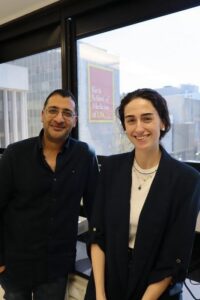
As a physician‑scientist, Abou‑el‑Enein brings comprehensive training to the problems of cell and gene therapy translation, a trajectory shaped across leading institutions globally. His path spans clinical medicine, regulatory science, biomanufacturing, and data science—training that now converges at the University of Southern California (USC), where he leads the USC/Children’s Hospital Los Angeles Cell Therapy Program and directs the institution’s cGMP manufacturing facility. His team has built a platform capable of producing a wide range of advanced therapies, from viral vectors to stem‑cell–based products. As USC’s Chuck Murry, MD, PhD, director of the Eli and Edythe Broad Center for Regenerative Medicine and Stem Cell Research noted, he brings “an eclectic mix of cell biology, biomanufacturing, and patient‑centered humanity” to the role.
The Abou‑el‑Enein lab extends that mission by developing computational platforms that unify analytical data with predictive modeling. Their newest effort—UNICORN (UNIfying Cell Therapy Outcome prediction and Regulatory Navigation)—integrates high‑dimensional analytics with machine learning to forecast therapeutic performance and streamline regulatory decision‑making for pediatric cancers and rare diseases. It’s a natural evolution of the group’s earlier work, which established a powerful analytical framework for tracking CAR T cell states over time.
Their broader analytical ecosystem includes tools for single‑cell characterization, computational modeling, and non‑viral precision genome engineering, all designed to support translation from the earliest stages of design.
As he prepares to deliver his Outstanding New Investigator lecture in Boston, Abou‑el‑Enein said the meeting is a chance to reconnect with the community that shaped his translational philosophy.
“These awards are catalysts that give me motivation to keep going,” he said. “I always remind my team… we do science because we believe that what we do will make a difference. It’s really about helping patients and making sure they have a real chance.”
The post ASGCT Honors Mohamed Abou‑el‑Enein as Outstanding New Investigator appeared first on GEN – Genetic Engineering and Biotechnology News.
App helps more than 260 cardiac arrest witnesses in Essex
An Essex support service, which includes an app, has helped more than 260 bystanders who saw over 200 out of hospital cardiac arrests (OHCA).
Computer-based tree drawing test in adolescents and adults with depression
ObjectiveTo evaluate the value of the computer-based Tree Drawing Test in the auxiliary diagnosis of depressive disorders and to analyze the differences in the performance of adolescent and adult depression patients in the Tree Drawing Projection Test.MethodsThis study was conducted at Guo Yang County People’s Hospital in Anhui, China, and involved a total of 184 participants: 43 adults with depression, 82 adolescents with depression, and 59 healthy controls. The Tree Drawing Test and scale assessments were administered to patients with depressive disorders (adult group and adolescent group) and a control group. Computer image recognition and calculation techniques were used to analyze the results statistically.ResultsSignificant differences were observed between the adult depression group and the control group in terms of crown area, trunk area, total area, and HDRS scores (p < 0.001). Statistically significant differences were also found between the adult depression group and the adolescent depression group in terms of trunk area (p < 0.01), total area (p < 0.001), HDRS scores (p < 0.001), and HAMA scores (p < 0.01). The crown area (r = -0.261, p < 0.001), trunk area (r = -0.154, p = 0.037), total area (r = -0.285, p < 0.001), and HDRS scores in the Tree Drawing Test were significantly correlated.ConclusionThe computer-based Tree Drawing Test has certain value in the auxiliary diagnosis of depression. Future research should include larger sample sizes and participants from different regions and cultural backgrounds to further validate the generalizability and cultural adaptability of the Tree Drawing Test for depression assessment.
Midlands hospital uses endoscopy tech to examine small bowel
University Hospitals Birmingham NHS Foundation Trust (UHB) has begun using capsule endoscopy technology to examine the small bowel.
STAT+: FDA revisits a rare cancer treatment it rejected a few months ago
Want to stay on top of the science and politics driving biotech today? Sign up to get our biotech newsletter in your inbox.
The Trump administration is touting massive projected savings from its still-secret drug pricing deals, though outside experts say there’s little way to independently verify the math.
Also, FDA leadership is facing fresh accusations of political interference in drug reviews, AI oncology startups are trying to make cancer care virtual, and scientists are opening up an entirely new frontier of biology hidden inside the “dark proteome.”
[Articles] Who receives psychiatry-focused pharmacogenomic testing, and is it associated with prescribing patterns and acute care utilisation in depression? Real-world evidence from a large health system
In routine clinical practice, PGx testing is preferentially used in youth and adults with clinically complex histories and is associated with shifts in antidepressant prescribing patterns. Exploratory findings suggest hypothesis-generating signals of reduced psychiatric ED utilisation among patients with higher psychiatric complexity, which requires further confirmation. Observed racial disparities highlight the need for earlier and more equitable implementation. Prospective studies incorporating symptom-level and safety outcomes are needed to determine whether PGx-guided prescribing translates into meaningful clinical benefit.
AI-Assisted Camera-Based Progressive Muscle Relaxation for Office Workers
Conditions: Musculoskeletal Pain; Neck Pain; Stress, Physiological; Work Related Musculoskeletal Disorders
Interventions: Behavioral: AI-Assisted Camera-Based Progressive Muscle Relaxation Program
Sponsors: Istanbul Medipol University Hospital
Recruiting
Interventions: Behavioral: AI-Assisted Camera-Based Progressive Muscle Relaxation Program
Sponsors: Istanbul Medipol University Hospital
Recruiting