

<![CDATA[Experts reveal why psych medication nonadherence is common, how to discuss it without blame, and tools like CAE and injectables to prevent relapse.]]>
Acoustic stimulation in pain management: neurobiological mechanisms and clinical applications—a narrative review
Pain affects over 30% of the global population, with an underlying pathogenesis involving a complex interplay of biopsychosocial factors. Despite the availability of conventional pharmacological and interventional therapies, their clinical utility is frequently constrained by concerns regarding substance misuse, surgical complications, and other adverse sequelae. Acoustic stimulation (AS) has emerged as a promising alternative in pain management, characterized by its non-invasive nature, favorable safety profile, and high cost-effectiveness. However, current literature lacks a comprehensive evaluation of cutting-edge AS technologies and a profound decryption of its pleiotropic analgesic mechanisms, which has hindered the integration of AS into multimodal analgesic strategies. This review provides the first comprehensive synthesis of the neurobiological mechanisms and clinical applications of AS. We comprehensively evaluate the analgesic efficacy of diverse modalities, ranging from established interventions—such as music therapy (MT), natural sounds (NS)/noise, and auditory beat stimulation (ABS)—to emerging approaches, including vibroacoustic therapy (VAT) and immersive interactive technologies that integrate multisensory acoustic information. Emerging evidence suggests that AS exerts its therapeutic effects via a multidimensional neurobiological framework, notably through the modulation of corticothalamic circuits, the activation of descending pain-inhibitory systems, and the dynamic regulation of neurochemical mediators. Clinical data consistently highlight the adjunctive value of MT, NS/noise, and VAT in the management of both acute and chronic pain. Furthermore, the convergence of AS with immersive interactive technologies is pioneering a novel digital intervention paradigm, facilitating the seamless integration of AS into multimodal analgesic frameworks. Collectively, these findings suggest that AS represents a robust, non-pharmacological strategy that warrants further exploration as a cornerstone of future personalized, multimodal pain management.
A computational pipeline for a neurotransmitter-centric analysis of the effects of psychiatric medication on EEG spectral power
IntroductionTraditional pharmaco-electroencephalography (EEG) studies have mainly examined the effects of psychotropic medications at the level of individual drugs or broad drug classes, limiting biological specificity and clinical translation. This study aimed to determine whether modeling EEG spectral power changes according to the engagement of distinct neurotransmitter systems provides a more mechanistic understanding of psychotropic drug effects in a real-world clinical population.MethodsWe analyzed 4,128 EEG sessions from 2,083 patients in the Temple University Hospital EEG Corpus, a large heterogeneous dataset. EEG data were preprocessed and segmented into canonical frequency bands (delta, theta, alpha, beta, and gamma). Psychotropic medication data were systematically extracted and coded at the receptor level for serotonin, dopamine, norepinephrine, histamine, and acetylcholine systems using the Neuroscience-based Nomenclature framework. Receptor profiles were summarized to represent each patient’s overall neurotransmitter engagement (agonistic, neutral, antagonistic, or mixed). Linear mixed-effects models were applied to assess relationships between neurotransmitter profiles and log-transformed spectral power while controlling for electrode location and patient-level variability.ResultsFrequency- and region-specific EEG patterns were identified across neurotransmitter systems. Dopamine antagonists were associated with higher delta and theta power at central electrode locations and lower alpha power at occipital and temporal locations, whereas dopamine agonists were associated with higher delta activity at occipital locations and increased frontal gamma power. Serotonin antagonists showed associations with elevated slow-wave and alpha power, while serotonin agonists were linked to increased frontal alpha, decreased occipital alpha, and enhanced temporal gamma power. Both norepinephrine antagonists and agonists showed positive relationships with delta power, with a broader topographical pattern for antagonists. Theta power was positively associated with norepinephrine antagonists and negatively associated with norepinephrine agonists. Norepinephrine antagonists were related to lower temporal alpha and higher frontal and parietal gamma power. Histamine antagonists and mixed histaminergic agents were associated with lower delta, theta, and alpha power. Acetylcholine antagonists were linked to higher delta, theta, and alpha power across electrode locations.DiscussionModeling psychotropic medication effects on EEG at the neurotransmitter receptor level offers a biologically grounded and clinically relevant improvement over traditional drug class-based approaches. This neurotransmitter-centric framework enhances mechanistic interpretability and may support the development of EEG biomarkers for personalized, mechanism-based psychiatric care.
Tryptamine from wake-active monoaminergic neurons regulates sleep homeostasis
Nature Neuroscience, Published online: 19 June 2026; doi:10.1038/s41593-026-02332-x
Cao et al. identify tryptamine as a sleep signal in mice. Wake-active monoaminergic neurons release tryptamine, which binds to GPR139 in POA neurons that suppress wake-promoting neurons. GPR139 agonists could be a new class of sleep medication.
The inevitable weakness of metrics
There are plenty of useful things a metric can reveal. There are even more it can obscure or corrupt. It took me well over a decade of tracking my own life in ever greater detail to fully appreciate this duality, which probably reveals something about both me and the nature of measurement.
Like a lot of people bitten by the self-quantifying bug, I initially started gathering personal data to pursue a nebulous collection of goals and desires. As a sedentary technology journalist, I wanted to feel better physically and emotionally, to get outside more, and—where possible—to bring order to some of the messiness and uncertainty of my daily existence. These all seemed to be things that could be improved with the cool clarity of numbers.
Self-quantifiers often get stereotyped as obsessive self-optimizers (and many of them are), but my reasons for producing and collecting personal data were less about life-maxxing and more about life meaning—at least at first. As most people who know me will attest, I do not have now, nor have I ever possessed, a “productivity mindset.” I’m also not all that interested in life hacks, shortcuts, or new ways to compare myself with other people. Instead, what I wanted out of metrics—what I hoped I could divine from a never-ending stream of numbers about my health, work, and social life—was something more elusive: self-knowledge. This was my first mistake.
The idea that the more we know, the better is so profoundly embedded in our culture that it feels weird to even point it out. Since at least as far back as the Enlightenment, the primary way we’ve all agreed to go about knowing more has been through measurement and quantification. After all, more knowledge—more data—leads to better decisions, which leads to happier, more fulfilled people. Or so we’re told, and with increasing frequency in the era of AI.
When two Wired magazine editors, Gary Wolf and Kevin Kelly, coined the term “quantified self” in 2007 and helped launch the movement we are all now helplessly a part of, they were essentially selling this very idea. “Unless something can be measured, it cannot be improved,” wrote Kelly in an early blog post, doing his best impression of Lord Kelvin. “So we are on a quest to collect as many personal tools that will assist us in quantifiable measurement of ourselves.” Almost 20 years later, that quest is easier than ever thanks to a flood of devices, apps, and websites all designed to help us build our self-knowledge through numbers.
My first tool was a small, plastic clip-on Fitbit I started using in 2011. It did one thing: count the number of steps I took in a day. As a lifelong video game player, I was already well acquainted with the motivational power of simple scoring systems, and I hoped my new gadget would offer the gentle numerical nudge I thought I needed to step away from my Twitter feed and, if not touch grass, at least walk next to some. Walking also seemed to be one of the few times I had what could charitably be called intelligent ideas, which seemed like another promising by-product of doing more of it.
Alas, that was short-lived. I can’t tell you precisely when “getting out into nature more” or “thinking smarter thoughts” stopped mattering to me as goals, but I suspect it took no more than a few weeks. What I can say with certainty is that my initial goal of 6,000 daily steps quickly turned into 10,000, which then jumped to 15,000 and eventually settled at 20,000 for years. Stories about becoming a “steps guy” are clichéd at this point, and they’ve earned that status for a reason.
It didn’t take long for me to trade in pedometers for heart-rate monitors (I also started running), smartwatches, sleep-tracking rings, and an embarrassing number of macronutrient-tabulating apps. Outside the health and fitness realm, my early career as a journalist also happened to coincide with the rise of social media and web analytics tools like Chartbeat, which promised to further quantify difficult-to-measure aspects of my life, like “job success” and “impact,” by tracking things like page views, followers, retweets, likes, and all sorts of other attentional metrics that now carry great weight.
Metrics inevitably redefine your core sense of what’s important, whether you’re aware of the trap or not.
Ultimately, during the 10-plus years I diligently tracked my heart rate, steps, active calories, sleep, story engagement time, stress levels, and other metrics, I gained virtually nothing in terms of greater self-knowledge. (I suppose I did learn that I liked to make numbers go up and down, but who doesn’t?) The swirl of data that followed me everywhere did not lend additional meaning or insight to the way I relate to myself, my work, or the important people in my life. In fact, the more I used numerical proxies, the worse I felt about pretty much everything.
What I did learn were two important lessons about what happens when you try to quantify the minutiae of your life. First and foremost, whatever the amount of data you’re currently collecting about yourself, it will never feel sufficient. There’s always a new metric around the corner, a better way for a tracker to remix its readings and more accurately measure what’s “important”: heart rate variability, daily stress, exercise “readiness,” cardiovascular or “fitness” ages. Measurement begets more measurement. You can count on it.

C. Thi Nguyen
PENGUIN PRESS, 2026
The second lesson was less obvious but no less significant. The more personal or nuanced your goals are when you set off on your self-quantifying journey, the more likely it is you will ultimately replace them with some simplified metric or ranking. Want to become a better journalist? Why not use page views and leaderboards as a proxy for success? Enjoy cooking and want to improve? Foodie metrics dictate that more complicated recipes with longer ingredient lists are the answer. Even when we know that the value of good journalism isn’t reflected in how many people read a given story or that the joys of cooking are as much about improvisation and experimentation as about successfully following some complex recipe, it’s hard to resist the allure of a simple score or stat. Metrics inevitably redefine your core sense of what’s important, whether you’re aware of the trap or not.
Over the years, people have invented various terms to describe this phenomenon. In his recent book The Score: How to Stop Playing Somebody Else’s Game, the philosopher C. Thi Nguyen calls it “value capture.” Value capture happens, he says, when you adopt external sources of measurement and then let them rule you without adapting them to suit your life. “In value capture, you’re essentially outsourcing your values,” Nguyen writes. “You’re letting an external metric or ranking set what’s important for you.” Crucially, you’re also outsourcing the process of figuring out your own sense of meaning. It’s why my walks quickly shifted from feeling meditative to prioritizing miles.
Individuals, institutions, and indeed entire societies can fall prey to value capture. In fact, once you start noticing it, you start seeing it everywhere—in journalism, education, and business, but also in our food, our hobbies, and, yes, the way we measure our health and happiness. Here’s how Nguyen puts it:
Value capture happens when a restaurant stops caring about making good food and starts caring about maximizing its Yelp ratings. It happens when students stop caring about education and start caring about their GPA. It happens when scientists stop caring about finding truth and start caring about getting the biggest grants. It even happens in religion. A pastor recently told me that his church had become completely obsessed with baptism rates. The higher-ups had established an internal leaderboard in which the pastors competed on monthly baptism rates, and it was starting to dominate everybody’s attention. He’d found himself caring less about the long-term spiritual development of his flock and focusing more on trying to deliver popular sermons that would up his baptism rates and move him up that leaderboard.
At its core, The Score is trying to untangle a mystery that Nguyen, a specialist in the philosophy of games at the University of Utah, has been thinking about for a long time: Why is it that numbers and scoring systems in games can be the source of so much joy and fluidity and play, but public measures and institutional metrics (i.e., scores that apply to the real world) seem to drain the life out of everything and thrust us all into a bleak mindset of grinding optimization?
To begin to answer this question, he turns to one of the foundational inquiries into the limits of data and quantification, Theodore M. Porter’s 1995 book Trust in Numbers: The Pursuit of Objectivity in Science and Public Life.
Porter, a historian of science who specializes in the social power of numbers, has spent his career looking at why quantification has become so dominant, not just in political and bureaucratic life but everywhere. One of his key insights about the inherent attractiveness of quantification, which he calls “a technology of distance,” is that it “minimizes the need for intimate knowledge and personal trust.” Put another way, metrics travel extremely well between different contexts and are easy to grasp and aggregate.
Whether it’s a student’s GPA or a country’s GDP, these measures are understood by pretty much everyone. But that understanding comes at a price, Porter reminds us: To arrive at a clear metric, you inevitably need to simplify what you’re attempting to measure, often jettisoning heaps of nuanced, qualitative, or open-ended information so that others can find the resulting number legible.
No one (hopefully) believes that a GPA captures in any meaningful way a student’s entire educational experience or aptitude for learning, but we’ve agreed to use it because more qualitative assessments are onerous to wade through and require expertise to decipher and compare. Ditto for the economic metric of GDP, which politicians and societies are now compelled to drive higher and higher because a group of economists once concluded that this figure correlates with general economic well-being.
This is the essential tension at the heart of all data, argues Nguyen. Any institutional quantification, he says, requires that the evaluation procedure and its product be comprehensible across contexts. That profoundly limits what the metric can actually measure. “In value capture, you’re ultimately taking that decontextualized nugget and internalizing it,” he writes. “You’re guiding your life using an evaluative technology that has been engineered to travel between contexts, by stripping it of nuance.”
Every so often I’ll find myself in friendly debate with a “numbers person”—a statistician, an economist, or a friend who’s still a committed self-quantifier. After patiently listening to my measurement-gone-awry examples—the disastrous attempt to quantify pain as “the fifth vital sign” in the mid-1990s (which exacerbated the opioid epidemic), or any of the countless examples of the McNamara fallacy, where decisions in academia, medicine, and politics are based solely on what’s easily measured—many will insist that I’m misunderstanding or misinterpreting the whole point of measuring. Metrics, they’ll say, are simply a means, and the important questions concern the ends for which they are used. In other words, these unfortunate outcomes amount to user error, not something inherently dangerous or misleading about the nature of measurement.
At some point during these conversations, Goodhart’s Law will invariably come up, usually as an explanation the metrics-minded deploy for why the ends get all mucked up. The principle, which is attributed to the British economist Charles Goodhart, is often expressed as the following: “When a measure becomes a target, it ceases to be a good measure.” I have a profound dislike for Goodhart’s Law, not because I think it’s untrue, but rather for the way it gets interpreted.
As Nguyen notes, Goodhart’s Law says very little about why metrics fail to capture what’s important—or what to do about it. Find better measures, some will conclude. Don’t let metrics become targets, others will insist. These are not helpful takeaways. All measurements, I would argue, are in fact targets, whether you intend them to be or not. Metrics inevitably present one direction or option as better, Nguyen writes in The Score—“longer lifespans, faster student graduation rates, more page views, higher customer satisfaction scores.” What people are talking about when they bring up Goodhart’s Law isn’t human error; it’s actually a fundamental problem with measurement itself.
I want to be clear here: Measurement can and does serve a number of vital functions. It has in a very literal sense made the modern world possible, with all its life-saving, suffering-reducing, and awe-
inspiring scientific breakthroughs. When used with care and diligence, metrics can make our progress (or lack of it) clearer and more transparent. Are we decreasing carbon dioxide emissions or not? They can also introduce accountability into formerly opaque systems, such as by measuring whether a company is complying with state and federal regulations. They can even make us more objective, reduce biases, and galvanize us to act.
But as Nguyen points out throughout The Score, the fundamental weakness of metrics comes when we use them to pursue subtler, more personal goals. What I think many of us miss—what I know I certainly missed—is that there are always trade-offs when you try to distill something important down to a data point. When we turn to metrics to understand ourselves, our social world, and culture as a whole, they will never come close to capturing what matters. Even worse, they’ll often actively obscure it.
Today, I find that numbers have very little to offer when it comes to my daily work, my physical or mental fitness, my relationships, or any other part of my life I consider important. Granted, I’m lucky enough to be in relatively good health at the moment. I don’t have to track my glucose levels or monitor my blood pressure. As a freelance writer, I also have the luxury of not having numbers foisted on me in the form of key performance indicators (KPIs), objectives and key results (OKRs), or any of the endless quantitative evaluations that come baked into pretty much every corporate and gig economy job.
Still, in a very real sense, there is no escaping metrics or, especially, the logic that accompanies them. Knowing has become numeric, and we all live in a world that increasingly sees us as a collection of numbers—as “data subjects.” The first and most urgent challenge, I’d suggest, is finding a way to keep us from seeing ourselves and each other that way.
This won’t be easy. As Porter, Nguyen, and countless other philosophers, anthropologists, and historians have already observed, the language of numbers is largely how we ascribe value today—as well as how we digest and metabolize our relationships to ourselves, to others, and to the world around us. Indeed, many of us have accepted not only that metrics have a natural existence in human affairs but that there are in fact no aspects of human life that cannot be somehow translated into data.
Knowing has become numeric, and we all live in a world that increasingly sees us as a collection of numbers— as “data subjects.”
So how do we push back? Nguyen’s book offers a useful first step. As he notes again and again in The Score, believing that numbers say something real or useful about human needs and desires gives them power. We can, at the very least, start to seriously question that belief, to ask what meaning and pleasure we might be giving up in pursuit of a metric.
Doing so will hopefully lead to another realization: that playing the numbers game is ultimately a losing proposition for humans. If we insist on expressing our worth through attentional metrics and productivity scores, if we continue to turn intelligence and creativity into a series of benchmarks for AI to surpass, we’ve already lost. Of course machines will surpass us in a world built around metrics. That is literally what we create them to do. The answer is not to turn ourselves into machines too.
If there’s one thing that keeps me up at night, it is that we’ve become so accustomed to seeing and understanding the larger world and ourselves through numbers that it has deprived us of the language to express what’s fundamental and valuable about our own humanity. We need this ability now more than ever, especially if we’re going to adequately answer two of the most important questions of our era: What are humans for? And what is AI for?
As part of my own attempts to disentangle myself from a life of numbers—efforts that started shortly before covid—I’ve abandoned most of the tools of measurement I spent a decade collecting. I’ve largely given up on social media. I stopped using apps to track my health and well-being. The watch I currently wear tells me the time and the date and nothing else.
In fact, the only holdover from my days of obsessive self-quantification is a dogmatic devotion to walking—without all the step counting, of course. These days, I walk when I’m feeling disillusioned or overwhelmed; I walk when I can’t figure out how to finish an essay; I also walk because I enjoy spending time outdoors with my dog and catching up on the details of my neighbors’ lives. The benefits of pursuing this daily activity are as clear and obvious to me as anything could be in life. I just can’t express them in a number.
Bryan Gardiner is a writer based in Oakland, California.
Tennessee pharmacies sell potent ivermectin, led by anti-vaccine doctor who’s taken ‘bucketloads’
The drug is now marketed and sold across the state in roadside shops and small-town strip malls with little oversight from health authorities. Highway billboards advertise ivermectin as “Available Without a Prescription in Tennessee!” while dozens of pharmacies offer highly concentrated pills, sometimes at 10 or 20 times the potency of a standard tablet.
<![CDATA[New SLEEP 2026 data show orexin agonist oveporexton boosts cognition, daily function, and reduces microsleeps in narcolepsy type 1.]]>
Pakistan’s Massive Genetic Database Reveals Millions of Unique Variants
The Pakistan Genome Resource (PGR), one of the largest genomic studies ever conducted in South Asia, has revealed novel insights into gene function, disease susceptibility, and the translatability of preclinical findings to humans. Published in a Nature article, a collaboration between Novartis, Columbia University Irving Medical Center, and the Center for Non-Communicable Diseases, Karachi, Pakistan, examined 173,303 PGR participants, constituting 0.07% of the population of Pakistan, the fifth most populous country in the world.
The numbers alone are impressive, as the scientists identified more than 6.6 million coding genetic variants, with nearly half of them absent from existing global databases. But the PGR is particularly powerful not just because of its size but also because of the unique genetic structure of the population being studied with high levels of familial relatedness.
The study identified naturally occurring homozygous loss-of-function (LoF) variants in 6,476 genes, about one-third of all human protein-coding genes. The researchers confirmed several well-known genetic associations. For example, individuals carrying LoF variants in the APOC3 gene had significantly lower triglyceride levels, while variants in PCSK9 were linked to lower LDL cholesterol. While both genes are already important targets in cardiovascular medicine, the findings shore up the dataset’s credibility.
New links between genes and biological traits provide clues about conditions ranging from obesity and diabetes to liver disease and neurodegeneration. In one striking example, individuals lacking a functional version of the gene CIDEB, which has become a major target in metabolic research because rare mutations that inactivate the gene provide significant protection against liver diseases, appeared to have a lower risk of liver disease, strengthening the case for therapies that target this pathway.
Some findings provided new context to genes already being widely studied, such as LRRK2—a gene currently targeted by experimental Parkinson’s disease treatments. LoF mutations in LRRK2 showed signs of kidney dysfunction. It’s an observation that raises important safety questions and highlights why human genetic studies matter so much. Sometimes biology sends a warning before a drug reaches the market.
The research also challenged assumptions based on animal studies. A gene called PRDM9 is considered essential for fertility in mice. Yet several people in the PGR with completely inactive copies of the gene had healthy children.
Ultimately, the Pakistan Genome Resource is much more than a national database. It’s a reminder that human genetic diversity remains vastly underexplored. By studying populations that have historically been overlooked, researchers are uncovering entirely new biology that could lead to better treatments, safer drugs, and a more profound understanding of what makes us human.
The post Pakistan’s Massive Genetic Database Reveals Millions of Unique Variants appeared first on Inside Precision Medicine.
First Novel Antifungal for Aspergillus in 20 Years Succeeds in Phase III
F2G and Shionogi have reported positive Phase III results for the antifungal drug olorofim in patients with invasive aspergillosis who are not eligible for standard azole therapy. If approved based on this data, olorofim would become the first antifungal agent with a novel mechanism of action for invasive aspergillosis in over two decades.
“Invasive fungal infections remain difficult to treat and can be life-threatening especially in immunocompromised patients,” said Johan Maertens, MD, PhD, professor of hematology at University Hospitals Leuven in Belgium and principal investigator of the study. “The OASIS topline results add to the growing body of evidence supporting olorofim’s therapeutic potential in a hard-to-treat population with limited antifungal options. We’re hopeful this could offer a meaningful alternative for clinicians to treat challenging infections caused by Aspergillus.”
Invasive aspergillosis is a fungal infection with high mortality rates that mainly affects immunocompromised patients. Due to rising drug resistance and toxicity profiles of currently available therapies, a growing number of patients cannot be treated with azole antifungals, leaving them with limited options.
Olorofim belongs to a new class of antifungal agents called orotomides that was discovered by F2G. These drugs can selectively target an enzyme essential for the synthesis of pyrimidine that is shared across mold fungi including Aspergillus, making olorofim effective against a broad range of species including rare and drug-resistant strains.
The Phase III OASIS study recruited 225 adults with invasive aspergillosis who either had a refractory infection or were unsuitable for azole therapy. Participants received either oral olorofim or amphotericin B—an antifungal used to treat serious infections known for causing kidney toxicity.
After 42 days, the mortality rate among patients who took olorofim was 23.8%, compared to 24.3% for the control group. The rate of adverse events caused by the treatment was 35.8% for olorofim versus 63.9% for amphotericin B, with the difference being mostly driven by a higher rate of kidney toxicity in the control group.
“This is a promising new development in antifungal medicine—an area where patients have been underserved for more than 20 years,” said John Keller, PhD, director of the board and senior vice president of R&D at Shionogi. “In current clinical practice, safety and tolerability considerations, particularly effects on renal function, can pose significant challenges for treatment selection and continuation. Against this background, the results of the OASIS study suggest that olorofim has the potential to offer a new treatment option for patients with invasive aspergillosis.”
Based on these results, Shionogi and F2G plan to submit approval applications with regulatory authorities across the world. Under their commercial agreement, Shionogi will be responsible for commercialization in Europe and Asia, while F2G will oversee North America and other remaining territories.
Over the past 20 years, most newly approved antifungal drugs have belonged to existing drug classes, limiting progress against the growing threat of antimicrobial resistance. During that period, only a single antifungal with a novel mechanism of action reached the market: ibrexafungerp, which is approved for the treatment of vulvovaginal candidiasis infections. If approved, olorofim would offer a much-needed option in an indication where both existing treatment choices and therapeutic innovation have historically remained limited.
The post First Novel Antifungal for <i>Aspergillus</i> in 20 Years Succeeds in Phase III appeared first on Inside Precision Medicine.
Perseverance, Persistence Key to CAR T Success, Say Ross Prize Winners Carl June and Michel Sadelain
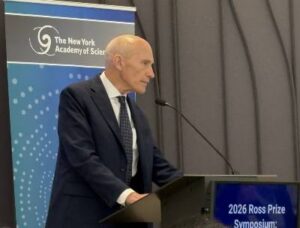
NEW YORK CITY — Patients, colleagues and peers gathered in midtown Manhattan last week to celebrate Carl June, MD, and Michel Sadelain, MD, PhD, who shared the 13th annual Ross Prize in Molecular Medicine.
The prize, which is made possible by the generosity of Feinstein Institutes board vice chairman Jack Ross and his wife, Robin, assistant vice president of principal gifts at the Northwell Foundation, recognizes biomedical scientists whose discoveries have transformed how medicine is practiced. Established in 2013, it is awarded annually through the Feinstein Institutes’ peer-reviewed, open-access journal Molecular Medicine.
June and Sadelain are both well-known in immunotherapy circles but could not disguise their delight at being recognized for their pioneering work in developing CAR T-cell therapy for cancer treatment.
June is an immunologist and cancer researcher at the University of Pennsylvania’s Perelman School of Medicine. He serves as the director of both the Center for Cellular Immunotherapies and the Parker Institute for Cancer Immunotherapy at Penn. Sadelain, who holds dual French and Canadian citizenship, is a professor of medicine at Columbia University’s Vagelos College of Physicians and Surgeons, where he directs the Columbia Initiative in Cell Engineering and Therapy.
With so many people wanting a chance to congratulate and interact with June and Sadelain—some even requesting autographs—it was hard to get more than a few minutes of their time to chat. June told me the award was a “huge honor” personally as well as a great way to recognize the efforts of those who have worked with him over the past three decades. “It’s a great way for the public to learn more about the value of what was initially basic research and how it can actually affect lives,” June said.
Sadelain expressed similar sentiments. ”I’m so fortunate that somebody looked at our work and thought that it warranted such recognition,” he told me. Additionally, the presence of both patients and students “who are curious and have a sense that there is something that that would like to get involved with” at the award ceremony reinforced both the human impact and educational value of his work.
That kind of curiosity coupled with persistence certainly served Sadelain and June well in their careers. An important theme that both honorees acknowledged is that scientific breakthroughs often require decades of dedicated work despite repeated setbacks.
As June noted, prior to 2011, when the first checkpoint inhibitor therapy was approved, and then in 2017, when the first CAR T-cell therapy was approved “there were many decades when cancer immunotherapy was tried and failed.” Multiple disappointing results can make science review boards nervous and cause federal funding sources to dry up. For the CAR T field, things changed once regulators and scientists realized that immunotherapies could work but “that initial paradigm shift” was needed for acceptance, June said.
Sadelain concurred. Scientists entering the field today are far less likely to face the same challenges that he and June and their teams had to contend with. “When we opened the first clinical trials, we couldn’t find patients,” he told me. “Today, there are waiting lists.”
A brief history of CAR T
The first CAR T trial was not in cancer but in HIV. In the 1990s, June’s lab explored the possibility of using T cells to treat the disease which at the time lacked treatments. “My first clinical protocol began when I was in the Navy in Bethesda and it was called RV 100,” he said in his award lecture. The work was done as part of a joint navy/army effort and marked “the first time we gave T cells to patients.”
For that first protocol, June’s team took patients with late-stage AIDS and expanded their T cells in the lab, without making any genetic modifications. They then infused those cells back into the patients to determine whether they could restore their immune systems.
“We thought it would be pouring fuel on fire” in the sense that “adding T cells back to the patients would cause more HIV replication.” But that did not happen because the scientists expanded the cells in a way that made them resist reinfection by downregulating the HIV co-receptor. The first clinical trial, published in 2002, showed a dose-dependent increase in T-cell counts following the infusions without a corresponding increase in viral load. June and his colleagues conducted three additional trials, which showed that the infused cells survived on average more than 10 years in patients.
Following those trials, June and his team engineered T cells with a receptor composed of the CD4 molecule fused to the CD3 zeta signaling chain of the T-cell receptor. Over the next five years, June’s group ran trials using these first-generation CAR T cells, demonstrating that they were safe and persisted in the body. Those findings provided important safety data as CAR T technology began moving towards oncology applications.
There were of course disappointments along the way. Several studies using the first-generation CARs did not demonstrate clinical benefit in cancer patients (in contrast to HIV patients). Enthusiasm for the technology waned and skepticism about its potential grew. Still June and his collaborators persisted. The second-generation CAR design incorporated a co-stimulatory domain rather than relying solely on CD3 zeta signaling. Specifically, they used 4-1BB in combination with CD3 zeta to target CD19-positive leukemia cells.
And that’s when the tide turned. The first patient treated with this new generation of cells, a 67-year-old man with end-stage leukemia, achieved a complete response. In total, three of the first patients that were treated responded. “We didn’t know if we were really lucky at that time or not, but it was a striking result,” June said.
Today, there are seven FDA-approved CAR T-cell therapies, and more than 60,000 patients have been treated. Several additional products are in development with many different designs being tested in thousands of labs. June closed by presenting some new, unpublished studies including a program in glioblastoma. It’s clear that June’s work is far from done.
Sadelain’s milestones
Sadelain said there were four major milestones that marked efforts to bring CAR T cells to the clinic. First was the development of methods for introducing genes into primary T cells. Before these techniques were available, scientists largely studied genes in leukemia cell lines as a surrogate for normal T cells. As such, critical aspects of T-cell biology remained poorly understood, including how they respond to antigen, when they proliferate, and when they undergo cell death.

Sadelain’s second milestone was the identification of the gene encoding the CD3 zeta chain, which sparked efforts to engineer fusion receptors that enabled T cells to recognize and kill target cells in a sustained way. Third was identifying a target that could be studied in the lab. Sadelain’s lab settled on CD19, which was known to be expressed in lymphomas and leukemias.
The fourth milestone was less a scientific discovery and more of a realization. If scientists wanted to bring T cells into clinical use, “you had to do it yourself,” Sadelain said. “There was no industry interested in developing or manufacturing cells as medicines.”
While CAR T-cell therapies today are spreading beyond cancer to other disease areas, there are still challenges to solve in oncology. CAR T cells do not yet work well in solid tumors, Sadelain said. Despite some promising clinical results, “it’s clear that what had been designed for these blood cancers cannot be applied exactly as is to solid tumors,” Sadelain said. “They can be applied exactly as is to autoimmunity perhaps but not solid tumors.”
Sadelain said the first challenge is the T cell itself. Once the engineered cells are released into the patient’s bloodstream, they have to reach the tumor and penetrate its defenses, which is not easy. Even if they are able to penetrate the tumor, they may not work because tumors have evolved mechanisms to shut off the immune response in order to survive. “The good news is that many of these mechanisms are understood today,” so the next step is to figure out how to engineer T cells that can overcome these mechanisms.
Other challenges include identifying suitable targets and developing ways to support the CAR T cells to ensure they persist. Lastly, scientists need a way to manufacture these cells at sufficient scale to make treatments more affordable and accessible. It may be possible to lower the cost to patients through better reimbursement or policy changes “but some of that can be improved through biology.”
Sadelain went on to describe three CAR designs that go beyond the foundation models and could be the treatments of the future. These designs aim to improve on some previous shortcomings, including a longer lifespan and requiring orders of magnitude lower doses than their predecessors. Sadelain closed by noting that it took nearly four decades for the field to get from “the very first ideas to where we are today,” but “it’s not static by any means.”
“These molecules keep getting better and better, and that’s why we are optimistic,” he said. Moving forward, “we need persistence combined with potency. We need greater sensitivity. I think many of these beautiful receptors are on the way to deliver these results.”
From discovery to deployment
Following the awards, I spoke with Kevin Tracey, MD, president and CEO of the Feinstein Institutes. He told me that the Ross Prize celebrates the complete scientific journey from discovery to deployment. “We live in a time where we benefit from all the work that came before us by brilliant people who used science and medicine and technology to eradicate diseases that some people have never even heard of and will never see,” he said. “But somehow, some of that of the importance and the optimism of that gets lost in the modern era we’re living in.”
Established in 2013, Tracey said the Ross Prize is unique because it celebrates that “rare individual who sets out to solve a problem, to cure a disease” and “stays with the entire process from discovery to development to deployment.” Sadelain and June “have lived that for decades,” Tracey said. Tens of thousands of people “are alive because of what these two men did and all of their colleagues.”
But the Ross Prize is also important at a time of rising anti-science sentiments, amplified by some news media and social media platforms. “What we’re losing is the tradition of storytelling and the creation of stories and themes that bind us all together for a common good. Stories have to be told or they are lost,” he said. The Ross Prize is “an opportunity to tell those stories and to celebrate that excellence.”
While the prize has always focused on rewarding excellence in science that forms the basis of new therapies, Tracey told me that over the past five years or so, the focus has expanded from basic research to include research that has made it into clinical use. There are many worthy science prizes that recognize “very elegant science,” Tracey said. But much of the downstream utility of that early science is “maybe decades in the making, and we decided to focus on the small number of times it actually does go the whole way. Those people deserve a prize too!”
Decisions about the awardees each year are made by committee, with representatives from multiple institutions. It has always been a tough decision selecting a few winners from the hundreds of nominations, Tracey acknowledged, “but we always come to a consensus.”
The next transformative therapy
The transformation from risky experimental therapy to standard of care for some cancers demonstrates how scientific consensus can completely reverse. These days, the future is certainly bright for immunotherapies far beyond its original oncology focus.
Both honorees expressed excitement about the possibilities while maintaining an awareness of practical limitations and reiterating the need for continued research. “I think basically all blood cancers will be treated with some kind of cell therapy,” June predicted. “That’s more of an engineering problem now.” Where advances are still needed, he said, is in similar therapies for solid cancers, something that both he and Sadelain are working on with their respective teams.
Asked whether in vivo CAR T-cell therapy could be the next transformative therapy, June said: “It’s very early. Just two months ago, the first in vivo CAR T cells were reported, and they had a mixture of toxicity and efficacy in myeloma, so that’s great.” But “it’s too early now to know how long [they] will last and how safe” they will prove. He also noted the cost savings that in vivo CAR T therapies could offer, not just for cancer. “There are 10 times more people that have autoimmune disease than cancer. If we have a way to make it cheaper and more readily available, that’s what we really need.”
Looking ahead, Sadelain said “there are many new potential directions that are really tantalizing.” There are, of course, many more cancers that need effective treatments, but researchers are starting to look to other areas as well including organ transplantation, neurodegenerative diseases, and infectious diseases.
Among the important questions left to answer is how to produce these cells? “If this starts working for some more common diseases… we’re going to hit a bottleneck,” Sadelain noted. Could allogeneic cells from healthy volunteers be adapted to work for some recipients? Or could we use T-cells made from pluripotent stem cells? “That’s a very interesting direction.” Another “exciting new frontier” is emerging from in vivo studies, although there is still much to learn about their efficacy and toxicity, especially in cases where multiple doses are required.
The Ross Prize committee is already thinking about next year’s honorees. In a few weeks, Tracey said a new batch of emails will be sent to solicit nominations for next year’s awards. The awardees for the 14th Ross Prize will be selected in January 2027.
The post Perseverance, Persistence Key to CAR T Success, Say Ross Prize Winners Carl June and Michel Sadelain appeared first on GEN – Genetic Engineering and Biotechnology News.