

BackgroundThe current study evaluated Sonic Augmentation Technology™ (SAT), a novel, Polyvagal-informed probe that incorporates continuously varying and acoustic features modeled on patterns of autonomic regulation into musical soundscapes. Specifically, the study examined whether SAT led to improvements in self-reported biobehavioral state (e.g. relaxation, breathing slowly, interoceptive clarity), and whether individuals with poorer baseline functioning (i.e., increased autonomic reactivity and anxiety/depression symptoms) reported greater improvements in biobehavioral state following SAT. It also sought to determine whether there would be changes in endogenous oxytocin level, and whether individuals who exhibit larger gains in biobehavioral state would show greater increases in oxytocin.MethodsThe current study examined data obtained from four samples, with 72 participants providing data virtually and 41 participants providing data in-person. Participants completed self-report measures of biobehavioral state, autonomic reactivity, and psychiatric symptomatology (i.e. anxiety and depression). Salivary oxytocin (pg/mL) was assessed via enzyme immunoassay in the participants who completed the study in person, with samples collected pre-and post-SAT.ResultsFollowing SAT, participants reported significant improvements in total biobehavioral state and the low and high arousal subscales. We also found that participants scoring above the cutoff for autonomic reactivity, anxiety, and depression reported greater increases in total biobehavioral state and decreases in the high arousal subscale. Greater decreases in the low arousal subscale were observed in the participants with increased anxiety. The subset of participants with salivary oxytocin samples exhibited increases in salivary oxytocin.ConclusionsThus, our results support the potential of SAT as a low-cost, non-invasive auditory probe for improving wellbeing, especially for clinical populations experiencing autonomic dysregulation and psychiatric difficulties, such as anxiety and depression.Clinical trial registrationClinicalTrials.gov, identifiers NCT06710886, NCT06902506, NCT06580119, and NCT07065227.
StockWatch: Abivax Survives a Roller Coaster Week
More acutely than most companies, Abivax (Euronext Paris and Nasdaq: ABVX) felt firsthand the ups and downs of the proverbial stock market roller coaster this past week as investor fears over safety signals associated with the French biotech’s late-stage ulcerative colitis (UC) drug candidate briefly overshadowed its positive Phase III clinical results.
Shares of Abivax skidded on June 2, the first trading day after the company announced positive topline results from the Phase III ABTECT maintenance trial (NCT05535946), which is assessing obefazimod in adults with moderately to severely active UC.
Abivax’s stock plummeted after analysts from Jefferies, Morgan Stanley, Truist Securities, and Wedbush Securities raised as a safety concern a portion of data showing malignancies in nine patients among the 580 enrolled in the study. Jefferies reacted the strongest among the firms, downgrading Abivax’s stock rating from “Buy” to “Hold” and lowering its 12-month price target on the company’s shares 44%, from $160 to $90.
“Cancer signal complicates matters,” Faisal Khurshid, a managing director and equity research analyst with Jefferies, wrote in a research note. “Promise of the drug is to deliver strong efficacy w/ oral convenience and w/out JAK safety baggage. However, cancer cases seen in maintenance break our thesis. Even if proven to be not drug-related or v[ery] low incidence, we expect an overhang to investor interest, strategic optionality, and commercial uptake.”
Wedbush analyst David Nierengarten upgraded Abivax on the overall ABTECT data, from “Underperform” to “Neutral,” though he lowered the firm’s target price 18%, from $110 to $90. But he also cautioned, according to published reports, that the data increase the risk of obefazimod being approved with a black box warning on its label.
The other two firms lowered their price targets as well:
- Morgan Stanley (Judah Frommer)—Down 9% from $145 to $132, maintaining its “Overweight” rating.
- Truist (Greg Renza)—Down 4% from $140 to $135, maintaining its “Buy” rating.
Of the nine patients diagnosed with malignancies, seven received the higher 50 mg dosage of obefazimod, one the lower 25 mg dose, and one placebo. Squamous cell carcinoma cases were seen in three of the patients—one dosed at 25 mg, the others 50 mg. Basal cell carcinoma cases emerged in two 50 mg patients and one placebo patient, while cases of prostate cancer, breast cancer, and colonic dysplasia were seen in one patient each, all dosed at 50 mg.
In its announcement of the ABTECT data, Abivax stated that the prostate, breast, and colon cancer cases “were considered unrelated to treatment by investigators.” Among the squamous cell and basal cell cases, two of the four 50 mg patients were deemed “not/unlikely related to drug,” while of the remaining two cases, one had a medical history of skin cancer, the company added.
Swinging negative, then positive
Yet the cancer and pre-cancerous cell cases nevertheless led investors to sell off their Abivax shares on June 2. Abivax’s ordinary shares traded on Euronext Paris plummeted 44% from €111.80 ($128.81) to €63.10 ($72.70), while the company’s American depositary shares (ADSs) traded on the Nasdaq Global Market also plunged 44% from $129.69 to $72.50.
No sooner did Abivax shares start to free-fall, however, than a more positive narrative emerged among another set of analysts. They cited the ABTECT maintenance study’s overall positive findings, which showed that both doses of the first-in-class miR-124 enhancer met the study’s primary endpoint by showing positive absolute clinical remission rates of 50.8% for the 25 mg dose and 51.3% for the 50 mg dose. Both results blew away the 10.4% absolute clinical remission rate of placebo.
When adjusted for placebo, obefazimod showed placebo-adjusted clinical remission rates of ∆39.3% for the 25 mg dose and ∆40.3% for the 50 mg (both p<0.0001).
Obefazimod also met all of ABTECT’s key secondary endpoints, including endoscopic improvement, endoscopic remission, histologic-endoscopic mucosal improvement (HEMI), corticosteroid free clinical remission, and sustained clinical remission.
In endoscopic remission, Abivax showed in an investor presentation, obefazimod showed placebo-adjusted endoscopic remission rates of 38% (50 mg) and 31% (25 mg), outperforming nine marketed drugs that carry indications in UC—which ranged from 8% by both Omvoh® (mirikizumab-mrkz) marketed by Eli Lilly (NYSE: LLY) and Skyrizi® (risankizumab-rzaa) marketed by AbbVie (NYSE: ABBV), to 20% shown by AbbVie’s Rinvoq® (upadacitinib), Tremfya® (guselkumab) marketed by Johnson & Johnson (NYSE: JNJ), and Velsipity® (etrasimod) marketed by Pfizer (NYSE: PFE).
“While most therapies cluster in the 8% to 20% range, obefazimod stands alone at 31% and 38%, demonstrating a level of efficacy that is well beyond the range achieved by other treatment classes. This finding is particularly important because achieving endoscopic remission has been consistently associated with lower relapse rates and better long-term patient outcomes,” Abivax CEO Marc de Garidel said June 1, addressing analysts during a conference call held to discuss the ABTECT study results.
He also cited Abivax’s Phase IIa/IIb open-label extension study (NCT05177835), designed to assess the long-term safety and the efficacy profile of 25 mg obefazimod given once daily in subjects previously enrolled in two earlier Phase II trials, ABX464-102 (NCT03368118) or ABX464-104 (NCT04023396). Data from the extension study announced in May showed that patients receiving 50 mg of obefazimod for two to four years and then transitioned to 25 mg for up to an additional three years maintained durable clinical remission and a favorable safety profile for up to seven years of treatment exposure.
Abivax said it plans to submit a New Drug Application (NDA) submission to the FDA for obefazimod late in the fourth quarter.
“Transformational potential”
“Taken together, we believe these results validate the transformational potential of obefazimod and position us well as we advance toward our planned NDA submission in late 2026,” de Garidel said, declaring: “Today’s results firmly establish obefazimod as a potential new standard of care for the treatment of ulcerative colitis.”
Thomas J. Smith, senior managing director, immunology and metabolism, and a senior research analyst with Leerink Partners, appeared to agree with de Garidel in a research note.
“We believe obe[fazimod]’s results suggest a best-in-disease maintenance profile, especially among oral therapeutics in UC,” Smith wrote in his initial research note on Abivax’s ABTECT data. “We continue to believe that obe features the most compelling late-stage clinical profile for a novel oral agent in IBD [inflammatory bowel disease] amid heightened M&A/BD [business development] activity that underscores large pharma’s interest in the space.”
Several big-money merger-and-acquisition (M&A) deals in recent years have centered around pharma giants buying developers of drugs for UC, Crohn’s disease, and other forms of IBD. The biggest of these was Merck & Co. (NYSE: MRK) acquiring Prometheus Biosciences for $10.8 billion in 2023, while Lilly bought out Morphic Therapeutic for about $3.2 billion in 2024; Roche Holding (SIX Swiss Exchange: ROP and RO; OTCQX: RHHBY) snapped up Telavant Holdings for up-to-$7.25 billion in 2023; and Pfizer acquired Arena Pharmaceuticals for $6.7 billion in a deal completed in 2022.
Abivax itself has found itself rumored as a potential candidate for being acquired—it made GEN’s A-List of Top 10 Takeover Targets of 2026—since last summer, when the company reported dazzling data from two Phase III trials, ABTECT-1 (ABX464-105; NCT05507203) and ABTECT-2 (ABX464-106; NCT05507216).
As for the reported malignancies, Smith commented in a follow-up research note: “We do not view the reported malignancies as an outsized or approvability-limiting safety risk, particularly given the absolute low event counts, investigator assessment that the non-NMSC malignancies were unrelated to treatment, IDMC [independent data monitoring commission] adjudication supporting the safety profile, lack of organ-specific clustering, and mitigating circumstances noted across each case.”
Obefazimod is a small molecule upregulator of miR-124, an anti-inflammatory microRNA. It enhances the selective splicing of a single long noncoding RNA to generate miR-124, which downregulates cytokines and chemokines shown to promote inflammation, including tumor necrosis factor (TNF) alpha, IL-6, monocyte chemoattractant protein-1 (MCP-1), and IL-17, as well as Th17+ cells.
Under its former name ABX464, obefazimod was initially developed against HIV but was repurposed to fight inflammatory conditions based on its anti-inflammatory effect.
“Best in indication”
Also bullish on Abivax is Citizens JMP Securities, where Jason Butler, managing director, biotechnology equity research, raised his firm’s price target 43%, from $131 to $187, based on ABTECT’s positive data exceeding expectations. Butler maintained Citizens JMP’s “Market Outperform” rating on Abivax shares.
“We view efficacy (~40% placebo-adjusted clinical remission rate) as best in indication, easily surpassing drugs across all approved classes of UC therapies,” Butler wrote. “We believe the Phase [III] efficacy and safety results, together with its oral once-daily profile, support that obefazimod can be transformational to the UC treatment landscape, benefiting both earlier-stage and more severe/refractory patients.”
“Importantly, we also view the safety profile as compelling and are comfortable that the drug is not associated with a clear malignancy risk (which is the primary debate driving stock volatility post-market),” Butler added.
The more positive feedback from analysts apparently swayed investors, as Abivax’s stock price rebounded roughly 40% on both exchanges since the initial nosedive. The Nasdaq shares vaulted 24% to $90.15 on Wednesday, then rose another 16% to $104.93 Thursday before dipping 3% Friday, finishing the week at $101.53 and with a 23.5% five-day decline.
On Euronext Paris, Abivax shares bounced back 13% to €71.25 ($82.09) on Wednesday, jumped another 18% Thursday to €83.95 ($96.72), then finished Friday up 5% to €87.85 ($101.21) and a 22.5% five-day decline.
Butler said the maintenance study’s data suggested that Abivax could potentially generate more positive clinical results for obefazimod in its ongoing Phase IIb ENHANCE-CD induction trial in Crohn’s disease (NCT06456593), which is expected to read out in mid-2027. He added that ABTECT’s results were strong enough to support approval of both the 25 mg and 50 mg doses: “While we anticipate malignancies to be included in the label, we continue to believe in the differentiated profile of obefazimod.”
Speaking with analysts, de Garidel agreed with pursuing approvals for obefazimod at both 25 mg and 50 mg: “Our thinking is that both doses will be very helpful for patients, and we plan to file at year-end with those two doses for maintenance.”
Leaders and laggards
- Absci (Nasdaq: ABSI) shares climbed 24% from $5.94 to $7.34 Thursday after Leerink Partners initiated coverage of the generative AI-based drug developer with an “Outperform” rating and a 12-month price target of $12. Mani Foroohar, MD, senior managing director, genetic medicines, and a senior research analyst with Leerink, lauded the company’s drug mechanism of blocking prolactin (PRL)–prolactin receptor (PRLR) signaling as seen in its lead pipeline candidate ABS-201, an anti-prolactin receptor antibody in Phase I/II studies for androgenetic alopecia that advanced into the clinic last year, with a Phase II study in endometriosis expected to start in the fourth quarter: “We see a totality of evidence supporting PRLR blockade in these indications, and see even partial/early clinical validation opening a clear path to valuation >double the current market cap (~$1.1B fully diluted),” Foroohar wrote in a research note.
- Fulcrum Therapeutics (Nasdaq: FULC) shares jumped 9.5% from $3.37 to $3.69 Friday after the developer of small molecule drugs for rare blood disorders disclosed in a regulatory filing that it will slash its workforce approximately 85%—from 57 to nine full-time employees—in a cost-cutting move expected to be substantially completed during the second quarter. Fulcrum said it expects to incur approximately $4.2 million in charges related to the layoffs, consisting primarily of employee severance, employee benefits, and related costs. Fulcrum vowed to “significantly” reduce its operating expenses and launched a strategic review after scrapping its lead pipeline program to develop pociredir as a treatment for sickle cell disease (SCD). The development followed the FDA expressing heightened concerns about pociredir’s risks and benefits in fighting SCD due to an unexpectedly high rate of secondary blood cancers seen with another PRC2 inhibitor, Tazverik®(tazemetostat), marketed by Ipsen (Euronext Paris: IPN).
- Oculis Holding (Nasdaq: OCS) shares tumbled 36% from $22.70 to $14.51 June 1, after the Swiss neuroophthalmology and ophthalmology drug developer said it did not plan to pursue an FDA filing seeking approval for its OCS-01 eye drops in diabetic macular edema (DME). Oculis acknowledged that OCS-01 failed two Phase III trials, DIAMOND-1 (NCT05066997) and DIAMOND-2 (NCT06172257), by missing their primary endpoint, mean change in best corrected visual acuity early treatment diabetic retinopathy study (BCVA ETDRS) letter score at Week 52. The key secondary endpoint of the proportion of patients with ≥15-letter gain in BCVA was not met in both trials, though another secondary endpoint, retinal thickness as measured by OCT, showed a “substantial and persistent” reduction with OCS-01 vs vehicle at all visits in DIAMOND-2, and at all visits except Week 52 in DIAMOND-1.
The post StockWatch: Abivax Survives a Roller Coaster Week appeared first on GEN – Genetic Engineering and Biotechnology News.
Brain-Targeted Drug Discovery Barriers Drive Deep Science Ventures and Medicines Discovery Catapult Deal
Deep Science Ventures (DSV) and Medicine Discovery Catapult (MDC) agreed to collaborate to address challenges in delivering medicines into the brain.
One of medicine’s greatest challenges is ensuring that treatments reach the precise area of the body where they are needed. While recent scientific breakthroughs have identified numerous targets for neurological conditions, the difficulty of effectively transporting these treatments across the blood-brain barrier and into the central nervous system (CNS) remains a primary challenge for global health.
According to the World Health Organization’s Global Status Report on Neurology, over 40% of the global population is living with CNS diseases, making them a leading global cause of ill health and disability.
Directly addressing critical gaps in healthcare means these innovations have the potential to improve patient outcomes while creating clinical and commercial opportunities for biotech and pharma companies. Developing new solutions could unlock access for rare neurological disorders and expand treatment to large or underserved patient populations, including those with diseases such as Alzheimer’s, Parkinson’s, and various brain cancers.
The first phase of the partnership will see an in-depth review of the current medicines landscape conducted to identify opportunities for innovation. This information will then be used to identify systemic gaps in brain-entry technologies. The long-term ambition is for novel approaches that meet the investment criteria of the partners to be spun out into new ventures focused on high-impact solutions and to provide them with pre-seed funding.

A core part of DSV’s approach involves building future founding teams to form new companies that will address challenges across multiple sectors. Future founders will work on opportunities that have been pre-scoped by DSV, de-risking the standard founder proposition.
By combining DSV’s venture-building model with MDC’s drug discovery expertise and infrastructure, the partnership will aim to develop new approaches to ensure life-changing medicines reach the brain, according to Adam Tomassi-Russell, senior director, DSV.
“The blood-brain barrier remains one of the most complex issues in modern medicine and with over 40% of the world’s population facing neurological conditions, it’s imperative that we find an optimal solution to this problem,” said Tomassi-Russell. “By pooling our venture-creation expertise with MDC’s discovery capabilities, we can offer the right founders a frictionless environment in which to tackle the CNS delivery gap. If we can solve the ‘how’ of brain entry more effectively, we can unlock a new frontier of CNS therapeutics and address the huge unmet need in these diseases.”
“At MDC, we are committed to transforming bold ideas into better treatments,” added Nicola Heron, chief strategy officer, MDC. “This collaboration presents an opportunity to discover new technologies that could have a significant impact on patients and society. Through this partnership, we will strengthen the ecosystem for CNS innovation in the U.K. and beyond, enabling more medicines to reach patients faster.”
The post Brain-Targeted Drug Discovery Barriers Drive Deep Science Ventures and Medicines Discovery Catapult Deal appeared first on GEN – Genetic Engineering and Biotechnology News.
Infant Brain Development Sheds Light on Parkinson’s Link with Autism
Changes in the brains of babies shortly after birth could help explain why people go on to develop Parkinson’s disease (PD) and why this is particularly common in people with autism spectrum disorder (ASD).
The findings, in Science Advances, suggest a reason why humans are vulnerable to neurodegenerative diseases in a way that is not seen among other primates.
Researchers were surprised to find increased expression in genes associated with PD among humans that was not found in chimps or rhesus monkeys.
Human changes in regulatory DNA operated across two cell lineages, one linked with autism and the other with PD.
“Patients with ASD are also more likely to develop PD, a link that is currently not understood,” commented the researchers, led by Menno Creyghton, PhD, from Erasmus University Medical Center in the Netherlands.
“Our analysis linking the two diseases through a common network could provide insight into common biology between the two diseases.”
Human brains have several differences to those of primates, including a larger volume, more projections between outermost areas, and greater complexity of neurons in the upper layer.
The researchers note that, soon after birth, babies experience protracted brain development that coincides with periods of extensive synaptic modeling.
To investigate differences with our close evolutionary relatives, they conducted a single-cell transcriptomic and epigenomic analysis of human, rhesus macaque, and chimpanzee brain tissue during early postnatal development.
Through this, the team identified human infant–specific programs and cell states that were not observed in adults and correlated these early life processes with susceptibility to PD in aged neurons.
Specifically, Creyghton and co-workers identified human gene expression changes in immature oligodendrocytes enriched in both ASD risk genes and gene expression losses in patients with ASD.
There were also gene expression gains in human babies enriched in PD risk genes for and among genes dysregulated in PD patients.
Both transcriptional programs were part of a core network that contained human-specific sequence changes in regulatory DNA. This lacked cell lineage specificity, operating in both the oligodendrocyte and neuronal lineages, with different downstream targets for each.
In the oligodendrocyte lineage, the downstream target genes were overrepresented in autism risk genes whereas in the neural lineage, PD risk genes were enriched.
“It is therefore possible that these pathologies could be maintained in the human lineage by complex antagonistic interactions across developmental stages,” the authors speculated.
They noted the “unexpected” correlation between human evolution and Parkinson’s disease.
“It has been suggested that humans are exceptionally vulnerable to neurodegenerative diseases including PD as similar disease pathology has not clearly been observed in other primate species,” the team pointed out.
“We show that the human infant–specific expression changes that are overrepresented in PD-deregulated genes are enriched in synaptic developmental genes.
“Imbalances in synaptic function can strongly affect neural vulnerabilities, especially in larger projection neurons. As such, pathological deregulation of such a program may play a role in PD susceptibility.”
The post Infant Brain Development Sheds Light on Parkinson’s Link with Autism appeared first on Inside Precision Medicine.
Depression, Anxiety and Sleep in Parkinson’s Disease
Conditions: Parkinson’s Disease
Sponsors: Sohag University
Not yet recruiting
Sponsors: Sohag University
Not yet recruiting
GLP-1 Weight Loss Drugs Linked to Lower Breast Cancer Risk
The rapid rise of GLP-1 receptor agonists has transformed the treatment of obesity and type 2 diabetes. Now, a large observational study suggests these drugs may also play a role in cancer prevention.
Researchers from the Perelman School of Medicine reported that women taking GLP-1 medications were significantly less likely to develop breast cancer than comparable women who did not receive the drugs. The findings, presented at the 2026 American Society of Clinical Oncology Annual Meeting and simultaneously published in JCO Oncology Practice, add to a growing body of evidence linking GLP-1 therapy to reduced cancer risk.
While the study cannot establish causation, investigators say the results provide a strong rationale for prospective clinical trials evaluating whether GLP-1 drugs could become part of future breast cancer prevention strategies.
Beyond weight loss
GLP-1 receptor agonists were originally developed to improve blood glucose control in patients with type 2 diabetes. More recently, agents such as semaglutide and tirzepatide have become widely used for weight management because of their ability to produce substantial and sustained weight loss.
Interest in the drugs has expanded beyond metabolic disease as researchers have begun exploring their broader biological effects. Obesity is a well-established risk factor for postmenopausal breast cancer, and GLP-1 therapies influence several pathways implicated in cancer development, including chronic inflammation, insulin signaling, and metabolic regulation.
“While our study was observational and does not definitively confirm an association between GLP-1 medications and reduced breast cancer incidence, it does add to the growing body of evidence suggesting that it’s worth investigating these weight-loss drugs as potential cancer prevention tools,” said Elizabeth McDonald, MD, PhD, professor of radiology at Penn Medicine and lead investigator of the study.
Lower breast cancer rates across multiple analyses
The researchers analyzed electronic health records from women who underwent breast imaging at Penn Medicine between January 2022 and June 2025.
The primary analysis included nearly 95,000 women between the ages of 45 and 80 who had a body mass index above 25, placing them in the overweight or obesity categories. Approximately 15,000 women had documented exposure to a GLP-1 medication before breast imaging, while nearly 80,000 had no recorded use of the drugs.
Breast cancer was diagnosed in 1.65% of women who had received a GLP-1 prescription compared with 2.6% of women who had not.
After statistical analysis, GLP-1 use was associated with a 37% reduction in the odds of developing breast cancer.
To address potential confounding factors, investigators also performed a propensity-matched analysis pairing GLP-1 users and non-users based on age, race, ethnicity, body mass index, breast density, and diabetes status.
The association remained significant in the matched cohort, where GLP-1 exposure was linked to approximately 25% lower odds of breast cancer diagnosis.
“These findings support the need for prospective trials investigating incretin medications for breast cancer prevention,” the authors concluded in their ASCO abstract.
Why might GLP-1 drugs affect cancer risk?
The biological explanation remains uncertain, but several plausible mechanisms exist.
Weight loss itself is likely an important contributor. Excess adipose tissue promotes inflammation, alters hormone levels, and creates a metabolic environment associated with increased breast cancer risk, particularly after menopause.
However, researchers suspect the benefits may extend beyond weight reduction alone.
GLP-1 receptor agonists have been shown to reduce systemic inflammation, improve insulin sensitivity, and influence metabolic pathways that may contribute to tumor initiation and growth. Emerging laboratory studies have also suggested potential effects on cellular signaling and epigenetic regulation.
“GLP-1 medications are intriguing from a cancer research perspective because they weren’t designed for cancer therapy, but they do affect many different targets and pathways associated with cancer development, so we’re eager to study them in this context,” McDonald said.
A potential new approach to prevention
The findings arrive at a time when breast cancer prevention options remain limited.
For women at very high genetic risk, preventive mastectomy can dramatically reduce cancer incidence but is an irreversible surgical intervention. Anti-estrogen therapies such as tamoxifen can also reduce risk substantially, yet uptake has historically been low because of concerns about side effects.
In contrast, GLP-1 medications are already being used by millions of patients worldwide and have established safety profiles in obesity and diabetes management.
If future prospective studies confirm a protective effect, these agents could potentially represent a new category of pharmacologic prevention for women at elevated breast cancer risk.
Researchers at Penn are already planning a multisite clinical trial that will evaluate whether GLP-1 therapy can reduce breast cancer incidence among high-risk women, including breast cancer survivors.
Important limitations remain
Despite the encouraging findings, the study has several limitations typical of retrospective analyses.
The investigators did not evaluate individual GLP-1 agents, duration of treatment, genetic predisposition, breast cancer subtype, or stage at diagnosis. Residual confounding also remains possible despite matching analyses.
Because the study was observational, it cannot determine whether GLP-1 therapy directly lowers breast cancer risk or whether other factors associated with medication use contributed to the observed differences.
Nevertheless, the consistency of the signal across multiple analyses strengthens the case for prospective investigation.
“Ultimately, we want to find better options to prevent breast cancer,” McDonald said. “It’s been encouraging to see the survival rates for breast cancer improve over recent decades, and we’d love to see the same gains in prevention.”
As GLP-1 therapies continue to reshape obesity treatment, researchers are increasingly asking whether their benefits extend far beyond weight management. This study suggests breast cancer prevention may be one of the most important questions to answer next.
The post GLP-1 Weight Loss Drugs Linked to Lower Breast Cancer Risk appeared first on Inside Precision Medicine.
Attacking Gout: Crystalys Sees Room for Its Dotinurad and Other Allopurinol Alternatives
Once labeled the “disease of kings” because of its association with consuming rich foods and alcohol, gout has emerged as a royal pain to a growing number of people. A 2024 study showed the prevalence of the most common form of inflammatory arthritis jumping 22.5% between 1990 and 2020, to 55.8 million people worldwide, with 95.8 million projected by 2050. An aging population and rising rates of metabolic conditions like obesity, hypertension, and chronic kidney disease have fueled gout’s growing prevalence.
Yet recent gout-related approvals have been limited to supplemental applications and additional indications for existing treatments. In 2022, the FDA approved an expanded label for Krystexxa® (pegloticase) by authorizing the chronic, treatment-refractory gout drug to be combined with methotrexate, a combo shown to be more effective against the disease. Last year the FDA approved Glopbera®, a new liquid formulation of colchicine indicated for prevention of gout flares in adults. The liquid formulation allows doctors to adjust dosages more easily for patients with kidney or liver impairment.
Among companies developing new gout treatments is Crystalys Therapeutics, which has dosed the first patient with its once daily oral, URAT1 inhibitor dotinurad in its Phase II AMETHYST trial (NCT07535034). The study is designed to assess dotinurad’s effectiveness in patients with gout who are intolerant or have a contraindication to xanthine oxidase inhibitors (XOIs) or have failed prior uricase treatment.
AMETHYST is expected to enroll about 90 patients, with an estimated primary completion date of July 2027. The trial’s primary endpoint will be the percentage of patients with a serum uric acid (sUA) level of <6.0 mg/dL at Week 24 following dosing.
‘Important milestone’
“Dosing the first patient in our Phase II AMETHYST study marks an important milestone for Crystalys, and for those living with gout who have limited treatment options,” said James M. Mackay, PhD, Crystalys’ president and CEO.
That population, he said, represents about 10% of gout patients or ~1.5 million Americans who cannot tolerate the current standard of care, xanthine oxidase inhibitors (XOIs). The most commonly prescribed drug for gout is the XOI allopurinol, a first-line treatment marketed in the U.S. as Zyloprim® by Casper Pharma and sold outside the U.S. as Zyloric® by Aspen Pharmacare, but also available as a generic drug.
“We think that our target population for dotinurad to is about 500,000 to 600,000 patients in the U.S.,” Mackay estimated, adding the estimate was for the broader Phase III population, not the AMETHYST Phase II population. “It’s those patients who failed allopurinol and were referred to a rheumatologist. The rheumatologist has tried to up-titrate allopurinol but has still not been successful in getting the disease under control. The patient’s still experiencing gout flares, still has tophi and potentially joint damage. That’s our target patient population.
In that class of patients, Crystalys envisions dotinurad succeeding in second-line treatment by outperforming allopurinol in their Phase III clinical trials.
“Our goal is to go beyond serum uric acid lowering and actually show that our drug can actually impact the clinical manifestations of the disease, which allopurinol really doesn’t do significantly. And as a result of that, we wanted to position it as a second-line treatment,” Mackay said. “As time goes on and rheumatologists become comfortable with it, and PCPs [primary care physicians] who are referring their gout patients to rheumatologists will get comfortable with it and we may start to see some usage in the PCP market, but I imagine that payers are going to want patients to have failed on allopurinol before they’re prepared to pay for a new drug. This is why we are positioning it as a second line treatment in patients who have failed on standard of care.”
Phase III triumph
First-patient dosing in AMETHYST comes five days after a Crystalys rival, Swedish Orphan Biovitrum (Sobi), announced positive Phase III data for pozdeutinurad, a treatment for progressive gout which like dotinurad is a next-generation, once-daily oral URAT1 inhibitor.
Sobi said May 21 that pozdeutinurad aced its pivotal 811-patient, placebo-controlled Phase III REDUCE-2 trial (NCT06439602) as both doses of the drug met the study’s primary efficacy endpoint, defined as the proportion of patients achieving an sUA level <6 mg/dL at month 6. The 75 mg high dose of pozdeutinurad led to 69.2% of patients achieving sUA level <6 mg/dL at month 6 and the 50 mg low dose, 56.6%, compared with 8.1% for placebo (p<0.0001).
Sobi said it will report further detailed results at an upcoming scientific conference during Q4.
“We are very encouraged by these results and their implications for patients whose gout remains inadequately controlled,” Lydia Abad-Franch, MD, Sobi’s head of R&D and medical affairs and chief medical officer, said in a statement. “These findings, including sustained urate lowering and a favorable efficacy and tolerability profile, support the potential of pozdeutinurad to address a significant unmet need and provide a strong foundation for regulatory submissions.”
REDUCE-2 is one of two fully recruited 12-month, 800+-patient randomized, placebo-controlled Phase III trials in which Sobi is studying pozdeutinurad. The other is REDUCE-1 (NCT06846515), which is expected to read out data in the second half of this year.
Sobi took over development of pozdeutinurad when it acquired the drug’s original developer, San Diego-based Arthrosi Therapeutics for up to $1.5 billion in a deal completed in February. Sobi agreed to pay $950 million in upfront cash plus up to $550 million cash in payments tied to achieving clinical, regulatory, and sales milestones under the companies’ acquisition deal, designed to strengthen the buyer’s gout drug franchise since pozdeutinurad is designed for patients whose treatment with first-line therapies proved unsuccessful.
“Sobi’s acquisition, we actually view that as very positive: Good for gout patients. Good that pharmas are showing an interest in this space,” Mackay said.
Sobi envisions pozdeutinurad as one of two gout drugs it aims to bring to market. The other is Nanoecapsulated Sirolimus plus Pegadricase (NASP, formerly SEL-212), a combination of the PEGylated recombinant uricase enzyme pegadricase and ImmTOR, a tolerogenic nanoparticle encapsulating the immunosuppressant sirolimus, being developed to treat uncontrolled gout. The FDA is evaluating Sobi’s biologics license application (BLA) for NASP, for which the agency has set a June 27 target action date under the Prescription Drug User Fee Act (PDUFA).
Business case
Mackay said Crystalys’ business case when it acquired dotinurad assumed that pozdeutinurad would be on the market with a similar profile: “We took a pretty conservative set of assumptions. Our market research that we did gave us a 65% market share versus 35% market share for the competitor [pozdeutinurad], and that’s with the profiles being the same.”
“We actually believe we’re going to have a better profile for the molecule, and there are a lot of patients out there,” Mackay added. “It’s a big, big market, so there’s no doubt that there’s room for more than one player here.”
How does dotinurad’s profile stand out compared with pozdeutinurad’s?
“They’re both URAT1 inhibitors, but pozdeutinurad is not quite as potent as dotinurad, so we end up using lower dose levels than they do. They were using 50 and 75 mg in their Phase III trials. We’re using 2 and 4 (mg),” Mackay said.
Mackay also cited dotinurad’s ability to target the URAT1 transporter without impacting the other transporters involved in regulating blood uric acid levels, the organic anion transporters OAT1 and OAT3, and ABCG2 (ATP-Binding Cassette Subfamily G Member 2): “We believe that that’s partially why we don’t have a renal tox liability, because it means that there’s more control over the excretion of the uric acid.”
“This is a very, very big second-line space here. There are many, many patients who are uncontrolled, and so, we made the assumption that pozdeutinurad would be on the market alongside dotinurad.”
To date, Sobi has the advantage of positive Phase III data showing reduced serum uric acid, with expectations for more positive data this year: “Later we will see the tophi reduction, the tophi resolution and the flare reduction. We’re expecting very strong data,” Lydia Abad-Franch, MD, MBA , Sobi’s head of R&D and chief medical officer, told analysts April 28 on the company’s Q1 earnings call.
At its Capital Markets Day on February 18, Sobi told analysts that upon approval, followed by a launch scheduled for 2028, pozdeutinurad is expected to generate blockbuster-level peak sales of SEK 10 billion ($1.075 billion) from a progressive gout patient population it has pegged at more than 200,000 patients in the U.S. alone. “Pozdeutinurad represents the primary economic opportunity for Sobi in our gout franchise,” Guido Oelkers, Sobi’s president and CEO, said at the event.
Long-term sales generator
In announcing Sobi’s acquisition of Arthrosi in December, Oelkers said the company sees pozdeutinurad as a long-term sales generator: “The product has the potential to materially accelerate our growth until the mid-2030s, and beyond.”
AMETHYST is among randomized, double-blind, multicenter trials Crystalys is conducting in the U.S. and European Union (E.U.) for dotinurad. Two of the trials are in Phase III, both aiming to evaluate dotinurad’s efficacy in lowering sUA at week 24:
- RUBY (NCT07089875), a U.S. and E.U. study evaluating the safety and efficacy of dotinurad compared with a physician-determined stable dose of allopurinol in approximately 500 patients with hyperuricemia associated with gout. Study participants will be given dotinurad orally once daily for up to 64 weeks.
- TOPAZ (NCT07089888), a U.S. study assessing the safety and efficacy of dotinurad compared to allopurinol in approximately 250 patients with tophaceous gout. Participants are being given dotinurad orally once daily for up to 76 weeks.
Crystalys acquired dotinurad in 2024 by purchasing from Urica Therapeutics its license covering development and commercialization rights in the U.S. as well as Europe, the Middle East, and North Africa, from the drug’s discoverer, Japanese pharma Fuji Yakuhin. In return, Crystalys gave Urica—a subsidiary of Fortress Biotech—an equity stake in Crystalys and a 3% royalty on future net sales of dotinurad.
In Asia, Fuji Yakuhin has licensed to Eisai rights to dotinurad, which is approved as a treatment for gout and hyperuricemia in China, Japan, Thailand, and the Philippines.
25+ novel gout drugs
As of September, more than 20 companies had developed over 25 novel drugs across various clinical stages for indications related to gout, according to DelveInsight. Among later phase drugs in clinical phases with gout indications:
- Dapansutrile (OLT1177®)—Olatec Therapeutics’ oral NLRP3 inhibitor is under study in the Phase II/III PODAGRA II trial (NCT04971499) in roughly 300 patients with an acute gout flare. The study’s estimated completion date is December 31. In March, Olatec began studying dapansutrile in the Phase II DAPA-PD trial, a 12-month study of the drug as a treatment for Parkinson’s disease.
- Epaminurad—JW Pharmaceutical said April 27 that it finished dosing the final patient in a Phase III trial (NCT05815901) designed to compare the safety and efficacy of the selective URAT1 inhibitor to febuxostat, which in the U.S. is a generic drug once marketed by Takeda Pharmaceutical as Uloric®.
- Lingdolinurad (ABP-671)—Atom Therapeutics’ lead candidate, also a selective URAT1 inhibitor, is in Phase IIb/III trials worldwide, including the U.S., for indications that include chronic gout and hyperuricemia, and refractory and/or tophaceous gout. Last October at the American College of Rheumatology’s ACR Convergence 2025, Atom presented positive Phase IIa data for lingdolinurad and Phase I data for a separate gout flares candidate, ABP-745.
XRx-026—XORTX Therapeutics’ Phase III gout candidate uses a proprietary formulation of oxypurinol, the active subunit of allopurinol, called XORLO . XRx-026 is being developed for patients with allopurinol intolerant gout.
Mackay, a veteran pharmaceutical executive, was a 30-year AstraZeneca executive who held several VP-level clinical and product positions with the pharma giant, where he led teams that advanced six drugs through development and commercialization across a range of therapy areas. He later oversaw development of AstraZeneca’s gout franchise as president and COO and then CEO of Ardea Biosciences, which remained an independent business unit following its acquisition in 2012 by AstraZeneca.
In 2018, Mackay founded Aristea Therapeutics, an immunology focused company developing treatments for rare inflammatory disorders. As Aristea’s CEO, he led the company’s raising of $138 million between 2018 and 2023.
That year, Mackay said, Aristea discovered an unexpected liver toxicity issue during Phase II trials of its lead drug RIST4721, which it licensed from AstraZeneca. RIST4721 was an antagonist of the CXCR2 protein that was being studied as a treatment for the inflammatory disorder palmoplantar pustulosis. Aristea’s board considered strategic alternatives before opting to end the RIST4721 development program—”in order to protect patient safety,” the company stated at the time—and dissolve Aristea.
‘Want to work with you’
“Once the dust had settled a little bit, my main investor in Aristea Therapeutics came back to me and said, look, we want to work with you and the team again,” Mackay recalled.
The investor was Novo Holdings, the asset manager of the foundation that controls Novo Nordisk.
“They said, ‘We’re really interested in the gout space and would like to invest there,’” Mackay recalled. “Are you prepared to work with us and see if we can find an asset that, is worthy of developing and worthy of investment?”
Mackay agreed.
“We did a landscape search of all the molecules under development, and we identified dotinurad as the molecule that we felt had best-in-class safety and efficacy, and we decided to form Crystalys Therapeutics with Catalys Pacific and Novo Ventures as the company to, basically, develop dotinurad,” Mackay added.
Novo Holdings and Catalys Pacific joined SR-One in launching Crystalys last September with a $205 million Series A that also saw participation from an investor syndicate that included Perceptive Xontogeny Venture Funds, Lightstone Ventures, AN Venture Partners, funds managed by abrdn Inc., KB Investments, Pontifax, Longwood Fund, Alexandria Venture Investments, Wedbush Healthcare Partners, and Prebys Ventures Fund.
The financing extended Crystalys’ financial runway into end 2027—long enough, the company says, to allow it to carry out both the RUBY and TOPAZ trials: “We secured all the money that we need in order to deliver those programs,” Mackay said.
Based in San Diego, Crystalys has a workforce of 14 staffers: “I expect we’ll probably double the size, so around 25 people by the time we get into the end of 2026.”
Workforce growth will primarily take place in Crystalys’ R&D operations since the company’s focus will continue to be on its clinical trials—not only AMETHYST but the Phase III RUBY and TOPAZ studies as well.
“I think it’ll be into 2027 before we start to build that commercial infrastructure,” Mackay added.
The post Attacking Gout: Crystalys Sees Room for Its Dotinurad and Other Allopurinol Alternatives appeared first on GEN – Genetic Engineering and Biotechnology News.
Neuropixels Opto Integrates Electrophysiology and Optogenetics to Probe Neuronal Function
High-resolution extracellular electrophysiology is typically used to record from neurons in order to understand brain function. Combining electrophysiology with optogenetics allows researchers to test the causal role of specific neurons by activating or inactivating those populations while recording the effects of neural activity.
Now, a new technology, co-developed by UCL scientists, simultaneously records and manipulates neuronal activity deep within the brain. The device, known as Neuropixels Opto and researched in mice, integrates electrophysiology and optogenetics in a single probe, enabling unprecedented insight into how individual neurons in the brain function and interact. By packing around 1,000 closely spaced recording sites onto an ultra-thin probe, it is possible to capture high-resolution signals from individual brain cells while monitoring large neural networks at the same time. The device could transform our understanding of neural circuits and neurological conditions, such as Alzheimer’s disease and schizophrenia.
“This makes it possible, for the first time, to directly test how specific neurons influence the activity of surrounding circuits—revealing causal relationships between neuronal activity and brain function,” notes Matteo Carandini, PhD, a professor at the UCL Institute of Ophthalmology. “The ability to both record and control neuronal activity in the same experiment represents a significant advance for neuroscience.”
This work is published in Nature Methods in the paper, “Neuropixels Opto: combining high-resolution electrophysiology and optogenetics.” The device, which packs 960 electrical recording sites and two sets of 14 light emitters onto a 70-μm-wide, 1-cm-long shank, allows spatially addressable optogenetic stimulation with blue and red light. The device allows researchers to monitor the electrical activity of hundreds of neurons while also selectively activating or silencing specific cells using light.
“The brain processes information through complex patterns of electrical activity, with billions of neurons communicating via rapid electrical signals,” explains Carandini. “Understanding how these signals give rise to behavior, thought and disease requires tools that can both observe and influence neuronal activity.”
“Until now, scientists have typically relied on separate approaches: electrophysiological probes to record neural activity, and optogenetics to control it,” Carandini adds. “Combining the two has proved challenging, particularly in deeper brain regions, where delivering light without disrupting sensitive recordings is technically difficult. Neuropixels Opto overcomes these limitations by integrating both capabilities into a single device, enabling simultaneous measurement and manipulation of neural circuits.”
Karolina Socha, PhD, research fellow at UCL Institute of Ophthalmology, has used the probes to investigate the function of the cerebral cortex. “We were surprised to discover that the activity of neurons in the cortex can be remarkably localized. Up to now, we thought that neurons are so interconnected that there would be no way to activate some of them without activating many others,” she said. “The new Neuropixels Opto probes revealed that these neurons can operate not only in concert but also rather independently.”
The technology may also have important implications for understanding neurological and psychiatric conditions. Many disorders, including schizophrenia, Alzheimer’s Disease and Parkinson’s Disease, are associated with disruptions in how neurons communicate. By providing a clearer picture of how neural circuits function in both healthy and diseased states, Neuropixels Opto could support the development of more targeted treatments.
The post Neuropixels Opto Integrates Electrophysiology and Optogenetics to Probe Neuronal Function appeared first on GEN – Genetic Engineering and Biotechnology News.
Targeted Protein Degradation Broadens Its Scope
Like any complex system, the cell depends on a tightly regulated quality control network to maintain order and prevent the accumulation of harmful proteins. This network governs protein homeostasis, including the synthesis, folding, trafficking, and ultimately the clearance of proteins. When these processes fail, aberrant or misfolded proteins can accumulate and drive disease.
Targeted protein degradation (TPD) therapeutics seek to harness this intrinsic quality control machinery to selectively eliminate disease-causing proteins. Central to this approach is the principle of induced proximity, in which a designed molecule brings a target protein into close contact with a cellular effector, triggering its removal through endogenous degradation pathways.
Two major systems underpin these processes. The ubiquitin-proteasome system governs the degradation of intracellular, soluble proteins, where targets are tagged with ubiquitin by a cascade of enzymes, including E3 ubiquitin ligases, and directed to the proteasome for destruction. In parallel, lysosome-mediated pathways handle larger, membrane-bound, extracellular, or aggregated proteins by routing them through endocytic or autophagic mechanisms for degradation.
Building on these natural systems, a growing toolkit of TPD modalities has emerged. For example, proteolysis-targeting chimeras (PROTACs) exploit the ubiquitin-proteasome system, while newer approaches such as lysosome-targeting chimeras, including sortilin-based lysosome targeting chimeras (SORTACs), extend degradation to extracellular and membrane-associated proteins. Molecular glues, by contrast, stabilize interactions between E3 ligases and target proteins without requiring a bifunctional design, further expanding the scope of induced proximity strategies. Additional degrader technologies are being developed.
Although first described more than 25 years ago, TPD is now entering a phase of rapid maturation and increasing therapeutic relevance. By operating through catalytic, event-driven mechanisms rather than traditional occupancy-based inhibition, these approaches offer the potential to address previously “undruggable” targets, overcome resistance mechanisms, and deliver more durable clinical responses. At the same time, key challenges remain, including expanding access to extracellular targets, improving target validation strategies, and navigating an increasingly complex and data-rich development landscape.
Tackling the extracellular frontier
Early TPD efforts have primarily targeted cytosolic proteins, leaving extracellular and membrane-bound targets (estimated to comprise about 40% of the human proteome) largely unaddressed.
“Many key drivers of disease, including inflammatory cytokines, protein aggregates, and secreted factors, remain inaccessible to conventional PROTAC-based approaches,” says Simon Glerup, PhD, co-founder and CSO, Draupnir Bio, a spinout from Aarhus University (Denmark).
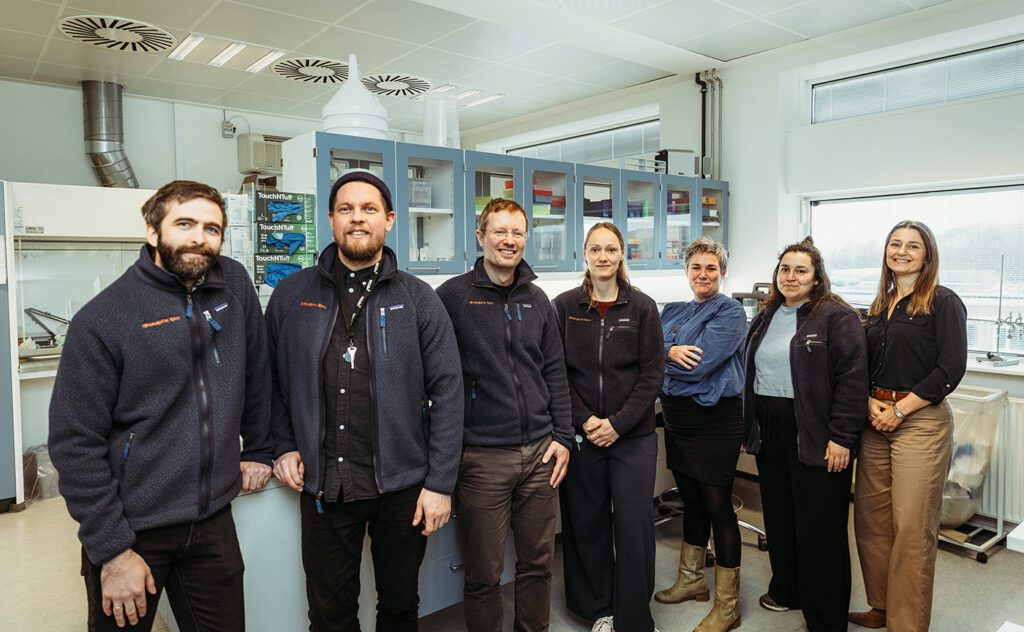
The company is addressing this gap by utilizing its proprietary SORTAC platform, a modular, small-molecule technology designed to degrade extracellular proteins by harnessing the natural lysosomal clearance pathway. Glerup notes that “these targets are central to diseases such as neurodegeneration and inflammation, yet remain difficult to drug with existing modalities.”
SORTACs are bifunctional small molecules composed of a sortilin-binding module linked to a target-binding ligand, enabling formation of a ternary complex between an extracellular disease protein and the lysosomal receptor sortilin, which drives internalization and degradation in lysosomes. Glerup elaborates, “Unlike antibody-based or intracellular TPD approaches, SORTACs combine the advantages of small molecules (such as potential oral delivery and tissue penetration) with catalytic, event-driven pharmacology. The platform has demonstrated hallmark TPD properties, including ternary complex formation and catalytic turnover, with in vitro and in vivo degradation of therapeutically relevant targets.”
Glerup emphasizes that SORTACs enable degradation of both soluble and membrane-associated proteins and leverage receptor recycling to drive sustained target clearance.
The company has launched a multi-partner Danish initiative, DESYNA (Degradation of Extracellular α-SYNuclein Aggregates) in collaboration with Aarhus University, focusing on Parkinson’s disease. Accumulation of α-synuclein aggregates is a key driver of disease, and the approach aims to selectively degrade these pathogenic species and halt their progression.
Glerup believes extracellular TPD represents the next major wave of innovation in the field. “By extending TPD beyond the cell’s interior, the cytosol, SORTAC has the potential to unlock a large and previously inaccessible target space. With growing validation and collaborative efforts such as DESYNA, there is strong reason for optimism that this approach can deliver transformative therapies for diseases that currently lack effective treatment options.”
Enabling TPD workflows
Advancing TPD depends on a coordinated ecosystem of tools that support target validation, mechanistic interrogation, and translational predictions. Within this context, attention is increasingly focused on the central challenge of translating mechanistic promise into consistent patient benefits.

Senior Director
Bio-Techne
“I think we are on the brink of seeing TPD and induced proximity truly usher in a new era in drug discovery as we await the first clinical approval of a PROTAC degrader,” says Hannah Maple, PhD, senior director at Bio-Techne®. At the same time, she notes that “one of the challenges with this as a new drug modality is to gain a deeper understanding of where the maximum patient benefit lies from a target and indication perspective.”
That uncertainty places renewed emphasis on target validation strategies. Maple elaborates, “Driving efficacy versus standard of care in a predictable way remains a challenge, despite in many cases strong mechanistic rationale for degradation versus inhibition of a particular target. For this reason, I would keep target validation high on the list of key challenges for the field as it relates to driving clinical impact and patient benefit with this technology.”
To support this critical transition, Maple says Bio-Techne has established long-standing collaborations with leading research groups to co-develop new technologies and support training of the next generation of TPD scientists. The company has also built an integrated portfolio of tools spanning biological reagents, chemical probes, and assay platforms with TPD-focused capabilities across its R&D Systems portfolio brand, including the Tocris small-molecule products.
Maple provides an example. “Some of the most useful categories of tools for target exploration and validation in the context of TPD are the R&D Systems’ Tocris Tag Degradation Platforms and self-labeling protein tag platforms.” These approaches involve fusing a small protein tag to the protein of interest and pairing it with a complementary small-molecule ligand that binds the tag. The tag ligand is typically bifunctional and can be developed to recruit an E3 ligase to the protein-of-interest, eliciting degradation in a controllable, tunable manner.
Within this ecosystem, protein-level tools support target interrogation and validation. Maple highlights self-labeling tag systems as particularly valuable. “Through our R&D Systems brand, we have built a leading portfolio of these technologies, and very recently launched BromoCatch, a next-generation self-labeling tag platform that was co-developed with [the lab of Alessio Ciulli, PhD] at the Centre for Targeted Protein Degradation, University of Dundee. BromoCatch represents a powerful, modular platform that uses a low molecular weight protein tag. The benefit of this approach is to minimally perturb the native localization or function of the protein being tagged, versus prior larger tags that could cause undesired functional effects.”
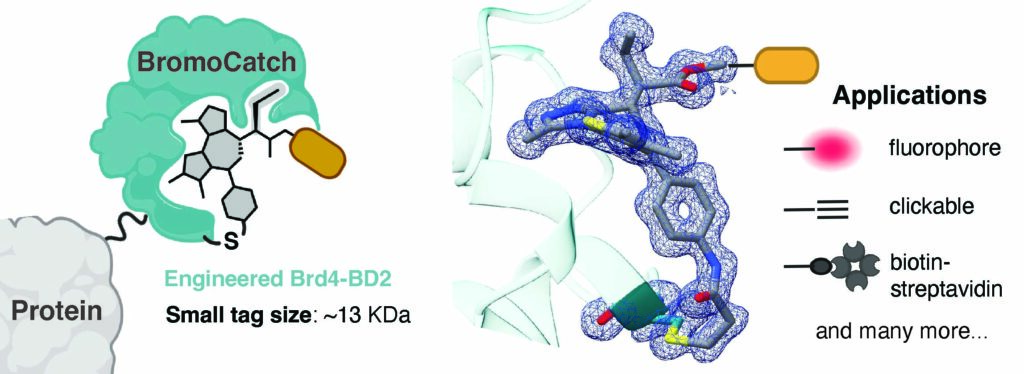 is a small, rationally designed self-labeling tag platform for targeted protein analysis, manipulation, and degradation.
[Bio-Techne]
Complementing these approaches, the R&D Systems portfolio provides targeted degradation reagents such as dTAG-13, a heterobifunctional degrader used in tag-based systems to selectively eliminate engineered proteins of interest, offering a chemical alternative to genetic knockdown approaches.
Maple reports that another impactful technology of Bio-Techne’s R&D Systems portfolio is their Simple WesternTM automated western blot instruments. She explains, “TPD heavily relies on western blotting, but scaling screening campaigns using this as a primary assay is a huge time and resource drain, with variable data quality and poor reproducibility. Simple Western technology allows researchers to get reliable, reproducible and quantitative degradation data on a fully automated instrument.”
Enhancing pipeline intelligence

Lead Research Analyst
Beacon by Hanson Wade
Keeping pace with the fast-moving TPD landscape can be daunting. “Part of the problem is that reliable data is hard to come by, particularly in regards to the advancements coming out of China, with developers still relying on their own, in-house methods to generate viable, orally bioavailable lead candidates at the cost of significant time and investment,” observes Flavio Lima Bianchi, lead research analyst at Beacon by Hanson Wade.
As evidence of this challenge, Bianchi notes that despite PROTACs comprising roughly a third of the overall TPD landscape, “to date less than five percent of PROTACs have managed to progress into the clinic and only a select few drugs have reached late-state, pivotal studies.”
The company is addressing these limitations in several ways. “We aggregate all available TPD data and render it into an easily searchable and digestible format. Too often is information siloed within organizations and, perhaps more importantly, failed degraders are rarely published or are quietly swept under the rug.”
He continues, “Beacon leverages a mixture of publicly available and proprietary data obtained directly from developers to track every single TPD program globally and to lift the lid on both the successes and the failures, enabling developers to make better, more informed decisions.”
While investigators relying on in-house methods may spend significant time searching available information, Bianchi emphasizes that their platform extends well beyond data access. “Beacon TPD is a subscription-based intelligence platform, providing users the ability to search comprehensive, curated preclinical, clinical, and commercial data across the induced proximity landscape. Aside from this primary search and retrieve function, Beacon’s additional functionalities include analyst reports, conference summaries, weekly newsletters and alerts, all designed to keep users abreast of the latest development within their field of interest.”
Broadening TPD horizons
Bio-Techne’s Maple envisions TPD expanding well beyond its original scope. “I think about TPD as one portion of a broader induced proximity revolution. The basic principles and technological breakthroughs that have driven TPD can be applied to targeted protein localization, stabilization, modulation, etc. This opens new optionality from a therapeutic standpoint and is also opening entire new fields of basic research enabled by these new principles and chemical tools.”
The post Targeted Protein Degradation Broadens Its Scope appeared first on GEN – Genetic Engineering and Biotechnology News.
State of the Diagnostic Industry: Recombinants on the Rise
Discovery of a fragile foundation
Four years ago in GEN, Scripps Laboratories predicted that the clinical diagnostic industry was on the verge of a recombinant protein revolution. At the time, in vitro diagnostic (IVD) assay developers were opposed to using recombinant proteins as replacements for proteins derived from human or animal tissues, glands, organs, and fluids, so-called “native” proteins. The pushback was vigorous, even palpable.

Director, Product Research
Scripps Laboratories
Today, the transition to recombinants is underway, as they are being approved and adopted in IVD assays around the globe. I witnessed firsthand the shortage of native starting materials and helped drive this shift by developing recombinants suitable for the IVD industry. Recombinants are now the most responsible option in many diagnostic areas for laboratories that care about long‑term risk management, supply chain resilience, sustainable sourcing, and price stability.
The IVD industry relied far too long on a surprisingly fragile supply network. Many of the proteins used in diagnostic assays are purified from starting materials obtained from human donors, or from abattoirs in the case of animal-sourced materials. For decades, this system appeared satisfactory: native materials were available, performance was good, and IVD assays were being produced to meet global demand. The system appeared sustainable, and there was no visible reason to change; that is, until there was.
Native sourcing becomes unsustainable
The erosion of the native starting material supply chain was not a single, isolated event. It occurred over many years, even decades. Today, native raw materials for critical proteins in several diagnostic areas are unavailable in the quantities needed to support the growing IVD industry.
Going back 10 to 15 years, human hearts and livers were becoming increasingly expensive and difficult to obtain. In addition, the quality of the donor organs made available to material manufacturing companies was deteriorating severely. Many organs were either resected or visibly diseased. The poor-quality hearts yielded less and less of the cardiac biomarkers creatine kinase MB (CK-MB), troponin I (TnI), and troponin T (TnT). Similarly, yields of the iron-storage protein ferritin from human livers decreased precipitously.
Pituitary glands have a similar story of declining availability and spiking costs. Pituitaries are the source of follicle-stimulating hormone (FSH), luteinizing hormone (LH), prolactin (PRL), and thyroid-stimulating hormone (TSH). These hormones are essential to testing in reproductive medicine (FSH, LH, PRL) and thyroid disease (TSH). The pituitary gland is small, the size of a pea, and each human has only one. Several thousand glands are needed, from several thousand donors, for a single pituitary gland-extraction batch. Given the growing size of the reproductive and thyroid testing markets, such large-scale consumption of this limited resource was not sustainable.
Animal-derived proteins are not immune to such supply chain disruptions. Changes in how porcine stomachs are processed at abattoirs around the world significantly reduced the intrinsic factor content available for purification. Porcine intrinsic factor has a high affinity for vitamin B12 and has been used for decades in metabolic diagnostics as the binding reagent in B12 assays. With the new stomach excision process resulting in lower yields, producing native intrinsic factor has become more challenging and expensive.
One telling indicator that some areas of the native protein model are under strain is the behavior of IVD assay manufacturers themselves. Many long-standing hormone customers have implemented a “last time buy” strategy, purchasing native hormones in quantities to last three to five years. This tactic may bridge a short-term gap, but it signals a deeper, industry-wide revelation: continuing to build assay portfolios on such vulnerable raw materials is not aligned with long-term risk management.
From skepticism to necessity
When companies began presenting recombinant alternatives to the IVD industry, the reception was cool. Many companies would not entertain a discussion about recombinants, let alone consider evaluating them. The conventional wisdom was that native proteins were inherently superior in immunoassays, particularly for structurally complex proteins, like the 24-subunit ferritin molecule, or for glycosylated, two-subunit proteins, like FSH, LH, and TSH. To be fair, the recombinants available 10 or 20 years ago were not produced with the IVD industry in mind and did not perform up to industry standards.
In only a few years, the IVD industry’s attitude toward recombinants has shifted dramatically. A willingness to evaluate them as replacements for native proteins has spread across the globe. The same diagnostic laboratories that refused to have a conversation about recombinants four years ago are now proactively soliciting their suppliers for recombinant alternatives to native proteins. Many global IVD leaders have implemented a mandate to switch to recombinant proteins wherever a native protein may be considered at risk of a raw material shortage. Furthermore, when a new assay is being developed, a “recombinant-first” approach is now the norm.
I have also witnessed a cultural element to the shift. Some of the larger IVD companies have said that their scientific staff was reluctant to switch away from native proteins, but that the transition to recombinants is happening, regardless. This, too, demonstrates a broader understanding in the industry of the fallibility of the old native model.
Recombinants taking over
The most swift and dramatic transition to recombinant hormones is occurring in the fields of reproductive biology (FSH, LH, PRL) and thyroid disease (TSH). Historically, recombinant forms of these hormones performed poorly, so the resistance to evaluating recombinants was strong. As the supply of pituitary glands contracted, however, assay manufacturers were forced to confront the vulnerability of their supply chain. Fortunately, having inside knowledge of the pituitary supply constraints, our laboratory set out early to develop recombinant forms of these hormones. By the time the supply crisis hit, we were prepared with a full line of IVD-assay-tested recombinant hormones.
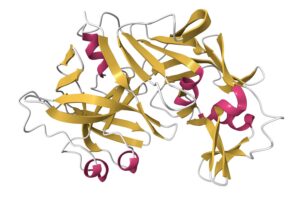
The response in the industry has been decisive and far-reaching. Most customers for native hormones have now tested, approved, and switched to recombinant versions. This change did not occur because native hormones suddenly became unusable, but because their supply became incompatible with the magnitude, reliability, and planning requirements of the industry. By contrast, recombinant hormones can be produced at scale in controlled systems with consistent quality and predictable availability.
Cardiovascular diagnostics are following a similar path. Recombinant TnI, TnT, CK-MB, and myoglobin are being adopted quickly as replacements for the native forms derived from human hearts. The supply of suitable organs cannot keep pace with industry demand, as cardiovascular disease is on the rise globally and the growth of point-of-care testing continues. Recombinant cardiac markers offer a solution to organ supply shortages, meeting the industry’s high demand for these proteins, while maintaining the performance characteristics IVD laboratories expect.
In anemia and metabolic diagnostics, the switch has not been immediate, but it is underway. Recombinant apoferritin (ferritin without iron) and recombinant human intrinsic factor are available to replace the native proteins, and they are being evaluated and approved. The global supply of native ferritin and intrinsic factor is diminishing, but the situation is not as dire as with heart- and pituitary-derived proteins. Thus, the transition is progressing, but is not as far along.
Keys to producing recombinants
To justify switching to a recombinant protein, the recombinant must perform comparably to the native protein it is intended to replace. Early recombinants did not perform well, resulting in the skepticism seen initially. In antibody-based assays, even subtle structural differences can translate into poor recognition, reduced sensitivity, or altered calibrator performance. Overcoming these issues requires more than simply expressing a protein in a convenient host; it requires a project development and testing strategy tailored to the nuances of IVD assay development.
At Scripps, our intention was to devise and implement a strategy that would produce recombinants suitable for the IVD industry. The process involves appropriate gene, expression vector, and host cell line selection; tagless protein expression; early and extensive testing in antibody-based systems, including clinical analyzers; and a willingness to revisit any or all of these elements if the desired recombinant is not produced.
This development strategy addresses the concern about recombinant protein performance in the IVD industry. When a recombinant biomarker performs well and can be supplied consistently, without relying on the unstable supply framework of donor materials, the recombinant becomes not just an acceptable option, but the preferred one.
Looking ahead
The IVD industry is at an inflection point, bending toward global acceptance of recombinant biomarkers. The constraints on native tissue supply and quality will not ease; in fact, they will likely intensify. Simultaneously, industry expectations surrounding ethical sourcing, supply chain stability, risk mitigation, and long-term cost control will become more stringent. Given this environment, continued reliance on donor materials is difficult to justify and is perhaps foolish.
Recombinant proteins offer a way forward that unites consistent assay performance with sound business judgement. Disconnected from unreliable tissue supply networks, recombinants support sustainable and ethical sourcing practices, providing IVD assay manufacturers with a stable foundation for planning and growth. The experience of recent years—in reproductive biology, cardiology, and thyroid disease in particular—has shown that when recombinants are developed with clinical assay performance in mind, they can match or even exceed the standards set by native proteins.
I have seen the industry’s view of recombinants evolve from skepticism to necessity. Focusing on tagless expression and rigorous early testing, recombinants can be produced not as lesser-quality replacements, but as robust solutions. As assay developers and IVD executives look ahead to the next decade of innovation, recombinants are no longer a speculative option. They are the most responsible path toward assuring the continued availability of the tests that patients and clinicians rely on daily.
David A. George is director of product research at Scripps Laboratories.
The post State of the Diagnostic Industry: Recombinants on the Rise appeared first on GEN – Genetic Engineering and Biotechnology News.