

Background and objectiveWithin the interdisciplinary field of cyberpsychology and mental health, trait mindfulness has been associated with lower levels of subclinical anomalous symptoms, such as Psychotic-Like Experiences (PLEs), has gained increasing attention. However, in the context of daily digital human-computer interactions (e.g., listening to AI-generated music), the specific pathways through which Mindfulness operates (the involvement with Presence and Perceived Interactivity) and the boundary conditions of physiological arousal, remain to be clarified. This study aims to explore the direct predictive relationship between mindfulness and individuals’ PLEs, and to investigate the multipath effect of brief AI-generated music listening context (with Presence and Perceived Interactivity), along with the moderating effect of Arousal.MethodsWith a cross-sectional survey design, self-reported multimodal data were collected from 527 Chinese participants. Structural equation modeling (SEM) was conducted using Mplus 8.3 to empirically test the main effects (path coefficients) of the theoretical hypotheses and the moderation model.ResultsBoth the measurement and structural models demonstrated good fit. The path analysis results indicated that: (1) trait trait mindfulness was significantly and negatively associated with PLEs (p < 0.001); (2) regarding the main effect paths of brief AI-generated music listening context, mindfulness significantly and positively predict individuals’ Presence and Perceived Interactivity, while both significantly and negatively predict PLEs; (3) Arousal played a significant moderating role in the relationship between mindfulness and brief AI-generated music listening context, exhibiting a synergistic enhancement effect. Higher levels of Arousal significantly amplified the positive prediction of Mindfulness on both Presence and Perceived Interactivity (p < 0.01).ConclusionsWith the help the SEM, this study maps out the underlying multipath network through which mindfulness is associated with lower PLEs within a brief AI-generated music listening context. The observed associations suggest that presence and perceived interactivity may function as pivotal correlational nodes relevant to mental health correlates, while these results also nuance classic cognitive load assumptions by indicating a potential synergistic association between trait mindfulness and emotional arousal. These results provide a solid empirical foundation and prospective insights, for the mental health-oriented design of AI music products, such as the immersive acoustic environment construction and dynamic, arousal-based interaction recommendations.
Comprehensive Human Vagus Nerve Map Unveiled
Scientists at Northwell Health’s Feinstein Institutes for Medical Research said they have released the world’s first comprehensive human vagus nerve anatomical map. The achievement could change our understanding of the autonomic nervous system and accelerate the development of bioelectronic medicine and neuromodulation therapies, according to the researchers.
The first dataset release, collected over three years from 30 human donors encompassing 60 vagus nerves, is now available to the global scientific community via SPARC Science.
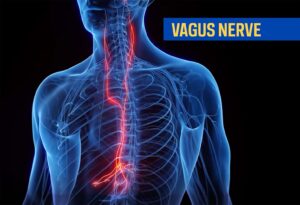
The vagus nerve is the longest cranial nerve and a critical “information superhighway,” consisting of two main bundles (one on the left side of the neck and the other on the right side of the neck) containing more than 200,000 individual nerve fibers stretching from the brainstem to all major organs.

The nerve manages automatic functions such as heart rate, breathing and digestion, and serves as the body’s “on/off switch” for immune response and inflammation. To better understand the function of each vagal fiber, this new dataset resource offers a 3D view into the intricate anatomy of the human vagus nerve, utilizing techniques such as microCT imaging, immunohistochemistry, and ultrasound.
By mapping the organization of fascicles and fibers, investigators expect to gain critical insights into how the vagus nerve communicates with various organs and influences human health and disease.
“This dataset represents a major step forward in bioelectronic medicine, offering the most detailed anatomical reconstruction of the human vagus nerve to date,” said Stavros Zanos, MD, PhD, associate professor in the Institute of Bioelectronic Medicine at the Feinstein Institutes and co-leader of the project. “For the first time, we can visualize the vagus nerve’s complex architecture that will allow us to design more precise, effective and safe neuromodulation therapies and devices.”
The accomplishment marks a milestone that began with a $6.7 million National Institutes of Health (NIH) grant awarded to the Feinstein Institutes in October 2022 for its Reconstructing Vagal Anatomy (REVA) project, part of the NIH Common Fund’s SPARC program. The successful delivery of the map was supported by Peter J. Pappas, Jr., whose donation provided philanthropic support towards the goals of this project.
![Kevin J. Tracey, MD [[Feinstein Institutes]](https://www.genengnews.com/wp-content/uploads/2026/07/web_Tracey_Kevin_FIMR-300x205.jpg)
“Decoding the vagus nerve’s intricate language is an important advance for science and medicine,” said Kevin J. Tracey, MD, president and CEO of the Feinstein Institutes, Karches Family Distinguished Chair in Medical Research and author of the book The Great Nerve: The New Science of the Vagus Nerve and How to Harness Its Healing Reflexes. “This knowledge will further empower researchers to re-engineer human biology and unlock novel therapies for future patients.”
The Feinstein Institutes for Medical Research is a global scientific leader in bioelectronic medicine and vagus nerve stimulation, where medical researchers use modern technology to develop new device-based therapies to treat disease and injury, according to a Feinstein spokesperson, who points out that the field of bioelectronic medicine integrates insights from neuroscience, molecular medicine and biomedical engineering, and researchers at the Feinstein Institutes leverage the connection between the brain and the immune system to develop bioelectronic medicine interventions.
The discovery that initiated the field of bioelectronic medicine—called the “inflammatory reflex”—was made more than 30 years ago by Tracey, continues the Feinstein official. This discovery emerged from studies on vagus nerve signaling and showed that the brain and body communicate to regulate inflammation and, if uncontrolled, inflammation could lead to disease, said Tracey.
It was the first FDA-approved vagus nerve stimulation device in July 2025 to treat rheumatoid arthritis. Northwell Health was the first in the nation to implant the newly approved treatment in patients in August 2025.
Today, engineers, computer scientists, immunologists, neuroscientists and clinicians develop cutting-edge medicine, including neuroimmune modulation, miniature implants for stimulating and recording the vagus nerve, noninvasive ultrasound neuromodulation to suppress inflammation, and novel brain-computer interfaces to overcome injuries of the nervous system, according to a Feinstein Institutes statement. These collaborative efforts are focused on converging to create personalized, precise treatments that hold promise in treating acute and chronic diseases, often with fewer side effects compared to current therapies.
Scientists believe these treatments have the potential to enhance or replace existing treatments across a range of conditions such as arthritis, heart disease, inflammatory bowel diseases, diabetes, cancer, and autoimmune disorders. By producing bioelectronic medicine knowledge, disease and injury could one day be treated by our own nerves without costly and potentially harmful pharmaceuticals, predict a number of researchers.
The post Comprehensive Human Vagus Nerve Map Unveiled appeared first on GEN – Genetic Engineering and Biotechnology News.
Evaluating the Impact of Digital Behavioral Interventions to Address Insomnia and Depression in Breast Cancer Survivors Using an Adaptive Design
Conditions: Insomnia; Depression
Interventions: Behavioral: Digital Insomnia Program; Behavioral: Digital Mental Health Program; Behavioral: Psychoeducation
Sponsors: University of Virginia; National Cancer Institute (NCI)
Not yet recruiting
Interventions: Behavioral: Digital Insomnia Program; Behavioral: Digital Mental Health Program; Behavioral: Psychoeducation
Sponsors: University of Virginia; National Cancer Institute (NCI)
Not yet recruiting
Sleep More, Stress Less: 90-Day Trial of Neuralli Mood
Conditions: Psychological Stress; Sleep Disturbance; Anxiety Symptoms; Depressive Symptoms; Occupational Burnout
Interventions: Dietary Supplement: Neuralli Mood
Sponsors: Efforia, Inc; Bened Life
Recruiting
Interventions: Dietary Supplement: Neuralli Mood
Sponsors: Efforia, Inc; Bened Life
Recruiting
<![CDATA[New data show APOE4 worsens early sleep disruption in Alzheimer models; CN-105 and zolpidem restore deep sleep and may slow amyloid buildup.]]>
Altered tryptophan metabolism as a contributor to cognitive impairment in chronic kidney disease: a narrative review
Approximately 40% of patients with chronic kidney disease (CKD) experience cognitive impairment (CI), which is strongly associated with increased mortality. CI is driven by multiple factors, including vascular injury, accumulation of uremic toxins, disruption of the blood–brain barrier, and chronic inflammation. Recent evidence suggests that kidney disease and neurocognitive decline are mechanistically linked through dysregulated tryptophan metabolism. Tryptophan is metabolised through three main pathways: the kynurenine, indole, and serotonin pathways, each producing bioactive metabolites with distinct neurophysiological effects. The hallmarks of CKD include chronic inflammation, gut microbial dysbiosis, and impaired renal clearance, all of which alter tryptophan metabolism. Inflammation drives tryptophan metabolism towards the kynurenine pathway, increasing the formation of neurotoxic compounds that promote oxidative stress, excitotoxicity, and neuronal injury. However, reduced availability of tryptophan for serotonin synthesis impairs serotonergic signalling and neurotransmission, as well as melatonin biosynthesis, thereby contributing to circadian rhythm disturbances and impaired glymphatic clearance. Concurrently, gut dysbiosis and reduced renal clearance promote the accumulation of indole-derived uremic toxins, leading to endothelial dysfunction, neuroinflammation, and disruption of the blood–brain barrier. This review highlights the current evidence of dysregulated tryptophan metabolism in CKD and its impact on the pathogenesis of neurocognitive complications. The review also discusses potential biomarkers and therapeutic strategies, including kynurenine pathway inhibitors, gut microbiota modulation, uremic toxin adsorption, melatonin supplementation and personalised medicine to mitigate cognitive impairment in CKD.
Pharmacotherapy, acupoint stimulation, and psychotherapy for perimenopausal women with anxiety, depression, and panic disorder: a systematic review and network meta-analysis of randomized controlled trials
BackgroundPerimenopausal women frequently experience physiological and psychological symptoms, including anxiety, depression, and panic disorders, mainly due to declining ovarian function and hormonal changes. Current options include pharmacotherapy, acupoint stimulation (AcuStim), and psychotherapy (psych), but their comparative efficacy and safety remain controversial.ObjectiveThis network meta-analysis (NMA) systematically compared pharmacotherapy, AcuStim, and psychotherapy for perimenopausal anxiety, depression, and panic disorder, assessing clinical efficacy, adverse events (AEs), and changes in the Hamilton Depression Rating Scale (HAMD), Hamilton Anxiety Rating Scale (HAMA), Kupperman Index (KI), Self-rating Depression Scale (SDS), Self-rating Anxiety Scale (SAS), Pittsburgh Sleep Quality Index (PSQI), and serum hormone levels.MethodsWe searched PubMed, Embase, Cochrane Library, Web of Science, CNKI, Wanfang, VIP, and SinoMed from inception to June 14, 2026, for randomized controlled trials (RCTs). A Bayesian NMA was performed, and the Surface Under the Cumulative Ranking Curve (SUCRA) was calculated.ResultsThe study included 131 RCTs, encompassing 11457 perimenopausal women diagnosed with emotional disorders. These trials evaluated three distinct treatment strategies. The NMA showed that the highest SUCRA probabilities were observed for drug_psych across HAMD (SUCRA = 92.4%), KI (SUCRA = 97.9%), SDS (SUCRA = 94.5%), PSQI (SUCRA = 98.1%), and follicle-stimulating hormone (FSH) (SUCRA = 96.1%) reduction and estradiol (E2) (SUCRA = 0.1%) elevation; for AcuStim_psych (SUCRA = 93.7%) in HAMA reduction; for psych (SUCRA = 98.9%) in SAS reduction; for drug_AcuStim in clinical efficacy (SUCRA = 9.0%) and luteinizing hormone (LH) reduction (SUCRA = 100%); and for control (SUCRA = 65.5%) in safety outcomes. In pharmacotherapy subgroup analyses, antidepressants (ADs)_Traditional Chinese medicine (TCM) ranked highest for HAMD (SUCRA = 87.2%) and safety (SUCRA = 82%), ADs_antipsychotics (AP) (SUCRA = 97.5%) for HAMA, and ADs_hormone replacement therapy (HRT) (SUCRA = 10.2%) for clinical efficacy.ConclusionPharmacological, acupoint stimulation, and psychological interventions each demonstrated therapeutic benefits for perimenopausal women with emotional disorders. Combination therapies generally showed more favorable efficacy across multiple psychological and endocrine outcomes than single-modality interventions, while no single treatment strategy was consistently superior across all outcomes. These findings may provide evidence to support individualized treatment selection according to patients’ clinical characteristics and therapeutic goals.Systematic review registrationhttps://www.crd.york.ac.uk/PROSPERO/, identifier CRD420261340530.
Circadian dimensions in insomnia disorder: mechanistic evidence, candidate phenotypes, and a phenotype-stratified research framework
Insomnia disorder is one of the most common sleep disorders and is traditionally conceptualized in terms of hyperarousal, altered sleep homeostasis, and cognitive-behavioral perpetuating factors. The two-process model of sleep regulation indicates that sleep initiation and maintenance depend not only on homeostatic sleep pressure but also on circadian phase, amplitude, and stability. Evidence suggests that some patients presenting with insomnia complaints have misalignment between endogenous circadian phase and the intended sleep window, whereas others show reduced rest-activity amplitude, increased sleep-timing variability, or abnormal light exposure patterns. This narrative review integrates clinical, measurement, mechanistic, and intervention evidence on circadian dimensions in insomnia disorder and proposes a candidate circadian phenotyping framework for future validation. The framework combines sleep diaries, actigraphy, light exposure assessment, dim-light melatonin onset (DLMO), and core body temperature rhythms to distinguish circadian rhythm sleep-wake disorder (CRSWD)-dominant insomnia complaints, insomnia disorder with circadian modifiers, and comorbid insomnia disorder and CRSWD. Cognitive behavioral therapy for insomnia (CBT-I) remains first-line treatment. Fixed wake time, morning light, evening light restriction, timed low-dose melatonin, scheduled activity, and multicomponent approaches are positioned as candidate adjunctive modules to be tested in phenotype-stratified trials. These phenotypes are not diagnostic categories, clinical decision algorithms, or treatment guidelines. The review instead translates circadian evidence in insomnia into testable propositions, including provisional phenotype definitions, recommended measurement strategies, falsifiable predictions, and future trial designs. Operational thresholds, reproducibility, predictive validity, incremental treatment benefit, optimal parameters, safety, implementation feasibility, and cost-effectiveness require prospective phenotype-stratified randomized trials and long-term follow-up.
Temporal Patterns of Engagement and Sentiment in a Suicide Prevention Mobile App: Three-Year Observational Study
Background: Temporal fluctuations in distress and suicidal ideation across daily, weekly, and seasonal cycles may influence the use and effectiveness of digital suicide prevention tools. Understanding patterns of app engagement, perceived suffering, and affective expression can inform the design of proactive, personalized digital interventions, thereby impacting adherence and efficacy. Objective: This study aimed to examine temporal patterns of engagement with 2 core components of the suicide prevention app SERO (Suicide Prevention: a Uniform Effort, Resource-Oriented; BFH, Lucerne Psychiatry), specifically the safety plan and the PRISM-S (Pictorial Representation of Illness and Self-Measure—Suicidality) self-assessment, using 3 years of interaction log data, assessing variations across circadian, weekly, and seasonal cycles, and evaluating the sentiment of free-text responses submitted immediately after PRISM-S self-assessments. Methods: We analyzed anonymized interaction logs from the SERO app collected over 3 years (November 2022 to December 2025). Engagement metrics included the frequency of use of the safety planning functionality and PRISM-S self-assessment entries. Free-text responses provided after PRISM-S assessments were analyzed using automated sentiment classification. Temporal analyses examined variations by the hour of the day, day of the week, and season. One-way ANOVAs, post hoc tests, and Pearson correlations were used to examine patterns and associations between perceived suffering and sentiment. Results: A total of 1076 users engaged with the safety planning functionality of the SERO app, generating 3502 entries, with coping strategies and warning signs showing the highest mean interactions and personal beliefs the lowest. Separately, 1212 app users accessed the PRISM-S self-assessment, producing 2329 entries (mean distance 12.91, 95% CI 12.39‐13.42 cm), with most app users recording only 1 or 2 registrations. Safety planning engagement showed clear diurnal patterns, peaking in the afternoon (2 PM to 3 PM) and being lowest at night (midnight to 3 AM), whereas PRISM-S scores were stable across time. Sentiment analysis revealed predominantly negative affect (mean score of −0.41, SD 0.51, 95% CI −0.44 to −0.39), correlated with PRISM-S distance, and was most negative at night (specifically at 11 PM) and during the afternoon (2 PM to 5 PM). Seasonal effects were small but significant for PRISM-S, with the lowest perceived suffering in summer. Conclusions: Digital suicide prevention tools can support routine patterns of coping behavior, but periods of increased reported distress, particularly at night, may be underaddressed. Integrating automated sentiment analysis alongside self-assessments could potentially enable personalized, time-adaptive interventions that detect changes in emotional state and deliver timely, tailored support, thereby strengthening proactive engagement and resilience.
<img src="https://jmir-production.s3.us-east-2.amazonaws.com/thumbs/faae571797d59631463c21d71acde673" />
The COMET Study: a Prospective COhort of MEdical residenTs to Assess Professional, Personal and Psychological Trajectories of Residents in General Internal Medicine
Conditions: Burnout Syndrome; Depression Disorder; Insomnia; Perceived Stress; Fatigue Symptom; Empathy
Sponsors: University of Fribourg; Insel Gruppe AG, University Hospital Bern; Hôpital Fribourgeois; University of Lausanne Hospitals
Recruiting
Sponsors: University of Fribourg; Insel Gruppe AG, University Hospital Bern; Hôpital Fribourgeois; University of Lausanne Hospitals
Recruiting