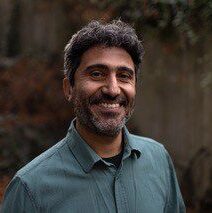
Hacking the atmosphere: Geoengineering gets a reality check

Jim Franke pulls away the cover page of a presentation on the wraparound desk in his office, revealing an illustration of an odd-­looking aircraft with massive wings stretching out from a stubby fuselage.

The uncrewed plane is soaring thousands of meters higher than commercial jets fly—so high you can see the curvature of the Earth. It’s precisely the type of aircraft one would need to begin artificially cooling the planet. Those outsize wings would keep the plane and its payload aloft in the stratosphere, about a dozen miles (or 20 kilometers) above the surface, where the air is much thinner—as little as 5% the density near the ground. Once at altitude, the plane would release materials that could, after a few steps of chemistry, reflect sunlight back into space.

“If you want to get to 20 kilometers in the near term, this is probably the best bet,” says Franke, a research assistant professor at the University of Chicago.

Franke is one of a small but growing cohort of scientists focused on the engineering challenges associated with solar geoengineering, the controversial idea that we could deliberately intervene in the climate system to counteract global warming.

The concept came from volcanoes. Massive eruptions in the past have reduced temperatures worldwide by blasting sulfur dioxide and other compounds into the stratosphere, where they convert into sunlight-scattering particles. Hundreds of studies in recent decades have suggested that a human attempt to mimic this mechanism would work quickly and efficiently—at least within the confines of climate models.

But these computer simulations are approximations of how the real world works. They gloss over numerous challenges. Like the fact that aircraft capable of carrying the necessary loads to the necessary altitudes don’t exist. Or that we don’t know for sure how to release material so that most of it turns into tiny reflective aerosols instead of, say, clumping together and falling out of the sky. Or even what specific substance we would want to load onto an aircraft, given open questions about safety, cost, and effectiveness. 

Amid these compounding unknowns, more and more research on solar geoengineering is moving beyond computer simulations, delving into the detailed design and practical engineering work that would be needed before we could carry out a campaign to dial down temperatures. The tasks required range from inventing high-altitude aircraft to mastering the precise chemistry and delivery mechanisms for dispersing materials to building out the monitoring infrastructure that we’ll need in order to know if any of it actually works.

The question of whether we should geoengineer the planet has no clear-cut answer. It might save millions of lives by reducing the dangers of catastrophic heat waves, floods, droughts, and famines. But many fear it’s too dangerous to even consider, much less seriously study, arguing that we can’t possibly predict the spiraling consequences of manipulating such large, complex, interconnected planetary systems. 

Critics argue that the building momentum in this phase of research will make it ever more likely that someone, somewhere in the world, will eventually pull the trigger on geoengineering, no matter the remaining unknowns or the dangers for certain parts of the world.  

“I do think it’s very dangerous because of what we know about science and technology,” says Jennie Stephens, a professor of climate justice at Maynooth University in Ireland. “The more investment that’s made, the further the advances, the more likely it is that it will be deployed.”

But proponents of this practical research argue that playing out how we’d mount a solar geoengineering program will improve our understanding of the potential benefits and risks, helping to ensure that if anyone does try to tweak the climate, they might at least do so in an informed and potentially safer way.

David Keith
The Climate Systems Engineering Initiative (CSEi) at the University of Chicago formally launched in 2024 under the leadership of the prominent geoengineering researcher David Keith.
MIT TECHNOLOGY REVIEW | JUSTIN SAGLIO

It’s still very much a niche field. Much of the work now underway is happening at the Climate Systems Engineering Initiative (CSEi) at the University of Chicago, which formally launched in 2024 under the leadership of the prominent geoengineering researcher David Keith. 

Franke, a professional engineer before earning his doctorate in geosciences, is overseeing a series of overlapping research projects and collaborations aimed at resolving many of the engineering uncertainties. That includes working out the designs now on his desk—renderings of the type of aircraft that could be used in the initial phase of a geoengineering program. 

Franke argues that more computer simulations are simply not going to answer the big remaining questions in the field, including the most compelling one: the “boogeyman” of what could go wrong. 

“I’m kind of personally skeptical that additional model development or more simulations are going to satisfactorily resolve those things,” he says. “And so I’m not really that interested in turning the crank on more models.”

For Franke, it’s time for the next step: “We’re interested in seeing how you’d actually do this thing if you wanted to do it.”

What we don’t know

Solar geoengineering is often portrayed as a relatively cheap and easy fix for climate change. But as researchers take a harder look at the nuts and bolts, they’re finding considerable uncertainties, missing tools, and unbuilt infrastructure.

None of that may be a showstopper, but we’ll need time and money to develop the components necessary to implement even the early stages of a solar geoengineering program. What this research is about, at its core, is not actually launching something, but figuring out what it would take to do so. 

A young San Francisco nonprofit, Reflective, recently worked with scientists in the field to figure out just how much we still don’t know.

The process began by outlining what the organization, which pools money from donors to fund geoengineering studies, describes as a “well-managed, moderate” scenario: In 2035, some nation or group of nations begins a small-scale geoengineering deployment, spraying an equal amount of sulfur dioxide or hydrogen sulfide—gases that should convert into reflective aerosols in the stratosphere—near both the North and South Poles. The initial program would release enough material to reduce temperatures by about 0.1 °C, shaving off a fraction of the roughly 1.4 °C of worldwide warming that’s occurred since the start of the industrial era.

The poles figure prominently in this and other early-stage geoengineering scenarios, for a simple reason: The stratosphere starts as low as seven kilometers there—as opposed to around 18 to 20 kilometers at the equator. That makes it easier to reach, enabling existing aircraft, with some modifications, to carry sizable payloads up there. 

The wrinkle is that the cooling effect would be more pronounced in the northernmost and southernmost latitudes. That’s because, among other complicated mechanisms, higher temperatures in the tropical stratosphere would mostly prevent aerosols released around the poles from drifting toward the equator. So deploying geoengineering in those areas would likely have milder effects on the hotter and poorer nations around the tropics, which are also some of the areas most vulnerable to climate change.

To cool the world evenly—and fairly—you’d eventually want to add flights closer to the equator. Over the following decade or so, under Reflective’s scenario, the program would scale up, shift to novel aircraft flying above the subtropics, and release enough material to achieve global cooling of 0.5 °C. 

The question the researchers then examined was: If we wanted to carry out such a scenario, what would we still need to do to pull it off? 

Quite a bit, it turns out. Earlier this year, Reflective published its SAI Uncertainty Database (SAI stands for “stratospheric aerosol injection”), highlighting a variety of scientific unknowns and six engineering obstacles.

Among them: sorting out how hard or expensive it would be to retrofit existing aircraft to carry out the early stages of the project. Deploying at the poles could also require constructing new airports, establishing new shipping lanes or railways to transport supplies, and building facilities that could process raw materials—by, for example, combusting elemental sulfur to produce sulfur dioxide.

We would also need to build more instruments and send them up to the stratosphere aboard balloons, drones, or other aircraft to observe the baseline chemistry, reflectivity, and distribution of compounds there—and to track what changed once new materials were released.

Finally, the main satellites that observe the stratosphere from space are set to go out of commission in the coming years, creating the risk of an “imminent data desert,” as a 2025 paper in the Bulletin of the American Meteorological Society warned. Several new instruments are in development or available for launch, but there could be a gap in observations at a point where we’d want to have a clear picture of the baseline conditions, Reflective notes.

Dakota Gruener, the chief executive officer of the nonprofit, stresses that the organization isn’t advocating the use of solar geoengineering. But she says it’s important for the field to begin addressing engineering uncertainties now because it stress-tests the assumptions in climate models. It helps us determine whether the scenarios explored in silico are feasible in the real world.

It’s also important to do this, she says, because it may take a long time to resolve all these unknowns while the climate grows steadily warmer. “If we aren’t putting adequate attention to them now, we might be caught flat-footed,” Gruener told MIT Technology Review.

A 2024 analysis in the journal Earth’s Future highlighted just how expensive and time-consuming it might be to develop the aircraft and infrastructure required for an initial deployment. The study explored what it would take for a geoengineering program around the poles, capable of reducing temperatures by 2 °C in the northernmost and southernmost parts of the planet, to be up and running by 2040. The conclusion: It could require at least a decade of work and a $35 billion investment. 

Wake Smith, a research fellow at Harvard and lead author of the study, also says that researchers need to move forward with engineering studies now, because the urge to use the technology will likely grow stronger as climate change becomes increasingly catastrophic.

“The risk I worry about is needing it before we understand it and therefore doing it badly,” he says, later adding: “The sooner we get going with it, the better decisions we’ll be able to make a few decades hence in terms of whether to do it, how to do it, when to do it.”

A novel aircraft

The aircraft pictured on Franke’s desk, which is still just a concept, could reach just beyond the threshold of the stratosphere above the tropics when fully loaded. A fleet of 270 of them could disperse about a million metric tons of material per year, enough to ease global surface temperatures by about 0.26 °C. 

The CSEi outsourced the work of designing it to John Langford, a well-known aeronautical engineer and entrepreneur. Langford’s company, Electra.aero, had previously collaborated with the MIT Department of Aeronautics and Astronautics to develop autonomous, solar-powered aircraft that could carry out extended scientific missions in the stratosphere. He is now spinning out a new business, Iris Aero, to produce those planes, which are assembled from a single, continuous wing covered in solar panels and suspended above a tiny fuselage.

Langford expects the solar plane to find its main initial commercial applications in wildfire monitoring and forecasting. But by swapping in a different set of instruments, it could be used to monitor how materials dispersed in the stratosphere might alter conditions there, he says.

The novel aircraft is a variation on the observational plane, with the added space and thrust necessary to carry these materials to the stratosphere and release them. It has a wider wingspan and swaps out those solar panels for a pair of Rolls-Royce AE 3007 engines.

The aircraft would also include a detachable tank that would function something like a trailer on a semi. This would make it possible to load materials between flights and prevent any damage to the plane itself from those materials, some of which are corrosive, Langford says. 

He says he and his team have completed the initial designs and are now doing more detailed engineering and cost analyses. They intend to publish the findings when the effort is complete. 

“We’d love to build a prototype of such an airplane and feel we could do so relatively quickly,” Langford says. “But that all depends on what David’s group wants to do.”

The program

David Keith’s group, CSEi, is still coming together.

The University of Chicago unveiled the research initiative in 2024 and has committed to hiring 10 additional faculty members to advance scientific understanding of various forms of geoengineering and explore the thorny questions related to policy, ethics, and governance. It had hired two of them as of press time.

The university saw an opportunity to step up as a leader in a field that wasn’t getting adequate academic attention despite its potential to address the dangers of climate change, says Michael Greenstone, a climate economist and the founding director of the university’s Institute for Climate and Sustainable Growth.

“Universities, as a whole, were committing academic malpractice by not investigating the technical, the social, the political, and the even kind of humanist elements of geoengineering,” Greenstone says.

He helped recruit Keith to lead the initiative. 

Keith, 62, previously spent nearly 13 years as a professor of applied physics and public policy at Harvard, where he led the establishment of the university’s Solar Geoengineering Research Program. More famously, he strove to carry out what could have been the first solar geoengineering experiment to release material in the stratosphere, known as SCoPEx. But after years of work and multiple delays, the research team finally scrapped the project in early 2024, following mounting criticism from environmental and Indigenous groups and the eventual intervention of the Swedish government.

Keith has long argued that researchers should seriously study geoengineering because it might substantially reduce the dangers of climate change, alleviating death, destruction, and suffering on massive scales.

He says that the overarching goal of the Chicago initiative is to expand the field by bringing together “enough independent professors and other research professionals” to “build a community around climate engineering as a broad field of inquiry.”

“Solar geoengineering certainly has complex and potentially dangerous political consequences, but so do a host of other emerging ideas and technologies.”

David Keith, geoengineering researcher

“The University of Chicago was the first big university to try and build this as a field in a serious way, to make it not about one person,” he tells me. “It’s a giant commitment.”

Keith himself has become a divisive figure, the face of geoengineering to some. He says he now wants to help build a larger, sustainable research program that will outlive his involvement. He told the administrators that he shouldn’t run the program for more than five years.

“It’s important to have a generational handover,” he says, adding: “I think it’s really important that this not be ‘the David Keith Show.’”

The CSEi researchers are now exploring nearly every engineering challenge that Reflective highlighted in its analysis. In addition to the work on novel aircraft and in situ observations, the group is designing small “cube” satellites with optical sensors optimized for observing the stratosphere. It is also studying which materials might prove most practical to ship to the stratosphere and how best to release them.

The goal is “producing public information which can be independently assessed, critically assessed, so policymakers can understand more about what’s possible and not,” Keith says.

Normalizing a dangerous idea

The debate around solar geoengineering is quickly moving beyond the academic and theoretical realm. A handful of startups, some more serious than others, have begun testing technologies that could one day be used to cool the planet. 

Yet to critics, solar geoengineering is the peak of techno-solutionism, affixing a high-tech Band-Aid to a global crisis caused by earlier technologies instead of addressing the root cause. Further, they argue that there’s no way to deploy or govern it in a globally equitable way, because any use of it will prove more advantageous to some regions than others. 

Even if solar geoengineering succeeded in reducing the average global temperature by 1 °C or so, that would mean very different things in different regions.

It could keep farmers prosperous and cities safe across, say, much of the US and the world’s temperate zones. But the lower temperature might be too cool for Russia to boost its agricultural productivity, while it might still be too hot for subsistence farming in northern Africa. 

Some studies also suggest that high levels of solar geoengineering could create new dangers in some regions, potentially altering monsoon rains, decreasing agricultural output, shifting the range of infectious diseases, and more. 

These complications raise a long list of thorny and divisive ethical questions. Even if solar geoengineering produced better conditions across most of the planet relative to a world with unchecked climate change, would it still be acceptable if it unleashed deadly famines or floods in a few regions? What kind of global consensus should be required to decide it’s okay to deploy it? And how should we determine where to set the planet’s temperature—and when, if ever, to shut the technology off?

Stephens argues that the answers, like so much else in the world, will come down to wealth and power. Countries, corporations, or even wealthy individuals with the resources to deploy such a system would have every incentive to tune it for their optimal benefit, no matter what it might mean for others. 

“It will be certain people who have a lot of wealth and power deciding when and how, and who should benefit and who will get screwed,” she says. “That’s the fundamental reason I think any advance in this technology is so dangerous.”

Duncan McLaren, an environmental researcher and political scientist, argues that the shift into practical engineering studies demands more oversight of the research field.  

For many critics of outdoor experiments like SCoPEx, he explains, the major concern wasn’t the environmental or safety risks, which were minimal; the issue was the normalization of a concept that could reduce pressures to cut greenhouse-­gas emissions. 

He says that any advance in research—whether it’s on paper, in the lab, or in the stratosphere—raises a similar risk: undermining progress on climate action by allowing the fossil-fuel sector and other business interests to say there’s an easier solution in development that doesn’t require overhauling our energy systems. A policy paper that the Texas Conservative Coalition Research Institute released in March advanced this very argument, citing the far lower costs of solar geoengineering relative to the “staggering costs” of a “forced transition.” 

Given this so-called moral hazard risk, design and engineering work should demand the same level of scientific supervision that outdoor experiments do, including ethical review, risk assessments, and public engagement, McLaren says.

“It ought to be more onerous,” he says. “There ought to be more barriers to researchers saying they want to do this.”

“The next ethical step”

Keith pushes back forcefully on that assertion, condemning as “profoundly illiberal” the idea that we should regulate open academic research posing no physical risks. 

“Solar geoengineering certainly has complex and potentially dangerous political consequences, but so do a host of other emerging ideas and technologies,” he said in an email. “The best chance to manage these challenges is to debate them openly and freely.”

Keith is all for keeping solar geoengineering technology in the public domain, and he agrees that the first line of climate defense must be rapid and deep reduction of greenhouse-gas emissions. But the world has made little progress in cutting climate pollution, carbon dioxide can persist for thousands of years in the atmosphere, and the planet is heating up fast. So, he argues, we may need to pursue other measures to temper the growing threats.

The bar for restricting research in this field should be “very high,” he says, given the potential promise of the technology. 

After visiting flood-devastated villages in Bangladesh, Keith underscored this point in an interview with the director of Plan C for Civilization, a recent documentary that profiles his work. “I think people have to take the next ethical step,” he said. “Because if you are really going to withhold access to and knowledge of a technology that could potentially save enormous numbers of lives—real lives, people we’ve met in the last few days—you’ve got to be very confident that that technology is going to be misused.”

The particles

Mingyi Wang, an assistant professor at the University of Chicago, leads me down the hall to a square, white lab room in the Henry Hinds Laboratory for Geophysical Sciences.

He pulls open the doors to a gray Haier biomedical freezer just inside the entrance, revealing a transparent flow tube hanging vertically and tapering at the bottom.

It’s a miniature stratosphere, chilled below −50 °C and filled with the same mix  of oxygen, nitrogen, and other air molecules you’d find 20 or so kilometers above us. A series of Teflon and stainless-­steel tubes run into the vessel, allowing Wang and his team to add various gases or particles and observe how they react.

Wang is an atmospheric scientist who studies how aerosols form, and he is now exploring what materials might be the most effective for reducing temperatures. 

an aircraft shown from above flying over the clouds
This rendering illustrates the type of high-altitude aircraft that could one day be used to deliver Earth-cooling material into the stratosphere.
COURTESY OF IRIS AERO CORP.

Most modeling experiments focusing on solar geoengineering explore the impact of adding sulfuric acid to the stratosphere, because that’s what ultimately ends up there after a volcanic blast. 

But it would be costly and complicated to simply haul sulfuric acid up there and release it, because it’s heavy and sticky. So Wang and his team are conducting experiments in that chilly flow tube to determine what substances, including precursors to the acid, might do the best job of producing aerosols of the ideal size for reflecting away sunlight—and how best to prevent the materials from simply clumping together with existing particles and falling out of the stratosphere.

Wang, whom Keith refers to as a “young star,” has arrived at a novel solution to this problem, though he’s not ready to share the full details yet. He and his team are feeding the findings from their experiments into computer simulations of stratospheric plumes that they’ve developed. These, in turn, can be plugged into large-scale climate models to improve their simulation of smaller-scale effects—and thus enhance our understanding of stratospheric chemistry.

Wang says that it’s important to do this detailed research because until now, climate models simply assumed you’d wind up with the right aerosols of the right size. 

“Scientifically, we may understand it reasonably well, but on the engineering perspective—do we really know how to do it right?” he asks. “That’s a big question.” 

What’s next

As I began reporting on CSEi, I assumed that some of the engineering and design work would lead to new proposals for stratospheric experiments, picking up from where SCoPEx left off. 

Keith, though, insists he has no interest in reliving that experience, given the weight the experiment took on as the focal point for a broader societal debate over solar geoengineering. He doesn’t see any of the other “practical engineering” work at the initiative leading toward field experiments either, at least at this stage.

Much of the work, in fact, is focused on a step beyond that: exploring what it would take to start a geoengineering campaign, if a nation or group of them eventually decides to. Franke notes that we already have balloons and other aircraft that could get to the lower bounds of the stratosphere to release an experimental amount of, say, sulfur dioxide. 

“We’re thinking of it right now as: We’re trying to develop, we think, the tools should someone want to start doing SAI,” he says. 

He and Keith are quick to stress that the research group does not intend to actually build the physical hardware that would be needed to deploy solar geoengineering—not even the aircraft that Langford’s company is designing. 

Indeed, most of the researchers at the University of Chicago stress that they are not advocating for use of geoengineering; they’re doing the research to inform the public and policymakers about its benefits and risks.

But after decades closely studying the topic, Keith, at least, has evolved in his thinking on this point, and his public comments reflect that. 

“As a scientist, I think the evidence [indicates] that early deployment—careful, hemispherically balanced, slow, monitored early deployment—would have benefits that are higher than the risks,” he says. “I think that evidence is very strong.”

Keith adds that if there were somehow a global referendum on whether to start, he would vote yes. 

“I think that this field needs to stop being so ashamed of using the ‘deployment’ word,” he says. 

Stopping Neurodegeneration in Place with Vaccines

Developing truly disease-changing treatments for Alzheimer’s disease and other neurodegenerative conditions has proved challenging, with many failed trials over the last few decades. The approval of Eisai/Biogen’s monoclonal antibody lecanemab in 2023, the first such treatment to have a positive, albeit modest, impact on symptoms of Alzheimer’s disease, was therefore received with enthusiasm by many.

Critics of lecanemab and Eli Lilly’s donanemab, approved a year later for the same indication, argue that the small benefit gained from the drugs does not outweigh the economic costs, possible side effects, and burden of regular intravenous infusions.

Using a vaccine-style approach, where the treatment prompts the body to generate its own antibodies, has the potential to solve these problems. Several companies are developing active immunotherapies to target Alzheimer’s and Parkinson’s disease, as well as other neurological conditions.

Andrea Pfiefer
Andrea Pfiefer, PhD
CEO and Co-founder
AC Immune

“What we’re trying to do is link the antigen to a carrier and bring it into a form which mimics the pathology,” explained Andrea Pfeifer, PhD, CEO and co-founder of Swiss company AC Immune, a leading biotech taking the active immunotherapy route to target Alzheimer’s and Parkinson’s disease.

“We inject it into the immune system, and what it recognizes is the misfolded protein. So, because of that, the immune system only makes antibodies against this pathological protein.”

Although none have yet reached the market, the active vaccine-style approach potentially has a number of advantages over passive treatment with monoclonal antibodies. Importantly, fewer rounds of treatment are required. The exact dosing is yet to be determined, but it would certainly be less frequent than the regular infusions of lecanemab or donanemab that are currently prescribed. This would help reduce costs and treatment burdens for patients and their families. There is also likely to be less risk of amyloid-related imaging abnormalities (ARIA) due to the relatively slower onset of antibody generation by the body.

“If you have to take the patient every two to four weeks to get a two-hour infusion in a hospital, and then you have to wait and do imaging, it’s really burdensome,” said Pfeifer.

“After a certain while, they just don’t want to go. … They say, ‘Sorry, we believe your science, we believe everything, but we don’t want this.”

To date, most vaccine trials have enrolled people with at least some degree of Alzheimer’s or Parkinson’s disease, as preventive vaccine trials need to be large and long in duration. Theoretically, developing a preventive vaccine is a feasible approach, as many neurodegenerative diseases typically have a slow onset before noticeable symptoms appear. However, reliable biomarkers that can accurately predict disease onset have been in short supply.

Alzinova’s ALZ-101
ALZ-101 – Alzinova’s disease-modifying vaccine candidate for Alzheimer’s disease

This is changing, though. Last year, two blood tests that measure phosphorylated tau and amyloid ratios were approved by the U.S. Food and Drug Administration (FDA) for Alzheimer’s diagnosis. The biomarker field is less developed for Parkinson’s and other neurodegenerative diseases, such as amyotrophic lateral sclerosis (ALS), but things are slowly improving.

Promising mid-stage results from front-runners like AC Immune and Alzinova suggest that this pathway has merit, but whether they can succeed in larger registrational trials going forward is unclear.

Tord Labuda
Tord Labuda, PhD
CEO, Alzinova

“It remains to be seen how our immune system reacts. I think that when we look at the titers we see from the vaccine, they’re similar to what we get with passive immunizations. So I think there are a lot of things that point in the right direction,” said Tord Labuda, PhD, CEO of Swedish biotech Alzinova, which has an amyloid beta vaccine in development.

“Personally, I don’t think that the vaccine or passive immunization is the real challenge. The real challenge is to have the right target.”

Taking a more active approach to immunotherapy

While passive immunotherapies like lecanemab and donanemab are groundbreaking in that they are the first disease-modifying treatments for Alzheimer’s to be approved by the FDA and they slow cognitive decline by around 25%–35% over two years, these drugs can cause significant side effects such as ARIA.

This can cause brain swelling and bleeding in some people. Individuals at highest risk for some neurodegenerative conditions, such as carriers of the APOE4 gene variant, are prevented from accessing these therapies at all, as they have a higher-than-average risk of experiencing ARIA-like side effects.

Treating neurodegenerative diseases like Alzheimer’s and Parkinson’s disease when symptoms commence is problematic, as currently, there is no known method of regaining neuronal function once it has been lost.

Classic pathology studies suggest that, by the time the typical motor symptoms of Parkinson’s appear, around 50%–70% of dopaminergic neurons are already lost from the brain. Similarly, in early clinical Alzheimer’s disease, where those affected have mild dementia, hippocampal volume in the brain seen on imaging is already up to 25% lower than that of age-matched controls. This means, however good the treatment is, the patients will never regain complete function.

“There’s no way we can restore these neurons,” said Roman Kniazev, CEO of U.S.-biotech Nuravax, which is developing several different Alzheimer’s vaccines. “They are gone forever. So that is why the best strategy, and this is our motto in our company, is to not let the pathology kill the neurons.”

Researchers trying to develop new therapies for Alzheimer’s and Parkinson’s are increasingly moving towards an early or even preventive approach. The idea of a vaccine-like approach to targeting Alzheimer’s is not new. Animal work in the late 1990s showed that vaccinating against amyloid‑beta could clear plaques and improve cognition in transgenic mouse models. This led to the development of Elan/Wyeth’s amyloid‑beta vaccine, AN1792.

It entered Phase I/II trials for mild‑to‑moderate Alzheimer’s and successfully induced anti‑amyloid beta antibodies in some patients. But the study had to be stopped in 2002 because around six percent of the participants developed meningoencephalitis, linked to T cell–mediated inflammation in the brain. Despite strong amyloid plaque clearance, there was little impact on symptoms in the clinical trial participants.

Several other candidates, designed to avoid the T-cell activation seen with AN1792, have been unsuccessfully trialed over the last two decades. Although largely safe and antibody-producing, most of these programs were discontinued due to a lack of efficacy.

The field has persevered despite this, with improvements in technology, safety, biomarkers, and clinical trial design having led to a new generation of vaccine candidates that, while not yet approved, are showing good results in Phase I and II trials.

Neil Warma
Neil Warma
CEO, ProMIS Neurosciences

“I think what we’ve learned over the past five or 10 years from other vaccine approaches is that the next generation are those that come with a very precise approach to generating antibodies against the toxic species of a given protein for that specific neurodegenerative disease,” said Neil Warma, CEO of ProMIS Neurosciences, a U.S.-based company taking an antibody and a vaccine-based approach to treating Alzheimer’s and other neurodegenerative diseases.

“Those are really the things that make the vaccine approach much more interesting now. The sophistication of the biomarkers, the data we’ve learned from past and current products in the market, and then this ability to design and create antibodies that are highly specific to a targeted pathogenic form of the protein.”

AC Immune has three active immunotherapy candidates in Phase II: an anti-amyloid beta therapy, ACI-24, that is being developed with Takeda; an anti-tau therapy, ACF 35, being developed with Johnson & Johnson; and an anti-alpha synuclein candidate targeting Parkinson’s disease.

Staining of neurons in the brain
Staining of neurons in the brain from Neil Cashman’s lab-1.

The company reported good results for its Parkinson’s Phase II study at the end of last year. The interim study results showed a 100% response rate and a good safety profile in people with early Parkinson’s disease. Alpha-synuclein and neurofilament light levels in the blood, as well as scores from standard movement tests, suggested that disease stabilization had occurred.

If confirmed by results from the second part of the study, this would be the first time that disease modification, rather than symptom management, has shown promise for Parkinson’s disease. It would also confirm alpha synuclein as a pathogenic contributor to the condition.

“The statistical variability was very, very small, which was a surprise to us. Every single marker, preclinical biomarker, clinical imaging, went into the same direction,” said Pfeifer. “For me, what was particularly rewarding was that there was a connection between the titers, so the antibody response in the people versus the reduction of this pathology … the alpha-synuclein versus the imaging, which showed that the neurons can be protected.”

Better targeting to improve safety and efficacy

A common theme among vaccine developers in the neurodegeneration space is precision targeting. There is a strong consensus that a lack of specificity when picking targets is likely why many trials failed to show efficacy and had significant side effect issues in the past.

Different companies or research groups back slightly different protein targets, but the experts all emphasize the importance of avoiding binding to inert plaque in the brain in Alzheimer’s disease, and of targeting toxic, misfolded proteins that are disease-specific.

“We provide the body with active immunotherapy, and then the body induces the antibodies. But what is important is that these antibodies are really specific for the pathological form,” said Pfeifer.

AC Immune is not the only company with a keen focus on tightening up targeting in this area. Alzinova is specifically targeting toxic amyloid beta oligomers with its lead candidate ALZ-101, a therapeutic Alzheimer’s vaccine.

It received a recent FDA Fast Track designation for ALZ-101 after good safety and efficacy data were reported last year from its completed Phase Ib clinical trial.

“They have shown in many in vitro and in vivo models that … when you remove these toxic oligomers using antibodies towards them, you can basically neutralize the toxicity in these extracts towards the neurons,” explained Labuda.

He added that many of the “vaccines, as well as the monoclonal antibodies, are going for the N-terminal part of the protein. … By doing that, you will target the monomers, all the fibrils, but most importantly, also the plaques. Very little will be left to bind to something else that might be more important for the disease. I think this is what we see with the current treatments on the market. There’s a lot of off-target effects … and that’s why we have these huge challenges.”

ProMIS is also targeting amyloid beta oligomers in Alzheimer’s using both a monoclonal antibody and vaccine approach. It has developed a special method with the help of artificial intelligence to develop antibodies, taking both conformational shape and protein sequence into account.

“These three-dimensional shapes don’t exist on monomers, and they’re buried in plaque. We’ve tried and tried and tried to get these antibodies to bind monomers, to bind plaque, and they really don’t, which is good,” said Warma.

“We’ve done side-by-side testing with other antibodies to see if ours is truly differentiated. … In many different studies before we got to the clinic, PMN-310, our therapeutic antibody, was the only one that bound oligomers and avoided monomers and plaque. All the others cross-reacted with everything.”

ProMIS is testing its PMN-310 antibody before moving on to the vaccine approach. “If we can come with that one-two punch to say we’ve got a drug now that can treat patients with Alzheimer’s, we’ve got the ability to detect the onset of disease pathology in Alzheimer’s, and we have a vaccine that prevents you from developing that disease, I mean, that would be a pretty powerful combination,” noted Warma.

Nuravax is aiming to address two key shortcomings of first‑generation Alzheimer’s vaccines, such as AN1792: the risk of problematic T cell-driven inflammation and uneven immune responses in older adults. Its MultiTEP‑based candidates (AV‑1959R, AV‑1980R, and Duvax) are engineered to elicit a strong, antibody‑dominant response against amyloid‑beta and tau while minimizing activation of potentially autoreactive T cells and maintaining effectiveness.

“The platform which we developed makes the vaccine highly immunogenic, and this high immunogenic feature is essential for diseases in the brain,” said Kniazev.

Kiran Bhaskar
Kiran Bhaskar, PhD
Professor
University of New Mexico

Kiran Bhaskar, PhD, is a professor and group leader at the University of New Mexico. He has worked on Alzheimer’s disease for many years and is also a scientific co-founder of TheraVac Biologics. He and his colleagues are developing an anti-tau Alzheimer’s vaccine that is about to start human trials.

They are also aiming to reduce risks associated with immune reactions to vaccine adjuvants, which can contribute to ARIA, and have created a vaccine that does not need an adjuvant.

“We use a strategy called a virus-like particle,” he explained. “You don’t need to expect any side effects because of adjuvants. In this way, we trick the immune system into thinking that there is a viral attack on the body. It immediately starts an immune response against the virus-like particle and also anything sticking to the surface of those virus-like particles, which in this case is pathological or phosphorylated tau proteins.”

Overall, in the trials carried out so far in the active immune therapy space in Alzheimer’s disease, rates of ARIA have been very low, which is another selling point for the vaccine approach. “We don’t expect to see ARIA in active immunotherapy because we are using the host’s own immune response system to generate antibodies. … So that way there’ll be less unanticipated immune response,” explained Bhaskar.

syringe and vaccine bottle
Credit: Ake Ngiamsanguan / iStock / Getty Images Plus

Overcoming challenges on the road to the clinic

There is no doubt that active immunotherapies or vaccines to target Alzheimer’s and Parkinson’s disease are more advanced than they have ever been before, but they are still a long way from a mainstream rollout.

One reason the conversation has shifted is that the approval and broader use of the first anti-amyloid antibodies, for all their modest effect sizes and ARIA issues, shows that lowering the right protein species can slow deterioration. Using a more vaccine-like approach, where people make their own antibodies, does have the potential to make targeting these conditions safer, cheaper, and more accessible for patients.

But basic clinical questions remain unanswered. For example, how long vaccine-induced protection will last, how often boosters will be needed, and whether early stabilization of biomarkers and motor or cognitive scores—such as AC Immune’s interim Parkinson’s data or Alzinova’s Phase Ib Alzheimer’s study results—will translate into true preserved function a decade later.

Biomarkers are a big potential stumbling block for the development of preventive vaccines. The position is better for Alzheimer’s disease; the FDA’s approval of two blood-based Alzheimer’s biomarkers now gives developers a way to find people with silent pathologies without relying solely on positron emission tomography imaging. But there is still a lot more to do on this front, particularly in diseases like Parkinson’s, ALS, or other neurological or neurodegenerative diseases where less is known.

surgical glove pointing at a brain scan image
Credit: Martin Philip / iStock / Getty Images Plus

“We need better and safer treatments, but it’s also linked to having the right biomarkers, because if you have a risk factor, it doesn’t mean necessarily that you have the disease,” said Pfeifer. “These biomarkers are still not very well established. … The goal is absolutely to go to preclinical, and preclinical will require these biomarkers. If you ask me what is needed most in Parkinson’s right now, [it] is definitely to have better biomarkers.”

A second stumbling block for companies that want to develop vaccines that can effectively immunize people against neurodegenerative disease is that clinical trials of vaccines in populations of people with no symptoms have historically been large, expensive, and time-consuming—something out of reach of most biotechs without significant outside investment.

ProMIS and others are hoping that the efficacy of their therapeutic antibodies will boost their vaccine pipeline in the future. “If we show that it works in Alzheimer’s, then a similar approach should work in these other diseases,” said Warma. “Since it’s an almost identical process for vaccines, it also shows proof of concept for this whole wave of vaccines coming behind it.”

For now, active immunotherapies promise something that is more modest than true disease prevention but still crucially important. Namely, cheaper, less burdensome, and potentially safer ways to target the same disease biology as today’s monoclonal antibodies, ideally years earlier in the process.

The post Stopping Neurodegeneration in Place with Vaccines appeared first on Inside Precision Medicine.

AI Detects Breast Cancer Much Earlier than Radiologists Alone

Using AI, radiologists can see signs of breast cancer up to ten years earlier in the mammograms of patients later diagnosed with the disease, according to new research published this week in Radiology. These findings could help greatly accelerate diagnosis and improve decisions about who to screen sooner and with more regularity—questions that are increasingly important as more younger women are diagnosed with the disease. 

The researchers tested three commercially available AI-based computer-assisted detection (AI-CAD) systems on mammogram data from a large screening population. Cancer prediction scores issued by AI-CAD were elevated for a significant number of patients later diagnosed with breast cancer compared to those who remained cancer-free. The team was led by researchers at the Karolinska University Hospital in Stockholm.

“Approximately 20% of breast cancer cases demonstrate mammographic signs that are already visible to AI around six years before diagnosis,” said senior coauthor Fredrik Strand, MD, PhD, of Karolinska. “Our study confirms the potential of AI to, in some cases, find signs of cancer in the mammograms much earlier than when radiologists detected it.”

Earlier diagnosis is crucial in breast cancer, as it is for most malignancies. Although annual breast screening, using mammography, is recommended for women in the U.S. aged 40 to 74, it is known that approximately 20-25% of women show early signs of breast cancer on their scans before they are diagnosed. 

Strand’s team investigated AI’s potential to flag mammographic signs that were present up to 10 years in retrospect. The study included a total of 88,963 mammograms performed on 31,394 patients over 10 years—between January 2008 and April 2019. Of these participants, 12,072, or 38.5%, were diagnosed with cancer.

The data came from the Validation of Artificial Intelligence for Breast Imaging (VAI-B) database, which collects breast imaging data from volunteers across four regions of Sweden. The Swedish national breast screening program invites women between the ages of 40 and 74 to participate in screening examinations every two years, and each mammogram has traditionally been read by two radiologists. The average age of screening was 57.6 years.

The AI-CAD systems found many of those cancers at earlier screening points, achieving 90% specificity—distinguishing between a true positive and a true negative result—in up to 17% of patients at 10 years before diagnosis, up to 19.7% six years before diagnosis, up to 25.2% four years before diagnosis, and up to 39.3% two years before diagnosis.

“This study aims to add to the growing literature regarding the application of AI in breast cancer screening and how it can help play a role in earlier detection of breast cancer,” said Strand. “Analyzing the AI scores of screened individuals over time could provide insight into how early detectable changes arise, potentially allowing for earlier intervention.”

Breast cancer is the most commonly diagnosed cancer worldwide. It accounts for roughly 30% of all new female cancer diagnoses. In the U.S., AI-based systems have shown promise for predicting five-year risk of breast cancer and identifying women at risk of cancers that arise between regular screening mammograms. 


The post AI Detects Breast Cancer Much Earlier than Radiologists Alone appeared first on Inside Precision Medicine.

Immune Cell Phenotyping: Cell Surface Architecture Informs Disease Biology


Image of Erdinc Sezgin, PhD

Erdinc Sezgin, PhD

Senior Lecturer
Karolinska Institutet

Panelist

Image of Erdinc Sezgin, PhD

Erdinc Sezgin, PhD

Erdinc Sezgin, PhD, leads the Cell Signalling, Immunity and Nanoimaging (CSI:Nano) Lab at Karolinska Institutet and SciLifeLab in Stockholm, Sweden. His lab works on biophysical principles underlying cellular processes in health and disease, developing advanced imaging, chemical biology, and synthetic biology tools to reveal the molecular mechanisms governing cellular physiology and disease processes.


Image of Hanna van Ooijen, PhD

Hanna van Ooijen, PhD

Scientific Affairs Manager
Pixelgen Technologies

Panelist

Image of Hanna van Ooijen, PhD

Hanna van Ooijen, PhD

Hanna van Ooijen, PhD, serves as the scientific affairs manager at Pixelgen Technologies, a Stockholm-based biotechnology company advancing spatial proteomics and single-cell protein interactomics. In her role, she works at the intersection of immunology, translational research, and emerging spatial biology technologies, helping researchers apply advanced tools to better understand immune cell behavior in areas such as oncology, cell therapy, and autoimmune disease research. Hanna is particularly interested in how nanoscale organization and protein interactions shape immune cell activity, and she has contributed to scientific outreach and presentations on next-generation approaches for profiling immune cells at single-cell resolution.  She earned her PhD from KTH Royal Institute of Technology, where her research focused on understanding the factors that regulate cytotoxic immune cell function, with a particular emphasis on cellular heterogeneity and immune cell dynamics.


Broadcast Date: 

  • Time: 

The biophysical properties of the plasma membrane actively shape immune cell function, providing key insights into chronic disease and immune dysfunction. Measuring membrane order across immune cell populations can reveal functionally distinct cell states invisible to canonical surface markers and open new avenues for therapeutics.

In this GEN webinar, Erdinc Sezgin, PhD, Karolinska Institutet, will present how his lab profiled plasma membrane order across 12 immune cell subtypes simultaneously in healthy donors and patients with long COVID and chronic lymphocytic leukemia. He will also share how sorting NK cells by membrane order, combined with transcriptomics and the Proximity Network Assay (PNA) from Pixelgen Technologies, uncovered distinct subsets differing in cytotoxic potential, migratory capacity, and surface protein organization for biomedical applications.

Key takeaways include:

  • How plasma membrane order varies across immune cell types in chronic disease
  • Using biophysical membrane order to identify NK cell subsets that cannot be distinguished by surface markers alone
  • How spatial surface proteomics via PNA separates functionally distinct NK cell populations
  • How membrane order profiling can complement standard immunophenotyping workflows

A live Q&A session will follow the presentation offering you a chance to pose questions to our expert panelists.

Produced with support from:

Pixelgen logo

The post Immune Cell Phenotyping: Cell Surface Architecture Informs Disease Biology appeared first on GEN – Genetic Engineering and Biotechnology News.

Attacking Gout: Crystalys Sees Room for Its Dotinurad and Other Allopurinol Alternatives

Once labeled the “disease of kings” because of its association with consuming rich foods and alcohol, gout has emerged as a royal pain to a growing number of people. A 2024 study showed the prevalence of the most common form of inflammatory arthritis jumping 22.5% between 1990 and 2020, to 55.8 million people worldwide, with 95.8 million projected by 2050. An aging population and rising rates of metabolic conditions like obesity, hypertension, and chronic kidney disease have fueled gout’s growing prevalence.

Yet recent gout-related approvals have been limited to supplemental applications and additional indications for existing treatments. In 2022, the FDA approved an expanded label for Krystexxa® (pegloticase) by authorizing the chronic, treatment-refractory gout drug to be combined with methotrexate, a combo shown to be more effective against the disease. Last year the FDA approved Glopbera®, a new liquid formulation of colchicine indicated for prevention of gout flares in adults. The liquid formulation allows doctors to adjust dosages more easily for patients with kidney or liver impairment.

Among companies developing new gout treatments is Crystalys Therapeutics, which has dosed the first patient with its once daily oral, URAT1 inhibitor dotinurad in its Phase II AMETHYST trial (NCT07535034). The study is designed to assess dotinurad’s effectiveness in patients with gout who are intolerant or have a contraindication to xanthine oxidase inhibitors (XOIs) or have failed prior uricase treatment.

AMETHYST is expected to enroll about 90 patients, with an estimated primary completion date of July 2027. The trial’s primary endpoint will be the percentage of patients with a serum uric acid (sUA) level of <6.0 mg/dL at Week 24 following dosing.

‘Important milestone’

“Dosing the first patient in our Phase II AMETHYST study marks an important milestone for Crystalys, and for those living with gout who have limited treatment options,” said James M. Mackay, PhD, Crystalys’ president and CEO.

That population, he said, represents about 10% of gout patients or ~1.5 million Americans who cannot tolerate the current standard of care, xanthine oxidase inhibitors (XOIs).  The most commonly prescribed drug for gout is the XOI allopurinol, a first-line treatment marketed in the U.S. as Zyloprim® by Casper Pharma and sold outside the U.S. as Zyloric® by Aspen Pharmacare, but also available as a generic drug.

“We think that our target population for dotinurad to is about 500,000 to 600,000 patients in the U.S.,” Mackay estimated, adding the estimate was for the broader Phase III population, not the AMETHYST Phase II population. “It’s those patients who failed allopurinol and were referred to a rheumatologist. The rheumatologist has tried to up-titrate allopurinol but has still not been successful in getting the disease under control. The patient’s still experiencing gout flares, still has tophi and potentially joint damage. That’s our target patient population.

In that class of patients, Crystalys envisions dotinurad succeeding in second-line treatment by outperforming allopurinol in their Phase III clinical trials.

“Our goal is to go beyond serum uric acid lowering and actually show that our drug can actually impact the clinical manifestations of the disease, which allopurinol really doesn’t do significantly. And as a result of that, we wanted to position it as a second-line treatment,” Mackay said. “As time goes on and rheumatologists become comfortable with it, and PCPs [primary care physicians] who are referring their gout patients to rheumatologists will get comfortable with it and we may start to see some usage in the PCP market, but I imagine that payers are going to want patients to have failed on allopurinol before they’re prepared to pay for a new drug. This is why we are positioning it as a second line treatment in patients who have failed on standard of care.”

Phase III triumph

First-patient dosing in AMETHYST comes five days after a Crystalys rival, Swedish Orphan Biovitrum (Sobi), announced positive Phase III data for pozdeutinurad, a treatment for progressive gout which like dotinurad is a next-generation, once-daily oral URAT1 inhibitor.

Sobi said May 21 that pozdeutinurad aced its pivotal 811-patient, placebo-controlled Phase III REDUCE-2 trial (NCT06439602) as both doses of the drug met the study’s primary efficacy endpoint, defined as the proportion of patients achieving an sUA level <6 mg/dL at month 6. The 75 mg high dose of pozdeutinurad led to 69.2% of patients achieving sUA level <6 mg/dL at month 6 and the 50 mg low dose, 56.6%, compared with 8.1% for placebo (p<0.0001).

Sobi said it will report further detailed results at an upcoming scientific conference during Q4.

“We are very encouraged by these results and their implications for patients whose gout remains inadequately controlled,” Lydia Abad-Franch, MD, Sobi’s head of R&D and medical affairs and chief medical officer, said in a statement. “These findings, including sustained urate lowering and a favorable efficacy and tolerability profile, support the potential of pozdeutinurad to address a significant unmet need and provide a strong foundation for regulatory submissions.”

REDUCE-2 is one of two fully recruited 12-month, 800+-patient randomized, placebo-controlled Phase III trials in which Sobi is studying pozdeutinurad. The other is REDUCE-1 (NCT06846515), which is expected to read out data in the second half of this year.

Sobi took over development of pozdeutinurad when it acquired the drug’s original developer, San Diego-based Arthrosi Therapeutics for up to $1.5 billion in a deal completed in February. Sobi agreed to pay $950 million in upfront cash plus up to $550 million cash in payments tied to achieving clinical, regulatory, and sales milestones under the companies’ acquisition deal, designed to strengthen the buyer’s gout drug franchise since pozdeutinurad is designed for patients whose treatment with first-line therapies proved unsuccessful.

“Sobi’s acquisition, we actually view that as very positive: Good for gout patients. Good that pharmas are showing an interest in this space,” Mackay said.

Sobi envisions pozdeutinurad as one of two gout drugs it aims to bring to market. The other is Nanoecapsulated Sirolimus plus Pegadricase (NASP, formerly SEL-212), a combination of the PEGylated recombinant uricase enzyme pegadricase and ImmTOR, a tolerogenic nanoparticle encapsulating the immunosuppressant sirolimus, being developed to treat uncontrolled gout. The FDA is evaluating Sobi’s biologics license application (BLA) for NASP, for which the agency has set a June 27 target action date under the Prescription Drug User Fee Act (PDUFA).

Business case

Mackay said Crystalys’ business case when it acquired dotinurad assumed that pozdeutinurad would be on the market with a similar profile: “We took a pretty conservative set of assumptions. Our market research that we did gave us a 65% market share versus 35% market share for the competitor [pozdeutinurad], and that’s with the profiles being the same.”

“We actually believe we’re going to have a better profile for the molecule, and there are a lot of patients out there,” Mackay added. “It’s a big, big market, so there’s no doubt that there’s room for more than one player here.”

How does dotinurad’s profile stand out compared with pozdeutinurad’s?

“They’re both URAT1 inhibitors, but pozdeutinurad is not quite as potent as dotinurad, so we end up using lower dose levels than they do. They were using 50 and 75 mg in their Phase III trials. We’re using 2 and 4 (mg),” Mackay said.

Mackay also cited dotinurad’s ability to target the URAT1 transporter without impacting the other transporters involved in regulating blood uric acid levels, the organic anion transporters OAT1 and OAT3, and ABCG2 (ATP-Binding Cassette Subfamily G Member 2): “We believe that that’s partially why we don’t have a renal tox liability, because it means that there’s more control over the excretion of the uric acid.”

“This is a very, very big second-line space here. There are many, many patients who are uncontrolled, and so, we made the assumption that pozdeutinurad would be on the market alongside dotinurad.”

To date, Sobi has the advantage of positive Phase III data showing reduced serum uric acid, with expectations for more positive data this year: “Later we will see the tophi reduction, the tophi resolution and the flare reduction. We’re expecting very strong data,” Lydia Abad-Franch, MD, MBA , Sobi’s head of R&D and chief medical officer, told analysts April 28 on the company’s Q1 earnings call.

At its Capital Markets Day on February 18, Sobi told analysts that upon approval, followed by a launch scheduled for 2028, pozdeutinurad is expected to generate blockbuster-level peak sales of SEK 10 billion ($1.075 billion) from a progressive gout patient population it has pegged at more than 200,000 patients in the U.S. alone. “Pozdeutinurad represents the primary economic opportunity for Sobi in our gout franchise,” Guido Oelkers, Sobi’s president and CEO, said at the event.

Long-term sales generator

In announcing Sobi’s acquisition of Arthrosi in December, Oelkers said the company sees pozdeutinurad as a long-term sales generator: “The product has the potential to materially accelerate our growth until the mid-2030s, and beyond.”

AMETHYST is among randomized, double-blind, multicenter trials Crystalys is conducting in the U.S. and European Union (E.U.) for dotinurad. Two of the trials are in Phase III, both aiming to evaluate dotinurad’s efficacy in lowering sUA at week 24:

  • RUBY (NCT07089875), a U.S. and E.U. study evaluating the safety and efficacy of dotinurad compared with a physician-determined stable dose of allopurinol in approximately 500 patients with hyperuricemia associated with gout. Study participants will be given dotinurad orally once daily for up to 64 weeks.
  • TOPAZ (NCT07089888), a U.S. study assessing the safety and efficacy of dotinurad compared to allopurinol in approximately 250 patients with tophaceous gout. Participants are being given dotinurad orally once daily for up to 76 weeks.

Crystalys acquired dotinurad in 2024 by purchasing from Urica Therapeutics its license covering development and commercialization rights in the U.S. as well as Europe, the Middle East, and North Africa, from the drug’s discoverer, Japanese pharma Fuji Yakuhin. In return, Crystalys gave Urica—a subsidiary of Fortress Biotech—an equity stake in Crystalys and a 3% royalty on future net sales of dotinurad.

In Asia, Fuji Yakuhin has licensed to Eisai rights to dotinurad, which is approved as a treatment for gout and hyperuricemia in China, Japan, Thailand, and the Philippines.

25+ novel gout drugs

As of September, more than 20 companies had developed over 25 novel drugs across various clinical stages for indications related to gout, according to DelveInsight. Among later phase drugs in clinical phases with gout indications:

  • Dapansutrile (OLT1177®)—Olatec Therapeutics’ oral NLRP3 inhibitor is under study in the Phase II/III PODAGRA II trial (NCT04971499) in roughly 300 patients with an acute gout flare. The study’s estimated completion date is December 31. In March, Olatec began studying dapansutrile in the Phase II DAPA-PD trial, a 12-month study of the drug as a treatment for Parkinson’s disease.
  • Epaminurad—JW Pharmaceutical said April 27 that it finished dosing the final patient in a Phase III trial (NCT05815901) designed to compare the safety and efficacy of the selective URAT1 inhibitor to febuxostat, which in the U.S. is a generic drug once marketed by Takeda Pharmaceutical as Uloric®.
  • Lingdolinurad (ABP-671)—Atom Therapeutics’ lead candidate, also a selective URAT1 inhibitor, is in Phase IIb/III trials worldwide, including the U.S., for indications that include chronic gout and hyperuricemia, and refractory and/or tophaceous gout. Last October at the American College of Rheumatology’s ACR Convergence 2025, Atom presented positive Phase IIa data for lingdolinurad and Phase I data for a separate gout flares candidate, ABP-745.

 XRx-026—XORTX Therapeutics’ Phase III gout candidate uses a proprietary formulation of oxypurinol, the active subunit of allopurinol, called XORLO™. XRx-026 is being developed for patients with allopurinol intolerant gout.

Mackay, a veteran pharmaceutical executive, was a 30-year AstraZeneca executive who held several VP-level clinical and product positions with the pharma giant, where he led teams that advanced six drugs through development and commercialization across a range of therapy areas. He later oversaw development of AstraZeneca’s gout franchise as president and COO and then CEO of Ardea Biosciences, which remained an independent business unit following its acquisition in 2012 by AstraZeneca.

In 2018, Mackay founded Aristea Therapeutics, an immunology focused company developing treatments for rare inflammatory disorders. As Aristea’s CEO, he led the company’s raising of $138 million between 2018 and 2023.

That year, Mackay said, Aristea discovered an unexpected liver toxicity issue during Phase II trials of its lead drug RIST4721, which it licensed from AstraZeneca. RIST4721 was an antagonist of the CXCR2 protein that was being studied as a treatment for the inflammatory disorder palmoplantar pustulosis. Aristea’s board considered strategic alternatives before opting to end the RIST4721 development program—”in order to protect patient safety,” the company stated at the time—and dissolve Aristea.

‘Want to work with you’

“Once the dust had settled a little bit, my main investor in Aristea Therapeutics came back to me and said, look, we want to work with you and the team again,” Mackay recalled.

The investor was Novo Holdings, the asset manager of the foundation that controls Novo Nordisk.

“They said, ‘We’re really interested in the gout space and would like to invest there,’” Mackay recalled. “Are you prepared to work with us and see if we can find an asset that, is worthy of developing and worthy of investment?”

Mackay agreed.

“We did a landscape search of all the molecules under development, and we identified dotinurad as the molecule that we felt had best-in-class safety and efficacy, and we decided to form Crystalys Therapeutics with Catalys Pacific and Novo Ventures as the company to, basically, develop dotinurad,” Mackay added.

Novo Holdings and Catalys Pacific joined SR-One in launching Crystalys last September with a $205 million Series A that also saw participation from an investor syndicate that included Perceptive Xontogeny Venture Funds, Lightstone Ventures, AN Venture Partners, funds managed by abrdn Inc., KB Investments, Pontifax, Longwood Fund, Alexandria Venture Investments, Wedbush Healthcare Partners, and Prebys Ventures Fund.

The financing extended Crystalys’ financial runway into end 2027—long enough, the company says, to allow it to carry out both the RUBY and TOPAZ trials: “We secured all the money that we need in order to deliver those programs,” Mackay said.

Based in San Diego, Crystalys has a workforce of 14 staffers: “I expect we’ll probably double the size, so around 25 people by the time we get into the end of 2026.”

Workforce growth will primarily take place in Crystalys’ R&D operations since the company’s focus will continue to be on its clinical trials—not only AMETHYST but the Phase III RUBY and TOPAZ studies as well.

“I think it’ll be into 2027 before we start to build that commercial infrastructure,” Mackay added.

The post Attacking Gout: Crystalys Sees Room for Its Dotinurad and Other Allopurinol Alternatives appeared first on GEN – Genetic Engineering and Biotechnology News.

AI Shows Value for Breast Cancer Prediction

AI is increasingly being used to help determine breast cancer risk, with two studies showing its value for primary prevention and in women of diverse ancestry.

The first study, in Science Translational Medicine, revealed that AI could outperform standard clinical risk tools at identifying women of European ancestry who were at greatest risk of developing breast cancer within the next decade.

Because current AI-based models mostly predict breast cancer risk in the short term, Mikael Eriksson, PhD, from the Karolinska Institute, and fellow researchers created a model for invasive and in situ breast cancer that covered a 10-year period.

“Considering that a tumor can take five to 20 years to develop into a screen- or clinically detected cancer, a 10-year or lifetime risk projection time is reasonable,” they noted.

The researchers validated their image-derived AI-based 10-year risk model using digital mammograms from 8676 women in two cohorts from the U.S. and Sweden, of whom 1633 had breast cancer.

They compared their model with three other risk assessment tools: the Tyrer-Cuzick-v8, which uses personal and family history to determine the lifetime risk of breast cancer; the Breast Cancer Surveillance Consortium v3 tool, which estimates the risk of developing invasive risk cancer over five years; and the Mirai AI algorithm for predicting breast cancer risk.

The model calculated that the 10-year risk of breast cancer was 3.83% for the North-American group and 3.14% for the Scandinavian group, and it showed promise for predicting the risk of invasive tumors.

The AI model performed significantly better at predicting invasive breast cancer than the three comparator models both overall, in women aged 50 to 69 years and those with estrogen-receptor-positive breast cancers.

“An image-derived AI-based risk model developed for 10-year risk assessment for identifying individuals in mammographic screening who may benefit from primary prevention strategies identifies up to 40% of breast cancers to be at high risk at study entry in U.S. and Swedish validation case cohorts per clinical guidelines,” summarized Eriksson and co-workers.

The second study, in Science Advances, revealed how AI could be of value for women from more diverse backgrounds, and that it had value regardless of race and ethnicity.

The research was driven by the observation that conventional prediction models incorporating genetic and clinical factors including breast density underperform in women who do not have European ancestry.

Shu Jiang, PhD, from Washington University School of Medicine in St Louis, and co-workers set out to evaluate the generalizability of an AI-derived mammogram risk score (MRS), a summary of texture features which captures intrinsic breast-tissue characteristics that are the basis for cancer to develop.

To do this, they used data from two large North American cohorts that represented more than 226,000 racially diverse women undergoing routine breast screening with mammography.

This was then used to examine the generalizability of MRS with breast cancer risk across non-Hispanic white (NHW), non-Hispanic Black (NHB), East Asian, South Asian, and Indigenous women.

Jiang and team found that the MRS was a strong predictor of breast cancer risk independent of race or ethnicity, demonstrating its potential for broader clinical utility.

Across the two independent screening cohorts, the MRS increased with age in line with rising breast cancer risk. It was a strong and consistent predictor of breast cancer risk across race and ethnic groups as shown by the association study and comparison of distributions and demonstrated excellent calibration in all groups.

Its remained robust across full-field digital mammograms or synthetic two-dimensional digital breast tomosynthesis, although the limited numbers of images precluded an analysis of how performance varied across manufacturers.

“Overall, these results support that MRS is a powerful breast cancer risk predictor that does not depend on race or ethnicity, supporting its potential for broader clinical adoption and use in varied populations of women undergoing routine screening mammography to identify those at increased risk,” Jiang and coworkers concluded.

The post AI Shows Value for Breast Cancer Prediction appeared first on Inside Precision Medicine.

Single Psilocybin Dose Relieves Depression for Over Three Months

Researchers in Sweden report that a single dose of psilocybin, a psychedelic compound found in mushrooms, can provide rapid relief from depressive symptoms. Results from a small-scale Phase II trial, published today in JAMA Network Open, show that patients experienced an improvement as soon as two days after treatment, with effects persisting for longer than three months. 

”Our results suggest that psilocybin can provide rapid, clinically meaningful improvement in depression and may serve as an alternative to standard treatment when fast symptom reduction is important,” says Hampus Yngwe, MD, consultant psychiatrist and PhD student at the department of clinical neuroscience of the Karolinska Institutet in Stockholm. 

Major depressive disorder is commonly treated with selective serotonin reuptake inhibitors (SSRIs), but most patients do not respond to this treatment or become resistant. In addition, their effects can typically take several weeks to be noticeable, and side effects are common. 

Previous research had shown that a single dose of psilocybin can have antidepressant effects in people with treatment-resistant depression or anxiety disorders in patients with advanced cancer. The current study looked instead at the effects of this compound on “common” forms of major depressive disorder. 

The study recruited a total of 35 people with moderate to severe recurrent depression, between 20 and 65 years of age. They were randomly assigned to receive either a single 25mg dose of psilocybin or niacin, an active placebo that causes a noticeable physical reaction. All patients received psychotherapeutic support before, during, and after treatment.  

Participants were evaluated using the Montgomery–Åsberg depression rating scale (MADRS) to assess treatment effects at multiple time points after dosing. After a week, the group who received psilocybin saw an average MADRS score reduction of 9.7 points, compared to 2.4 points in the placebo group, and these effects persisted after two weeks and six weeks. At this point, 53% of participants who received psilocybin were in remission, compared to 6% in the placebo group. 

A self-reported version of the MADRS revealed that patients saw antidepressant effects as early as day two after dosing, and continued to experience these positive effects for over three months. 

A year after treatment, all patients who received psilocybin treatment remained in remission. However, many of the patients who received the placebo had also recovered at that point, showing no major statistical difference between both groups. 

“The long-term effects are uncertain,” says Yngwe. “Repeated treatments may be needed to prevent relapse. This needs to be investigated in larger studies.”

Because the effects of psilocybin are strong and easily recognizable, many participants were able to tell whether they had received the treatment or the placebo. This is a common challenge scientists face when studying psychedelic treatments that can make it difficult for patients and researchers alike to separate the effects of the treatment from their expectations. “We want to understand how factors such as treatment expectations and lack of blinding affect the results, as previous studies may have exaggerated the treatment effects,” notes Yngwe.

Next, the researchers will analyze data from PET scans, blood, and cerebrospinal fluid samples collected from all patients before and after dosing. This will help them understand the physiological changes induced by psilocybin, and how these influence its observed antidepressant effects. 

”Research suggests that the interaction between parts of the brain is impaired in depression and that this may be linked to changes in the connections between nerve cells, known as synapses,” says Yngwe. “In preclinical studies, psychedelics have been shown to stimulate synaptic growth. We therefore want to investigate whether psilocybin alters synaptic density in the brain.”

The post Single Psilocybin Dose Relieves Depression for Over Three Months appeared first on Inside Precision Medicine.

A Sustainable Lifestyle Intervention Among Office Workers: Cluster Randomized Pilot and Feasibility Study

Background: Society faces multiple challenges, including lifestyle diseases and global climate change. Framing health education within sustainable development may enhance motivation for behavior change because proenvironmental behaviors, as well as healthy behaviors, often rely on the same behavior change principles. Combining these perspectives may therefore reinforce health behaviors and climate-friendly choices. Objective: This pilot study aims to explore changes in dietary intake, diet-related carbon footprint, and physical activity among office workers receiving sustainable plus healthy lifestyle (sustainable lifestyle arm) or healthy lifestyle education (healthy lifestyle arm) alone. It also aims to assess the feasibility of the intervention functions, including workshop attendance rate, participants’ dietary goals, social support, and facilitators and barriers to behavior change. Methods: A 2-armed participant-blinded cluster randomized study, including an experimental intervention arm (sustainable lifestyle; n=19) and a control intervention arm (healthy lifestyle; n=14), was conducted in Sweden. The study lasted 8 weeks and included 6 workplace-based workshops and was framed by the behavioral change wheel and the socioecological model. Diet, carbon footprint, and physical activity were assessed using the web-based questionnaires Meal-Q and Active-Q. Attendance rate, individual goals, social support, and facilitators and barriers were assessed using printed questionnaires. Results: The reduction of total diet-related carbon dioxide equivalents (COe) was 0.8 kg and 0.4 kg per day for the sustainable and healthy lifestyle arm, respectively. Also, there was a statistically significant interaction between time and lifestyle when the carbon footprint was expressed as a qualitative aspect of diet, that is, COe kg per 1000 kcal per day (=.05). Moreover, the intake of vitamin C, a marker for fruits and vegetables, increased to 8.0 and 12.5 mg per 1000 kcal per day for the sustainable and healthy lifestyle arms, respectively. In addition, total sedentary time decreased by 0.4 hours per day in the sustainable lifestyle arm, but not in the healthy lifestyle arm. This indicates that the educational workshops in respective arms had different impacts on health behavior over time. Minor differences were found in dietary goals, with the sustainable lifestyle arm setting more goals related to ecological and vegetarian foods. No differences were seen between arms regarding barriers or facilitators. Conclusions: This study suggests that embedding healthy lifestyle recommendations within a sustainable development context may be an efficient way to reduce carbon footprint and increase healthy behavior among office workers. Given the ongoing global epidemic of metabolic diseases, climate change, and environmental degradation, promoting a sustainable lifestyle in a workplace context has the potential to counteract these trends. Trial Registration: ClinicalTrials.gov NCT06698094; https://clinicaltrials.gov/study/NCT06698094
<img src="https://jmir-production.s3.us-east-2.amazonaws.com/thumbs/4761cae996ea5f756cba480dd66669b6" />