UniQure will submit a marketing application in the third quarter seeking accelerated approval for the treatment, called AMT-130. The decision comes after a recent meeting with FDA officials during which the agency agreed that a three-year analysis of an early-stage study that showed a benefit for patients with Huntington’s was “acceptable” to support a marketing application, the company said.
These are the same AMT-130 data that former FDA officials, most notably Commissioner Marty Makary and Vinay Prasad, the agency’s top regulator of cell and gene therapies, previously concluded were insufficient to support a marketing application.
Jim Franke pulls away the cover page of a presentation on the wraparound desk in his office, revealing an illustration of an odd-looking aircraft with massive wings stretching out from a stubby fuselage.
The uncrewed plane is soaring thousands of meters higher than commercial jets fly—so high you can see the curvature of the Earth. It’s precisely the type of aircraft one would need to begin artificially cooling the planet. Those outsize wings would keep the plane and its payload aloft in the stratosphere, about a dozen miles (or 20 kilometers) above the surface, where the air is much thinner—as little as 5% the density near the ground. Once at altitude, the plane would release materials that could, after a few steps of chemistry, reflect sunlight back into space.
“If you want to get to 20 kilometers in the near term, this is probably the best bet,” says Franke, a research assistant professor at the University of Chicago.
Franke is one of a small but growing cohort of scientists focused on the engineering challenges associated with solar geoengineering, the controversial idea that we could deliberately intervene in the climate system to counteract global warming.
The concept came from volcanoes. Massive eruptions in the past have reduced temperatures worldwide by blasting sulfur dioxide and other compounds into the stratosphere, where they convert into sunlight-scattering particles. Hundreds of studies in recent decades have suggested that a human attempt to mimic this mechanism would work quickly and efficiently—at least within the confines of climate models.
But these computer simulations are approximations of how the real world works. They gloss over numerous challenges. Like the fact that aircraft capable of carrying the necessary loads to the necessary altitudes don’t exist. Or that we don’t know for sure how to release material so that most of it turns into tiny reflective aerosols instead of, say, clumping together and falling out of the sky. Or even what specific substance we would want to load onto an aircraft, given open questions about safety, cost, and effectiveness.
Amid these compounding unknowns, more and more research on solar geoengineering is moving beyond computer simulations, delving into the detailed design and practical engineering work that would be needed before we could carry out a campaign to dial down temperatures. The tasks required range from inventing high-altitude aircraft to mastering the precise chemistry and delivery mechanisms for dispersing materials to building out the monitoring infrastructure that we’ll need in order to know if any of it actually works.
The question of whether we should geoengineer the planet has no clear-cut answer. It might save millions of lives by reducing the dangers of catastrophic heat waves, floods, droughts, and famines. But many fear it’s too dangerous to even consider, much less seriously study, arguing that we can’t possibly predict the spiraling consequences of manipulating such large, complex, interconnected planetary systems.
Critics argue that the building momentum in this phase of research will make it ever more likely that someone, somewhere in the world, will eventually pull the trigger on geoengineering, no matter the remaining unknowns or the dangers for certain parts of the world.
“I do think it’s very dangerous because of what we know about science and technology,” says Jennie Stephens, a professor of climate justice at Maynooth University in Ireland. “The more investment that’s made, the further the advances, the more likely it is that it will be deployed.”
But proponents of this practical research argue that playing out how we’d mount a solar geoengineering program will improve our understanding of the potential benefits and risks, helping to ensure that if anyone does try to tweak the climate, they might at least do so in an informed and potentially safer way.
The Climate Systems Engineering Initiative (CSEi) at the University of Chicago formally launched in 2024 under the leadership of the prominent geoengineering researcher David Keith.
MIT TECHNOLOGY REVIEW | JUSTIN SAGLIO
It’s still very much a niche field. Much of the work now underway is happening at the Climate Systems Engineering Initiative (CSEi) at the University of Chicago, which formally launched in 2024 under the leadership of the prominent geoengineering researcher David Keith.
Franke, a professional engineer before earning his doctorate in geosciences, is overseeing a series of overlapping research projects and collaborations aimed at resolving many of the engineering uncertainties. That includes working out the designs now on his desk—renderings of the type of aircraft that could be used in the initial phase of a geoengineering program.
Franke argues that more computer simulations are simply not going to answer the big remaining questions in the field, including the most compelling one: the “boogeyman” of what could go wrong.
“I’m kind of personally skeptical that additional model development or more simulations are going to satisfactorily resolve those things,” he says. “And so I’m not really that interested in turning the crank on more models.”
For Franke, it’s time for the next step: “We’re interested in seeing how you’d actually do this thing if you wanted to do it.”
What we don’t know
Solar geoengineering is often portrayed as a relatively cheap and easy fix for climate change. But as researchers take a harder look at the nuts and bolts, they’re finding considerable uncertainties, missing tools, and unbuilt infrastructure.
None of that may be a showstopper, but we’ll need time and money to develop the components necessary to implement even the early stages of a solar geoengineering program. What this research is about, at its core, is not actually launching something, but figuring out what it would take to do so.
A young San Francisco nonprofit, Reflective, recently worked with scientists in the field to figure out just how much we still don’t know.
The process began by outlining what the organization, which pools money from donors to fund geoengineering studies, describes as a “well-managed, moderate” scenario: In 2035, some nation or group of nations begins a small-scale geoengineering deployment, spraying an equal amount of sulfur dioxide or hydrogen sulfide—gases that should convert into reflective aerosols in the stratosphere—near both the North and South Poles. The initial program would release enough material to reduce temperatures by about 0.1 °C, shaving off a fraction of the roughly 1.4 °C of worldwide warming that’s occurred since the start of the industrial era.
The poles figure prominently in this and other early-stage geoengineering scenarios, for a simple reason: The stratosphere starts as low as seven kilometers there—as opposed to around 18 to 20 kilometers at the equator. That makes it easier to reach, enabling existing aircraft, with some modifications, to carry sizable payloads up there.
The wrinkle is that the cooling effect would be more pronounced in the northernmost and southernmost latitudes. That’s because, among other complicated mechanisms, higher temperatures in the tropical stratosphere would mostly prevent aerosols released around the poles from drifting toward the equator. So deploying geoengineering in those areas would likely have milder effects on the hotter and poorer nations around the tropics, which are also some of the areas most vulnerable to climate change.
To cool the world evenly—and fairly—you’d eventually want to add flights closer to the equator. Over the following decade or so, under Reflective’s scenario, the program would scale up, shift to novel aircraft flying above the subtropics, and release enough material to achieve global cooling of 0.5 °C.
The question the researchers then examined was: If we wanted to carry out such a scenario, what would we still need to do to pull it off?
Quite a bit, it turns out. Earlier this year, Reflective published its SAI Uncertainty Database (SAI stands for “stratospheric aerosol injection”), highlighting a variety of scientific unknowns and six engineering obstacles.
Among them: sorting out how hard or expensive it would be to retrofit existing aircraft to carry out the early stages of the project. Deploying at the poles could also require constructing new airports, establishing new shipping lanes or railways to transport supplies, and building facilities that could process raw materials—by, for example, combusting elemental sulfur to produce sulfur dioxide.
We would also need to build more instruments and send them up to the stratosphere aboard balloons, drones, or other aircraft to observe the baseline chemistry, reflectivity, and distribution of compounds there—and to track what changed once new materials were released.
Finally, the main satellites that observe the stratosphere from space are set to go out of commission in the coming years, creating the risk of an “imminent data desert,” as a 2025 paper in the Bulletin of the American Meteorological Society warned. Several new instruments are in development or available for launch, but there could be a gap in observations at a point where we’d want to have a clear picture of the baseline conditions, Reflective notes.
Dakota Gruener, the chief executive officer of the nonprofit, stresses that the organization isn’t advocating the use of solar geoengineering. But she says it’s important for the field to begin addressing engineering uncertainties now because it stress-tests the assumptions in climate models. It helps us determine whether the scenarios explored in silico are feasible in the real world.
It’s also important to do this, she says, because it may take a long time to resolve all these unknowns while the climate grows steadily warmer. “If we aren’t putting adequate attention to them now, we might be caught flat-footed,” Gruener told MIT Technology Review.
A 2024 analysis in the journal Earth’s Future highlighted just how expensive and time-consuming it might be to develop the aircraft and infrastructure required for an initial deployment. The study explored what it would take for a geoengineering program around the poles, capable of reducing temperatures by 2 °C in the northernmost and southernmost parts of the planet, to be up and running by 2040. The conclusion: It could require at least a decade of work and a $35 billion investment.
Wake Smith, a research fellow at Harvard and lead author of the study, also says that researchers need to move forward with engineering studies now, because the urge to use the technology will likely grow stronger as climate change becomes increasingly catastrophic.
“The risk I worry about is needing it before we understand it and therefore doing it badly,” he says, later adding: “The sooner we get going with it, the better decisions we’ll be able to make a few decades hence in terms of whether to do it, how to do it, when to do it.”
A novel aircraft
The aircraft pictured on Franke’s desk, which is still just a concept, could reach just beyond the threshold of the stratosphere above the tropics when fully loaded. A fleet of 270 of them could disperse about a million metric tons of material per year, enough to ease global surface temperatures by about 0.26 °C.
The CSEi outsourced the work of designing it to John Langford, a well-known aeronautical engineer and entrepreneur. Langford’s company, Electra.aero, had previously collaborated with the MIT Department of Aeronautics and Astronautics to develop autonomous, solar-powered aircraft that could carry out extended scientific missions in the stratosphere. He is now spinning out a new business, Iris Aero, to produce those planes, which are assembled from a single, continuous wing covered in solar panels and suspended above a tiny fuselage.
Langford expects the solar plane to find its main initial commercial applications in wildfire monitoring and forecasting. But by swapping in a different set of instruments, it could be used to monitor how materials dispersed in the stratosphere might alter conditions there, he says.
The novel aircraft is a variation on the observational plane, with the added space and thrust necessary to carry these materials to the stratosphere and release them. It has a wider wingspan and swaps out those solar panels for a pair of Rolls-Royce AE 3007 engines.
The aircraft would also include a detachable tank that would function something like a trailer on a semi. This would make it possible to load materials between flights and prevent any damage to the plane itself from those materials, some of which are corrosive, Langford says.
He says he and his team have completed the initial designs and are now doing more detailed engineering and cost analyses. They intend to publish the findings when the effort is complete.
“We’d love to build a prototype of such an airplane and feel we could do so relatively quickly,” Langford says. “But that all depends on what David’s group wants to do.”
The program
David Keith’s group, CSEi, is still coming together.
The University of Chicago unveiled the research initiative in 2024 and has committed to hiring 10 additional faculty members to advance scientific understanding of various forms of geoengineering and explore the thorny questions related to policy, ethics, and governance. It had hiredtwo of them as of press time.
The university saw an opportunity to step up as a leader in a field that wasn’t getting adequate academic attention despite its potential to address the dangers of climate change, says Michael Greenstone, a climate economist and the founding director of the university’s Institute for Climate and Sustainable Growth.
“Universities, as a whole, were committing academic malpractice by not investigating the technical, the social, the political, and the even kind of humanist elements of geoengineering,” Greenstone says.
He helped recruit Keith to lead the initiative.
Keith, 62, previously spent nearly 13 years as a professor of applied physics and public policy at Harvard, where he led the establishment of the university’s Solar Geoengineering Research Program. More famously, he strove to carry out what could have been the first solar geoengineering experiment to release material in the stratosphere, known as SCoPEx. But after years of work and multiple delays, the research team finally scrapped the project in early 2024, following mounting criticism from environmental and Indigenous groups and the eventual intervention of the Swedish government.
Keith has long argued that researchers should seriously study geoengineering because it might substantially reduce the dangers of climate change, alleviating death, destruction, and suffering on massive scales.
He says that the overarching goal of the Chicago initiative is to expand the field by bringing together “enough independent professors and other research professionals” to “build a community around climate engineering as a broad field of inquiry.”
“Solar geoengineering certainly has complex and potentially dangerous political consequences, but so do a host of other emerging ideas and technologies.”
David Keith, geoengineering researcher
“The University of Chicago was the first big university to try and build this as a field in a serious way, to make it not about one person,” he tells me. “It’s a giant commitment.”
Keith himself has become a divisive figure, the face of geoengineering to some. He says he now wants to help build a larger, sustainable research program that will outlive his involvement. He told the administrators that he shouldn’t run the program for more than five years.
“It’s important to have a generational handover,” he says, adding: “I think it’s really important that this not be ‘the David Keith Show.’”
The CSEi researchers are now exploring nearly every engineering challenge that Reflective highlighted in its analysis. In addition to the work on novel aircraft and in situ observations, the group is designing small “cube” satellites with optical sensors optimized for observing the stratosphere. It is also studying which materials might prove most practical to ship to the stratosphere and how best to release them.
The goal is “producing public information which can be independently assessed, critically assessed, so policymakers can understand more about what’s possible and not,” Keith says.
Normalizing a dangerous idea
The debate around solar geoengineering is quickly moving beyond the academic and theoretical realm. A handful of startups, some more serious than others, have begun testing technologies that could one day be used to cool the planet.
Yet to critics, solar geoengineering is the peak of techno-solutionism, affixing a high-tech Band-Aid to a global crisis caused by earlier technologies instead of addressing the root cause. Further, they argue that there’s no way to deploy or govern it in a globally equitable way, because any use of it will prove more advantageous to some regions than others.
Even if solar geoengineering succeeded in reducing the average global temperature by 1 °C or so, that would mean very different things in different regions.
It could keep farmers prosperous and cities safe across, say, much of the US and the world’s temperate zones. But the lower temperature might be too cool for Russia to boost its agricultural productivity, while it might still be too hot for subsistence farming in northern Africa.
Some studies also suggest that high levels of solar geoengineering could create new dangers in some regions, potentially altering monsoon rains, decreasing agricultural output, shifting the range of infectious diseases, and more.
These complications raise a long list of thorny and divisive ethical questions. Even if solar geoengineering produced better conditions across most of the planet relative to a world with unchecked climate change, would it still be acceptable if it unleashed deadly famines or floods in a few regions? What kind of global consensus should be required to decide it’s okay to deploy it? And how should we determine where to set the planet’s temperature—and when, if ever, to shut the technology off?
Stephens argues that the answers, like so much else in the world, will come down to wealth and power. Countries, corporations, or even wealthy individuals with the resources to deploy such a system would have every incentive to tune it for their optimal benefit, no matter what it might mean for others.
“It will be certain people who have a lot of wealth and power deciding when and how, and who should benefit and who will get screwed,” she says. “That’s the fundamental reason I think any advance in this technology is so dangerous.”
Duncan McLaren, an environmental researcher and political scientist, argues that the shift into practical engineering studies demands more oversight of the research field.
For many critics of outdoor experiments like SCoPEx, he explains, the major concern wasn’t the environmental or safety risks, which were minimal; the issue was the normalization of a concept that could reduce pressures to cut greenhouse-gas emissions.
He says that any advance in research—whether it’s on paper, in the lab, or in the stratosphere—raises a similar risk: undermining progress on climate action by allowing the fossil-fuel sector and other business interests to say there’s an easier solution in development that doesn’t require overhauling our energy systems. A policy paper that the Texas Conservative Coalition Research Institute released in March advanced this very argument, citing the far lower costs of solar geoengineering relative to the “staggering costs” of a “forced transition.”
Given this so-called moral hazard risk, design and engineering work should demand the same level of scientific supervision that outdoor experiments do, including ethical review, risk assessments, and public engagement, McLaren says.
“It ought to be more onerous,” he says. “There ought to be more barriers to researchers saying they want to do this.”
“The next ethical step”
Keith pushes back forcefully on that assertion, condemning as “profoundly illiberal” the idea that we should regulate open academic research posing no physical risks.
“Solar geoengineering certainly has complex and potentially dangerous political consequences, but so do a host of other emerging ideas and technologies,” he said in an email. “The best chance to manage these challenges is to debate them openly and freely.”
Keith is all for keeping solar geoengineering technology in the public domain, and he agrees that the first line of climate defense must be rapid and deep reduction of greenhouse-gas emissions. But the world has made little progress in cutting climate pollution, carbon dioxide can persist for thousands of years in the atmosphere, and the planet is heating up fast. So, he argues, we may need to pursue other measures to temper the growing threats.
The bar for restricting research in this field should be “very high,” he says, given the potential promise of the technology.
After visiting flood-devastated villages in Bangladesh, Keith underscored this point in an interview with the director of Plan C for Civilization, a recent documentary that profiles his work. “I think people have to take the next ethical step,” he said. “Because if you are really going to withhold access to and knowledge of a technology that could potentially save enormous numbers of lives—real lives, people we’ve met in the last few days—you’ve got to be very confident that that technology is going to be misused.”
The particles
Mingyi Wang, an assistant professor at the University of Chicago, leads me down the hall to a square, white lab room in the Henry Hinds Laboratory for Geophysical Sciences.
He pulls open the doors to a gray Haier biomedical freezer just inside the entrance, revealing a transparent flow tube hanging vertically and tapering at the bottom.
It’s a miniature stratosphere, chilled below −50 °C and filled with the same mix of oxygen, nitrogen, and other air molecules you’d find 20 or so kilometers above us. A series of Teflon and stainless-steel tubes run into the vessel, allowing Wang and his team to add various gases or particles and observe how they react.
Wang is an atmospheric scientist who studies how aerosols form, and he is now exploring what materials might be the most effective for reducing temperatures.
This rendering illustrates the type of high-altitude aircraft that could one day be used to deliver Earth-cooling material into the stratosphere.
COURTESY OF IRIS AERO CORP.
Most modeling experiments focusing on solar geoengineering explore the impact of adding sulfuric acid to the stratosphere, because that’s what ultimately ends up there after a volcanic blast.
But it would be costly and complicated to simply haul sulfuric acid up there and release it, because it’s heavy and sticky. So Wang and his team are conducting experiments in that chilly flow tube to determine what substances, including precursors to the acid, might do the best job of producing aerosols of the ideal size for reflecting away sunlight—and how best to prevent the materials from simply clumping together with existing particles and falling out of the stratosphere.
Wang, whom Keith refers to as a “young star,” has arrived at a novel solution to this problem, though he’s not ready to share the full details yet. He and his team are feeding the findings from their experiments into computer simulations of stratospheric plumes that they’ve developed. These, in turn, can be plugged into large-scale climate models to improve their simulation of smaller-scale effects—and thus enhance our understanding of stratospheric chemistry.
Wang says that it’s important to do this detailed research because until now, climate models simply assumed you’d wind up with the right aerosols of the right size.
“Scientifically, we may understand it reasonably well, but on the engineering perspective—do we really know how to do it right?” he asks. “That’s a big question.”
What’s next
As I began reporting on CSEi, I assumed that some of the engineering and design work would lead to new proposals for stratospheric experiments, picking up from where SCoPEx left off.
Keith, though, insists he has no interest in reliving that experience, given the weight the experiment took on as the focal point for a broader societal debate over solar geoengineering. He doesn’t see any of the other “practical engineering” work at the initiative leading toward field experiments either, at least at this stage.
Much of the work, in fact, is focused on a step beyond that: exploring what it would take to start a geoengineering campaign, if a nation or group of them eventually decides to. Franke notes that we already have balloons and other aircraft that could get to the lower bounds of the stratosphere to release an experimental amount of, say, sulfur dioxide.
“We’re thinking of it right now as: We’re trying to develop, we think, the tools should someone want to start doing SAI,” he says.
He and Keith are quick to stress that the research group does not intend to actually build the physical hardware that would be needed to deploy solar geoengineering—not even the aircraft that Langford’s company is designing.
Indeed, most of the researchers at the University of Chicago stress that they are not advocating for use of geoengineering; they’re doing the research to inform the public and policymakers about its benefits and risks.
But after decades closely studying the topic, Keith, at least, has evolved in his thinking on this point, and his public comments reflect that.
“As a scientist, I think the evidence [indicates] that early deployment—careful, hemispherically balanced, slow, monitored early deployment—would have benefits that are higher than the risks,” he says. “I think that evidence is very strong.”
Keith adds that if there were somehow a global referendum on whether to start, he would vote yes.
“I think that this field needs to stop being so ashamed of using the ‘deployment’ word,” he says.
Should the federal government try to slow — or even block — U.S. biotech deals that could benefit China?
The question of what, if anything, the U.S. should do about the growing strength of the Chinese biotech industry has reached a new intensity in recent months. A handful of legislators are pushing to add biotechnology to the list of industries covered by the COINS Act, which allows the U.S. government to restrict investments in certain cases. That would enable federal scrutiny of licensing deals, equity investments, and other arrangements that are becoming evermore prevalent in the biotech industry.
Venture capitalist Julie Grant feels that would be shortsighted, a misguided effort to try to turn back time on an interdependency between U.S. and Chinese industries that’s been growing for decades. Even if it were feasible to cut off American companies’ reliance on Chinese research organizations and drug developers, she believes doing so would actually hamper U.S. drug development and hurt patients.
Merck & Co. will partner with Protillion Biosciences to discover multiple new therapy candidates through a collaboration that could generate up to $510 million in milestone payments for the artificial intelligence-based drug design company whose “lab-in-the-loop” approach combines AI with a continuous feedback loop of experimental wet-lab data.
The collaboration, launched through a multi-target discovery collaboration and license agreement, is designed to combine Merck’s global expertise in discovering novel therapeutics with Protillion’s Prot-MaP on-chip antibody discovery platform.
Prot-MaP, short for Protein Display on a Massively Parallel Array, is designed to facilitate AI-based optimization of therapeutic antibodies through the quantitative analysis of protein libraries with unprecedented speed, scale, and precision, characterizing millions of variants per run and avoiding the common pitfalls of model overfitting.
The result, according to Protillion, is the identification of optimized biologics with sophisticated therapeutic profiles such as pH-dependent sweeping and multi-target specificity—profiles that are difficult to achieve with traditional methods.
Protillion says Prot-MaP is intended to enable the engineering of novel biologics by generating megascale, just-in-time quantitative antibody binding datasets for protein design AI. The platform enables the generation of tens of millions of clusters of immobilized proteins directly on an Illumina DNA sequencing flow cell through efficient tethered in situ transcription and translation.
Prot-MaP was invented by the company’s CEO and co-founder, Curtis Layton, and co-founder Will Greenleaf, PhD, a professor of genetics at Stanford University School of Medicine and a member of Protillion’s Scientific Advisory Board. After receiving his PhD in computational biology from Duke University, Layton studied with Greenleaf as a postdoctoral fellow in the genetics department at Stanford Medicine.
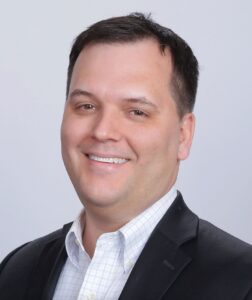
Curtis Layton, PhD, CEO and co-founder of Protillion Biosciences
Layton developed Prot-MaP while working in Greenleaf’s lab, then organized Protillion in 2019 to commercialize the technology. Layton’s work pioneered a new approach to high-throughput interrogation of biochemical systems, tackling ultra-high-impact technology approaches for drug discovery by uniting fields that included protein engineering, next-generation sequencing technology, molecular biology, in vitro transcription and translation, computational biology, software development, and various engineering disciplines.
Days rather than months
“Prot-MaP is a technology platform that allows us to test millions of protein interactions simultaneously, generating an unprecedented amount of data in a matter of days rather than months. For example, we can rapidly evaluate large libraries of therapeutic protein candidates to see how they bind to different targets and how they behave under different biological conditions,” Robert Hollingsworth, PhD, Protillion’s CSO, told GEN.
“We then combine that data with proprietary AI and machine learning tools to understand what drives the best-performing proteins and quickly design improved candidates. This gives us the ability to engineer antibodies with highly specific characteristics, such as stronger and more precise target binding, the ability to engage multiple targets, or the ability to activate only under certain physiological conditions,” Hollingsworth explained. “In practical terms, Prot-MaP helps us discover and optimize better drug candidates faster, with a level of insight and precision that has not previously been possible at this scale.”
Prot-MaP allows Protillion to test up to one million protein variants simultaneously in a single experiment and generate results in as little as 48 hours.
“Because we operate multiple proprietary platforms in parallel, we can rapidly scale that capability and generate enormous amounts of experimental data on demand,” Hollingsworth explained.
What makes Prot-MaP unique, he continued, is not just its scale, but its combination of scale, speed, and AI.
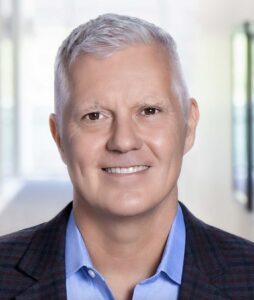
Robert Hollingsworth, PhD, Protillion Biosciences’ CSO
“The platform is designed to seamlessly connect high-throughput protein testing with proprietary machine learning models, allowing us to quickly identify promising drug candidates, understand what makes them work, and design improved versions,” Hollingsworth said. “This enables us to tackle everything from discovering entirely new therapeutic molecules to optimizing existing candidates for multiple desired characteristics. In practical terms, Prot-MaP helps us find and develop better biologic medicines faster and more efficiently than traditional approaches.
Opposite approach
How does Prot-MaP overcome the complexity of protein molecules, which has long been a hurdle in protein and biologics design?
“Many companies start with AI and then look for data. We took the opposite approach,” Hollingsworth said.
Rather than relying primarily on computer predictions of protein structure, he elaborated, Protillion can apply Prot-MaP to directly generate large-scale functional data and identify the best therapeutic candidates based on real-world experimental results.
“What makes this especially powerful is the sheer scale of the data we can generate. While much of the industry has focused on applying AI to relatively limited biological datasets, we believe that the biggest challenge in drug discovery is obtaining enough high-quality data to truly understand the complexity of protein function. Prot-MaP was built to solve that problem,” Hollingsworth said.
By generating millions of protein measurements in parallel, Protillion says, it can create the kind of rich, large-scale datasets needed to train more powerful and predictive machine learning models. Those models, in turn, help design and optimize better therapeutic candidates faster and with greater precision.
“Prot-MaP combines high-throughput experimentation with AI. The platform allows us to rapidly generate the data, and the AI helps us learn from it—creating a cycle that accelerates the discovery of next-generation biologic medicines,” Hollingsworth said.
Speaking with GEN, Layton said Protillion and Merck have charted a course for the start of their drug discovery collaboration.
“Our first two programs focus on inflammatory diseases, where we see significant unmet medical need and strong opportunities for differentiation,” he said.
Immune-mediated inflammatory disorders are Merck’s specialty within its therapeutic area of focus in immunology. Merck focuses on several other therapeutic areas, which include oncology, vaccines, infectious diseases, cardiometabolic and respiratory diseases, neuroscience, and ophthalmology.
“However, the Prot-MaP platform’s capabilities extend far beyond inflammation, enabling the discovery and development of novel biologics across a broad range of therapeutic areas,” Layton added. “As we continue to advance the platform, we expect to expand into additional disease areas where its unique capabilities can have the greatest impact.”
Tech-focused pipeline collaborations
Merck has launched several tech-focused pipeline collaborations in recent months aimed at replenishing its cancer and immunology pipelines, with the goal of developing new therapies that can recoup the billions of dollars in sales the pharma giant will lose as patent exclusivity expires in the United States and elsewhere for its aging blockbusters, including cancer immunotherapy Keytruda® (pembrolizumab) and Gardasil® 9 (Human Papillomavirus 9-valent Vaccine, Recombinant).
In March, Merck inked an up-to-$2.2 billion collaboration with Quotient Therapeutics to apply Quotient’s somatic genomics platform to discover novel drug targets in inflammatory bowel disease (IBD). Also that month, Merck launched a partnership with Infinimmune to apply its Anthrobody® discovery platform and GLIMPSE antibody language model to identify and develop antibody candidates against multiple undisclosed Merck-designated targets. Merck agreed to pay Infinimmune an undisclosed upfront payment and up to $838 million in milestone payments.
Merck has also launched several tech-focused partnerships, with partners that include:
Google Cloud—An up-to-$1 billion collaboration announced in April to deploy an agentic platform across Merck’s R&D, manufacturing, commercial, and corporate functions. Google Cloud engineers are working alongside Merck teams to deploy Google Cloud’s most sophisticated AI, including Gemini Enterprise.
Tempus AI—An expanded, multi-year collaboration of undisclosed value announced in March, aimed at accelerating discovery and development of precision medicine biomarkers, and supporting Merck’s oncology and potentially broader therapeutic portfolios.
Mayo Clinic—An R&D agreement of undisclosed value to apply AI, advanced analytics, and multimodal clinical data to support drug discovery and development. The agreement integrates Mayo Clinic’s Platform architecture, as well as clinical and genomic datasets, with Merck’s ambition of harnessing AI-enabled virtual cell technologies to enhance disease understanding, improve target identification, and drive early development decisions.
In its latest collaboration, Merck has agreed to pay Protillion an undisclosed upfront payment, plus up to $510 million in payments tied to achieving research, development, and commercial milestones toward the successful development of an unspecified number of therapies.
“Compelling opportunity”
“Powerful emerging technologies offer the potential to transform the speed and precision with which we characterize protein landscapes and identify novel therapeutic candidates,” Juan Alvarez, PhD, vice president, discovery biologics at Merck Research Laboratories, said in a statement. “Protillion’s platform offers a compelling opportunity, and we look forward to working with the team to advance these programs.”
Illumina’s venture capital arm, Illumina Ventures, is among investors in Protillion, having joined ARCH Venture Partners in 2022 to co-lead an $18 million financing in 2022.
Based in Carlsbad, CA, Protillion has grown rapidly to a workforce of 30 people. In March, Protillion hired Robert Hollingsworth, PhD, a drug development executive with more than 30 years’ experience in biopharma, as CSO through a placement by executive search firm CollectiveMinds. Before joining Protillion, Hollingsworth was CSO at Shoreline Therapeutics, and earlier held positions in companies that included Pfizer (as vp and CSO of cancer vaccines and immunotherapeutics), Pharmacia & Upjohn (since absorbed into Pfizer), GlaxoSmithKline (GSK), and MedImmune (acquired by AstraZeneca).
Protillion says it is continuing to expand its team and facilities, with the aim of supporting its internal pipeline and high-value strategic partnerships.
“We plan to hire six more FTEs [full-time equivalents] by the end of the year,” Layton said.
Brain organoids created in the lab using patient cells have allowed researchers based at the Wilhelmina Children’s Hospital in Utrecht to find out more about the progression of an ultra-rare type of childhood Parkinson’s disease.
Notably, as reported at the European Society of Human Genetics meeting in Gothenburg this week, the study also identified that an affordable and readily available form of vitamin B3 could help improve symptoms in these children.
Irena Muffels, MD, PhD, a clinical genetics resident at the Wilhemina Children’s Hospital, was working at the Icahn School of Medicine at Mount Sinai, New York, when the study began. Two parents contacted the lab where she was working to ask if they could look into the condition their children had been diagnosed with, a rare form of early Parkinson’s caused by mutations in the DHDDS gene.
“They contacted Professor Eva Morava, for whom I was then working. We started creating mini-brains—tiny blobs of brain tissue grown in the lab from patients’ own cells—thus avoiding the need to take samples directly from the children’s brains,” she explained.
Muffels and colleagues observed these mini brains in the lab and found there were significant signs of deterioration after four months mirroring that seen in the brains of children with this rare condition.
In healthy cells, DHDDS helps make dolichol, a small fat-like molecule that acts as a platform for attaching sugars to proteins. When DHDDS doesn’t work properly, dolichol levels fall. As a result, cells struggle to attach sugar chains, called glycans, to proteins in the usual way.
Those glycans are important because they help proteins fold correctly, reach the right place in the cell, and function as they should. In the patient‑derived mini brains, the team could see that these sugar chains were formed incorrectly.
Low dolichol also disrupts overall lipid regulation and causes cholesterol to build up in astrocytes, the brain’s supportive cells. “This accumulation builds over time, and this is why we think the disease progresses,” said Muffels, “since the accumulation of cholesterol leads to mitochondrial dysfunction, leading in turn to reduced energy production.”
Perlara, a rare‑disease biotech public benefit corporation that runs phenotypic screens in simple ‘patient avatar’ organisms, helped Muffels and colleagues identify nicotinamide mononucleotide, a naturally occurring type of vitamin B3, in a yeast‑based assay as a potential modifier of DHDDS‑driven cellular stress.
The vitamin appeared to have positive effects on the mini brains, and when the families of patients heard about it, they began using the supplement as it is readily available without a prescription and known to be safe. Within a few weeks, the patient’s walking got better and they had more energy and less tremors.
“The word about nicotinamide mononucleotide reached more DHDDS patients, and we currently have 12 patients taking it. We recently received funding from Congenital Disorders of Glycosylation UK… to start an international trial for nicotinamide mononucleotide supplementation in DHDDS-related disease,” said Muffels.
“Patients will take nicotinamide mononucleotide for a year and will be evaluated every three months. Although I have now left the U.S., I hope that the Wilhemina Hospital in Utrecht will be one of the official sites and that I may continue to work with these patients.”
You’re reading the web edition of STAT’s Health Tech newsletter, our guide to how technology is transforming the life sciences. Sign up to get it delivered in your inbox every Tuesday and Thursday.
Good morning health tech readers!
Think anyone will notice if I sneak out to go to a parade in New York on Thursday?
The mission of the International OCD Foundation — to ensure that no one affected by OCD or related disorders suffers alone — requires the collaboration and dedication of countless individuals and professionals around the world. Each year, the IOCDF is honored to recognize a few of these contributors who have gone above and beyond to inspire hope, build community, and move us closer to a world where everyone has access to effective support and care.
These awards will be presented at the 31st Annual OCD Conference, sponsored by OCD Institute Texas, on Saturday, July 11, 2026.
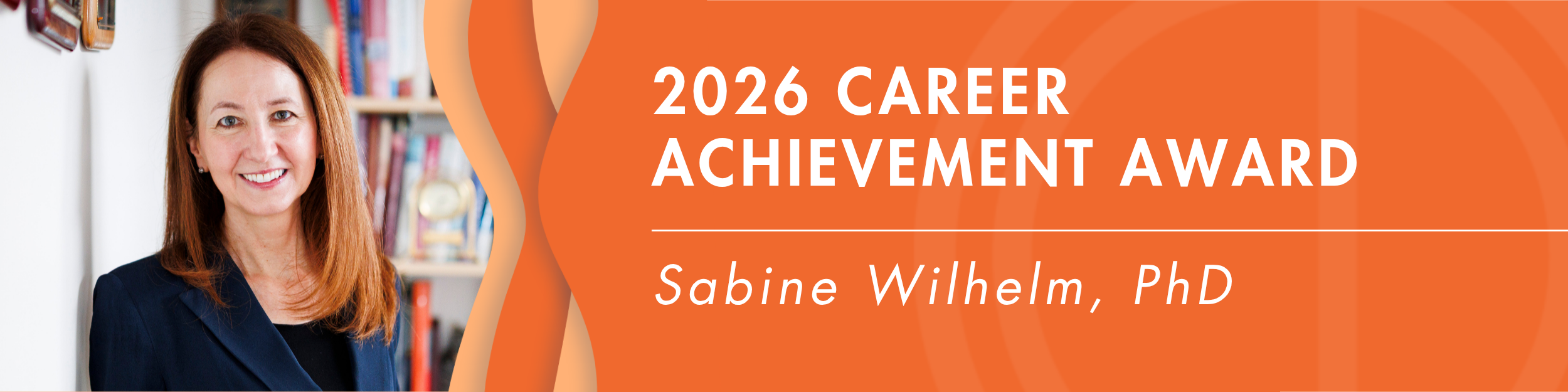
2026 Career Achievement Award Winner: Sabine Wilhelm, PhD
Highlighting the significant and notable contributions of a professional in the field of OCD and related disorders.
Sabine Wilhelm, PhD, is the Donovan-Chien Family Endowed Professor at Harvard Medical School and Chief of Psychology at Mass General Brigham. She directs both the Center for OCD and Related Disorders and the Center for Digital Mental Health at Massachusetts General Hospital. Dr. Wilhelm’s work leverages AI and technology to improve mental health care globally, focusing on developing personalized, scalable digital treatments. She has authored 375 publications and nine books. She has received major awards, including the NAMI Scientific Research Award and the Peter Ranney Innovation Award from the World Medical Innovation Forum. Dr. Wilhelm is the outgoing Chair of the IOCDF Scientific & Clinical Advisory Council after serving since 2023, and she has served on numerous committees to support the Foundation’s work to advance research and resources for OCD and related disorders.
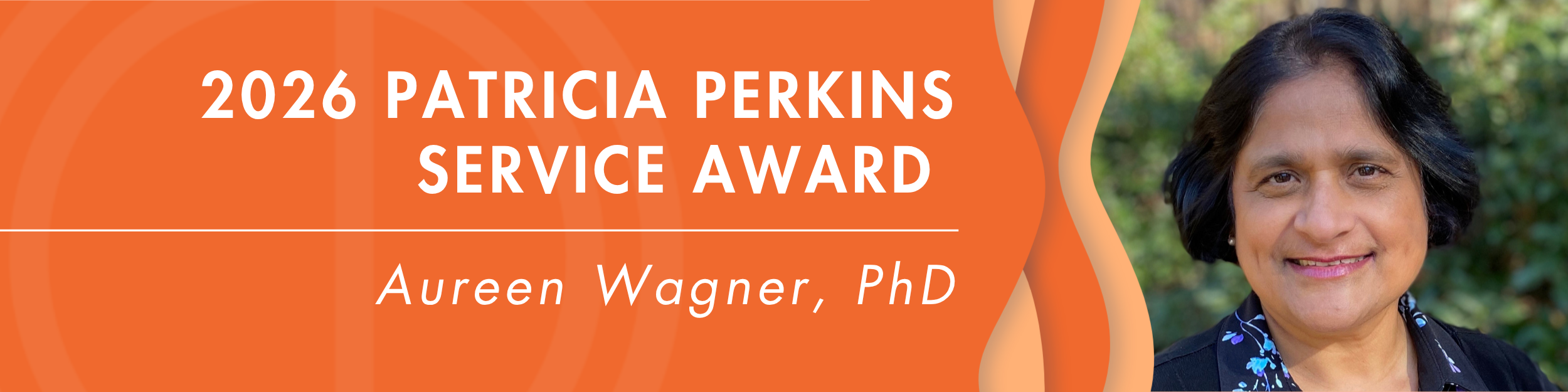
2026 Patricia Perkins Service Award Winner: Aureen Wagner, PhD
Honors any professional or IOCDF member who has stood out as a long-time (10+ years) and active contributor to the IOCDF in multiple ways. This award is named after Patricia Perkins, IOCDF co-founder, past president of the Board of Directors, and previous executive director.
Winner Bio: Aureen Pinto Wagner, PhD, has been involved with the International OCD Foundation since 1992 and a frequent presenter at its conferences and programs for families, clinicians, and youth. She serves on the IOCDF’s Scientific and Clinical Advisory Board and has been faculty with the Behavior Therapy Training Institute since 2001.
Dedicated to expanding access to evidence-based OCD treatment, Dr. Wagner provides clinician training, workshops, and consultation nationwide. She is the author of the professional treatment manual Treatment of OCD in Children and Adolescents: A Professional’s Kit and several award-winning books for families, including “Up and Down the Worry Hill: A Children’s Book about Obsessive-Compulsive Disorder and its Treatment,” “What to do when your Child has Obsessive-Compulsive Disorder: Strategies and Solutions” and “Worried No More: Help and Hope for Anxious Children.”
At The Anxiety Wellness Center in Cary, North Carolina. Dr. Wagner provides in-person and telehealth treatment for children, adolescents, and adults with OCD, anxiety, and related conditions, along with parenting support for families.
2026 Hero Award Winner: Stephen Smith
Recognizes any individual that has stood out as a particularly effective advocate for OCD and related disorders or who helped raise awareness of these disorders.
Stephen Smith is the Co-founder and Chief Executive Officer of NOCD, the world’s largest OCD-specialty treatment provider for both adults and children. After emerging from a personal struggle with undiagnosed OCD and experiencing the success of Exposure & Response Prevention (ERP) therapy first-hand, Stephen made it his mission to transform the behavioral health treatment system for people with OCD and related conditions. Under his leadership, NOCD has done that. NOCD drives OCD awareness campaigns that reach millions of people each year, cares for hundreds of thousands of people with OCD, and is contracted to serve more than 140 million commercial lives nationally.
2026 Youth Hero Award Winner: Gabriella Lee
Recognizes any youth (under 18) that has stood out as a particularly effective advocate for OCD and related disorders or who helped raise awareness of these disorders. This award is presented by UNSTUCK: an OCD kids movie.
Gabriella Chaeyoon Lee is a junior at Great Oak High School in California who is dedicated to promoting mental health awareness, particularly surrounding OCD. Inspired by her personal connection to OCD through her mother’s diagnosis, she actively works to reduce stigma and support others through her school club and independent initiatives. She is passionate about creating safe and inclusive spaces where individuals feel understood and supported. She hopes to continue her advocacy and contribute to meaningful change in mental health communities.
2026 Illumination Award Winner: Tiffany Jenkins
Honors media personalities who have represented OCD or related disorders in a respectful, accurate, and appropriate way, or who have challenged stereotypes and helped to fight stigma around mental health issues.
Tiffany Jenkins is a comedian, New York Times bestselling author, speaker, and podcast host with a combined social media following of over 9 million and more than one billion video views worldwide.
While widely recognized for her relatable and candid comedy, Tiffany is deeply committed to raising awareness around mental health and addiction. Drawing from her own lived experience in recovery, she travels across the United States speaking at high schools, correctional facilities, treatment centers, and conferences, where she delivers impactful, honest conversations that resonate with diverse audiences.
Above all, Tiffany is a devoted mother, bringing authenticity, resilience, and humor into both her work and her everyday life.
Researchers at the University of California, San Francisco (UCSF) have developed a new form of adaptive deep brain stimulation (aDBS) that adjusts therapy in real time as patients walk, improving gait stability and reducing falls in people with Parkinson’s disease.
Published in Nature Medicine, the study demonstrates for the first time that an implanted neurostimulator can detect brain signals associated with individual steps and modify stimulation within fractions of a second. The approach represents a significant advance in personalized neuromodulation and could help address one of the most difficult-to-treat symptoms of Parkinson’s disease.
“Difficulty walking is one of the most disabling symptoms of Parkinson’s disease and one of the hardest to treat,” said senior author Doris D. Wang, MD, PhD, associate professor of neurological surgery at UCSF. “Walking is a highly dynamic behavior that requires precise timing across both sides of the body. We developed a system that can recognize those movement patterns and respond in real time, effectively allowing the stimulation to work with the patient as they move.”
Addressing a major unmet need in Parkinson’s disease
More than 10 million people worldwide are living with Parkinson’s disease, a progressive neurodegenerative disorder characterized by tremor, rigidity, slowness of movement, and postural instability.
Deep brain stimulation has become an established treatment for many motor symptoms of the disease, particularly tremor and rigidity. However, gait impairment, freezing of gait, and falls often persist despite therapy and are major contributors to disability, hospitalization, and loss of independence.
One limitation of conventional DBS is that it delivers continuous stimulation regardless of a patient’s activity. While effective for relatively stable symptoms, this approach may not adequately support complex behaviors such as walking, which require rapid and constantly changing coordination between the brain, spinal cord, and muscles.
The UCSF team hypothesized that stimulation timed to a patient’s actual movements might provide more effective support for gait control.
Turning brain signals into therapeutic feedback
To develop the system, researchers identified neural activity patterns associated with movements of the left and right legs. These movement-related signals were then incorporated directly into an implanted neurostimulator capable of adjusting therapy automatically during different phases of walking.
Unlike previous adaptive DBS approaches that typically respond to slower changes in disease-related brain activity, the new system operates on a timescale of milliseconds and responds directly to behavior itself.
“The brain contains remarkably rich information about movement,” said first author Kenneth H. Louie, PhD, a UCSF postdoctoral scholar. “We found that we could identify neural signatures linked to each step and use them to guide stimulation in real time.”
The researchers liken the device to a cardiac pacemaker. Rather than delivering constant stimulation, the neurostimulator continuously monitors neural signals and dynamically modifies therapy to match the brain’s walking rhythm.
The system performs these adjustments internally without requiring an external computer, making it suitable for real-world use outside the laboratory.
Testing the adaptive system
The study enrolled five individuals with Parkinson’s disease who had previously undergone DBS surgery as part of a UCSF investigational research program.
In addition to therapeutic DBS leads implanted deep within the brain, participants received research electrodes positioned over motor-related cortical regions. These electrodes allowed researchers to record neural activity associated with walking and identify personalized movement signatures for each participant.
Using these individualized neural biomarkers, investigators programmed the implanted device to automatically adjust stimulation during walking.
Laboratory testing demonstrated improvements in several objective measures of gait performance, including increased gait symmetry and reduced variability between steps. Both metrics are associated with more stable and efficient walking patterns.
The researchers then evaluated the system in participants’ daily lives through a blinded, multi-day crossover study comparing periods with adaptive stimulation and periods with conventional stimulation settings.
During adaptive stimulation, participants experienced fewer falls while maintaining overall control of their Parkinson’s symptoms.
No serious adverse events were reported, and participants tolerated the rapid stimulation changes without difficulty.
Although the trial was small, the findings provide early evidence that matching stimulation to behavior may offer benefits beyond those achieved with continuous DBS.
A shift toward behavior-responsive neuromodulation
The study highlights an emerging trend in neuromodulation: moving from static therapies toward systems that continuously sense and respond to changing neural states.
Most adaptive DBS technologies under development focus on biomarkers that fluctuate over minutes or hours. The UCSF approach instead targets neural signals associated with immediate actions, enabling stimulation to respond almost instantaneously.
“This study is about more than walking,” said Wang. “It demonstrates that brain stimulation can adapt to what a person is doing in real time. That opens the door to future therapies that respond dynamically to movement, speech, mood, cognition, and other brain functions.”
The concept could ultimately extend beyond Parkinson’s disease to other neurological and psychiatric disorders in which symptoms vary throughout the day.
Toward intelligent brain implants
Researchers envision future implanted devices that function as closed-loop systems, continuously monitoring neural activity and delivering therapy only when needed.
Such systems could potentially improve treatment efficacy while reducing side effects and conserving device battery life. By tailoring stimulation to specific behaviors or symptoms, clinicians may be able to provide more precise and individualized care.
The work also represents an important technological milestone because the adaptive algorithms were embedded directly within the implanted device rather than relying on external processing hardware.
“This is an important step toward a new generation of brain therapies,” Wang said. “Instead of delivering the same stimulation all day long, future devices may continuously listen to the brain and immediately respond to a patient’s needs. Just as pacemakers transformed the treatment of heart disease, intelligent neurostimulators may transform how we treat disorders of the brain.”
While larger clinical studies will be needed to confirm the benefits of the approach, the results provide an early demonstration that real-time, behavior-responsive neuromodulation may offer a new way to address some of Parkinson’s disease’s most challenging symptoms.




 on-chip antibody discovery platform.