

Gene Therapy Briefs: Regeneron Wins FDA Approval for First Neurosensory Gene Therapy

The FDA has granted accelerated approval to Regeneron Pharmaceuticals’ Otarmeni™ (lunsotogene parvec-cwha) as the first gene therapy designed to restore a neurosensory function to normal levels.

Otarmeni is an adeno-associated virus vector-based gene therapy indicated for treating children and adults with severe-to-profound and profound sensorineural hearing loss, defined as any frequency >90 decibel hearing level [dB HL], associated with molecularly confirmed biallelic variants in the OTOF gene, preserved outer hair cell function, and no prior cochlear implant in the same ear.

Otarmeni (formerly DB-OTO) is the first and only in vivo gene therapy indicated for OTOF-related hearing loss. Regeneron said it will make Otarmeni available for free in the U.S.

The FDA based its accelerated approval decision on the improvement of hearing sensitivity as measured by average pure tone audiometry (PTA) at week 24 during the Phase I/II CHORD trial (NCT05788536). Twenty participants ages 10 months to 16 years received a single dose of Otarmeni via intracochlear infusion—10 patients in one ear, the other 10 in both ears. Data from CHORD showed:

  • 80% of participants (16 of 20) reported hearing improvements per pure tone audiometry assessments at ≤70 dB HL at 24 weeks, achieving the trial’s primary endpoint, while one additional participant achieved the threshold by week 48.
  • 70% (14 of 20) showed an auditory brainstem response (ABR) at ≤90 decibels at 24 weeks, achieving the trial’s key secondary endpoint.
  • Among participants followed to 48 weeks, all prior responders maintained a response to therapy, and 42% of all participants (five of 12) achieved normal hearing that included whispers (≤25 dB HL).

“This unprecedented breakthrough in gene therapy has already proven to be life-changing for many of the children in our clinical trial and their families,” said George D. Yancopoulos, MD, PhD, board co-chair, president and chief scientific officer of Regeneron. 1

The FDA said its accelerated approval may hinge upon verification and description of clinical benefit in the confirmatory portion of the CHOIRD trial, a first-in-human, multicenter, open-label trial designed to assess the safety, tolerability and preliminary efficacy of DB-OTO in infants, children, and adolescents with otoferlin variants.

Otarmeni is the first gene therapy, and second new molecular entity, to win FDA approval under the agency’s Commissioner’s National Priority Voucher (CNPV) pilot program.

Launched in October by FDA Commissioner Martin A. Makary, MD, CNPV awards vouchers to drug developers whose work is deemed to address a health crisis in the U.S., deliver more innovative cures, address unmet public health needs, and increase domestic drug manufacturing as a national security issue. The vouchers entitle companies to reviews of their final applications within a target timeframe of 1–2 months rather than the standard 10–12 months.

Intellia’s Lonvo-Z begins rolling BLA following positive Phase III data

Intellia Therapeutics has launched a rolling Biologics License Application (BLA) submission to the FDA seeking regulatory approval of lonvoguran ziclumeran (lonvo-z), after announcing positive topline results from the global Phase III HAELO trial (NCT06634420) in hereditary angioedema (HAE)—the first Phase III data reported for an in vivo gene editing therapy.

HAELO is a randomized, double-blind, placebo-controlled Phase III trial designed to evaluate the efficacy and safety of a one-time 50 mg dose of lonvo-z in adults and adolescents aged 16 years and older with Type I or Type II HAE. The trial’s key endpoints focused on the number of HAE attacks experienced by patients, quality of life, safety and tolerability. Eighty patients were enrolled with 52 receiving lonvo-z and 28, placebo.

HAELO met its primary endpoint. For the six-month efficacy evaluation period (weeks 5 to 28), a one-time infusion of lonvo-z reduced attacks by 87% vs. placebo, with a mean monthly attack rate of 0.26 in the lonvo-z arm vs. 2.10 in the placebo arm.

Other key findings from HAELO:

  • The trial met all key secondary endpoints with statistical significance (p<0.0001). These included a 62% rate of patients who were entirely attack free and therapy free in the lonvo-z arm for the six-month efficacy evaluation period, vs. 11% of patients in the placebo arm.
  • Lonvo-z showed favorable safety and tolerability data. The most common treatment emergent adverse events (TEAEs) during the primary observation period (infusion through week 28) were infusion-related reactions, headache and fatigue. All TEAEs reported as of the data cutoff (February 10, 2026) were mild or moderate, with no serious adverse events observed in the lonvo-z arm.
  • As of the data cutoff, all patients who received lonvo-z at baseline or in crossover after week 28 remained long-term prophylaxis (LTP) free.

“Today’s HAELO results represent a profound milestone for Intellia, the broader CRISPR and precision medicine fields and, most importantly, the HAE community,” said John Leonard, MD, Intellia’s president and CEO. “These data affirm lonvo-z’s potential, with one dose, to offer prolonged freedom from both attacks and the need for ongoing therapy.” 2

Intellia said researchers plan to present additional clinical data from HAELO at the 2026 European Academy of Allergy and Clinical Immunology Congress (EAACI), set for June 12-15 in Istanbul, Turkey (Abstract #100217).

Lonvo-z is designed to inactivate the kallikrein B1 (KLKB1) gene in order to permanently lower kallikrein and bradykinin levels. Lonvo-z is designed as a one-time treatment that is administered in an outpatient setting.

Intellia said it is preparing for a potential U.S. launch of lonvo-z in the first half of 2027.

J. Craig Venter Dies: Pioneer in gene discovery, genomics, and synthetic biology

Craig Venter, PhD, a pioneer in gene discovery, human genomics, and synthetic biology, died April 29 in San Diego after a brief hospitalization for unexpected side effects that arose from treatment of recently diagnosed cancer. He was 79.

Venter was founder, board chair, and CEO of the institute that bears his name in La Jolla, CA. Earlier at the National Institutes of Health (NIH), he helped pioneer gene discovery using expressed sequence tags (ESTs), enabling rapid identification of large numbers of human genes and accelerating genome mapping efforts.

He went on to lead efforts that produced the first draft sequences of the human genome. He and colleagues later published the first high-quality diploid human genome, a scientific milestone that demonstrated the importance of capturing genetic variation inherited from both parents.

Venter’s work helped define and advance modern genomics, as well as launched the field of synthetic biology, where he and his teams constructed the first self-replicating bacterial cell controlled by a chemically synthesized genome—proof that genomes could be designed digitally, built from chemical components, and like a computer, booted up to run a living cell.

Through the Sorcerer II Global Ocean Sampling Expedition, Venter and his teams used metagenomics to reveal microbial diversity, reporting the discovery of millions of new genes and expanding the known universe of protein families—work that added to knowledge and insight of the ocean microbiome and its role in planetary systems.

“Venter was controversial and often challenged the scientific orthodoxy, with critics accusing him of hype and going overboard on privatization,” said John Sterling, Editor in Chief of Genetic Engineering & Biotechnology News, who has known and worked editorially with Venter over the past 35 years. “To many, he was a visionary focusing on technological acceleration and blending academic science with the zeal of an entrepreneur. Supporters saw him as a pioneer who sped up genomics by years.” 3

In addition to founding the J. Craig Venter Institute (JCVI), Venter was a serial entrepreneur who co-founded Synthetic Genomics, Human Longevity, and most recently Diploid Genomics, advancing efforts designed to translate genomics and synthetic biology into tools for health and society.

He was also a fierce advocate for robust federal science funding, as well as for partnerships that accelerate progress across government, academia, and industry.

“Craig believed that science moves forward when people are willing to think differently, move decisively, and build what doesn’t yet exist,” said Anders Dale, president of JCVI. “His leadership and vision reshaped genomics and helped ignite synthetic biology. We will honor his legacy by continuing the mission he built—advancing genomic science, championing the public investments that make discovery possible, and partnering broadly to turn knowledge into impact.” 4

Rocket Pharma selling Priority Review Voucher for Kresladi™ for $180M

Rocket Pharmaceuticals has agreed to sell for $180 million the Rare Pediatric Disease Priority Review Voucher (PRV) it was awarded by the FDA after the agency granted accelerated approval of Kresladi™ (marnetegragene autotemcel).

Kresladi is an autologous hematopoietic stem cell-based gene therapy indicated to treat children with severe leukocyte adhesion deficiency-I (LAD-I) due to biallelic variants in ITGB2 without an available human leukocyte antigen-matched sibling donor for allogeneic hematopoietic stem cell transplant.

The indication was approved in March under accelerated approval based on increase in neutrophil CD18 and CD11a surface expression. The accelerated approval of Kresladi is subject to confirmation of its clinical benefit, to be based on an evaluation of longer-term follow-up data of treated patients in the ongoing Phase I/II trial (NCT03812263) and through a post-marketing registry. The study generated positive topline data showing 100% overall survival at 12 months post-infusion (and for the entire duration of follow-up) for all nine LAD-I patients with 18 to 42 months of available follow-up.

The accelerated approval followed a resubmission of Rocket’s Biologics License Application for Kresladi. The original submission was rejected by the FDA in 2024 through a Complete Response Letter that requested additional Chemistry, Manufacturing, and Controls (CMC) information, but did not raise safety or efficacy issues about the gene therapy.

Rocket said it plans to use proceeds from the PRV sale toward advancing its prioritized cardiovascular gene therapy pipeline, including clinical-stage programs in Danon disease, PKP2-associated arrhythmogenic cardiomyopathy (PKP2-ACM), and BAG3-associated dilated cardiomyopathy (BAG3-DCM).

“The monetization of our PRV, following the FDA approval of Kresladi, provides meaningful non-dilutive capital and extends our cash runway into the second quarter of 2028,” said Gaurav Shah, MD, Rocket Pharmaceuticals CEO. “This strengthens our ability to advance key clinical milestones across our cardiovascular gene therapy pipeline, with all programs on track.” 5

Passage Bio cuts staff 75%, launches strategic review

Passage Bio said it will eliminate 75% of its staff in a cost-cutting restructuring that is part of the company’s effort to review strategic alternatives.

“The Company expects that the aggregate severance and exit costs for the Restructuring Plan will be approximately $3.3 million, which will be recorded primarily in the second quarter of 2026,” Passage Bio said in a regulatory filing. 6

Passage Bio has said it plans to review strategic alternatives that may include merger or acquisition transactions, a reverse merger, a sale of assets of the company, strategic partnerships, licensing opportunities, or other potential paths.

The restructuring followed Passage Bio receiving feedback during a Type C meeting with officials at the FDA that indicated that the company will be required to complete a randomized controlled registrational trial evaluating its lead pipeline candidate PBFT02 as a treatment for frontotemporal dementia (FTD) with granulin (GRN) mutations.

PBFT02 is a gene replacement therapy that uses an adeno-associated virus serotype 1 (AAV1) viral vector to deliver, through intra cisterna magna (ICM) administration, a functional GRN gene that encodes the progranulin protein (PGRN).

The 75% workforce cut amounts to approximately 18 people, based on the 24 full-time employees it reported as of December 31, 2025, according to its annual report.

LEO Pharma acquires Replay for $50M upfront, milestones

LEO Pharma has agreed to acquire Replay, a developer of gene therapies for rare genetic dermatological conditions, in a deal that the buyer said will add deep expertise and a next-generation gene therapy platform to its pipeline, namely Replay’s high‑payload herpes simplex virus (HSV) delivery vector.

LEO Pharma plans to acquire Replay for $50 million upfront, plus milestone payments and tiered single-digit royalties.

Replay’s gene therapy platform is designed to leverage HSV’s capacity to deliver large genes, which according to LEO makes it well suited for addressing rare, genetically driven dermatological conditions. The genetically modified HSV therapy is formulated as a topical gel that targets the deficient gene when applied directly to the skin.

“Replay’s HSV gene therapy platform holds significant promise for patients with rare genetic skin diseases, and realizing its full potential requires focused expertise in medical dermatology—an area where LEO Pharma brings decades of leadership, scale and proven execution,” LEO Pharma CEO Christophe Bourdon said. “The acquisition aligns with our strategy of investing in the most impactful opportunities in dermatology and positions LEO Pharma at the forefront of next‑generation gene therapy.” 7

LEO Pharma agreed to acquire Replay after identifying Replay as a high‑potential opportunity using its artificial intelligence (AI) scouting platform, Innoviewer™. Replay’s lead pipeline drug program is a preclinical phase candidate designed to treat dystrophic epidermolysis bullosa (DEB).

MeiraGTx buys rights to XLRP treatment from J&J for $25M upfront

MeiraGTx Holdings has agreed to acquire from Johnson & Johnson (J&J) all interests in botaretigene sparoparvovec (bota-vec), a gene therapy being developed to treat X-linked retinitis pigmentosa (XLRP).

Under the companies’ asset purchase agreement, MeiraGTx agreed to pay J&J $25 million cash upfront, a one-time regulatory and commercial milestone payment tied to U.S. approval and U.S. sales performance of bota-vec for the treatment of XLRP, plus what MeiraGTx called a high double-digit royalty on global net sales starting in mid-2029.

The sale comes nearly a year after bota-vec failed the 95-patient, Phase III LUMEOS trial (NCT04671433)  by missing the study’s primary endpoint of demonstrating statistically significant vision-guided mobility in patients with XLRP, as measured by a Visual Mobility Assessment (VMA) or maze.

However, MeiraGTx has emphasized results showing that subjects treated with bota-vec were 2.4x more likely to respond than untreated subjects. A Low Luminance Questionnaire – Patient-Reported Outcome (LLQ PRO) showed significant benefit in mobility and dim light function, qualities tested by the VMA—thus indication, according to MeiraGTx, that the maze was not sensitive enough to capture these benefits.

The company characterized data from the LUMEOS trial’s secondary endpoints as very strong, with clinically meaningful and statistically significant improvements shown in each of three domains of vision.

MeiraGTx is the commercial manufacturer of bota-vec and had collaborated in its development with J&J from Phase I development onward. The FDA has granted Fast Track and Orphan Drug Designations to bota-vec, while the European Medicines Agency has granted Priority Medicines (PRIME), Advanced Therapy Medicinal Product (ATMP), and Orphan Drug designations to bota-vec.

“This is a unique opportunity to gain an asset at this stage in development with data supporting a meaningful benefit in patients with no alternative treatment, many of whom are waiting for this life changing therapy and hoping for expeditious approval,” said Alexandria Forbes, PhD, MeiraGTX’s president and CEO. 8

She added that MeiraGTx intends to start filing a Biologics License Agreement (BLA) with the FDA and applications for regulatory approval in the European Union and Japan as soon as possible.


References

1. Regeneron Pharmaceuticals. Otarmeni™ (lunsotogene parvec-cwha) Approved by FDA as First and Only Gene Therapy for Genetic Hearing Loss; Regeneron to Provide Otarmeni for Free in the U.S. April 23, 2026. (Last accessed May 1, 2026)

2. Intellia Therapeutics. Intellia Therapeutics Reports Positive Phase 3 Results in Hereditary Angioedema, Marking a Global First for In Vivo Gene Editing. April 27, 2026. (Last accessed May 1, 2026).

3. Genetic Engineering & Biotechnology News. Genomics Pioneer and Life Sciences Entrepreneur J. Craig Venter Dies at 79. April 30, 2026. (Last accessed May 1, 2026)

4. Craig Venter Institute. J. Craig Venter, genomics pioneer and founder of JCVI and Diploid Genomics, Inc., dies at 79. April 29, 2026. (Last accessed May 1, 2026)

5. Rocket Pharmaceuticals. Rocket Pharmaceuticals Announces $180 Million Sale of Priority Review Voucher. April 28, 2026. (Last accessed May 3, 2026)

6. Passage Bio. Form 8-K, filed April 28, 2026. (Last accessed May 5,2026)

7. LEO Pharma. LEO Pharma bolsters rare skin disease focus through acquisition of Replay gene therapy platform. April 30, 2026. (Last accessed May 3, 2026)

8. MeiraGTx Holdings. MeiraGTx Announces the Acquisition of Botaretigene Sparoparvovec (bota-vec) for the Treatment of X-linked Retinitis Pigmentosa (XLRP). April 16, 2026. (Last accessed May 3, 2026)

The post Gene Therapy Briefs: Regeneron Wins FDA Approval for First Neurosensory Gene Therapy appeared first on GEN – Genetic Engineering and Biotechnology News.
ASGCT Honors Mohamed Abou‑el‑Enein as Outstanding New Investigator

Some scientists build tools. Others build bridges. Mohamed Abou‑el‑Enein, MD, PhD, does both—engineering a high‑dimensional platform that temporally maps CAR T cells, while constructing the translational infrastructure needed to move them from concept to clinic. That dual lens has now earned him two of the American Society of Gene and Cell Therapy’s (ASGCT) top honors: the 2026 Outstanding New Investigator Award and, to his lab, the Best of Molecular Therapy Award, which features the contributions of leading early-career authors to the Molecular Therapy family of journals.

This year’s Molecular Therapy recognition highlights a study from Abou‑el‑Enein’s lab, published in May 2025, that uses spectral flow cytometry to map how CAR T cells remodel during manufacturing, revealing a five‑day window when the cells are most potent. The work reflects a core principle of his group: you cannot rationally engineer what you cannot precisely measure. Their high‑dimensional analytical tools are designed to simultaneously capture the full profile of each engineered cell, information that directly shapes how next‑generation therapies are built.

“Spending my career bridging scientific discovery and patient care, both by supporting others and through our own research, makes this dual recognition especially meaningful,” said Abou‑el‑Enein. “The contribution of translational scientists has long been underestimated and under‑acknowledged, and having a committee of peers recognize its value means a great deal to me.”

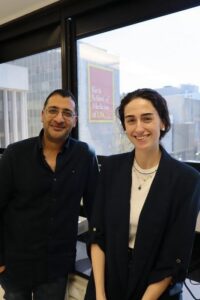
Mohamed Abou-el-Enein and Amaia Cadinanos-Garai [Anson Cheung]

As a physician‑scientist, Abou‑el‑Enein brings comprehensive training to the problems of cell and gene therapy translation, a trajectory shaped across leading institutions globally. His path spans clinical medicine, regulatory science, biomanufacturing, and data science—training that now converges at the University of Southern California (USC), where he leads the USC/Children’s Hospital Los Angeles Cell Therapy Program and directs the institution’s cGMP manufacturing facility. His team has built a platform capable of producing a wide range of advanced therapies, from viral vectors to stem‑cell–based products. As USC’s Chuck Murry, MD, PhD, director of the Eli and Edythe Broad Center for Regenerative Medicine and Stem Cell Research noted, he brings “an eclectic mix of cell biology, biomanufacturing, and patient‑centered humanity” to the role.

The Abou‑el‑Enein lab extends that mission by developing computational platforms that unify analytical data with predictive modeling. Their newest effort—UNICORN (UNIfying Cell Therapy Outcome prediction and Regulatory Navigation)—integrates high‑dimensional analytics with machine learning to forecast therapeutic performance and streamline regulatory decision‑making for pediatric cancers and rare diseases. It’s a natural evolution of the group’s earlier work, which established a powerful analytical framework for tracking CAR T cell states over time.

Their broader analytical ecosystem includes tools for single‑cell characterization, computational modeling, and non‑viral precision genome engineering, all designed to support translation from the earliest stages of design.

As he prepares to deliver his Outstanding New Investigator lecture in Boston, Abou‑el‑Enein said the meeting is a chance to reconnect with the community that shaped his translational philosophy.

“These awards are catalysts that give me motivation to keep going,” he said. “I always remind my team… we do science because we believe that what we do will make a difference. It’s really about helping patients and making sure they have a real chance.”

The post ASGCT Honors Mohamed Abou‑el‑Enein as Outstanding New Investigator appeared first on GEN – Genetic Engineering and Biotechnology News.

Why we left the FDA: Six former officials share their stories

A year after U.S. DOGE Service cuts shook up the federal government, STAT’s FDA reporter Lizzy Lawrence has been speaking with former officials about their time at the agency. Two weeks ago, I hit the road with Lizzy to interview six of them about what drew them to the agency, the important work they did during their career there, and, ultimately, why they decided to leave during the second Trump administration. 

In a special road-trip edition of STATus Report, Lizzy and I travel around the leafy suburbs of Washington to bring you first-person testimonies, including the former director of the FDA’s Center for Drug Evaluation and Research, Richard Pazdur; Sheryl Lard-Whiteford, a leader in the FDA’s biologics center; and Julie Tierney, who worked on Operation Warp Speed.

Human Antibodies Identified That Have Potential To Prevent and Treat Measles Virus

Scientists at La Jolla Institute for Immunology (LJI) say they are the first in the world to characterize human monoclonal antibodies (mAbs) capable of neutralizing measles virus (MeV). The antibodies, derived from the memory B immune cells of an individual who had previously received the MMR vaccine years previously, bind to key hemaggglutinin (H) and fusion (F) surface virus proteins, preventing viral entry into host cells.

The researchers, headed by Erica Ollmann Saphire, PhD, LJI professor, president, and CEO, say the new panel of human antibodies may form the basis for future medical therapies against measles infection. In their newly reported study the team showed that an infusion of the antibodies resulted in 500-fold lower viral load in a rodent model of measles infection.

“These antibodies work as prophylaxis—to protect from initial infection—and they work after viral exposure as a treatment to fight measles infection, said Saphire. “It may be possible to give someone an infusion of these antibodies and deliver the immune response they wish they had.”

In their study (“Human neutralizing antibodies targeting the measles virus hemagglutinin and fusion surface proteins”) reported in Cell Host & Microbe, the team concluded “Characterization of these fully human mAbs provides avenues for prophylactic or therapeutic intervention against re-emerging MeV.”

Measles virus is “… a highly transmissible paramyxovirus, can cause severe complications and death, particularly in infants and young children,” the authors wrote. “A live-attenuated vaccine derived from a genotype A MeV strain provides vaccinees with lifelong immunity and protective antibodies against all 24 MeV genotypes in circulation.”

However, in recent years, decreased vaccination rates have led to deadly measles outbreaks across the U.S. and around the world. This sharp rise in measles cases is especially dangerous for the millions of people who cannot receive a measles vaccine. While the measles vaccine is incredibly safe and effective, it does contain a live, weakened virus. This means that people who have compromised immune systems, such as those who are pregnant or receiving chemotherapy, including children, cannot receive the vaccine. The very young are also at risk. Infants must wait until they are 12 months old to be vaccinated, and most children in the U.S. aren’t fully vaccinated against measles until they are six years of age.

“There are a growing number of people that can’t be vaccinated or haven’t been fully vaccinated,” said Saphire. “The very same people who can’t be vaccinated or can’t be vaccinated yet, are the same people for whom a measles virus infection would be the most severe—or be lethal.”

Until recently, enough people were vaccinated against measles virus that the risk of exposure for this unvaccinated group was very low. Unfortunately, that community protection—herd immunity, is no longer. LJI scientists are on a mission to find treatment options for the most vulnerable.

There are currently no measles-specific therapies to help patients. The new study shows that monoclonal antibody therapies may may be a feasible option. Monoclonal antibody treatments contain many copies of a neutralizing antibody, and are widely used for a variety of infectious diseases. Even infants receive monoclonal antibody therapies each year to prevent respiratory syncytial virus (RSV).

To design a monoclonal antibody treatment for measles, researchers need a clear picture of how human antibodies fight the virus. However, as they noted, “Despite the global presence of MeV and widespread use of the vaccine, few studies have mapped the human antibody response. We do not yet know how human antibodies, from either measles vaccination or natural infection, recognize and protect against the virus.”

Saphire and her colleagues began by harnessing an imaging technique, cryo-electron microscopy (cryo-EM), to capture the first-ever glimpses of how antibodies bind to the measles virus. They started by examining mouse antibodies, and published that work in a recent paper. That initial study showed where measles virus is vulnerable to antibody attack. The mouse antibodies, the researchers showed, latched onto the virus fusion protein, to block viral entry into a cell.

To find out whether human antibodies could do the same thing, the researchers analyzed blood from a clinical research volunteer. “We evaluated 15 MMR-vaccinated donors for their polyclonal MeV responses to identify individuals with vaccine-induced, protective, circulating antibodies,” they explained. The 56-year-old female volunteer they selected had been vaccinated against measles many years before, and already had antibodies ready to fight measles virus. This individual “… demonstrated the highest polyclonal response and the most H- and F-reactive memory B cells.”

From the one blood sample, the LJI scientists isolated antibodies that bind to the measles virus fusion protein, along with other antibodies that bind to the virus hemagglutinin protein. They then captured 3D images of these antibodies bound together with the measles virus. “We found that these antibodies are exceptionally potent,” said study first author, LJI Instructor Dawid Zyla, PhD. “Two orders of magnitude better than comparable molecules reported at conferences.”

Measles virus is a shape-shifting virus. When it meets a human cell, it unfolds to reveal viral machinery that fuses with the host cell membrane. The new study shows that antibodies targeting the fusion protein work by locking the protein in place, leaving the virus unable to shape shift and infect a host cell. The next step was to test these antibodies in a preclinical animal model. Study collaborators at The Ohio State University carried out key experiments in cotton rats. They found that all four lead antibodies reduced viral load when given either before measles exposure or within 24 to 48 hours after measles virus infection. One antibody, designated 3A12, which binds to a site on the F protein, rendered the circulating virus actually undetectable.

While more work needs to be done, the researchers see these antibodies as promising tools in the fight against measles. Their new images of the antibody structures provide the materials needed to make the world’s first before- or after exposure treatment for measles virus. “Now we know what we’re aiming for, and we have the antibodies we need,” said Saphire.

In their paper the authors stated, “The protective mAbs identified here target four distinct, non-competing epitopes, and may be combined as cocktail therapies to enhance treatment potency, maintain durable protection, and reduce the risk of viral escape.… these human mAbs themselves, which recognize conserved sites and inhibit measles by complementary mechanisms, represent a basis to develop a treatment that is urgently needed as measles virus infections surge globally.”

The post Human Antibodies Identified That Have Potential To Prevent and Treat Measles Virus appeared first on GEN – Genetic Engineering and Biotechnology News.

Autism Screening Proposed for Children with Epilepsy

Children with epilepsy are up to 10 times more likely than others to also have autism, according to research that exposes the scale of the association between the two conditions.

The findings, in more than 30,000 children, stress the importance of screening for developmental concerns among those with epilepsy, so support can be delivered as early as possible.

The study, Developmental Medicine & Child Neurology, revealed that girls with autism spectrum disorder (ASD) were more likely than boys to also have epilepsy.

Higher rates of intellectual disability were also seen in children with autism who additionally had epilepsy, and they were also diagnosed with the neurodiversity at an earlier age.

“Our findings emphasize the importance of screening for autism in this population to support earlier diagnosis and timely intervention, both of which are key to improving long-term outcomes,” said senior investigator Elaine Wirrell, MD, from the Mayo Clinic.

ASD and epilepsy are complex disorders of neuronal connectivity that frequently co-occur because of shared molecular and biological mechanisms.

While the increased risk of ASD in children with epilepsy is well documented, there are gaps in knowledge around its incidence and prevalence, and risk factors for their co-occurrence.

To investigate further, Wirrell and team studied the medical records of 30,490 children in Olmsted County, Minnesota, of whom 257 (0.84%) were diagnosed with epilepsy before the age of 19 years.

They found that children with epilepsy were more likely have ASD across all three research and clinical definitions compared with other children, with this likelihood increased between six and 10-fold.

The prevalence was a corresponding 21.4% versus 3.2% using broad research criteria, 14.0% versus 1.6% across stricter research criteria, and 7.9% versus 0.7% for a clinical diagnosis.

Among children with autism, those also with epilepsy were more likely to have a lower IQ on standardized testing than those in whom epilepsy was absent (56.5% versus 15.4%). Specifically, an IQ of less than 70 was observed in 57.4% of children with co-occurring epilepsy and autism compared with only 15.4% autism alone.

Those with autism and epilepsy were also more often female than those with autism alone (38.2% versus 25.8%), and were identified with autism at a younger age, at a mean of seven years and five months versus eight years and eight months).

“These insights underscore the critical need for comprehensive and early screening protocols to better address and manage the intersection of autism and epilepsy, ensuring timely interventions and tailored support for affected individuals,” the researchers concluded.


The post Autism Screening Proposed for Children with Epilepsy appeared first on Inside Precision Medicine.

A two-decade bibliometric analysis (2004–2024) of parental factors in the context of internet gaming disorder research

ObjectiveThis is the first targeted bibliometric analysis which explores the development of scientific production on the relationship between parenting and Internet Gaming Disorder (IGD) over twenty years, emphasizing the central role of the family context in the etiology and maintenance of IGD.MethodsPapers indexed in Scopus and Web of Science databases from 2004 to December 31, 2024, were analyzed using the PRISMA guidelines, the R package Bibliometrix, and VOSviewer. A comprehensive search strategy was developed using Boolean operators to capture variations of parental and gaming-related terminology. Records were exported in BibTeX format and were merged and cleaned to remove duplicates before the analysis. A descriptive bibliometric analysis, bibliometric mapping, and content analysis were conducted to identify trends and thematic clusters. The analysis included 389 publications.ResultsThe most cited papers confirm the association of low parental warmth, family dysfunction, and comorbid psychiatric symptoms with a higher risk of IGD. Thematic mapping reveals six dominant clusters covering the conceptualization and diagnosis of IGD, parental mediation and virtual environment, psychological vulnerability and mental health, parenting and attachment, parenting styles and self-control, and problematic screen-related behaviors, and a strong concentration of publications in China, Germany, and the USA. The analysis also revealed an increase in publication output after 2013, with a notable acceleration following the inclusion of gaming disorder in the International Classification of Diseases 11th Revision (ICD-11).ConclusionThe bibliometric analysis reveals the rapid growth of research on parenting and IGD, highlighting the multifactorial nature of the disorder where dysfunctional family relationships increase risk, while supportive ones reduce it. Despite progress, longitudinal studies are needed for better understanding of causality and interventions.

Official leading CDC’s cruise ship program retires

WASHINGTON — The top U.S. official responsible for public health on cruise ships is stepping down, according to an internal Centers for Disease Control and Prevention announcement obtained by STAT.

The retirement of Luis Rodríguez, who has been part of the Vessel Sanitation Program since 2010 and served as its chief since 2023, was announced internally at the CDC on Wednesday.

Read the rest…

STAT+: Pharmalittle: We’re reading about Sanofi and an FDA voucher, FDA rethinking a rejection, and more

Top of the morning to you, and a fine one it is. Sunny skies and mild breezes are enveloping the Pharmalot campus once again. And to celebrate, we are brewing still more cups of stimulation and inviting you to join us. Our choice today is Jack Daniel’s. Yes, this is a real thing. And remember, a prescription is not required. So no need to mess with rebates, coupons, or TrumpRx. Meanwhile, here are a few items of interest. Hope you have a smashing day and conquer the world. And of course, do stay in touch. We appreciate feedback, criticism and tips. …

Sanofi asked the U.S. Food and Drug Administration to pull its type 1 diabetes drug, teplizumab, out of FDA Commissioner Marty Makary’s new speedy review program, STAT reports. The move comes after acting Center for Drug Evaluation and Research Director Tracy Beth Høeg disagreed with a staff decision to approve the drug. The agency missed its April 21 goal date to deliver a decision to Sanofi. Such decisions are typically made by career scientists. It is rare for a center director to become involved in scientific review of a single drug, and particularly a political appointee like Høeg. Makary recently said that he stands behind review teams, and that “disaster” occurs whenever political leaders overrule scientific staff. 

An experimental drug from Revolution Medicines that nearly ​doubled survival time for patients with advanced pancreas cancer in clinical trials comes with a high rate ‌of mostly low-grade side effects, Reuters tells us. A report by researchers from a first-in-human trial of daraxonrasib is the first peer-reviewed paper to show safety data for what analysts say could become the next standard of care for previously treated metastatic pancreatic cancer. Among the 168 patients with previously treated pancreatic ductal adenocarcinoma who received daraxonrasib in the early trial, treatment-related adverse side effects ​of any grade occurred in 96%, while severe or life-threatening events were reported in 30%.

Continue to STAT+ to read the full story…

Next Gen Leadership Awards Presented at the AGBT Agricultural Meeting

Last month, the AGBT Agricultural Meeting was held in Phoenix, Arizona. The conference is focused on agricultural genomics—plant and animal genetics. During the meeting, the recipients of the 2026 Next Gen Leadership Awards were announced.

These awards recognize outstanding early-career scientists and graduate students whose work and potential are shaping the future of agricultural genomics, including advances in plant and animal genomics. Award recipients receive financial support to attend and present their research at the AGBT Agricultural Meeting, with opportunities to engage with leaders in the field and build connections across the genomics community.

“These awardees reflect the strength and diversity of emerging talent in agricultural genomics,” said Sarah Hearne, PhD, chief science and innovation officer at CIMMYT and co-chair of the AGBT Agriculture Scientific Organizing Committee. “AGBT Agriculture plays an important role in bringing these scientists into conversation with leaders across the field, helping accelerate the translation of genomics into practice.”

The awardees represent rising leaders in agricultural genomics, advancing research across genomic variability, genetic analysis, molecular diagnostics, pathogen surveillance, and quantitative trait genomics to improve crop performance, strengthen food safety, and advance sustainable agriculture.

“This award represents a transformative opportunity to grow as a scientist and contribute more effectively to innovation in animal breeding,” said Larissa Bordin Temp, a 2026 Next Gen Leadership Award recipient.

The 2026 AGBT Agricultural Meeting Next Gen Leadership awardees were:

  • Boris ME Alladassi, PhD: postdoctoral research associate at the University of Illinois Urbana-Champaign
    • Research focus: Connecting the evolutionary and statistical views of epistasis in quantitative trait genomics
  • Mythri Bikkasani: graduate student at Punjab Agricultural University, India
    • Research focus: Connecting the dots: from high-throughput feed phenotyping to genomic dissection of heterosis in maize
  • Larissa Bordin Temp: graduate student at São Paulo State University, Faculty of Agricultural and Veterinary Sciences
    • Research focus: Genomic evaluation of rump fat–adjusted residual feed intake in zebu cattle: implications for selection strategies
  • Lauren Johnson: graduate student at Gluck Equine Research Center, University of Kentucky
    • Research focus: Functional introgression within the horse mhc genes
  • Mehak Kapoor: graduate assistant at Iowa State University
    • Research focus: Cell-type resolved gene expression signatures to identify and predict persistent PRRSV infection
  • Pedro Nuñez Romano, PhD: postdoctoral researcher at Universitat Politècnica de València
    • Research focus: Integrating technology to refine the estimation of social genetic effects in pigs
  • Viona Osei: graduate student at Tuskegee University
    • Research focus: Exploiting genomic variability in Listeria for the development of molecular diagnostic markers
  • Kyungyong Seong, PhD: postdoctoral fellow at the University of California, Davis
    • Research focus: Resurrection of the plant immune receptor Sr50 to overcome pathogen immune evasion
  • Jade van Wijk: graduate student at Earlham Institute
    • Research focus: Using airborne DNA sequencing to monitor sporulation, infection and relative abundance of cereal rust fungi

The post Next Gen Leadership Awards Presented at the AGBT Agricultural Meeting appeared first on GEN – Genetic Engineering and Biotechnology News.

The Download: the tech reshaping IVF and the rise of balcony solar

This is today’s edition of The Download, our weekday newsletter that provides a daily dose of what’s going on in the world of technology.

What’s next for IVF

IVF has brought millions of babies into the world over the last four decades. But the process can still be slow, painful, and expensive—and far from guaranteed to work. Now, a wave of new technologies aims to change that. 

Researchers are using AI to identify promising sperm and embryos, developing robotic systems that could automate parts of the IVF process, and even exploring controversial genetic editing techniques designed to prevent inherited disease.

The technologies could make IVF more effective and accessible. But they’re also raising difficult ethical questions about how far reproductive medicine should go.

Find out what’s next for IVF.

—Jessica Hamzelou

This story is from MIT Technology Review’s What’s Next series, which looks across industries, trends, and technologies to give you a first look at the future. You can read the rest of them here.

The balcony solar boom is coming to the US

Dozens of US states are considering legislation to allow people to install plug-in solar systems, often called balcony solar. These small arrays require little to no setup and could help cut emissions and power bills.

Proponents say the systems could make solar power more accessible, but some experts caution that there are safety concerns. 

Read the full story on balcony solar’s potentially massive impact in the US.

—Casey Crownhart

This article is from The Spark, our weekly climate newsletter. Sign up to receive it in your inbox every Wednesday.

Resistance: 10 Things That Matter in AI Right Now

Resistance against AI’s proliferation is growing. People from all walks of life are speaking out against rising electricity bills from data centers, disappearing jobs, chatbots’ impact on teen mental health, the military’s use of AI, and copyright infringement—among other concerns. 

People want to have a say in how the technology transforms their future. And they’re starting to create small cracks in AI labs’ vision for the future. Find out how.

—Michelle Kim

Resistance is on our list of the 10 Things That Matter in AI Right Now, MIT Technology Review’s guide to what’s really worth your attention in the buzzy world of AI. 

The must-reads

I’ve combed the internet to find you today’s most fun/important/scary/fascinating stories about technology.

1 After years of insults, Anthropic and SpaceX have teamed up
Anthropic will tap SpaceX’s GPUs to meet surging demand. (Axios)
+ While SpaceX gets a marquee customer for its AI ambitions. (Wired $)
+ Anthropic says the deal will double Claude Code’s rate limits. (Ars Technica)
+It’s also exploring building compute capacity in space. (CNBC)
+ Musk previously called Anthropic “evil” and “misanthropic.” (Gizmodo)

2 Ex-OpenAI leaders say Sam Altman sowed “chaos” and distrust
Former CTO Mira Murati said she couldn’t trust his words. (The Verge)
+ He also bypassed OpenAI’s safety board before a model release. (Gizmodo)
+ And pitted leaders against one another. (Forbes)
+ But Elon Musk still tried to recruit Altman to lead a Tesla AI lab. (FT $)
+ Here’s why Musk and Altman are in court. (MIT Technology Review)

3 China’s humanoid robots are fueling its next export boom
Morgan Stanley says Beijing has taken an early lead in the sector. (Bloomberg $)
+ Gig workers are training humanoids at home. (MIT Technology Review)

4 SpaceX’s IPO plans will give Elon Musk “virtually unchecked” authority
And erode typical shareholder protections. (Reuters $)
+ Activists and pension funds are pushing back against the IPO. (Wired $)
+ While SpaceX is shifting focus from Falcon 9 to Starship. (Ars Technica)

5 Google DeepMind will use the MMORPG Eve Online for AI model testing
It’s also bought a stake in the game’s maker. (Ars Technica)
+ DeepMind also recently built a new video-game-playing agent. (MIT Technology Review)

6 The US risks isolating its automakers by banning a Chinese EV standard
It’s prohibiting software that’s dominating global EV markets. (Rest of World)

7 Elon Musk’s proposed Texas chip factory could cost $119 billion
It would manufacture chips for Tesla, SpaceX, and xAI. (CNBC)
+ Future AI chips could be built on glass. (MIT Technology Review)

8 Why the “attention-span crisis” is misunderstood
Technology may be exhausting attention rather than shortening it. (Atlantic $)

9 Scientists are getting closer to explaining what causes lightning
New tools are revealing unexpected physics inside thunderstorms. (Quanta)

10 Kids have found an age verification loophole: fake mustaches
Resourceful children are foiling blocks on adult websites. (TechCrunch)

Quote of the day

“My concern was about Sam saying one thing to one person and completely the opposite to another person.”

—Mira Murati, the former CTO of OpenAI, testifies ‌in court that CEO Sam Altman was deceptive, Reuters reports.

One More Thing

ALAMY


A brief, weird history of brainwashing

During the Cold War, the US prepared for a psychic war with the Soviet Union and China by spending millions of dollars on research into manipulating the human brain. 

The science never exactly panned out, but residual beliefs fostered by this bizarre conflict continue to play a role in ideological and scientific debates to this day. And now, new technologies are altering how we think about mind control. 

This is how the race for mind control changed America forever.

—Annalee Newitz

We can still have nice things

A place for comfort, fun and distraction to brighten up your day. (Got any ideas? Drop me a line.)

+ Listen to the 10 bird songs of spring in this lovely compilation of American species.
+ Good Samaritans saved a 29-foot whale that had wandered too far into a river.
+ Explore the intersection of human emotion and machine learning in this look at AI’s influence on art.
+ Break down the walls between streaming services and manage all your digital music in one place with this app.