

Andrew Griffiths, chief executive of FEDIP, explains why NHS England’s new “expectation” of registration is a turning point.
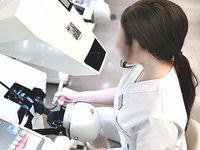
Evaluating the Effectiveness of Screen-Based Haptic Virtual Reality Simulators in Preclinical Prosthodontic Crown Preparation: Mixed Methods Analysis Study
<strong>Background:</strong> Crown preparation is a technically demanding psychomotor skill in undergraduate dental education. While traditional typodont training is the gold standard, it is resource-intensive and difficult to individualize. Screen-based haptic virtual reality simulators (HVRSs) may provide a pedagogical adjunct to conventional training, but their effectiveness in supporting transfer of skills to physical tooth preparation remains unclear. <strong>Objective:</strong> This study evaluated whether 3 hours of self-directed HVRS training improved undergraduate dental students’ performance in physical typodont crown preparation compared with no HVRS training. Secondary aims were to examine self-confidence and students’ perceptions of HVRS-based training. Manual dexterity was assessed exploratorily using the Grooved Pegboard Test (GPT). <strong>Methods:</strong> A mixed methods study was conducted with 44 fifth-semester dental students at Karolinska Institutet. Participants were allocated to an HVRS training group (n=22) or a control group (n=22). The HVRS group completed 3 hours of self-directed HVRS training over 1 week, whereas the control group received no simulator-based training. Both groups then prepared a maxillary right first molar for a monolithic zirconia crown on a phantom head. Crown preparation quality was assessed using PrepCheck, and a blinded examiner scored 8 areas of interest on a 0-3 grading scale. Manual dexterity was assessed using the GPT. Self-confidence was evaluated in both groups using survey items, while perceptions of the HVRS were evaluated only among HVRS group participants. Free-text responses from the HVRS group were analyzed using inductive thematic analysis. <strong>Results:</strong> The HVRS group achieved a higher mean total preparation score than the control group, but the difference was not statistically significant (11.9 vs 10.9; <i>P</i>=.24). In unadjusted analyses, the HVRS group scored higher for total occlusal convergence (<i>P</i>=.04), but this difference did not remain statistically significant after Bonferroni correction for 8 area-of-interest comparisons. Manual dexterity measured by the GPT improved in both groups, but the control group was significantly faster at baseline (<i>P</i>=.04) and postintervention (<i>P</i>=.001). Self-confidence ratings were broadly similar between groups; very low confidence was reported by 5% (1/20) of respondents in the HVRS group and 18% (4/22) in the control group. Most HVRS group respondents rated the HVRS drilling sensation as having limited comparability with typodont teeth and natural teeth. Qualitative responses suggested that students valued the HVRS for understanding procedural steps, applying theoretical knowledge, and allowing repeated practice, while reported challenges included limited realism, visual-tactile disconnect, and occasional technical issues. <strong>Conclusions:</strong> Three hours of self-directed HVRS training did not significantly enhance overall crown preparation quality on typodont teeth or improve students’ general self-confidence. There is preliminary indication that HVRS could assist in mastering specific geometric parameters like total occlusal convergence. Future randomized controlled trials with stratified baseline dexterity and larger sample sizes are required to determine the optimal role of HVRS in dental education.
The Download: worms fight pollution, and geoengineering faces reality
This is today’s edition of The Download, our weekday newsletter that provides a daily dose of what’s going on in the world of technology.
Why worms (and microbes) are catching on as a manure pollution solution
Anthony Agueda, a third-generation California dairy farmer, pulls a rake through a bed of dark, wet wood chips to reveal a half-dozen squirming red earthworms. There are likely hundreds of thousands more wriggling just under the surface.
The worms and microbes are part of a “vermifiltration” system that cleans manure wastewater. The approach may dramatically cut methane, nitrous oxide, and water pollution.
Vermifiltration is just one of a variety of methods that farmers, companies, and scientists are employing to drive down manure pollution as the livestock industry faces growing pressure to address the environmental harms from one of the smelliest parts of the business.
Explore how the humble earthworm could reshape the future of sustainable farming.
—James Temple
MIT Technology Review Narrated: geoengineering gets a reality check
Solar geoengineering, the controversial idea that we could deliberately intervene in the climate system to counteract global warming, is moving beyond computer simulations and into the practical engineering challenges required to make it real.
Researchers are now working on aircraft, materials, and other systems for solar geoengineering. But as they delve into these details, they’re finding that even early deployment would require significant new infrastructure, time, and investment.
—James Temple
This is our latest story to be turned into an MIT Technology Review Narrated podcast, which we publish each week on Spotify and Apple Podcasts. Just navigate to MIT Technology Review Narrated on either platform, and follow us to get all our new content as it’s released.
The must-reads
I’ve combed the internet to find you today’s most fun/important/scary/fascinating stories about technology.
1 The Trump administration has lifted restrictions on OpenAI’s GPT 5.6
The green light came after additional testing and meetings. (Axios)
+ OpenAI subsequently said it will launch widely tomorrow. (Bloomberg $)
+ The rollout had been delayed due to security concerns. (Verge)
+ Does AI know too much? (MIT Technology Review)
2 China is looking at curbing overseas access to its top AI models
Alibaba, ByteDance, and Z.ai attended meetings about the plan. (Reuters $)
+ Beijing is also weighing the security risks of open-weight AI. (SCMP)
+ And has issued a “backdoor” security alert over Claude Code. (CNBC)
3 European NATO allies have unveiled a $50 billion high-tech missile plan
They will engineer stealth and high-speed hypersonic weapons. (BBC)
+ Which can strike targets at least 300 km away. (Reuters $)
+ The Dutch and British are also developing amphibious ships. (Bloomberg $)
4 Meta is testing “super sensing” AI glasses that record every moment
It plans to disable privacy LEDs that alert people when they’re “on.” (FT $)
+ It’s also released an AI image generator. (NYT $)
+ Which lets anyone use your Instagram photos in AI images. (Wired $)
5 China’s DeepSeek is developing its own AI chip, sources say
It could reduce the company’s reliance on Nvidia and Huawei. (Bloomberg $)
+ DeepSeek V4 was a win for Chinese chipmakers. (MIT Technology Review)
6 Wikipedia is fighting to survive the internet’s next era
It’s under attack from MAGA, AI raids, and repressive regimes. (NYT $)
+ AI has given Wikipedia a language problem. (MIT Technology Review)
7 SpaceX plans to launch its first model coproduced with Cursor
The new frontier model could arrive as soon as this week. (Information $)
+ It’s built with AI startup Cursor, which SpaceX is buying for $60 billion. (FT $)
8 A new academic “humanizer” tool can erase signs of AI-written text
But researchers are very divided over its potential impact. (Nature $)
9 Scientists have detected a mystery chemical on Pluto and Titan
It appears to absorb light in a way we don’t currently understand. (Wired $)
10 A Waymo robotaxi reportedly called the cops on drinking teens
Officers then approached the vehicle with guns drawn. (404 Media)
Quote of the day
“Parents do you know where your teens are? Waymo does!”
—Local police post on Facebook that a Waymo in California called the cops on two teenagers for “drinking and shooting from the vehicle.”
One More Thing

MICHAEL BYERS
Your boss is watching
Dora Manriquez has spent nine years driving for Uber and Lyft, where every ride she accepts or rejects is tracked by the apps she relies on for work. Having found herself unable to score enough better-paying rides, she has had to file for bankruptcy.
App-based employers aren’t the only ones keeping a very close eye on workers today. Jobs today—whether in an office, a warehouse, or your car—can mean constant electronic surveillance with little transparency, and potentially with livelihood-ending consequences if your productivity flags.
All that data is shifting the relationships between workers and managers—and protections are lagging. Read the full story on the widening power imbalance it’s created.
—Rebecca Ackermann
We can still have nice things
A place for comfort, fun, and distraction to brighten up your day. (Got any ideas? Drop me a line.)
+ Literary worlds collide in this marvellous Dr Seuss/Stephen King mashup.
+ A daring snorkeler saved a dolphin from a suckerfish—and then celebrated with its whole pod.
+ This clever musical project seamlessly constructs an original song from vocal snippets of 50 artists singing US city names.
+ A long-lost wallet from 1970 was recently unearthed, creating a cute time capsule from its owner’s high school years.
Predictors of unfavorable 3-month functional outcome following intravenous thrombolysis with alteplase in anterior circulation acute ischemic stroke: a prospective cohort study
BackgroundIntravenous thrombolysis with alteplase remains the standard reperfusion strategy for acute ischemic stroke (AIS), yet many patients still experience unfavorable outcomes despite timely treatment, underscoring the need for reliable multimodal prognostic markers.ObjectiveTo identify independent clinical, laboratory, and neuroimaging predictors of unfavorable 3-month functional outcome in anterior circulation AIS treated with alteplase, and to develop, internally validate, and benchmark an integrated multivariable model in accordance with TRIPOD.MethodsThis prospective single-center cohort study enrolled 268 consecutive patients with anterior circulation AIS receiving intravenous alteplase within 4.5 h of symptom onset (March 2022–February 2025). Three-month outcome was assessed by the modified Rankin Scale (mRS 0–2 favorable; 3–6 unfavorable) using validated structured instruments administered by blinded raters. Multivariable logistic regression was performed, and the final model was internally validated by 1,000-replicate bootstrap with optimism correction and shrinkage, evaluated by decision curve analysis (DCA), rendered into a nomogram, and benchmarked head-to-head against three previously published reference models using the DeLong test.ResultsOf 268 patients, 99 (36.9%) experienced unfavorable outcomes. Seven independent predictors were identified: early neurological deterioration (adjusted OR 3.45, 95% CI 2.01–5.92), large infarction exceeding one-third of the middle cerebral artery territory (OR 2.78, 1.58–4.89), baseline NIHSS (OR 1.14 per point, 1.07–1.22), poor Tan collateral score (OR 2.31, 1.34–3.98), low clot burden score (OR 2.15, 1.28–3.61), elevated D-dimer (OR 2.19, 1.29–3.72), and elevated CRP (OR 1.87, 1.11–3.15). The model achieved an apparent AUC of 0.847 (95% CI 0.801–0.893) and an optimism-corrected AUC of 0.831 (0.785–0.877) on bootstrap validation, with satisfactory calibration (Hosmer–Lemeshow P = 0.394). DCA showed positive net benefit across threshold probabilities of 0.15–0.75, and the model exceeded the recalibrated Hu, Ping, and Lv models.ConclusionA multimodal panel integrating clinical, inflammatory, coagulation, and neuroimaging parameters independently predicts unfavorable 3-month outcome following intravenous thrombolysis in anterior circulation AIS. The findings are hypothesis-generating pending external validation in independent multicenter cohorts.
Neonatal propofol exposure impairs synaptic plasticity and cognition, associated with BAG3 upregulation and disrupted synaptic protein homeostasis
BackgroundPropofol is widely used in pediatric anesthesia, but it has been implicated in adverse effects on brain development following repeated early-life exposure. Bag3, a co-chaperone protein involved in proteostasis and the neuronal stress response, may play a critical role in regulating synaptic function during early brain maturation.MethodsNeonatal mice were treated with propofol on postnatal days 5–7. Hippocampal neurogenesis was assessed via BrdU immunofluorescence. Synaptic proteins (PSD95, SNAP25) and Bag3 expression were measured by Western blotting. Behavioral performance in adolescence was evaluated using open-field, elevated plus-maze, Morris water maze, Y-maze, and T-maze tests.ResultsPropofol exposure significantly reduced proliferative activity (BrdU incorporation) in the dentate gyrus and decreased PSD95 and SNAP25 expression in both the cortex and hippocampus. Bag3 expression was markedly upregulated, accompanied by a mild increase in its phosphorylated form. Behaviorally, propofol-treated mice showed anxiety-like behavior and impairments in spatial learning and working memory.ConclusionThese findings suggest that early-life exposure to propofol impairs neurogenesis and synaptic plasticity. This process is temporally associated with the upregulation of stress-responsive co-chaperone BAG3, which precedes the of synaptic protein homeostasis. While causal relationship remains to be established, these findings identifies BAG3 as a candidate correlative marker of anesthetic-induced neurotoxicity and highlights it as a target for future mechanistic studies.
Integrated multi-omics and deep learning analysis reveals neurotransmitter metabolism regulatory mechanisms of Tianwang Buxin Dan
BackgroundTianwang Buxin Dan is a classical Traditional Chinese Medicine formula with documented clinical use in treating neuropsychiatric disorders, yet its molecular mechanisms remain incompletely understood.MethodsWe developed an integrated analytical framework combining transcriptomic and metabolomic profiling with deep learning to investigate the neurotransmitter metabolism regulatory mechanisms of Tianwang Buxin Dan. Data were collected from a para-chlorophenylalanine (PCPA)- induced insomnia rat model following formula intervention. A multi-omics feature fusion strategy incorporating autoencoder-based dimensionality reduction and cross-modal attention mechanisms was implemented to address data heterogeneity.ResultsA total of 1,847 differentially expressed genes and 286 differential metabolites were identified. The constructed deep neural network achieved 91.2% classification accuracy with an AUC of 0.956 in five-fold cross-validation, and permutation testing confirmed that performance was significantly above chance (p < 0.001). Ablation experiments demonstrated that integrated multiomics outperformed single-omics models. Tryptophan hydroxylase 2 (TPH2) upregulation and monoamine oxidase A (MAO-A) suppression were identified as key features and partially validated by qPCR and Western blot.DiscussionTianwang Buxin Dan may modulate neurotransmitter metabolism through coordinated regulation of biosynthetic and catabolic pathways. A component-target-pathway regulatory network identified 47 key molecular targets interconnected through 156 functional associations. This work provides a computational framework applicable to mechanism studies of other compound TCM formulations.
Cerebrospinal fluid mechanics across CNS barriers: from production, circulation, and clearance to mechanomedicine
BackgroundCerebrospinal fluid (CSF) is often framed as a transport medium, yet its motion and pressure dynamics impose continuous mechanical loading on central nervous system (CNS) barrier and interface systems. These cues span scales—from cilia-scale near-wall shear to craniospinal compliance-driven pulsatility—and may shape barrier phenotypes, immune programs, and clearance efficiency. In simple terms, this review asks how abnormal CSF motion is converted into barrier dysfunction and disease-relevant outcomes.Main bodyWe synthesize evidence that CSF mechanics is spatially heterogeneous along the production-to-outflow axis and is sensed by specialized mechanotransduction modules in choroid plexus epithelium, ventricular ependyma, perivascular astrocytic endfeet/neurovascular unit, and meningeal outflow/lymphatic pathways. We discuss how shear, pulsatile forcing, and pressure–compliance relationships interact with mechanosensitive ion/transport channels, ciliary polarity, glycocalyx–ECM/FAK signaling, junctional remodeling, and nuclear mechanotransduction to regulate permeability and immune–metabolic states. We highlight quantitative toolkits, including low-velocity 4D flow MRI, phase-contrast MRI, waveform metrics, microfluidic barrier platforms, and computational modeling, that enable mapping of patient-relevant mechanics to cell-level exposures. Disease sections emphasize mechanical failure modes: oscillatory overload and multi-site CSF–barrier disruption in hydrocephalus; loss of effective pulsatile transfer and impaired perivascular exchange in neurodegeneration; age-related stiffening and altered mechanosensitivity across barriers; meningeal outflow dysfunction with neuroinflammatory amplification; and acute mechanical disruption after trauma.ConclusionWe propose a mechanomedicine framework for CSF–barrier coupling that prioritizes measurable mechanical exposures, interface-specific mechanosensors, and actionable endpoints, including barrier state, permeability, immune trafficking, and imaging-derived coupling metrics. This framework supports closed-loop translational pipelines linking human phenotyping to mechanistically calibrated models and may guide strategies that modulate CSF dynamics or target mechanotransduction nodes with quantifiable outcomes.
Automated diagnosis of Sturge–Weber syndrome by detecting leptomeningeal angiomatosis from MRI using a multi-task deep learning framework
ObjectivesSturge–Weber Syndrome (SWS) is a rare neurocutaneous disorder requiring early and accurate diagnosis. This study aims to develop a deep learning framework for automatic diagnosis of SWS by detecting leptomeningeal angiomatosis (LA) in brain magnetic resonance images (MRI).MethodsThis retrospective study includes 40 SWS patients and 101 healthy controls. T1-weighted MRI were collected over 15 years with different scanners. Multi-scale harmonization was proposed to normalize the images to uniform mean and standard deviation. We developed a deep learning model based on the UNet framework with convolutional neural networks and transformer. A multi-task pipeline was designed to perform LA segmentation and SWS classification. The model was pre-trained on a public dataset and fine-tuned and tested on our dataset using a 5-fold cross validation. The segmentation and classification results were compared with the ground truth and human readers using various metrics at the voxel and LA level.ResultsFor LA segmentation, our model achieved overall Dice, voxel-level sensitivity, specificity, accuracy, and kappa of 0.768, 0.772, 0.992, 0.983, and 0.760, respectively. The LA volume segmented by our model showed a high agreement and consistency with the ground truth, outperforming the human readers. For SWS classification, our model achieved sensitivity, specificity, accuracy, and AUC of 0.974, 1.000, 0.993, and 0.998, respectively.ConclusionWe developed a multi-task learning framework for automated LA segmentation and SWS classification. This single-center proof-of-concept study shows promising performance in both tasks. External validation may boost the clinical application of the developed model, assisting less-experienced neurologists for improved SWS diagnosis.
Knowledge, attitudes, and perception toward new psychoactive substances among Saudi university students: a cross-sectional study
BackgroundNew psychoactive substances (NPS) are defined as chemical compounds that are synthesized or extracted from natural sources with the aim of producing psychoactive effects similar to those produced by controlled substances but not regulated under current legislation. Worldwide, the rise in the use of NPS has been outpacing regulation and education efforts, leading to substantial health risks, especially for the young adults’ population. In Saudi Arabia, substance-use prevention is supported through the Saudi 2030 initiative led by the Ministry of Interior and National Committee for Narcotics Control; nonetheless, most studies conducted at the national level have centered on traditional drugs only.ObjectivesThe purpose of this research was to evaluate the knowledge, attitude, and perception related to NPS among King Faisal University students, and to determine the predictors of better knowledge and permissive attitude.MethodsA cross-sectional study was conducted with 300 students via an anonymous web-based survey questionnaire to assess sociodemographic characteristics and knowledge, attitude, and perception measures. Ethical approval was obtained from King Faisal University (reference no. KFU-REC-2026-MAR-ETHICS4051) on the 12th of March 2025. Chi-squared test/Fisher’s exact test were applied to understand the relationship between sociodemographic variables and level of knowledge, and independent samples t-test/ANOVA for comparison of mean attitude scores. Logistic regression analysis was conducted to identify independent predictors of high knowledge and permissive beliefs.ResultsOut of the respondents (74% females, mean age 18–24 years), (58%) had high levels of knowledge regarding NPS. Access to NPS was easy for (57%), mostly through online media (70.8%) and past usage of NPS was admitted by (39.7%). Significantly greater knowledge regarding NPS was shown by females compared to males (64.0% vs 41.0%; P<0.001), while being male predicted poor knowledge (AOR = 0.407, 95% CI:0.229–0.722, P = 0.002). Prior NPS use (AOR = 2.502, 95% CI:1.209–5.176, P = 0.013) and easy access (AOR = 2.298, 95% CI:1.233–4.285, P = 0.009) independently predicted permissive beliefs. Common use motivations included social gatherings (47.9%), weight loss (40.3%), and stress reduction (37.0%).ConclusionsStudents have moderate to high levels of knowledge, their attitudes towards NPS were significantly influenced by ease of access on the Internet and previous usage experience. This indicates the necessity of educational measures to tackle the increasing threat posed by NPS to Saudi universities.
Increasing familial engagement in family violence services: a systematically conducted realist review of barriers and facilitators
PurposePhysical, emotional, and sexual violence and abuse occurring between close or extended family members are forms of family violence (FV). The negative impacts of FV are diverse, numerous, and pervasive for all individuals involved. To effectively support individuals experiencing FV, services designed to reduce and prevent FV and its associated harms must maintain participant engagement. Therefore, the purpose of this realist review was to synthesize literature on barriers and facilitators to individuals’ engagement in FV services so that relevant strategies can be implemented to improve service effectiveness.MethodsThis realist review was conducted systematically and searched five databases up to August 2024, screening 1, 334 evidence sources. Findings were examined in relation to families and parents, including mothers, fathers, and children, and were supplemented by relevant service provider perspectives.ResultsMost findings from the 24 included studies focused on facilitators of engagement. Priming and introductory sessions, provider-family rapport, group formats, empathy, trustworthiness, and family-centred approaches that consider familial needs and goals were identified as important facilitators of engagement in FV services. Prominent barriers included socioeconomic challenges, competing demands, childcare responsibilities, inadequate provider-client rapport, limited accessibility, intense initial meetings, and long service duration.ConclusionsRooted in family-centred approaches and interagency collaboration, recommended strategies to improve family engagement in FV services focus on opportunities during service: 1) intake; 2) initiation; and 3) delivery. These strategies are described in relation to context (e.g., socioeconomic factors) and potential mechanisms (e.g., perceived cultural safety), and could be further evaluated using implementation science methods to optimize family engagement in FV services.