Immune Cell Phenotyping: Cell Surface Architecture Informs Disease Biology


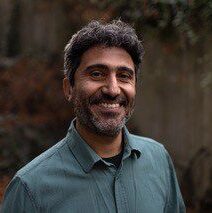
Image of Erdinc Sezgin, PhD

Erdinc Sezgin, PhD

Senior Lecturer
Karolinska Institutet

Panelist

Image of Erdinc Sezgin, PhD

Erdinc Sezgin, PhD

Erdinc Sezgin, PhD, leads the Cell Signalling, Immunity and Nanoimaging (CSI:Nano) Lab at Karolinska Institutet and SciLifeLab in Stockholm, Sweden. His lab works on biophysical principles underlying cellular processes in health and disease, developing advanced imaging, chemical biology, and synthetic biology tools to reveal the molecular mechanisms governing cellular physiology and disease processes.


Image of Hanna van Ooijen, PhD

Hanna van Ooijen, PhD

Scientific Affairs Manager
Pixelgen Technologies

Panelist

Image of Hanna van Ooijen, PhD

Hanna van Ooijen, PhD

Hanna van Ooijen, PhD, serves as the scientific affairs manager at Pixelgen Technologies, a Stockholm-based biotechnology company advancing spatial proteomics and single-cell protein interactomics. In her role, she works at the intersection of immunology, translational research, and emerging spatial biology technologies, helping researchers apply advanced tools to better understand immune cell behavior in areas such as oncology, cell therapy, and autoimmune disease research. Hanna is particularly interested in how nanoscale organization and protein interactions shape immune cell activity, and she has contributed to scientific outreach and presentations on next-generation approaches for profiling immune cells at single-cell resolution.  She earned her PhD from KTH Royal Institute of Technology, where her research focused on understanding the factors that regulate cytotoxic immune cell function, with a particular emphasis on cellular heterogeneity and immune cell dynamics.


Broadcast Date: 

  • Time: 

The biophysical properties of the plasma membrane actively shape immune cell function, providing key insights into chronic disease and immune dysfunction. Measuring membrane order across immune cell populations can reveal functionally distinct cell states invisible to canonical surface markers and open new avenues for therapeutics.

In this GEN webinar, Erdinc Sezgin, PhD, Karolinska Institutet, will present how his lab profiled plasma membrane order across 12 immune cell subtypes simultaneously in healthy donors and patients with long COVID and chronic lymphocytic leukemia. He will also share how sorting NK cells by membrane order, combined with transcriptomics and the Proximity Network Assay (PNA) from Pixelgen Technologies, uncovered distinct subsets differing in cytotoxic potential, migratory capacity, and surface protein organization for biomedical applications.

Key takeaways include:

  • How plasma membrane order varies across immune cell types in chronic disease
  • Using biophysical membrane order to identify NK cell subsets that cannot be distinguished by surface markers alone
  • How spatial surface proteomics via PNA separates functionally distinct NK cell populations
  • How membrane order profiling can complement standard immunophenotyping workflows

A live Q&A session will follow the presentation offering you a chance to pose questions to our expert panelists.

Produced with support from:

Pixelgen logo

The post Immune Cell Phenotyping: Cell Surface Architecture Informs Disease Biology appeared first on GEN – Genetic Engineering and Biotechnology News.

Immune Response Activated by RNA Splicing Opens Targeted Therapies

In a new study published in Nature Communications titled, “Native long-read RNA sequencing of human monocytes reveals activation-induced alternative splicing toward functional isoforms,” researchers at University Medical Center (UMC) Utrecht have uncovered a previously underappreciated mechanism that helps immune cells respond rapidly to infections. The team showed that alternative RNA splicing plays a central role in shaping immune responses. The results provide new insights into immune-mediated diseases, such as infections, rheumatoid arthritis and lupus, and open the door to more targeted therapies. 

The study focused on monocytes, a type of innate immune cell that acts as a first responder to pathogens. Using long-read RNA sequencing, the authors generated a comprehensive map of full-length RNA transcripts in human monocytes before and after activation. They identified more than 24,000 isoforms, the majority of which have never been described, revealing a previously hidden layer of molecular complexity. 

Notably, immune activation triggers widespread ‘isoform switching.’ Rather than simply turning genes on or off, monocytes shift toward producing longer, fully functional RNA variants that are more likely to be translated into proteins. These isoforms contain complete coding sequences, fewer non-coding interruptions, and greater structural complexity, all features associated with more effective protein production. 

“In our study we also confirmed that these RNA changes have real functional consequences,” said Jorg van Loosdregt, PhD, associate professor at UMC Utrecht and corresponding author of the study. “By integrating data on protein synthesis and ribosome activity, we demonstrated that the observed isoform shifts are linked to increased production of immune effector proteins. This shows that alternative splicing directly enhances the cell’s ability to respond to infection or inflammation.” 

While previous studies have linked conditions, such as rheumatoid arthritis and lupus, to genetic variation affecting RNA splicing, the study demonstrates that disease mechanisms may also depend on which isoforms are produced and how efficiently they are translated into proteins. 

“Our study underscores the importance of studying gene regulation at the isoform level. Traditional methods may overlook critical changes that only become visible with full-length RNA analysis,” said van Loosdregt. “The adoption of long-read sequencing technologies could therefore transform research into immune function and disease mechanisms.” 

Emerging approaches, such as antisense oligonucleotides or drugs that influence splicing factors, may enable more precise modulation of the immune system and the development of targeted treatments for immune-mediated diseases. 

The post Immune Response Activated by RNA Splicing Opens Targeted Therapies appeared first on GEN – Genetic Engineering and Biotechnology News.

Experienced Physicians Still Beat AI at Skin Cancer Diagnosis

Artificial intelligence could help support less-experienced clinicians in identifying skin cancer but it still performs more poorly compared with expert dermatologists, research suggests.

The findings, in JAMA Dermatology, suggest that the oft-reported superiority of AI in diagnosing skin cancer may need closer inspection in situations that are more similar to daily clinical practice.

First-generation convolutional neural network (CNN) systems did not maintain their reported advantages when confronted with a broad spectrum of cases, including rare and atypical presentations.

Foundation models were more promising, reproducing a substantial portion of clinical expertise and approaching the diagnostic accuracy of well-trained clinicians while surpassing that of novices.

Nonetheless, these models still fell short of the best experts who had at least a decade of experience.

“This shows that human expertise at the highest level remains indispensable and that experience continues to be the most powerful tool for performance,” reported Luc Thomas, PhD, from Hôpital Lyon Sud in France, and co-workers.

They suggested: “AI tools may be most valuable as decision-support systems for less experienced clinicians, effectively functioning as a virtual mentor.”

The prevailing narrative suggests that AI has matched or surpassed human expertise in medical diagnosis, particularly in the imaging-based specialties.

Yet a substantial gap remains between promising results under controlled experimental conditions and meaningful clinical implementation, which requires integrating factors such as patient demographics, medical history, physical findings, and contextual information.

To get a better comparison in realistic clinical settings, Thomas and team compared the diagnostic performance of 652 physicians with varying dermatological expertise with three AI algorithms: a first-generation CNN model and the PanDerm uni- and multimodal foundation models.

The dataset comprised dermatological images—including clinical and dermoscopic images with associated metadata—from 1117 cases that represented everyday clinical scenarios.

Results showed that expert dermatologists with at least a 10 years’ experience achieved the highest multiclass accuracy, at a mean of 74.2%, outperforming all AI models on this primary endpoint.

The lowest accuracy was for CNN, at 56.7%, while unexpectedly the modern unimodal foundation model outperformed the multimodal version, at a corresponding 72.2% versus 66.3%.

All human readers outperformed the CNN, with the former collectively having an accuracy of 65.9%. However, the unimodal model was better than that of readers with less than a year of experience and those with less than three years of experience, who had accuracies of 59.1% and 68.2%, respectively.

Among the malignant lesions missed by both foundation models, there appeared to be a preponderance of acral localizations.

“The future likely lies in collaboration between humans and machines to optimize diagnostic performance,” the researchers concluded.

“For novice practitioners, AI could serve as a safety net and educational tool. For experts, it could provide an efficient triage modality and a systematic second reading, particularly useful for reducing errors caused by fatigue or inattention.”

The post Experienced Physicians Still Beat AI at Skin Cancer Diagnosis appeared first on Inside Precision Medicine.

<![CDATA[Expert analysis compares adjunctive atypical antipsychotics for MDD, highlighting lumatperone’s larger effect and minimal weight gain or akathisia.]]>

Translating the Promise of AAVs: From Discovery to Delivery


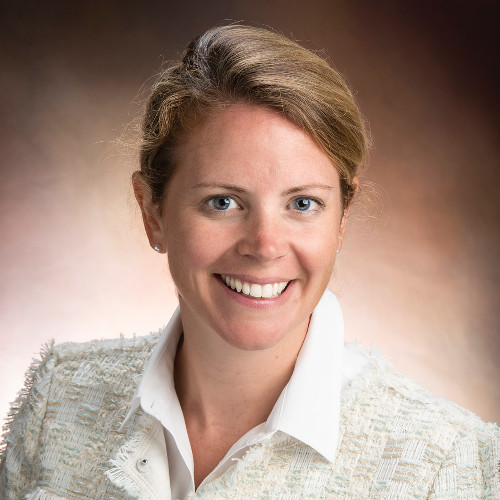
Image of Lindsey A. George, MD

Lindsey A. George, MD

Assistant Professor of Pediatrics,
The Perelman School of Medicine
University of Pennsylvania
Director, Clinical In Vivo Gene Therapy
Children’s Hospital of Philadelphia

Panelist

Image of Lindsey A. George, MD

Lindsey A. George, MD

Dr. George is a physician-scientist whose clinical expertise is in disorders of hemostasis and thrombosis with a particular interest in hemophilia and hemophilia gene therapy. Her basic science laboratory studies the molecular basis of coagulation that in diminished or excess functional states leads to disorders of hemostasis and thrombosis, respectively. The current focus of the George lab is to merge mechanistic studies aimed at understanding the regulation of factor VIII cofactor function with translational efforts in hemophilia A gene therapy. Her group is additionally interested in understanding the mechanistic basis of questions that have emerged from current hemophilia gene therapy clinical trials as well as general studies of adeno-associated viral vectors (AAV). Dr. George was previously the lead clinical principal investigator of multiple early phase hemophilia A and B adeno-associated virus-mediated gene addition trials. In addition to her clinical practice and laboratory, she directs the Clinical In Vivo Gene Therapy at the Children’s Hospital of Philadelphia that long-term aims to safely and efficiently advance translational and clinical research for in vivo gene therapy for children with genetic disorders.


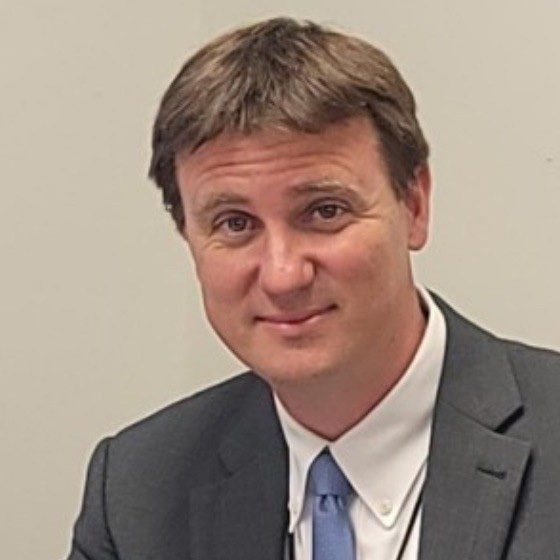
Image of Steven Gray, PhD

Steven Gray, PhD

Professor, Department of Pediatrics
Co-Director, Gene Therapy Program
Director, Viral Vector Facility
University of Texas Southwestern Medical Center

Panelist

Image of Steven Gray, PhD

Steven Gray, PhD

Dr. Steven Gray is a Professor of Pediatrics at the University of Texas Southwestern Medical Center, where he co-directs the Gene Therapy Program and leads the Viral Vector Facility. An expert in AAV gene therapy vector engineering and nervous system gene delivery, his research has helped advance gene therapies for neurological disorders including Rett syndrome, Tay-Sachs disease, Batten disease, and Giant Axonal Neuropathy. Dr. Gray has authored more than 90 peer-reviewed publications, holds over 20 patents, and has contributed to multiple approved and ongoing clinical trials. His work has earned numerous honors, including the American Society of Gene and Cell Therapy’s Outstanding Young Investigator Award.


Broadcast Date: 

  • Time: 

Adeno-associated viruses (AAVs) have emerged as one of the most promising platforms for in vivo gene delivery. Ongoing innovation in vector engineering, delivery, and clinical translation is expanding the therapeutic potential of AAV-based approaches across a range of genetic disorders.

This episode of GEN Live will explore the rapidly evolving field of AAV gene therapy. Leaders from clinical and translational research will discuss current advances and challenges in AAV vector development, delivery, safety, and long-term therapeutic efficacy.

The session will provide a broad overview of the current state of the field and foster discussion to define the next era of gene therapy. We will also take questions from the audience, so please bring your questions on AAVs for our panelists as well.

Produced with support from:

Fujifilm logo

eppendorf logo

The post Translating the Promise of AAVs: From Discovery to Delivery appeared first on GEN – Genetic Engineering and Biotechnology News.

Arthur Caplan: The Right to Life, Liberty, and Pursuit of Health

Arthur Caplan’s reflections on medical ethics draw not only on theory but also on lived experience. As a child hospitalized during the polio era, he watched doctors shield families from harsh truths, promising sick children would “go home” when they clearly would not. That early encounter with paternalism sparked a career questioning who medicine serves, who gets protected, and who gets left behind.

In this episode of Behind the Breakthroughs, Caplan argues that modern bioethics is undergoing a profound transformation. Medicine once viewed disability almost exclusively as a problem to “fix,” often with horrifying consequences. He recalls a time when infants born with conditions like Down syndrome or spina bifida were denied treatment and allowed to die. Today, he warns, the danger is subtler but equally troubling: a culture of genetic testing and parental perfectionism that risks defining human worth by what technology can detect.

Caplan also sees a seismic ethical shift from protection to autonomy. Research ethics once focused on shielding vulnerable people from dangerous experimentation after scandals like Tuskegee and the Willowbrook State School. Now, fueled by post-COVID distrust and libertarian politics, public pressure favors “right to try” medicine and personal choice even when evidence is weak or risks are high.

Yet Caplan draws a sharp line at public health. Vaccines, he argues, are not merely personal decisions but moral obligations rooted in responsibility to others. He warns that an obsession with liberty, detached from community ethics, threatens the foundations of public health itself.

Caplan also looks ahead, discussing what he thinks will define the next ethical frontier, the brain. If we can alter the brain, how much can we change and still remain ourselves?

This interview has been edited for length and clarity.


IPM: How did you become interested in medical ethics?

Caplan: When I was about six, in 1956, I was playing with my parents in their bedroom, rustling around, when they noticed my legs weren’t moving well, and my mother freaked out because she knew that meant maybe polio. It was something that all parents knew about at that time, fearing it was incurable, sometimes fatal, and often disabling.

You didn’t know even what to do to prevent it. People tried to close down swimming pools and not have summer camp, but it wasn’t clear what the route of transmission was. They didn’t understand that it could be in wastewater or fecal material.

Off I went, living in Boston, to Mass General. The experience definitely shaped me in many ways in terms of outlook and career. At the time I didn’t like the fact that the doctors and nurses didn’t tell us the truth. They often said, “Arthur is going to go home,” and Arthur was clearly pretty sick, and he didn’t go home. That’s a long-winded way of explaining the genesis of my interest in medical ethics.

One other thing that was interesting that people forget when a newborn is born with a birth defect when they go into a sort of neonatal peds rotation is if the parents say there’s a birth defect and we don’t want it treated, the doctors do not. That included spina bifida. In fact, it included Down syndrome. Those infants were put in a corner and allowed to die through starvation. 


IPM: How is genetic testing changing society’s perception of what constitutes an “acceptable” human being, as well as medicine’s responsibility to treat all humans?

Caplan: The idea that medicine has always had a view that disability is something that you have to treat—I don’t agree with that totally. I would like to see that treated as an open question, not a close one. It’s also clear that aside from medicine’s views of disability, the line shifts technologically; some of the things that are disabling are less so as we get better technology.

At NYU, we do face transplants…but we, interestingly, have not really gotten into limb and hand transplants. The reason is we think that the prosthetic opportunities are so good that there’s no reason to do a procedure and then stay on immunosuppression by transplanting a liver.

Disability is often just seen as something where the cost is literally an economic cost. What’s the burden of the person to take care of them in an institution or to take care of and make accommodations for them? If you have a kneeling bus or a ramp in the library and that sort of stuff, but you don’t get in the economist calculations often enough, just measure what it’s like to have an enjoyable life. Forget about what it costs.

There are many issues around disability that I think the world of genetic testing, even genetic engineering, neglects a little.

Counselors have been taught over the years to be neutral, and we use them frequently, particularly in academic settings. But they’re not neutral. They have a list of conditions that they look for and will counsel you on, and then there’s another broad range of things they don’t say anything about.

That boundary is shifting according to parental expectation. There are plenty of wealthy parents who I think won’t accept anything less than a perfect child. If you tell them their kid has any kind of issue, they may well start over. There are other cultures where you tell them their kid has a club foot or a minor issue, and they’re going to try and cope with it. Culture really shapes how we view. What are we going to diagnose? What are we going to treat in the U.S.?

I fear partly what determines what we’re going to diagnose is what we’ve got to test for, not necessarily whether it’s a bad thing, a good thing, a bearable thing, a cultural thing, whatever. It’s almost like, can I charge for this? Then I’m going to add it to the battery.


IPM: What has been the biggest medical moral shift over your career?

Caplan: Research ethics. When research ethics really got rolling, it was in response not to the Nazi concentration camp experiments, although the idea of informed consent came from those abuses when they were put into the court opinion. The emphasis was on informed consent.

All the way back to the Tuskegee study of the early 70s, people were put in experiments, oftentimes institutionalized Willowbrook demented Jewish chronic disease hospital kids; poorly educated Tuskegee kids in asylums; and the Iowa stuttering experiments, where they tried to figure out if they could teach kids to stutter to understand the genesis of stuttering by stressing them, and all of this culminated in the view that research is too risky and dangerous. People need protection from it.

We had a history of protectionism. It was one of these things where you’d have to be insane or inane to be a research subject. Who would want to do that? Look at what happens. People die and they get mistreated and so forth.

Probably around the time just before COVID, we were seeing a shift. It is part of the shift that is represented by MAGA and MAHA, and that is the rise of a notion of “I want more liberty and I want more ability to make my own choices.”

Today we don’t see people demanding protectionism. What we see is them demanding access. What you’re seeing in policy is more ability to give people the right to try things and more ability to say things to people. It may be very risky, but if you were to do it, we’re going to try and make that possible.

Trump is very proud of his efforts in what’s called the “right to try” space. Many states have enacted laws to try and allow people to do this. You can see special laws here and around the world to give people access to stem cells. The therapy, I think, doesn’t really have much evidence for much of anything except maybe, I don’t know, bone marrow transplants or something. But, but they’re using it for arthritis and down syndrome and autism, and who knows? The justification is “Your choice, your decision.” It’s an interesting shift.

There is a popular push, especially in the U.S., to let people take more risk, to let people take informed risks, and to let them do it. Some of the things we see today. You put them in front of an IRB 25 years ago; there is no way that they happen. Just no way.


IPM: Why have vaccines become so divisive?

Caplan: Vaccines depend upon a moral framework of public health, and public health ethics relies on a duty to your neighbor. It relies on an obligation to the community. It isn’t just about your choice. It isn’t just about freedom. It’s about responsibility. When it comes to vaccination, you have a responsibility to ensure that your neighbor’s newborn, who has no immune system and cannot be infected, or the child who has an immune disease and lacks an immune system or has undergone a transplant, or your grandmother, whose immunity is very weak, does not die from the flu, COVID, or something else.

What bioethics failed to do is articulate public health ethics. That’s what mandates are about—restrictions on liberty. That’s what quarantine is about—restrictions on freedom of movement. If you don’t see a duty to others, you’re not going to go along with any of this.

We have within the MAHA movement a real overemphasis on liberty all the time. The surgeon general of Florida said he was going to do away with all vaccine mandates for kids. That’s a bad ethic for public health. You do it that way, and you’re going to have no problem. You can drive drunk as you want anywhere you want to go and speed all you like.

There are libertarian people who would go for these things. They don’t want any government intrusion. I think it’s wrong. I think Thomas Hobbes would say you’re going to have a life that’s nasty, brutish and short if you don’t have some community ethic around in addition to choice. John Stuart Mill, who was actually a big believer in liberty, said, “Your freedom to swing your arm ends at the tip of my nose.” You can’t harm me by your choices. That’s how I say vaccination is. It’s part of the fact that we’re interconnected, that some things we do will hurt others if we don’t limit them, restrict them, and so on. In emergencies we’d have a giant plague. 

Their old argument had always been vaccines aren’t safe. Today it’s about freedom. “I’m not against vaccines,” says RFK Jr. “It’s your choice.” My argument is, “Is that your choice?” If you’re in the middle of an epidemic or a pandemic, it is public health’s duty to get you all vaccinated to make this thing go away. They’re wrapped totally around the liberty and autonomy values framework and very successfully in the current climate.

The way one other group comes in is through a spokesperson, who at this point represents what I’ll call “communitarianism,” which is about caring for one’s neighbor. Ironically, it’s the Pope—both the previous one and the current one—who speaks out about AI, while the previous one focused on encouraging people to feel duties and obligations toward the weak, the poor, the vulnerable, and migrants and immigrants. Religion was ironically seen as the enemy of medicine. Now it’s providing the moral foundation and is one of the few places doing it for public health interventions.

I don’t think the public gets what public health requires, what it needs, and why it obliges them to do things they don’t normally want to do, which—okay, I understand that I didn’t like being locked in my house either, but that’s been a fear.

One other one is what I’m going to call these eugenics claims. They keep floating around that certain races are inferior or Mexicans are bringing us disease, or there are countries that are “[expletive] countries,” as the President has said, or even some of our tech bro people like Musk insisting that we have to keep an eye on breeding better children so that AI doesn’t overtake us and so on. There is really bad science behind eugenics, and I worry about it being all over the place.


IPM: What will become a hot moral battleground in the future?

Caplan: Everybody expects that the next 10, 20 years will be AI and its incorporation into healthcare, but I don’t think so. Weirdly, incorporating AI stuff into healthcare is, I think, on the whole, pretty useful. It lets you handle a lot of data, get information quickly, and reduces errors. AI skinning or AI surgery or whatever can do certain things better than the human eye or hand.

It’s not that there are no issues. It could turn out to be a huge problem as to whether we can believe any information on the internet or anything anybody posts; that’s a problem, but not within healthcare. I’m going to say “neuroscience,” and I’m going to say “modification of the brain.”

We are learning quite a bit about how the brain works, and right now we are still in the early stages of using needles to control parkinsonism, obsessive-compulsive disorder, or even obesity. That area is going to expand rapidly, raising many questions about how much you can change the brain and still be you, and about the reversibility of some of these changes.


IPM: How will history look back on this period of medical ethics?

Caplan: I think this period will be seen as the dark ages, where science was scrubbed. People were fired for legitimate work, not political reasons. That our history was rewritten to remove important examples of racism in science and medicine. Misogyny. I think we’re in a really miserable period of anti-intellectualism, again, partly spun out of COVID and its disappointments and frustrations. I do think we’re in bad times.

The post Arthur Caplan: The Right to Life, Liberty, and Pursuit of Health appeared first on Inside Precision Medicine.


STAT+: What the pope’s encyclical on AI means for Catholic hospitals, and all of health care

You’re reading the web edition of STAT’s AI Prognosis newsletter, our subscriber-exclusive guide to artificial intelligence in health care and medicine. Sign up to get it delivered in your inbox every Wednesday. 

The sequel to last week’s graduation speeches that garnered boos for AI: Comedian Ronny Chieng addressed Harvard’s graduating class and told them their mission was to “destroy AI,” which prompted a roar of approval.

He wasn’t referring to uses of AI in medicine and physics, he specified, but rather offloading writing and creating to AI. The journey of making and learning and figuring out is “the point of all of this,” he said. “Why would I want AI to take that away from me?”

Continue to STAT+ to read the full story…

STAT+: Legend Biotech emerged as a rare market winner

Want to stay on top of the science and politics driving biotech today? Sign up to get our biotech newsletter in your inbox.

Good morning. Yesterday was a brutal day for biotech stocks, but one company withstood the broad selloff. We also look at investor excitement for longevity startups and yet another licensing deal made by Eli Lilly.

Legend Biotech emerged as a rare market winner

Shares of Legend Biotech soared over 40% yesterday after the company disclosed early data on its in vivo CAR-T therapy that showed promise in Non-Hodgkin’s lymphoma.

Continue to STAT+ to read the full story…

STAT+: Pharmalittle: We’re reading about GLP-1 drugs and knees, FDA cell and gene therapy guidance, and more

Good morning, everyone, and welcome to the middle of the week. Congratulations on making it this far, and remember there are only a few more days until the weekend arrives. So keep plugging away. After all, what are the alternatives? While you ponder the possibilities, we invite you to join us for a delightful cup of stimulation. Our choice today is maple cinnamon French toast. Meanwhile, here is the latest menu of tidbits to help you on your way. Have a wonderful day and please do stay in touch. …

Cigna will stop covering GLP-1 weight loss drugs including Novo Nordisk’s Wegovy and Eli Lilly’s Zepbound in its ​employee health plan effective July 1, Reuters reports. In a document ​circulated to employees on June 1, Cigna suggested those currently using the drug can choose to pay with cash through manufacturer sites or TrumpRx. The cash-pay purchases will not apply toward a deductible or the amount of ​spending required before enrollees can use their health coverage. The price of weight loss ​drugs has been falling in 2026 with the launch of Novo’s Wegovy pill and Lilly’s oral Foundayo, with ⁠prices that start at $149 per month for the lowest dose. Americans have been increasingly pushed to the cash-pay market and, at the same time, employers have been cutting back on their coverage of the drugs.

Taking weight loss drugs for at least three years could prevent thousands of knee replacements a year, The Guardian writes, citing new research. The study, published in Regional Anesthesia & Pain Medicine, found that taking GLP-1 medications for one year was associated with a 1.4% reduced risk of knee replacement surgery at the three-year follow-up point and a 2.8% lower risk after eight years. But the greatest reduction in risk was with newer weight loss drugs and longer treatment. Taking semaglutide or tirzepatide for three years was associated with a nearly 5% lower chance of needing knee replacement at the eight-year follow-up assessment.

Continue to STAT+ to read the full story…

<![CDATA[Blood exosomal microRNA markers reveal oxidative-stress subtypes, predict psychosis conversion, and guide early, targeted treatments like MitoQ.]]>