

Die Hard: KIR-CAR T Cells Show Early Promise as Reliable Cancer Immunotherapy

SAN DIEGO, CA – At the 2026 American Association for Cancer Research (AACR) Annual Meeting, Verismo Therapeutics unveiled early data that could reshape CAR T-cell design. Built on a novel “KIR-CAR” platform, the experimental therapy SynKIR-310 uses a multi-chain, split-signaling architecture that mimics natural immune receptors, enabling T cells to stay active through repeated tumor attacks while potentially reducing exhaustion and safety risks that have long limited conventional approaches.

In preclinical studies, SynKIR-310 delivered potent anti-tumor responses in B-cell cancer models, including 100% survival in treated mice. The therapy targets CD19 using a canine-derived binding domain and is now being tested in patients with relapsed or refractory B-cell non-Hodgkin lymphoma in the Phase I CELESTIAL-301 trial.

Early clinical findings included a 70-year-old patient with follicular lymphoma who achieved a complete response just 28 days after receiving the lowest dose, an outcome still holding at six months. While preliminary, the results suggest that reengineering CAR T-cell biology itself may unlock more durable responses with fewer toxic side effects, tackling two of the field’s toughest challenges.

Two decades of rethinking CAR T

Laura A. Johnson - CSO and COO at Verismo Therapeutics
Laura A. Johnson, PhD, Chief Scientific Officer and Chief Operating Officer at Verismo Therapeutics

Verismo’s presentation of the data at AACR itself was understated, unfolding among rows of posters and quiet conversations. In the eyes of Laura A. Johnson, PhD, it was the culmination of a nearly two-decade-long scientific journey. It all began as a postdoc in the lab of immunotherapy trailblazer Steve Rosenberg, MD, PhD, who is currently chief of surgery at the National Cancer Institute, among several other appointments.

Johnson, who is chief scientific officer and chief operating officer at Verismo, told Inside Precision Medicine, “My postdoc project was literally taking, finding, and choosing an antigen; finding a shared antigen T cell receptor; subcloning it; and making it into a T cell. Not a CAR drug, but a TCR engineered drug that worked so well in the first year that they used to have money on tap there, turned it into a clinical trial, and then put me as an academic in charge of overseeing the clinical trial, the making of the drug, and getting to go and visit and shake the patient’s hands. In the four years since then, we saw literally pounds of tumor fall off these patients when we visited them in the clinic.”

That dramatic and deeply personal experience showed Johnson the promise and limitations of immune-based cancer therapies. Even as she saw tumors regress in ways that seemed almost implausible, she saw that those responses were not universal or durable and that toxicity could complicate even the most striking successes.

She continued to gain experience and try out different things, eventually leading her to the University of Pennsylvania (UPenn) with CAR T-cell therapy pioneer Carl June, MD. Working with June at UPenn, Johnson expanded CAR T-cell research rapidly, supported by industry investment and a mandate to investigate engineered immune cells’ effects on a variety of cancers. It was during those “great five years” that Johnson began to tackle solid tumors with CARs. Even as the field struggled with relapse, toxicity, and solid tumor efficacy, she led the way in clinically implementing experimental therapies.

Johnson’s subsequent move into industry, including a leadership role at GlaxoSmithKline (GSK), broadened her perspective further. “At the time, I did not see myself as an industry kind of person,” said Johnson. “I didn’t know what that was, but I did go to GSK for five years. It was amazing. I learned so much there. You know how to run clinical trials across the globe for registration. These huge teams of support. It was great.”

Johnson added, “I also had a sponsored research agreement with GSK, which was then exploring cell therapy, and after a year of that, they decided to open up a whole cell therapy unit and invited me to come and lead the group.”

By the time she returned to academic collaborations, she had seen the field from multiple angles—scientific, clinical, and operational—and had developed a growing sense that the limitations of CAR T therapy might be rooted in something more fundamental than incremental improvements could fix.

The origins of KIR-CAR

That realization sharpened when she reconnected with colleagues at UPenn, including Carl June and Michael Milone, PhD, MD, the co-inventors of Kymriah, the first-ever approved CAR T, who had already begun questioning the underlying design of conventional CAR T systems. “Back then, Mike and Carl already saw that it worked, but they felt something was not right about it. You know that patients can have recurrences of cancer, and it doesn’t work in solid tumors, no matter what they do. So they were already in the background trying to tinker and figure it out.”

The success of Kymriah had proven that engineered immune cells could be transformative, but it had also exposed persistent problems that could not be ignored. “At the time, Mike had a great idea that the artificiality of the single-chain CAR T was causing these problems because it was not evolutionarily selected for. It’s not natural. Maybe this has something to do with it.”

That insight led Milone to revisit the basic biology of immune receptors, examining how natural systems separate recognition from activation rather than fusing them into a single, continuously active structure. “They all have the same receptor format to bind to the target on the cell’s outside. The receptor is anchored in place by a neck in the cell membrane, while a completely separate internal signaling mechanism is also anchored by a neck in the membrane and is activated from the inside. And these two actually don’t interact. They have nothing to do with each other unless and until that target is found unbound, which brings the two together.”

From this observation emerged the concept of KIR-CAR, a multi-chain system inspired by natural killer (NK) cell biology that attempts to restore a more controlled and conditional activation process. “T cells, their main job, is actually not to kill you but rather to kill bad things, so they try and shut everything down,” Johnson explained. “So, we said, ‘Let’s use NK cells.’ They’re the other main lymphocyte that attacks tumors, and they’re innate. Maybe they won’t have the same problems with shutting down. Let’s throw it at the wall and see what sticks.’”

The resulting design combined elements of NK cell receptors with T-cell machinery, creating what Johnson describes as a more natural on-off switch. The combination of the killer immunoglobulin receptor (KIR), which acts as the outside binder, with existing intracellular signaling machinery used for CARs resulted in the name KIR-CAR. “A chimera has the head of a lion, the body of a goat, and the tail of a snake,” said Johnson, using the hybrid from Greek mythology in describing a traditional CAR. “We’ve un-Frankensteined them and put them back. What we end up with is just a more natural on/off switch. Why would we think we can do better than a million years of evolution at figuring out a way to trigger and turn off these cells to get rid of bad things?”

Early signals of efficacy and safety

In early preclinical experiments, KIR-CAR cells were compared to single-chain CAR T cells, showing subtle differences in vitro but greater differences in complex systems. By the time Johnson presented SynKIR-310 at AACR, those differences had become a consistent pattern across preclinical studies and early clinical observations, suggesting that the KIR-CAR approach may improve tumor control without the toxicity of conventional CAR T therapies.

Johnson said, “It’s been surprising, but great news. Our preclinical team has reversed the process, gone back to mice, and successfully reproduced the same findings. Not only is the KIR-CAR superior at eliminating tumors, but it also has a shorter duration of interferon gamma. In contrast, the single-chain CAR T cells that everyone else on the planet is using appear to be frighteningly toxic because they go off script.”

Johnson vividly described that uncontrolled activation. “If you do any assay with them, presumably including in vivo, lasting more than a day, they start killing everything around them,” she said. “They start spitting out interferon gamma. They infect every cell they come into contact with; they proliferate; they produce cytokines; they cause lysis; and they have many other harmful off-target effects.”

That behavior aligns with her broader description of how conventional CAR T cells can become overactivated and exhausted. Johnson elaborated, “The CAR T cell is hyperactivated, and it’s going down. It knows it’s exhausted, but it also detects an activated state, so it sets off fireworks and hopes the grenade response will take out whatever is bad too.”

In contrast, biomarker data from SynKIR-310 suggest a more controlled and physiologic immune response. “When we look at the biomarkers, they’re not making a ton of interferon or TNF alpha,” said Johnson. “Even from the first dose we used, we showed clearly biological activity where the T cells go in; as of day seven, you start to see interferon pickup. It peaks out at about ten days.”

Johnson continued, “Then it’s textbook as for how a T cell activates when it sees its target; this process is crucial for the immune response. It showed that it’s very clearly encountering a target, activating and doing what it’s supposed to do. However, the blood levels we observed were significantly lower than expected due to hematologic malignancies, which involve widespread tumors throughout the body, including the bone marrow and blood.”

Clinical observations, though limited, reinforce that pattern. “The results were announced today for the first nine patients. It’s a basket study for both ovarian cancer and cholangiocarcinoma. So, there are three very high unmet and urgent needs for patients. Most of these have one line of approved therapy, or maybe two, and once they become advanced refractory or metastatic, there’s nothing for these patients. Overall survival is measured in weeks, not months.”

Within that context, even modest responses carry significance. “Four of the nine showed measurable tumor reductions and the last patient treated, the last one in cohort three, had a response that continued past our data cutoff and keeps going. So, it’s very good news.”

Perhaps most striking, however, is the KIR-CAR’s apparent safety profile. “The biggest thing they were worried about is toxicity. Everybody knows that CAR causes cytokine release syndrome (CRS), and interferon gamma causes neuropathic disease, leading to brain damage and other severe symptoms. It’s got a bad rap. I think they got a headache one night that was called ‘CRS.’ That was gone the next morning. That’s it.”

A broader vision for cancer treatment

For Johnson, the significance of these findings lies less in any single result than in their consistency across different models and targets, reinforcing her belief that the KIR-CAR platform reflects a fundamentally different—and potentially more effective—approach to engineering immune cells. “You can want something to work as much as you want, but if it doesn’t, it doesn’t, and you accept it,” said Johnson. “So it’s okay that the data was the same for both our platform assets, the CD19 and mesothelioma KIR-CARs; this result is real.”

That reproducibility has given her confidence to draw comparisons with existing therapies. “When we see the same things again, there are fewer CRS cytokines, less duration of toxicity, and way better treatment. It is better than both Kymriah and Yescarta. We did the in vivo models, but it’s a little better than Kymriah and a lot better than Yescarta.”

At the same time, she remains grounded in the understanding that these are early results, requiring validation in larger trials and over longer follow-up periods, even as they point toward a broader shift in how the field might approach the design of next-generation immunotherapies. Rather than continuing to build increasingly complex artificial systems, the KIR-CAR approach suggests that aligning more closely with the immune system’s natural architecture—its built-in checks, balances, and conditional activation mechanisms—may offer a path to therapies that are both more effective and less toxic.

That idea, rooted in the biology she has spent her career studying, connects her earliest experiences watching tumors disappear in clinical trials to the work she now presents. It formed a narrative for Johnson that is less about a single product than about a way of thinking: that progress in cancer immunotherapy may ultimately depend not on pushing the immune system harder but on understanding it more deeply and working within the logic it has evolved over millions of years to follow.


The post Die Hard: KIR-CAR T Cells Show Early Promise as Reliable Cancer Immunotherapy appeared first on Inside Precision Medicine.

“Click Clotting” Technique Rapidly Creates Stronger Blood Clots

Researchers at McGill University have developed a rapid way to engineer blood clots that stop severe bleeding and support tissue healing more effectively. Their technique, called “click clotting,” links red blood cell surface proteins through a chemical reaction, resulting in a biocompatible clot that is 13 times more resistant to fracturing and four times more adhesive than natural blood clots. The team said the method could be used to develop life-saving biomaterials to help control severe bleeding, as well as benefit people with clotting disorders.

“Natural blood clots can be slow to form and mechanically fragile, which limits their ability to stop severe bleeding and can compromise healing,” said Jianyu Li, PhD, senior author and professor of mechanical engineering and Canada research chair in tissue repair and regeneration. “Our work shows that, when engineered appropriately, red blood cells can play a central structural role, enabling the design of stronger and more functional biomaterials.”

Senior and corresponding author Li, together with first author Shuaibing Jiang, PhD, reported on the development in Nature, in a paper titled “Engineering tough blood clots for rapid hemostasis and enhanced regeneration.” In their paper the team concluded, “Our strategy enables instantaneous clotting and markedly enhanced fracture resistance despite low structural polymer content, while preserving the intrinsic bioactivity of blood clots to enhance hemostasis and regeneration.”

Jiang, now a postdoctoral associate at Harvard Medical School, led the research during his PhD studies at McGill. Researchers at the University of British Columbia, the Medical College of Wisconsin, the University of Colorado Boulder, the University of Toronto and the research institute Versiti also contributed.

“Blood clots are pivotal for hemostasis and regeneration, but they are mechanically weak and form slowly, posing risks for life-threatening hemorrhage and limiting broader applications,” the authors wrote. “These limitations are attributed to complex coagulation cascades, abundant mechanically ineffective cells, and little structural polymers.”

Previous efforts to crosslink red blood cells (RBCs) have used chitosan, a polymer derived from crustacean shells, but these led to brittle clots, ruptured cells, and inconsistent clotting. In “click clotting,” the clot structure is fundamentally strengthened through a fast, bio-safe chemical reaction that connects proteins on the red blood cell surface, forming a solid gel in just five seconds. Because the “click” reaction doesn’t interfere with normal blood chemistry, it can work alongside the body’s natural clotting process. As a result, the artificial cell‑based gel, called a “cytogel,” can be added to whole blood, where it becomes embedded within the body’s own fibrin clot.

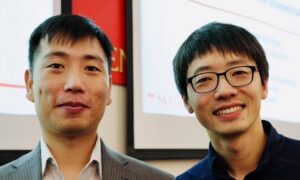
Shuaibing Jiang (left) and Jianyu Li [Jianyu Li]

“Here we report a strategy that rapidly crosslinks red blood cells into tough cytogels and integrates them within blood clots,” the team further explained. “The resulting engineered blood clots (EBCs) form within seconds and exhibit a 13-fold increase in fracture toughness, and a 4-fold improvement in adhesion energy compared with native clots … Our strategy is advantageous over previously reported methods using chitosan to crosslink RBCs, which lead to brittle clots, hemolysis or inconsistent clotting.”

Li added, “The technology enables both autologous clots (using the patient’s own blood) and allogeneic clots (using type-matched donor blood). Autologous clots can be prepared in approximately 20 minutes, while allogeneic clots can be prepared within about 10 minutes. Given typical clinical time constraints, this approach has strong potential for in-patient emergency care, wound management and related settings.”

The team confirmed their results through in vitro testing, as well as through tests in rodents. “In vivo studies demonstrate that EBCs can rapidly halt hemorrhage, promote tissue regeneration, mitigate inflammation and foreign body reactions, and prevent postoperative adhesion,” the authors stated. Of particular note was effective healing and regeneration observed in the injured liver, with performance exceeding that of a clinically used product tested also tested as part of the study. “Compared with previously reported biomaterials for liver regeneration, EBC demonstrated milder inflammation and more efficient tissue regeneration,” the authors noted. Analyses showed minimal evidence of immune reactivity and no toxicity in major organs.

The researchers say that while further study is required before the cytogel can be used in clinical settings, the research establishes a foundation for its design and application.  “Overall, EBC, as a native scaffolding material, can promote tissue regeneration with minimal inflammation and foreign body responses, and prevent postoperative adhesions, outperforming the clinically used products,” the scientists concluded. “This work may motivate the development and translation of highly cellularized materials for bleeding control, wound management, tissue repair and regenerative medicine.”

“Engineered blood clots have strong potential for broad clinical use and could improve outcomes across many medical situations,” Li said.

The post “Click Clotting” Technique Rapidly Creates Stronger Blood Clots appeared first on GEN – Genetic Engineering and Biotechnology News.

New PRS Tool Identifies Inherited Risk for Eight Cardiovascular Conditions

Researchers at the Mass General Brigham Heart and Vascular Institute and collaborators have developed and validated a new integrated polygenic risk score (PRS) that estimates inherited risk across eight cardiovascular conditions using a single genetic test. The tool is a combination of a handful of genetic risk models collected into a comprehensive risk tool and is designed to improve identification of individuals at elevated risk for coronary artery disease (CAD), atrial fibrillation, type 2 diabetes, venous thromboembolism, thoracic aortic aneurysm, extreme hypertension, severe hypercholesterolemia, and elevated lipoprotein(a).

The validation study, published in the Journal of the American College of Cardiology, showed that individuals with high genetic risk scores had significantly higher odds of developing disease compared with those at average risk, including a 3.7-fold higher odds for CAD and a 4.1-fold higher odds for severe hypercholesterolemia.

“Interpreting DNA risk is new for the public as well as clinicians,” said co-senior author Pradeep Natarajan, MD, director of preventive cardiology at Mass General Brigham Heart and Vascular Institute. “It was very important to us to provide a clear genetic risk report that would be accessible and patient-friendly.”

The researchers developed the integrated PRS tool using PRSmix, an elastic-net approach that combines previously published polygenic risk scores from the Polygenic Score Catalog. The model was trained using genotype and clinical data from 245,394 participants in the NIH All of Us Research Program and validated using data from 53,306 people from the Mass General Brigham Biobank. In the validation cohort, the integrated scores demonstrated strong discrimination across all eight conditions, with individuals in the top 10% of genetic risk showing increased odds of disease, including CAD (odds ratio 3.7), type 2 diabetes (3.1), atrial fibrillation (3.0), venous thromboembolism (1.9), hypertension (2.1), and lipoprotein(a) (41.0).

Current cardiovascular risk assessments typically rely on age, sex, blood pressure, cholesterol, and other clinical factors. The Mass General team noted that these methods may miss individuals with substantial inherited risk who do not yet show clinical symptoms. By comparison, the new PRS tool gives a single genetic assessment that can be applied early in life and across multiple disease pathways simultaneously.

“Although PRS have typically been evaluated one condition at a time, a single genotyping assay enables calculation of PRS for any heritable trait without significant additional cost, creating an opportunity to assess inherited risk across multiple cardiovascular conditions simultaneously,” the researchers wrote noting the value of this new method.

In this study, the integrated PRS improved risk classification when incorporated into clinical prediction models, including better stratification of individuals near clinical decision thresholds for cardiovascular disease. The system also generated standardized risk categories—high, average, or low—for each condition and presented results in clinician-facing and patient-facing formats that can be integrated into electronic health records.

Clinically, the new PRS is could be use to identify people whose inherited risk could provide the opportunity for preventive interventions such as increased monitoring, lifestyle modification, or preventive therapies, even when conventional risk factors appear normal. For CAD specifically, the findings suggest that individuals with high polygenic risk may have risk levels comparable to other established high-risk groups, despite modest or normal cholesterol levels.

The researchers also evaluated how the tool could work across diverse populations and clinical settings. They found that while the PRS performed consistently across ancestry groups, predictive strength was reduced in individuals with greater genetic variation from people of European ancestry, exposing the inherent limitations in current genomic reference datasets. Despite this, the integrated framework was designed to allow updating as new data become available.

The PRS is currently available through Mass General Brigham Laboratory for Molecular Medicine and Broad Clinical Labs. The researchers said that next steps to further refine the tool include broader prospective validation across diverse populations, evaluation its cost-effectiveness, and research to determine how genetic risk information should influence clinical decision-making.


The post New PRS Tool Identifies Inherited Risk for Eight Cardiovascular Conditions appeared first on Inside Precision Medicine.

Bowel and Ovarian Cancer Cases Rise Among U.K. Young Adults

Cases of bowel and ovarian cancer are rising, but only among people under 50, according to research published in the British Medical Journal Oncology today, April 28, 2026. While other types of cancer are also rising in older adults, this particular trend among younger adults is striking. 

A key factor, the researchers’ work suggests, is excess weight. But that does not fully explain the trends they saw.

In particular, there was a significant rise in 11 cancers among the younger adults with known behavioral risk factors. These cancers were: thyroid, multiple myeloma, liver, kidney, gallbladder, bowel, pancreatic, womb lining (endometrial), mouth, breast, and ovarian cancers. 

Rates of all these cancers also rose significantly among the older adults, with the notable exceptions of bowel and ovarian cancers.  

Besides mouth cancer, all 11 cancers associated with known behavioral risks were linked to obesity. And six (liver, bowel, mouth, pancreas, kidney, and ovary) were also linked to smoking; four (liver, bowel, mouth, and breast) were associated with alcohol intake; three (bowel, breast, and endometrial) were linked to physical inactivity; and one (bowel) was associated with dietary factors.

“Of the 11 cancers we identified which were increasing and linked to known lifestyle factors—the most common by far in younger adults was breast cancer,” the study’s lead author, professor Montserrat Garcia-Closas, MD, DrPH, told Inside Precision Medicine. Garcia-Closas is in Integrative Cancer Epidemiology, Division of Genetics and Epidemiology, and The Cancer Epidemiology and Prevention Research Unit, The Institute of Cancer Research, London.

The rising incidence of certain cancers among people under 50 isn’t unique to England, and one major question is whether changes in behavioral risk factors might be to blame.

This research group analyzed cancer incidence trends in England from the National Disease Registry Service for the period 2001 to 2019, comparing patterns by sex in two age groups: 20–49 year olds and those aged 50+ for more than 20 different cancer types.

This database, “Captures virtually every cancer diagnosis in England going back decades—one of the most complete registries in the world. That scale is what allows us to track trends reliably across the whole population, not just a sample,” said Garcia-Closas.

The team used national health surveys to look at trends in established risk factors: smoking, alcohol intake; diet (high red/processed meat, low fiber intake), excess weight (BMI), and physical inactivity to quantify any changes by age and sex and estimate the proportion of cancers attributable to specific risk factors.

Their analysis showed that new cases of 16 out of 22 cancers in younger women, and 11 out of 21 cancers in younger men, increased significantly in England between 2001 and 2019. 

And five cancers—endometrial, kidney, pancreatic, multiple myeloma, and thyroid cancer— increased significantly faster in younger than in older women, while multiple myeloma increased faster in younger than in older men. 

But with the exception of excess weight, trends in these risk factors over the past one to two decades have been stable or improving for younger adults, with the largest reductions of around 7% in red meat consumption. 

The average daily amount of red meat eaten, they report, fell from 38 grams in 2008 to 17 grams in 2018 among younger men, and from 22 grams to 10 grams in younger women. And average processed meat intake in younger women was half that of younger men: 10 grams versus around 20 grams. And while more than 90% of younger adults weren’t eating enough fiber in 2018, their intake remained stable or slightly improved in both sexes between 2009 and 2019. And these trends were similar in older adults. 

Established behavioral risk factors accounted for a substantial share of cancer cases. In 2019 these contributed 68%–65% of mouth cancers for younger and older men, respectively; 42%–48% of liver cancers; 49%–53% of bowel cancers, 29%–33% of kidney cancers, and 36%–34% of pancreatic cancers.  

Among women they accounted for 52%–45% of mouth cancers; 35%–42% of endometrial cancers; 44%–46% of liver cancers; 38%–42% of bowel cancers; 33%–37% of kidney cancers; 31%–28% of pancreatic cancers; and 19% to 24% of gallbladder cancers. 

Excess weight was the risk factor associated with most cancers in 2019, ranging from 5% for ovarian cancer to 37% for endometrial cancers. 

“These patterns suggest that while similar risk factors across ages are likely, some cancers may have age-specific exposures, susceptibilities, or differences in screening and detection practices,” write the researchers.

“Prevention takes a long time and we must act now with what we know, with better and more effective public health policy and programs to address the overweight and obesity epidemic,” said Garcia-Closas.

The post Bowel and Ovarian Cancer Cases Rise Among U.K. Young Adults appeared first on Inside Precision Medicine.

Who Gets a Second Cancer—and When? Large Study Reveals Complex Patterns

As cancer survival rates improve, a new challenge is coming into sharper focus: what happens after the first cancer is treated. A large population-based study drawing on decades of U.S. registry data offers one of the most comprehensive looks yet at the risk of subsequent primary cancers (SPCs)—and reveals a complex, evolving landscape shaped by age, sex, and generational exposure. The work was published in PLOS Medicine.

Using data from more than 3.3 million individuals diagnosed with a first primary cancer between 1975 and 2019, investigators from the Virginia Commonwealth University (VCU) School of Medicine analyzed nearly 30 million person-years of follow-up, identifying more than 510,000 second cancers. Their findings, based on Surveillance, Epidemiology, and End Results (SEER) registries, show that SPC risk is not static but varies significantly depending on when patients were born, how old they were at diagnosis, and the type of cancer they initially had.

“We have follow-up guidelines after treatment for the primary cancer, but we don’t really know what risk profile these patients fall into for another cancer,” said Susan Hong, MD, who co-directs a cancer survivorship outcomes research program at VCU and co-directed the study. “They’re not average-risk individuals—but they’re not necessarily at extremely high risk across the board either. That’s where it becomes very nuanced and complex.”

Age and sex drive risk—but not uniformly

The analysis confirmed that SPC incidence increases with age at first cancer diagnosis, rising substantially in both men and women, though more steeply in males. Among women, rates climbed from 915 per 100,000 person-years at ages 35–39 to 1,980 at ages 75–79; in men, the increase was from 1,228 to 2,945.

But these patterns were not consistent across all cancer types. For breast cancer survivors, the risk of developing a second cancer remained relatively stable regardless of age at diagnosis—a finding that surprised the investigators.

“I was kind of surprised that the risk of subsequent cancer didn’t vary by age among breast cancer survivors,” said Hui Cheng, PhD, the study’s lead analyst. “I thought older patients would have higher risk, but that wasn’t necessarily the case.”

By contrast, survivors of lung and bladder cancers and melanoma showed a clear age-related increase in SPC risk, suggesting that surveillance strategies may need to differ significantly by index cancer type.

Cohort effects point to environmental and behavioral drivers

One of the study’s most striking findings emerged from its age–period–cohort modeling: SPC risk peaked among individuals born between 1935 and 1945, then declined in more recent birth cohorts—with notable exceptions.

Researchers observed rising risks among female lung cancer survivors and male bladder cancer survivors, even as overall SPC incidence declined in more recent decades. The cohort-specific patterns hint at underlying environmental or behavioral exposures that vary across generations.

“We observed higher risk in cohorts born in the ’40s and ’50s,” Cheng said. “If we think back, those individuals were young adults during peak tobacco use, which may be a contributing factor. But we don’t have individual-level smoking data, so we can’t confirm that directly.”

This limitation underscores a key challenge of large registry-based studies: while they offer statistical power and long-term follow-up, they often lack granular data on treatment exposures, genetics, and lifestyle factors.

Treatment advances and unintended consequences

The findings also reflect the dual-edged nature of cancer treatment progress. As therapies improve and patients live longer, the window for developing late effects—including second malignancies—widens.

“We’re doing so well treating primary cancers, and people are living longer,” Hong said. “But we also need to think about what risk profile these patients fall into over time.”

Radiation therapy and certain chemotherapies are known contributors to secondary malignancies, with risks often emerging 10 to 15 years after exposure. Yet without detailed treatment data, the current analysis cannot disentangle these effects.

Instead, the study serves as what investigators describe as a “hypothesis-generating” effort—mapping broad patterns that can guide more targeted research.

Toward risk-stratified survivorship care

“We’re trying to figure out how to risk-stratify patients and pay attention to their long-term health care needs without overreacting or underreacting,” Hong said.

In practice, that could mean more intensive surveillance for older survivors of certain cancers, while maintaining consistent monitoring across age groups for others, such as breast cancer.

The findings also highlight gaps in the current survivorship infrastructure—particularly for adult-onset cancers. While pediatric oncology has long benefited from coordinated long-term follow-up systems, similar frameworks are less developed for adult survivors.

“There’s been a long-standing effort to follow childhood cancer survivors, but we don’t have that kind of system in place for adults,” Hong noted. “Now that we’re seeing more cancers in younger adults, we need to think about how to address decades of survivorship.”

A starting point for deeper investigation

Ultimately, the study raises as many questions as it answers. Why do certain cohorts carry higher risks? How do treatment regimens, genetics, and lifestyle interact to drive SPC development? And which risk factors are modifiable?

The research team is already looking ahead to studies that can incorporate more detailed patient-level data, with a focus on identifying actionable prevention strategies.

“We’re very interested in understanding what factors are associated with better or worse outcomes—especially modifiable risk factors,” Cheng said.

The post Who Gets a Second Cancer—and When? Large Study Reveals Complex Patterns appeared first on Inside Precision Medicine.

Hodgkin Lymphoma Develops as a Result of Arrested B Cell–Plasma Cell Transition

Weill Cornell Medicine researchers have defined new transcriptional and functional characteristics of Hodgkin and Reed-Sternberg (HRS) cells in classic Hodgkin lymphoma (cHL), detailing how malignant cells are the result of an arrested stage of B cell development. The research, published Blood Cancer Journal, shows that characteristics of HRS cells are incomplete plasma cell differentiation, robust unfolded protein response (UPR) activation, and coordinated immune evasion mechanisms that influence both T cells and natural killer (NK) cells.

“Hodgkin lymphoma is unique in that the tumor cells don’t form continuous sheets of tumor cells, but they are largely scattered within lymphoid tissues that are not cancerous,” senior author Ethel Cesarman, MD, PhD, pathologist at Weill Cornell Medicine told Inside Precision Medicine. “High proliferation or reduced cell death are not the predominant features of these cells. It is tumor of B cell origin, but unlike normal B cells that develop into plasma cells that produce antibodies but can no longer divide, the tumor cells of Hodgkin lymphoma are stuck in between.”

To define the molecular activity that leads to this arrested state, the researchers analyzed RNA sequencing data from 18 primary cHL tumors, four cHL cell lines, and matched intra-tumoral B cells. They then compared these data with 40 cases of primary mediastinal B cell lymphoma (PMBL).

The resulting data showed that HRS cells lose core B cell identity programs while simultaneously acquiring partial plasma cell-like gene expression. This reflects an “abortive plasma cell differentiation” process in which B cell development begins but is not completed. Normally, germinal center B cells transition into antibody-secreting plasma cells, but in cHL this process is interrupted, and immunoglobulin production is lost.

An important finding of this study was activation of the unfolded protein response (UPR) pathway, which is usually active in plasma cells to help manage the stress of high-volume antibody production. In HRS cells, however, immunoglobulin synthesis is absent. This mismatch appears to place the cells under chronic endoplasmic reticulum stress, which may then be redirected to serve as a survival mechanism.

The study also found that UPR-related genes, including XBP1, ATF6, and particularly PDIA6, were highly expressed in HRS cells. PDIA6 emerged as a potentially specific diagnostic marker. As Cesarman noted in her interview, Hodgkin lymphoma sometimes can be hard to diagnose. “A marker commonly used is CD30, but these may be expressed in other neoplastic and benign conditions, so PDIA6 may be a useful immunohistochemical marker for further differentiation,” she added.

This provides a new framework for understanding the role of UPR activation, which has not been widely implicated in prior models of Hodgkin lymphoma. Historically cHL research has focused on B cell receptor signaling defects, NF-κB activation, and immune checkpoint expression.

The team also noted that HRS cells showed many similarities to plasma cell malignancies such as multiple myeloma, notably their reliance on UPR signaling. However, unlike multiple myeloma, cHL cells fail to complete terminal plasma cell differentiation and do not consistently express CD138 or secrete immunoglobulins, showing that the two malignancies have only a partially shared differentiation trajectory.

The Weill Cornell team also found that immune evasion is another defining feature of cHL. They found evidence of downregulation of SLAM family ligands, including CD48, which are required for NK cell recognition and activation. This loss impairs NK cell-mediated cytotoxicity. The study also found reduced NK cell infiltration in tumor microenvironments. Additionally, HRS cells are known to evade T cell surveillance through antigen presentation defects and checkpoint ligand expression. Together, these findings show cHL mounts a coordinated escape from both innate and adaptive immunity.

The new findings could have implications for clinical care in the future. The identification of UPR dependency presents the opportunity to target proteostasis pathways as a treatment strategy.

“The UPR is a complex pathway, but there have been studies in solid tumors aiming to target it therapeutically, and in the context of multiple myeloma, it has been suggested that proteosomal inhibitors like bortezomib, act in part by leading to the accumulation of unfolded proteins leading to ER stress and eventually apoptosis,” Cesarman said. “While much more work needs to be done to fully characterize the UPR in Hodgkin lymphoma and identify therapeutically actionable aspects of this pathway, our findings point us in the right direction to explore the potential of such an approach.”

Cesarman also noted that while NK cell-based therapies are under development in oncology, the observed downregulation of NK ligands suggests this may not be a viable strategy for therapeutic development.

Future research will now focus on understanding more about how plasma cell differentiation programs become arrested in germinal center B cells, identifying upstream regulators of UPR activation in cHL, and determining whether these stress pathways are required for tumor cell survival. Additional studies are also expected to explore whether restoring immune recognition signals or targeting proteostasis can be combined with existing immune checkpoint therapies.

The post Hodgkin Lymphoma Develops as a Result of Arrested B Cell–Plasma Cell Transition appeared first on Inside Precision Medicine.

An Internet of Things–Based Audio and Radio Connected System Supporting Older Adults With Physical and Cognitive Health Challenges: Qualitative Stakeholder-Informed Design Study

<strong>Background:</strong> Older adults managing chronic illnesses, such as cancer and Alzheimer disease and related dementias (ADRD), often experience significant physical or cognitive impairments that hinder daily activities and increase caregiver burden. Smart Internet of Things (IoT) technologies offer promising solutions by enabling passive monitoring, timely reminders, and personalized support at home. However, these technologies must be carefully tailored to accommodate users’ individualized needs and preferences. <strong>Objective:</strong> This formative qualitative study aimed to explore stakeholder perspectives, including patients, caregivers, health care providers, and technical experts, on the use of smart home–based IoT systems to support chronic illness management. The goal was to inform the early development of the audio and radio connected (AURA) system, an IoT prototype integrating Wi-Fi sensing, wearable trackers, and voice-assistive features. <strong>Methods:</strong> Semistructured interviews were conducted with 6 patients who underwent postostomy creation for colorectal or bladder cancer treatment and 5 patients with ADRD and their caregivers. Input from additional stakeholders, including 2 health care providers, 2 community health workers, and 2 computer scientists, was also included in the report. Stakeholders reviewed a demonstration video depicting the conceptual features of the AURA system. Interviews explored stakeholders’ needs and preferences for using such systems. Thematic analysis was guided by the extended Unified Theory of Acceptance and Use of Technology 2 (UTAUT2) framework, with 5 adapted constructs: performance expectancy, effort expectancy, social influence, facilitating conditions, and hedonic motivation and habit. <strong>Results:</strong> Stakeholders identified distinct yet complementary needs across populations. Patients with cancer emphasized physical health monitoring, integration with health care systems, and customization; ADRD stakeholders prioritized routine support, emotional engagement, and simplicity; caregivers and clinicians emerged as key influencers of adoption. Barriers included privacy concerns, technology literacy, and fatigue, while facilitators included perceived caregiving support, streamlined interfaces, and electronic health record integration. Patients with cancer focused on motivational cues for physical activity, while emotional engagement and habit were more prominent for ADRD users. <strong>Conclusions:</strong> Stakeholder insights underscore the importance of designing adaptable, user-centered IoT systems that reflect the varied capabilities and care needs of older adults with chronic illnesses. These findings informed the design of the AURA prototype and highlighted theoretical considerations for technology acceptance in health care. Future work will test AURA in real-world settings to evaluate usability, acceptability, and clinical relevance. <strong>Trial Registration:</strong>

STAT+: Why conversations around health AI may be evolving beyond hype

You’re reading the web edition of STAT’s AI Prognosis newsletter, our subscriber-exclusive guide to artificial intelligence in health care and medicine. Sign up to get it delivered in your inbox every Wednesday. 

My phone blew up while I was on vacation last week: The Associated Press Stylebook announced “health care” should actually be one word, “healthcare.” STAT is still deciding which we should use. Which do you prefer? You can weigh in here.

(Will my newsletters technically be shorter if we switch to “healthcare”? Food for thought.)

Maybe now we can have a real conversation about AI in health care

In his recent video “The People Do Not Yearn for Automation,” The Verge editor-in-chief Nilay Patel explains “software brain” — thinking about the world as a series of databases that are easily manipulated to solve problems — and why that is creating a disconnect between the AI world and everyone else.

The AI world thinks that AI really can solve the world’s ills and thus anti-AI sentiment is just a marketing problem. But people who are trying to slow AI adoption have legitimate concerns about the tradeoffs and performance of the technology that software-brained people are dismissing, he says.

Continue to STAT+ to read the full story…

Supply Chain Digital Twins: An Evolution, Not a Breakthrough

Digital twins help optimize drug production processes by modeling the thousands of interactions that cells, raw materials, and reagents undergo in culture. And new analysis suggests they could do the same thing for supply chains.

Researchers at the U.S. National Institute of Standards and Technology (NIST) and EMD Millipore put forward the idea, arguing that twins could make drug distribution, which is also characterized by thousands of interactions, more resilient and efficient.

Lead author Perawit Charoenwut, a logistics researcher at NIST’s systems integration division, tells GEN, “A digital twin could be extremely helpful in all phases of the biopharmaceutical supply chain. Starting from demand planning triggered by global events such as pandemics, regional disease outbreaks, aging demographics, etc., through to being able to provide visibility on capacity requirements and limitations.”

In silico models could also provide solutions to disruption by identifying alternative supply options, such as distribution centers or regional inventories, in less time, Charoenwut says.

“Digital twins could also be helpful in evaluating different suppliers by running simulations on their potential performance, based on different demand scenarios versus their individual capacities and capabilities,” he continues.

Standards

In theory, digital twins are a good option for supply chain modeling and management. In practice, however, firms interested in the approach will need to overcome some technical challenges.

For example, one major hurdle is the lack of data standardization, according to study co-author Boonserm Kulvatunyou, PhD, a computer engineer at NIST. “Supply chain digital twins require data from across organizations and third-party sources,” he tells GEN. “The lack of industry standards creates challenges in obtaining all the necessary data.”

With this in mind, the NIST’s Industrial Ontology Foundry (IOF) is working with the National Innovation Institute for Manufacturing Biopharmaceuticals (NIIMBL) to develop open-source ontology and schema standards for connecting data.

Kulvatunyou says, “The aim is to provide a semantic foundation for connecting data and knowledge across the manufacturing and supply chain operations.

“Further work is being conducted to cover broader materials, processes, and quality data,” he says. “We would like to invite industry and academia to join this effort and benefit from these new standards.”

Industry interest

Biopharma firms interested in digital supply chains will also need to establish a solid data infrastructure, according to Charoenwut, who says companies should start small and pace themselves.

“We think that biopharma companies do believe that digital twins could make a significant difference in their supply chain efficiency and resiliency. Many of them are probably building prototypes and proofs-of-concept to demonstrate the value and potential benefits, but then soon realize the digital data foundation gaps that need to be addressed in parallel in order to fully adopt this technology.

“As digital twins can vary in detail and complexity, companies should strategize digital twin adoption by starting with lower-complexity cases based on available digital data and progressively moving up the scale to gain greater precision and new capabilities. In other words, the implementation of digital twins should be viewed as an evolution rather than a breakthrough,” he says.

The post Supply Chain Digital Twins: An Evolution, Not a Breakthrough appeared first on GEN – Genetic Engineering and Biotechnology News.

Milk Exosomes Transform Therapeutic Bioprocessing

Breast milk has long been understood as more than infant nutrition. It is a biologically active system packed with molecular signals that help shape immune development, metabolism, and even brain function. Among its most intriguing components are milk-derived extracellular vesicles—tiny lipid-bound particles often called milk exosomes—that are rapidly becoming one of bioprocessing’s most promising therapeutic tools.

These nanoscale carriers are naturally designed for transport. They can survive digestion, move into circulation, and distribute cargo throughout the body, with studies suggesting they may even reach the brain during early development. Researchers have shown that these vesicles can influence central nervous system communication, particularly through interactions with microglia, which are crucial to the brain’s immune cells. The ability of milk exosomes to carry microRNAs and regulate epigenetic pathways, including DNA methyltransferase 1 (DNMT1), points to a sophisticated biological delivery system that the industry is now learning to harness.

That potential is especially compelling in drug manufacturing, where delivery often determines whether a therapy succeeds or fails. Traditional nanoparticles can trigger toxicity, instability, or poor absorption. Milk exosomes offer a more elegant alternative: they are biocompatible, naturally abundant, and scalable for pharmaceutical development.

Huiming Tu, MD, a researcher and clinician in the department of gastroenterology at the Affiliated Hospital of Jiangnan University in Wuxi, China, and his colleagues recently demonstrated this with ulcerative colitis. Their team developed an oral delivery platform called mEXOs@TOF, which loads the pan-JAK inhibitor tofacitinib into milk-derived exosomes. The resulting formulation showed strong pharmaceutical performance, including consistent particle size, high drug-loading efficiency, and strong stability during delivery.

More importantly, the therapy improved anti-inflammatory outcomes through multiple mechanisms. It lowered inflammatory mediators such as IL-6, IFN-γ, and nitric oxide, while increasing anti-inflammatory IL-10. It also reduced oxidative stress and suppressed activation of the JAK-STAT3 signaling pathway. In both laboratory and animal studies, the system delivered strong therapeutic benefits without detectable toxicity—an ideal benchmark for translational bioprocessing.

Cancer therapy is seeing similar innovation. Min Suk Shim, PhD, professor of nano-bioengineering at Incheon National University in the Republic of Korea, and colleagues focused on sonodynamic therapy, in which ultrasound activates a sensitizing drug to destroy tumors. Their challenge was improving intracellular delivery of chlorin e6 (Ce6), a common sonosensitizer.

The team engineered glutathione-responsive milk exosomes by incorporating a diselenide bond-bearing fatty amine derivative. This allowed the vesicles to remain stable during circulation but release Ce6 inside breast cancer cells, where glutathione concentrations are higher. Once ultrasound was applied, reactive oxygen species production increased dramatically, leading to significant cancer cell death in MCF-7 breast cancer models. The work shows how responsive bioprocess design can turn natural vesicles into precision-triggered therapeutics.

Meanwhile, scientists from Hong Kong and China have reviewed the broader landscape of milk exosomes in breast cancer treatment. Beyond acting as delivery vehicles for drugs like doxorubicin, paclitaxel, and 5-fluorouracil, milk exosomes may also have direct anti-tumor effects. They can promote apoptosis, interrupt the cell cycle, and regulate pathways such as NF-κB and STAT3. Combined with plant-derived compounds like curcumin and resveratrol, they form hybrid nanoparticles with enhanced therapeutic power.

For bioprocessing, the message is clear: milk exosomes are no longer a niche curiosity. They represent a scalable, safe, and highly adaptable platform for next-generation therapeutics—one that begins with biology’s oldest delivery system and may define medicine’s next one.

The post Milk Exosomes Transform Therapeutic Bioprocessing appeared first on GEN – Genetic Engineering and Biotechnology News.