

<![CDATA[New research links better NREM sleep to slower Alzheimer disease changes: zolpidem restores brain rhythms, cuts amyloid, and boosts memory in mice models.]]>
Two Women, One Mission: Closing the Gap Between Cancer Science and Survival
Kristen Dahlgren never expected to leave her successful 25-year career as a correspondent for NBC News, let alone become part of the fabric advancing cancer medicines. The transition was not driven by professional restlessness but by something far more personal: Dahlgren was diagnosed with stage II breast cancer in 2019.

Chief External Affairs Officer
Parker Institute for Cancer Immunotherapy (PICI)
“I thought I was a lifer at NBC,” Dahlgren told Inside Precision Medicine on leaving NBC News in 2024 to advocate for accelerating the development of cancer vaccines. “I loved my job. But a cancer diagnosis changes you.” That diagnosis would eventually lead her to found the Cancer Vaccine Coalition (CVC).
Her story, however, is only half of a larger narrative. The other half belongs to Parker Institute for Cancer Immunotherapy (PICI) chief executive officer Karen Knudsen, PhD, an oncology leader and healthcare executive whose career has been defined by a single, persistent challenge: how to turn scientific discovery into real-world patient impact.
With the advent of new scientific discoveries, more investment, and increasing public and private support, cancer vaccines are entering a new phase of development, which includes this integration. The goal of these vaccines is to teach the immune system to identify and attack tumors.
Together, Dahlgren and Knudsen aim to accelerate the development and delivery of cancer vaccines, one of the most promising frontiers in cancer research. Their partnership reflects a broader shift in oncology, one that is less about isolated breakthroughs and more about building systems that can deliver those breakthroughs to patients faster.
Two paths, one problem
Before joining PICI, Knudsen had navigated the upper echelons of academic medicine and healthcare leadership. As an oncology healthcare executive for Jefferson Health, Knudsen ran one of the largest health systems in the country. She also led one of the major cancer centers in the United States, a National Cancer Institute (NCI)-designated cancer center, in a role that placed her at the intersection of science and care delivery.

CEO, Parker Institute for
Cancer Immunotherapy (PICI)
The experience exposed Knudsen to a stark reality: the greatest challenge in cancer care is not always discovery—it can be cancer care delivery. “I love science, and we are funding more of it,” Knudsen told Inside Precision Medicine. “However, I don’t think that we have a science problem in the U.S. There’s a ton of science. What we have is a translation problem.” Dahlgren arrived at the same conclusion by asking researchers what was preventing them from moving forward and finding that they often felt like they were operating in silos.
What neither woman accepted was the idea that this gap was inevitable. A systemic gap exists between research and patient care, and it is not subtle. Knudsen saw it daily in the clinic. “If you’ve ever run an oncology unit, the first thing you do … is walk the infusion center. The sense of urgency gets much higher.”
Even without new scientific breakthroughs, the system has room for improvement. “Current data indicate that we could reduce cancer mortality by 20% if everyone in the U.S. with a cancer diagnosis received guideline-concordant care,” Knudsen said. “Forget even new discoveries.”
As a patient, Dahlgren encountered a different version of the same problem: she wasn’t informed of cancer vaccines or any related clinical trials. “I did a lot of medical reporting at NBC and had just been treated at one of the top hospitals, but nobody ever mentioned [cancer vaccines] as a possibility,” said Dahlgren. “There just weren’t the clinical trials available to me. I think there is a lack of awareness.”
Dahlgren continued, “The CVC started with a conversation with some doctors who were working on cancer vaccines because, frankly, I didn’t really believe that they were real or that far along because I hadn’t heard anything about it. I think that was part of the problem. There just isn’t a large public awareness of some of the research that’s going on. Even some oncologists are unable to keep up with all the cutting-edge developments.”
Between those two perspectives lies a critical insight: innovation alone is not enough. It must be accessible, scalable, and visible. That insight is at the core of PICI’s model, originally conceived by entrepreneur Sean Parker, co-founder of Napster and the first president of Facebook. With a $250-million grant from The Parker Foundation, PICI is an attempt to redesign the entire cancer immunotherapy pipeline, from discovery to commercialization.
Unlike traditional funding bodies, PICI does not simply award grants but rather establishes research sites across the country, of which there are currently seven. “The agreements allow our investigators, irrespective of geography, to freely share data and materials, so they truly are functioning [as] one institute, multiple geographies,” said Knudsen. “The whole concept here is to advance those studies from preclinical to clinical, obtaining a clinical signal so that other investors and biopharma follow suit toward the goal of near-term patient benefit.”
Cancer vaccines, now!
When Knudsen met Dahlgren at a Milken Institute event, the alignment was immediate. Dahlgren, for her part, had already recognized that PICI was building something she could not replicate alone. “They were already doing everything I wanted to do: building a system where the ecosystem could thrive and where these discoveries could reach patients.”
That meeting led PICI to strategically integrate the CVC to accelerate the development of next-generation cancer vaccines, including personalized neoantigen therapies. “Cancer vaccines have been around, but we really are at this tipping point,” Dahlgren said, who is now at a new role within the PICI as chief external affairs officer, placing vaccines at the top of PICI’s strategic priorities. Knudsen said, “As part of the scientific priorities, vaccines rise right to the top. Cancer vaccines offer a genuine opportunity to revolutionize cancer therapies.”
Several forces have converged to create this moment: advances in genomics, improved understanding of immune biology, and new platforms for vaccine delivery. “We understand the immune system better,” Dahlgren said. “This is the time to fully support this technology and get it through trials, approved, and to patients.” Dahlgren points to emerging data from clinical studies on vaccines across multiple cancer types, she said, “You hear about the work in pancreatic cancer or glioblastoma … patients who have achieved unexpected success.”
For Knudsen, the cancer vaccines won’t just be abundant and accessible; they’ll be personalized. Early clinical results, while small, are compelling, especially for hard-to-treat solid cancers (BOX 1). Knudsen highlighted a 2025 Nature study on kidney cancer led by Catherine Wu, MD, and Toni K. Choueiri, MD. “There were zero recurrences,” said Knudsen, “and everybody in that study got the vaccine. It’s a small study with single-digit patients; I believe there were nine patients. The science is getting there.”
The implications are profound, but so are the challenges. “But then who’s going to take it to the next step in a larger clinical trial?” Knudsen asked. “Biopharma wants the clinical signal.”
That gap between early success and large-scale validation is precisely where PICI aims to operate.
Patients are ready
Part of the problem is financial. The traditional venture ecosystem is not always aligned with early-stage scientific risk. “The venture world is currently locked up due to a lack of IPOs. … They do not have dry powder available to invest capital in opportunities,” Knudsen said.
PICI’s model attempts to bypass that constraint. “We ourselves are a major investor,” Knudsen said. “We’ve put about $400 million into 17 portfolio companies. … Or we just start new companies.” Revenue generated from successful commercialization is reinvested into new research, creating a self-sustaining cycle. “That’s how the nonprofit model works.”
If there is uncertainty in the system, it does not come from patients. “We’re getting reach-outs from patients … ‘What do I need to start to think about so that I can get enrolled in a trial to prevent recurrence?’” Knudsen said. “Who wouldn’t want that?” Dahlgren echoed the urgency from personal experience. “My current course of treatment is to ‘call us when you get a headache,’ and that’s a horrible way to live.”
Cancer vaccines offer a different paradigm, one that emphasizes long-term immune protection. “Imagine if you could get a vaccine … that boosts your T-cell response. … It’s just a matter of taking care of it for the rest of your life.”
Despite growing momentum, cancer vaccines remain misunderstood. “There’s definitely a misunderstanding with the term ‘vaccine,’” Dahlgren said. Knudsen is less concerned about semantics, asserting, “I don’t know if we have a name problem. I don’t think there’s anyone who is going to say, ‘I don’t want to take a vaccine’ when facing cancer.”
Where education does matter, however, is prevention. Knudsen points to the Gardasil vaccine as a case study. “When you reframe that appropriately, as a cancer vaccine … you say actually, we have cancer vaccines that will prevent cancer.” In places like Puerto Rico, Knudsen notes that high uptake of HPV vaccination has already demonstrated what is possible. “They’ll be the first place in the U.S. where cervical cancer will no longer be a thing.”
A shared urgency

While vaccines are a major focus, they are part of a broader transformation in cancer therapy. “Immunotherapy is the same as cancer therapy,” Knudsen said. “Name a cancer modality that does not have a root in the immune system.” This shift indicates a deeper understanding of cancer as an immune-mediated disease, paving the way for more personalized treatments.
What ultimately unites Dahlgren and Knudsen is not just a belief in science but a shared sense of urgency. Dahlgren frames it in deeply personal terms. “There’s no evidence of disease—I’m in remission, and I still think about it every day,” said Dahlgren.
With CVC working lockstep with PICI, Dahlgren and Knudsen are working together to remove those barriers by building a system that does not just generate knowledge but delivers it. For Dahlgren, joining PICI is not a departure from her mission but an amplification of it. “I’ve always looked for the quickest path to these better treatments, and there’s just no doubt that under this new structure that we’ll be able to have a lot more impact.” For Knudsen, it is the continuation of a career spent bridging science and care. “It’s the businessperson in me always looking for how we go faster and farther and make it so that patients benefit more quickly.”
Dahlgren and Knudsen are betting on a future where cancer vaccines and the systems that support them transform not just how cancer is treated but how innovation itself happens. If they’re right, the question will be how quickly these breakthroughs can reach those who need them most.
BOX 1. The Rise of Personalized Cancer Vaccine
Personalized cancer vaccines are rapidly emerging as one of the most promising frontiers in oncology. Unlike traditional therapies, these vaccines are designed for each individual patient, using the unique mutations in their tumor to train the immune system to recognize and destroy cancer cells. Powered by advances in mRNA technology and genomic sequencing, this approach has shifted from theory to real clinical momentum in just a few years.
Early trial results are beginning to validate the strategy. In pancreatic cancer, one of the most difficult diseases to treat, a personalized mRNA vaccine developed by teams led by Vinod P. Balachandran, MD, and Benjamin D. Greenbaum, PhD, at Memorial Sloan Kettering Cancer Center triggered strong, lasting immune responses and extended survival in early-stage studies. In melanoma, combining a personalized vaccine with Keytruda reduced the risk of recurrence or death by 44% to 50%, advancing the approach into large Phase III trials.
Trials in lung, breast, and other tumors show that these vaccines are safe, feasible, and capable of generating strong T-cell responses. Increasingly, they are used in combination with checkpoint inhibitors, acting as a primer that enhances broader immune attack.
The pipeline is growing quickly. Dozens of personalized mRNA and DNA vaccines are now in development, with many expected to reach late-stage trials before 2030. Preventive versions, aimed at stopping cancer before it develops, are also beginning to enter human testing.
Investment is accelerating alongside the science. Pharmaceutical companies, biotech firms, and governments are committing billions to personalized vaccine platforms. In the United Kingdom, a partnership between the National Health Service and BioNTech aims to treat up to 10,000 patients with individualized vaccines by 2030.
Challenges remain, including small trial sizes, complex manufacturing, and the need for large-scale validation. Still, the trajectory is clear. Personalized cancer vaccines are moving steadily toward mainstream clinical use.
The post Two Women, One Mission: Closing the Gap Between Cancer Science and Survival appeared first on Inside Precision Medicine.
<![CDATA[New research links sleep inertia and daytime sleepiness to dangerous falls in older adults—learn which sleep habits may prevent injuries.]]>
This man with ALS is “the first power user” of a brain implant that lets him speak
Casey Harrell has had a set of electrodes embedded in his brain for almost three years. Harrell, who has amyotrophic lateral sclerosis (ALS) and is paralyzed, first used his brain-computer interface (BCI) to “speak” sentences with the help of a research team in 2023.
Since then, Harrell has clocked thousands of hours of use. He can use the device largely independently, once he’s been “plugged in” with the help of a carer. His team has added new features to it, and Harrell also uses it to surf the web and perform his job.
“Living with a disease like ALS, you are supposed to have diminished dreams. I do not,” Harrell tells MIT Technology Review. “Any one of these things would be an absolute godsend of improvement. To have all of them, and many, many more, is truly revolutionary.”
Within the first 22.6 months after the device was implanted, Harrell had used it for more than 3,800 hours at home without any researchers present, the team reported today in the journal Nature Medicine. “He’s the first power user of a speech BCI,” says team member Sergey Stavisky, a neuroengineer at the University of California, Davis.
Decoding speech
Three years ago, Harrell entrusted David Brandman, an associate professor of neurological surgery at the University of California, Davis, and his colleagues with his brain. Harrell, who was 45 at the time, had already been diagnosed with ALS, a degenerative disease that robs people of the use of their muscles.
Harrell was dependent on others to control his wheelchair and to dress and feed him. He had difficulty speaking; people struggled to understand what he was saying. Then Brandman and his colleagues asked if he’d like to trial a brain implant that might help him communicate. “The industry was [on the] cusp of a transformation, and I wanted to be part of it,” says Harrell. He signed up.
In July 2023, during a five-hour operation, doctors implanted four arrays of 64 electrodes each into his brain. Each pair of arrays was wired to a “pedestal” connection point—creating two docking locations on the exterior of his skull to connect the electrodes to a computer.
The team had long been working on developing algorithms to decode brain activity into speech. Their system works by recording activity from the speech motor cortex—a region of the brain responsible for the movements that allow us to speak.
“There are 39 phonemes that make up all the sounds in the [American] English language,” says Nicholas Card, a neuroengineer at UC Davis and member of the team. Mapping neural activity related to producing each of those phonemes can allow the team to create a personalized speech decoder and software that can “speak” those words. “We first go from brain data to phonemes, and then from phonemes to words,” he says.
They started using the device around a month after the surgery. The team got Harrell’s speech decoder working on the first day, says Card. On that day in August, Harrell used the device to speak with a 50-word vocabulary, and 99.6% of the words were as he’d intended. That vocabulary was later expanded to 125,000 words with 97.5% accuracy.
At the time, it was unclear how long the device might last. Brain-computer interfaces are still new—not many people have had them implanted for long periods of time. Scar tissue can form around electrodes in a person’s brain, interfering with their ability to pick up neural activity, for example. But that doesn’t seem to be the case for Harrell.
Power user
In another advance, Harrell is now able to use the device more independently. In 2023, members of the research team would have to visit Harrell at his home and physically connect and disconnect him from the device on the days he wanted to use it. Not anymore. The team has since automated more of the system—today, Harrell’s care partner can don and doff it for him. “He’ll wake up, get plugged in, and just get going,” says Stavisky.
This is important, says Mariska Vansteesel, a BCI researcher at Utrecht Medical Center who was not involved in the trial. “For these technologies to be relevant for patients, we really need to test them in settings in which they will eventually be used … to demonstrate that it has value, that it’s usable, and that it functions well without the constant involvement of a research team,” she says.
The team has also worked to improve the system itself. It is now 99% accurate, says Stavisky. Harrell can also control a cursor—a game changer that enables him to use his personal computer to send text messages and emails, surf the web, and keep up with his job as an environmental activist.
Over the years, the team has updated the system to accommodate specific requests from Harrell. He is now able to switch on a “privacy mode”—when active, any decoded text will be automatically deleted. He can also opt to use a “profanity filter” while he’s talking to his young daughter.
“We have been able to add on to the software side of the device … improving the accuracy and adding more bells and whistles to enable me to be more independent when using the device,” says Harrell. “We are making the road as we walk it, or roll it, so to speak.”
Nothing short of revolutionary
Vansteesel cautions that while the device is working well for Harrell, there’s no guarantee it will work as well, or as long, for other people with ALS. Over the last decade, she has worked with a woman with ALS who used a fully implanted device to communicate using “brain clicks”—cursor clicks made using brain activity. The woman used her BCI for seven years, but it stopped working toward the end of that period, apparently due to brain degeneration.
At any rate, not everyone with ALS will be willing to undergo invasive brain surgery, says Jane Huggins, who is developing noninvasive BCIs at the University of Michigan and was not involved in the trial. “Long-term, independent use with efficient and accurate communication is kind of the holy grail of BCI,” she says. “But we have been finding a consistent aversion to hospital stays among people with progressive conditions like ALS.”
Harrell, however, calls the device “nothing short of revolutionary.” “This has allowed me to keep working and earn money and insurance for my family. This is reconnecting me with friends and family who are too shy or too afraid to come over and not be able to understand me,” Harrell says. “With my seven-year-old daughter, I am able to create a bond that I wasn’t before able to forge. Now I can read to them and help them sharpen their own reading skills. By doing so, I am able to share the responsibility of parenting with my wife, who does so much caregiving for me and also our daughter.”
Stavisky and his colleagues hope to improve the device further still. “We’re never satisfied,” he says. One aim is to eventually restore Harrell’s “full voice.” They are working on a “brain-to-voice” system that could directly decode brain activity to a speaking voice, complete with natural-sounding cadence, inflection and intonation—a voice that could sound happy, angry, or sarcastic, for example.
“I was quietly confident that I could get some personal benefit from the system,” says Harrell. “Never in a million years would I think that I would achieve this much.”
STAT+: A key European clinical trial registry lacks complete and timely results, an analysis finds
Amid ongoing concern about clinical trial transparency, a new analysis found that results for less than half of the studies registered in a key European database were reported within the required time frame and complete results were fully reported for only 42%.
While the quality of the registration data was high overall — more than 99% of expected data was found in the 234 clinical trials for which results were supposed to have been disclosed — the researchers contended that overall compliance with legal reporting requirements was weak and regulatory oversight is lacking.
European Union and member state regulators “have so far not delivered the promised ‘high levels of transparency never seen before for clinical trials,’” the authors wrote in their analysis. It was recently posted on the medRxiv preprint server, which displays unpublished research that has not yet been peer reviewed.
Covid vaccination cut risk of adverse heart events, large study finds
Recent Covid vaccination appears to have broad cardioprotective effects, according to a new study, which found reduced risk of events like heart attacks and stroke, hospitalization, and death in people who had received the vaccine.
The study, published in JAMA Internal Medicine on Monday along with several other Covid-related papers, followed more than 1 million veterans who received flu vaccinations at Veterans Affairs health care facilities in 2024; about a third of them also received a Covid vaccine.
AI Predicts Gene Regulation for Drug Discovery Using Condensate Morphology
In a study published in Cell titled, “Deep learning of functional perturbations from condensate morphology,” researchers at Princeton University have applied AI to understand how drugs affect the dynamics of key structures within the cell. The work introduces a tool that can map morphology to functional outcomes and shed light on markers of health.
The authors examined the changes in shape of biomolecular condensates, tiny droplets in cells that drive transcription and other gene regulation processes linked to disease, including Alzheimer’s, ALS and cancer. The findings support a robust system for monitoring and evaluating cellular responses to drugs at a single-cell level.
“The central problem in biology is how do you get emergent structure from individual molecular interactions,” said Cliff Brangwynne, PhD, professor of chemical and biological engineering at Princeton and corresponding author of the study. “The key innovation here was to develop a way to learn from the images and classify the patterns that are emergent.”
The team used an advanced microscope to image nucleolar morphology changes in hundreds of human cells under a range of drug-controlled conditions. Machine learning tools sorted the images into four basic categories based on the shape of the nucleolus, uncovering “cap” and “necklace” shapes linked to cellular stress responses.
The authors ran a panel of drugs to examine the effect on nucleolar formation and measured changes in the condensate’s development. Varying concentrations caused different degrees of change in both caps and necklaces.
Two known anti-cancer drugs caused caps, while a third drug, called topotecan, triggered a new nucleolus morphology that the researchers labeled “flower.” While topotecan inhibits TOP1, an key enzyme during DNA replication, loss of TOP1 induced the flower shape and uncovered the enzyme’s role in maintaining nucleolar organization by regulating RNA processing.
“No one’s seen this flower morphology before,” said Brangwynne. “The network flagged it as not fitting neatly into the other three categories.”
The team also tested their neural network on other condensates related to RNA processes, observing similar dose-and-response results for drugs specific to nuclear speckles, a hub for messenger RNA activity, and condensates from respiratory syncytial virus.
This finding underscores the value of analyzing morphological changes. “You could be missing other important features,” said Anita Donlic, PhD, postdoctoral researcher and first author of the study. “Things that could tell you there’s new biology.”
The post AI Predicts Gene Regulation for Drug Discovery Using Condensate Morphology appeared first on GEN – Genetic Engineering and Biotechnology News.
Rewriting Cancer Care Through Epigenetics
For decades, cancer medicine has been driven primarily by genetics—the search for mutations, deletions, amplifications, and other DNA changes that directly alter how cells behave. Precision oncology has largely focused on identifying these genomic drivers and matching them with targeted therapies. But another biological layer has steadily moved from the margins of research into the center of clinical care: epigenetics.
Epigenetics refers to chemical modifications that regulate how genes are turned on or off without changing the underlying DNA sequence itself. One of the best-known examples is DNA methylation, in which small chemical tags called methyl groups attach to DNA and influence whether genes are active or silenced. These marks help explain one of biology’s most fundamental questions: how a brain cell and a heart cell can contain the exact same genetic code yet function in completely different ways.
Rather than rewriting DNA, epigenetics controls how a stretch of DNA is read. It shapes normal development, tissue specialization, immune responses, aging, and disease progression. In cancer, epigenetic disruption can silence tumor-suppressor genes, activate harmful pathways, and create stable molecular fingerprints that reveal where a tumor came from and how it behaves. Increasingly, those fingerprints are becoming clinically actionable.
Today, epigenetics is helping physicians classify brain tumors more accurately, detect pancreatic cancer from a simple blood draw, improve molecular sequencing workflows, and even therapeutically silence disease-causing genes. Across diagnostics and therapeutics, the field is rapidly becoming one of the most practical and powerful tools in precision medicine.
Few people have watched that transformation more closely than Matija Snuderl, MD, a neuropathologist at NYU Langone. He remembers a time when epigenetics barely registered in medical education.

Neuropathologist, NYU Langone
“When I was in medical school,” he said, “there were literally like two pages on epigenetics in the genetics book, and it had no implications for cancer whatsoever.”
That changed quickly.
Brain tumors become a clinical test case
Snuderl became deeply interested in epigenetics around 2013, when researchers began realizing that epigenetic patterns could do far more than explain developmental biology. They could also reveal a tumor’s cell of origin and, in some cancers, directly illuminate the mechanisms driving carcinogenesis.
Brain tumors proved to be one of the most compelling settings for that work. “Brain tumors are only about two percent of all cancers,” Snuderl explained, “but they are disproportionately heterogeneous.”
That heterogeneity is extraordinary. There are now roughly 180 recognized molecular subtypes of central nervous system tumors. Yet for decades, many of those diseases were classified almost entirely by histology—how the tumor looked under a microscope. Tumors with similar visual features were grouped together, even when they were biologically distinct.
The result was predictable. “We ended up putting a lot of tumors that are completely different into the same basket, treating them the same way, and then we were surprised that we didn’t see results,” Snuderl said.
Epigenetics offered a way out of that problem. Because DNA methylation reflects both developmental lineage and disease biology, it provides a stable molecular fingerprint of tumor identity. Unlike RNA, which fluctuates significantly and degrades quickly after tissue collection, methylation patterns are remarkably durable. “The beauty of methylation,” Snuderl said, “is that it’s an incredibly robust biomarker.”
A molecular fingerprint for diagnosis
Snuderl began a collaboration with the German Cancer Research Center (DKFZ) in Heidelberg and proposed a simple but powerful hypothesis: every tumor type has a distinct methylation signature—a recognizable pattern of hypermethylated and hypomethylated regions that functions like a fingerprint.
Using thousands of tumor samples, the team built a machine learning classifier based on a random forest model. The algorithm was trained to recognize these methylation signatures and assign new tumor samples to the most likely disease subtype. “At every decision point,” Snuderl explained, the classifier essentially asks, “Are you methylated or are you unmethylated?”
The system evaluates more than 10,000 decision trees before generating a calibrated confidence score that indicates how certain the classifier is about a diagnosis.
The visual output is particularly striking. On uniform manifold approximation and projections (UMAPs), which is a method of viewing high-dimensional data in a low-dimensional manner, each tumor appears as a colored dot that clusters with biologically similar tumors. Some groups are extremely tight, reflecting genetically simple and highly consistent diseases. Others are more diffuse, showing greater heterogeneity and multiple biological drivers.
These patterns helped reveal that some long-standing diagnostic categories were fundamentally wrong. One major example involved primitive neuroectodermal tumors (PNETs), once considered a distinct diagnosis. Methylation profiling showed that PNET was largely a “waste basket” category: about 80% of those tumors were misclassified, while the remaining cases represented multiple separate molecular diseases, said Snuderl.
Another example came from low-grade epilepsy-associated tumors in young adults, known as polymorphous low-grade neuroepithelial tumor of the young. It emerged as a clearly distinct clinical and pathological entity through methylation analysis.
These discoveries were not simply academic refinements. They changed how patients were diagnosed and treated.
Taking research to the clinic
Snuderl is quick to point out that many important scientific discoveries never reach patients because researchers stop at publication. A high-impact paper may generate excitement, but translating a method into a clinical diagnostic requires an entirely different level of work—regulatory validation, reproducibility testing, and operational rigor.
“There is very little glory in going through the regulatory framework,” he said. Still, his team decided that it was an essential step.
In 2019, NYU became the first CLIA-certified laboratory in the United States to clinically implement DNA methylation–based brain tumor classification. It was also the first to use machine learning as a primary diagnostic tool for cancer classification.
That achievement was especially significant because New York State has some of the strictest molecular diagnostic regulations in the country. “The benefit of that,” Snuderl said, “is the tests approved in New York State are really rigorous.”
The clinical validation study made clear just how necessary the assay was. Rather than testing only difficult or ambiguous cases, the team prospectively profiled nearly 2,000 consecutive brain tumors to determine real-world utility across all diagnoses.
The results were striking. Approximately 15% of tumors experienced a complete change in diagnosis. Another seven percent were further sub-stratified into clinically meaningful categories. In cases where pathologists could not make a diagnosis at all, methylation profiling resolved the case in more than 85% of patients.
This meant that patients who might have received unnecessary radiation and chemotherapy could avoid overtreatment, while those with aggressive disease who might otherwise have been undertreated were correctly escalated to more appropriate care.
Liquid biopsies and the rise of 5hmC
While brain tumors demonstrate the power of methylation in tissue diagnostics, other companies are applying epigenetics to blood-based cancer detection.
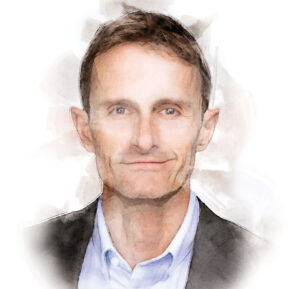
CMO, ClearNote Health
At ClearNote Health, Jeffrey Venstrom, MD, CMO, focuses not on traditional 5-methylcytosine (5mC), but on 5-hydroxymethylcytosine (5hmC), a related epigenetic mark that provides a different kind of biological signal.
“While much of the scientific focus on methylation has centered around the 5mC mark,” he said, “we have found the 5hmC mark to be more relevant to the detection of cancer.”
The distinction is important. While 5mC often reflects silenced genes, 5hmC marks genes that are actively being expressed. That makes it particularly useful for identifying active cancer biology, including the upregulated genetic programs associated with tumor growth.
There are also major technical advantages. Because much more of the genome is silenced than active, there is less 5hmC signal to analyze, requiring less sequencing depth to achieve reliable results. Unlike 5mC analysis, 5hmC detection avoids bisulfite conversion, a harsh chemical step that can damage DNA and complicate sequence mapping. Scientific studies have shown that 5hmC is a reliable signal even in early-stage cancers and carries tissue-specific signatures that help identify where a tumor originated.
ClearNote’s platform analyzes cell-free DNA (cfDNA) from a standard blood draw, integrating 5hmC signals with other genomic features and applying machine learning to detect cancer. “Our machine learning model has now been trained on thousands of patient samples and independently validated,” Venstrom said. That platform powers the company’s Avantect® tests for one of the most clinically important targets in oncology: pancreatic cancer.
Pancreatic cancer remains a highly lethal malignancy, largely because it is rarely detected early enough for effective intervention. Standard imaging often misses disease during the narrow window when curative treatment is still possible.
ClearNote designed the Avantect Pancreatic Cancer Test specifically for individuals at elevated risk, including people over age 50 with newly diagnosed type 2 diabetes, those with BRCA mutations, and patients with a strong family history of pancreatic cancer.
The test is a simple blood draw, but its performance is substantial. It now achieves 82.6% sensitivity and 97.5% specificity—metrics that Venstrom says will supplement standard imaging technologies for early detection.
The assay is supported by a robust body of evidence, including multiple conference presentations and peer-reviewed scientific publications, representing more than 20,000 test runs across more than 7,000 patients. It is also being deployed in major global studies, including the U.K.’s National Health Service-led SAFE-D study and the international Pancreatic Cancer Early Detection PRECEDE Consortium.
ClearNote is expanding into ovarian cancer and multi-cancer early detection. Its Avantect Multi-Cancer Detection Test is designed to simultaneously identify eight cancers while predicting tissue of origin. That capability is crucial because, as Snuderl notes of metastatic brain tumors, knowing that cancer is present is only the beginning—knowing where it came from determines how it should be treated. This assay was one of only two selected for the National Cancer Institute’s Vanguard Study, which is evaluating real-world implementation across up to 24,000 participants. For cancers that currently lack practical screening tools, multi-cancer detection might represent the next major leap forward.
Reliable epigenetics in clinics

Director, Zymo Research
From Zymo Research, Xiaojing Yang, PhD, epigenetics group leader, and Paolo Piatti, PhD, director of applied epigenetics, pointed out that one of the biggest barriers to using epigenetics in clinics is ensuring that DNA methylation testing is “reliable, reproducible, and cost-effective,” especially when working with poor-quality samples like cfDNA from plasma, stool, or urine. These samples are often scarce, degraded, and contain only trace amounts of DNA, making it difficult to accurately detect rare epigenetic signals.
The researchers note that bisulfite-based methods continue to outperform newer approaches in difficult clinical settings. Comparative studies, they say, show these methods provide “higher reproducibility and more stable performance” and align better with reference methods such as EPIC arrays. Although newer enzymatic approaches are promising, they might create systematic biases like methylation overestimation. Because of this, they argue that “bisulfite conversion chemistry continues to be reinforced as the clinical gold standard for DNA methylation analysis.”
To address these issues, Zymo developed CE IVD-marked bisulfite conversion kits such as the EZ-96 DNA Methylation Lightning MagPrep. Designed for high-throughput clinical workflows, the kit works with automation platforms like Hamilton, KingFisher Flex, and Tecan Fluent. Its magnetic bead-based system improves DNA recovery and supports downstream PCR, microarrays, and next-generation sequencing.

Beyond products, Zymo offers full-service epigenetic workflows like assay optimization, sequencing, and bioinformatics. Their whole-genome bisulfite sequencing service is optimized for low-input and degraded samples like cfDNA and formalin-fixed, paraffin-embedded tissue. These services are supported by “rigorous quality control,” Yang and Piatti noted, and can extend into CLIA/CAP-compliant environments through partner laboratories.
Looking ahead, the company is developing NGS-based workflows that preserve fragmentomic information from cfDNA. This could enable more sensitive tests for “early disease detection and longitudinal monitoring,” Yang and Piatti said, combining both epigenetic and fragmentomic insights for stronger clinical decision-making.
Measuring epigenetics more directly
As epigenetic diagnostics expand, another challenge becomes increasingly important: how to measure these signals accurately and efficiently.Cora Vacher, PhD, director of segment marketing for human genetics at Oxford Nanopore Technologies, argues that traditional workflows often make epigenetics unnecessarily complex.“Oxford Nanopore sequencing can read native DNA and RNA directly, without PCR amplification or chemical conversion,” she said.That means methylation and other epigenetic modifications can be detected alongside the sequence from the same molecule, in the same experiment.

Director
Oxford Nanopore Technologies
Instead of stitching together multiple assays for sequencing, structural variation, and methylation analysis, researchers can capture all this information simultaneously. “Our technology reads individual DNA or RNA molecules directly as they pass through a nanopore,” Vacher explained, using changes in electrical current to identify both nucleotide sequence and chemical modifications in real time.
Because amplification and chemical conversion are not required, the method preserves long reads and native biological context. It also enables the detection of multiple epigenetic modifications beyond traditional forms of methylation.
In cancer and rare-disease research, this creates a much richer picture of disease biology by linking sequence variation, haplotype phasing, structural variants, and epigenetic regulation on the same molecule. “Because epigenetic information is captured directly,” she said, “the technology is well-suited to developing simpler, more integrated assays that could support future clinical workflows.”

Therapeutics move beyond diagnosis

CSO, nChroma Bio
Epigenetics is not only improving diagnostics, it is also increasingly becoming the therapy itself. At nChroma Bio, CSO Melissa Bonner, PhD, and CSO Jenny Marlowe, PhD, are developing treatments based on epigenetic silencing rather than gene editing. “Epigenetic silencing enables potent, durable gene silencing without cutting or permanently altering the DNA sequence,” they explained. Instead of editing DNA directly, the approach uses the cell’s own epigenetic machinery—particularly DNA methylation—to turn genes off in a controlled and durable way.

CDO, nChroma Bio
Their lead program, CRMA-1001, an investigational, clinical-stage therapy, targets chronic hepatitis B, where viral persistence depends on both episomal covalently closed circular DNA (cccDNA) and integrated viral DNA. By permanently methylating both forms, the therapy aims to durably silence viral gene expression and potentially deliver a functional cure.
In preclinical studies, CRMA-1001 produced durable suppression of hepatitis B virus (HBV) biomarkers, with up to 90% of animals achieving complete loss of HBV surface antigen and DNA.
The company is also expanding into cardiometabolic disease, central nervous system, and oncology programs. The shift reflects a larger truth across precision medicine: epigenetics is moving from classification to direct intervention.

The next phase of precision medicine
For Snuderl, the next frontier is clear. After spending more than a decade improving diagnosis, today’s goal is to use that molecular knowledge to improve therapy. “Now we know what we are dealing with and, hopefully, we can find better therapies,” he said.
Future applications of epigenetics might resolve other challenges in today’s healthcare. For example, epigenetics might help identify the origins of metastatic brain tumors when physicians are unable to determine where the cancer began. Epigenetics could also improve clinical-trial enrollment by ensuring that the right patients are matched with the most appropriate studies. “If 15% of patients on your clinical trial have a different type of cancer,” Snuderl said, “there’s a statistically very good chance your trial will fail.”
Precision medicine depends on precision diagnosis. Without accurate classification, targeted therapies and biomarker-driven trials cannot succeed. That is where epigenetics has become indispensable. It provides not just more molecular data, but biological context—revealing lineage, vulnerability, treatment response, and increasingly, therapeutic opportunity. What was once a forgotten footnote in a medical school textbook has become one of the most clinically transformative tools in modern oncology.
Mike May, PhD, is a freelance writer and editor with more than 30 years of experience. He earned an MS in biological engineering from the University of Connecticut and a PhD in neurobiology and behavior from Cornell University. He worked as an associate editor at American Scientist, and he is the author of more than 1,000 articles for clients that include GEN, Nature, Science, Scientific American, and many others. In addition, he served as the editorial director of many publications, including several Nature Outlooks and Scientific American Worldview.
The post Rewriting Cancer Care Through Epigenetics appeared first on Inside Precision Medicine.
The Download: cutting AC emissions, and nature’s drug designer
This is today’s edition of The Download, our weekday newsletter that provides a daily dose of what’s going on in the world of technology.
These new solid-state ACs promise a cool future. Scientists aren’t so sure.
After three years of record-breaking heat and another scorcher underway, air-conditioning isn’t going anywhere. That’s good for our health, but bad for the planet: it already accounts for 7% of global electricity use and 3% of greenhouse-gas emissions.
Feeling the heat, scientists and startups are hoping to amp up solid-state cooling. These systems move heat through conductive materials, which could cool spaces and surfaces with fewer messy side effects. The catch is whether it can match the efficiency of traditional AC.
Find out how the unconventional coolers aim to dial down AC emissions.
—Sara Kiley Watson
This story is from the next edition of our magazine, which is all about engineering. Subscribe now to get a copy when it lands!
Job titles of the future: nature’s drug designer
In 2018, after nearly two decades working in Big Pharma, chemist Tim Cernak was ready to put his skills to a new use.
As a lifelong nature lover, he had become concerned that animals are often treated with human pharmaceuticals that can be harmful or even lethal. He decided to address this with a new approach: “conservation chemistry.”
Using AI tools and robots, he’s now rapidly designing and testing drugs for animals. Here’s what it takes to treat nature’s patients.
—Anna Gibbs
The must-reads
I’ve combed the internet to find you today’s most fun/important/scary/fascinating stories about technology.
1 Anthropic has shut down access to its top models after a US directive
The US barred foreigners from using Fable 5 and Mythos 5 on Friday. (NYT $)
+ Anthropic disabled access globally as it can’t filter users in real time.(BBC)
+ Talks with Amazon’s CEO apparently prompted the ban. (WSJ $)
+ Cybersecurity experts have called for the ban to end. (Axios)
+ But the White House’s war against Anthropic has previously backfired. (MIT Technology Review)
2 The UK is banning social media for under-16s
Details are scant, but the measure is due to take effect in early 2027. (The Guardian)
+ The ban covers Snapchat, TikTok, YouTube, Instagram, Facebook, and X. (BBC)
+ Many countries are curbing children’s social media access. (Reuters $)
3 New space data suggests black holes formed before galaxies
It could resolve cosmology’s chicken-and-egg dilemma. (New Scientist $)
+ Odd tricks have formed a massive black hole. (MIT Technology Review)
4 Skepticism around AI layoffs is increasing
There are growing doubts that AI is really the culprit. (TechCrunch)
+ We need a reality check on AI jobs hysteria. (MIT Technology Review)
5 A coalition of states has opened an investigation into OpenAI
Over matters including user data, child safety and advertising. (NYT $)
6 Tesla has been accused of misleading regulators over “full self-driving”
By exaggerating its safety statistics. (Reuters $)
7 NASA’s “quiet supersonic” plane has hit critical new milestones
The X-59 reached 924 mph and 55,000 feet. (Scientific American)
+ Which are essential for flying over populated areas. (Engadget)
+ It’s designed to take the boom out of supersonic travel. (BBC)
8 Deepfakes are getting harder to spot—and weirder—in the midterms
Thanks to improvements in free AI tools. (WSJ $)
9 AI is revealing the secret lives of animals
By tracing their movements, landmarks, and social practices. (Nature)
10 Where did Earth get its oceans? Maybe it made them itself.
Scientists now suspect that Earth’s waters are homegrown. (Quanta)
Quote of the day
“This action has taken the best models away from defenders, created market uncertainty, and risked America’s AI leadership without any real risk to justify it.”
—Cybersecurity leaders urge the Trump administration to reverse restrictions on Anthropic’s most advanced AI models in an open letter.
One More Thing

CHRISTIE HEMM KLOK
How scientists want to make you young again
A little over 15 years ago, scientists at Kyoto University made a remarkable discovery. When they added just four proteins to a skin cell and waited about two weeks, some of the cells underwent an unexpected and astounding transformation: they became young again.
Now, after more than a decade of developing this cellular reprogramming, biotech companies and research labs have tantalising hints that the process could be the gateway to an unprecedented new technology for human age reversal.
Read the full story on their efforts to “reprogram” aging bodies back to youth.
—Antonio Regalado
We can still have nice things
A place for comfort, fun, and distraction to brighten up your day. (Got any ideas? Drop me a line.)
+ Evolutionary biologists may have figured out why the T-Rex had such tiny arms.
+ This beautifully sustainable bento box design is engineered to eliminate single-use takeout waste.
+ Search across 5.8 million museum artworks spanning from 3000 BC to today at The Last Museum.
+ Here’s a sharp cosmic snapshot of Thor’s Helmet, an interstellar gas bubble sitting 15,000 light-years away.
A novel de novo QRICH1 variant causing Ververi–Brady syndrome with infantile epileptic spasms syndrome: clinical and genetic analysis
ObjectiveThis study aims to investigate the clinical phenotype and genetic etiology of a case of Ververi–Brady syndrome (VBS) with infantile epileptic spasms syndrome (IESS) caused by a novel de novo variant in the QRICH1 gene.MethodsClinical data were retrospectively collected from a pediatric patient admitted to Hunan Children’s Hospital on July 28, 2025, due to intermittent nodding episodes for 10 days. Trio-based whole-exome sequencing (trio-WES) was performed for the proband and his parents. Candidate variants were validated by Sanger sequencing and assessed for pathogenicity. Relevant literature was reviewed to summarize genotype–phenotype correlations.ResultsThe patient, a 5-month-and-22-day-old male infant, presented with facial dysmorphism, global developmental delay, and IESS. After treatment with adrenocorticotropic hormone (ACTH) and vigabatrin, seizures were fully controlled and developmental outcomes improved. Trio-WES identified a novel heterozygous frameshift variant in the QRICH1 gene (NM_198880.3: c.1282dup, p. Gln428Profs*27), which was de novo and absent in both parents. According to the ACMG/AMP guidelines, this variant was classified as pathogenic (PVS1 + PS2 + PM2_Supporting). A literature review identified 11 relevant articles, encompassing a total of 46 patients (including the present case) with 41 distinct QRICH1 variants: 10 missense, 11 nonsense, 17 frameshift, and 3 splicing mutations. Common clinical features included developmental delay, nonspecific facial dysmorphism, hypotonia, autism spectrum disorder, epilepsy, and scoliosis.ConclusionQRICH1 variants underlie Ververi–Brady syndrome. Here we describe a patient with QRICH1-related Ververi–Brady syndrome presenting with IESS. Combined treatment with ACTH and vigabatrin was followed by seizure freedom, electroencephalographic (EEG) improvement, and developmental gains in this patient. This report expands the genotypic and phenotypic spectrum of the disorder.