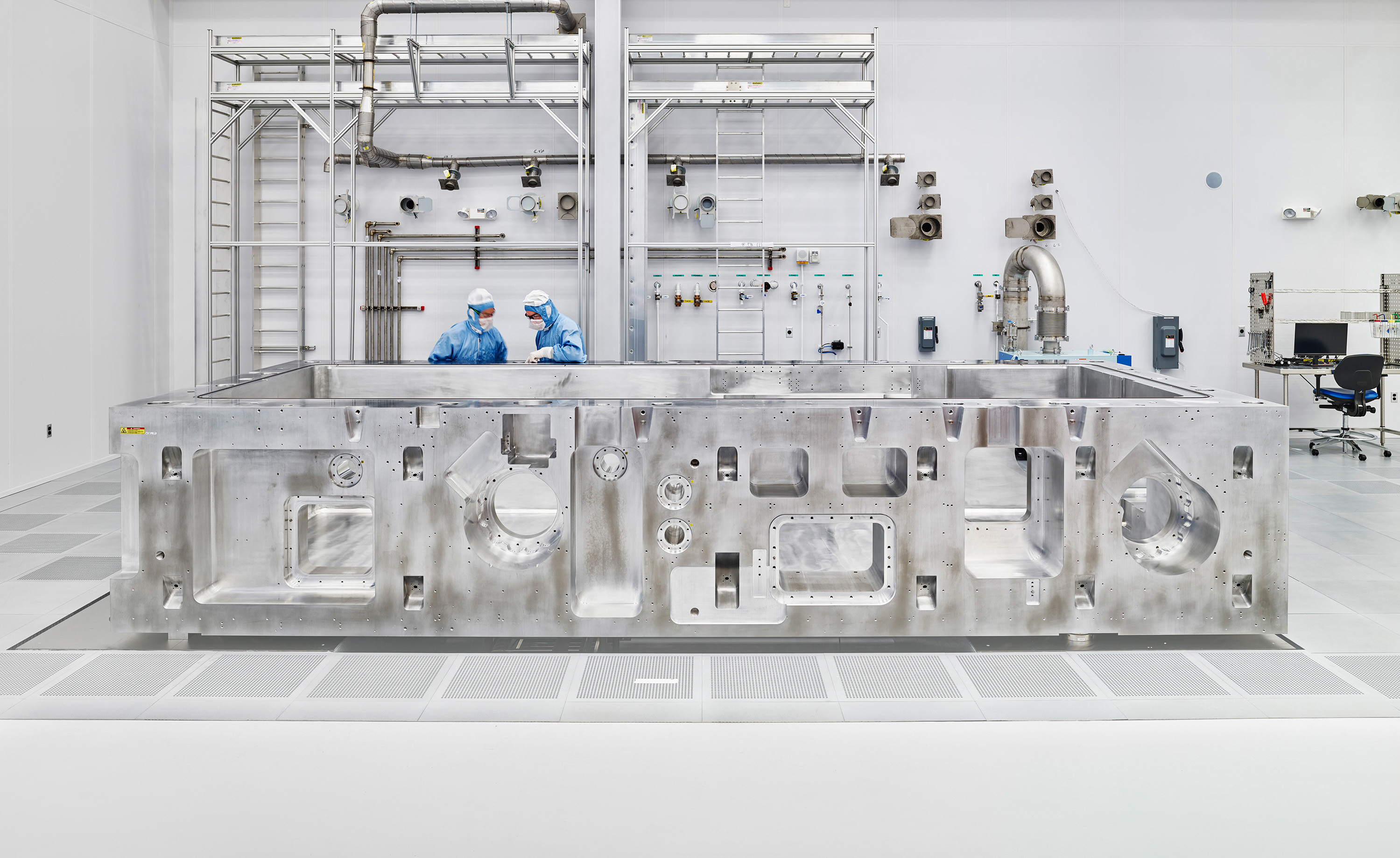
Tailoring AI solutions for health care needs

The AI market is full of big promises of grand transformation. Health care is a prime target for those promises, beset as it is by financial pressures, labor shortages, and the growing burden of caring for an aging population. AI developers are targeting functions that vary widely, from curing cancer and performing surgery to streamlining routine administrative tasks.

The opportunity is genuine, but execution can be difficult. Numerous software vendors have tried to “fix” health care challenges but failed because they misunderstood the environment. “Health care is very complex,” says Steve Bethke, vice president of the solution developer market for Mayo Clinic Platform, which supports the buildout and deployment of digital solutions for health care companies through data-based insights and expert validation. “Solution developers must have a deep focus on clinical and technical capabilities, and then align their solutions to the relevant business impacts. If they miss any dimension, the solution will not be adopted or drive value.”

AI applications for health care are proliferating rapidly. The U.S. Food and Drug Administration has approved more than 1,300 AI-enabled medical devices, mostly for interpreting diagnostic images. More than half of these were approved in the past three years, with the earliest dating as far back as 1995. Non-radiological applications carry out tasks as diverse as tracking sleep apnea, analyzing heart rhythms, and planning orthopedic surgeries.

AI applications that do not count as medical devices— for example, those that handle scheduling and administrative tasks—are more difficult to track but are also rapidly increasing. AI can help coordinate complex tasks and workflows that are often conventionally managed by whiteboards and sticky notes. Such functions may well outstrip clinical uses in their impact on health systems. A recent survey of technology leaders found that 72% said their top priority for AI was reducing caregiver burden and improving caregiver satisfaction, while over half (53%) cited workflow efficiency and productivity.

Any health care-related application can potentially impact patient care, whether directly or indirectly, and AI apps that are poorly designed or inadequately trained and validated can put patients at risk. Providers recognize that risk: In the same survey, 77% said immature AI tools are a significant barrier to adoption. Regulators and lawmakers are also keeping an eye on the risks as development and adoption burgeon, though the U.S. regulatory picture is still in flux, as a 2024 report to Congress on AI in health care observes.

To tackle some of the technical challenges, many health care providers are partnering with application developers to build AI solutions. In a recent study, McKinsey found that 61% of health care organizations intend to pursue partnerships with third-party vendors to develop customized generative AI solutions as a primary strategy as opposed to building them in-house or buying off-the-shelf products.

But health care-specific AI applications must also be tailored to the nuanced clinical needs of medical providers as well as the complex business and regulatory considerations of the wider sector. This is where developers can benefit from working with a partner with a deep understanding of the health care environment to tailor applications to what providers want and need most. Doing so helps to position AI products for maximum impact and value, avoiding the pitfalls unique to the health care environment.

Download the report.

This content was produced by Insights, the custom content arm of MIT Technology Review. It was not written by MIT Technology Review’s editorial staff. It was researched, designed, and written by human writers, editors, analysts, and illustrators. This includes the writing of surveys and collection of data for surveys. AI tools that may have been used were limited to secondary production processes that passed thorough human review.

Gene Syntax Determines DNA Supercoiling and Modulates Gene Expression

When synthetic biologists sketch gene circuits, they usually think in terms of promoters, repressors, and transcription factors—biochemical parts that toggle genes on or off. But DNA is not a flat schematic. It’s a physical polymer that twists, coils, and buckles as genes are transcribed. A pair of new papers from MIT and collaborators shows that this physicality could suggest approaches to controlling the output of gene circuits.

In a recent Science study titled “Gene syntax defines supercoiling-mediated transcriptional feedback,” researchers demonstrate that the order and orientation of neighboring genes—what they call gene syntax—can reshape local DNA supercoiling and, in turn, amplify or suppress the expression of adjacent genes.

“Syntax will be really useful for dynamic circuits. Now we have the ability to select not only the biochemistry of circuits, but also the physical design to support dynamics,” said Katie Galloway, PhD, an assistant professor of chemical engineering at MIT.

The team engineered human cell lines and hiPSCs with synthetic two‑gene reporter circuits arranged in tandem, divergent, or convergent configurations. Their earlier modeling predicted that divergent syntax should boost the expression of both genes, while tandem syntax should suppress the downstream gene. “The thing that we were trying to solve in this paper was: When you put two genes on the same piece of DNA, how does their physical interaction become coupled?” said Galloway. The experimental results matched those predictions: divergent circuits amplified both genes, while tandem circuits showed strong upstream‑to‑downstream repression, with effects reaching up to 25‑fold.

To understand why, the researchers used Region Capture Micro‑C, a high‑resolution genome‑folding mapping technique, to visualize how transcription reshapes DNA. When a gene was activated, the DNA downstream tightened into plectonemes—twisted structures that hinder RNA polymerase binding—while upstream DNA loosened. “Supercoiling impacts transcription of adjacent genes by altering RNA polymerase binding, forming a feedback loop,” the authors of the first paper wrote.

The second paper, published in Nature Biomedical Engineering and titled “STRAIGHT-IN Dual: a platform for dual single-copy integrations of DNA payloads and gene circuits into human induced pluripotent stem cells,” introduced STRAIGHT‑IN Dual, a platform that enables simultaneous, allele‑specific, single‑copy integration of two DNA constructs into hiPSCs. This system allowed the team to “investigate how promoter choice and gene syntax influence transgene silencing and how these design features affect reporter expression and forward programming of hiPSCs into neurons, motor neurons, and endothelial cells,” according to the authors of the second paper.

Using STRAIGHT‑IN Dual, the researchers also demonstrated a practical application: a divergent circuit expressing two components of a yellow fever antibody produced higher output than other configurations.

“This is really exciting because we can coordinate gene expression in ways that just weren’t possible before,” Galloway said. “Now that we understand the syntax, I think this will pave the way for us to program dynamic behaviors.

“If you want coordinated expression, a divergent circuit is great. If you want something that’s either/or, you can imagine using a convergent or tandem circuit, so when one turns on, the other turns off, and you can alternate pulses,” Galloway added.

The post Gene Syntax Determines DNA Supercoiling and Modulates Gene Expression appeared first on GEN – Genetic Engineering and Biotechnology News.

Blood Stem Cells Evade Immune Attack in Aplastic Anemia Through Gene Mutations

Scientists headed by a team at St. Jude Children’s Research Hospital have found that in individuals with the life-threatening blood disorder aplastic anemia (AA), different blood stem cells within the same person independently acquire gene mutations that allow cells to escape the immune attack. Through their study, the team, together with collaborating institutions, used state-of-the-art genomic techniques to profile 619 children and adults with AA. The study showed that for some patients, these “rescuing” stem cell clones were enough to restore blood production and provide long-term remission.

“We found that each patient with aplastic anemia that escapes autoimmunity has multiple, independent genetic events in different blood stem cells that allow those cells to escape autoimmunity,” said Marcin Wlodarski, MD, PhD, St. Jude Department of Hematology. “Stem cells silence the risk HLA allele through several mechanisms, and our data show that these events are protective, benign events that don’t cause progression to MDS or leukemia, even when the rescued clones grow and dominate the bone marrow.”

Corresponding author Wlodarski and colleagues reported on the study, which they say includes the largest pediatric cohort of its kind reported to date, in Nature Genetics. In their paper titled “High-resolution single-cell mapping of clonal hematopoiesis and structural variation in aplastic anemia,” the team wrote, “These findings reveal parallel evolutionary pathways used by hematopoietic cells to evade immune attack.”

Aplastic anemia is a rare, life-threatening bone marrow failure (BMF) syndrome where patients are unable to make enough blood cells due to the immune system’s attack on hematopoietic stem and progenitor cells (HSPCs). The condition can progress to myelodysplastic syndrome (MDS) and leukemia.

In AA, autoreactive T cells target and destroy blood stem cells that display peptides on a specific protein on their surface. These are encoded by the human leukocyte antigen (HLA) gene. Each person inherits one copy of this gene from each parent, which can have different variations. People with aplastic anemia often carry a particular “risk” HLA allele (gene variant) that is thought to trigger the disease. As the authors noted, “While the precise mechanism underlying HSPC recognition by autoimmune T cells remains elusive, specific human leukocyte antigen (HLA) alleles are overrepresented in patients with AA compared with healthy controls, suggesting a role in aberrant immune recognition.”

Some blood stem cells evade the immune attack by acquiring changes that silence the risk HLA allele. This can happen via loss-of-function HLA mutations or through uniparental isodisomy 6p (UPD6p), where the risk allele is replaced with a non-risk allele. “HLA loss, manifesting as uniparental disomy of chromosome 6p (UPD6p) or loss-of-function (LOF) mutations in HLA, is postulated to inactivate HLA risk alleles (presumed to mediate autoantigen presentation), effectively shielding HSPCs from autoimmune attack,” the investigators noted. Two other types of escape in blood stem cells are known: paroxysmal nocturnal hemoglobinuria (PNH) or mutations in clonal hematopoiesis (CHIP) genes. However, it was unclear if all these changes arise in a single stem cell or arise independently to help the blood stem cells hide from the immune system. It was also unclear how this process of immune evasion impacted clinical outcomes and cancer risk.

“The clinical implications of clonal alterations in AA vary,” the investigators stated. “HLA loss is generally considered a nonmalignant adaptive lesion, large PNH clones require complement inhibitor therapy, and CHIP-mutant clones may be associated with MDS, thereby necessitating hematopoietic stem cell transplantation (HSCT).”

(L to R) Corresponding author Marcin Wlodarski, MD, PhD, and lab member Diantha Van De Vlekkert, MSc, both of the St. Jude Department of Hematology, and second author Sushree Sahoo, PhD, formerly of the St. Jude Department of Hematology. [St. Jude Children's Research Hospital]
(L to R) Corresponding author Marcin Wlodarski, MD, PhD, and lab member Diantha Van De Vlekkert, both of the St. Jude Department of Hematology, and second author Sushree Sahoo, PhD, formerly of the St. Jude Department of Hematology. [St. Jude Children’s Research Hospital]

Blood stem cells give rise to all other blood cells, meaning their progeny are genetically identical, including any mutations gained over time. The relative abundance of a specific stem cell’s genetic “clones” measures the genetic diversity of these blood-making cells. Using single-cell analyses, the researchers showed that protective mutations happen independently in different blood stem cells and not sequentially within a single cell. These independent clones then repopulate the marrow without being found and killed by the immune system. “We saw that patients with blood stem cell clones that escape autoimmunity can improve their blood counts,” Wlodarski said. “We also learned that these clones do not indicate an increased risk for leukemia. On the contrary, they often indicate the possibility of long-lasting remission.”

To assess these clones, the scientists analyzed bone marrow and blood samples from 619 (256 children and 363 adults) patients with AA. “We present a high-resolution genomic landscape in AA patients using single-cell targeted DNA/protein sequencing, PacBio long-read whole-genome sequencing (WGS), and single-cell WGS,” they explained. They found that overall, 69% of patients carried at least one acquired change: HLA mutations or UPD6p clones were found in 16%, PNH clones in 44%, and CHIP mutations in 21%.

First author Masanori Yoshida, MD, PhD, St. Jude Department of Hematology, then established and applied a single-cell DNA sequencing assay to simultaneously profile mutations and cell-surface proteins of 304,902 single cells from 48 samples. The study was complemented by long-read whole-genome sequencing and single-cell whole-genome sequencing.

The experiments showed that acquired mutations are just as common in children as in adults, but in pediatric patients, 65% of the CHIP mutations occurred in just three genes (BCOR, BCORL1, and ASXL1), compared with 27% in adults. Because age-related CHIP mutations are not expected to preexist in children, these mutations seem to be immune-escape events acquired in response to the autoimmune attack. “In children, where preexisting CHIP is not expected, mutations in these three genes may represent bona fide immune escape mechanisms arising in direct response to T-cell-mediated attack,” the authors stated.

To understand how these protective events arise and to count them precisely, the authors performed whole-genome sequencing on many single blood stem cells. They expected to see one to three events per individual; instead, they found a median of three per patient, and in one patient, 15 independent clones, all resulting in the loss of the risk HLA allele, showing convergent evolution to escape a strong immune attack. “Strikingly, HLA loss clones emerge independently through mutational events that converge on inactivating a single specific HLA risk allele, with up to 15 clones per patient identified using the scWGS platform … Our analyses reveal that somatic alterations in AA arise as independent clones rather than through sequential acquisition, and most patients carry multiple independent clones,” the investigators noted.

That extreme diversity pointed to an unusual, convergent evolutionary process, so the scientists reconstructed a phylogenetic “family tree” of individual blood stem cells by reading all mutations acquired throughout life in single whole genomes. This method enabled them to pinpoint each clone’s origin. “We had expected that these mutations occur right before disease onset,” Wlodarski said. “But we found some of these HLA-loss clones arose many years before clinical diagnosis.”

The team also showed that long-lived, rescued clones had higher expression of CD34, a surface marker for blood stem and progenitor cells. This suggests that CD34 enrichment could serve as a biomarker of long-lasting recovery. In addition, clones with loss of HLA risk alleles and CHIP mutations almost never co-occurred in the same cells, indicating that HLA loss provides enough of a proliferative advantage on its own that additional CHIP mutations, which can predispose to MDS, are not selected. So, they appear to act as protective events against their MDS and leukemia evolution.

“Clones with higher CD34+ expression levels measured in our scDNAseq/protein analysis, particularly those with HLA-loss alterations, demonstrated long-term fitness, multilineage contribution, and were often associated with stable blood counts and prolonged treatment-free intervals,” the team pointed out. These results challenge prior assumptions about when and how protective clones arise in aplastic anemia, and their presence can be a factor in restoring blood formation.

“Aplastic anemia shows us convergent evolution in miniature: Multiple independent mutational events arise in different cells, all leading to the same escape from autoimmunity,” Wlodarski said. “It shows the amazing nature of human hematopoiesis to cure itself from bad actors, like the autoimmune T cells, and reconstitute the bone marrow.” In their paper, the team concluded, “These findings enhance our understanding of clonal dynamics in AA and provide a foundation for future precision medicine approaches to address BMF in this life-threatening syndrome.”

The post Blood Stem Cells Evade Immune Attack in Aplastic Anemia Through Gene Mutations appeared first on GEN – Genetic Engineering and Biotechnology News.

Usability, Acceptability, and Feasibility of a Personalized Adaptive Mirror Therapy for Upper-Limb Poststroke Rehabilitation Using Immersive Virtual Reality and Myoelectric Control: Single-Arm Pre-Post Study

<strong>Background:</strong> Stroke remains a primary cause of long-term disability worldwide, with upper-limb deficits affecting up to 80% of survivors acutely and 40% chronically. These deficits lead to considerable effects on their independence and overall quality of life. Conventional rehabilitation therapies are most effective when initiated shortly after a stroke, yet many patients face barriers to ongoing therapy post discharge. Recent advancements in low-cost rehabilitation systems, particularly those using virtual reality (VR) technologies, offer promising alternatives for enhancing upper-limb recovery. <strong>Objective:</strong> Given the burden on health care systems and the limitations in access to high-intensity postdischarge rehabilitation, this study aimed to evaluate the feasibility, acceptability, and usability of an upper-limb adaptive mirror therapy using VR and myoelectric control for the rehabilitation of patients with chronic stroke developed through a user-centered design approach. <strong>Methods:</strong> In this study, a total of 12 community-dwelling survivors of chronic stroke (mean age 52.9, SD 16.0 years; 4 female) with moderate to severe upper-limb impairments were enrolled. Participants were stratified by age (young: 18-55 years; older: 56-80 years) and impairment level (Fugl-Meyer Assessment-Upper Extremity score: 18-36=severe; 37-54=moderate). Acceptability was assessed for each session by patient self-evaluation of satisfaction and motivation through a visual analog scale, while the therapist assessed the patient’s participation in therapy using the Pittsburgh Participation Rehabilitation Scale. Usability was measured with the User Satisfaction Evaluation Questionnaire scale and feasibility through the NASA (National Aeronautics and Space Administration) Task Load Index cognitive workload indices. <strong>Results:</strong> Patients reported a significant increase in satisfaction from the intermediate to the final assessment (T1: 72% vs T2: 85%; <i>P</i>=.01) and stable high motivation levels. Differences in participation and motivation were observed based on impairment levels, with no effect of age. Usability ratings remained high (&gt;80%) throughout the intervention, with no significant differences between baseline and end line (<i>P</i>=.56). Cognitive workload assessments showed a significant reduction over time, in perceived cognitive (<i>P</i>=.04), performance (<i>P</i>=.007), and effort demands (<i>P</i>&lt;.001). Impairment level significantly influenced perceived workload, with participants with more severe impairment reporting higher cognitive, physical, temporal, and effort demands (all <i>P</i>&lt;.001), while age did not contribute to variability in acceptability, usability, or workload measures. <strong>Conclusions:</strong> VR therapy was found to be feasible, under adaptive task conditions, ensuring stable performance across patients. The protocol was usable and acceptable among patients with chronic stroke, especially those with moderate impairment, supporting its potential as a user-centered digital rehabilitation tool, warranting further investigation in controlled and home-based settings. <strong>Trial Registration:</strong> ClinicalTrials.gov NCT07103122; https://clinicaltrials.gov/study/NCT07103122

Cultural Relevance and Acceptability of Cognitive Behavioral Therapy Techniques Adapted by AI or a Human Psychologist: Experimental Study

Background: Evidence-based psychological interventions are usually not accessed by marginalized groups such as refugees. Culturally adapted psychological interventions have reported larger effect sizes than nonadapted psychological interventions. However, the cultural adaptation of interventions is a lengthy process, entailing a challenge. One potential solution to overcome this challenge is the use of artificial intelligence (AI). Objective: The aim of this study was to investigate and compare the perceived cultural relevance and acceptability of 2 common cognitive behavioral therapy (CBT) techniques when translated and culturally adapted by AI versus a human psychologist. Methods: In a 2×2 factorial design, the text generator type (AI vs human psychologist) and the CBT technique (cognitive restructuring vs behavior modification) were compared. CBT technique texts translated and culturally adapted either by AI or by a human psychologist were blindly rated using the Cultural Relevance Questionnaire and the Theoretical Framework of Acceptability. Raters were Arabic-speaking refugees and immigrants, aged between 18 and 69 years, residing in Sweden, Denmark, and Germany. Raters were randomly allocated to 1 of 4 conditions. Each condition consisted of 2 stimuli. Two-factor between-subject design analyses were used to analyze the data. Results: A significant main effect of the text generator domain type (=.02; η²=0.045) was found in the first rating, with texts adapted by the AI domain perceived as more culturally relevant than those adapted by the human domain. No significant main effect of the CBT technique was found in the first rating (=.10; η²=0.022). There were no differences in the second rating. Regarding acceptability, no significant main effects of text generator domain type (=.09; η²=0.024) or the CBT technique (=.88; η²=0.001) were found in either of the ratings. Conclusions: CBT technique materials adapted by AI may be perceived as similarly culturally relevant as those adapted by a human psychologist. This finding implies the potential to accelerate the cultural adaptation of psychological interventions. However, AI still needs to be used with caution and in accordance with rigorous safety standards and robust frameworks.
<img src="https://jmir-production.s3.us-east-2.amazonaws.com/thumbs/717971a3020c51a80c4b35fb1e059041" />

Addressing the Psychological Needs of Adolescents During the Wait Time for Mental Health Treatment: Service Design Study

<strong>Background:</strong> Adolescents waiting for mental health treatment often experience significant unmet psychological needs, including severe psychological distress, increased use of maladaptive coping strategies, and feelings of abandonment. However, current wait time support offerings across the mental health sector are sparse and lack clear evidence of effectiveness. <strong>Objective:</strong> Using design thinking, this early report describes the development of a service blueprint for a new model of care (<i>While We Wait</i>) designed to address the psychological needs of adolescents during the wait time for mental health treatment in Australia through targeted support from general practitioners (GPs) and brief, self-directed digital interventions. <strong>Methods:</strong> In partnership with health service designers from Deloitte Digital Australia, we conducted a rapid 6-week health service design sprint. This industry-led methodology involved iterative weekly activities, including the development of service user personas and service experience principles, consultation sessions with 12 youth with lived experience experts (aged 18 to 20 years) and 15 GPs, insight synthesis, and service blueprint development. <strong>Results:</strong> The design sprint produced a service blueprint anchored in 5 service experience principles: “I’m never alone,” “It’s for me,” “I’m in control,” “It’s easy to use,” and “It lifts me up.” The proposed service model incorporated a five-stage service journey: (1) recognition (the adolescent acknowledges the need for support), (2) initial consultation and onboarding with the GP, (3) support and monitoring, (4) preparation for treatment, and (5) transition to specialist care and follow-up. Key adolescent service outcomes included uptake, acceptability, self-advocacy, mental health and well-being, perceived quality of care, and help seeking intentions and behaviors. For GPs, outcomes included uptake, feasibility, acceptability, and confidence in supporting adolescents during the wait time. <strong>Conclusions:</strong> This work demonstrates that a rapid, industry-led design thinking approach may help identify priorities for developing services that address adolescents’ needs during the wait time for mental health treatment. The project also highlights the value of co-designing mental health services with lived experience experts and service providers. Together, these findings suggest that the wait time may represent an important opportunity for early therapeutic engagement rather than a passive delay before treatment.

Older Adults’ Experiences Navigating Setup of Digital Health Technology: Implementation Report

<strong>Background:</strong> Digital health and connected technologies may support better health outcomes among older adults, including those with multiple chronic conditions or low engagement in health behaviors. However, initial experiences with technology, including during unboxing, setup, and first use, can influence emotional reactions and perceptions and can ultimately determine sustained, meaningful use. Older adults with low technology experience or poor health may be particularly vulnerable to frustration, stress, or abandonment of devices when early interactions are negative. <strong>Objective:</strong> The purpose of this implementation study was to closely observe the initial engagements with a telehealth treatment app and connected blood pressure monitor (BPM) among a group of older adults with low prior technology use and reported low health behavior engagement. The goal was to identify setup “pain points” that may influence initial impressions and intention to use the technology over time. <strong>Methods:</strong> A total of 24 older adults (aged ≥65 years) were recruited for a 4-week trial of a telehealth app. Participants were provided with a box containing a tablet preloaded with the app, paper instructions, and a BPM and cuff. Researchers first conducted in-home ethnographic interviews with participants to observe the unboxing and setup process, documenting experiences with reading instructions, using the BPM, and engaging with customer support. Weekly check-in calls and a final exit interview captured ongoing experiences and likelihood of continued use. Interview recordings were transcribed and independently coded, guided by the unified theory of acceptance and use of technology. <strong>Results:</strong> Most of the sample were White (20/24, 83%) and female (14/24, 58%). Negative experiences with the app’s customer support were the top challenge for participants, with representatives providing confusing steps or conflicting terminology. Other common challenges were understanding instructions, connecting to Bluetooth, and correctly using the BPM. While 67% (16/24) of the participants indicated that they were likely or very likely to continue to use the app after the study ended at the end of week 1, this number dropped to 54% (13/24) by the end of the 4 weeks. Participants who reported lower technology self-efficacy at the beginning of the study also experienced frustration, anxiety, and embarrassment as friction with the setup process continued. <strong>Conclusions:</strong> First impressions of digital health apps play a critical role in influencing older adults’ emotions and perceptions regarding the technology and may impact the likelihood of longer-term engagement. Those with lower technology self-efficacy are particularly susceptible to experiencing negative emotions such as frustration, stress, or shame. Mobile health apps and interventions targeting older adults should incorporate simplified instructions with clear, consistent terminology and well-trained customer support staff to improve the onboarding experience.

Peer Support in Online Women’s Health Communities: Mixed Methods Formative Analysis of Reddit Discourse

Background: Stigmatized women’s health issues, such as polycystic ovary syndrome (PCOS) and endometriosis, are often marginalized or dismissed in traditional clinical settings. This drives individuals to seek peer support in anonymous online communities such as Reddit. While these digital platforms host critical discussions, they are often designed as static information repositories, failing to account for the complex emotional, temporal, and cultural dynamics that shape users’ support needs. There is a disconnect between the lived experiences of users—particularly feelings of clinical dismissal and the need for culturally specific advice—and the design of the sociotechnical systems they rely on. Objective: This study aimed to deconstruct support practices in online women’s health forums to provide a formative basis for designing more responsive digital health systems. We analyzed the intersections of discussion topics, emotional expression, temporal shifts (specifically the impact of the COVID-19 pandemic), and culturally situated discourse to identify unmet user needs and effective peer-support patterns. Methods: We conducted a large-scale, mixed-methods analysis of 4995 posts and 460,317 comments from 5 major women’s health subreddits (r/WomensHealth, r/TwoXChromosomes, r/BirthControl, r/Endometriosis, and r/PCOS). Computational methods included Latent Dirichlet Allocation for topic modeling, Valence Aware Dictionary for Sentiment Reasoning for sentiment analysis, and the NRC Emotion Lexicon for granular emotion classification. We segmented the data into pre-, during-, and post–COVID-19 periods to analyze temporal shifts. This quantitative analysis was complemented by a 2-phase qualitative thematic analysis to identify and characterize engagement patterns within 147 validated culturally situated threads. Results: Our analysis revealed that the most prevalent and emotionally negative topic was “Pain & Doctor Visits,” which was uniquely characterized by high levels of fear and sadness linked to systemic clinical dismissal. The COVID-19 pandemic triggered a significant topical “turn inward,” with discussions shifting away from social or political issues and toward somatic concerns (eg, “PCOS” “Pain & Doctor Visits”). Paradoxically, this period saw a simultaneous rise in both negative emotions (eg, fear and sadness) and expressions of community trust. Critically, our qualitative analysis of culturally situated discourse uncovered a consistent three-stage “playbook” for effective support: (1) to establish psychological safety and validate cultural experiences; (2) to provide actionable, culturally tailored advice; and (3) to facilitate community-wide learning and empathy. Conclusions: Online health forums operate as essential, resilient sociotechnical infrastructures that actively compensate for failures and gaps in formal health care. The “Affirmation-Scaffolding-Bridging” model identified in our research provides a clear, formative framework for designing future digital health interventions. These findings can guide the development of new platforms that are emotionally aware, culturally responsive, and adaptive to user needs and external crises.