Job titles of the future: Nature’s drug designer

In 2018, after nearly two decades working in Big Pharma, chemist Tim Cernak was ready to put his skills to a new use. 

For Merck, he’d developed precision therapies for cancer, HIV, and diabetes that could target disease while minimizing harm to healthy cells. But as a lifelong nature lover, he was increasingly concerned about the health of ecosystems and wondered whether his expertise could transfer. Animals, he learned, are often treated with pharmaceuticals formulated for humans, which affect them like old-school cancer drugs: Though intended to kill abnormal cells, they’re indiscriminate in the harm they cause. For instance, the standard of care for frogs infected with a deadly skin infection is itraconazole, an antifungal that is often lethal for the amphibian.

Cernak imagines a world where “the patient was always meant to be a frog in the first place, from the beginning to the end.” Now an associate professor at the University of Michigan, he’s worked on all types of creatures, from a Gila monster with a parasite to bald eagles with avian flu. Here’s what it takes to treat nature’s patients.

Experience with protein-modeling software 

Developing any type of drug is extremely expensive, failure-prone, and slow-going. But AI can speed up the entire drug-­design workflow, says Cernak. Google DeepMind’s AlphaFold model allows him to visualize a mutant protein’s three-­dimensional structure on a screen—rather than growing it on a plate, the traditional methodology—and then quickly generate possible new drugs that would latch onto that structure. The next step is to run a series of reactions and see which potential drugs may be effective; with the help of robots in the lab, he can speed through as many as 1,500 per day. 

Curiosity about creatures of all sizes

Cernak isn’t selective with his patients. For example, he worked on a treatment for loggerhead sea turtles after he was shocked to learn that the iconic species suffered from contagious tumors. He feels especially drawn to creatures that have helped humans, like the Gila monster, whose hormones have informed popular weight-loss drugs like Ozempic. And it’s not just animals; he’s also developing a precision insecticide to treat hemlock trees under attack from invasive species. 

A pioneering spirit

Cernak refers to this new discipline as “conservation chemistry.” It’s a combination of words with a loaded history, from DDT decimating US bald eagle populations in the 1960s, to cow painkillers killing millions of Indian vultures in the ’90s. He recognizes the risks, but Cernak feels that excluding chemists from conservation is a missed opportunity. 

“I’m just sick of looking at the chemical tools that are used in the conservation space, and they’re not cutting-edge,” he says. “It’s like, how do you have this super high-tech engine over here for making human medicines, while we’re living through a mass extinction?” 

Anna Gibbs is a journalist who covers the intersection between science and society.

GSK to Acquire Nuvalent for $10.6B, Boosting Cancer Pipeline with Precision NSCLC Treatments

GlaxoSmithKline (GSK) has agreed to acquire Nuvalent for $10.6 billion, the companies said, in a deal designed to strengthen the buyer’s cancer pipeline with Nuvalent’s precision oncology treatments—including three non-small cell lung cancer (NSCLC) therapies, of which two are under FDA review with decisions expected later this year.

Boston-based Nuvalent’s pipeline is headed by the ROS1 inhibitor zidesamtinib (NVL-520) and the ALK inhibitor eladalkib (NVL-655), which according to the company represent potential best-in-class, next-generation, highly selective treatments for NSCLC. Both are brain penetrant. The FDA has set target decision dates of September 18 for zidesamtinib and November 27 for neladalkib, both of which have been granted the agency’s Breakthrough Therapy and Orphan Drug designations.

Zidesamtinib is designed to treat NSCLC tumors driven by ROS1 that have developed resistance to currently available ROS1 inhibitors, including tumors with the prevalent G2032R “solvent front” resistance mutation. Zidesamtinib is selective in order to minimize CNS adverse events related to off-target inhibition of the tropomyosin receptor kinase (TRK) family, and potentially drive durable responses for patients with ROS1-mutant variants, Nuvalent says.

Eladalkib was created to address treating tumors driven by ALK that have developed resistance to first-, second-, and third-generation ALK inhibitors, including tumors with both single or compound treatment-emergent ALK mutations such as those involving the G1202R “solvent front” mutation. Eladalkib is also designed to avoiding TRK family inhibition and to treat brain metastases.

The third NSCLC asset of Nuvalent, NVL-330, is a HER2 inhibitor now under study in Phase I trials for HER2-altered NSCLC. In addition, Nuvalent’s pipeline includes an unspecified number of preclinical programs focused on “addressing the limitations of existing therapies for clinically proven kinase targets in oncology,” the company states on its website.

“Today’s acquisition is a multi-product deal, consistent with our approach to acquire assets that have clinically proven targets and meaningfully address an efficacy and/or tolerability gap,” GSK CEO Luke Miels said in a statement. “The two lead products are potential best-in-class assets that could launch this year if approved by the FDA and offer significant new treatment options to patients with two forms of non-small cell lung cancer.”

GSK investors were less enthusiastic as its shares on the London Stock Exchange on Monday dipped 0.5% to 1,903.50 pence. However, Nuvalent shares jumped 39% on Nasdaq to $123.25.

The $10.6 billion Nuvalent acquisition is the third largest merger-and-acquisition (M&A) deal announced this year, behind the €10.7 billion ($12.355 billion) cash buyout offer for Italian-based Recordati being pursued by CVC Capital Partners and Groupe Bruxelles Lambert, which aim to take the company private; and Sun Pharmaceutical Industries’ planned $11.75 billion purchase of Organon, the women’s health drug developer spun out of Merck & Co., in a deal expected to close in early 2027.

Immediate sales opportunities

The Nuvalent candidates, GSK added, present immediate new sales growth opportunities, improving profit contributions from 2027, and a platform in lung cancer for rapid expansion with GSK’s Ris-Rez, a B7-H3 targeted antibody-drug conjugate (ADC) now in Phase III clinical development.

In a presentation to investors after announcing a series of business updates on May 27, Nuvalent projected an ROS1+ NSCLC treatment could generate ~$1.4 billion to $2.1 billion in peak year sales, with about 40% of those sales (from ~$570 million to $855M million) expected to come from the U.S.—multiples above the ~$150 million in peak year sales attained in 2019 by Xalkori® (crizotinib), marketed by Pfizer and Merck KGaA.

An ALK+ NSCLC treatment would potentially be even more lucrative, Nuvalent said last month, with projected worldwide peak year sales ranging from ~$3.4 billion to $5 billion, of which the U.S. would account for 40% of sales, or between ~$1.35 billion and $2 billion—well above the $519 million in peak sales attained in 2023 by Alecensa® (alectinib), marketed by Genentech, a member of the Roche Group and created by Roche-owned Chugai Pharmaceutical.

“Since our founding, we have leveraged our deep expertise in chemistry and structure-based drug design to develop a portfolio of novel, potentially best-in-class kinase inhibitors. Our close collaboration with leading physician-scientists and patient advocates has driven remarkable enrolment, accelerating development and building confidence in the clinical profile of these drugs,” Nuvalent CEO James Porter, PhD, stated. “We’re excited that GSK has recognized the significant value these programs can offer patients and shares our vision for practice-changing innovation.”

Positive pivotal data

In announcing the acquisition, GSK cited positive pivotal data Nuvalent presented at the IASLC 2025 World Conference on Lung Cancer and the 2026 ASCO Annual Meeting. Data at both conferences showed potential best-in-class profiles for zidesamtinib and neladalkib, with both treatments designed to deliver longer effective treatment with better quality of life than current therapies, through high target-selectivity, durable treatment response, improved tolerability, enhanced blood-brain barrier penetration for tumor spread, and broader coverage of ALK and ROS1 mutations.

ROS1- and ALK-altered NSCLC primarily affect non-smoking adults aged 40-50, GSK and Nuvalent said—a patient population the companies described as uniquely defined and engaged.

GSK said it will commence a tender offer to acquire all of Nuvalent’s outstanding shares of Class A and Class B common stock at a purchase price of $124 per share in cash within 10 business days. The expected purchase price represents a 40% premium to the last closing price and a 26% premium to the 30 calendar day volume-weighted average price.

Net of cash acquired, GSK estimated its aggregate investment in Nuvalent to be $9.4 billion.

GSK said the acquisition will not change its 2026 full-year guidance range of 7-9% core operating profit and core EPS growth. The acquisition is expected to contribute to revenue growth from 2027, be incremental to GSK’s existing ambition for sales of >£40 billion (>$53.56 billion) by 2031, and strengthen the company’s core operating profit through the two-year period of loss of exclusivity for its aging blockbuster dolutegravir (2028-2030).

Dolutegravir is an HIV-1 integrase strand transfer inhibitor (INSTI) marketed as the monotherapy Tivicay® by Viiv Healthcare, in which GSK holds a 78.3% majority stake (and Shionogi, the remaining 21.7% after Pfizer cashed out its 11.7% stake, receiving $1.88 billion). Dolutegravir is also included in Viiv’s fixed-dose HIV combination therapies Dovato (dolutegravir and lamivudine) and Juluca (dolutegravir and rilpivirine).

Adding to core profit, EPS

GSK said it expected to add to its core operating profit in 2027 and core earnings per share (EPS) in 2029 by acquiring Nuvalent, even after accounting for cost-cutting synergies and “reprioritization,” which it defines as the shifting of personnel, capital, and other resources away from lower-yield, early-stage research or legacy programs toward higher-value clinical assets and corporate activities. Nuvalent reported 228 full-time employees, of which 144 are engaged in R&D, in its Form 10-K annual report for 2025, filed February 26.

Should the transaction close in Q3 2026 as expected, GSK said it expects low single-digit percentage dilution to core EPS this year through 2028.

The company said it will fund the Nuvalent acquisition primarily from new and existing debt facilities plus cash, with no impact expected to its credit rating. GSK ended Q1 with £3.442 billion ($4.608 billion) in cash and cash equivalents, up 1.3% from £3.397 billion ($4.548 billion) at the end of 2025.

The transaction is subject to customary closing conditions, including the tender of a majority of Nuvalent’s outstanding shares of Class A common stock in the tender offer and the expiration or termination of the applicable waiting period under the Hart-Scott-Rodino Act in the U.S. Soon after the closing of the tender offer, GSK expects to acquire any remaining shares of Nuvalent through a second-step merger under Delaware law at the same price per share.

GSK said it will account for the transaction as a business combination and assume Nuvalent’s existing revenue-sharing arrangements of low-single-digit royalties payable to Royalty Pharma and Deerfield. Royalty Pharma in December acquired for up to $315 million a pre-existing royalty interest in zidesamtinib and neladalkib from an undisclosed third party. Deerfield is Nuvalent’s largest shareholder.

“GSK’s proven track record, infrastructure, and expertise will support the successful commercialization of zidesamtinib and neladalkib, as well as accelerate advancement of our broader discovery pipeline,” Porter added.

The post GSK to Acquire Nuvalent for $10.6B, Boosting Cancer Pipeline with Precision NSCLC Treatments appeared first on GEN – Genetic Engineering and Biotechnology News.

STAT+: Pharmalittle: We’re reading about U.S. pressure on European drug prices, longer shortages, and more

Good morning, everyone, and welcome to the middle of the week. Congratulations on making it this far, and remember, there are only a few more days until the weekend arrives. So keep plugging away. After all, what are the alternatives? While you ponder the possibilities, we invite you to join us for a delightful cup of stimulation. Our choice today is maple cinnamon French toast, a pantry favorite. Remember that no prescription is required — so no need to reach for your abacus to calculate a co-pay or rebate. Meanwhile, here is the latest menu of tidbits to help you on your way. Have a wonderful day, and please do stay in touch. …

The number of prescription drug shortages in the U.S. fell by 23% last year, marking the second consecutive year of declines and the lowest level since 2017, according to a new analysis that otherwise found troubling signs about medicines that are in short supply, STAT says. For instance, the average drug shortage lasted 5.3 years, exceeding the 4.3 years seen in 2024 and greatly outpacing the average two-year shortage experienced in 2019. Moreover, nearly two-thirds of out-of-stock medicines were in short supply for more than three years, and 39% were unavailable for more than five years. Meanwhile, the 75 drugs that were in short supply last year spanned 130 therapeutic categories, indicating that shortages affected a wide range of diseases and patient populations.

In Europe, two divergent paths are emerging as countries grapple with what to do about drug prices, affecting pharma companies and patients across the continent — and testing the influence of the U.S., STAT explains. In the U.K., after a pressure campaign from both pharma companies and the Trump administration, the government has adopted more industry-friendly policies while also simply promising to spend more on medicines. Germany, another of the continent’s biggest markets, is headed in the opposite direction. Facing growing deficits in its health budget, the government has proposed moves that would cut spending and increase the fees the industry has to pay.

Continue to STAT+ to read the full story…

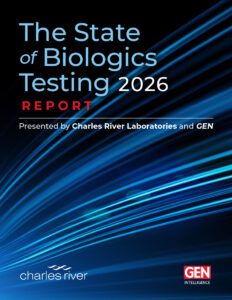
The State of Biologics Testing 2026

The State of Biologics Testing 2026

The success of modern biologics depends not only on groundbreaking science but on the robustness, speed, and credibility of the testing programs that support them. Across the industry, long established testing paradigms are being re-examined as new modalities emerge, regulatory agencies promote innovation and animal reduction, and development timelines continue to compress.

Charles River publishes The State of Biologics Testing 2026 to help document and interpret this moment of change. Based on Charles River’s deep involvement in biologics testing worldwide, and informed by interviews with leaders across biopharma, quality, and regulatory functions, the report captures how organizations are navigating the transition—from traditional compendial methods to advanced technologies, digital tools, and risk-based approaches.

This report is intended to inform discussion and decision making, not to prescribe solutions. Produced in collaboration with GEN, it reflects the collective voice of an industry adapting to new scientific and regulatory realities.

The post The State of Biologics Testing 2026 appeared first on GEN – Genetic Engineering and Biotechnology News.

STAT+: As the U.S. looks on, European countries feel growing pressure on drug prices

LONDON — In Europe, two divergent paths are emerging as countries grapple with what to do about drug prices, affecting pharma companies and patients across the continent — and testing the influence of the U.S.

In the U.K., after a pressure campaign from both pharma companies and the Trump administration, the government has adopted more industry-friendly policies while also simply promising to spend more on medicines.

Germany, another of the continent’s biggest markets, is headed in the opposite direction. Facing growing deficits in its health budget, the government has proposed moves that would cut spending and increase the fees the industry has to pay.

Continue to STAT+ to read the full story…

StockWatch: Abivax Survives a Roller Coaster Week

More acutely than most companies, Abivax (Euronext Paris and Nasdaq: ABVX) felt firsthand the ups and downs of the proverbial stock market roller coaster this past week as investor fears over safety signals associated with the French biotech’s late-stage ulcerative colitis (UC) drug candidate briefly overshadowed its positive Phase III clinical results.

Shares of Abivax skidded on June 2, the first trading day after the company announced positive topline results from the Phase III ABTECT maintenance trial (NCT05535946), which is assessing obefazimod in adults with moderately to severely active UC.

Abivax’s stock plummeted after analysts from Jefferies, Morgan Stanley, Truist Securities, and Wedbush Securities raised as a safety concern a portion of data showing malignancies in nine patients among the 580 enrolled in the study. Jefferies reacted the strongest among the firms, downgrading Abivax’s stock rating from “Buy” to “Hold” and lowering its 12-month price target on the company’s shares 44%, from $160 to $90.

“Cancer signal complicates matters,” Faisal Khurshid, a managing director and equity research analyst with Jefferies, wrote in a research note. “Promise of the drug is to deliver strong efficacy w/ oral convenience and w/out JAK safety baggage. However, cancer cases seen in maintenance break our thesis. Even if proven to be not drug-related or v[ery] low incidence, we expect an overhang to investor interest, strategic optionality, and commercial uptake.”

Wedbush analyst David Nierengarten upgraded Abivax on the overall ABTECT data, from “Underperform” to “Neutral,” though he lowered the firm’s target price 18%, from $110 to $90. But he also cautioned, according to published reports, that the data increase the risk of obefazimod being approved with a black box warning on its label.

The other two firms lowered their price targets as well:

  • Morgan Stanley (Judah Frommer)—Down 9% from $145 to $132, maintaining its “Overweight” rating.
  • Truist (Greg Renza)—Down 4% from $140 to $135, maintaining its “Buy” rating.

Of the nine patients diagnosed with malignancies, seven received the higher 50 mg dosage of obefazimod, one the lower 25 mg dose, and one placebo. Squamous cell carcinoma cases were seen in three of the patients—one dosed at 25 mg, the others 50 mg. Basal cell carcinoma cases emerged in two 50 mg patients and one placebo patient, while cases of prostate cancer, breast cancer, and colonic dysplasia were seen in one patient each, all dosed at 50 mg.

In its announcement of the ABTECT data, Abivax stated that the prostate, breast, and colon cancer cases “were considered unrelated to treatment by investigators.” Among the squamous cell and basal cell cases, two of the four 50 mg patients were deemed “not/unlikely related to drug,” while of the remaining two cases, one had a medical history of skin cancer, the company added.

Swinging negative, then positive

Yet the cancer and pre-cancerous cell cases nevertheless led investors to sell off their Abivax shares on June 2. Abivax’s ordinary shares traded on Euronext Paris plummeted 44% from €111.80 ($128.81) to €63.10 ($72.70), while the company’s American depositary shares (ADSs) traded on the Nasdaq Global Market also plunged 44% from $129.69 to $72.50.

No sooner did Abivax shares start to free-fall, however, than a more positive narrative emerged among another set of analysts. They cited the ABTECT maintenance study’s overall positive findings, which showed that both doses of the first-in-class miR-124 enhancer met the study’s primary endpoint by showing positive absolute clinical remission rates of 50.8% for the 25 mg dose and 51.3% for the 50 mg dose. Both results blew away the 10.4% absolute clinical remission rate of placebo.

When adjusted for placebo, obefazimod showed placebo-adjusted clinical remission rates of ∆39.3% for the 25 mg dose and ∆40.3% for the 50 mg (both p<0.0001).

Obefazimod also met all of ABTECT’s key secondary endpoints, including endoscopic improvement, endoscopic remission, histologic-endoscopic mucosal improvement  (HEMI), corticosteroid free clinical remission, and sustained clinical remission.

In endoscopic remission, Abivax showed in an investor presentation, obefazimod showed placebo-adjusted endoscopic remission rates of 38% (50 mg) and 31% (25 mg), outperforming nine marketed drugs that carry indications in UC—which ranged from 8% by both Omvoh® (mirikizumab-mrkz) marketed by Eli Lilly (NYSE: LLY) and  Skyrizi® (risankizumab-rzaa) marketed by AbbVie (NYSE: ABBV), to 20% shown by AbbVie’s Rinvoq® (upadacitinib), Tremfya® (guselkumab) marketed by Johnson & Johnson (NYSE: JNJ), and Velsipity® (etrasimod) marketed by Pfizer (NYSE: PFE).

“While most therapies cluster in the 8% to 20% range, obefazimod stands alone at 31% and 38%, demonstrating a level of efficacy that is well beyond the range achieved by other treatment classes. This finding is particularly important because achieving endoscopic remission has been consistently associated with lower relapse rates and better long-term patient outcomes,” Abivax CEO Marc de Garidel said June 1, addressing analysts during a conference call held to discuss the ABTECT study results.

He also cited Abivax’s Phase IIa/IIb open-label extension study (NCT05177835), designed to assess the long-term safety and the efficacy profile of 25 mg obefazimod given once daily in subjects previously enrolled in two earlier Phase II trials, ABX464-102 (NCT03368118) or ABX464-104 (NCT04023396). Data from the extension study announced in May showed that patients receiving 50 mg of obefazimod for two to four years and then transitioned to 25 mg for up to an additional three years maintained durable clinical remission and a favorable safety profile for up to seven years of treatment exposure.

Abivax said it plans to submit a New Drug Application (NDA) submission to the FDA for obefazimod late in the fourth quarter.

“Transformational potential”

“Taken together, we believe these results validate the transformational potential of obefazimod and position us well as we advance toward our planned NDA submission in late 2026,” de Garidel said, declaring: “Today’s results firmly establish obefazimod as a potential new standard of care for the treatment of ulcerative colitis.”

Thomas J. Smith, senior managing director, immunology and metabolism, and a senior research analyst with Leerink Partners, appeared to agree with de Garidel in a research note.

“We believe obe[fazimod]’s results suggest a best-in-disease maintenance profile, especially among oral therapeutics in UC,” Smith wrote in his initial research note on Abivax’s ABTECT data. “We continue to believe that obe features the most compelling late-stage clinical profile for a novel oral agent in IBD [inflammatory bowel disease] amid heightened M&A/BD [business development] activity that underscores large pharma’s interest in the space.”

Several big-money merger-and-acquisition (M&A) deals in recent years have centered around pharma giants buying developers of drugs for UC, Crohn’s disease, and other forms of IBD. The biggest of these was Merck & Co. (NYSE: MRK) acquiring Prometheus Biosciences for $10.8 billion in 2023, while Lilly bought out Morphic Therapeutic for about $3.2 billion in 2024; Roche Holding (SIX Swiss Exchange: ROP and RO; OTCQX: RHHBY) snapped up Telavant Holdings for up-to-$7.25 billion in 2023; and Pfizer acquired Arena Pharmaceuticals for $6.7 billion in a deal completed in 2022.

Abivax itself has found itself rumored as a potential candidate for being acquired—it made GEN’s A-List of Top 10 Takeover Targets of 2026—since last summer, when the company reported dazzling data from two Phase III trials, ABTECT-1 (ABX464-105; NCT05507203) and ABTECT-2 (ABX464-106; NCT05507216).

As for the reported malignancies, Smith commented in a follow-up research note: “We do not view the reported malignancies as an outsized or approvability-limiting safety risk, particularly given the absolute low event counts, investigator assessment that the non-NMSC malignancies were unrelated to treatment, IDMC [independent data monitoring commission] adjudication supporting the safety profile, lack of organ-specific clustering, and mitigating circumstances noted across each case.”

Obefazimod is a small molecule upregulator of miR-124, an anti-inflammatory microRNA. It enhances the selective splicing of a single long noncoding RNA to generate miR-124, which downregulates cytokines and chemokines shown to promote inflammation, including tumor necrosis factor (TNF) alpha, IL-6, monocyte chemoattractant protein-1 (MCP-1), and IL-17, as well as Th17+ cells.

Under its former name ABX464, obefazimod was initially developed against HIV but was repurposed to fight inflammatory conditions based on its anti-inflammatory effect.

“Best in indication”

Also bullish on Abivax is Citizens JMP Securities, where Jason Butler, managing director, biotechnology equity research, raised his firm’s price target 43%, from $131 to $187, based on ABTECT’s positive data exceeding expectations. Butler maintained Citizens JMP’s “Market Outperform” rating on Abivax shares.

“We view efficacy (~40% placebo-adjusted clinical remission rate) as best in indication, easily surpassing drugs across all approved classes of UC therapies,” Butler wrote. “We believe the Phase [III] efficacy and safety results, together with its oral once-daily profile, support that obefazimod can be transformational to the UC treatment landscape, benefiting both earlier-stage and more severe/refractory patients.”

“Importantly, we also view the safety profile as compelling and are comfortable that the drug is not associated with a clear malignancy risk (which is the primary debate driving stock volatility post-market),” Butler added.

The more positive feedback from analysts apparently swayed investors, as Abivax’s stock price rebounded roughly 40% on both exchanges since the initial nosedive. The Nasdaq shares vaulted 24% to $90.15 on Wednesday, then rose another 16% to $104.93 Thursday before dipping 3% Friday, finishing the week at $101.53 and with a 23.5% five-day decline.

On Euronext Paris, Abivax shares bounced back 13% to €71.25 ($82.09) on Wednesday, jumped another 18% Thursday to €83.95 ($96.72), then finished Friday up 5% to €87.85 ($101.21) and a 22.5% five-day decline.

Butler said the maintenance study’s data suggested that Abivax could potentially generate more positive clinical results for obefazimod in its ongoing Phase IIb ENHANCE-CD induction trial in Crohn’s disease (NCT06456593), which is expected to read out in mid-2027. He added that ABTECT’s results were strong enough to support approval of both the 25 mg and 50 mg doses: “While we anticipate malignancies to be included in the label, we continue to believe in the differentiated profile of obefazimod.”

Speaking with analysts, de Garidel agreed with pursuing approvals for obefazimod at both 25 mg and 50 mg: “Our thinking is that both doses will be very helpful for patients, and we plan to file at year-end with those two doses for maintenance.”

Leaders and laggards

  • Absci (Nasdaq: ABSI) shares climbed 24% from $5.94 to $7.34 Thursday after Leerink Partners initiated coverage of the generative AI-based drug developer with an “Outperform” rating and a 12-month price target of $12. Mani Foroohar, MD, senior managing director, genetic medicines, and a senior research analyst with Leerink, lauded the company’s drug mechanism of blocking prolactin (PRL)–prolactin receptor (PRLR) signaling as seen in its lead pipeline candidate ABS-201, an anti-prolactin receptor antibody in Phase I/II studies for androgenetic alopecia that advanced into the clinic last year, with a Phase II study in endometriosis expected to start in the fourth quarter: “We see a totality of evidence supporting PRLR blockade in these indications, and see even partial/early clinical validation opening a clear path to valuation >double the current market cap (~$1.1B fully diluted),” Foroohar wrote in a research note.
  • Fulcrum Therapeutics (Nasdaq: FULC) shares jumped 9.5% from $3.37 to $3.69 Friday after the developer of small molecule drugs for rare blood disorders disclosed in a regulatory filing that it will slash its workforce approximately 85%—from 57 to nine full-time employees—in a cost-cutting move expected to be substantially completed during the second quarter. Fulcrum said it expects to incur approximately $4.2 million in charges related to the layoffs, consisting primarily of employee severance, employee benefits, and related costs. Fulcrum vowed to “significantly” reduce its operating expenses and launched a strategic review after scrapping its lead pipeline program to develop pociredir as a treatment for sickle cell disease (SCD). The development followed the FDA expressing heightened concerns about pociredir’s risks and benefits in fighting SCD due to an unexpectedly high rate of secondary blood cancers seen with another PRC2 inhibitor, Tazverik®(tazemetostat), marketed by Ipsen (Euronext Paris: IPN).
  • Oculis Holding (Nasdaq: OCS) shares tumbled 36% from $22.70 to $14.51 June 1, after the Swiss neuroophthalmology and ophthalmology drug developer said it did not plan to pursue an FDA filing seeking approval for its OCS-01 eye drops in diabetic macular edema (DME). Oculis acknowledged that OCS-01 failed two Phase III trials, DIAMOND-1 (NCT05066997) and DIAMOND-2 (NCT06172257), by missing their primary endpoint, mean change in best corrected visual acuity early treatment diabetic retinopathy study (BCVA ETDRS) letter score at Week 52. The key secondary endpoint of the proportion of patients with ≥15-letter gain in BCVA was not met in both trials, though another secondary endpoint, retinal thickness as measured by OCT, showed a “substantial and persistent” reduction with OCS-01 vs vehicle at all visits in DIAMOND-2, and at all visits except Week 52 in DIAMOND-1.

The post StockWatch: Abivax Survives a Roller Coaster Week appeared first on GEN – Genetic Engineering and Biotechnology News.


Cadence earns second consecutive EcoVadis silver medal

NEWS RELEASE: Cadence earns second consecutive EcoVadis silver medal for sustainability STAUNTON, Va — Cadence, Inc., a leading provider of vertically integrated contract manufacturing solutions to the MedTech and Pharma markets, proudly announces it has earned a Silver Medal from EcoVadis for the second consecutive year. EcoVadis is the world’s most trusted provider of business sustainability…

The post Cadence earns second consecutive EcoVadis silver medal appeared first on Medical Design and Outsourcing.

STAT+: Supreme Court backs generic drugmaker in ‘skinny labeling’ case

The Supreme Court unanimously ruled that Hikma Pharmaceuticals did not infringe patents held by Amarin in a decision that makes generic drugmakers less vulnerable to lawsuits over so-called skinny labels.

The ruling overturned a lower court decision that sided with Amarin. Generic drugmakers had argued that, if the Supreme Court also ruled in favor of Amarin, they would be discouraged from making and selling lower-cost versions of brand-name medicines, which would maintain higher prices for prescription drugs.

At issue is skinny labeling, which refers to moves by generic companies that seek regulatory approval to market a medicine for a specific use, but not other patented uses for which a brand-name drug is prescribed. For instance, a generic drug could be marketed to treat one type of heart problem but not another. In doing so, the generic company seeks to avoid lawsuits claiming patent infringement.

Continue to STAT+ to read the full story…

Small Molecules to Big Partnership: Incyte, Genesis Expand AI Collaboration to $1B+

Drug collaborations don’t always work out as planned. Sometimes they work out better.

When Incyte agreed last year to partner with artificial intelligence (AI) platform developer Genesis Molecular AI to research, discover, and develop at least two small molecule treatments, they designed a collaboration that would generate at least up to $620 million for Genesis, whose foundation models for molecular AI are designed to power agentic drug design and development.

The companies now say they made enough progress over the past 15 months to expand their AI-based drug collaboration to encompass at least five targets—with a potential payoff for Genesis that has ballooned to over $1 billion.

Behind that expansion, Incyte and Genesis say, is the promise shown so far by the two initial targets, both selected by Incyte as called for in the initial strategic collaboration. One is a “very hard-to-drug, novel target” for which the companies worked to create novel, first-in-class chemical matter, while the other is a target that other companies have sought to make druggable without success, Pablo J. Cagnoni, MD, Incyte’s president and global head of R&D, told GEN.

“Novel targets create problems for obvious reasons. You don’t have any chemical matter that you know to start with. The collaboration with Genesis has jump-started that program significantly,” Cagnoni said of the first target. “You need a crystal structure, you need to know which particular site in the target you need to bind, and then you need to start making chemical substance against it.”

“It’s easy to make chemical matter, it’s really hard to make medicines—so that was the optimization step that Genesis really helped us do,” Cagnoni added.

The second target, he explained, required not only high potency and very high selectivity, but unique pharmaceutical and pharmacokinetic properties. The companies were able to incorporate those and other properties for the target with help from Genesis’s generative and predictive AI platform, Genesis Exploration of Molecular Space (GEMS).

GEMS integrates AI and physics into models designed to generate and optimize drug molecules. GEMS’ generative diffusion model for structure prediction, Pearl—short for “Placing Every Atom in the Right Location”—was unveiled in an October 26 preprint showing it to have surpassed AlphaFold 3 and other open source baseline models on the public protein-ligand co-folding benchmark Runs N’ Poses (14.5% improvement) and the docking and molecular generation benchmark PoseBusters (14.2% improvement).

‘Substantial progress’

“By being able to optimize multiple parameters at the same time with the help of the GEMS platform and our colleagues at Genesis, we were able to really make substantial progress that was eluding us with other technology,” Cagnoni said. “The collaboration with Genesis has allowed us to make significant progress on the path to an IND. We’re not quite there, but we’re getting pretty close to that.”

The two targets, he said, represented opposite ends of the drug discovery spectrum: “For one, we had something that started to look like a drug but wasn’t good enough. For the other one, we had a great target and no drugs. So, taking a view of those two ends of the spectrum, convinced me that we had to expand this, make it as broad as possible, and that’s why we put in place a new collaboration.”

As with their initial collaboration, the companies aren’t yet revealing the targets or therapeutic areas in which they are working, though Cagnoni said they fall within one of Incyte’s three current therapeutic areas of interest: hematology, oncology, and inflammation and autoimmunity, a narrower niche within the traditional I&I (inflammation and immunology) focus area.

Through the expanded collaboration, Incyte will use its proprietary experimental data to train Genesis’ GEMS platform, with the aim of accelerating drug development across multiple programs.

Options beyond five targets

Incyte will select at least five new targets to develop with Genesis, with options to nominate additional collaboration targets over time. Incyte will have exclusive rights to develop and commercialize treatments developed through the collaboration.

“We know what properties a priori we need to optimize for, always with some caveats,” Feinberg said. “We almost always know that we need to achieve potency, selectivity, a wide variety of ADME [absorption, distribution, metabolism, and excretion] properties. Usually, in a given program, something like 30 or so different ADME assays are routinely run to some degree of frequency. This can often feel like playing whack-a-mole, instead of the serious engineering task of multi-parameter optimization.”

“Our aim,” he added, “is to render the drug discovery process as much like the latter and as little like the former.”

Incyte has agreed to pay Genesis $120 million upfront—to consist of $80 million cash and a $40 million purchase of Genesis’ equity—and unspecified recurring research funding to support AI model training and inference computing. Incyte has also agreed to pay genesis up to $232 million in payments per target, tied to achieving preclinical and clinical development, regulatory, and sales milestones.

The collaboration is the second AI-focused partnership announced by Incyte in late May. A day before the Genesis expansion announcement, Incyte said it had launched a separate strategic collaboration with Edison Scientific to employ its Kosmos AI platform for discovery and development work—namely enabling continuous learning from translational and clinical data, real-time synthesis of evidence and predictive models of therapeutic performance.

Incyte and Edison disclosed the focus of their initial project: “high-impact” use cases in target discovery and validation and translational biology, where Edison’s AI capabilities will be embedded within Incyte’s research workflows. The companies said they aim to support more efficient exploration of experimental, clinical, and biomarker data with the potential to expand across Incyte’s broader R&D organization.

As for Incyte’s collaboration with Genesis, if Genesis achieves all milestones across the five initial targets of the expanded partnership, including multiple indications and major territories, Incyte will pay the company more than $1 billion—as long as the aggregate peak annual net sales of the five products exceed specified milestones. Payments could grow to “several” billion dollars depending on how many additional collaboration targets are nominated, and how many milestones are achieved.

Genesis is also eligible to receive royalties on sales of any approved collaboration products.

Stanford spinout

Genesis spun out in 2019 from the Stanford University lab of Vijay Pande, PhD, co-founder and managing partner of the venture capital firm VZVC and a former general partner at Andreessen Horowitz (a16z) and founding general partner of its bio funds. Feinberg was a graduate student in Pande’s lab who co-invented and co-authored key peer-reviewed papers detailing deep learning technologies.

In 2020, Genesis won a $52 million Series A financing. The company has grown since then to raise $340 million, most of that consisting of $200 million Series B financing completed three years later, plus the $40 million strategic investment Incyte made in Genesis equity as part of the companies’ expanded partnership.

In addition to a16z, Genesis’ investors have included NVentures, the venture capital arm of AI chip giant Nvidia, which has expanded in recent years into biopharma among other industries.

Incyte is the fourth and latest biopharma giant to partner with Genesis on an AI-focused drug discovery and development collaboration applying GEMS. Genesis garnered $35 million upfront in launching its partnership with Gilead Sciences in 2024, and earlier announced past collaborations with Eli Lilly and Genentech, a Member of the Roche Group.

“Our mission at Genesis is to create AI technologies that enable creating drugs that otherwise would not be possible,” Evan Feinberg, PhD, Genesis’ founder and CEO, told GEN. “And thanks to working with really, really elite drug discovery teams, like what Incyte has, we’re able to work on a wide spectrum of very important problems in drug discovery.”

That work, he asserted, requires discerning the uniqueness of each potential target.

“Every target is really its own special snowflake in some way. Every drug target really entails its own challenges, oftentimes requires its own special approach,” Feinberg said. “Over the past year, we were able to work on two very different programs, that each have their own challenges, and thereby enable us to adapt and deploy our GEMS AI platform in these very different settings, bringing one of those two targets much closer to IND, and for the other target finding the first-in-class chemical matter, which was a very exciting year of work.

“Now we’re excited to address the challenges ahead with this, expanded partnership together,” Feniberg added.

The post Small Molecules to Big Partnership: Incyte, Genesis Expand AI Collaboration to $1B+ appeared first on GEN – Genetic Engineering and Biotechnology News.