Advancing Fully Walkaway Automation in Genomics Workflows

SPT Labtech and the European Molecular Biology Laboratory’s Genomics Core Facility (EMBL GeneCore) in Heidelberg, Germany, agreed to collaborate to advance fully walkaway automated genomics workflows. As part of the collaboration, SPT Labtech’s firefly®+ all-in-one liquid handling platform has been installed at EMBL GeneCore.

Officials at EMBL GeneCore say they will expand the facility’s capacity to develop new protocols and further validate and optimize existing workflows for challenging applications such as low-input and metagenomics samples to support the broader genomics community. The SPT platform is designed to simplify complex genomics workflows, combining pipetting, dispensing, incubating, and shaking technologies into a single instrument.

The automated protocols use New England Biolabs (NEB) library preparation kits, NEBNext®, to generate libraries from a wide input range. According to a SPT spokesperson, the installation of the company’s firefly+ platform at EMBL GeneCore, combined with NEB kits, creates strong foundation for fully walkaway automation, enabling more streamlined, end-to-end workflows and supporting labs to scale automation more easily.

“The installation of SPT Labtech’s firefly+ platform as part of our collaboration underscores our commitment to remain at the forefront of scientific innovation. Fully walkaway automation will address key bottlenecks in genomics workflows, helping us develop high-quality, scalable NGS protocols,” says Vladimir Benes, head of EMBL GeneCore.

“Our latest collaboration with EMBL GeneCore marks a significant step towards advancing fully walkaway automation, providing end-to-end genomics workflows for a much wider range of applications, including environmental and rare species research,” adds Morten Frost, CCO, SPT Labtech.

“Integration of our library prep kits with SPT Labtech’s firefly+ platform at EMBL GeneCore creates a compelling opportunity for faster, scalable DNA and RNA-Seq workflows,” notes Bjoern Textor, PhD, sales and senior applications manager, New England Biolabs.

The post Advancing Fully Walkaway Automation in Genomics Workflows appeared first on GEN – Genetic Engineering and Biotechnology News.

Neural Mechanism Underlying Sensory Behavior Revealed in C. elegans

Animal behavior reflects a complex interplay between an animal’s brain and its sensory surroundings. In a new study published in Nature Neuroscience titled, “Neural sequences underlying directed turning in Caenorhabditis elegans,” researchers from Massachusetts Institute of Technology (MIT) have shown how neuron circuits within C. elegans nematode worms respond to odors and generate movement as they pursue favorable versus unfavorable smells. The results inform understanding of the basic principles of the sensory nervous system for therapeutic applications. 

“Across the animal kingdom, there are just so many remarkable behaviors,” said Steven Flavell, PhD, associate professor at the Picower Institute at MIT, Howard Hughes Medical Institute (HHMI) investigator, and corresponding author of the study. “With modern neuroscience tools, we are finally gaining the ability to map their mechanistic underpinnings.” 

Whether moving toward a food source or away from a predator, animals must integrate sensory stimuli to navigate to favorable locations. The neural circuits for navigation are tasked with generating directed movement while simultaneously integrating sensory input to update behavior. Understanding how neural circuits select, execute and adapt sensory-guided navigation behaviors uncovers basic principles of how nervous systems are organized to integrate sensory information and control behavior. 

In C. elegans, the authors identified error-correcting turns during navigation and used whole-brain calcium imaging and cell-specific perturbations to determine their neural underpinnings. Defined neurons activated in a stereotyped order during each turn. Distinct neurons in this sequence respond to the spatial distribution of attractive and aversive olfactory cues, anticipate upcoming turn directions and drive movement, linking key features of this sensorimotor behavior across time. 

“One thing that really excited us about this study is that we were able to see what a sensorimotor arc looks like at the scale of a whole nervous system: all the bits and pieces, from responses to the sensory cue until the behavioral response is implemented,” Flavell said.  

The electrical activity of more than 100 neurons was tracked during sensory movement. Notably, C. elegans only have 302 neurons total. Instead of random movements, the worms executed turns with advantageous timing and at well-chosen angles.  

The activity of SAA neurons was crucial for integrating odor detection with planned movement and predicted the direction of upcoming turns. Several neurons showed different activity patterns depending on the location of odors were and whether the worm was moving forward or in reverse. 

Additionally, the neuromodulator, tyramine, was essential for turning and shifting gears. When the worms moved in reverse, tyramine from the neuron RIM enabled other neurons in the sequence to change their activity appropriately to execute the turns. In several experiments, the scientists knocked out RIM tyramine, which disrupted the navigation behaviors and the sequence of neural activity. 

The post Neural Mechanism Underlying Sensory Behavior Revealed in <i>C. elegans</i> appeared first on GEN – Genetic Engineering and Biotechnology News.

The Download: how humans make decisions, and Moderna’s “vaccine” word games

This is today’s edition of The Download, our weekday newsletter that provides a daily dose of what’s going on in the world of technology.

You have no choice in reading this article—maybe

How do humans make decisions? The question has been on Uri Maoz’s mind since he read an article in his early twenties suggesting that… maybe they didn’t.  
 
Had he even had a choice about whether to read that article in the first place? How would he ever know if he was truly responsible for making any decisions? “After that, there was no turning back,” says Maoz, now a professor of computational neuroscience at Chapman University. 
 
Today, Maoz is a central figure in efforts to understand how desires and beliefs turn into actions. He’s also uncovered new wrinkles in the debate. Read the full story on his discoveries.

—Sarah Scoles

This article is from the next issue of our print magazine, packed with stories all about nature. Subscribe now to read the full thing when it lands on Wednesday, April 22.

What’s in a name? Moderna’s “vaccine” vs. “therapy” dilemma 

Moderna, the covid-19 shot maker, is using its mRNA technology to destroy tumors through a very, very promising technique known as a cancer vacc— 

“It’s not a vaccine,” a spokesperson for Merck said before the V-word could be uttered. “It’s an individualized neoantigen therapy.” 

Oh, but it is a vaccine, and it looks like a possible breakthrough. But it’s been rebranded to avoid vaccine fearmongering—and not everyone is happy about the word game. Read the full story. 

—Antonio Regalado

This article is from The Checkup, our weekly newsletter covering the latest in biotech. Sign up to receive it in your inbox every Thursday. 

The must reads

I’ve combed the internet to find you today’s most fun/important/scary/fascinating stories about technology.

1 Sam Altman’s home has been attacked twice in two days 
A driver reportedly fired a gun at his property on Sunday. (SF Standard) 
+ A Molotov cocktail was thrown at his home on Friday. (NBC News) 
+ The suspect wrote essays warning AI would end humanity. (SF Chronicle) 
+ The attacks expose growing divides in opinion on AI. (Axios) 

2 AI weapons are ushering in a new kind of arms race 
Countries are racing to deploy AI in military systems. (NYT $) 
+ The Pentagon wants AI firms to train on classified data. (MIT Technology Review) 
+ Where OpenAI’s technology could show up in Iran. (MIT Technology Review) 

3 Artemis II was a success 
Astronauts did an array of experiments that will be crucial to the future of both the program itself and deep-space missions. (Guardian) 
+ But next steps for the Artemis missions are uncertain. (Ars Technica) 

4 OpenAI and Elon Musk are heading toward a massive courtroom clash
The company has accused Musk of a “legal ambush.” (Engadget) 
+ He’s lost a streak of cases ahead of the showdown. (FT $) 

5 AI job fears in China are fueling a viral “ability harvester” project 
It claims to turn human skills into AI tools. (SCMP) 
+ Hustlers are cashing in on China’s OpenClaw AI craze. (MIT Technology Review) 

6 Governments are hiding information about the Iran war online 
Through restrictions on internet access and satellite imagery. (NPR)  

7 Apple is testing four smart glasses that could rival Meta Ray-Bans 
They’re part of a broader wearables strategy. (Bloomberg $) 

8 Meta is building an AI version of Mark Zuckerberg to interact with staff
It’s being trained on his mannerisms, voice, and statements. (FT $) 

9 Anthropic is asking Christian leaders for guidance 
It’s seeing advice on building moral machines. (WP $) 
+ AI agents have spread their own religions. (MIT Technology Review) 

10 A dancer with MND is performing again through an avatar 
Her brainwaves powered the digital dancer. (BBC) 

Quote of the day

“Earth was this lifeboat hanging in the universe.”

—Artemis II astronaut Christina Koch describes her view of Earth from space, the Guardian reports.

One more thing

figure in a Wikipedia logo jacket tries to clean up glowing characters strewn about a landscape by a digital tornado

RAVEN JIANG

How AI and Wikipedia have sent vulnerable languages into a doom spiral

When Kenneth Wehr started managing the Greenlandic-language version of Wikipedia, he discovered that almost every article had been written by people who didn’t speak the language.  

A growing number of them had been copy-pasted into Wikipedia from machine translators—and were riddled with elementary mistakes. This is beginning to cause a wicked problem. 

AI systems, from Google Translate to ChatGPT, learn new languages by scraping text from Wikipedia. This could push the most vulnerable languages on Earth toward the precipice. 

Read the full story on what happens when AI gets trained on junk pages. 

—Jacob Judah 

We can still have nice things

A place for comfort, fun and distraction to brighten up your day. (Got any ideas? Drop me a line.)

+ Hungary’s next health minister can throw some serious shapes.  
+ Here’s a welcome route to an AI-free Google search. 
+ Movievia eschews endless scrolling to find the right film for your needs
+ A photography trick has turned a giant glacier into a tiny, living diorama.

StockWatch: IPO Market Shows Sign of Life with Avalyn Filing

The initial public offering (IPO) market showed signs of life for the first time in more than a month as Boston-based Avalyn Pharma filed a registration statement on Wednesday seeking to raise capital to develop its pipeline of respiratory disease treatments.

It’s too early to know how much money Avalyn plans to raise—the registration statement includes a placeholder “$100 million” figure that will inevitably be revised, and doesn’t say how many shares will be sold. It’s also too soon to know how much of the proceeds will go toward each of the three pipeline candidates cited in the filing to the U.S. Securities and Exchange Commission:

  • AP01—An inhaled version of pirfenidone, a small molecule modulator of cytokines and growth factors whose development the IPO would advance through Phase IIb topline data and into Phase III. AP01 is under study in the Phase IIb MIST trial (NCT06329401) as a potential treatment for progressive pulmonary fibrosis.
  • AP02—An inhaled version of nintedanib, a small molecule inhibitor of multiple tyrosine kinases, being developed to treat idiopathic pulmonary fibrosis (IPF). Avalyn plans to advance AP02 into the Phase II AURA-IPF trial (NCT07194382) after completing single-ascending dose (SAD) and multiple-ascending dose (MAD) Phase I trials in healthy adult volunteers and IPF patients.
  • AP03—A preclinical inhaled fixed-dose combination of AP01 and AP02 designed to combine what Avalyn says is their ability to substantially reduce or eliminate the adverse effects of oral pirfenidone and oral nintedanib.

Pirfenidone is an IPF drug marketed as Esbriet® by Genentech, a member of the Roche Group, with several other companies selling generic versions. Nintedanib is a kinase inhibitor with indications in treating IPF and chronic fibrosing interstitial lung diseases (ILDs) and slowing the rate of decline in pulmonary function in adults, marketed as Ofev® by Boehringer Ingelheim, with generic versions approved this month.

“The change we aim to make in the treatment paradigm of pulmonary fibrosis and other ILDs parallels the decades-long evolution seen in the treatment of asthma and COPD,” Avalyn stated in its S-1 statement.

In those diseases, the company explained, treatments advanced from broad, systemic oral therapies to targeted inhaled treatments, and ultimately to combination inhalers.

Pulmonary fibrosis “opportunity”

“We see a similar opportunity in pulmonary fibrosis, where the field still relies on oral antifibrotics today. Our programs are designed to drive a similar evolution, first by shifting treatment toward inhaled, lung-targeted formulations of existing antifibrotics that aim to improve safety and efficacy,” Avalyn explained. “We aspire to deliver inhaled therapies that combine complementary mechanisms into a single device for even greater therapeutic impact.”

In discussing the use of its proceeds, Avalyn said it envisioned advancing AP01 and AP02 through Phase IIb and Phase II topline data, respectively, into Phase III trials. AP03 would be advanced into the clinic and Phase I topline data using capital from the IPO.

Whatever isn’t spent on the pipeline candidates will be set aside for R&D activities for additional programs, working capital, and general corporate purposes, Avalyn added.

Avalyn is the first biotech IPO filing since Generate: Biomedicines completed the year’s largest to date, raising $400 million in gross proceeds toward clinical trials, as well as platform and pipeline R&D efforts. To date, seven companies have completed biotech IPOs, raising just over $1.7 billion in combined proceeds, Jefferies analyst Andrew Tsai wrote in a research note.

“The IPO market has been more of a laggard but showed signs of strength this quarter, with Q1 offerings the largest in the past four years,” Tsai wrote. As a result, he added, the IPO market is on pace to exceed historical levels except for the 2020–2021 IPO boom due to the COVID-19 pandemic.

Mixed on IPO improvement

Heading into 2026, analysts were mixed on whether this year would see improvement in the IPO market compared to 2025, when 11 U.S. companies raised a total of $3 billion on Wall Street. “We think it will be slightly better, but we have not seen enough to suggest that it’s truly rebounding,” Subin Baral, EY global life sciences deals leader, told GEN.

However, Michael Allwin, head of biopharma investment banking, Truist Securities, told GEN that IPOs are typically “the last shoe to drop” after other non-IPO financings show signs of recovery, giving him hope and optimism that 2026 would see a much more active IPO market than 2025: “While we’re not anticipating a resurgence in activity to the tune of what we saw at all-time highs in 2020 and 2021, we are anticipating a more normalized level of activity, maybe on parity with 2019.”

As for Avalyn, should its planned IPO raise the placeholder $100 million amount, it would nearly double the $138.359 million in cash, cash equivalents, and marketable securities with which Avalyn finished 2025.

Avalyn ended last year with no revenue and a net loss of $85.204 million, a 71% increase over the $49.744 million net loss the company reported for 2024. As a result, Avalyn’s accumulated deficit rose from $180.2 million at the end of 2024 to $265.4 million on December 31, 2025.

The IPO comes nine months after Avalyn completed its last financing, an oversubscribed $100 million Series D round completed in July and led by investment firms Suvretta Capital Management and SR One.

Survetta and SR One are two of 18 firms that have invested in Avalyn. The 18 include Novo Holdings, the asset manager of the foundation that controls Novo Nordisk.

Novavax rises on shareholders’ opposition

Novavax (NASDAQ: NVAX) enjoyed a small but noticeable surge in its stock price this past week after its second-largest shareholder ramped up its opposition to the vaccine developer’s leadership on several fronts.

Shah Capital Opportunity Fund, which holds an approximately 9% stake in Novavax, said it will oppose the company’s nominees for re-election to the board of directors when Novavax holds its annual shareholder meeting, scheduled for June (no date had been announced at deadline).

In an open letter to Novavax’s board, Raleigh, NC-based Shah Capital also requested that Novavax:

  • Shrink the board from eight to five members and elect new members “with emphasis on pragmatic entrepreneurial experience to turn Novavax into an equity success story.”
  • Buy back 10 to 20 million shares.
  • Retire its outstanding $225 million convertible bond with cash on hand “at the earliest.” Novavax reported $244.213 million in convertible notes payable and $240.634 million in cash and cash equivalents as of December 31, 2025.
  • Persuade a strategic long-term investor to take a 10–20% ownership stake “to reshape Novavax entirely.”

Shah Capital cited a 27% drop in Novavax’s share price from $11 on January 1, 2023, when John C. Jacobs took over as president and CEO, to $8 on March 31, 2026. The fund also expressed frustration that the COVID-19/influenza combination vaccine Novavax is developing with Sanofi (Euronext Paris: SAN)—a potential $5+ billion category, according to Shah Capital—hasn’t yet begun Phase III trials. Sanofi shared positive Phase I/II data in December and told Novavax it is working with regulators on next steps.

“Management has failed to implement aggressive cost-cutting measures necessary to achieve consistent profitability,” Himanshu H. Shah, the fund’s managing partner and chief investment officer, advocated in an open letter to Novavax’s board. “The current senior management team should be reduced by 30% to reflect Novavax’s new royalty and partnership business model.”

“The board size should also be reduced to five from eight, including electing new members with emphasis on pragmatic entrepreneurial experience to turn Novavax into an equity success story,” Shah added.

At odds for months

Shah has been at odds with Jacobs and Novavax leadership for months, having called for a sale of the company last October. Shah has held off pursuing a proxy campaign since the board’s majority has favored current management.

Novavax is based in Gaithersburg, MD, and reported approximately 749 employees as of December 31, 2025, down 21% from 952 a year earlier, according to Form 10-K annual reports.

Novavax investors responded to the Shah Capital letter with a buying spurt that sent shares climbing 5.5% Wednesday, from $7.98 to $8.42 after rising to $8.60 during intraday trading. The momentum continued somewhat on Thursday as shares rose another 1.4%, to $8.54, though Novavax slumped 5% Friday to finish the week at $8.12.

Shah Capital’s letter also sparked a statement to GEN and other news outlets from Novavax, which asserted that its board and management team “are committed to progressing our growth strategy, which is designed to leverage partnerships and R&D innovation to maximize the value of our technology.”

The statement cited recent Novavax efforts that include its up-to-$530 million (plus royalties) partnership with Pfizer (NYSE: PFE), which entered into a non-exclusive license agreement with Pfizer for use of Novavax’s Matrix-M® adjuvant; additional and expanded material transfer agreements with pharmaceuticals; and what the company called “continued progress” on its partnership with Sanofi, from which Novavax generated $225 million in milestone payments last year.

“In addition, we continue to make targeted investments in R&D with the intention of driving further value from our technology, while continuing to significantly reduce costs in our lean and efficient operating model,” Novavax continued. “We maintain constructive dialogue with our shareholders, and we welcome collaborative input that is in the best interest of Novavax and all of its shareholders.”

Shah essentially controls 14,845,097 shares of Novavax stock, including 125,359 shares he owns personally, and 14,719,738 shares owned by Shah Capital and its investment adviser.

Leaders and laggards

  • Invivyd (NASDAQ: IVVD) shares jumped 32% from $1.35 to $1.78 Thursday after the company announced positive progress in its REVOLUTION clinical program for VYD2311, a monoclonal antibody candidate designed to prevent symptomatic COVID-19. As of April 6, when the first 1,500 of 1,818 subjects reached Day 45, clinical events supported statistical powering for the high end of anticipated VYD2311 efficacy levels in the Phase III DECLARATION trial (NCT07298434), with about half of the base study still to be carried out, Invivyd said. DECLARATION will enroll ~500 additional subjects, which, according to the company, will likely, depending on recruitment rates, push back the timing for data release by approximately two months, from mid-year to Q3 2026. Invivyd also announced the discovery and advancement of a “highly potent,” half-life-extended, high-resistance-barrier measles monoclonal antibody candidate, VMS063.
  • Replimune Group (NASDAQ: REPL) shares tumbled 19.5% from $5.91 to $4.76 Friday after the developer of oncolytic immunotherapies disclosed that the FDA for a second time had rejected the company’s biologics license application (BLA) for its lead product candidate RP1 (vusolimogene oderparepvec) in combination with nivolumab to treat advanced melanoma, instead issuing a complete response letter (CRL). Replimune criticized the FDA for an inconsistent review process, saying the agency contradicted earlier guidance to the company and assessed the resubmitted BLA through a different review team that replaced the team that previously interacted with the company. Replimune also defended the combination therapy’s data in the Phase II IGNYTE trial (NCT03767348)—a 34% response rate with a median duration of 24.8 months and a favorable safety profile, the basis of the combo’s breakthrough therapy designation. “We have no choice but to eliminate jobs, including substantially scaling back our U.S.-based manufacturing operations,” stated Replimune CEO Sushil Patel, PhD. Nivolumab is the cancer immunotherapy marketed as Opdivo® by Bristol Myers Squibb (NYSE: BMY).

The post StockWatch: IPO Market Shows Sign of Life with Avalyn Filing appeared first on GEN – Genetic Engineering and Biotechnology News.


Opinion: What STAT readers think about nutrition education in med school

First Opinion is STAT’s platform for interesting, illuminating, and provocative articles about the life sciences writ large, written by biotech insiders, health care workers, researchers, and others.

To encourage robust, good-faith discussion about issues raised in First Opinion essays, STAT publishes selected Letters to the Editor received in response to them. You can submit a Letter to the Editor here, or find the submission form at the end of any First Opinion essay.

Read the rest…

Cryo-EM Structural Biology Facility Opened in San Diego by FairJourney Bio

FairJourney Bio (FJBio), a CRO, opened its advanced cryo-electron microscopy (cryo-EM) structural biology facility in San Diego. The new site significantly expands the company’s presence in the U.S. market and incorporates atomic-resolution structural biology directly into its antibody discovery platform, according to Christopher Arthur, PhD, CSO, structural biology, FairJourney Bio.

The facility houses a 300 kV cryo-EM infrastructure, including two ThermoFisher Titan Krios 5 systems, which enables native-state structure determination of antibody-target complexes. The technology is designed to provide detailed insights across the R&D value chain—from epitope mapping and hit generation to structure-guided lead optimization and candidate selection.

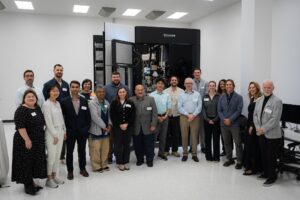
FairJourney Bio’s San Diego facility opening event. [FairJourney Bio]

The cryo-EM services, launched in January 2026, complement FJBio’s antibody discovery and biologic development portfolio. The services enable scientists to visualize protein structures at atomic resolution, including protein-protein and protein-ligand complexes, providing high-quality and interpretable results to inform confident decision-making across programs.

The facility is strategically positioned within a leading global biotech hub, complementing FJBio’s existing U.S. presence in San Francisco and its operations across Europe.

“Structural biology has historically been a late-stage tool, used to confirm decisions already made,” notes Arthur. “We are redefining that paradigm. In San Diego, we are building a premier, full-service cryo-EM CRO that brings together decades of deep expertise in sample preparation, data collection, and computational analysis, embedding structural insight at the very start of discovery, where it shapes epitope selection and determines which leads are worth advancing.”

The post Cryo-EM Structural Biology Facility Opened in San Diego by FairJourney Bio appeared first on GEN – Genetic Engineering and Biotechnology News.

First Detailed Insight into Bornavirus Nucleoprotein–RNA Complex Reveals Unique Assembly

Borna disease virus 1 (BoDV-1) is a neurologic disease of horses and sheep that causes rare human infections. The outcome in those who develop disease almost always results in inflammation in the brain or fatal encephalitis.

The nucleoprotein–RNA complex in viruses protects the RNA genome and supports viral RNA synthesis. Increasing our understanding of the structure of this complex is essential to targeting viral replication. Structural characterization has been completed for several viruses in the same order as BoDV-1 (Mononegavirus) that more commonly infect humans, but detailed information for the family Bornaviridae has not been sufficiently explored.

“Bornaviruses are less well known than many other human RNA viruses, yet they represent the last major unresolved case for nucleoprotein–RNA structural analysis among human-infecting mononegaviruses,” says Yukihiko Sugita, PhD, associate professor at Kyoto University. “Closing this long-standing gap and connecting structural biology with virological function were major motivations for our team.”

Using cryo-electron microscopy, researchers from Kyoto University, Osaka Dental University, and Osaka Metropolitan University obtained high-resolution images of BoDV-1 nucleoprotein–RNA complexes and performed computational classification to separate and reconstruct the distinct assembly states of each complex in the sample. They also used mutational and functional assays to test nucleoprotein–RNA residues and evaluate their roles in viral RNA synthesis and assembly.

This work is published in Science Advances in the paper, “Structure and assembly of Borna disease virus 1 nucleoprotein-RNA complexes.”

These findings are the first detailed structural description of the nucleoprotein–RNA complex in the family Bornaviridae and revealed the three-dimensional structure of this nucleoprotein-RNA complex, showing ring-like assemblies and viral RNA binds in the inner groove. The researchers also found that each nucleoprotein subunit accommodates eight RNA nucleotides, suggesting a binding mode distinct from those reported for other related viruses.

The work also reveals that mutations impairing RNA binding disrupt viral RNA synthesis, but that nucleoprotein assemblies can form even without RNA. Together, these findings suggest an incremental model in which nucleoprotein assembly and RNA engagement are separate but coordinated processes.

This study provides a molecular framework for a systematic comparison of Bornaviridae nucleoprotein–RNA architecture alongside that of other mononegaviruses, and supports broader questions about the principles governing nucleoprotein–RNA interactions. It also lays the groundwork for future antiviral studies targeting viral replication through nucleoprotein–RNA interactions.

Next, the team would like to analyze complexes derived from infected cells as well as those with longer RNA segments. They also plan to integrate structural analysis and biochemical approaches in order to observe intermediate complex formation states and compare them with those of related viruses.

The post First Detailed Insight into Bornavirus Nucleoprotein–RNA Complex Reveals Unique Assembly appeared first on GEN – Genetic Engineering and Biotechnology News.
Drugs from a Text Prompt, Wegovy Pill Competition Dampens Lilly’s Surge

From designing drugs with a simple text prompt to running experiments guided by extended reality, a new wave of agentic AI is transforming the modern lab. Our editors discuss the latest autonomous systems accelerating biological discovery. In business deals, Gilead Sciences has acquired Tubulis in a transaction worth up to $5 billion, strengthening the buyer’s position in antibody–drug conjugates for cancer. Correspondingly, Eli Lilly and Biogen are each making billion-dollar-plus bets, acquiring Centessa, a sleep disorder drug developer, and Apellis, known for its work in immunology and rare diseases. Our episode rounds out by unpacking the dynamic obesity drug market, where intensifying competition from Novo Nordisk’s Wegovy pill is prompting Lilly to temper the 2026 sales outlook for its oral obesity drug, Foundayo.


Listed below are links to the GEN stories referenced in this episode of Touching Base:

Can AI Agents Automate Scientific Discovery?
By Fay Lin, PhD, GEN Edge, April 1, 2026

Gilead to Acquire Tubulis for Up to $5B, Expanding Cancer ADC Capabilities
By Alex Philippidis, GEN Edge, April 7, 2026

Lilly Acquires Centessa for Up to $7.8B; Biogen Buys Apellis for Up to $6.1B
By Alex Philippidis, GEN Edge, March 31, 2026

StockWatch: Price War Dampens Lilly Surge After Oral GLP-1 Wins FDA Nod
By Alex Philippidis, GEN Edge, April 5, 2026

Touching Base Podcast
Hosted by Corinna Singleman, PhD

Behind the Breakthroughs

Hosted by Jonathan D. Grinstein, PhD

The post Drugs from a Text Prompt, Wegovy Pill Competition Dampens Lilly’s Surge appeared first on GEN – Genetic Engineering and Biotechnology News.

What’s in a name? Moderna’s “vaccine” vs. “therapy” dilemma

Is it the Department of Defense or the Department of War? The Gulf of Mexico or the Gulf of America? A vaccine—or an “individualized neoantigen treatment”?

That’s the Trump-era vocabulary paradox facing Moderna, the covid-19 shot maker whose plans for next-generation mRNA vaccines against flus and emerging pathogens have been dashed by vaccine skeptics in the federal government. Canceled contracts and unfriendly regulators have pushed the Massachusetts-based biotech firm to a breaking point. Last year, Robert F. Kennedy Jr., head of the Department of Health and Human Services, zeroed in on mRNA, unwinding support for dozens of projects—including a $776 million award to Moderna for a bird flu vaccine. By January, the company was warning it might have to stop late-stage programs to develop vaccines against infections altogether.

That raises the stakes for a second area of Moderna’s research. In a partnership with Merck, it’s been using its mRNA technology to destroy tumors through a very, very promising technique known as a cancer vacc—

“It’s not a vaccine,” a spokesperson for Merck jumped in before the V-word could leave my mouth. “It’s an individualized neoantigen therapy.”

Oh, but it is a vaccine. And here’s how it works. Moderna sequences a patient’s cancer cells to find the ugliest, most peculiar molecules on their surface. Then it packages the genetic code for those same molecules, called neoantigens, into a shot. The patient’s immune system has its orders: Kill any cells with those yucky surface markers.

Mechanistically, it’s similar to the covid-19 vaccines. What’s different, of course, is that the patient is being immunized against a cancer, not a virus.

And it looks like a possible breakthrough. This year, Moderna and Merck showed that such shots halved the chance that patients with the deadliest form of skin cancer would die from a recurrence after surgery.

In its formal communications, like regulatory filings, Moderna hasn’t called the shot a cancer vaccine since 2023. That’s when it partnered up with Merck and rebranded the tech as individualized neoantigen therapy, or INT. Moderna’s CEO said at the time that the renaming was to “better describe the goal of the program.” (BioNTech, the European vaccine maker that’s also working in cancer, has shifted its language too, moving from “neoantigen vaccine” in 2021 to “mRNA cancer immunotherapies” in its latest report.)

The logic of casting it as a therapy is that patients already have cancer—so it’s a treatment as opposed to a preventive measure. But it’s no secret what the other goal is: to distance important innovation from vaccine fearmongering, which has been inflamed by high-ranking US officials. “Vaccines are maybe a dirty word nowadays, but we still believe in the science and harnessing our immune system to not only fight infections, but hopefully to also fight … cancers,” Kyle Holen, head of Moderna’s cancer program, said last summer during BIO 2025, a big biotech event in Boston.

Not everyone is happy with the word games. Take Ryan Sullivan, a physician at Massachusetts General Hospital who has enrolled patients in Moderna’s trials. He says the change raises questions over whether trial volunteers are being properly informed. “There is some concern that there will be patients who decline to treat their cancer because it is a vaccine,” Sullivan told me. “But I also felt it was important, as many of my colleagues did, that you have to call it what it is.”

But is it worth going to the mat for a word? Lillian Siu, a medical oncologist at the Princess Margaret Cancer Centre, in Toronto, who has played a role in safety testing for the new shots, watches US politics from a distance. She believes name change is acceptable “if it allows the research to continue.”

Holen told me the doctors complaining to Moderna were basically motivated by a desire to defend vaccines—which are, of course, among the greatest public health interventions of all time. They wanted the company to stand strong. 

But that’s not what’s happening. When Moderna’s latest results were published in February, the paper’s main text didn’t use the word “vaccine” at all. It was only in the footnotes that you could see the term—in the titles of old papers and patents.

All this could be a sign that Kennedy’s strategy is working. His agencies often appear to make mRNA vaccines a focus of people’s worries, impede their reach, devalue them for companies, and sideline their defenders. 

Still, Moderna’s strategy may be working too. So far, at least, the government hasn’t had much to say about the company’s cancer vacc— I mean, its individualized neoantigen therapy.

This article first appeared in The Checkup, MIT Technology Review’s weekly biotech newsletter. To receive it in your inbox every Thursday, and read articles like this first, sign up here.

BBB Access Route via Proteomic Vascular Mapping

A limiting feature of many neurological therapies is the ability of molecules to cross the blood-brain barrier (BBB) from the circulatory system. Since the BBB prevents simple diffusion of materials across the divide, identifying the proteins responsible for transport is necessary for effective design of BBB-crossing therapies.

“So basically, everything in the circulating blood, if they want to have an exchange with the organ, they need to pass through this interface,” says senior author Jiefu Li, PhD, Janelia Research Campus Group Leader at the Howard Hughes Medical Institute.

Identification of the structures within blood vessels involved with the processes of molecular movement across the BBB has been somewhat elusive. However, Li and his team have developed a technique that not only identifies proteins within the luminal surface—the inner lining—of the vasculature, but also works in vivo, allowing them to track how these features change across the aging brain.

“Understanding how the blood-brain barrier works, particularly figuring out the molecular targets that you can play with to open and close the barrier, will provide new possibilities for drug delivery,” Li says.

Their work is published in Science in a paper entitled, “Luminal surface proteome of the brain vasculature uncovers blood-brain barrier regulators.”

Using mice, the team developed a proteomic profiling method that can be used not only in brain vasculature, but throughout the body. “Briefly, a lectin-conjugated peroxidase is perfused and anchored to the luminal surface of blood vessels to catalyze the biotinylation of adjacent proteins, thereby enabling subsequent protein enrichment and mass spectrometry analysis,” wrote the authors.

They tested the method in the brain, kidney and intestine, in both mice and northern tree shrew, showing functionality and applicability across organs and species.

“This will allow us to say: we know that the vasculature system is doing different things in different organs and it relies on this luminal surface, but how does that happen? What are the molecular players there?” Li says.

Using quantitative proteomics of the luminal surface—from early development through adulthood and aging—they found that over time there was a decrease in angiogenic and transport proteins. They also found an increase in proteins that increased stiffness in the vasculature.

In addition to developing this in vivo technique, the team identified two proteins that are temporally distinct in their expression while both playing a role in modulating BBB permeability. Knockouts of nitric oxide synthase Nos3 and arginine transporter Slc7a1 resulted in BBB leakage in neonates, but not adults, while genetic screens identified hyaluronidase HYAL2 as being required for maintaining BBB integrity throughout the lifespan of mice.

“What we know now is that we have two new pathways, potentially, to open the blood-brain barrier and to inform some therapeutic developments,” says Li.

Utilization of this proteomic based method in vivo both opens up new avenues of functional research across the cardiovascular system, and also provides data and a methodology for novel therapeutic targets for crossing the BBB.

“This method solves an important need but it’s also a very easy-to-use method, so everyone can use it,” Li says.

The post BBB Access Route via Proteomic Vascular Mapping appeared first on GEN – Genetic Engineering and Biotechnology News.