

ASGCT 2026: Timothy Yu Wins Jerry Mendell Award For N-of-1 Therapies

BOSTON – Timothy Yu, MD, PhD, a leading neurogeneticist at Boston Children’s Hospital and Harvard Medical School, was awarded one of the top honors by the American Society of Gene and Cell Therapy (ASGCT), the Jerry Mendell Award.

Yu was recognized for his trailblazing work over the past decade in devising bespoke oligonucleotide therapies for patients with ultra-rare genetic disorders. He entitled his talk: “The paradox of N-of-1: Scaling the logic of genetic intervention.” A suitable sub-title, Yu said, could be: “A neurogeneticist’s accidental injection into the field of gene therapy.”
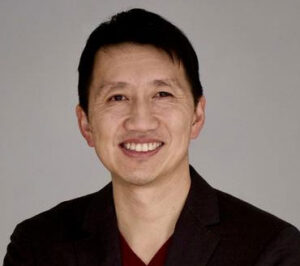
Timothy Yu
Timothy Yu, MD, PhD

Yu’s research has progressed from gene discovery to clinical applications of N-of-1 therapies. The long tail challenge of developing gene therapies for patients with rare diseases is actually immense. There are some 400 million individuals worldwide who suffer one of some 8,000 monogenic disorders. Three out of ten affected children do not see their fifth birthday, while most lack any kind of medical treatment.

But progress over the past 10-20 years has provided hope in the form of various molecular therapies—antisense, mRNA, gene therapy, siRNAs, CRISPR, and newer flavors of gene editing. The concept of “therapeutic programmability is very important,” Yu said.

Yu’s injection into the field began with a single patient, Mila Makovec, a young girl from Colorado, whom he met in 2018. This index patient was eventually diagnosed with a form of Batten disease, CLN7—a rare subtype that was progressive and fatal.

Mila’s gene mutation was private but correctable, an insertion sitting deep within an intron. This offered Yu’s team hope that they could block abnormal splicing. Clearly, no company could progress a therapy for a single patient, Yu recalled.

Allele-specific oligonucleotides are simple to manufacture and can boost gene expression, following the model of Spinraza for spinal muscular atrophy.

Yu’s team developed a customized ASO therapy in about a year, which was published in 2019. The therapy brought about a reduction in Mila’s seizures, but not in time to result in a cure. In May 2019, Yu’s team met with the FDA to establish a path forward. The first guidances were published in 2021.

Moving on

Yu recounted several other therapies designed for other patients with different genetic disorders. The second program, working with Jennifer Puck, MD, and colleagues, was for ataxia telangiectasia (A-T). One A-T mutation created a new splice site that appeared to be reversible with a custom ASO.

The pilot clinical study was initiated in 2018, when the child was two years old. It is, Yu said, the longest running N-of-1 trial. The child is now nine years old and shows no worsening of clinical symptoms. Various measurements and assays confirm there has been no clinical progression. “We have converted a classic case of A-T to a milder form,” Yu said. The trial is expanding in Europe, including ten additional children in Turkey.

A member of Yu’s lab, Claudia Lentucci, PhD, is among the team leading a third program treating infants with neonatal epilepsy (KCNT1-related epileptic encephalopathy). One patient had seizures halted but developed ventricular enlargement. The team has since modified the protocol to use intracerebroventricular injection, which reduces seizures by 60-70%.

A fourth example presented by Yu was a treatment for Grace, a 15-year-old girl with a rare form of retinitis pigmentosa. She presented seven years ago with vision loss and pain insensitivity. Launched in August 2023, the therapy corrects a deep intronic mutation. It has been well tolerated and resulted in a stabilization of her vision.

Yu summarized similar therapies developed for patients with Zellweger syndrome, Niemann Pick Type C, and Batten disease. In total, 35 N-of-1 oligonucleotides have been administered to more than 80 patients.

On hearing the news of Baby KJ last year, “we all stood up and took notice,” Yu said.

“Our motivations are to help patients without other options. We have expanded from a sick child in Colorado to generate pilot learnings for childhood neurologic diseases.” His team’s work is not only offering hope in a compassionate sense but is also leading the exploration of new delivery models for precision medicine.

Yu has built a large network of collaborators, including clinicians, regulators, and industry professionals. The N=1 Collaborative has grown to more than 2,000 members worldwide and will be holding its third conference this October in Denver.

A new approach

From what was once called “interventional genetics,” Yu said, “the data is inviting us to take a new approach” that he called “genetic surgery.”

N-of-1 therapies are “more akin to a complex surgery, [using] customized tools and procedures for therapeutic benefit akin to organ transplant or cardiac surgery,” he said.

Yu also highlighted the FDA’s Plausible Mechanism Pathway, announced last February, which offers opportunities to approve medicines on the basis of very small numbers of patients. But the guidance emphasized the importance of data sharing—an issue that required the community’s full attention.

“You can’t build a modular system in a silo,” Yu said. “If you want cures that are greater than the sum of their parts, you must share the data to see how the pieces fit together.”

The post ASGCT 2026: Timothy Yu Wins Jerry Mendell Award For N-of-1 Therapies appeared first on Inside Precision Medicine.

ASGCT President Terry Flotte Touts Rare Disease Initiatives as His Term Ends

President of the American Society of Gene and Cell Therapy (ASGCT), Terry Flotte, MD, is excited to host this year’s conference in his own backyard. It will be a short drive east on the Mass Turnpike from his office at UMass Chan Medical School in Worcester to the Menino Convention and Exhibition Center in Boston’s Seaport district. Flotte is hopeful that the 2026 conference will draw the largest attendance in the meeting’s history. His tenure as president ends this week on the last day of the conference, May 15.

In the run-up to this year’s conference, GEN spoke with Flotte, who is also Editor in Chief of GEN’s sister journal Human Gene Therapy, about the central themes and most anticipated sessions at this year’s conference. “I have a full dance card, let me tell you,” Flotte joked. The conference will highlight several themes of Flotte’s productive tenure.


(This interview has been edited for length and clarity.)


GEN: Terry, what’s the theme of this year’s ASGCT conference?

Terry Flotte: We’re working very hard on access for rare and ultra-rare conditions and have been for some time. You’ll see that in the presidential symposium. This is in the context of our mission to improve access to rare disease cell and gene therapy (CGT). This is the guiding principle of our strategic plan: we want to work for universal access to CGT. There are two orthogonal axes to this: I’m focusing on rare and ultra-rare diseases. ASGCT is going to continue to work in parallel on universal access in a more global context.

We have created a first-of-its-kind exchange for shelved CGTs. An increasing number of CGTs for rare and ultra-rare diseases are being discontinued or deprioritized after they reach the clinical stage—not because they lack clinical efficacy but because they lack market viability. We have partnered with Orphan Therapeutics Accelerator to create a new entity called CGTxchange. This collaborative venture is meeting the need of these promising clinical-stage CGTs that are not progressing. This entity will be an AI-enabled digital platform that will list the available clinical-stage CGT programs and generate AI-enhanced profiles, digest the data, score them for their level of advancement and the robustness of their responses, and essentially shorten the due diligence that investors normally have to do, enabling the connections to work faster.

I estimate there’s at least 50-100 of these programs. We had our own personal experience with Sio Gene Therapies [formerly Axovant] on both GM1 and GM2 gangliosidosis. This is part of a broader set of initiatives. Over the past few years, we created a taskforce in response to this increasing rate of discontinuation of these therapies. The two main outgrowths that the ASGCT board has endorsed are to create a consortium of CGT developers that might be able to offer non-profits less expensive manufacturing in a limited way but also work toward a drug master file sharing data for those who benefit from the less expensive vectors—in addition to the clearinghouse I just mentioned.


GEN: What else is new this year?

Flotte: A new thing for ASGCT is we’re having a patient advocate presenting. Terry Pirovolakis pioneered the CGT therapy for spastic paraplegia type 50 (SPG50) by developing his own company, Elpida Therapeutics, which has taken SPG50 to the clinic and now is doing that for other rare and ultra-rare diseases.

The second example is from Claire Booth, MBBS, PhD, (Great Ormond Street Children’s Hospital, London). Her team has received market authorization to be the

pseudo-commercial manufacturer of a fully licensed therapeutic for different forms of SCID.

Those are two direct examples of alternatives to get things to the clinic, other than getting a new commercial sponsor. [Hopefully] we can end up getting more of those picked up, whether through the CGTxchange or direct outreach. We’re also going to honor Timothy Yu, MD, PhD, with the Jerry Mendell Translational Research Award. He will be talking about the N=1 Collaborative with the parallel effort with oligonucleotide therapeutics. There is a purposeful theme to this meeting, aiming to make a big change in how things can get to the clinic and stay in the clinic.


GEN: Last year in New Orleans, the conference was dominated by the Baby KJ story. Will anything stand out in the same way this year?

Flotte: We are honoring the three primary authors of the Baby KJ story—Kiran Musunuru, MD, PhD, Rebecca Ahrens-Niklas, MD, PhD, and Fyodor Urnov, PhD.

I have also selected the work of Lindsey George, MD (Children’s Hospital of Philadelphia) as a presidential abstract. She is going to present the first case of an AAV-induced tumor—or at least an aggressive and autonomously growing malignancy…. This occurred in an MPS1 patient who received a high dose of AAV into the ventricles. It is not exactly a meningioma, but it’s arising from the neuroepithelial cells lining the ventricles. The tumor has AAV integrated with a strong promoter immediately upstream of a known oncogene. I put that into the presidential lecture, even though it’s not good news—but I’m not a [gene therapy] campaign manager here! I think this is a significant finding that we’ll have to pay attention to.

Lindsey is not saying that nobody should ever do this again. She’s going to point out aspects of this that were very manageable and how this patient overall has a dramatically better outcome than they would have without the therapy. In a way, [this is] somewhat like when those leukemia cases developed in Europe in the early SCID [gene therapy] trials. It is in a way parallel to that.


GEN: This will be your last conference as president of ASGCT!

Flotte: Yes, it ends on May 15th! We only get to be president for one year. I started the Rare Disease Task Force as vice president. This was my cause over the past three years [as an officer]. I’m very pleased we were able to stand this up.

We have an actual corporation, a joint venture, 50% owned by ASGCT. We set up this manufacturing consortium. Somewhat related, we set up our own charitable foundation, the ASGCT Foundation. We will have our first event—a gala at the conference. It will have a lot of time to grow. The foundation has just been incorporated as a subsidiary not-for-profit.


GEN: How do you view things at FDA currently?

Flotte: We will have a fireside chat with the new director of CBER, Katherine Szarama, PhD. We are very encouraged—she’s a very highly trained professional. We love that FDA is paying a lot of attention to rare diseases, but we need some scientific and evidence-based guidelines on how to do this consistently. We’re looking to someone who has regulatory experience.


GEN: What else has got you and your colleagues in the gene therapy space excited of late?

Flotte: I’m hoping we’re going to better understand high-dose AAV toxicity… I think what we’ve got is several different syndromes, but many of them may have a common link… We’ve been seeing with high-dose AAV a very broad distribution, but the doses are incredibly high and there have been deaths—the DMD patient deaths that occurred in the first two weeks are the best-known examples, but there have been other ones.

In my lab, we’re trying to figure out the primary pathogenesis. We have found a number of situations with unexpected vector expression in the endothelial cells and then seeing vascular leakage into some of these tissues causing tissue injury. So, in the post-mortem analysis we helped on, we saw high expression in the lungs and alveolar capillaries. They had diffuse leakage into the capillaries leading to a syndrome known as acute respiratory distress syndrome (ARDS). But in some of the others where they’re seeing some complement activation, we think that small vessel injury could be a convergent pathway. Now, where does this come into play in the broader sense?

One of the holy grails of recent AAV gene therapy is to design an AAV capsule that efficiently crosses the blood-brain barrier. Many diseases that are appropriate for AAV are diseases of the central nervous system (CNS). You can think of, for instance, the easiest cells to access in the CNS are the spinal motor neurons, hence the SMA1 treatment, Zolgensma. So, if you treat an SMA newborn, that is essentially solved or at least adequately solved. But in none of the diseases that affect the brain have we seen an IV gene therapy that is robustly efficacious—just giving an AAV at a high enough dose to get across the blood-brain barrier. Many different companies are trying to develop AAV capsids that will penetrate the blood-brain barrier, the first one that got to clinic was a vector designed by Capsida Biotherapeutics. But the first patient treated on the Capsida trial developed cerebral edema and died.

One of the important challenges for the field is to understand if we can separate a blood-brain barrier penetration from endothelial cell toxicity, because you could think perhaps a vector designed to get through the blood-brain barrier could cause injury as it crosses to the endothelial cells in the brain. I think there may be ways around this, but to me this is a central issue because the CNS is affected in so many single-gene disorders. The parents see a child who has a disability or degenerating, as in Tay-Sachs, and they want to be able to do an IV therapy. They don’t want to have to have a direct brain injection or some other invasive intervention. So that’s what I’m looking for at ASGCT 2026.


The post ASGCT President Terry Flotte Touts Rare Disease Initiatives as His Term Ends appeared first on GEN – Genetic Engineering and Biotechnology News.

Synthesizing a Natural Sunscreen and Antioxidant in E. coli

Researchers at Jiangnan University have engineered microbial “cell factories” to sustainably produce the UV-protective compound gadusol, a compound that could eventually serve as a sunscreen ingredient and an antioxidant additive.

Found in the eggs of various fish and other marine organisms, gadusol helps protect against ultraviolet damage. However, “it is scarce in nature, and extracting it is inefficient and can carry environmental costs,” said research lead Ping Zhang, PhD. “We want to find a scalable and greener way to produce gadusol.” Previous efforts to acquire gadusol have relied mainly on extraction from fish eggs or tissues at specific developmental timepoints. For their reported study, rather than harvest the molecule from nature, the team turned microbes into mini chemical factories, increasing yield more than 90 times.

The researchers reported on their developments in Trends in Biotechnology, in a paper titled “Multidimensionally engineered Escherichia coli for efficient gadusol biosynthesis with high-throughput quantitative analysis, in which concluded “This work provides valuable insights into gadusol biosynthesis and establishes a solid basis for future investigations into the feasibility of its industrial applications.”

How do fish survive sunlight in the open waters without getting burned? They make their own natural sunscreen. Gadusol is “a naturally occurring cyclohexenone compound that has attracted significant attention due to its potent UV-absorbing properties and broad biological functionalities,” the authors wrote. “Gadusol, as a cyclohexenone compound with potent antioxidant and biological properties, has shown significant potential for applications in pharmaceuticals, cosmetics, and nutraceuticals.”

The compound has been identified in the eggs of various fish species, including zebrafish, salmon, and sturgeon, as well as in coral reef ecosystems, where it shields marine embryos and coral from UV radiation. Moreover, the researchers explained, “Beyond its photoprotective role, gadusol also demonstrates pronounced antioxidant activity, with extracts from fish eggs exhibiting free radical scavenging capacity comparable to that of ascorbic acid under physiological pH and even superior chain-breaking activity against peroxyl radicals.”

However, the team pointed out, extracting gadusol from fish eggs is labor intensive and costly, and results in low yields.  For their newly reported study the team rebuilt a zebrafish’s pathway for making gadusol inside the bacterium Escherichia coli, then tweaked the microbes’ genetics and growing conditions. “In this study, we constructed the gadusol biosynthetic pathway in E. coli and established an integrated engineering strategy to enable its efficient production,” they noted.

These modifications increased gadusol yield by nearly 93 times, from 45.2 milligrams per liter to 4.2 grams per liter. The compound’s antioxidant property inspired a useful shortcut, in the form of a color-based screening test. In the test, a purple chemical signal turns yellow when gadusol neutralizes free radicals. This color shift allows researchers to quickly identify bacterial strains that produce more of the compound. “Compared with traditional chemical analysis, this approach is more convenient, efficient, and economical,” said senior author Ruirui Xu,” PhD.  “In addition, an efficient downstream process for gadusol extraction and purification was established, strengthening the translational potential of this platform,” the authors noted.

Producing gadusol through a microbial cell factory for sun protection. [Science Center for Future Foods, Jiangnan University]

The lab-made compound showed promise in preliminary UV-protection tests. “Achieving this level of production in the lab is very promising,” says Zhang. “It suggests that we may be able to meet future demand for natural sunscreen ingredients through microbial production.” The compound may offer more than just sun protection. In experiments, gadusol showed antioxidant activity comparable to that of vitamin C, suggesting it may help neutralize cell-damaging free radicals from UV exposure.

In their paper the authors suggested that “Beyond laboratory-scale optimization, this work demonstrates a practical and scalable route for manufacturing gadusol, a natural, nontoxic UV-protective, and antioxidant cyclohexenone.” The research comes amid growing interest in alternatives to some conventional sunscreen ingredients, which can irritate sensitive skin, harm marine organisms, or rely on petrochemicals. Gadusol’s combination of UV protection and antioxidant activity could make it an attractive ingredient for sunscreens and skin-care products. The team in addition pointed out, “By enabling sustainable microbial production independent of marine extraction, this strategy provides a renewable alternative to synthetic UV filters and antioxidants that may raise environmental or health concerns.”

But gadusol won’t make it into our beach bags just yet. The study did not compare gadusol head-to-head with commercial sunscreens, nor assess long-term safety or large-scale manufacturing. Regulatory approval would also be needed. Still, Xu believes that the research provides a starting point for moving gadusol toward practical applications. Based on current technology, he expects to start seeing some products appear on the market within two years.

“For small molecules with application potential, we hope people look beyond traditional extraction methods,” Zhang commented. “Microbial cell factories are emerging as a greener and more sustainable way to bring laboratory discoveries into real-world use.”

The post Synthesizing a Natural Sunscreen and Antioxidant in <i>E. coli</i> appeared first on GEN – Genetic Engineering and Biotechnology News.

TNBC Ecotypes Reveal Molecular Signatures Tied to Chemotherapy Response

Researchers at The University of Texas MD Anderson Cancer Center have identified immune cell and tumor-specific features in triple-negative breast cancer (TNBC) that may help predict which patients are most likely to respond to chemotherapy before treatment begins, according to a study published in Nature. Using single-cell and spatial transcriptomic analyses of pretreatment tumor samples, the team identified specific macrophage subtypes and cancer-cell gene expression programs associated with response to neoadjuvant chemotherapy (NAC). The team also developed a 13-gene panel and a machine learning model that could help classify tumors according to their likelihood of responding to chemotherapy.

“This study provides novel insights into the gene-expression programs and the different cell states of the tumor microenvironment in patients with triple-negative breast cancer,” said Nicholas Navin, PhD, chair of systems biology at MD Anderson. “Importantly, we’ve identified certain programs and macrophage subtypes that are associated with good responses to neoadjuvant chemotherapy, which has tremendous potential to improve patient outcomes.”

TNBC accounts for between 10% and 20% of breast cancer cases. Because it lacks estrogen, progesterone, and HER2 receptors, treatment options are limited, resulting in a higher rate of recurrence compared with other form of breast cancer. Chemotherapy is the main treatment approach, particularly in early-stage disease, where neoadjuvant chemotherapy can achieve pathological complete response in 40% to 50% of patients. However, treatment outcomes vary widely from patient to patient, and researchers have been looking for ways that can better predict response before therapy begins.

For this study, the researchers analyzed pretreatment core biopsy samples from treatment-naive patients with early-stage TNBC. They performed single-cell RNA sequencing on 427,857 cells collected from 101 patients and spatial transcriptomic profiling on tumors from 44 patients. The findings also were compared with normal breast tissue data from the Human Breast Cell Atlas.

Based on their testing the researchers classified TNBC tumors into four patient-level “archetypes” based on cancer-cell gene expression patterns. They also identified 13 metaprograms that reflected heterogeneity within tumors at the single-cell level.

The tumor microenvironment consisted of 49 immune and stromal cell states organized into eight cellular communities, or ecotypes, defined by the co-occurrence of cancer cells and surrounding immune cell populations. Researchers found these cellular neighborhoods were associated both with tumor archetypes and chemotherapy response.

The study homed in on macrophages, a type of immune cell that has received less attention in TNBC research than T cells. The investigators said that seven of eight macrophage cell states were significantly associated with treatment response, while none of the 14 T-cell and natural killer-cell states showed significant associations with NAC response.

Macrophage subtypes linked to interferon signaling and complement activity, identified as Mac-IFN and Mac-lip-C1Q, were more abundant in patients who achieved pathological complete response. By comparison, two macrophages associated with angiogenesis and extracellular matrix remodeling, called Mac-angio and Mac-ECM, were enriched in patients with residual disease after chemotherapy.

The team also found that tumors linked to good response to NAC showed increased interferon signaling and elevated expression of human leukocyte antigen class II genes. Researchers said these findings indicate that cancer cells themselves may actively participate in modulating immune signaling related to chemotherapy response.

As part of their work, the researchers developed a 13-gene transcriptional signature panel developed from the single-cell analyses that can be used as a predictive model for chemotherapy response. Researchers said the model’s predictions correlated with chemotherapy response and overall survival across multiple public TNBC cohorts.

These new findings have the potential to influence how patients with TNBC are treated in the future by helping clinicians identify which patients are more likely to benefit from standard chemotherapy and which patients may need alternative therapeutic strategies earlier.

In addition, “these findings suggest that targeting specific macrophage subtypes could potentially provide new therapeutic opportunities in TNBC,” the researchers wrote.

The MD Anderson team noted that the study is one of the first large-scale single-cell genomic studies of TNBC integrating cancer cells, immune cells and treatment-response data. Earlier research exploring tumor heterogeneity has often lacked therapy response information, focused only on cancer cells or immune cells separately, or included relatively small patient cohorts.

Whether single-cell RNA seq could eventually become a basis for predictive diagnostics remains an open question. Today, the method is still expensive and technically challenging, two hindrances to it wider adoption. The researchers noted, however, that advances in sample multiplexing and other methods compatible with formalin-fixed paraffin-embedded tissue could make it feasible in the future.

Clinton Yam, MD, an associate professor of breast medical oncology at MD Anderson, said the findings could support more individualized approaches to TNBC care.

“These insights provide an important foundation for improving our understanding of why different TNBC tumors respond differently to chemotherapy, and the findings have strong potential to inform future strategies aimed at better predicting treatment response and guiding more individualized care for patients with triple-negative breast cancer.”

Future research will focus on validating the predictive models in prospective patient cohorts and evaluating TNBC treated with chemo-immunotherapy, which has become the standard of care when TNBC is detected early. The researchers also plan to study longitudinal tumor samples collected before, during, and after treatment to better understand how cancer cells and the tumor microenvironment evolve over time and how those changes relate to chemotherapy response and survival.

The post TNBC Ecotypes Reveal Molecular Signatures Tied to Chemotherapy Response appeared first on Inside Precision Medicine.

ASGCT 2026: Victoria Gray Roadshow Returns to Boston

BOSTON – The annual American Society of Cell and Gene Therapy (ASGCT) conference got underway in Boston this week with a guest appearance by one of gene therapy’s greatest ambassadors and patient advocates.

Victoria Gray, the sickle cell warrior who was successfully treated in the exa-cel clinical trial sponsored by Vertex Pharmaceuticals/CRISPR Therapeutics seven years ago, spoke in an evening workshop organized by the Emily Whitehead Foundation and ScaleReady.

Boston is becoming a regular stomping ground for Victoria. Last November, she spoke at the Genetic Agency Technology Conference, hosted by Dyno Therapeutics. Last month, she finally received an invitation to visit the headquarters of Vertex and speak in a town hall meeting.

In an extemporaneous 20-minute speech, Victoria talked about her lifelong journey with sickle cell disease (SCD). She recalled her first major pain crisis, when she was a young girl—a lightning-type pain that began in one arm before traveling across her chest and down the other arm. “In minutes, my entire body was engulfed in pain,” she said. “The pain felt like getting struck by lightning and hit by a truck. It took me to the floor.” Her grandmother provided hot towels and Tylenol, but nothing worked—not even prayer. After a week in hospital, Victoria returned home but still felt fatigued.

Stricken by regular pain crises, a hallmark of SCD, Victoria encountered numerous disappointments growing up. Her hematologist said she could not join the cheer team. In eighth grade, she was told she could not join the basketball team, because the exertion would provoke a pain crisis. “As a kid, I was like a Timex: I could take a licking and keep on ticking,” she joked.

In high school, she signed up to join the United States Navy. “I wanted to serve my country,” Victoria recalled. As she was preparing for basic training, she learned that her disease prevented her from enrolling. “So that was another dream lost.” Next, she turned her attention to nursing. Victoria graduated high school in 2003, but it took another seven years before she could qualify for a nursing program. “Professors didn’t understand because I looked whole and complete. They didn’t think I was sick.”

In 2010, just before Halloween, Victoria had the worst pain crisis of her life, stripping her ability to walk or use her arms to feed herself. “I couldn’t do anything, facing some of the worst pain of my life. I was getting strong pain medicines like Dilaudid, ketamine, but still couldn’t move. Pain had taken over my thoughts.” Unable to sleep or even take a nap, Victoria was desperate to go home to her family.

Later, she asked the doctors if they had heard about a haplo-bone marrow transplant (BMT). “I can’t continue living like this,” she said. The doctors looked at each other and said no. After weeks of prayer, Victoria received a call from her hematologist. “Victoria, I have good news, but I only want to tell you in person.” For the first time in her adult life, Victoria was excited about a doctor’s appointment.

She traveled to Nashville with her brother, who would be her BMT donor, and her husband. She met Haydar Frangoul, MD, whom Victoria calls, “the nicest doctor that I’ve met in my adult life.” Frangoul told her: “Victoria, I wish I had met you ten years ago!’

Although Victoria’s brother was a suitable BMT match, Victoria was scared of the possibility of graft vs. host disease (GVHD). “My purple pill basket was filled to the brim with medicine every day. If I would acquire [GVHD], that basket would have to triple in size.”


“I’m a human!”

On her next visit to Nashville, she had to extend her stay because of another pain crisis. But that stay changed her life. Frangoul sat next to her bedside. “Victoria, have you ever heard of CRISPR?” he asked. Victoria shook her head.

Frangoul used a typo-in-a-textbook analogy and reassured Victoria that there was no chance of GVHD, because she would be receiving her own modified stem cells. “You’ll be the first person to do this, Victoria,” he said. “First human?” she asked. “Yes,” Frangoul said, “but it’s been tested in primates.”

“But I’m a human!” she said.

After being reassured that she could still try a bone marrow transplant if the procedure did not work, Victoria agreed to move forward. The chemotherapy, was “hell on Earth,” she recalled. “I lost my hair, which I was prepared for, but the mucositis, the sores in my mouth, the inability to eat for two weeks, was gruesome.”

Victoria swallowed her tears and decided to fight. This was the first time she had been in the hospital by her choice, to live for her children. About eight months after receiving her CRISPR-edited stem cells in July 2019, she woke up one morning, not feeling anything. “Oh my God, I’m dead,” she thought. She called her kids into the room and hugged them, slowly realizing that “this is what normal feels like.” For the first time in more than 25 years, Victoria did not have any pain in her lower back and hips. She was able to breathe deeply without wincing.

A few years after her therapy, Victoria was finally able to take her first ever flight, to Washington D.C. to visit her husband, who was on deployment. “It was the first time that I was ever able to show up for the man who has shown up for me,” she said. She has since watched her daughter dance in a Christmas parade and supported her son playing high school football. “The little things have brought me great joy,” she said.

Her second flight was a business class trip to London with her husband in March 2023, where she spoke at the third International Summit on Human Genome Editing. “I got to keep my covenant that I made with God, that God, if you do this for me, I would tell the world about what you did.”

Victoria welcomed her first granddaughter on Christmas Eve, 2024. Next week, another milestone: she will be in the audience as her twins graduate high school. And next month, she will publish a children’s book called Hema’s Journey, the tale of her inspiring journey with CRISPR gene therapy. She’s currently training for a group effort to climb Mt. Kilimanjaro.

Perhaps at next year’s ASGCT conference in Philadelphia, she will be invited to present in a plenary session on the main stage. It would be hard to think of a more fitting speaker.

The post ASGCT 2026: Victoria Gray Roadshow Returns to Boston appeared first on GEN – Genetic Engineering and Biotechnology News.

Roles of NRXN1 in neuropsychiatric disorders: from genetic lesion to molecular mechanism

Numerous neuropsychiatric disorders frequently exhibit overlapping genetic risk factors, implying the molecular basis for their comorbidity. Nevertheless, the pathogenesis of these disorders remains elusive, particularly regarding how genetic variations impair the physiological function of risk genes and contribute to disease phenotypes. Neurexin 1 protein, encoded by NRXN1 gene, belongs to the neurexin family of presynaptic adhesion molecules. And neurexin 1 is involved in synaptogenesis and the maintenance of synaptic action. Genetic variations of NRXN1 have been demonstrated to be associated with a spectrum of neuropsychiatric disorders. Herein, this review focuses on the most recent and relevant literature concerning the genetic and molecular mechanisms through which NRXN1 variants contribute to the pathogenesis of neuropsychiatric disorders, particularly schizophrenia and autism spectrum disorder. Among them, we propose the isoform-dependent excitation-inhibition imbalance hypothesis of NRXN1 in autism spectrum disorder. And this hypothesis may account for both the elevated and decreased excitation-inhibition ratios observed in diverse individuals with autism spectrum disorder. Moreover, both schizophrenia and autism spectrum disorder involve deletions and alternative splicing of NRXN1, offering molecular evidence for their comorbidity. Then, we analyzed and summarized the current research status of NRXN1 in other neuropsychiatric disorders, including attention-deficit hyperactivity disorder, insomnia, epilepsy, suicide, and depression. Additionally, available limited researches on NRXN1-targeted therapeutic strategies and associated pharmacological studies are also incorporated. Finally, we discussed existing challenges in NRXN1 research within the context of neuropsychiatric disorders and proposed potential avenues to overcome these obstacles.

Federated training of spiking neural networks on edge hardware for audio processing

Spiking Neural Networks have caught significant attention recently for their potential for energy-efficient computation on neuromorphic hardware and their event-driven processing. Spiking Neural networks employ spike-based learning paradigms, which require specialized training procedures such as Surrogate Gradient Descent. At the same time, Federated Learning allows collaborative model training on decentralized devices with preservation of data privacy protection. However, to date, few research has examined the suitability of Federated learning with ARM-based hardware. This work primarily investigates whether Federated Spiking Neural Networks training on ARM-based hardware is feasible with the Raspberry Pi 5 as a widely available and low-cost edge computing device for audio signal processing tasks. We perform a comparative analysis of federated Spiking Neural Network and federated convolutional neural networks on ARM processors and evaluate their performance on different data partitioning strategies using Dirichlet-based splits and various federated averaging algorithms. Using Federated learning, this work investigates the impact of data heterogeneity and aggregation strategies on model convergence, communication overhead, and latency in distributed training paradigms. The results provided showcases the important insights into the trade-offs of FL-SNN implementations on Von Neumann architectures and their applications in decentralized neuromorphic computing for audio processing.

Assessing directional connections between symptoms, cognition, insight, and real-life functioning in schizophrenia: a partial ancestor graphs analysis

IntroductionSchizophrenia is a severe chronic mental disorder causing significant global disability. Understanding the intricate relationships between symptoms, cognitive functions, and real-life outcomes is essential for developing effective interventions. Prior research, while informative, could not often determine the direction of the association between these illness-related factors. This study aimed to investigate the possible causal connections within the interrelationships of these variables. MethodsThis cross-sectional study included 215 clinically stable patients diagnosed with schizophrenia. Comprehensive assessments covered psychopathology, neurocognition, social cognition, metacognition, clinical insight, and real-life functioning. Causal relationships were explored using Partial Ancestral Graphs, a causal discovery framework that accounts for mediators and confounders. The Greedy Fast Causal Inference algorithm was employed with 1,000 bootstrap replications to assign edge orientations.ResultsA central neurocognitive–metacognitive–functional system of directed connection emerged: visual learning was linked to attention/vigilance and working memory. Working memory showed a direct relationship with metacognition, which, in turn, was connected to real-life functioning. Two partly independent contributions to real-life functioning were also identified: conceptual disorganization and experiential negative symptoms, which were directly related to expressive deficits. Positive symptoms, depressive symptoms, and social cognition occupied peripheral positions, showing no significant connection with other variables. Unawareness and misattribution of symptoms showed an indeterminate association disconnected from the main network.DiscussionThe findings show a set of directed associations that start with neurocognitive abilities, pass through working memory and metacognition, and terminate in real-life functioning. Independently, conceptual disorganization and expressive negative symptoms also exert direct influences. These directed systems of connections provide operational guidance for clinical practice, highlighting critical targets for interventions such as cognitive remediation focused on working memory, metacognitive therapies, and strategies addressing disorganization and avolition, all aimed at improving real-life outcomes in schizophrenia.

Gene Therapy ETX101 Improves Seizures and Neurodevelopment in Dravet Syndrome in Phase I/II

Dravet syndrome has long represented one of the most challenging pediatric epilepsies encountered in neurology and genetic medicine. Caused primarily by loss‑of‑function variants in SCN1A, the disorder emerges in infancy with prolonged febrile seizures and evolves into a lifelong condition marked by treatment‑resistant epilepsy, developmental delay, and significant morbidity. As the gene and cell therapy community gathers for the American Society of Gene and Cell Therapy (ASGCT) Annual Meeting, the field’s attention is turning toward approaches capable not only of reducing seizures but also of altering the developmental trajectory that defines the disorder. This year’s Presidential Symposium features new data on ETX101, an investigational gene regulation therapy from Encoded Therapeutics, that appears to move the needle on both fronts.

Encoded Therapeutics, a clinical‑stage biotechnology company developing precision genetic medicines for severe neurological disorders, has engineered ETX101 as a one‑time AAV9‑based therapy designed to increase expression of SCN1A. Rather than replacing or editing the gene, ETX101 aims to restore physiologic sodium channel function in inhibitory interneurons. The company’s Phase I/II POLARIS program is evaluating the therapy across multiple international sites in children ranging from six months to seven years of age.

The dataset presented at the ASGCT Presidential Symposium expands the emerging clinical profile of ETX101, incorporating additional patients, early readouts from the highest dose level, and longer‑term follow‑up. Across the cohort, treatment with a single intracerebroventricular dose produced a robust and dose‑dependent antiseizure effect that persisted through 52 weeks of observation. At dose level three, children experienced a median seizure reduction of approximately 76%, a notable finding given that this developmental window is typically associated with escalating seizure burden despite standard therapies. Early data from the top dose level suggest even stronger responses in participants who did not receive sirolimus, consistent with preclinical evidence that the drug can dampen protein expression.

Beyond seizure control, the therapy appears to influence developmental domains that are rarely improved in Dravet syndrome. Children who reached one year of follow‑up demonstrated measurable gains across communication, motor function, and other adaptive behaviors, as assessed by caregiver‑reported Vineland Adaptive Behavior Scales. Particularly striking were the trajectories of children treated before age two. In this group, cognitive assessments showed early and sustained divergence from the stagnation observed in the ENVISION natural history study, with trajectories more consistent with neurotypical development over the first year after treatment.

Families and clinicians have taken note of the dual signal emerging from the POLARIS dataset. “Parents of children with Dravet syndrome live with the fear of every seizure and the heartbreak of watching development stall,” said Mary Anne Meskis, CEO of the Dravet Syndrome Foundation. “To see the early and robust seizure reductions paired with meaningful developmental gains is profoundly encouraging. Families have been waiting for therapies that don’t just manage symptoms but give their children a chance to keep learning and growing.”

Encoded’s chief medical officer, Sal Rico, MD, PhD, underscored the significance of the findings. “Watching these young children not only achieve durable seizure reduction but also show early evidence of neurodevelopmental rescue is truly remarkable,” he said. “These data reinforce our belief that ETX101 has the potential to change the course of the disease and future outlook for the Dravet community.”

ETX101 has been well tolerated across all four dose levels, with no treatment‑related serious adverse events. Transaminase elevations, a known AAV class effect, were the most common treatment‑related finding; they were asymptomatic and resolved with standard management.

As the ASGCT community continues to explore the boundaries of genetic medicine, ETX101’s early results highlight the promise of targeted gene regulation as a therapeutic modality. For a disorder like Dravet syndrome, the possibility of addressing both seizures and developmental delay marks an important moment for the field.

The post Gene Therapy ETX101 Improves Seizures and Neurodevelopment in Dravet Syndrome in Phase I/II appeared first on GEN – Genetic Engineering and Biotechnology News.