Soon…the First Organ-on-a-Chip Qualified Drug Development Tool

Sponsored content brought to you by

emulate bio logo

Historical data indicate that animal models are not ideal for the determination of the efficacy and safety of human therapeutics. Ninety percent of drugs that pass animal studies do not receive regulatory approval. Improving predictive accuracy in preclinical tests is paramount, thus the movement toward more human-relevant models.

The goal to reduce the use of animals in preclinical testing changes testing paradigms. In April 2025, the U.S. FDA’s Roadmap to Reducing Animal Testing in Preclinical Safety Studies outlined a strategic, stepwise approach to replace animal testing with scientifically validated new approach methodologies (NAMs), such as organ-on-a-chip systems, computational modeling, and advanced in vitro assays. FDA Modernization Acts 2.0 and 3.0 facilitated this activity by empowering the agency to accept NAMs in lieu of animal studies.

Meanwhile, legislation from the EU, Directive 2010/63/EU, requires marketing authorization holders to integrate the 3Rs (Reduction, Refinement, and Replacement) and welfare standards for the treatment of animals in all aspects of the development, manufacture, and testing of medicines. In addition, last year, the U.K. delivered an expedited phase-out plan for animal use.

But it all began in 2020 with the launch of the FDA Innovative Science and Technology Approaches for New Drugs (ISTAND) pilot program to provide a pathway to qualify novel drug development tools (DDTs) that did not fit within the agency’s existing qualification programs. Qualified DDTs are defined as having a proven, specific use and can be incorporated in  any drug development program for a particular context of use.

The pilot has advanced to a permanent DDT qualification program. To date, ISTAND has accepted eight submissions–two tools that assess preclinical safety without using animals, two methods involving tissues, and one statistical approach.

The rigorous ISTAND process

In a 2022 Communications Medicine study to test drug-induced liver injury (DILI), 870 human Emulate Liver-Chips created with cells from three different human donors were challenged with 27 different drugs. The human Liver-Chip predicted human DILI with 87% sensitivity and 100% specificity, ~7 to 8 times more accurate than the comparable animal models.1 These results prompted Emulate to submit a Letter of Intent (LOI) to ISTAND in 2024.

ISTAND accepted Emulate’s LOI for the first organ-on-a-chip DDT to predict DILI. The human Liver-Chip S1 was proposed to assess the risk of small molecule candidate drugs inducing DILI in adults to create human-relevant data for candidate drug IND submission.

The LOI acceptance was the entry point in a three-step rigorous qualification process. ISTAND required Emulate to qualify the in vivo-like physiological functionality of the Liver-Chip S1, and quantify its ability to predict DILI risk through changes in tissue morphology as well as alterations in albumin and alanine transaminase (ALT) protein concentrations when the chips were challenged with toxic drugs administered across eight concentrations.

Now, the Emulate Liver-Chip S1 is in the final stages of qualification. Two independent commercial users need to successfully produce similar results. Pending successful completion, the Liver-Chip will be the first FDA-approved DDT to assess the potential of a small-molecule candidate drug to cause DILI when a prior structurally similar small-molecule has shown DILI in the clinic.

High-throughput capabilities

Moving toward reduction and, in some cases, replacement of animal models demands both biological fidelity and throughput. For model development and target validation, the Zoë-CM2® Culture Module automates the precise condition needed to culture up to 12 chips.

For high-throughput options, the AVA™ Emulation System is a self-contained Organ-on-a-Chip workstation that fuses high-throughput microfluidic tissue culture, full environmental control, and real-time imaging into a single, compact benchtop unit. The Chip-Array™

consumable integrates 12 independent Organ-Chips into an SBS format for 96-well streamlined workflows with multichannel pipettes and automated liquid handlers.


Reference

1. Ewart, L., Apostolou, A., Briggs, S.A. et al. Performance assessment and economic analysis of a human Liver-Chip for predictive toxicology. Commun Med 2, 154 (2022). doi.org/10.1038/s43856-022-00209-1.


GEN June 2026 Emulate QR Code


Click Here to learn more about Emulate’s product portfolio emulatebio.com/resources/emulate-product-brochure.


The post Soon…the First Organ-on-a-Chip Qualified Drug Development Tool appeared first on GEN – Genetic Engineering and Biotechnology News.

Pfizer, Innovent Ink Up-to-$10.5B+ Cancer Treatment Collaboration

Pfizer and Innovent Biologics will partner to research and develop 12 early-stage and de novo antibodies and antibody-drug conjugates (ADCs) designed to treat various cancers, the companies said today, through a collaboration that could generate up to $10.5 billion for the Chinese biotech.

The companies said they have signed a strategic global licensing and collaboration agreement that includes licensing, co-development, and co-commercialization deals for both the ADCs, which would be created with payloads that differentiate them from other conjugates, as well as multi-specific antibodies, to be developed with unique designs and differentiated immune-engaging features.

Pfizer and Innovent plan to work across a portfolio of 12 programs—eight early-stage programs originating with Innovent, and four Pfizer discovery programs. The companies said they will co-develop and share costs for selected programs as they advance them through clinical development.

The collaboration is intended to marry Pfizer’s global scientific, clinical development, regulatory, and commercial scale capabilities with Innovent’s scientific discovery and clinical capabilities in oncology.

“By combining Innovent’s discovery and early clinical development with Pfizer’s global research and development and commercialization capabilities, we have an opportunity not only to strengthen our pipeline, but to accelerate the delivery of breakthroughs that can redefine standards of care and make a meaningful difference in patients’ lives,” Jeff Legos, Pfizer’s chief oncology officer, said in a statement.

Racing the ‘patent cliff’

Like other biopharma giants, Pfizer is racing the proverbial “patent cliff” by building a pipeline of new treatments capable of recouping the billions that it stands to lose in coming years as its aging blockbuster drugs lose patent exclusivity in the U.S. and other key markets.

GEN’s A-List of Top 20 Drugs Heading for the Patent Cliff through 2029 includes two Pfizer treatments. One is Prevnar 13/Prevenar 13 (pneumococcal 13-valent conjugate vaccine [diphtheria CRM197 Protein]), which lost U.S. exclusivity starting March 31; and the prostate cancer drug Xtandi® (enzalutamide), co-marketed with Astellas Pharma and set to lose U.S. exclusivity in 2027.

Pfizer generated $6.494 billion last year, up 1% from 2024, and another $1.69 billion in the first quarter, up 2% from a year ago, in revenues from its Prevnar family, which includes Prevnar 20/Prevenar 20 (Pneumococcal 20-valent Conjugate Vaccine), as well as the Prevnar 13/Prevenar 13 vaccines.

Xtandi racked up $2.194 billion in 2025, up 8% from a year earlier, and $444 million in Q1, down 3% from the year-ago quarter, in revenues in the U.S. and more than 90 other countries, including the EU and Japan—primarily reflecting alliance revenues and royalty revenues.

Oncology focus

Oncology is among therapeutic areas where Pfizer has sought to bolster its pipeline and portfolio of marketed drugs in recent years. The pharma giant acquired ADC-focused drug developer Seagen for $43 billion in 2023, a deal that cleared expected antitrust hurdles and doubled Pfizer’s oncology pipeline to some 60 programs spanning multiple modalities, including ADCs, small molecules, bispecifics and other immunotherapies.

Last year, Pfizer launched an up-to-$1.5 billion global ex-China licensing agreement with another Chinese biotech, 3SBio. In that deal, Pfizer agreed to pay $1.25 billion upfront, make a $100 million equity investment in 3SBio equity, and pay up to $150 million in return for an option for exclusive development and commercialization rights in China to SSGJ-707, a bispecific antibody targeting PD-1 and VEGF.

Outside of oncology, Pfizer acquired obesity drug developer Metsera for up-to-$10 billion last October following a bidding war with Novo Nordisk that ended with some help from Washington.

And in February, Pfizer inked a commercialization deal of undisclosed value with Chinese drug developer Hangzhou Sciwind Biosciences giving Pfizer exclusive commercialization rights in China to the obesity therapy ecnoglutide, an new‑generation cAMP‑biased glucagon-like peptide 1 (GLP‑1) receptor agonist delivered via injection.

While Innovent has successfully developed an obesity treatment, mazdutide, the company specializes in cancer drug development, building a combined portfolio and development pipeline of 37 programs—23 of them in oncology including the PD-1 inhibitor Tyvyt® (sintilimab). The fully human IgG4 monoclonal antibody was first approved in China in 2018 and is now indicated to treat three forms of non-small cell lung cancer, classic Hodgkin’s lymphoma, and forms of endometrial, gastric/esophageal, kidney, and liver cancers.

‘Greater speed and impact’

“By leveraging both companies’ complementary resources, we can develop our early-stage oncology pipeline with greater speed and impact to help bring innovative therapies to patients more efficiently worldwide,” stated Hui Zhou, MD, PhD, Innovent’s chief R&D officer for its oncology pipeline. “Furthermore, co-developing and co-commercializing key projects in the U.S. and Europe expands Innovent’s global reach.”

Innovent plans to carry out development of the Pfizer-partnered programs through Phase I, applying its discovery engine and robust early clinical capabilities, after which Pfizer will oversee future global development. Pfizer will receive an exclusive global license for four programs, and assume their global development costs, as well as an exclusive license outside Greater China for four other programs, having agreed to shoulder an unspecified majority of the development costs.

Pfizer and Innovent also agreed to co-develop four programs globally, sharing their development costs. The companies plan to co-commercialize in the U.S., the European Union (E.U.), and the United Kingdom (U.K.), agreeing in return to share their profits—while Innovent will retain Greater China rights to these programs.

Pfizer has agreed to pay Innovent $650 million upfront and up to $9.85 billion in payments tied to achieving development, regulatory, and commercial milestones. Pfizer also agreed to pay Innovent up to double-digit royalties on sales of each licensed product if approved, with the companies agreeing to share their profits in the U.S., the EU, and the U.K.

The collaboration transaction is expected to close in the third quarter, subject to regulatory approvals.

In October, Innovent launched an up to $11.4 billion collaboration with Takeda Pharmaceutical aimed at speeding up the development of Innovent’s next-generation immuno-oncology therapies as well as ADCs.

The post Pfizer, Innovent Ink Up-to-$10.5B+ Cancer Treatment Collaboration appeared first on GEN – Genetic Engineering and Biotechnology News.

How the Pope’s Magnifica Humanitas offers a template for individuals to meet the AI moment

Pope Leo XIV’s new encyclical on artificial intelligence includes a statement that warrants serious attention from technologists and policymakers: “Technology is never neutral.” Magnifica Humanitas (“Magnificent Humanity”) is a clarion call to all people to act with courage and solidarity as we enter an age already being transformed by artificial intelligence, the greatest change in human life since the Industrial Revolution. As the pope says, the choice before us—the choice AI presents—is one between the Tower of Babel and the rebuilding of our common humanity. 

In the biblical story of the Tower of Babel, humans sought to build a massive structure that reached all the way to Heaven, only to have their project thwarted when God made those involved unable to understand one another. It was a pursuit fixated on relentless growth, divorced from any concern about God’s commandments or the human cost. It resulted in failure and atomization.

The Book of Nehemiah, however, offers a contrasting narrative, in which the rebuilding of Jerusalem after a period of violence and displacement becomes an opportunity for humanity to show its collaborative resilience. As the encyclical puts it, “The city is reborn, not through the initiative of one man, but through the shared responsibility of all: men, women, priests, artisans, heads of households and young people all play a part. It is an undertaking with God at the center, which rebuilds relationships before rebuilding with stones.” 

Is there any question which road we are currently barreling down? And can there be any doubt which we would do well to walk together? 

We are both Catholics, members of religious communities and longtime advocates within the movement for socially responsible investment. Of particular interest to us and that movement is Pope Leo’s point that AI is not some force of nature or hyperrational, ineffable entity. Instead, he reminds us, AI is ultimately another commercial product, one emerging at a point in history when excessive power over commerce and the wider society has amassed in a vanishingly small number of hands. 

It’s a powerful message. It’s also one that institutional investors have been acting on for years. This encyclical doesn’t break new ground so much as ratify a governance effort that’s already underway, led not by states or international bodies but by shareholders. When governments fail to meaningfully regulate, and corporations cannot be trusted to do what is beneficial beyond their own bottom line, people in society still have the power to set us on the right path, and indeed have the duty to do so. 

Around the world, AI systems are being deployed at scale with remarkably little institutional oversight. There is no AI safety board. The US Federal Trade Commission has jurisdiction over unfair practices but limited authority over algorithmic design. The National Institute of Standards and Technology publishes guidance that most companies ignore. The EU AI Act is partially in force but addresses only a sliver of the deployment surface.

Institutional investors have stepped into this vacuum. Coalitions including the membership of the Interfaith Center on Corporate Responsibility, representing investors managing over $400 billion in assets, have spent the past several proxy seasons filing resolutions demanding transparency, risk assessment, and accountability around AI deployment. Secular institutional investors have joined them, treating AI governance failures as material business risks.

Shareholders have called tech giants including Alphabet, Amazon, Nvidia, Palantir, and Uber to account and demanded that AI not be used for acts of violence or other violations of human rights. The importance of this aspect of corporate governance was highlighted tragically in the opening hours of the war against Iran, when AI was used to help identify targets for thousands of missile strikes that killed hundreds of people.  

Investors have also challenged executives at CVS and UnitedHealth Group to ensure that AI not be used to undermine the well-being of patients and quality of health care across the United States. 

At companies including Meta and Microsoft, shareholders have decried the environmental impact of AI data centers, which consume vast amounts of energy and precious water resources, and in turn can emit large amounts of greenhouse gases. 

Within creative industries, investors have challenged the leadership at companies like Disney, Netflix, and Warner Bros. to demand transparency about the ways they are using AI and to defend the inimitable human element in storytelling. 

Soon, with OpenAI, Anthropic, and Grok all set to enter the public markets, we will be able to exert similar influence over what are now all privately held entities.

These actions by concerned investors not only call out misdeeds but hold fast to an immutable truth: that it is wrong to use technology to kill, harm, or oppress people. Every human being has a right to safe and effective health care and the opportunity to earn a dignified living. The stories we tell each other matter and require the human creative spark. 

Investor advocates hail from a range of faith traditions. Some have no formal religious faith. Yet in their informed and tenacious advocacy, all these people echo the calls embedded within Pope Leo’s encyclical and act on its declaration that “it is essential that the use of AI, especially when it touches on public goods and fundamental rights, be guided by clear criteria and effective oversight.” 

Encyclicals mark time. A century from now, how will we be remembered for how we met this moment? Will we be seen as having been too timid or shortsighted to prevent a small group of unfathomably wealthy and self-interested people from seizing ever greater control over the human family’s shared destiny? 

Or will the years ahead be remembered as a turning point that helped us rebuild our common humanity? Let this be a time when people of good will and diverse talents come together through their own magnificent humanity to build a future that honors our Creator.

Father Séamus Finn, OMI, is a global leader in faith-based and socially responsible investing and a priest of the Oblates of Mary Immaculate, a missionary religious congregation.

Sister Susan Francois is the assistant congregation leader and congregation treasurer for the Sisters of St. Joseph of Peace.

[Editorial] Climate change and health: closing the gaps

In the past few months, Europeans have heard some good news about climate change. In April, 2026, the European Commission launched a new €601 million LIFE funding programme to support climate adaptation, biodiversity, and clean energy projects across the region. Meanwhile, the German Government announced a €5 billion programme on May 5 to help industry reduce its carbon emissions. Some positive trends are also reported in the 2026 Europe report of the Lancet Countdown on health and climate change published in this issue, which measures 43 indicators, including seven new ones.

Open-Source Up- and Downstream Modeling in a Unified Environment

A broad European industry/academic consortium, Inno4Vac, has developed a robust, open-source modeling platform that unifies upstream and downstream models and predicts product stability, all within a single environment. Unlike many open-source modeling programs, this one, called CADET-Hub, doesn’t need mad programming skills to use.

As Reinhard Liebers, PhD, a project manager at the European Vaccine Initiative, tells GEN, this work shows “that mechanistic modeling, digital twins, and stability prediction can be integrated into one collaborative platform to accelerate bioprocess development, improve process understanding, and reduce experimental workload.”

CADET-Hub is an integrated, modular, cloud-based modeling platform designed to help the biotech industry especially vaccine manufacturers quickly reconfigure their manufacturing platforms in response to emerging demands such as quickly-mutating pathogens. Its developers add that it can be used to help optimize a broad spectrum of bioprocesses.

Integration and ease of use—even for non-programmers—are standout features for this new platform. A key motivation for developing CADET-Hub was “to make the setting up and fine-tuning of biomanufacturing processes more efficient as well as reduce the technical overhead of setting up local software environments for bioprocess modeling,” according to a team led by Eric von Lieres, PhD, head of modeling and simulation at Forschungszentrum Jülich, and Liebers, in a recent paper. Therefore, each of the modules is web-based “in principle, with options for local deployment if desired, and a graphical user interface under development,” they tell GEN.

The upstream models are based on computational fluid dynamics and metabolic models for bioreactor simulations. The downstream models offer insights into centrifugation, filtration, and chromatography. CADET-Hub includes a dedicated stability forecasting model.

The research around CADET-Hub supports a shift from empirical trial-and-error development toward predictive, data-driven biomanufacturing with integrated upstream, downstream, control, and stability models,” Liebers says.

Overview of CADET-Hub and the broader CADET-Hub environment, which integrates standalone modeling, the open-source CADET framework within a JupyterHub-based online platform. [Inno4Vac]

Case studies

The team of authors around Liebers and von Lieres tested CADET-Hub under three scenarios.

As a way to model anion exchange capture of a recombinant subunit vaccine, they report that it functioned effectively as a collaborative workflow to share experimental data and mechanistic models, capturing meaningful nonlinear and multicomponent effects.

When modeling downstream filtration using ion exchange chromatography, CADET-Hub used explicit storage vessel models to close local material balances and transfer component concentrations in a structured way. It showed how upstream variability “can be propagated downstream to predict its impact on subsequent unit operations.” But, they add, “Experimental validation of the filtration model is still required.”

For process optimization and control, they point out, “Vaccine production requires a combination of sequence control and nonlinear model predictive control.” Overall, the case study showed a 50% improvement in upstream yield and a 20% improvement in downstream productivity that is attainable through model-based optimization.

To predict product stability under various conditions, the scientists combined hierarchical and advanced kinetic models within a Bayesian framework. They produced a “robust estimation of vaccine shelf life,” while meeting regulatory expectations and ICH Q12 principles.

“The next steps are to expand CADET-Hub toward fully end-to-end digital bioprocess models; to improve scalability, industrial deployment, and user interfaces; and to continue regulatory validation and adoption,” Liebers says.

CADET-Hub was created as part of the Inno4Vac vaccine development project and received funding from the Innovative Medicines Initiative/European Union/European Federation of Pharmaceutical Industries and Associations (IMI2/EU/EFPIA).

The post Open-Source Up- and Downstream Modeling in a Unified Environment appeared first on GEN – Genetic Engineering and Biotechnology News.

The Download: puncturing the AI jobs panic

This is today’s edition of The Download, our weekday newsletter that provides a daily dose of what’s going on in the world of technology.

A reality check on the AI jobs hysteria

Despite the growing hysteria over AI’s threat to white-collar jobs, there’s still scant evidence that the technology has had a large-scale impact on the labor market.

Analysis of US labor data shows that unemployment in occupations most exposed to AI is actually lower than in less-exposed jobs. There are also no signs that large numbers of workers are shifting from AI-threatened professions into supposedly safer manual-labor jobs.

It’s true that things aren’t great in the job market—but the question is why. Here’s what the data really says about AI and jobs.

—David Rotman

Opinion: It’s time to address the looming crisis in entry-level work

—Georgios Petropoulos, an assistant professor at the USC Marshall School of Business

AI has not yet produced mass unemployment. But it may be quietly weakening the first rung of the career ladder.

A recent Stanford study found that young workers in AI-exposed occupations suffered a sharp decline in employment after the spread of generative AI. The same pattern didn’t appear in low-exposure jobs, suggesting AI is replacing junior tasks that once gave young workers their first foothold.

It’s time to rethink how we train, prepare, and support young people entering the workforce. Read this op-ed on how job seekers, businesses, and society can adapt.

The must-reads

I’ve combed the internet to find you today’s most fun/important/scary/fascinating stories about technology.

1 The Pope has called for governments to regulate AI 
In his first major teaching document, Pope Leo said AI must be “disarmed.” (BBC)
+ He warned that AI fuels war and misinformation. (CNN)
+ But could also “open up a horizon extending in all directions.” (Engadget)
+ Anthropic cofounder Chris Olah also spoke at the event. (Reuters $)

2 SpaceX has launched its biggest and most powerful rocket
The Starship V3 made its test flight debut two days after Elon Musk announced SpaceX’s IPO.(Guardian)+ SpaceX pulled off the launch, but not the landing. (Ars Technica)
+ The rocket could be key to SpaceX’s valuation. (Fortune $)
+ But rivals to the company are rising. (MIT Technology Review)

3 Huawei says it can make industry-leading chips within five years
The Chinese tech giant announced a breakthrough in chip design. (Reuters $)
+ Its progress underscores Beijing’s push to neutralize US sanctions. (NBC)
+ Chinese chip stocks rallied after the announcement. (Bloomberg $)

4 A new vaccine may protect against the Ebola strain behind the current crisis
Tests have shown promising results for the mRNA vaccine. (New Scientist)
+ Another Ebola vaccine that could be ready for trials in months. (BBC)
+ But vaccines face a new problem: their name. (MIT Technology Review)

5 A swimmer broke a world record at the ‘Steroid Olympics’
Athletes at the Enhance Games were encouraged to take dope. (Wired $)
+ Silicon Valley elites have backed the competition. (WP $)
+ Which fits right into 2026’s longevity vibes. (MIT Technology Review)

6 The EU plans to fine Google a massive antitrust penalty
For allegedly favoring its own services in search results. (CNBC)
+ It would be the largest penalty for breaching the Digital Markets Act. (Reuters $) 

7 US quantum computing subsidies may not be legal
Congressional critics say the funding has been misused. (Ars Technica)

8 AI is minting new billionaires—and workers want their share
The Samsung labor showdown reflects global concerns. (Rest of World)

9 China has launched artificial human embryos into orbit
To find out whether we can reproduce beyond Earth. (Gizmodo)

10 Jony Ives has designed Ferrari’s first fully-electric car
The legendary Apple designer has created a polarizing aesthetic. (FT $) 

Quote of the day

“Technology is never neutral, because it takes on the characteristics of those who devise, finance, regulate, and use it.” 

—Pope Leo issues a warning about AI in his first encyclical letter, entitled ‘Magnifica humanitas: On Safeguarding the Human Person in the Time of Artificial Intelligence.”

One More Thing

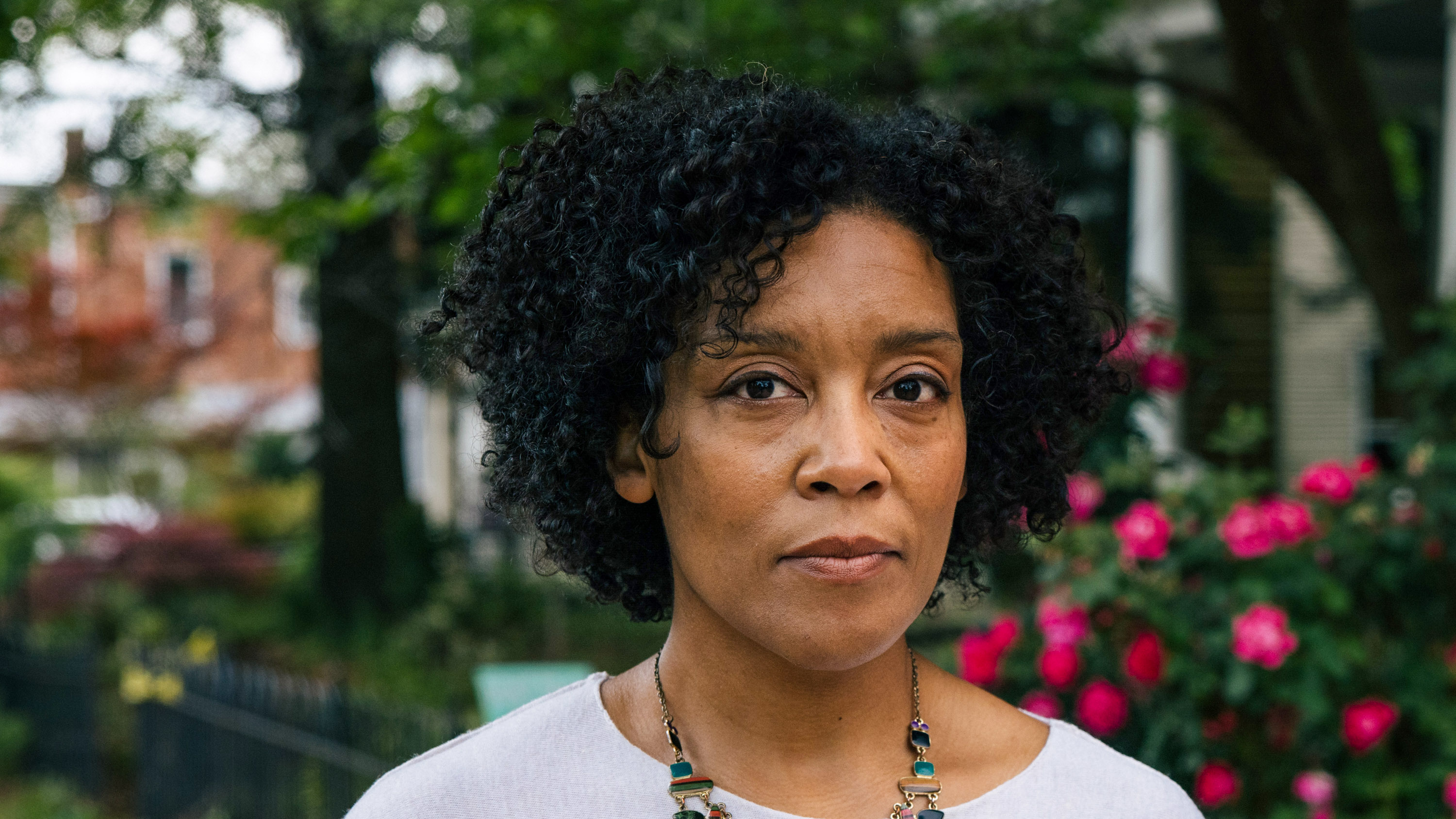
portrait of Monica Sanders

ALYSSA SCHUKAR


How climate vulnerability and the digital divide are linked

In Anacostia, a historic African-American section of Washington, DC, Monica Sanders is measuring Wi-Fi speeds. It’s below the FCC’s minimum to qualify as a broadband service. She then checks the temperature: 46.9 °F.

Sanders, an adjunct professor of law at Georgetown University, frequently records this combination of weak internet access and environmental conditions. Her work shows how underinvestment in infrastructure can leave underserved communities more exposed to climate risks like extreme heat and flooding.

Discover how the digital divide is shaping climate vulnerability in the US.

—Colleen Hagerty

We can still have nice things

A place for comfort, fun, and distraction to brighten up your day. (Got any ideas? Drop me a line.)

+ Here’s a joyful way to settle sibling squabbles: a mandatory dance-off.
+ Build the metropolis of your dreams in this browser-based city simulation game.
+ Watch this hypnotic tiny train move in a perfect, endless loop on a rotating turntable.
+ Take a nostalgic look at early computing history with this curated gallery of vintage punch cards.

STAT+: EU and US advisers split over AstraZeneca breast cancer drug 

Want to stay on top of the science and politics driving biotech today? Sign up to get our biotech newsletter in your inbox.

Merck’s bet on an antibody-drug conjugate developed in China has paid off in a major Phase 3 lung cancer study, where sacituzumab tirumotecan paired with Keytruda sharply outperformed Keytruda alone in a subset of lung cancer patients.

Also, the NIH is down another leader, and Sam Altman-backed longevity startup Retro Biosciences raises more funds.

Continue to STAT+ to read the full story…

Melatonin for Kids: Is It Safe?

If you’ve spent any time talking to other parents about sleep, you’ve probably heard about melatonin. One person swears by it. Someone else warns against it. And if your child is struggling to fall asleep, it can be hard to know what to believe.

Melatonin is widely available, often marketed as a “natural” sleep aid, and increasingly used to help kids of all ages. But it may not be the right solution. The key is knowing when it makes sense, when it doesn’t, and how to make it work best as part of a bigger sleep plan.

What is melatonin?

Melatonin is a hormone the body produces naturally to regulate sleep. As it gets dark, the brain releases melatonin to signal that it’s time to wind down. Light exposure at night — especially blue light from screens — can disrupt the body’s natural rhythm so you don’t feel sleepy even when it’s bedtime.

“Melatonin supplements can help facilitate that circadian rhythm, that 24-hour sleep cycle,” says Rohn Nahmias, DO, a child and adolescent psychiatrist at the Child Mind Institute. Because it’s sold over the counter, melatonin seems to be harmless. In practice, clinicians are much more cautious. While they tend to consider it relatively low risk, with few side effects, they still don’t view it as something to take casually or indefinitely.

That’s because there are real gaps in what we know about melatonin — especially when kids take it regularly over long periods. “The longest study was about four years, and they did not find any issues,” says Judith Owens, MD, MPH, a pediatric sleep expert and professor of neurology at Harvard Medical School. “But the data are very limited in subject numbers and long-term follow-up.”

So, the question parents often ask — is melatonin safe for kids? — doesn’t have a simple yes or no answer. The more useful question may be whether melatonin is right for your kid and what guidelines should you follow if you’re going to give it to them.  

That’s why it’s especially important to consult your child’s pediatrician or tell them if you’ve already started your child on melatonin. “Because melatonin is over the counter, families often forget to mention it,” says Dr. Nahmias. But doctors need to know about supplements, especially if a child is on other medications or has additional health concerns.

Melatonin can be helpful in the right situations, but using it without looking deeper can be “kind of slapping a Band-Aid onto a problem,” Dr. Nahmias says. In his practice, he always wants to rule out anxiety, mood concerns, or a medical issue that may be impacting sleep (such as snoring, breathing problems, or pain) before introducing something new like melatonin.

When melatonin can help

Melatonin is most useful when the issue is falling asleep, not staying asleep. For example, if your child has persistent trouble falling asleep — not just occasional bedtime resistance — and you have already tried using behavioral strategies.

The immediate-release melatonin sold in the United States is primarily helpful for sleep onset. (A prolonged-release form approved in the UK and EU may help with staying asleep, but it’s not available here.) Melatonin can also help with circadian rhythm issues like delayed sleep-wake phase disorder, when a child or teen’s natural sleep and wake times are much later than their schedule allows. “That is the other real indication for melatonin,” Dr. Owens says.

How to use melatonin thoughtfully

If melatonin does make sense for your child, experts agree: Start low and go slow. Dr. Nahmias recommends beginning with 1 to 2 milligrams for kids four and up and increasing the dose only if needed — up to 3 milligrams for kids ages 6–10. Many children respond well to low amounts. More than 5 milligrams, he says, isn’t much more effective and is more likely to cause side effects like grogginess or irritability. Dr. Owens emphasizes a similarly cautious approach: Use the lowest effective dose, monitor whether it’s actually helping, and reassess regularly rather than letting it quietly become an open-ended routine.

Dr. Nahmias recommends using melatonin in “clusters” — short, purposeful stretches of nightly use to help realign the circadian rhythm — and then pulling back to use as needed. A cluster might make sense for a few weeks after travel, during a tough transition, or while the family works on behavioral changes.

If a child needs melatonin every night for months, that’s a signal to dig deeper. “That tells me that there’s something likely going on underneath that’s not being addressed,” Dr. Nahmias says.

Side effects and safety

Melatonin is generally well tolerated, but knowing the possible side effects can help you catch problems early. The most common is grogginess the next morning. Others include irritability, headaches, dizziness, stomach upset, and — in toddlers and younger children — increased bedwetting. Some children may also experience vivid dreams or nightmares, though these tend to be mild.

Check in with your child’s pediatrician if side effects appear, your child needs melatonin frequently or for more than a short period, the dose keeps creeping up, sleep problems get worse, or if you notice signs of anxiety, depression, or ADHD that might be driving their sleep struggles.

One important safety note: melatonin gummies look like candy, and Dr. Owens describes an “astronomical increase” in calls to poison control centers and emergency room visits related to melatonin in children, largely due to accidental ingestion. Store melatonin — especially gummies — like any other medication: out of reach, ideally in a locked cabinet. Never present them to children as a treat.

A bigger concern: what’s actually in the bottle

Melatonin isn’t tightly regulated in the United States, which means the dose on the label may not match what’s actually in the product. Studies have found that 22 out of 25 over-the-counter melatonin gummies were labeled inaccurately, with some containing far more melatonin than advertised.

Dr. Owens describes the variability as “huge” and says she was genuinely shocked by the findings. When shopping, look for products with a USP Verified mark. USP (United States Pharmacopeia) is an independent nonprofit that tests supplements to confirm the product contains what the label says, in the correct amount, and without harmful contaminants.

Melatonin for kids with ADHD or autism

There’s solid evidence that melatonin can benefit children with neurodevelopmental conditions, particularly autism and ADHD, who are more likely to have disrupted sleep-wake cycles. “There is a pretty robust literature supporting efficacy, without a lot of side effects,” Dr. Owens says about children on the autism spectrum.

But Dr. Nahmias encourages parents of kids with autism or ADHD to take a closer look at bedtime routines before turning to melatonin. “Both of those populations of kids do best when there is structure put into their day,” he says. He recommends having a posted list of the sleep routine that a child needs to accomplish as a helpful visual reminder that will start to become second nature as it is built into their evening.

If getting to sleep is still an issue, trying melatonin makes sense. But for kids with autism and ADHD, it may take more time to see an effect. “It can be helpful to give it a bit longer to re-right the sleep cycle,” Dr. Nahmias says. “Trying it for two to three months may be more beneficial than just a few weeks.”

 Many neurodivergent kids may also need to stay on melatonin longer than neurotypical children. “This makes it absolutely imperative that administration of melatonin for these children is under the supervision of a health professional who can monitor efficacy and side effects, and recommend periodic ‘off-drug holidays,’” Dr. Owens says. The goal is to get sleep back on track and consistent for some time. Once that goal is achieved, Dr. Nahmias adds, “it is important that there be attempts to take breaks from the medication or try lower doses.”

When melatonin is not likely to help

Melatonin is often used in situations where it’s unlikely to make much difference. That’s not a criticism of parents — sleep deprivation is exhausting, and it’s natural to reach for something that seems gentle and accessible. But if the real issue is an inconsistent routine, untreated anxiety, or an unidentified medical problem, melatonin may only be a temporary solution. The real problem will persist and need diagnosis and treatment.

For younger children — kids under five, especially — sleep problems are almost always better addressed with changes in habits and routines rather than supplements. For kids under two, “there’s no reason to use melatonin… and really, honestly, under five, for the most part,” Dr. Owens says. At those ages, behavioral approaches almost always work better.

What to try before using melatonin

Small, consistent changes in sleep habits can make a real difference — and unlike a supplement, these strategies can help children build skills that support sleep for years to come. Dr. Nahmias focuses on what’s often called sleep hygiene: a consistent bedtime and wake time, a predictable wind-down routine, and a sleep environment that actually supports rest, like keeping the bedroom dark, cool, and quiet. “The bed is meant for one thing and one thing only, and that is for sleep,” he says, emphasizing no TV or cellphones before bed. Even small amounts of light can interfere with the body’s natural melatonin production.

He also suggests addressing anxiety, rumination, or bedtime fears directly. “Behavioral interventions, time and time again, have really been shown to be very effective,” Dr. Owens says. For younger children, that might mean learning to fall asleep without a parent in the room. For older kids and teens, it often means setting limits around devices and making sure the schedule they’re keeping is actually realistic.

Making a melatonin plan

Melatonin is a tool that works best with a plan behind it. Before starting, write down what problem you’re actually trying to solve. Is your child unable to fall asleep before 11pm? Waking during the night? Scared to sleep alone? Anxious about school?

A simple sleep log can make your conversation with your child’s doctor much more useful. For a week or two, track bedtime, approximate time asleep, any night wakings, morning wake time, screen use, and whether melatonin was used and, if so, at what dose. Dr. Owens calls sleep diaries “invaluable” because they reveal patterns that are nearly impossible to see when everyone’s tired and running on memory. That information helps you and your child’s doctor decide whether melatonin is worth trying, whether it’s working, and when it might be time to stop — keeping the focus not just on getting through tonight, but on helping your child build the sleep habits they’ll carry with them for years.

Frequently Asked Questions

Is melatonin safe for kids?

Melatonin is generally considered low risk and can be helpful for some children who have trouble falling asleep, especially when used short term and under a doctor’s guidance. But experts caution that there are still gaps in research about long-term use in kids, so it shouldn’t be treated as harmless or used casually without looking at underlying issues.

Can you OD on melatonin?

Accidental overuse can happen, especially because melatonin gummies may look like candy to young children. In recent years, there has been a major increase in poison control and ER visits related to accidental ingestion, so melatonin should always be stored like any medication — out of reach and ideally locked away.

Is melatonin bad for kids?

Melatonin is not inherently “bad” for kids, but it’s not the right solution for every sleep problem. If poor sleep is caused by anxiety, inconsistent routines, or a medical issue, melatonin may only mask the problem.

How much melatonin is safe for kids?

Experts recommend starting with the lowest effective dose. Some clinicians suggest starting with 1–2 milligrams for children ages four and up, and generally not exceeding 3 milligrams for kids ages 6–10 unless advised by a doctor.

The post Melatonin for Kids: Is It Safe? appeared first on Child Mind Institute.

The Download: online safety’s future and climate tech’s big pivot

This is today’s edition of The Download, our weekday newsletter that provides a daily dose of what’s going on in the world of technology.

Tech researchers are suing the Trump administration over the future of online safety

For months, the Trump administration has been going after researchers who study and try to counter hate speech, harassment, propaganda, and disinformation online. Now, some of those researchers are fighting back. 

In a new lawsuit, they’re seeking to strike down a visa restriction policy against “foreign officials and other persons” announced last year by US Secretary of State Marco Rubio.

They say the policy violates the speech and due process rights of foreign-born workers whose “work supports greater moderation of content on the [tech] platforms.” Find out how the case could impact online safety and free speech.

—Eileen Guo

Climate tech companies are pivoting to critical minerals

We’re over a year into the second Trump administration, and support for climate causes in the US is weak. But climate tech companies are finding ways to survive and even thrive in this new environment, including by looking beyond decarbonization.

One example is Boston Metal. The startup has raised a $75 million round to produce critical metals, MIT Technology Review can exclusively report.

The company is best known for its efforts to clean up steel production, an industry that’s responsible for about 8% of global greenhouse gas emissions. But the new focus and fresh funds could help it survive a period of waning support for industrial decarbonization.

Read the full story on its high-stakes shift. And discover more about the new strategy for climate tech companies in our analysis of how they’re reframing their missions.

—Casey Crownhart 

Our story on the climate tech pivot is from The Spark, our weekly newsletter giving you the inside track on all things climate. Sign up to receive it in your inbox every Wednesday.

Can AI learn to understand the world?

As the limits of LLMs become clearer, researchers are developing a new kind of AI designed to understand the physical environment: world models. 

Recent developments from Google DeepMind, Fei-Fei Li’s World Labs, and Yann LeCun’s new startup have pushed these systems to the forefront of AI. At an exclusive virtual event today, MIT Technology Review will examine the progress—and what comes next.

Join editor in chief Mat Honan, senior AI editor Will Douglas Heaven, and AI reporter Grace Huckins for the subscriber-only Roundtables discussion on world models. Register here to take part in the session at 19:30 GMT / 2:30 PM ET / 11:30 AM PT.

World models are one of our 10 Things That Matter in AI Right Now, MIT Technology Review’s new list of the technologies and ideas shaping the future of AI.

The must-reads

I’ve combed the internet to find you today’s most fun/important/scary/fascinating stories about technology.

1 SpaceX has filed for an IPO expected to be the largest ever
It could make Elon Musk the world’s first trillionaire. (BBC) 
+ But he’s also a risk factor in the prospectus. (The Verge)
+ The filing exposes SpaceX’s finances for the first time. (NYT $)
+ AI spending pushed it to a $1.94 billion loss in Q1 2026. (Reuters $)
+ And rivals are challenging its launch dominance. (MIT Technology Review)

2 Nvidia reported record revenues thanks to the AI boom
It’s blown past Wall Street expectations, despite losing the Chinese market. (Guardian)
+ It has “largely conceded” China’s AI chip market to Huawei. (CNBC)
+ It generated no revenue from H200 chip sales in China. (SCMP)

3 Samsung has averted a massive strike over AI profit-sharing
It reached a tentative deal on bonuses with workers. (FT $)
+ The last-minute deal averts an 18-day walkout. (Engadget) 
+ But the compromise has exposed deep divisions. (Reuters $)
+ Anti-AI protests are increasing. (MIT Technology Review)

4 President Trump will sign a cybersecurity directive as soon as today
But it stops short of mandatory federal approval of models before they’re released. (Bloomberg $)
+ AI is making online crimes easier. (MIT Technology Review)

5 OpenAI may file for an IPO within days
The ChatGPT-maker wants to go public as early as September. (WSJ $)

6 Robotics won’t be transformed by a single AI breakthrough
Don’t expect a ChatGPT moment. (IEE Spectrum)
+ Human work behind humanoid robots is being hidden. (MIT Technology Review)

7 Rocks could generate hydrogen while storing CO2
New research shows they could also produce geothermal power. (New Scientist)
+ AI is uncovering hidden geothermal energy resources. (MIT Technology Review)

8 The EU is accelerating a Trump-fueled breakup with Big Tech
Geopolitical tensions are driving a shift toward homegrown software. (Wired $)

9 Solid-state breakthroughs could soon transform commercial batteries
They’d be faster and safer than today’s lithium-ion equivalents. (The Economist $)

10 Two researchers are rebuilding math from the ground up
By replacing the most fundamental concept in topology. (Quanta)
+ OpenAI claims its solved an 80-year-old math problem. (TechCrunch)

Quote of the day

“This isn’t a blip, it’s an inflection point.” 

—Gurjeet Grewal, CEO of UK-based Octopus Electric Vehicles, tells Reuters that the Iran war has been a boon for European EV sales.

One More Thing

""
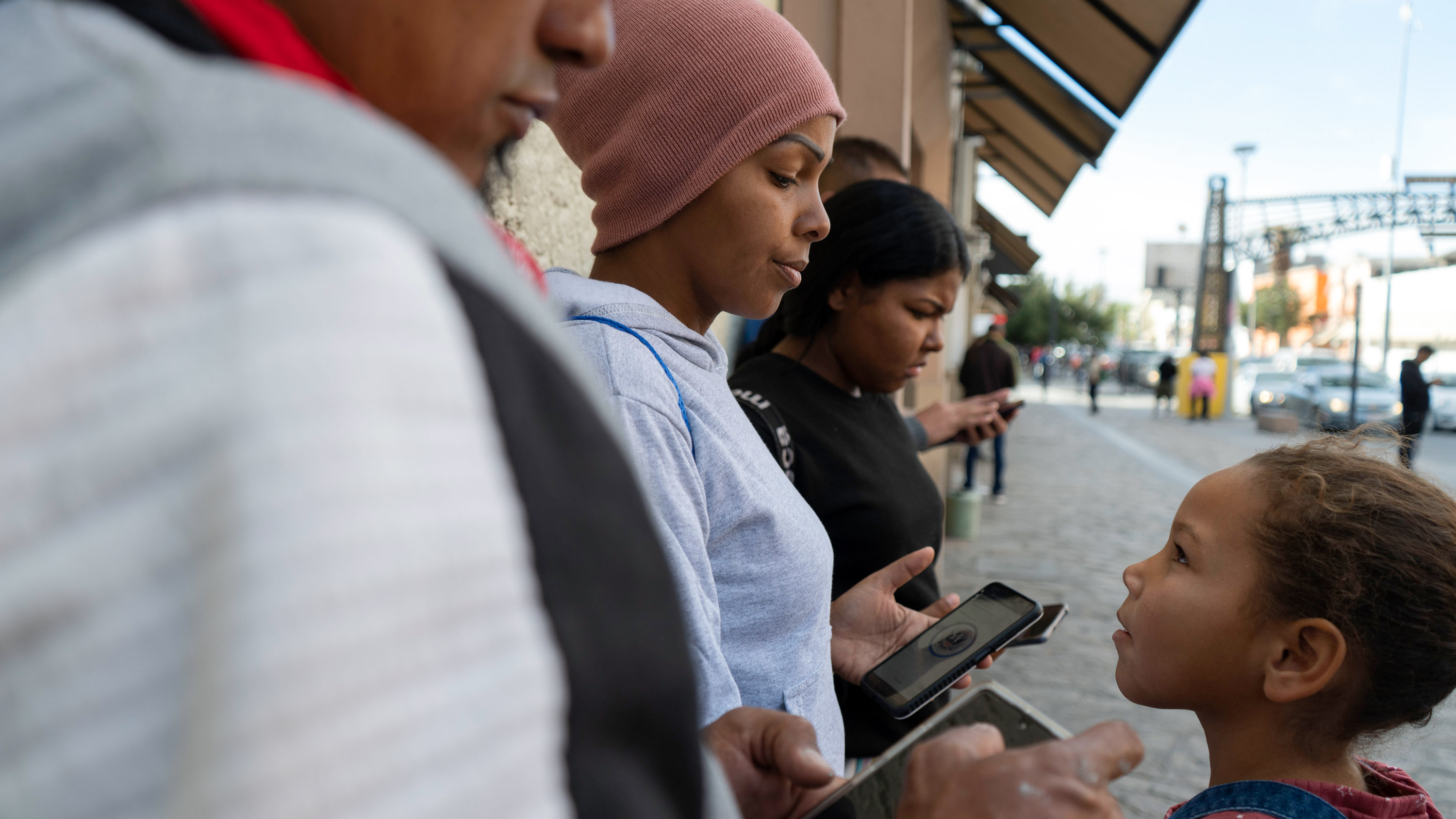
Keisy Plaza looks at her daughter Arantza Plaza with disappointment after failing to get an appointment on the CBP One app in Ciudad Juárez, Mexico.
ALICIA FERNáNDEZ


The new US border wall is an app

At the US southern border in 2023, asylum seekers had to request appointments with immigration officials via a mobile app. The Biden administration said the app, named CBP One, would make migration more orderly and discourage unauthorized crossings. But for many migrants, it became another obstacle.

While waiting in dangerous border cities, they reported frozen screens, facial recognition issues, spotty connectivity, and difficulty securing appointments. Advocates argue that requiring vulnerable people to rely on smartphones, internet access, and digital literacy creates a system that leaves many behind.

Find out how CBP One endangered some of the people most in need of protection.

—Lorena Ríos

We can still have nice things

A place for comfort, fun, and distraction to brighten up your day. (Got any ideas? Drop me a line.)

+ See how big countries really are with this interactive tool.
+ Explore the entire Star Wars galaxy in detail through this interactive map.
+ Chart the origins of historical events with this interactive cause-and-effect explorer.
+ Discover the surprising origins of global currency symbols in this deep dive into financial history.