

Although pharmacological treatments for insomnia remain widely prescribed, their long-term use is constrained by risks of tolerance, dependence, and residual daytime effects. This has prompted growing interest in non-pharmacological interventions that target insomnia’s underlying mechanisms. This narrative review examines five physical factor therapies for insomnia: auditory stimulation, phototherapy, thermotherapy, electrical stimulation, and magnetic stimulation. They are classified according to their primary sites of action into peripheral sensory modulation, central neuromodulation, or systemic autonomic regulation. In each context, research findings about circadian entrainment, thermoregulatory promotion of falling asleep, attenuation of cortical hyperarousal, and restoration of autonomic balance are discussed. Clinical evidence from randomized controlled trials and meta-analyses is critically appraised, with emphasis on therapeutic efficacy, safety, and limitations. Overall, physical factor therapies may constitute promising adjunctive options for selected insomnia phenotypes, but current evidence remains heterogeneous and preliminary for several modalities. Recent advances in portable and home-based technologies support their feasibility, although long-term effectiveness, adherence, and cost-effectiveness remain to be established. Future research should prioritize larger sham-controlled trials, objective sleep and circadian outcomes, standardized protocols, biomarker-guided stratification, and closed-loop intervention systems.
QAIAx (AIhealth4U) – AI Public Health Central: Microcity-A (re Quantum AI Agency Aka AI City Hall Project, UPSTO App Nos. 64/074,526, 64/063,557, 63/903,181, 63/729,428
Conditions: Asperger’s Disorder; Asperger Disorder; Autism Disorder; Autism; ADHD – Attention Deficit Disorder With Hyperactivity; ADHD; ASD; Alcohol Abuse/Dependence; Alcohol Addiction; Alcohol and Other Drug Use Disorders; Alcohol and Other Substance Use Prevention; Gambling Addiction; Gambling Disorder; Sex Abuse; Sex Behavior; Sex Crimes; Sex Disorder; Sex Disorders; Gender Dysphoria, Adult; Eating Behavior Disorders; Narcotic-Related Disorders; Narcotic Addiction; Narcissism; Psychiatric Disorder; Psychedelic Effects in Healthy Volunteers; Psychedelic Experiences; Psychedelic Drug Dependence; Marijuana Use Disorder; Marijuana Abuse and Dependence; Smoking (Tobacco) Addiction; Smoking Among Youth; Smoking Abstinence; Abstinence, Sex; Opiate Substitution Treatment; Opioid Abuse (Disorder); Opioid Abuse and Addiction; Cocaine Abuse; MDMA (‘Ecstasy’); Addiction Disorders; Homeless and Low Incomes People, Refugees; Homelessness; Reliability and Validity; Anger Problems; Child Abuse, Sexual
Interventions: Behavioral: AI City Hall Project (AIhealth4u – Public Health Central); Behavioral: AI City Hall Project (QAIAx Microcity A – AI Public Health Central)
Sponsors: Veterans Recovery Network Inc.; U.S. Special Operations Command; Central Virginia VA Health Care System; AI-119 Vulcan Project Research & Educational Technology Company (fka Henry Nanpei Academy Project)
Not yet recruiting
Interventions: Behavioral: AI City Hall Project (AIhealth4u – Public Health Central); Behavioral: AI City Hall Project (QAIAx Microcity A – AI Public Health Central)
Sponsors: Veterans Recovery Network Inc.; U.S. Special Operations Command; Central Virginia VA Health Care System; AI-119 Vulcan Project Research & Educational Technology Company (fka Henry Nanpei Academy Project)
Not yet recruiting
<![CDATA[Explore how circadian gene rhythms differ in schizophrenia, depression, and bipolar disorder—and why stable sleep timing may curb addiction risk.]]>
Super-potent synthetic opioids called nitazenes are spreading across the U.S.
In high school, Ashley Delgado dreamed of becoming a doctor and one day buying her father a Rolls-Royce. “She wanted to heal people,” said her father, James Taylor. She had a high GPA, Taylor added, and did especially well in science and Latin.
In her mid-20s, Ashley suffered a leg injury and was prescribed OxyContin. The painkiller marked the beginning of a yearslong descent through addiction — from prescription opioids to methamphetamine, then heroin, and finally, fentanyl.
Alcohol and cannabis use severity in relation to compulsive sexual behavior and problematic pornography use in a non-clinical sample: a cross-sectional study
IntroductionCompulsive Sexual Behavior Disorder (CSBD) and problematic pornography use (PPU) frequently co-occur with substance use disorders, yet their associations with specific substances in non-clinical populations remain poorly understood. The present study examined associations between alcohol and cannabis use severity and CSBD and PPU symptoms in a non-clinical adult sample.MethodsEligible adults were invited to complete an anonymous online survey between May and October 2025. Alcohol and cannabis use severity scores were assessed using AUDIT and CUDIT-R questionnaires, respectively. Participants compulsive sexual behavior disorders (CSBD) and problematic pornography use (PPU) scores were assessed using CSBI-13 and BPS questionnaires. Associations between substance use severity and compulsive sexual behaviors were assessed using linear adjusted regression.ResultsA total of 158 adults (61.4% women) aged 18–60 years were analysed with a mean alcohol and cannabis use severity scores of 16.29 (± 4.53) and 15.49 (± 5.08), respectively among current users, and a mean compulsive sexual behavior disorders of 21.14 (± 7.74), with a mean PPU score of 6.99 (± 2.55). In unadjusted regression models, increases in alcohol and cannabis use severity were associated with increases in CSBD and PPU scores. However, no significant increase of both outcomes was observed for alcohol use severity (CSBD: B = 0.18, 95% CI [-0.13; 0.49], p = .251; PPU: B = 0.04, 95% CI [-0.05; 0.13], p = .381) and cannabis use severity (CSBD: B = 0.09, 95% CI [-0.13; 0.31], p = .409; PPU: B = 0.03, 95% CI [-0.03; 0.09], p = .325) after controlling for age and gender.ConclusionOur study showed a positive but non-significant association between alcohol and cannabis use severity with both CSBD and PPU after controlling for age and gender, suggesting the underlying associations may be explained by sociodemographic differences in the study population. However, longitudinal studies and advanced analysis approaches including those that handle zero inflated data or latent dependant variable are needed to validate these findings.
Strengthening evidence-based practices in assessment and treatment planning for substance use disorder: an evaluation of a Swedish training program for social services
Background and aimSocial workers regularly encounter clients affected by substance use disorders (SUD), yet training in evidence-based assessment and interventions remains limited. In Sweden, municipal social workers have statutory responsibility for SUD assessment, intervention planning and client follow-up which underscores the need for targeted professional education. This study aimed to: (i) describe social workers’ baseline self-assessed competence in evidence-based practices for SUD and its associations with demographic and professional characteristics, and; (ii) examine knowledge gains associated with completion of an evidence-based educational intervention.MethodsA non-randomized pre–post design included 173 municipal social workers recruited from 64 municipalities across five cohorts (2021–2023). Baseline self-assessed competence was analyzed using ordinal logistic regression, and knowledge gains were assessed using module-specific pre–post items with paired t-tests with Cohen’s d.ResultsBaseline competence was rated as low to moderate, with professional experience predicting higher perceived competence. Substantial baseline knowledge gaps were observed, particularly in evidence-based psychosocial interventions and use of digital technology in assessment and planning of treatment. Knowledge increased significantly across all modules after training completion (d = 0.26–1.41). The largest knowledge gains were for modules on use of technology in the assessment and treatment-planning, biopsychosocial interventions, research-informed use of the assessment tool Addiction Severity Index (ASI), and the professional role in assessment and care planning. Score variability decreased across several modules.ConclusionCompletion of an immersive, online, evidence-based training was associated with meaningful improvements in social workers’ knowledge related to substance use assessment, intervention planning, and use of technology. Although causal inference is limited by the non-randomized single-group pre–post design, the findings support the potential of scalable educational interventions to address competence gaps in substance use services even in organizations with high caseloads, workforce turnover, and limited training opportunities.
RFK Jr. presents $700 million in mental health funding, but experts say grants aren’t new
The Trump administration on Wednesday said it was announcing $700 million in “new funding” for mental health and addiction programs, with an emphasis on combating homelessness resulting from severe, untreated mental illness.
But behavioral health experts instantly cast doubt on the claim, identifying the $700 million not as new funding but as the long-awaited release of existing grants that Congress had previously authorized and that the federal government already planned to spend.
Hybrid Dialectical Behavior Therapy for Veterans to Further Reduce Emotion Regulation Problems and Trauma Symptoms
Conditions: PTSD; Emotion Regulation Disorders; Substance Abuse
Interventions: Behavioral: Hybrid dialectical behavior therapy
Sponsors: Arkin
Recruiting
Interventions: Behavioral: Hybrid dialectical behavior therapy
Sponsors: Arkin
Recruiting
Pancreatic Cancer Cell Death Triggered by Caspase‑8 Blockade in Preclinical Models
Pancreatic cancer remains one of the most lethal malignancies, notorious for its late detection, rapid progression, and stubborn resistance to many therapeutic strategies clinicians have tried. Despite decades of effort, standard treatments have delivered only incremental gains, and the disease is projected to become the second leading cause of cancer‑related death within this decade. Now, researchers at the University of Cologne’s Center for Molecular Medicine Cologne (CMMC) have uncovered a surprising vulnerability in KRAS‑mutant pancreatic tumors—one that primes them for a potent form of programmed cell death.
In a study published in Nature Communications titled “Oncogenic KRAS-driven type I interferon signaling primes pancreatic cancer for necroptosis,” the team reported that oncogenic KRAS, the defining driver mutation in roughly 90% of pancreatic ductal adenocarcinomas (PDAC), activates a type I interferon signaling program that inadvertently primes tumor cells to necroptosis, an inflammatory form of regulated cell death. However, “KRAS‑mutated tumors have a previously unknown Achilles heel,” said senior author Silvia von Karstedt, PhD. “By switching off the tumor cells’ defense mechanisms, we can significantly kill these tumors.”
The defense mechanism in question is caspase‑8, a protein long known for its role in apoptosis but increasingly recognized as a gatekeeper that prevents necroptosis. The Cologne team found that KRAS‑driven interferon signaling induces high expression of necroptosis‑related interferon‑stimulated genes—including MLKL—creating a state in which tumor cells become heavily dependent on caspase‑8 for survival.
Using genetically engineered mouse models, the researchers showed that deleting caspase‑8 specifically in KRAS‑driven pancreatic lesions triggered widespread necroptotic cell death and eliminated most precursor lesions. “Cancer cell-specific deletion of caspase‑8 is sufficient to trigger necroptotic cell death, eliminating most pancreatic precursor lesions,” the authors reported in their paper.
Furthermore, in aggressive PDAC mouse models and human patient‑derived tumor organoids, pharmacologic caspase inhibition significantly reduced tumor burden.
First author Sofya Tishina, PhD, emphasizes the translational potential: “The findings provide strong evidence that certain forms of pancreatic cancer could be specifically targeted for treatment based on their dependence on caspase‑8. In the long term, this could help develop new therapies for patients who currently have very limited treatment options.”
Beyond pancreatic cancer, the study’s pan‑cancer transcriptomic analysis revealed that tumors with high Ras pathway activity and strong interferon signatures also exhibit elevated necroptosis gene expression, hinting at broader applicability. As the authors concluded in their paper, their work “reveals a KRAS-induced IFN program that sensitizes tumor cells to necroptosis, highlighting a therapeutic vulnerability in PDAC with broader relevance across IFN-activated cancers.”
The post Pancreatic Cancer Cell Death Triggered by Caspase‑8 Blockade in Preclinical Models appeared first on GEN – Genetic Engineering and Biotechnology News.
Introducing the 2026 IOCDF Award Winners of the 2026 Annual OCD Conference
The mission of the International OCD Foundation — to ensure that no one affected by OCD or related disorders suffers alone — requires the collaboration and dedication of countless individuals and professionals around the world. Each year, the IOCDF is honored to recognize a few of these contributors who have gone above and beyond to inspire hope, build community, and move us closer to a world where everyone has access to effective support and care.
These awards will be presented at the 31st Annual OCD Conference, sponsored by OCD Institute Texas, on Saturday, July 11, 2026.
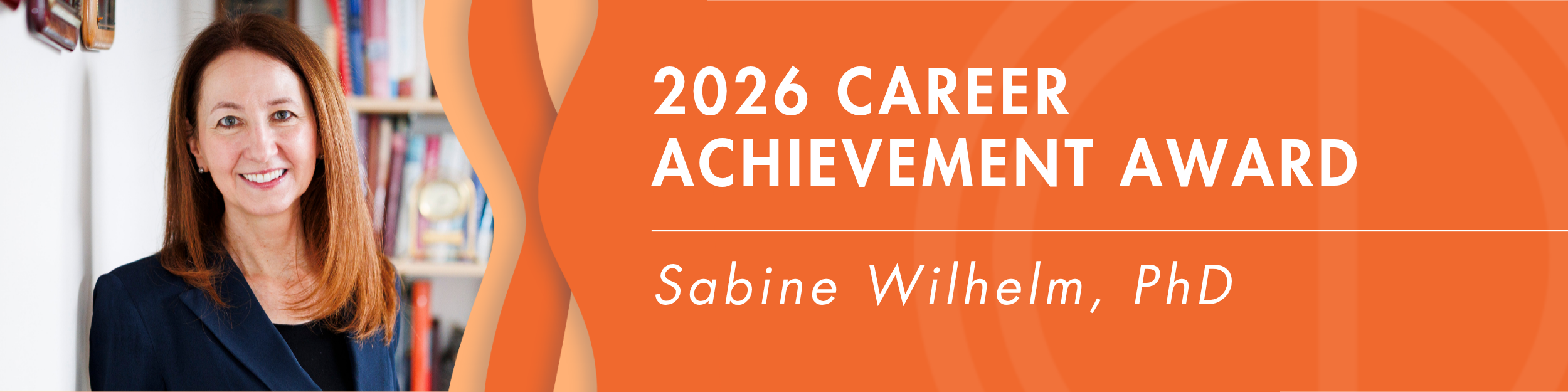
2026 Career Achievement Award Winner: Sabine Wilhelm, PhD
Highlighting the significant and notable contributions of a professional in the field of OCD and related disorders.
Sabine Wilhelm, PhD, is the Donovan-Chien Family Endowed Professor at Harvard Medical School and Chief of Psychology at Mass General Brigham. She directs both the Center for OCD and Related Disorders and the Center for Digital Mental Health at Massachusetts General Hospital. Dr. Wilhelm’s work leverages AI and technology to improve mental health care globally, focusing on developing personalized, scalable digital treatments. She has authored 375 publications and nine books. She has received major awards, including the NAMI Scientific Research Award and the Peter Ranney Innovation Award from the World Medical Innovation Forum. Dr. Wilhelm is the outgoing Chair of the IOCDF Scientific & Clinical Advisory Council after serving since 2023, and she has served on numerous committees to support the Foundation’s work to advance research and resources for OCD and related disorders.
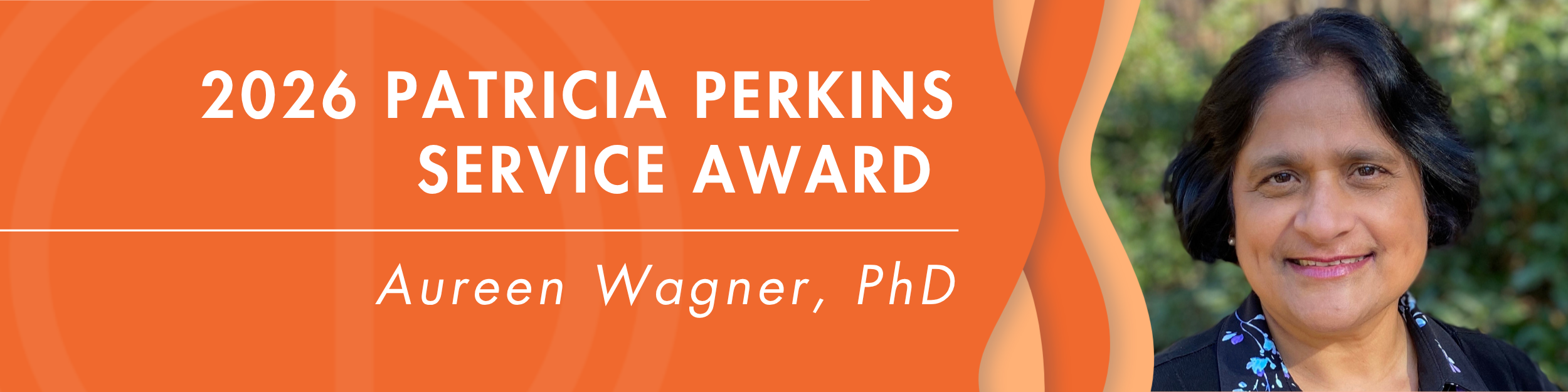
2026 Patricia Perkins Service Award Winner: Aureen Wagner, PhD
Honors any professional or IOCDF member who has stood out as a long-time (10+ years) and active contributor to the IOCDF in multiple ways. This award is named after Patricia Perkins, IOCDF co-founder, past president of the Board of Directors, and previous executive director.
Winner Bio: Aureen Pinto Wagner, PhD, has been involved with the International OCD Foundation since 1992 and a frequent presenter at its conferences and programs for families, clinicians, and youth. She serves on the IOCDF’s Scientific and Clinical Advisory Board and has been faculty with the Behavior Therapy Training Institute since 2001.
Dedicated to expanding access to evidence-based OCD treatment, Dr. Wagner provides clinician training, workshops, and consultation nationwide. She is the author of the professional treatment manual Treatment of OCD in Children and Adolescents: A Professional’s Kit and several award-winning books for families, including “Up and Down the Worry Hill: A Children’s Book about Obsessive-Compulsive Disorder and its Treatment,” “What to do when your Child has Obsessive-Compulsive Disorder: Strategies and Solutions” and “Worried No More: Help and Hope for Anxious Children.”
At The Anxiety Wellness Center in Cary, North Carolina. Dr. Wagner provides in-person and telehealth treatment for children, adolescents, and adults with OCD, anxiety, and related conditions, along with parenting support for families.
2026 Hero Award Winner: Stephen Smith
Recognizes any individual that has stood out as a particularly effective advocate for OCD and related disorders or who helped raise awareness of these disorders.
Stephen Smith is the Co-founder and Chief Executive Officer of NOCD, the world’s largest OCD-specialty treatment provider for both adults and children. After emerging from a personal struggle with undiagnosed OCD and experiencing the success of Exposure & Response Prevention (ERP) therapy first-hand, Stephen made it his mission to transform the behavioral health treatment system for people with OCD and related conditions. Under his leadership, NOCD has done that. NOCD drives OCD awareness campaigns that reach millions of people each year, cares for hundreds of thousands of people with OCD, and is contracted to serve more than 140 million commercial lives nationally.

2026 Youth Hero Award Winner: Gabriella Lee
Recognizes any youth (under 18) that has stood out as a particularly effective advocate for OCD and related disorders or who helped raise awareness of these disorders. This award is presented by UNSTUCK: an OCD kids movie.
Gabriella Chaeyoon Lee is a junior at Great Oak High School in California who is dedicated to promoting mental health awareness, particularly surrounding OCD. Inspired by her personal connection to OCD through her mother’s diagnosis, she actively works to reduce stigma and support others through her school club and independent initiatives. She is passionate about creating safe and inclusive spaces where individuals feel understood and supported. She hopes to continue her advocacy and contribute to meaningful change in mental health communities.

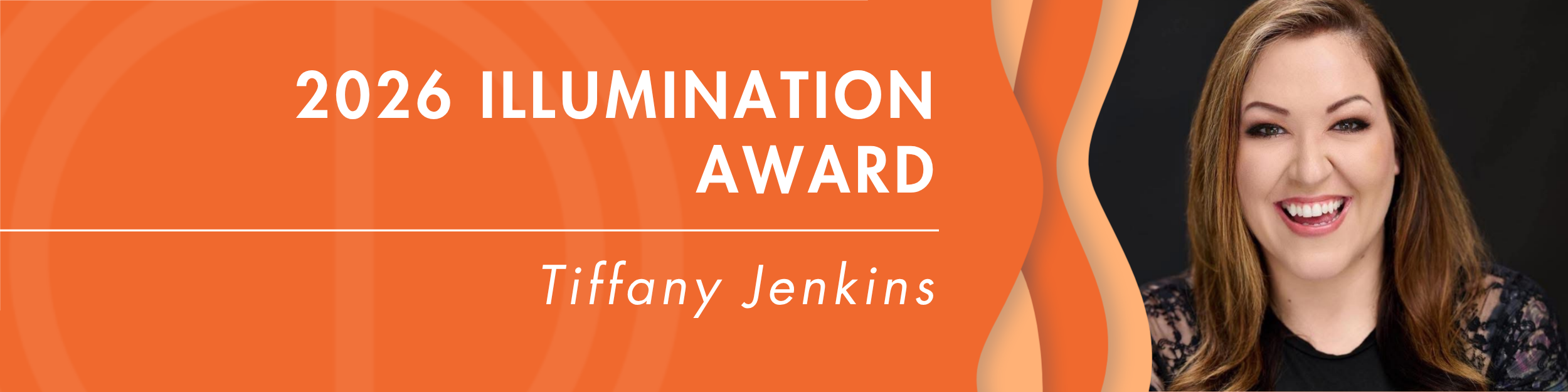
2026 Illumination Award Winner: Tiffany Jenkins
Honors media personalities who have represented OCD or related disorders in a respectful, accurate, and appropriate way, or who have challenged stereotypes and helped to fight stigma around mental health issues.
Tiffany Jenkins is a comedian, New York Times bestselling author, speaker, and podcast host with a combined social media following of over 9 million and more than one billion video views worldwide.
While widely recognized for her relatable and candid comedy, Tiffany is deeply committed to raising awareness around mental health and addiction. Drawing from her own lived experience in recovery, she travels across the United States speaking at high schools, correctional facilities, treatment centers, and conferences, where she delivers impactful, honest conversations that resonate with diverse audiences.
Above all, Tiffany is a devoted mother, bringing authenticity, resilience, and humor into both her work and her everyday life.
The post Introducing the 2026 IOCDF Award Winners of the 2026 Annual OCD Conference appeared first on International OCD Foundation.