Something stinks in California’s climate policies.
Years ago, the state set up a system that pays cattle farmers across the country to turn the methane emitted from cattle manure into natural gas, encouraging the dairy sector to produce a gas we burn instead of one that just pollutes the air.
It’s become wildly popular because the subsidies are extremely lucrative. But a growing body of research suggests the program is a case study in the shortcomings of our preferred approaches to climate action. Instead of simply forcing industries to directly cut their pollution or pay for it as a cost of doing business, legislators have repeatedly opted to set up convoluted incentive systems that swap climate responsibilities between parties and regions. As studies have shown again and again, these carbon offsetting and trading schemes often dramatically overstate the emissions reductions actually achieved in the one place that matters: the atmosphere.
The dairy program illustrates a particular version of this problem, muddling the impacts of different types of greenhouse gases in a way that researchers argue will lock in more warming in the future.
Despite this and other concerns, California regulators decided in 2024 to extend parts of the program beyond 2050. And a recent proposal by the state’s air resources board could send millions of additional dollars to dairy farmers as part of a plan that would ease restrictions on major greenhouse-gas producers.
Here’s how the system works: The state’s climate regulations require the transportation fuels industry to lower the carbon dioxide levels in its products over time—or purchase credits from other parties that cut fuel emissions, including cattle farmers.
Dairies generally spray cattle manure into giant open lagoons, where microbes gobble up organic matter and produce methane as a by-product. But if farmers set up what are known as anaerobic digesters, the sludge is redirected into covered vessels that capture the biogas, which can be converted into natural gas and injected into a pipeline. It can then be used to fuel certain vehicles or generate electricity in a power plant. Either way, petroleum companies can pay those farmers for Low Carbon Fuel Standard (LCFS) credits, to meet regulatory requirements in lieu of reducing the emissions from their own fuels.
Burning biogas in a bus or turbine still releases carbon dioxide, but the idea is that this process reduces market demand to extract natural gas from the ground and avoids the release of methane, which is a far more powerful greenhouse gas (at least initially). In fact, methane is so much more powerful that under California’s program, “adding one average biogas-powered vehicle to the fleet would produce enough LCFS credits to cover the deficits incurred by 26 similar gasoline-powered vehicles,” according to Aaron Smith, a UC Berkeley economist.
But there’s a problem with this carbon math. California assumes that methane exerts about 25 times the warming effect of carbon dioxide over a 100-year period. That’s not how it really works in the atmosphere, though.
Methane is very powerful, but it also breaks down quickly, generally within a couple of decades. Meanwhile, carbon dioxide builds up cumulatively in the atmosphere—and much of whatever we emit will continue heating up the planet for hundreds to thousands of years.
So, in effect, the state has created a system that reduces short-term warming at the cost of increasing all-but-permanent warming. Any methane that digesters capture today would have caused extra-powerful warning if released, but by 2050 that effect would have mostly faded away. Meanwhile, that additional carbon dioxide we permitted in its place could continue warming the world for millennia.
It is a good idea to cut methane emissions, and dairy digesters achieve this (though not always as effectively as hoped). But we can’t swap a decrease in short-lived greenhouse gases for an increase in long-lived ones if we hope to keep global temperatures within relatively safe levels in the coming century, as researchers have long warned. We have to slash both.
The problem I keep returning to, after years of covering carbon markets and offsets, is this: We need to clean up every sector, completely, over the next few decades. It’s increasingly untenable for so many of our climate ambitions to turn on getting one industry to make progress on paper by paying another one to reduce emissions, at a point when every business in every industry needs to be racing toward net zero.
It’s time to move past the idea that we need to reward sectors for doing us the favor of not polluting the atmosphere, and simply require them to stop unloading the huge environmental burden of their business onto society.
This article is from The Spark, MIT Technology Review’s weekly climate newsletter. To receive it in your inbox every Wednesday, sign up here.
Much of cancer research and therapy focuses on the direct impacts on cancer cells. However, understanding the broader context of cancer as a component of a patient, rather than an isolated invader, has opened a variety of insights and treatments for patients with cancer. Investigations of how the microbiome impacts cancer and immunotherapy was the prime focus of the second session on June 23, 2026 at the Frontiers in Cancer Immunotherapy Symposium hosted by The New York Academy of Sciences.
GVHD and the microbiome
Opening the discussion, Marcel van den Brink, MD, PhD, president of City of Hope Los Angeles and City of Hope Medical Center spoke about the role of the intestinal microbiome in cancer immunotherapy.
Marcel van den Brink, MD, PhD [Nick Fetty/The New York Academy of Sciences]
He began by describing the history of graft versus host disease (GVHD), pointing out that while early work from the 1970s suggested that germ free mice had reduced instance of GVHD following transplants, more current work has pointed to the intestinal microbiome as an immune system modulator.
“Protection of the commensal anaerobes is beneficial,” he said. He explained that Enterococcus has a habit of dominating a population with reduced diversity, pointing out that it “happens very frequently within the context of allogenic transplant, and again is linked with graft versus host [disease].”
“So we try to understand how that happens, why do you get that domination?” van den Brink described how damage to the internal lining of the gut by chemotherapy or XRT conditioning can lead to alloreactivity of immune cells. Damaged enterocytes are less able to produce lactase, leading to increase in lactose availability, which can help drive the growth of Enterococcus species, including E. faecillis—a primary species found in patients who develop GVHD. Concurrently, bile acids can have an immune suppressive effect.
He went on to share results of two published studies exploring the role of immune cells in this cycle and potential interventions. He summarized this work saying, “The protection of the commensal anaerobes is critical.
“That’s probably the easiest point that I can make, if you think about using the gut microbiome as a target to improve outcomes for cancer patients.”
As the gut is a complicated ecosystem, and there are many angles of research, the van den Brink lab is also now exploring other avenues of research that do not involve antibiotics in addition to their work with antibiotics and other therapies.
Probiotic engineering
The second talk in this session, presented by Nicholas Arpaia, PhD, associate professor of microbiology and immunology at Columbia University, explored the possibility of personalized cancer immunotherapy with the use of engineered probiotics.
Nicholas Arpaia, PhD [Nick Fetty/The New York Academy of Sciences]
His work has focused on exploring the interactions between bacteria and the tumor microenvironment (TME) and how bacteria can act as a sort of Trojan horse to access the inner tumor environment.
In terms of cancer immunotherapy, Arpaia began by saying, “hopefully I’ll be able to convince you that utilizing bacteria is a potential path forward.” Bacteria, he argues, have a bright future in the field with a strong and growing research background based on the publications, companies formed, and clinical trials over the last 20 to 30 years.
He continued describing the wide scope of the field, both in how bacteria are engineered, and in how those bacteria are delivered. While the immune-oncology space has tended towards engineering payloads that modify the TME or deliver neoantigens, there are other approaches aimed at delivering toxins or modifying the metabolism within the TME. Further, Arpaia shared details on the differences between intravenous (IV), intratumor, or oral delivery. He pointed out that bacteria injected intravenously have been found in the cores of tumors. “It’s been speculated that this occurs because of the amenable conditions within the tumor.”
The question then arises, how can this behavior be beneficial to cancer therapy? “Features of bacteria themselves can activate the innate immune system,” Arpaia said. “If you then couple that with something that’s going to help activate the adaptive immune system, it gives us all the signals we need to really get long-term durable and effective responses.”
While many bacterial strategies involve the bacteria bringing specific payloads to the TME, much of his work explores a strategy of quorum-based lysis or a synchronized lysing circuit.
“Essentially what we should observe is that there’s growth, they hit a quorum threshold, so this synchronized lysis event occurs, a few of the bacteria remain, and the entire population undergoes these cyclic events again.”
Following the lysis event, what remains is “just a massive bag of innate immune stimulatory ligands.” The payload is released over and over through this synchronized lysis of the bacteria. Arpaia summed the process: “They grow, they undergo a lytic event, they grow back, and the entire process again occurs again and again.”
Tumor-associated bacteria in space
The final talk seamlessly transitioned from the discussion of bacterial lysis deep within the tumor to a discussion on how the location of tumor-associated bacteria within the TME can impact therapy approaches.
Susan Bullman, PhD, associate professor of immunology at the University of Texas MD Anderson Cancer Center began her discussion by taking a step back from cancer. “What I’m going to talk about is the native colonization of tumors by bacteria, by members of our microbiome,” she said.
Susan Bullman, PhD [Nick Fetty/The New York Academy of Sciences]
She explained that her group is “particularly interested in oral gastrointestinal cancers and understanding how microbes disseminate from our microbiome and can infiltrate human tumors to modulate the TME.”
Bullman described how certain bacterial that or typically restricted to the oral cavity can migrate and infiltrate cancers throughout the gastrointestinal (GI) tract. She focused specifically on Fusobacterium nucleatum, which not only has been consistently identified in GI tract tumors, but has also been found to negatively impact patient outcomes.
“When this microbe is enriched in the tumor, patients tend to have an increased risk for relapse, metastases and overall poor prognosis,” she said. Bullman explained that there is variability between tumor types and likelihood of tumor infiltration by microbes—with GI tract tumors having a higher instance of bacterial infection. Further, there is a heterogenous distribution of the bacteria within the tumor itself and while this bacterium is not the only microbe within the tumor tissue, her work aims to understand how this species modulates the TME.
She asked, “When these microbes get into a tumor tissue or infiltrates the tumor tissue, what exactly are they doing?” She pointed out that in healthy tissue, bacteria will interact with epithelia cells and interact with the immune system, but it’s unclear what they do within the TME.
Through the use of sequencing of both tumor and bacterial cells, her lab was able to identify details on the genetic expression of tumor cells and have a better understanding of the TME. They found that just the mere presence of bacteria at all in the tumor also has a physical impact on the tumor. The bacteria have been shown to impact tumor cell density, increasing space between the human tumor cells. As a result, these cells become stressed and stay in temporary quiescence until the bacteria are removed.
“This is interesting for a range of perspectives, from an immunotherapy perspective and an immunology perspective,” she shared.
“We see that these quiescent cells, they reduce metabolism, they reduce gene expression, and they have reduced antigen presentation. So when the cancer epithelial cells are pushed into this dormant state, they become somewhat invisible to the immune system.”
From a chemotherapy perspective, this was an interesting discovery. “We know that many anti-metabolite chemotherapies that are used in the clinic, they are targeting hyperproliferative cells,” she explained.
Currently, the team is working to map the host-bacterial interactions within the TME, looking for co-localization of cells and function to better understand how the tumor responds to bacterial infection. While they are still trying to understand the mechanisms, Bullman is encouraged by the current data.
“There [are] hints towards impacts of microbes, the amount, the load of these microbes, the immune cells, the monoid cells that they’re recruiting, and their impact on immune checkpoints within the tumor microenvironment.”
A new blood test may help address one of the key challenges in prostate cancer detection—identifying aggressive forms of the disease early on. According to research led by a team at Karolinska Institutet, the Stockholm3 blood test detected more clinically significant cancer cases than the well-established, but problematic, Prostate Specific Antigen (PSA) screening test.
The study appears in the Annals of Internal Medicine. Swedish researchers collaborated with teams from Europe and the U.S. on this work.
Prostate cancer is one of the top cancers among men globally, with an estimated 1.5 million new cases and 397,000 deaths annually. PSA testing has long been used for early detection. But, although PSA is prostate-specific, it is not cancer-specific. Elevated PSA levels can be caused by benign conditions as well as cancer and up to 50% of diagnosed aggressive prostate cancers are in men with low PSA values—below today’s cutoffs of PSA 3 ng/ml or PSA 4 ng/ml.
“There are a number of tests in development to improve on PSA alone. A lot of them, like Stockholm3, are fairly ingenuous and do a good job,” Mark Pomerantz told Inside Precision Medicine. He is a medical oncologist at the Dana-Farber Cancer Institute in Boston. Until one of these newer tests emerges as a winner, though, MRI is the gold standard for evaluating men with high PSA. “With MRI we can see the prostate in some detail,” Pomerantz said, “But it is expensive.”
The Karolinska-led researchers analyzed data from 12,670 men aged 50–74 from the population-based STHLM3-MRI study, which compared MRI-targeted and standard biopsy in men with elevated PSAs. In this more recent Annals study, the men were tested first with both PSA and Stockholm3 and followed for two years via national cancer registries, which allowed researchers to also identify cancer cases missed during the initial screening.
Stockholm3 detected 90 percent of aggressive cancer cases, compared to 74 percent for PSA.
“The test incorporates plasma protein biomarkers, genetic risk information from a polygenic risk score, and clinical factors such as age, family history, and prior biopsy history,” the study’s lead author Thorgerdur Palsdottir, told Inside Precision Medicine. Palsdottir is a researcher at the Department of Medical Epidemiology and Biostatistics, Karolinska Institutet.
He added, “Together, these components provide a more comprehensive estimate of a risk of harboring clinically significant prostate cancer than PSA alone.”
The components, he explained, map onto distinct biological axes rather than a single one. The kallikreins (PSA, free PSA, hK2) reflect prostate epithelial and tumor secretory activity, and the free-to-total PSA relationship helps separate benign enlargement from cancer. The polygenic score and family history capture inherited susceptibility—a man’s baseline predisposition—rather than anything about a tumor. GDF-15 is a stress-response marker that has been associated with more aggressive disease across several cancers.
During the study follow-up, 443 men were diagnosed with clinically significant, i.e. aggressive, prostate cancer. Stockholm3 missed significantly fewer serious cancer cases than PSA, while the proportion of men incorrectly classified as high-risk was similar between the tests.
“These results point toward a potential change in how prostate cancer screening can be conducted. A more precise blood test could enable earlier detection of aggressive disease while reducing the number of unnecessary follow-up examinations and procedures,” said Palsdottir.
He adds that longer-term follow-up is needed to fully assess the effects on mortality and long-term outcomes. “The next important step is to evaluate longer-term outcomes, including disease progression, metastatic disease, and prostate cancer mortality.”
AI is often portrayed as either a technology that will revolutionize healthcare and cure disease or an overhyped force that could stifle science—but the reality is far more nuanced. While AI is already transforming biomedical research, meaningful advances in medicine require much more than powerful algorithms. That complexity is the focus of this conversation with Michael Antonov, co-founder of Oculus, who turned to biology and drug discovery after pioneering virtual reality.
To do so, he co-founded the computational drug discovery company Deep Origin. Rather than relying on AI alone, Antonov believes progress depends on integrating machine learning with physics-based molecular simulations, mechanistic models, and rigorous experimental validation. This philosophy has been fundamental for shaping Deep Origin’s AI-native platform to improve virtual drug screening, predict toxicity, and help researchers develop safer, more effective therapies.
In this episode of Behind the Breakthroughs, Anotonov examines how AI is changing drug discovery and the pharmaceutical industry’s opportunities and limitations, taking a pragmatic approach to claims that AI alone can improve human health from larger models and more computing power. This conversation offers a glimpse into biomedical innovation’s future for those interested in where AI is truly changing medicine and where human expertise and experimental science remain vital.
This interview has been edited for length and clarity.
IPM: Does virtual reality (VR) have a role in medicine and healthcare?
Antonov: VR is predominantly a visualization device, so it’s good for training and various other areas in terms of actual treatments. When VR has been used and is actually FDA approved, as far as I know, it presents modified images to each eye and kind of trains your brain to treat them both simultaneously. Similarly, it’s been used for PTSD treatments and some of the areas where you can maybe handle fears. I haven’t personally experimented with that.
Michael Antonov, co-founder of Oculus and Deep Origin [Deep Origin]
On the visualization side, for displayed molecules, there’s a company that has done a great job of allowing you to look at the molecules, and this could be useful for research. That said, it just gives you more spatial perception. It doesn’t actually solve the problem for you.
On the training side, there are potentially huge benefits, even though you would then have to require investing a lot in software to make it actually perform well. Now, one good example is, I have invested in this company called Osso VR, which does training for knee replacement surgery, and they actually practiced it, and they did a study where their surgeons trained with their knee replacement and got 230% more proficiency.
Given the time and the accuracy of a procedure and the speed of how they learn. But to me, that felt actually very incredible that it’s actually being used. I think they also do nursing trade trainings and such. Those are probably the top areas that will probably be more brain-oriented cognitive things you could do. It would just take time to explore it.
IPM: What will AI’s impact be on medicine and healthcare?
Antonov: I think that there is still a lot of uncertainty. The system is overloaded. There’s a whole spectrum, and the challenge is that there are hundreds of different companies and projects with a whole different range of funding.
For pharma, it would be a big job to sift through what is actually good and what will help me take my target forward. That’s a challenge because there’s a lot more noise and there are some really good companies, but there are also many me-too, not-so-great ones. There are also certain fundamental areas that haven’t been solved yet, like toxicity and other issues, although there has been progress in some areas. There are like dozens of predictors, but they’re not necessarily super great, though they’re better than nothing. It’s hard to tell where it’s going. The biggest thing is to see what you actually prove in the lab.
The other thing is that there is a range of medicinal chemists and other knowledgeable people who haven’t been exposed to the breakthroughs or effects we might see on our side. AI may surprise us in certain biological parts of the name for certain problems. Now, more holistically at Deep Origin, our plan is to support the discovery process for small molecule drugs and have predictable outcomes.
IPM: How will AI drive the future of precision medicine?
Antonov: The super exciting way it could look in 20 years in that type of timeframe is that we are starting to get personalized medicine. You’re really combining the patient and the system model so that whenever you have a disease, if you have maybe a novel genomic mutation or if you have a new virus, you can literally put the data into the system.
Here is basically experimental data about whatever you collect from the virus. I don’t know if you get the structure of its protease from crystallography. I will even tell you here are the steps you need to take and which lab to run them in. But once you provide it, the system will be able to decompose the pathways and targets it’s affecting and then identify the specific concentrations you might need for these patients.
Essentially, you can provide a target in just a few months. You have good candidates, and these candidates have a much higher probability of not being toxic and having good admin properties. Let’s say we are moving from 90% failure rate to maybe 60%. That would be a huge job. That’s what the toxicity models enable, though they are hard because they need both experimental and data collection. But actually, even things like physics can help with counter screening, asking, what are all these things we should not bind to? Go and check them computationally. This whole stack basically gives you data on how to run your trial. That’s ten years. But then you level it up with populations and the individual.
This is a 2030 year outlook because then you’re pulling in the genomics data, maybe various things, and this is where the industry really becomes much more powerful and individualized. To do that, you really need these more detailed models.
IPM: Do you have a prediction about a current AI trend that will be around for a while?
Antonov: One of the hot topics right now is the idea of AI scientists. In our case, we have an AI discovery engine. We actually did this earlier, which is this area grant from the U.K. for picking up the disease, which can be fully drugged by AI.
We ran our AI scientist system to pick a target for endometriosis. It uses our tools to come up with a molecule. It’s currently in progress, and it did a very detailed breakdown and analysis of hundreds of targets based on very specific criteria, and I picked a particular one with all the reasons.
It’s interesting to make those kinds of tools and this whole pipeline available to almost everyday people because then, much like some genomics tools, an available AI system, which can support the full path of drug development, can in fact let a patient or an interest group just come in and take lots of steps in the direction of saying, “Here’s either maybe an RNA or a gene therapy or a drug that can serve.”
That would be a huge step toward democratizing it. It doesn’t mean that AI will do all the steps for us, but it doesn’t mean that it can do a lot of the known steps, which have been done many times and can help us along the way. Of course, the real scientist will still be very critical to all the parts.
For general accessibility, this automation that is happening and these kinds of simulation tools and large language models in general are incredible. They’ve got a little bit of a long-winded thing, but I wanted to reflect on what you said.
IPM: What are the pros and cons of building Deep Origin in the U.S. or China?
Antonov: Some of the more recent wisdom that I’ve heard is that if you want to survive in the U.S. or more expensive countries, you need to be taking bigger risks, and you need to be more innovative in how you approach the type of modalities and things. So that’s one line of thinking.
Another way is to be distributed. In our case, a big part of our AI/ML team is in Armenia. My co-founder is Armenian. We have 40 people there. I have just come from spending a week and a half with the team there for model building and science. There is an AI, and there are definitely people in all of the areas. Automated labs could also probably be in any country.
In terms of the actual trials, it depends on the situation. There are certain things that it’s probably wiser to do in China for this time being, but also maybe India will be up and coming, and if there are certain scenarios where there are more rare diseases, it’s probably okay to also not stay in the States.
There’s no perfect answer. We have a challenging environment. At the end of the day, you have to have something really valuable and novel to keep going forward. They have really great scientific research there too. We have to be careful and just really go at it hard.
IPM: Where does China stand out from the United States in terms of pharmaceutical research and development?
Antonov: If I were to pick one area, it’s the cost of clinical trials and the way we select just all the aspects of this. And to be honest, I’m not an expert in this. And clearly there’s a lot of progress in China right now. Everybody talks about how it’s much more cost-effective and quicker to do things there. There are a lot of “right to try” opportunities that are helping.
That said, I believe that we can have a lot better kinds of social programs around this to make it like easier for people to participate and maybe take more highly educated guesses and risks. There’s software infrastructure to simplify and reduce the cost. That would be amazing. In some of those areas, AI also can help, and the models actually can help.
IPM: If you could work on anything, what would it be?
Antonov: I would say focusing on aging as a disease. If you look at the funding, things could shake up the type of research that the NIH and the National Institute on Aging (NIA) do, which is really fundamental to our biology because it drives the majority of diseases and has 3% of the budget, whereas oncology and Alzheimer’s have huge budgets. There’s probably more impact in aging than probably some other well-funded areas if we look at the fundamental parts. That would be a big area where you can have a multiplier effect just from the research side.
To really build an ecosystem of better computational and AI models, maybe creating some way to actually incentivize people to contribute to them, because that’s the challenge right now. You can publish a research paper, or you can build your model to make your proprietary hidden drug. But we need scientists to share those in an integrated way. How do we do that?
Maybe it’ll take some big AI companies to jump into it and do something there. But it’s not going to be solved with just a model. It really needs to be a true experiment-grounded framework where researchers can contribute their part and have it be a part of a whole.
This is today’s edition of The Download, our weekday newsletter that provides a daily dose of what’s going on in the world of technology.
Claude Science is Anthropic’s newest flagship product
At an event for pharmaceutical executives, biotech founders, and researchers yesterday, Anthropic announced Claude Science, a major new product intended to support scientific research like Claude Code supports software engineering.
Like Claude Code, Claude Science can autonomously carry out meaningful work from concise, high-level instructions, with tools for computational biology and drug development. The launch signals that Anthropic is doubling down on AI for science, and the company will also use the product in its own research into drugs for rare, neglected diseases.
Why California’s carbon manure math doesn’t add up
Something stinks in California’s climate policies.
Years ago, the state set up a system that pays cattle farmers to turn the methane emitted from cattle manure into natural gas. It’s become wildly popular because the subsidies are extremely lucrative. But research suggests the program exposes the shortcomings of carbon offsetting and trading schemes.
Instead of forcing industries to directly cut their pollution or pay for it as a cost of doing business, legislators have opted for incentives that swap climate responsibilities between parties and regions. The system could ultimately lock in more warming.
This story is from The Spark, our weekly climate tech newsletter. Sign up to receive it in your inbox every Wednesday.
Watch now: longevity’s next frontier—“reprogramming” your body
Billions of dollars are pouring into efforts to reverse aging as scientists investigate ways to return cells to a younger state. But how close are these experimental treatments? And are they likely to work?
MIT Technology Review Narrated: the search for dark matter has been blown wide open
For decades, physicists have hunted for weakly interacting massive particles (WIMPs), a leading candidate for dark matter. But their search has run into a new problem: neutrinos.
These tiny particles from the sun and other stars can create a “neutrino fog” that drowns out any signal of dark matter. Hitting the neutrino fog does not, however, mean an end to the search. Researchers just have to shift the focus of their hunt.
They’re now casting a much wider net. New proposals include quantum sensors, liquid-helium detectors, and even searches in Jupiter’s atmosphere.
—Dan Garisto
This is our latest story to be turned into an MIT Technology Review Narrated podcast, which we publish each week on Spotify and Apple Podcasts. Just navigate to MIT Technology Review Narrated on either platform, and follow us to get all our new content as it’s released.
The must-reads
I’ve combed the internet to find you today’s most fun/important/scary/fascinating stories about technology.
1 The US has lifted restrictions on Anthropic’s Mythos and Fable models Anthropic said it would begin restoring access today. (NYT $) + The US had imposed controls over security concerns. (Bloomberg $) + It lifted the restrictions after lengthy talks with Anthropic. (BBC) + But the crackdown has already opened doors for Chinese AI rivals. (CNBC)
2 The most detailed survey of the universe ever is now underway It’s using the largest digital camera on Earth. (New Scientist $) + The project is based at the Vera C. Rubin Observatory in Chile. (NYT $) + It aims to transform our view of the cosmos. (MIT Technology Review)
3 Tech talent is fleeing the US due to H1-B visa chaos They’re eyeing relocation to Canada, the UK, or the Gulf. (Rest of World) + While China is poaching AI talent from the US. (CNBC) + Visa rules are also affecting young scientists. (MIT Technology Review)
4 Trump raked in more than $1 billion from crypto businesses in 2025 He reported $635 million in royalties from a Trump meme coin. (BBC) + The rest largely came from his World Liberty Financial venture. (The Hill)
5 The UN warns that the rapid spread of AI may worsen global inequality It’s proposed a shared framework for responsible AI development. (Guardian)
6 Companies are making LLMs talk like a caveman to curb AI spending A senior OpenAI employee contributed to the “caveman” project. (404 Media)
7 Babies are born with the neural foundations for math Brain recordings have identified the mechanisms. (New Scientist $)
8 An independent studio has bought the OpenAI movie Amazon dropped Neon has purchased “Artificial,” which focuses on Sam Altman. (NYT $) + Amazon had dumped it after investing in OpenAI. (Gizmodo) + The depiction of Altman is reportedly unsympathetic. (Variety)
9 AI has re-created Gene Wilder’s voice for a new “Willy Wonka” series Wilder’s wife said his estate is “delighted” with the new show. (NBC News) + Netflix partnered with AI company ElevenLabs on the project. (The Verge)
10 NASA aims to send a spare Mars rover—and soccer ball—to the moon The nuclear-powered “Promise” may help establish a lunar base. (NYT $)
AI is dreaming up drugs that no one has ever seen. Now we’ve got to see if they work.
On average, it takes more than 10 years and billions of dollars to develop a new drug. A growing number of startups are betting that AI can make the process faster and cheaper.
By predicting how potential drugs might behave in the body and discarding dead-end compounds before they leave the computer, machine-learning models can cut down on the need for painstaking lab work.
Yet it is still early days for AI drug discovery. A lot of AI companies are making claims they can’t back up—and the technology is not a panacea. But the technology is beginning to move from promise to practice.
Artificial intelligence is transforming what is possible in agriculture, but industry leaders should be wary of investing in AI without first laying the groundwork.
The use cases are promising, especially for an industry navigating volatile fertilizer costs, unpredictable weather, and margins that leave little room for error. Research shows AI-enabled predictive models can improve crop yield by 26%, reduce water use by 41%, and cut chemical usage by 33%.
However, what AI vendors usually won’t tell you is that these solutions are only effective if you have a clean, solid data foundation. However, at Reltio, we have experience in this area, including leading technology strategy at a major agricultural distributor and building a data platform used by enterprises worldwide–we’ve seen it first hand.
What AI vendors won’t tell you
Vendor conversations in agriculture tend to follow a familiar pattern. The pitch leads with grand promises around using AI to monitor crop health in real time, optimize irrigation, and squeeze more yield from every acre.
The promise is compelling, but what rarely comes up is the question of whether the data foundation underneath those promises is accurate and complete. If not, there is a real and significant risk that AI will generate misleading outputs that seem authoritative but inspire action that is, at best, counterproductive.
For instance, a yield prediction model fed inconsistent historical data will generate imprecise forecasts. Similarly, a precision irrigation system drawing on fragmented sensor data will make watering decisions that waste resources instead of saving them.
In each case, the AI is failing because the data it was trained on was not sufficient to produce trustworthy outputs. In agriculture, every AI hallucination is a liability, and the likelihood of error is high.
Why agriculture is a uniquely challenging test case
The data landscape across a modern agricultural operation or a large distributor serving thousands of growers is extraordinarily complex.
Modern farming environments make extensive use of IoT devices and machinery. Irrigation systems are automated, tractors navigate fields autonomously, and drones capture field imagery at scale.
However, machine data is disparate by nature. Add in external sources, including weather feeds, U.S. Department of Agriculture data, and third-party market information, and the question of how you bring all of it together into something coherent becomes a significant undertaking.
Agricultural AI also needs to understand more than just customer attributes; it needs to understand the land: GPS coordinates, farm boundaries, field blocks, and soil variation across a single property. Where do you apply fertilizer, and at what rate, and in which specific area of the farm? Not all parts of a field are the same, and an AI system that treats them as if they are will produce recommendations that are at best imprecise and at worst damaging.
There is also a compliance dimension due to the chemicals and the responsibility involved. Operational AI in agriculture needs significantly more checks and governance than it might in a lower-stakes environment. When a flawed recommendation gets acted upon in the field, the consequences can be severe.
What data readiness means in practice
Data readiness is the difference between AI delivering on its promise vs. a “garbage in, garbage out” scenario. Fundamentally, being ready for AI means having a data model that accurately reflects how the business operates.
For a company like Wilbur-Ellis, a 104-year-old, family-owned agricultural distributor, that means understanding who your customers are, which fields they farm, which inputs they need, which suppliers those inputs come from, what they paid last season, and how all of that connects to margin. That information needs to be current, consistent, and accessible across the organization, rather than locked in separate systems that were never designed to talk to each other.
Similarly, for farming operations themselves, data readiness means having a reliable, connected picture of what is happening across every field: soil health records, input application histories, yield data from previous seasons, equipment performance, and real-time sensor readings from irrigation systems.
Governance matters just as much as structure. Prices change, relationships evolve, and suppliers come and go. An AI system drawing on data that was accurate six months ago but has not been maintained will make recommendations based on a version of the business that no longer exists.
Building the foundation that makes AI trustworthy
The good news is that the path to data readiness is feasible. It starts with a strong data model: a single, governed source of truth that connects customers, suppliers, products, pricing, orders, and margins in a way that reflects how the organization operates.
From there, it requires data pipelines fast enough to deliver insights when decisions need to be made, governance frameworks that keep that data trustworthy over time, and security controls that ensure sensitive commercial information is accessible to the right people under the right conditions.
This is precisely the challenge that Reltio, an SAP company, was built to solve. Reltio enables companies to unify their fragmented data so AI agents and systems can operate from a complete picture of the business. Reltio builds a trusted system of context, known as the context intelligence layer, that brings all entities, relationships, rules together under one roof and makes business data easy to access and interpret.
For Wilbur-Ellis, building that trustworthy data foundation has meant being able to ask more complex questions and trust the answers, which is the precondition for any AI system to be genuinely useful.
How agriculture can drive real value from AI
The question worth asking before the next AI conversation is not whether the use case is promising. It almost certainly is. The question is whether the underlying data foundation is strong enough to make the output trustworthy.
Agriculture has always required its leaders to make high-stakes decisions under uncertainty, and AI offers the genuine prospect of making those decisions faster and better informed. That prospect is only achievable for organizations that have done the foundational work first, and the businesses that will get the most from AI are the ones investing in that foundation now.
This content was produced by Reltio. It was not written by MIT Technology Review’s editorial staff.
Cytiva has completed an expansion of its Logan, UT, facility that effectively doubles its liquid media production capacity, a project designed to support supply chain continuity for customers relying on the company for their cell culture needs.
The company has completed its animal-derived component-free (ADCF) liquid media expansion facility (A1X), Pierre-Alain Ruffieux, Cytiva group executive, bioprocess, told GEN in an interview conducted from the company’s booth during the Biotechnology Innovation Organization (BIO) International Convention recently held in San Diego. He said the completion was celebrated with a ceremony on the site.
Cytiva detailed the expansion project in a May 12 post on its website: The ADCF liquid media expansion facility (A1X) has larger mixing tanks than the existing facility, supporting batch sizes from 700 L up to 13,000 L—compared with batch sizes of 100 L to 10,000 L supported by Cytiva’s existing facility.
Also, the A1X facility uses mixing tanks and liquid media transfer lines comprised of AL6XN and 316 L stainless steel. This differs from the existing facility equipment, which is comprised solely of 316 L stainless steel. AL6XN is a low-carbon, high-purity stainless-steel alloy that is more resistant to wear and corrosion than 316 L, representing an upgrade to the product contact layer versus the existing facility equipment.
The expanded site’s added liquid capacity comes from the addition of three manifold fill lines, three filling manifolds, six mixing tanks, six formulation booths, and a utility building to support large volume liquid media production. Housed in the utility building are a 45,000 L tank and process water system, a 55,000 L tank and water for injection system, a clean steam generator, and additional supporting utilities.
“In addition to the added capacity, Cytiva has updated several aspects of the manufacturing floor layout and equipment, improvements designed to shorten production cycle time, improve safety, and minimize product risk,” the company explained. “The updates also establish closed systems for cleaning and a controlled environment for the transport and handling of raw materials and finished goods.”
Previously, Cytiva completed expanding its dry powder and liquid media manufacturing capacity for large-volume customers and added high-speed bottle filling for smaller-volume users. The company also opened an expanded staging area for finished goods, as well as a new centralized 10,000-square-foot quality control lab to support increased manufacturing.
AI’s “two major impacts”
Pierre-Alain Ruffieux, Cytiva group executive, bioprocess
During a wide-ranging interview, Ruffieux discussed Cytiva’s approach to AI and several recent Cytiva announcements.
“We see two major impacts from AI on what we are doing,” Ruffieux explained. “The first one, and I always like to start with the customers because it’s really our focus: We see our customers accelerating and increasing the number of targets they are doing. AI is helping them to have more targets and in a faster time,” Ruffieux said. “It’s putting pressure on the CMC folks, and I think it’s where we play: They ask us to provide innovative solutions to go faster.”
Cytiva’s focus on AI is two-fold, he continued.
“One, we are developing intelligent equipment which is using AI to be easier for customers to use and which are more functional; that is one aspect. It’s also delivering more experience in a shorter time frame,” Ruffieux said. “It’s a kind of next level of DoE [design of experiments], but it’s also delivering a productivity aspect because the goal is to have equipment which requires either fewer people or fewer people with less specific knowledge of the equipment.”
Like a growing number of companies in and outside biopharma, Ruffieux said, Cytiva has fully embraced AI “to make our product better, to make the customer experience better, but also to improve our internal processes.”
“Faster and better”
“We see AI helping us to develop software, writing new software to go faster and better. AI is very powerful for reviewing documents and doing things,” he explained. “It’s amazing what we can do both in writing code, but also perhaps as importantly, as we validate the code and we test everything, the use of AI is allowing our people to work in a much more comprehensive way, in a much faster way.”
AI also adds a layer, he said, to the continuous improvement ethos that Cytiva and other Danaher-owned companies practice through the Danaher Business System (DBS). Since the mid-1980s, Danaher has carried out an ongoing company-wide Kaizen or continuous improvement effort based on lean manufacturing and anchored on DBS, a common culture and operating system focused on people, plans, processes, and performance.
“AI is an additional pillar to this system, really helping the company to be more efficient and to drive business,” Ruffieux said.
Cytiva’s customers, he continued, have not specifically asked about AI. So what are customers telling the company that they want?
“What customers want is Cytiva delivering solutions which help them to innovate, produce drugs, and accelerate these processes. And AI is one of the attributes, but they don’t have a specific task on AI,” Ruffieux replied. “In discussing with senior customers, people are interested in the outcome, not in the product itself. So it’s not AI for AI, it’s AI for a business outcome. And in life science, the business outcome is quality. It’s reliability. It’s speed. It’s customers asking, can we help them to be better?”
AMT designation
Last month, Cytiva hailed the FDA’s granting its Advanced Manufacturing Technology (AMT) designation to the company for its Elevecta transient cell line for adeno-associated virus (AAV) manufacturing, one of the first gene therapy manufacturing technologies to receive the designation. Customers using the Elevecta transient cell line will benefit, according to Cytiva, from a clear, predictable regulatory and quality framework for gene therapy development.
Through its AMT designation, the FDA recognizes drug manufacturing technologies that it deems to have elevated the reliability, quality, and robustness of advanced therapeutics manufacturing. By enabling a streamlined Chemistry, Manufacturing, and Controls (CMC) review and frequent communication with the FDA, designees count on the AMT designation to help accelerate their manufacturing-related development timelines and create a meaningful advantage through faster time to market.
“This recognition by the FDA is giving confidence and trust for our customers: If they use this cell line to produce AAV, they know that the agency has seen the technical advantage and it’s confidence on the regulatory pathway,” Ruffieux said. “This recognition by that regulatory body is giving trust to the work of the company in helping customers develop drugs, which is really where we position ourselves as true partners.”
Elevecta is designed to significantly reduce the formation and encapsidation of host cell DNA (hcDNA).
“What is beautiful with that is, we get a reduction of 99% of the host cell DNA. You don’t have to worry any more about the host cell DNA which is coming with your product. Again, that is a huge advantage for the customer using that,” Ruffieux said. “This is the kind of innovation we are really proud to bring to our customers.”
Operating from hubs in Marlborough, MA, Amersham, U.K., Uppsala, Sweden, and Shanghai, Cytiva is a unit of Danaher that was re-launched in 2020 after Danaher spent $21.4 billion for the former biopharma business of GE Healthcare Life Sciences. Danaher oversees a global family of more than 20 operating companies focused on biotech and life sciences, as well as diagnostics, water quality, and product identification.
Bringing “the entire workflow”
Earlier this month, the company said that eight of its 2,000 L single-use Xcellerex bioreactors were among equipment contained in the new GMP-2 manufacturing facility inaugurated in Wuhan, China, by Chime Biologics, a decade-long customer that has used equipment made by Cytiva and its predecessor company.
“I want to put that in a larger context: At Cytiva, we really bring to the customers the entire workflow, which is really exciting for small to mid-sized customers. Coming to us, they really get a full facility that is working, really, from A−Z,” Ruffieux said. “It’s starting from an expansion of the cell line, to freezing the drug substance. It’s about a fully integrated solution that helps the customer to have that. And we have multiple facilities like that, that we are building every year for customers across the world.”
“We make significant investments to be able to supply our customers with what they need into different regions, in-region-for-region,” Ruffieux said.
In-region-for-region refers to Cytiva’s ongoing effort to satisfy customer demand for manufacturing tools and services usable within their regions of the world.
“This is really helping us and the customer to secure supply independent of any disruption,” he added. “Since COVID-19, we have seen multiple disruptions worldwide. And really, our original presence is giving confidence to customers that they will get what they need, independent of whatever crisis is happening across the world.”
Worldwide, the United States and European Union have championed “reshoring” efforts by drug developers and tools/technology providers across biopharma to manufacture more of their products within their regions rather than in China or elsewhere in Asia.
“When there is investment, it’s definitely always a tailwind,” Ruffieux said. “We welcome investment, and we are happy to support all customers to put up new facilities, and for the opportunity these facilities offer to position our equipment.”
Background: Recovery support services (RSS) are an evidence-based approach to support recovery from substance use disorders, most often composed of peer-to-peer support, referrals to housing, job training, and other forms of prosocial engagement and activities. During the COVID-19 pandemic, RSS providers quickly converted in-person services to digital delivery to avoid disruption. It is unclear if this rapid conversion impacted the delivery of services or if this delivery model could enhance RSS reach and uptake more generally by extending the reach of RSS providers and offering an alternative delivery method and access point. Objective: The goal of this study was to identify how RSS providers in Texas adapted their services for digital delivery and to what extent, if at all, technology limitations (eg, lack of digital infrastructure) were present. Methods: We conducted an electronic survey of 85 RSS providers, assessing their current capacity and methods for the digital recovery support service (D-RSS), followed by semistructured online interviews with a subset of 20 respondents. Results: Most survey respondents (74/85, 87.1%) used D-RSS, though they used many dated technologies, devices, and platforms for service delivery. Many respondents indicated that they use Zoom (Zoom Video Communications) videoconferencing to communicate with participants; however, providers also indicated that they must use several different technology platforms to accomplish their service delivery goals. Four main themes emerged from the interviews: (1) the impact of the COVID-19 pandemic on RSS, (2) barriers and facilitators to technology-delivered D-RSS, (3) awareness and expectations regarding the use of D-RSS, and (4) training needs to deliver D-RSS. Conclusions: RSS organizations have access to technology for D-RSS; however, the technology is often outdated. Because the pandemic required a rapid and unexpected shift to D-RSS to maintain and potentially expand access during a public health emergency, providers desire guidance for training staff and participants on how to best use technology. A subset of providers endorsed the potential of a unified platform for D-RSS delivery, especially for data capture. Most barriers to D-RSS identified by our respondents may be addressable through the streamlined deployment of technology resources, rigorous training and onboarding programs in best practices for providers and participants, and tailored implementation strategies for varying local contexts.
<img src="https://jmir-production.s3.us-east-2.amazonaws.com/thumbs/3a2240fcd24e97753a368fb6d403d6fb" />
Institutional Members are clinics and programs in the US and around the globe that offer residential and/or intensive treatment for OCD and related disorders, are specialty outpatient clinics with a large staff dedicated to treating OCD, or provide low-cost treatment options through research studies.
Below are quarterly updates from our Institutional Members organized alphabetically. Click the (+) to open each menu and read updates and find contact information for clinics near you:
Do you work at a residential program, intensive outpatient program (ITP), or specialty outpatient clinic and looking to advertise your services? Learn more about becoming an Institutional Member and having your program updates included below!
Our practice is excited to introduce a new 3-Week Anxiety Intensive for children, teens, and young adults seeking a focused jumpstart to anxiety and OCD treatment. Designed as a structured outpatient program, this intensive is ideal for individuals who are generally functioning in daily life but would benefit from more concentrated therapeutic support over a shorter period of time. If you, or someone you know is interested in this new intensive, please email intake@anxietyexperts.com.Our practice is excited to introduce a new 3-Week Anxiety Intensive for children, teens, and young adults seeking a focused jumpstart to anxiety and OCD treatment. Designed as a structured outpatient program, this intensive is ideal for individuals who are generally functioning in daily life but would benefit from more concentrated therapeutic support over a shorter period of time. If you, or someone you know is interested in this new intensive, please email intake@anxietyexperts.com.
Expanding Access to Specialized OCD Training Through On-Demand Learning
At Anxiety Institute, we are committed to advancing evidence-based treatment for OCD, ARFID, and anxiety disorders—not only through our clinical work with adolescents and young adults, but also by supporting mental health professionals seeking specialized training in these complex conditions.
As awareness of OCD continues to grow, so does the need for accessible, practical training that helps clinicians confidently apply Exposure and Response Prevention (ERP) and other evidence-based approaches in real-world settings. To help meet this need, Anxiety Institute has developed a growing library of self-paced On-Demand Courses designed specifically for mental health professionals.
Our On-Demand Courses allow clinicians to deepen their expertise anytime, anywhere, while earning continuing education credits at their own pace. Each course is taught by experienced Anxiety Institute clinicians who specialize in treating OCD, anxiety disorders, autism spectrum disorder (ASD), and ARFID in adolescents and young adults.
Current course offerings include:
Foundations: ERP Fundamentals in OCD Treatment — An introductory course covering the core principles of Exposure and Response Prevention, assessment strategies, treatment planning, and practical ERP implementation.
Building Blocks: Intermediate ERP Strategies — Designed for clinicians looking to strengthen ERP skills through more advanced treatment concepts, case examples, and interventions for complex presentations.
OCD Master Class — An advanced training focused on nuanced OCD presentations, clinical decision-making, and enhancing ERP effectiveness across diverse symptom themes.
OCD and Autism Spectrum Disorder — A specialized course exploring the intersection of OCD and ASD, including diagnostic considerations, common treatment barriers, and treatment modifications that can improve outcomes.
ARFID Assessment and Treatment — A comprehensive training focused on identifying and treating Avoidant/Restrictive Food Intake Disorder using evidence-based interventions and multidisciplinary considerations.
What makes Anxiety Institute’s trainings unique is the emphasis on practical clinical application and developmentally informed care. Our clinicians work extensively with adolescents, young adults, and families navigating OCD and anxiety disorders within the context of school, family systems, social development, and major life transitions. That real-world experience informs each course and provides clinicians with tools they can immediately bring into their practice.
We also host monthly Professional Consultation Groups across our Connecticut, New Jersey, and Virginia markets. These virtual groups give clinicians an opportunity to collaborate on challenging cases, exchange treatment insights, strengthen ERP skills, and connect with other professionals treating OCD and anxiety disorders. The groups are intended to foster ongoing learning, support, and professional community among clinicians working with complex presentations.
We believe education and collaboration are essential to improving outcomes for individuals and families affected by OCD and anxiety disorders. Our goal is to make high-quality, evidence-based training more accessible to clinicians across the country and support the continued growth of specialized OCD care.
Founded in 2014 by Dr. Josh Spitalnick, Anxiety Specialists of Atlanta has served as an IOCDF Center of Excellence for more than a decade, providing specialized care for children, adolescents, adults, families, and couples affected by anxiety, OCD, and related disorders. Headquartered in Dunwoody, Georgia, our multidisciplinary team offers in-person treatment throughout the Metro Atlanta area, as well as telehealth services in more than 40 states.
Our approach emphasizes evidence-based assessment and treatment combined with compassionate, culturally informed, and engaging care. We provide Cognitive Behavioral Therapy (CBT), Exposure and Response Prevention (ERP), Acceptance and Commitment Therapy (ACT), Dialectical Behavior Therapy (DBT), DBT for Children (DBT-C), Comprehensive Behavioral Intervention for Tics (CBIT), and Cognitive Processing Therapy (CPT).
For individuals who need more intensive support without residential treatment, we offer Intensive Outpatient Programs (IOPs). We also provide a variety of free and low-cost support groups for parents, caregivers, romantic partners, and individuals with lived experience of OCD, health anxiety, body-focused repetitive behaviors (BFRBs), and social anxiety. We remain committed to increasing the availability, accessibility, and affordability of evidence-based treatment and educational resources for everyone.
We also invite you to explore our dedicated health anxiety resource at www.overcominghealthanxiety.com, which offers information and support for individuals and families navigating health anxiety.
Atlanta CBT connects individuals with experienced licensed clinical psychologists and CBT therapists providing specialized care in Atlanta, Georgia (Inman Park on the Beltline), Richmond, Virginia (The Fan), and via secure telehealth in more than 42 PSYPACT states.
Our clinicians integrate Cognitive Behavioral Therapy (CBT), Exposure and Response Prevention (ERP), and Acceptance and Commitment Therapy (ACT) to help clients build psychological flexibility—the ability to respond skillfully to difficult thoughts and emotions while continuing to move toward what matters most. The goal is not simply symptom reduction, but creating a fuller, steadier, and more meaningful life in the presence of uncertainty.
Atlanta CBT is a group of independently practicing clinicians, each responsible for their own clinical services and professional care. Every fully licensed psychologist and CBT therapist maintains an independent practice while choosing to collaborate through Atlanta CBT as a shared professional home. This model allows clinicians to retain full autonomy in their work while benefiting from a collaborative, values-driven community. It supports thoughtful, evidence-based care guided by research, professional judgment, and the unique needs of each individual—not productivity quotas or external pressures.
Because each clinician manages their own practice, clinical offerings vary. Contact us to learn more about available in-person and telehealth outpatient services, including treatment at a range of levels of care.
We were thrilled to launch several new groups this spring, including a Perinatal Anxiety Group and a SPACE Group. We also continue to offer multiple ERP groups to support individuals with OCD and related disorders.
Our clinic remains busy, though we generally have availability for outpatient treatment and only a short wait for our intensive treatment program.
As much as we love our clinical work, the BCAOTC team also invests significant time in building OCD awareness throughout the community. We continue to offer our “Lunch & Learn” series, which helps educate clinicians about evidence-based treatment for OCD. In addition, we’ve provided training workshops for several local practices in 2026, with more planned for the summer and fall.
This spring, BCAOTC team members presented at the Anxiety and Depression Association of America (ADAA) Conference in Chicago, and we’re excited to have five clinicians speaking at the IOCDF Annual OCD Conference in Seattle this July.
In bittersweet news, we said goodbye to Emily Juel in May as she completed her practicum placement at BCAOTC and moved on to her next training opportunity. We wish her all the best in this next chapter!
Cambridge Psychology Group offers compassionate, evidence-based care for children, teens, and adults with OCD, generalized anxiety, panic disorder, agoraphobia, social anxiety, specific phobias, body dysmorphic disorder (BDD), and body-focused repetitive behaviors (BFRBs). We are excited to continue growing our Child Division and are now offering three specialized BRAVE Crew programs:
BRAVE Crew Summer Experience is a week-long therapeutic program that blends cognitive behavioral therapy (CBT) skill-building with a fun, camp-like setting. Children and teens participate in engaging group activities designed to foster bravery, confidence, and peer connection. Join us this summer with sessions offered in June, July, and August!
BRAVE Crew Intensive Program supports youth experiencing significant anxiety and OCD. Using evidence-based treatment, the program combines individual therapy, daily exposure practice, and skills training to reduce symptoms while building lasting confidence and resilience. Offered primarily during after-school hours, the program provides flexible enrollment to meet families’ scheduling needs.
BRAVE Crew Group offers elementary-aged children a supportive environment to build friendships while learning practical cognitive behavioral therapy (CBT) strategies for managing anxiety. Through interactive, skills-based activities, participants strengthen coping skills, emotional awareness, and confidence. The group meets Wednesday evenings in Arlington, Massachusetts.
Cascade Programs is excited to share several updates with the OCD community this year. As a specialized provider serving adolescents with OCD and severe anxiety disorders, we remain deeply committed to creating healing, supportive, and evidence-based treatment environments for the teens and families we serve.
This year, our boys’ campus in Huntsville, Utah, completed a full remodel. We are thrilled to offer our students a refreshed, modernized space designed to foster comfort, connection, and recovery. The updated campus reflects our ongoing investment in creating environments that feel welcoming, therapeutic, and developmentally appropriate for adolescents navigating complex anxiety and OCD-related challenges.
We are also proud to celebrate two years of operations for our short-term girls program. Over the past two years, the program has continued to grow and evolve as we support adolescent girls in building resilience, developing effective coping skills, and finding hope in recovery. We are incredibly grateful for the trust families place in us and for the dedication of our clinical and residential teams, who make this work possible every day.
Across all three of our adolescent treatment centers, Cascade Programs remains focused on individualized care, family involvement, and evidence-based treatment approaches for OCD and severe anxiety disorders. We value the opportunity to collaborate with referring professionals and remain connected to the broader OCD treatment community.
Finally, we look forward to attending the Annual OCD Conference and connecting with clinicians, advocates, families, and others dedicated to improving outcomes for individuals living with OCD. We are always energized by the shared learning, collaboration, and sense of community the Conference provides.
Thank you for your continued support and partnership.
The Center for OCD & Anxiety Related Disorders (COARD) at Saint Louis Behavioral Medicine Institute (SLBMI) is a multidisciplinary program that has specialized in treating obsessive-compulsive disorder (OCD) and anxiety-related conditions for more than 30 years.
COARD offers outpatient, Intensive Outpatient Program (IOP), and Partial Hospitalization Program (PHP) levels of care for children, adolescents, and adults. Services are available both in person and via telehealth for individuals located in any PSYPACT state.
COARD’s IOP and PHP programs uniquely provide individualized, one-to-one treatment tailored to each patient’s specific needs. We accept all major insurance plans.
We’re Hiring!
COARD is seeking new clinicians interested in providing specialized outpatient anxiety treatment or overseeing care within our Intensive Outpatient Program (IOP) and Partial Hospitalization Program (PHP). Interested applicants are encouraged to apply through our website.
We’re pleased to share that our new Wexford location is now fully staffed with therapists specializing in obsessive-compulsive disorder (OCD). Several members of our Wexford team bring experience from higher levels of care, including OCD intensive outpatient programs, strengthening our ability to support individuals across different stages of treatment and recovery. This expansion allows us to better meet the needs of our community by increasing access to timely, specialized care.
In addition to therapy services, COA continues to offer free weekly clinician-facilitated support groups for the community:
Adults with OCD — Fridays at 12:00 PM ET
Caregivers and family members — Wednesdays at 12:00 PM ET
These groups provide a supportive space to connect, learn, and share experiences at no cost.
For more information about our services or to sign up for a support group, please visit pittsburghocdtreatment.com.
We’re proud to continue expanding access to specialized OCD care and supporting our local Pittsburgh community.
The Center for OCD and Related Disorders (CORD) at Massachusetts General Hospital and Harvard Medical School in Boston specializes in the research and treatment of obsessive-compulsive disorder (OCD) and related conditions. Areas of expertise include body dysmorphic disorder (BDD), BDD by Proxy, Tourette syndrome (TS), chronic tic disorder (CTD), hoarding disorder, hair-pulling disorder, skin-picking disorder, and olfactory reference syndrome (ORS).
At CORD, we provide comprehensive intake assessments to develop personalized treatment plans for every patient. Whether you’re seeking clinical care or interested in participating in one of our innovative research programs, our team is here to help. For more information, please contact us by phone, email, or through our website.
This summer, we are excited to welcome three new Clinical Research Coordinators: Ava Arvand, Gienn Leong, and Savannah Walske. We also extend a warm welcome to our new CBT-track psychology intern, Katherine “Kit” Wislocki from the University of California, Irvine.
Compassionate Healing Institute (CHI) is an outpatient clinic specializing in evidence-based treatment for obsessive-compulsive disorder (OCD), eating disorders, and anxiety disorders. CHI offers a full continuum of care, ranging from traditional outpatient therapy to customized intensive treatment programs designed for individuals seeking additional support or more rapid treatment gains. Services are available in person in South Florida, as well as via telehealth throughout all PSYPACT states and New York.
CHI is excited to announce that The OCD Workbook for Food and Eating Fears, written by our founder, Dr. Lissette Cortes, is now available for purchase. The workbook provides practical, step-by-step Exposure and Response Prevention (ERP) and cognitive strategies to help individuals reduce anxiety and restore trust in their internal cues.
This spring, Dr. Sheffield was honored to present at the “OCD and…” Weekend, speaking on Breaking Patterns: A Crossroads of OCD, Addiction, and Eating Disorders as part of the lead-up to the IOCDF Walk in Vero Beach, Florida.
Dr. Cortes and Dr. Sheffield also recently presented at the 2026 IAEDP Annual Symposium in Baltimore on the topic of Neurodivergence and Eating Disorders.
CHI is pleased to welcome our 2026–2027 Postdoctoral Fellow, Dr. Gina Gagliardi, who will provide treatment for OCD, eating disorders, anxiety, and related conditions. Through the end of 2026, CHI will offer sliding-scale services with Dr. Gagliardi.
We are also excited to announce that our registered dietitian, Paije Nobles, MS, RDN, will begin providing specialized treatment for Avoidant/Restrictive Food Intake Disorder (ARFID) this summer.
CHI looks forward to connecting with the OCD community at the Annual OCD Conference in Seattle this summer!
Hopewell Therapeutic Community’s OCD program continues to evolve into one of the most unique and comprehensive residential treatment options for obsessive-compulsive disorder (OCD) in the Midwest. Built within Hopewell’s larger therapeutic farm community model, the program combines evidence-based clinical treatment with meaningful work, community engagement, and nature-based healing to address OCD in a highly individualized and immersive environment.
At the core of the program is Exposure and Response Prevention (ERP), the gold-standard treatment for OCD. Hopewell offers ERP-focused groups five days per week, individual ERP sessions, and opportunities for real-world exposure practice integrated throughout the day. Rather than limiting treatment to an office setting, residents engage in exposures organically across the farm and residential environment, allowing therapy to become part of daily life. This in vivo approach helps residents build resilience and confidence while learning to tolerate uncertainty and reduce compulsive behaviors in real time.
What differentiates Hopewell from many traditional residential OCD programs is its therapeutic community model and farm-based setting. Situated on a 325-acre working farm in rural Ohio, residents participate in meaningful daily activities, including gardening, animal care, woodworking, maple sugaring, kitchen work, and maintenance projects. These experiences are not simply recreational—they are intentionally therapeutic and often become opportunities for exposure work, behavioral activation, social engagement, and skill development. The structured routine and community accountability help reduce isolation and avoidance, two patterns commonly associated with OCD and anxiety disorders.
The program also integrates multiple therapeutic modalities beyond ERP. Residents may participate in Cognitive Behavioral Therapy (CBT), Acceptance and Commitment Therapy (ACT), Dialectical Behavior Therapy (DBT) skills training, ecotherapy, art therapy, equine-assisted learning, music therapy, and wellness-focused programming.
Hopewell’s OCD program serves adults ages 18 and older and is designed for individuals seeking longer-term residential care in a supportive, relationship-centered environment. Unlike short-term stabilization programs, Hopewell emphasizes sustainable growth, independence, and community reintegration. Residents work closely with clinicians to develop individualized goals while becoming active members of the therapeutic community.
As awareness of OCD and anxiety disorders continues to grow nationally, Hopewell offers a distinctive residential option that blends intensive clinical treatment with holistic healing, community connection, and the restorative power of nature. The program reflects Hopewell’s broader mission of treating the whole person—mind, body, and spirit—while helping residents build meaningful and lasting recovery.
The Manhattan Center for Cognitive-Behavioral Therapy
Location: New York, United States Phone: 646-863-4225 Email:greene@manhattancbt.com Website: manhattancbt.com/nyc-ocd-treatment/
The Manhattan Center for Cognitive-Behavioral Therapy is proud to announce the addition of two new postdoctoral fellows, Lindsey Pappalardo, PhD, and Grace Anderson, PhD. Their arrival reflects our continued growth and our commitment to expanding access to specialized treatment for obsessive-compulsive disorder (OCD) and related anxiety disorders throughout the New York area.
Both clinicians have received advanced training in evidence-based Cognitive Behavioral Therapy (CBT), including Exposure and Response Prevention (ERP), and will be working with adults experiencing OCD, anxiety disorders, and related conditions.
As the demand for specialized OCD treatment continues to grow, we remain committed to providing compassionate, evidence-based care through both in-person and telehealth services.
To learn more about our clinicians and services, please visit manhattancbt.com.
“Moment, Center for Anxiety Disorders is dedicated to providing evidence-based therapy services for those in South Carolina (and beyond) who are experiencing concerns such as OCD, panic disorder/agoraphobia, specific phobias, social anxiety, and generalized anxiety concerns. All of our clinicians at Moment have specialty training in ERP and also utilize other modalities such as ACT and CBT. We currently have 3 psychologists and 5 masters-level clinicians and are excited this summer for our previous intern, Jesse Williams, L-PCA to join our team as our sixth provider! We also would like to welcome a new administrator, Jan McGarry, to our team!
While we always offer individual services and opportunities for intensive treatment, this summer we will also be hosting 1-2 adult skills and support groups and are also hoping to provide a specialty class for parents and children with OCD. We have 6 providers attending the annual IOCDF conference 3 of whom will present a CEU session. We also hope to hold a round of IOP this fall and will be looking for cohort sign-ups over the summer. We are excited to continue to serve our community with specialty services and expand clinical knowledge and treatment access for OCD other anxiety disorders through ESTs within our community.”
The Nashville OCD & Anxiety Treatment Center is pleased to welcome Rachel Brann, LCSW, to our team! Rachel brings valuable experience from working in a partial hospitalization program and will play an integral role in our Intensive Outpatient Program (4 hours per week) at NOATC.
We also congratulate Courtney Bottoms Gustafson, LPC-MHSP, on her new role as NOATC’s Head of Community Engagement. We look forward to the leadership and expertise both Rachel and Courtney will bring as we continue expanding access to high-quality, evidence-based OCD and anxiety treatment.
The Northwell Health OCD Center offers comprehensive, evidence-based outpatient treatment for obsessive-compulsive disorder (OCD) and obsessive-compulsive personality disorder (OCPD). It is one of the only specialized OCD/OCPD treatment centers in the New York metropolitan area that accepts most major health insurance plans, including Medicare and Medicaid.
Treatment options include individual therapy (available both in person and virtually), group Cognitive Behavioral Therapy (CBT), and medication management. Our virtual therapy groups include Exposure and Response Prevention (ERP) practice and skills-building, OCPD treatment, family education and support focused on reducing accommodation, Dialectical Behavior Therapy (DBT) skills training, and weekly and monthly maintenance groups to support continued progress. To inquire about treatment, please email us at ocdcenter@northwell.edu.
We are excited to share that Dr. Pinto and his co-author, Dr. Michael Wheaton, will release their Obsessive Compulsive Personality Disorder Workbook on July 1. Published by New Harbinger, the workbook is available for preorder on Amazon.
Our team is also looking forward to reconnecting with the broader OCD community at this year’s Annual OCD Conference. Dr. Pinto will lead a full-day clinician training on treating OCPD with CBT and will participate in two panels focused on comorbidity in OCD.
Finally, this July we will welcome our newest psychology and psychiatry trainees for the 2026–2027 academic year. Our team looks forward to continuing its treatment, training, and research missions in the year ahead.
OCD Anxiety Centers is excited to share several updates with the IOCDF community as we continue expanding access to specialized OCD treatment across the country.
We are thrilled to announce the opening of four new clinic locations:
San Diego (Mission Valley), California
Seattle, Washington
Temecula, California
Centennial, Colorado
These additions bring our total to 24 in-person locations nationwide. Each clinic provides the same high standard of care our community has come to trust, including Partial Hospitalization Programs (PHP) and Intensive Outpatient Programs (IOP) grounded in Exposure and Response Prevention (ERP), complemented by Acceptance and Commitment Therapy (ACT), Dialectical Behavior Therapy (DBT), and thoughtfully selected Cognitive Behavioral Therapy (CBT) interventions.
For those who cannot access in-person care, our Virtual IOP continues to serve clients across the country, offering the same structured, evidence-based group treatment in a fully remote format. Whether geography, scheduling, or personal preference presents a barrier, our Virtual IOP helps ensure that high-quality OCD treatment remains within reach.
PHP services for both youth and adults are now available at locations nationwide, giving more individuals access to our highest level of outpatient care when they need it most.
OCD Anxiety Centers was founded by Paul Peterson after his own family experienced the challenges of OCD firsthand. Since then, we have provided treatment to more than 6,000 clients. We continuously refine our care through data-informed practice by tracking treatment outcomes weekly. Clients who completed our IOP in 2025 experienced an average symptom reduction of more than 60%, with many programs reporting reductions of 68% or higher. These life-changing outcomes reflect our commitment to continually raising the standard of OCD care.
If you are exploring treatment options for your clients or loved ones, we invite you to reach out. OCD Anxiety Centers is committed to being a trusted partner for the OCD community, wherever you are.
A New Tool for Patients from OCDI Texas: “Is My Therapist the Right Fit?”
Getting into therapy has never been easier. Getting into the right therapy is a different story. A 2025 study published in JAMA Psychiatry found that fewer than 7% of people with a mental health disorder worldwide receive effective treatment. That gap does not close on its own, and many patients have no way to distinguish a clinician with specialized OCD training from someone who simply lists OCD among many conditions they treat.
To help address this challenge, OCDI Texas has launched “Is My Therapist the Right Fit?”—a free, 10-question quiz that gives patients a practical framework for evaluating their care. The quiz helps patients understand what true specialization looks like on a clinician’s website, in provider directories, and during an initial consultation. It also explains what effective therapy should look and feel like in practice, including a clear treatment plan, meaningful work between sessions, and measurable progress.
We encourage clinicians to share the quiz with patients, display it in waiting rooms, and forward it to colleagues. The more patients who have this framework before choosing a provider, the more likely they are to receive effective, evidence-based care.
OCDI Texas Webinar Series
We’re also excited to launch the OCDI Texas Webinar Series, a new educational program featuring two free webinars each month. Each session includes expert-led discussions on evidence-based treatment, common misconceptions about OCD, and practical guidance for navigating care.
Our goal is to make high-quality, specialized education accessible to the entire OCD community—whether you’re a clinician expanding your expertise, an individual seeking to better understand your diagnosis, or a family member supporting a loved one.
Summer Admissions Now Open
We currently have openings across all levels of care, including our Residential Treatment Program, Partial Hospitalization Program (PHP), and outpatient services. Summer is often an ideal time for individuals and families to begin intensive treatment, with fewer school and work conflicts and greater flexibility to focus on recovery.
To learn more about admissions or to refer a patient, please call our admissions team at (832) 900-8687.
Get Involved
To access the quiz, listen to the podcast, register for the webinar series, or learn more about admissions, visit ocditexas.com.
OCD North is pleased to share several updates as our specialized OCD services continue to expand across Canada.
We recently welcomed several new licensed clinicians to our team, each bringing extensive clinical experience, a thoughtful and compassionate approach to care, and specialized training in Exposure and Response Prevention (ERP). This growth reflects the increasing demand for specialized OCD treatment and strengthens our ability to provide focused, consistent, and evidence-based care.
We are also excited to introduce a new support group for parents experiencing intrusive thoughts following the arrival of a baby. Our Postpartum Intrusive Thoughts Circle provides a supportive, nonjudgmental space where new parents can connect with others facing similar experiences while learning practical skills to respond differently to intrusive thoughts without relying on avoidance or reassurance seeking. The group meets weekly at a partner location in Barrie, Ontario.
OCD North continues to offer in-person services at our locations in Ontario, British Columbia, and Alberta, as well as virtual care for clients across most Canadian provinces.
OCD Wellness is a specialized therapy clinic with locations in Barrie and Collingwood, Ontario, dedicated to providing evidence-based treatment for obsessive-compulsive disorder (OCD) and related conditions, including anxiety, depression, trauma, tic disorders, and body-focused repetitive behaviors (BFRBs).
Our clinicians offer specialized treatment using both Exposure and Response Prevention (ERP) and Inference-Based Cognitive Behavioral Therapy (I-CBT) for OCD, allowing care to be tailored to each client’s unique needs.
We are also excited to announce that OCD Wellness now offers specialized treatment for Avoidant/Restrictive Food Intake Disorder (ARFID) for clients located in Ontario, New Brunswick, and Prince Edward Island (PEI).
Life’s too short for therapy that doesn’t work. At Palo Alto Therapy, we provide proven, evidence-based treatment designed to deliver meaningful results in as little as eight weeks—not years—helping children, teens, adults, and families regain calm, confidence, and joy.
We treat individuals of all ages experiencing obsessive-compulsive disorder (OCD), anxiety, depression, relationship difficulties, life transitions, and related concerns. Our compassionate, highly trained therapists use evidence-based approaches to create lasting change, often without the need for long-term therapy.
Our OCD specialists utilize the gold-standard combination of Exposure and Response Prevention (ERP) and Feedback-Informed Treatment (FIT) to help clients achieve meaningful symptom relief. For parents supporting a loved one with OCD, our SPACE-certified therapists provide guidance using the evidence-based Supportive Parenting for Anxious Childhood Emotions (SPACE) model.
We also offer an 8–12 Week OCD Therapy Program for children, teens, and adults. This structured program combines evidence-based treatment with the support of a comprehensive clinical team to help individuals make significant progress in a focused period of time.
With convenient office locations in Palo Alto, Menlo Park, and San Jose, we proudly serve the Silicon Valley community, including Stanford University, the Peninsula, and the South Bay, making specialized OCD treatment easily accessible for students, professionals, and families.
We currently have immediate openings for weekday, evening, and Saturday appointments. To learn more about our individual, couples, family, or Intensive OCD Therapy Program, please contact us. Our Care Coordination Team is available to help match you with the therapist who best fits your needs.
At Polaris Family Behavioral Health (Polaris FBH), we provide comprehensive, evidence-based treatment for children, adolescents, and adults experiencing anxiety, obsessive-compulsive disorder (OCD), and related conditions. Based in Washington State, our clinicians specialize in Exposure and Response Prevention (ERP), Cognitive Behavioral Therapy (CBT), Acceptance and Commitment Therapy (ACT), and Inference-Based Cognitive Behavioral Therapy (I-CBT). We are committed to meeting clients where they are and supporting them throughout every step of their recovery journey.
In addition to individual treatment, we are dedicated to building community through events like our annual OCD Picnic and other educational and support opportunities throughout the year.
We have an exciting summer ahead!
We’re kicking things off at the Annual OCD Conference, where three of our clinicians—Rindee Ashcraft, Nayara Beall, and Elizabeth Boudreaux—will be presenting. We’re incredibly proud of their contributions and look forward to connecting with our local community at the Conference.
In July, we’ll once again co-facilitate two weeks of day camp alongside Eastside Play Therapy. Last year’s camp was a tremendous success, with youth participants building confidence, practicing exposures, and forming meaningful connections while learning to push back against OCD in a fun and supportive environment. We can’t wait to do it again!
Then in August, we’ll host our 2nd Annual OCD Picnic, co-sponsored by OCD Washington and Rogers Behavioral Health. The picnic will take place on August 22 at Bellevue City Hall Park, and everyone in the OCD community is warmly invited to attend.
Psychology Houston, PC: The Center for Cognitive Behavioral Treatment is located in the Houston metropolitan area and provides evidence-based care for children, adolescents, and adults. Our clinicians specialize in treating anxiety disorders, obsessive-compulsive disorder (OCD), depression, hair-pulling disorder, skin-picking disorder, grief, relationship concerns, tic disorders, trauma, sensory differences, autism spectrum disorder (ASD), and a wide range of other psychological concerns.
While our Cognitive Behavioral Therapy (CBT) interventions are grounded in scientific research, treatment is delivered within a warm, supportive environment where the therapeutic relationship remains central. Our goal is to help clients develop healthier thoughts, emotions, and behaviors that lead to more adaptive coping and improved emotional well-being.
In addition to individual and couples therapy, Psychology Houston offers:
SPACE groups for parents
Free mindfulness meditation groups
PEERS groups for social skills development
Psychoeducational assessments to support academic planning and individualized treatment recommendations
Psychology Houston is proud to be a new IOCDF Institutional Member, and we are excited to be part of the IOCDF community.
Skin Picking Can Feel Isolating: SkinPick Launches New Community Page
Many people living with skin picking spend years believing they are the only one struggling.
Shame, stigma, and misunderstanding often keep individuals silent, making it difficult to seek support or even talk openly about what they are experiencing. Although skin picking is more common than many people realize, those affected frequently describe feeling isolated and alone.
That’s why SkinPick has launched a new online community dedicated to individuals affected by skin picking.
The SkinPick Community was created to help people connect with others who understand these experiences firsthand. It offers a welcoming space to share stories, exchange ideas, learn from one another, and find support in a compassionate, understanding environment.
For many individuals, simply seeing others talk openly about skin picking can be incredibly powerful. Community can help reduce shame, foster hope, and remind people that they do not have to navigate recovery alone.
Whether someone is newly recognizing their symptoms, supporting a loved one, or already on their recovery journey, meaningful connection can make all the difference.
Specialists in OCD & Anxiety Recovery (SOAR), PLLC
Location: Texas, United States Phone: (214) 810-4667 Email:admin@soartogether.net Website: SOARtogether.net
The SOAR team is looking forward to attending the IOCDF’s 31st Annual OCD Conference in Seattle this July! Our team will be represented in seven Conference sessions this year. If you’re interested in learning more about accessing affordable care through the network gap exception, join us for our presentation, “The Cost of Recovery,” on Sunday, July 12. We look forward to connecting with others who are passionate about OCD awareness and advancing education to better support our community.
SOAR is also hiring full-time therapists! We are seeking clinical psychologists, counselors, and other licensed mental health providers who are passionate about evidence-based treatment and collaborative, team-based care. To apply, please email your CV or résumé and a cover letter to admin@soartogether.net.
Serving the Dallas metropolitan area, Specialists in OCD & Anxiety Recovery (SOAR), PLLC provides evidence-based treatment for obsessive-compulsive disorder (OCD), obsessive-compulsive and related disorders (OCRDs), anxiety disorders, and co-occurring conditions. Our clinicians offer a range of evidence-based interventions, including Exposure and Response Prevention (ERP), Cognitive Behavioral Therapy (CBT), Acceptance and Commitment Therapy (ACT), Comprehensive Behavioral Intervention for Tics (CBIT), Comprehensive Behavioral (ComB) treatment for BFRBs, and Supportive Parenting for Anxious Childhood Emotions (SPACE). We treat children, adolescents, and adults through both in-person and virtual services for residents throughout Texas.
Stay up to date with our latest news, events, and resources by following us on Instagram at @soar_above_ocd and visiting SOARtogether.net.
Body-focused repetitive behaviors (BFRBs) such as hair-pulling and skin-picking often coexist with OCD and can seriously impair functioning. New research highlights strong outcomes for people receiving virtual treatment for BFRBs through NOCD.
In a landmark study published in The Journal of Clinical Psychiatry, NOCD’s Dr. Jamie Feusner, Clare Beatty, Dr. Patrick McGrath, Dr. Andreas Rhode, and their team examined outcomes for over 1,000 people receiving habit reversal training (HRT), an evidence-based treatment for BFRBs, through video sessions with NOCD Therapists.
After just 14-16 weeks, HRT with a NOCD Therapist delivered a median 33% reduction in the severity of both hair pulling and skin picking, with nearly half of participants achieving at least a 35% reduction. These results were consistent across children, teens, and adults. Researchers also observed improvements in anxiety, depression, stress, disability, and overall quality of life.
These findings reinforce that BFRBs are treatable and that virtual delivery of evidence-based treatment can expand access to effective care.
The Stanford OCD Research Lab uses an interdisciplinary approach to develop new treatments for individuals living with obsessive-compulsive disorder (OCD) and hoarding disorder.
We are currently recruiting participants for several exciting research studies and invite you to learn more by calling 650-723-4095 or emailing ocdresearch@stanford.edu or clutterhelp@stanford.edu. You can also follow our work on Facebook at @RodriguezLabSU and on Instagram at @StanfordOCDResearchLab.
We are actively enrolling participants in three ongoing research studies:
Transcranial Magnetic Stimulation (TMS) for Hoarding Disorder
MDMA-Assisted Cognitive Behavioral Therapy for OCD
A pilot study of RR-HNK, a ketamine metabolite with no anesthetic or dissociative effects, for the treatment of OCD
Additional information is available on our website and in the IOCDF’s Research Participants Sought listings in the California section.
Several members of our research team look forward to presenting and participating at this year’s Annual OCD Conference in July.
Introducing StopOCD: Accessible Online Treatment for OCD
Many people living with obsessive-compulsive disorder (OCD) struggle for years before accessing appropriate care. Cost, stigma, limited availability of specialized providers, and long waitlists can make treatment difficult to access, often leaving individuals feeling overwhelmed and alone.
StopOCD is an online, therapist-supported program designed to help individuals better understand and manage OCD using evidence-based approaches, including Exposure and Response Prevention (ERP), the gold-standard treatment for OCD.
The program combines practical tools, progress tracking, self-assessments, self-guided learning modules, and interactive exercises with unlimited therapist messaging support. Members can message their therapist as often as needed, with therapists responding within 24 hours on weekdays. The StopOCD website also offers free educational resources for the broader community, including live webinars and blogs focused on OCD and recovery.
Designed to be flexible and accessible, StopOCD allows individuals to access support anytime, from anywhere, and work through the program at their own pace while receiving ongoing professional guidance and encouragement.
To help reduce barriers to treatment, StopOCD also offers reduced-cost options and financial aid for individuals who might not otherwise be able to access specialized care.
StopOCD is excited to announce that we will be presenting at the 2026 Annual OCD Conference alongside Dr. Suzanne Mouton-Odum and Dr. Ruth Golomb.
StopOCD is part of Helping Minds, the organization behind SkinPick and TrichStop, online programs that support individuals affected by skin-picking disorder and hair-pulling disorder.
Our workshop will focus on helping parents better understand body-focused repetitive behaviors (BFRBs), including hair-pulling disorder (trichotillomania) and skin-picking disorder (excoriation disorder), which often begin in childhood and can leave both children and their families feeling overwhelmed, isolated, and misunderstood.
This compassionate session will explore ways parents and caregivers can better understand BFRBs, reduce shame and conflict, and support their child with greater empathy and connection. The discussion will combine clinical expertise with lived experience, including Helping Minds team member Meryl, who will share her personal experience as the parent of children with BFRBs.
We are honored to contribute to this important conversation and look forward to connecting with clinicians, families, and the broader OCD and BFRB community at the Annual OCD Conference.
We are thrilled to share several exciting updates and new beginnings happening at our practice this season!
First and foremost, we are proud to announce that our Virtual Intensive Outpatient Program (IOP) for OCD, PTSD, and anxiety disorders is now fully operational. This program expands access to specialized, evidence-based mental health care for individuals seeking structured, compassionate treatment from the comfort of their own homes.
Our Virtual IOP serves children, adolescents, and adults experiencing anxiety, intrusive thoughts, trauma-related symptoms, panic, compulsive behaviors, and other emotional challenges that interfere with daily functioning. Through group therapy, individualized support, psychoeducation, skills development, and evidence-based interventions, participants receive comprehensive care in a flexible virtual format designed to promote meaningful progress and lasting recovery.
The program is led by Dr. Stacey Dobrinsky, whose expertise and dedication continue to make a lasting impact within our community. Under her leadership, the Virtual IOP provides a supportive environment where clients feel empowered, understood, and equipped with practical tools to manage symptoms, build resilience, and improve overall well-being. We are excited about the opportunities this program creates for individuals who might not otherwise have access to specialized treatment.
In addition to launching our new Virtual IOP, we are excited to announce that our practice is moving to a new office location:
495 Ryders Lane East Brunswick, NJ 08816
We look forward to welcoming clients, families, and community partners into our new space and continuing to provide a warm, supportive, and healing environment for everyone we serve.
Thank you to our clients, colleagues, and community members for your continued trust and support. We are excited for this new chapter and look forward to continuing to grow, serve, and support our community together.
The Anxiety Center provides specialized, evidence-based care by integrating precision psychiatry with Intensive Outpatient Programming (IOP). Our approach utilizes advanced behavioral health treatments and technologies while relying on measurement-based care and rapid treatment adjustments to shorten the path to recovery and deliver scientifically supported, personalized treatment tailored to each individual’s unique needs.
Our clinical services include cutting-edge Cognitive Behavioral Therapy (CBT) alongside innovative neuromodulation treatments such as BrainsWay Deep Transcranial Magnetic Stimulation (Deep TMS) and ketamine infusions.
In addition, our coordinated psychiatric services incorporate genomic testing to help guide medication management, allowing for more individualized treatment plans and improving the likelihood of finding the most effective medications for each patient.
The Anxiety Treatment Center of Greater Chicago is pleased to welcome graduate intern Erica Roth, MS, to our clinical team. We are also excited to welcome two doctoral interns from the Rosalind Franklin University of Medicine and Science, who will continue developing their clinical skills while providing evidence-based care to our patients.
Our training program emphasizes specialized treatment for obsessive-compulsive disorder (OCD) and related conditions, including Exposure and Response Prevention (ERP) and Inference-Based Cognitive Behavioral Therapy (I-CBT).
We continue to provide customized, in-person intensive treatment for individuals living with OCD and related disorders. To maximize the effectiveness of treatment, our clinicians are able to work with patients in their homes and community settings, allowing exposures to be tailored to real-world environments and individual needs.
Location: Maryland, United States Phone: 410-927-5462 Email:info@sheppardpratt.org Website: ocdbaltimore.com
It’s #OCDCon season, and we can’t wait to see you in Seattle!
If you’re attending the Annual OCD Conference, don’t miss these presentations from the Sheppard Pratt team:
“To Be or Not to Be… Understanding and Treating Existential OCD Symptoms” — Jon Hershfield, Jon Abramowitz, and CNN Chief Investigative Correspondent and Anchor Pamela Brown
“More Than One Way to Not Be Good Enough: Unpacking Moral Scrupulosity” — Jon Hershfield, Brenda Kijesky, and colleagues
“The Roles of OCD and How Not to Play” — Jon Hershfield, Molly Schiffer, and colleagues
“When Anxiety Gets Mean: Understanding Anger in OCD” — Brenda Kijesky and colleagues
“Meeting People Where They Are: Nuanced Care for Co-Occurring OCD & SUD” — Molly Schiffer, Julianna Eckman, and colleagues
“Hope and Healing at the Intersection of OCD and PTSD” — Amy Mandelberg and Julianna Eckman
“OCD, Depression & Bipolar Disorder: Treatment When Mood & Anxiety Co-exist” — Molly Schiffer, Julianna Eckman, and colleagues
We’re proud to be a Diamond Sponsor of this year’s Conference. Be sure to stop by the Sheppard Pratt booth to connect with our team, learn more about our services, and pick up some fun giveaways.
Earlier this year, Jon Hershfield also presented at the American Psychiatric Association Annual Meeting, where he spoke on the intersection of autism and OCD alongside colleagues from The Retreat by Sheppard Pratt.
Whether you’re seeking specialized OCD treatment or looking to earn free continuing education credits on your own schedule, Sheppard Pratt has resources to support you. Visit ocdbaltimore.com to learn more.
The Concord Center is a multidisciplinary practice providing evidence-based care across the lifespan. Our clinicians are trained in Cognitive Behavioral Therapy (CBT), Dialectical Behavior Therapy (DBT), and Acceptance and Commitment Therapy (ACT), with a focus on delivering practical, skills-based treatment that translates into everyday functioning.
In addition to outpatient individual and group therapy, we offer intensive programming for individuals who need more support than traditional weekly therapy or who are transitioning from higher levels of care.
Our Accelerated Outpatient Program (AOP) is designed for adolescents and adults experiencing moderate to severe anxiety and obsessive-compulsive disorder (OCD). The program is ideal for individuals who have not made sufficient progress in traditional outpatient therapy or who require a structured step-down from residential or partial hospitalization treatment. The AOP combines multiple therapy sessions each week with a strong emphasis on Exposure and Response Prevention (ERP), while incorporating targeted Dialectical Behavior Therapy (DBT) and Acceptance and Commitment Therapy (ACT) strategies. A distinguishing feature of the program is ERP coaching in real-world settings, allowing clients to practice skills at home, at school, and in their communities. For adolescent participants, caregivers play an active role through a SPACE-informed parent component that focuses on reducing family accommodation and promoting independence.
We also continue to expand our Beyond Dependency Program, which is designed for parents and caregivers of adult children struggling with independence, often referred to as “failure to launch.” This individualized program equips caregivers with structured strategies and guided practice to shift family patterns that maintain dependency, with an emphasis on measurable progress toward autonomy and reduced family distress over time.
In addition, we offer a variety of skills-based groups for children, adolescents, young adults, and parents. Many of these groups serve as adjunctive treatment or step-down support following more intensive levels of care.
As we move into the spring and summer, we are actively recruiting participants for several accelerated, skills-focused summer programs. These groups are designed to help participants strengthen coping skills, improve emotional regulation, and navigate important life transitions, including school changes and college preparation, within a structured, short-term format.
The Concord Center has locations in Concord and Braintree, Massachusetts, and also provides telehealth services throughout Massachusetts.
Hair Pulling Can Feel Lonely: TrichStop Community Helps People Feel Seen
Many individuals living with hair-pulling disorder (trichotillomania) hide their struggles for years.
Shame, stigma, and misunderstanding can make it difficult to talk openly about hair pulling or seek support. Although body-focused repetitive behaviors (BFRBs) affect millions of people worldwide, many individuals continue to feel isolated and alone in their experiences.
To help foster connection and support, TrichStop has launched a new online community for individuals affected by hair-pulling disorder.
The TrichStop Community was created to bring people together in a compassionate, understanding environment where they can share experiences, ask questions, learn from one another, and feel less alone.
For many people, simply hearing someone else say, “Me too,” can make a meaningful difference. Community can help reduce shame, foster hope, and remind individuals that recovery does not have to happen in isolation.
Whether someone is just beginning to recognize their symptoms, actively seeking support, or further along in their recovery journey, meaningful connection matters.
UPMC Western Behavioral Health wishes everyone a wonderful summer! We are proud to continue providing specialized care through our Perinatal OCD & Anxiety Intensive Outpatient Program (IOP) and our General OCD & Anxiety IOP. As demand for specialized services continues to grow, we are excited to expand our programs and increase access to evidence-based care for individuals throughout Pittsburgh and the greater Pennsylvania region.
This summer, we are pleased to launch an additional Intensive Outpatient Program (IOP) track within our Center for OCD and Anxiety, allowing us to serve even more individuals seeking specialized treatment.
For referrals to any of our Adult Intensive Outpatient Program (IOP) or Partial Hospitalization Program (PHP) services, please ask your current mental health or medical provider to submit a referral through www.upmc.com/iopphpreferral.


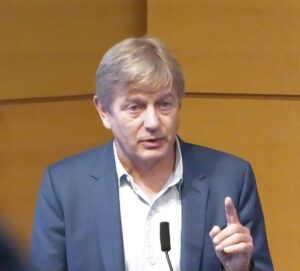
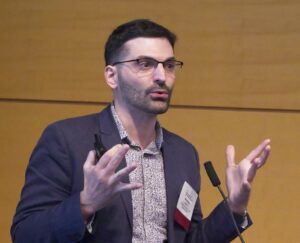
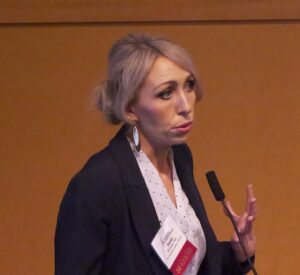
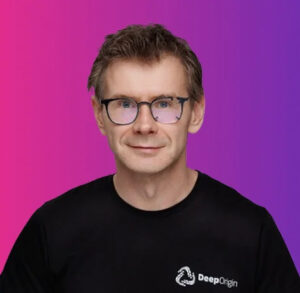


 transient cell line for adeno-associated virus (AAV) manufacturing, one of the first gene therapy manufacturing technologies to receive the designation. Customers using the Elevecta transient cell line will benefit, according to Cytiva, from a clear, predictable regulatory and quality framework for gene therapy development.