This is today’s edition of The Download, our weekday newsletter that provides a daily dose of what’s going on in the world of technology.
These new solid-state ACs promise a cool future. Scientists aren’t so sure.
After three years of record-breaking heat and another scorcher underway, air-conditioning isn’t going anywhere. That’s good for our health, but bad for the planet: it already accounts for 7% of global electricity use and 3% of greenhouse-gas emissions.
Feeling the heat, scientists and startups are hoping to amp up solid-state cooling. These systems move heat through conductive materials, which could cool spaces and surfaces with fewer messy side effects. The catch is whether it can match the efficiency of traditional AC.
This story is from the next edition of our magazine, which is all about engineering. Subscribe now to get a copy when it lands!
Job titles of the future: nature’s drug designer
In 2018, after nearly two decades working in Big Pharma, chemist Tim Cernak was ready to put his skills to a new use.
As a lifelong nature lover, he had become concerned that animals are often treated with human pharmaceuticals that can be harmful or even lethal. He decided to address this with a new approach: “conservation chemistry.”
I’ve combed the internet to find you today’s most fun/important/scary/fascinating stories about technology.
1 Anthropic has shut down access to its top models after a US directive The US barred foreigners from using Fable 5 and Mythos 5 on Friday. (NYT $) + Anthropic disabled access globally as it can’t filter users in real time.(BBC) + Talks with Amazon’s CEO apparently prompted the ban. (WSJ $) + Cybersecurity experts have called for the ban to end. (Axios) + But the White House’s war against Anthropic has previously backfired. (MIT Technology Review)
2 The UK is banning social media for under-16s Details are scant, but the measure is due to take effect in early 2027. (The Guardian) + The ban covers Snapchat, TikTok, YouTube, Instagram, Facebook, and X. (BBC) + Many countries are curbing children’s social media access. (Reuters $)
3 New space data suggests black holes formed before galaxies It could resolve cosmology’s chicken-and-egg dilemma. (New Scientist $) + Odd tricks have formed a massive black hole. (MIT Technology Review)
4 Skepticism around AI layoffs is increasing There are growing doubts that AI is really the culprit. (TechCrunch) + We need a reality check on AI jobs hysteria. (MIT Technology Review)
5 A coalition of states has opened an investigation into OpenAI Over matters including user data, child safety and advertising. (NYT $)
6 Tesla has been accused of misleading regulators over “full self-driving” By exaggerating its safety statistics. (Reuters $)
7 NASA’s “quiet supersonic” plane has hit critical new milestones The X-59 reached 924 mph and 55,000 feet. (Scientific American) + Which are essential for flying over populated areas. (Engadget) + It’s designed to take the boom out of supersonic travel. (BBC)
8 Deepfakes are getting harder to spot—and weirder—in the midterms Thanks to improvements in free AI tools. (WSJ $)
9 AI is revealing the secret lives of animals By tracing their movements, landmarks, and social practices. (Nature)
10 Where did Earth get its oceans? Maybe it made them itself. Scientists now suspect that Earth’s waters are homegrown. (Quanta)
Quote of the day
“This action has taken the best models away from defenders, created market uncertainty, and risked America’s AI leadership without any real risk to justify it.”
—Cybersecurity leaders urge the Trump administration to reverse restrictions on Anthropic’s most advanced AI models in an open letter.
One More Thing
CHRISTIE HEMM KLOK
How scientists want to make you young again
A little over 15 years ago, scientists at Kyoto University made a remarkable discovery. When they added just four proteins to a skin cell and waited about two weeks, some of the cells underwent an unexpected and astounding transformation: they became young again.
Now, after more than a decade of developing this cellular reprogramming, biotech companies and research labs have tantalising hints that the process could be the gateway to an unprecedented new technology for human age reversal.
A place for comfort, fun, and distraction to brighten up your day. (Got any ideas? Drop me a line.)
+ Evolutionary biologists may have figured out why the T-Rex had such tiny arms. + This beautifully sustainable bento box design is engineered to eliminate single-use takeout waste. + Search across 5.8 million museum artworks spanning from 3000 BC to today at The Last Museum. + Here’s a sharp cosmic snapshot of Thor’s Helmet, an interstellar gas bubble sitting 15,000 light-years away.
Get your daily dose of health and medicine every weekday with STAT’s free newsletter Morning Rounds. Sign up here.
Good morning. At a Cambridge bar on Saturday, I watched straight-seeming couples congregate by a television showing basketball, while a more queer-coded crowd lingered at another showing soccer. I don’t think that’s anything, really, but it was fun.
This ‘never event’ is happening more frequently
A child born with congenital syphilis could suffer dire consequences: bone deformities, brain damage, blindness, deafness, and more. But that should be a ‘never event’ as public health officials say: A pregnant person can receive an injectable form of penicillin to prevent the infection. Somehow, rates keep going up anyway. Between 2012 and 2024, the U.S. saw an 800% increase in babies born with the disease. And since last year, there’s been a shortage of the drug.
California legislator Jesse Gabriel has made a name for himself with a suite of bills aimed at reducing the health harms of ultra-processed food. So it might seem counterintuitive that inside his office is a pillow shaped like a bag of Skittles, complete with the brand’s iconic upside-down rainbow and a few oversized felt candies peeking through a clear plastic window.
“It’s an inside joke,” Gabriel explained one recent afternoon over Zoom, speaking from his office in downtown Sacramento. His staff gave him the pillow after he introduced a bill in 2023 that opponents dubbed, inaccurately, the “Skittles ban.” In fact, Skittles remain alive and well since his California Food Safety Act was signed into law, prohibiting the use of four additives (including brominated vegetable oil and potassium bromate) that have been linked to higher risk of cancer, reproductive problems, and other health issues. And the Food and Drug Administration eventuallyfollowed California’s lead by taking action on all four additives.
Gabriel was elected to the California State Assembly in 2018, but it’s only in the last few years that he’s emerged as a leader on the national stage in the fight against ultra-processed food. Since the 2023 food additives law, he’s been the force behind another state law banning six artificial food dyes, as well as one establishing the first U.S. legal definition of ultra-processed foods and banning those foods from school meals.
The request was an emergency. In late March, a woman in Gila County, Arizona, was diagnosed with syphilis, and she was pregnant. She needed an injection of penicillin — if possible, 30 days before delivery — but the bacteria corkscrewing through her body increased her risk of delivering early. Without timely treatment, her pregnancy could end in miscarriage, stillbirth, or infant death, and if the infant survived, the child might live with bone deformities, brain damage, blindness, and deafness, among other complications.
All of that could be prevented with one of the oldest antibiotics in the book — specifically, an injectable form of penicillin sold under the brand name Bicillin L-A.
It was the only treatment approved in the United States for syphilis during pregnancy, and there’d been a national shortage since July 2025. But Pfizer, the only company that sells it, had a protocol in place for exactly this scenario: an emergency request system “to be used for confirmed congenital and risk of congenital syphilis patients only.”
That was what was unfolding in Gila County — and on Friday, March 27, public health officials submitted a request. Pfizer confirmed receipt the next Monday, according to emails obtained by STAT. But over a week after that, on April 7, the medication still hadn’t arrived.
“What can be done to get bicillin for this patient ASAP? These are the kind of delays that make the emergency request line not a viable option for public health response,” a leader at the National Coalition of STD Directors wrote to a Pfizer representative, stepping in to help secure the drug.
“Did they submit a medical request form first? I checked with Customer Service and they can’t locate. If we can get this medical request we will get it processed,” the Pfizer representative wrote back that same day.
But by the time this exchange was taking place, it was already too late. “Mom has delivered and we have missed our opportunity to prevent congenital syphilis,” wrote an official at the Arizona Department of Health Services, adding, “Yes, the county completed the medical request form.”
It was the outcome everyone was trying to avert. In February, the National Coalition of STD Directors had asked Pfizer to donate a fraction of its Bicillin L-A reserves to state health departments, so they’d have it on hand as a backstop in case this kind of emergency arose. But Pfizer hadn’t — and in early June, nearly four months after the coalition’s proposal, the company said it was still evaluating the idea of proactively sending out doses. This case in Arizona was a realization of the fears that had spurred the suggestion in the first place.
In what’s shaping up to be a historic year for biotech initial public offerings, Parabilis Medicines (Nasdaq: PBLS) made its mark on Wall Street this past week by pricing the largest-ever IPO by a drug developer. This upsized offering raised an eye-popping $770.5 million in gross proceeds.
No sooner did Parabilis begin trading public shares on Wednesday, a day after offering 33.5 million shares of its common stock at $20 per share, than its stock price leaped 58% from the IPO price, closing its first full trading day at $31.60. Those shares slid 4% on profit taking Thursday, closing at $30.31, then fell another 10% Friday to finish the week at $27.26.
A day earlier, Parabilis announced the closing of its IPO, including a full exercise by underwriters of their 30-day option to buy an additional 5.025 million shares at the IPO price, less underwriting discounts and commissions. That added another $100.5 million to the initial $670 million in gross proceeds, which translates to another $93.5 million in net proceeds. When added to the $618.2 million net that Parabilis garnered from the original IPO, the company’s haul from the offering rises to a no-less-eye-popping $711.7 million, according to Parabilis’ IPO final prospectus.
Parabilis priced its IPO above its initial price range of $17–19 a share. The company initially planned to offer 25 million shares, then raised that offer to 33.3 million before adding 200,000 more shares to finalize its offering.
Parabilis’ IPO surpasses the $625 million IPO carried out in April by Kailera Therapeutics (Nasdaq: KLRA), which topped the previous record-high among U.S. biotechs, the $604 million offering of Moderna(Nasdaq: MRNA) in December 2018, two years before the messenger RNA (mRNA) vaccine developer won FDA emergency authorization for its COVID-19 vaccine.
Based in Cambridge, MA, Parabilis is a developer of drugs and antibody-drug conjugates (ADCs) targeting historically undruggable protein targets and based on stabilized helical peptides or Helicons. Parabilis says it has generated proprietary datasets, comprising millions of data points for hundreds of thousands of Helicons across dozens of drug-like properties, following a decade of Helicon drug discovery.
“Unlike Kailera, which formed in 2024 and quickly stockpiled private capital before going public, Parabilis took a longer and far less linear road,” commented Ben Zercher, senior biotech & pharma analyst with PitchBook.
Parabilis was founded in 2015 as FogPharma to commercialize technology developed in and in-licensed from the lab of Harvard University researcher and serial entrepreneur Gregory Verdine, PhD, who served as the company’s co-founder and CEO from 2015–2023.
Six venture rounds
While the company closed six venture rounds, Zercher noted, its valuation had fluctuated in the face of the post-pandemic period that saw private biotechs struggle, as well as leadership turnover and the rebrand through which FogPharma became Parabilis in 2024.
The rebranded company built momentum last year, according to Zercher, on the strength of its lead candidate zolucatetide (formerly FOG-001), a stabilized peptide built using the company’s Helicon platform. Zolucatetide is the first and only direct inhibitor of the elusive β-catenin:TCF interaction, according to the company.
Parabilis stated in its final prospectus that it plans to spend approximately $150 million in IPO proceeds toward continuing ongoing clinical development of zolucatetide in desmoid tumors, including continuation of dose expansion and the launch of a Phase III registrational trial to topline data.
Approximately $120 million is set to be spent on continuing the ongoing clinical development of zolucatetide across several additional indications, including dose escalation and expansion in familial adenomatous polyposis (FAP); hepatocellular carcinoma, the most common type of primary liver cancer; and other rare tumors, with the aim of collecting data to support a registrational trial.
Parabilis plans to use the largest share of its IPO proceeds, approximately $190 million, toward advancing its pipeline of additional programs—including its ETS-related gene (ERG) protein degrader, an allosteric androgen receptor in its active state (ARON), and beta-catenin degraders—to Phase I clinical data.
“Our current pipeline is focused on various cancers and tumor types; however, we believe Helicons could also have broad applicability against targets in many diseases with substantial unmet need outside oncology, and we plan to evaluate other therapeutic areas in the future,” Parabilis stated in the final prospectus.
The remainder of the proceeds would be used, Parabilis said, toward continued evolution of the Helicon platform for discovering and developing drug candidates, as well as toward general corporate purposes that include additional development efforts, working capital, and operating expenses.
Zolucatetide received the FDA’s Fast Track designation last year, followed in March by the agency’s Orphan Drug designation. In January, Parabilis closed on a $305.2 million Series F crossover financing round by selling 49,518,175 shares at $6.1644 per share to various investors, garnering $304.5 million in net proceeds. Parabilis finished the first quarter with $329.039 million in cash and cash equivalents as of March 31.
Fifteenth biopharma IPO so far in 2026
Parabilis is the 15th and latest biotech or pharmaceutical company to carry out an IPO this year, raising a combined $12.11 billion in proceeds, according to PitchBook data. Biotech and pharma accounted for 15 IPOs in all of 2025, raising a combined $10.49 billion—an improvement in dollars over 2024’s $8.83 billion, which was raised in 33 IPOs.
Seven of this year’s IPO companies have seen their shares rise since their initial offerings, led by the 466% share price increase of Veradermics (NYSE: MANE), a developer of treatments for dermatology and aesthetic conditions that closed Friday at $96.24 a share.
“With the biotech window reopened, the volume of IPOs reflects a backlog of quality companies that kept building through the biotech funding downturn rather than a wave of hype,” Zercher added. “Where the pandemic-era class sold preclinical optionality, Parabilis and the 2026 cohort are being priced on de-risked clinical programs with clear regulatory paths.”
In addition to its IPO, Parabilis said, it has also closed on selling 4,166,666 shares at $18 per share—90% of the IPO price per share—through a concurrent private placement to Regeneron Pharmaceuticals that has raised approximately $75 million in proceeds.
Parabilis’ initial IPO filing, dated May 19, came just a day after Parabilis inked an up-to-$2.3 billion-plus strategic research collaboration with Regeneron to discover and develop an initial five candidates encompassing “antibody-Helicon conjugates,” a new form of ADCs aimed at challenging and historically undruggable targets by combining the cell permeability of small molecules with the binding capabilities of larger biologics, in order to reach targets long considered undruggable.
Financial runway into H2 2029
Regeneron agreed to pay Parabilis $50 million upfront toward launching the collaboration. That upfront payment, plus proceeds from the IPO and the company’s existing cash and cash equivalents, “will be sufficient to fund our operations into the second half of 2029,” Parabilis stated in its IPO final prospectus.
According to that final prospectus, Parabilis ended the first quarter with a $45.316 million net loss, up 18% from its $38.326 million net loss of Q1 2025, as well as a net loss of $145.889 million for last year, up nearly 24% from its $117.914 million net loss for 2024. The company has no reported revenue.
Parabilis’ accumulated deficit rose 8% during Q1, to $586.82 million from $541.504 million at the end of 2025.
To fund its operations, Parabilis reported, it has raised a total of $876.8 million as of March 31. That total consisted of $811.8 million from sales of its convertible preferred stock, $15 million in borrowings under a term loan, and a $50 million Simple Agreement for Future Equity (SAFE).
Leerink Partners, BofA Securities, Evercore ISI, and Guggenheim Securities are acting as active book-running managers for Parabilis’ IPO, while LifeSci Capital is acting as a passive book-running manager.
Leaders and laggards
Propanc Biopharma (Nasdaq: PPCB) shares soared 80% from $1.35 to $2.43 Thursday after the Australian developer of therapies for pancreatic, ovarian, and colorectal cancers said it approved a share repurchase program authorizing the company to repurchase up to $5 million of its common stock. “The management team believes we are entering a transformative stage for the company,” CEO James Nathanielsz stated, citing recent progress by Propanc’s lead asset PRP, a first-in-class therapy designed to treat and prevent metastatic cancer from solid tumors, toward entering the clinic with a pivotal Phase Ib, first-in-human study in 30–40 advanced cancer patients. He also cited the company’s efforts to publish key scientific data, file patentable discoveries, and form partnerships with contract research organizations (CROs), contract development and manufacturing organizations (CDMOs), and suppliers: “The foundation is clearly there, and as a result, we believe we are undervalued significantly.”
Tango Therapeutics (Nasdaq: TNGX) shares rocketed 53% from $20.22 to $30.93 June 8 after the developer of precision oncology treatments based on synthetic lethality announced positive initial data from its ongoing Phase I/II trial (NCT06922591) assessing its next-generation, MTA-cooperative PRMT5 inhibitor candidate vopimetostat (TNG456) in combination with Revolution Medicines’ (Nasdaq: RVMD) RAS(ON) inhibitors daraxonrasib (RMC-6236) and zoldonrasib (RMC-9805) in patients with MTAP-deleted and RAS-mutant metastatic pancreatic ductal adenocarcinoma (PDAC). Tango reported that 92% of patients with PDAC in the trial’s vopimetostat plus daraxonrasib arm achieved an objective response, while patients with second and third line PDAC treated with the combination showed a six-month progression-free survival (PFS) rate of 90% (median PFS not yet reached), suggesting durability of clinical benefit. Tango said it plans to finalize the design of a Phase III randomized-controlled trial of the combination approach in front-line pancreatic cancer and disclose vopimetostat lung cancer monotherapy data in the second half of 2026.
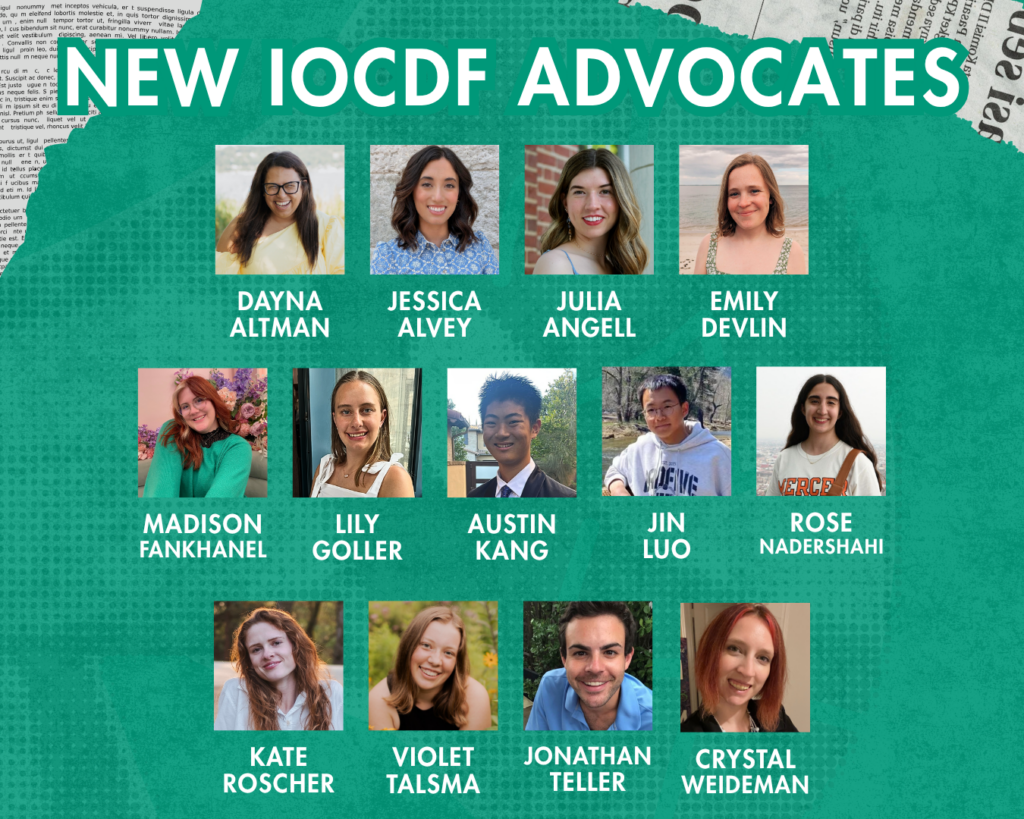
The IOCDF is thrilled to announce our newest cohort of Advocate volunteers! We’re welcoming 13 incredible new Advocates to our program, bringing our total to 64 dedicated volunteers working together to create meaningful change for the OCD and related disorders community.
These passionate individuals join us from bustling cities and quiet rural towns across the United States and around the world. From California to Massachusetts, and from countries including Canada and Ireland, this mix of local and global perspectives ensures we can reach and represent diverse communities everywhere.
The Power of Diverse Voices
Our newest cohort has a wide range of experiences and interests. They are passionate about addressing critical topics including:
Access to treatment
Diversity, multicultural issues, and LGBTQIA+ inclusion
Family issues and family accommodation
Young adult mental health and academic challenges
Public policy
Research advancement
Suicide prevention
Nutrition, fitness, and anxiety in athletes
This diversity of focus areas ensures that we can better represent and serve the full spectrum of our community’s needs.
Inspired by our Advocates? You can make a difference! Here are ways to start advocating today:
Fuel Our Mission Through Fundraising
Turn your passion into action by launching a personal fundraiser. Whether for a birthday, a race, or a creative project, you can rally your friends and family to raise critical funds. Every dollar helps build a world where everyone affected by OCD can thrive. Start your fundraiser here or explore all ways to give back here.
Advocate for policy change
Your voice can shape laws that improve access to care and insurance coverage. The IOCDF Public Policy Action Center makes it simple to find the latest bills and contact your elected officials with just a few clicks. True change starts here.
Join an IOCDF Special Interest Group
Connect with people who share your experiences or professional interests. IOCDF Special Interest Groups (SIGs) provide a platform for deeper discussion.
Whether you advocate on the national stage, share your story to fight stigma, or fundraise your way, every action creates a ripple effect of hope and understanding. Your journey, your voice, and your commitment are powerful tools.
Start today and help us build a world where everyone affected by OCD feels supported, seen, and empowered. Join a dedicated community committed to raising awareness.
Welcome again to our new IOCDF Advocates, we’re grateful to have you joining our mission!
A technique called non-invasive fetal sequencing (NIFS), developed by scientists at Harvard University, allows accurate and comprehensive genetic screening of a fetus using only a blood test from the expectant mother.
At the European Society of Human Genetics conference in Gothenburg this week, the researchers report that the technique allowed them to identify 97% of all the genetic variants normally identified using more invasive testing during pregnancy such as amniocentesis or chorionic villus sampling.
Non-invasive prenatal testing (NIPT) that focuses on cell free DNA in maternal blood has been offered for some time but has only historically tested for a limited set of mutations, mostly conditions with chromosome number abnormalities such as Down syndrome, as these were easiest to detect accurately in the small amount of fetal DNA found in maternal blood.
However, a combination of improvements in sequencing accuracy and coverage and other advances such as developments in machine learning can now help interpret such tests and it is now possible to detect a wide range of genetic variants in the fetus using only maternal blood.
In this study, the team applied NIFS to 565 pregnancies at a median gestational age of 17.5 weeks. Blood samples were sequenced to a high level of coverage (an average of 860x), and ensemble machine learning was used to call heterozygous, hemizygous, and homozygous sequence variants, and copy number variants across the full exome. The NIFS results were validated against matched genome sequencing from invasive procedures in 388 samples.
The researchers looked at nearly 7.9 million fetal variants, and the test had a median sensitivity of 94.0% and precision of 94.9% for detecting these mutations. The test identified 97.2% of the reportable fetal variants that could be found by invasive testing.
Notably, the NIFS test was more sensitive at detecting de novo and paternal variants at around 97% or higher and less sensitive at detecting inherited maternal variants at around 95%.
“The test performed really well in capturing all of the clinically relevant variants found by invasive genome sequencing that would have been missed by all current non-invasive tests,” said presenting scientist Christopher Whelan, PhD, a senior computational scientist working at the Broad Institute of Massachusetts Institute of Technology and Harvard, in a press statement.
“There were also some unexpected discoveries, such as twin pregnancies with abnormal tissue, and evidence that some mothers had received a bone marrow transplant from a male donor that confounded NIPT results. This provided further evidence of the strength of the technique.”
Whelan works in the lab of Michael Talkowski, PhD, the director of the Center for Genomic Medicine at Massachusetts General Hospital, who was also involved in the research. Talkowski is co-founder of the diagnostics company First Genomic Insights, which is developing this test for commercialization. If successful it will likely be the first U.S. company to bring an exome scale non-invasive prenatal test like this to the market.
Last month, the Andes virus outbreak on a Dutch cruise ship departing from Argentina brought a transmission context for hantavirus, that was previously unprecedented, to the forefront. The Andes virus is the only member of the hantavirus family that is capable of efficient person-to-person spread through close contact with respiratory secretions. Other hantaviruses are typically spread through contact with infected rodents, making the Andes virus a much more significant public health threat.
While at sea, the outbreak spread among passengers and crew, infecting 13 people and killing three. The cruise passengers have since returned to their home countries, 23 in total. Because a person can carry the virus for weeks before showing any symptoms, health agencies are facing a complex challenge of identifying everyone who was exposed. There are currently no vaccines or preventive treatments approved for the virus; this travel-related outbreak brought the need for vaccine development to the forefront.
Researchers at The University of Texas Medical Branch (UTMB) had previously developed and tested two mRNA vaccines against intramuscular Andes virus challenge in golden Syrian hamsters (“1-methylpseudouridine-modified or non-modified mRNA modalities encoding the envelope glycoproteins, Gn and Gc, in a single open reading frame.”)
When tested in the Syrian hamster model, both mRNA vaccines were efficacious in hamsters using a two-dose regimen. Recognizing that a fast-moving international outbreak doesn’t allow time for patients to wait weeks between shots, the team retested the vaccines to determine whether a single dose would be effective.
Now, a new report shares the finding that the vaccine provided full protection against the Andes hantavirus after a single dose.
Alexander Bukreyev, PhD, head of the Laboratory of Viral Pathogenesis and Vaccine Development at UTMB, said that the group is working to fast-track these single-dose vaccines into human clinical trials.
The results exceeded expectations. When testing the vaccines in an animal model that mimics human disease, the scientists found that a single shot provided 100% protection against a lethal dose of the virus. Even when the researchers significantly lowered the dosage to a fraction of the original amount, the results remained definitive.
“Every vaccinated animal remained completely healthy and showed no symptoms or weight loss,” said Michelle Meyer, PhD, senior scientist in the Bukreyev Laboratory. “When we looked at the tissues from the vaccinated animals a month after infection, the virus was entirely gone. The vaccines triggered a powerful immune response, creating protective antibodies in as little as 14 days.”
Because the Andes virus can take a relatively long time to make a human severely ill, these fast-acting vaccines could serve a dual purpose, possibly functioning as an emergency tool for people who have already been exposed.
“If given quickly to high-risk contacts during an outbreak, such as the Andes virus situation on the cruise ship, the vaccines could theoretically jump-start their immune systems fast enough to intercept the virus—stopping it from replicating and preventing them from getting sick or spreading it further,” Bukreyev said.
To the untrained eye, the chip is a piece of clear silicone about the size of a AA battery. Crisscrossing chambers within house hot pink and electric blue liquids that neatly cascade toward the device’s beveled edges.
Yet inside, invisible without a microscope, is the replicated microenvironment of a human liver. The pink and blue rivulets, each a millimeter wide, are endothelial and epithelial channels, respectively. Between them dance immune, stellate, and endothelial cells, complete with extracellular matrices and a membrane, hepatocytes galore. Together, they comprise the quad-culture model of Emulate’s Liver-Chip S1.
Lorna Ewart, PhD CSO, Emulate
“When you first look at it, you’re like, ‘That does this?’” said Lorna Ewart, PhD, CSO at Emulate, a Boston-based biotechnology firm specializing in organs-on-a-chip. “The engineering behind it is fairly complex.”
The chip, a marvel of photolithography, is assembled in layers of polydimethylsiloxane. A porous membrane separates the blue upper channel, which has a height of 1 mm, from the pink lower channel, which stands a mere 0.2 mm tall. Emulate prepares the multicellular framework for purchase and from there, researchers are free to experiment on the tissue-tissue interface in three dimensions.
“It’s a very elegant solution,” Ewart said. “When you place the cells in this device, you are starting to create an environment that feels like home for those cells.”
In the world of drug development, the advantages of organs-on-a-chip over traditional Petri dish cultures go beyond their 3D design, Ewart stressed. Microfluidics are at play, with perfusion the “secret sauce” that mimics human physiology.
“All of your tissues in your body are perfused,” Ewart said. “Recreating that in vivo-like environment is what makes these cells function as if they’re in the body, and therefore gives greater or more predictive data to the user.”
Emulate, whose founders began their work at Harvard University’s Hansjörg Wyss Institute for Biologically Inspired Engineering, is a key player in the explosion of the organ-on-a-chip industry. Valued at $227 million last year, the global market size is projected to soar to $3.4 billion by 2034, according to market research firm Straits Research.
This growth, Ewart said, comes down to one driver: Animal models are poor predictors of drug safety and efficacy
in humans.
Ancient problem meets futuristic solution
The vast majority of drug candidates—90%—fail in clinical trials, according to a 2022 report in the journal Acta Pharmaceutica Sinica B. That doesn’t include those that don’t make it past preclinical testing. The few drugs that are successful typically take more than 10 to 15 years each, and upward of $1 billion to $2 billion to go from discovery to market.
One reason for drugs’ limited success in this costly, lengthy pursuit is the inability of animal models to adequately simulate drug responses in humans.
Since antiquity, humans have relied on animals to help them understand their own anatomy and physiology. Though French chemist Louis Pasteur famously tested the rabies vaccine on animals before successfully doing so in humans in the 1880s, it wasn’t until the passage of the Food, Drug, and Cosmetic Act in 1938 that animal testing became the gold standard in U.S. clinical drug trials.
More than 80 years later, in 2022, the bipartisan Food and Drug Administration (FDA) Modernization Act 2.0 made animal testing optional. The new law encourages drug developers to conduct testing “in vitro, in silico, or in chemico, or a nonhuman in vivo test.” Organs-on-a-chip, which the FDA considers a type of microphysiological system, were listed as one such technology.
The FDA has continued to move away from animal testing. In March 2026, the agency issued draft guidance highlighting new approach methodologies (NAMs)—including organs-on-a-chip—that may be used instead.
“This draft guidance advances our commitment to replace animal testing with human-relevant, scientifically rigorous methods,” Secretary of Health and Human Services Robert F. Kennedy Jr. said in a recent statement. “Clear validation expectations will help modern tools earn regulatory confidence and speed safer, more effective therapies to patients.”
It’s a global effort. The U.K.’s Medicines and Healthcare products Regulatory Agency announced a commitment to “replace, reduce, or refine animal use in medicinal product development.” In Japan, the Pharmaceuticals and Medical Devices Agency established a NAMs Working Group. The Indian government recognizes NAMs as a valid preclinical endeavor.
Donald Ingber, MD, PhD, the scientific founder at Emulate and founding director of the Wyss Institute, has been a step ahead for the better part of two decades. In 2010, he and Dan Dongeun Huh, PhD, now a professor of bioengineering at the University of Pennsylvania and the co-founder and CSO of biotech firm Vivodyne, developed a “breathing” lung-on-a-chip. Their research, published in Science that year, is considered a seminal work in the organ-on-a-chip space.
In a video accompanying a 2010 Harvard Medical School news release about the research, Ingber described the chip as a “little, flexible device” designed “hopefully, someday, to replace animal studies.” Someday has arrived.
The FDA launched the pilot program, Innovative Science and Technology Approaches for New Drugs (ISTAND) in 2020 and adopted it as a permanent initiative in 2025. Part of Ewart’s job is to steer Emulate through this regulatory pathway. In doing so, she confronts one of the biggest hurdles in organ-on-a-chip expansion: standardization.
“When a tool is qualified, it can be used in a regulatory document without the FDA needing to reconsider or reconfirm its suitability,” Ewart said. “It saves the sponsor a lot of time, and it’s an acknowledgement that these tools perform very well. … The data that comes from them, they will use in their risk assessment of a drug as it moves into the clinic.”
Emulate was the first organ-on-a-chip company granted acceptance to ISTAND, Ewart said. The FDA noted its Liver-Chip S1 is designed to predict drug-induced liver injury, a major reason why drugs fail safety testing in trials and are withdrawn from the market.
“We’re in the final phase now of the program,” Ewart said. “Looking forward to trying to obtain qualification in 2027.”
Faster results for patients in need
As they continue their metamorphosis from futuristic concept to laboratory standard, organs-on-a-chip offer researchers and patients an unprecedented bench-to-bedside timeline.
Weiqiang Chen, PhD Professor NYU Tandon School of Engineering
While drugmakers and the general public alike stand to benefit from accelerated drug discovery, Weiqiang Chen, PhD, designs chips for patients who lack the luxury of time. Chen, a professor of biomedical, mechanical, and aerospace engineering at NYU’s Tandon School of Engineering in Brooklyn, helped develop the first immunocompetent leukemia-on-a-chip.
“It’s quite a different type of cancer,” Chen said. Most cancers form solid tumors, but leukemia, a liquid cancer, develops in the bone marrow. “It’s more challenging to generate the microenvironment for leukemia. … It involves a lot of immune cells, immune functions, and immune interactions.”
The leukemia-on-a-chip, commissioned by NYU Langone Health, is circular, roughly the size of a quarter. Green and vermilion pools surround a blue ring at the center. Within that lies a red liquid dot.
“Outside, we have one layer of osteoblasts, the bone cells, and inside are the central sinus and the vasculature and some mesenchymal stem cells,” Chen said. “All the immune cells are located within the vascularized niche, similar to real bone marrow.”
The technology allows Chen and his team at NYU’s Applied Micro-Bioengineering Laboratory to interrogate single cells. They can also observe how the cancer responds to chimeric antigen receptor T-cell therapy in real time—within a patient’s unique immune system.
The chips are constructed using a leukemia patient’s own cells. Meaning, Chen said, the observed therapeutic response is not only more accurate than it would be in an animal model but also patient-specific.
“We can help to identify responders, non-responders, or we can help screen out more efficient combination therapy for the specific patient for precision medicine purposes,” Chen said.
He acknowledged that the process is imperfect, yet strong enough to swiftly guide treatment. The chips take just half a day to build and yield results within weeks.
“We can fill the gap, providing a high throughput and also accelerated screening in three weeks,” Chen said. “We can screen many drugs at the same time.”
Chen pointed out that some patients have a weeks-long window in between chemotherapy and immunotherapy—a time crunch the leukemia-on-a-chip can accommodate.
The lab is also exploring other immunologic uses for organs-on-a-chip, including a lymph node-on-a-chip that can help validate new vaccines. In addition, in March, the NYU Grossman School of Medicine and Sage Bionetworks received a $25-million grant to launch the data hub and coordinating center for the National Institutes of Health’s (NIH) Complement-Animal Research in Experimentation program.
Though Chen will leave NYU in June to become the dean of the new School of Biomedical Engineering at Nanjing University in China, the work continues.
“It’s exciting for us to expand our research in the future to make a real impact,” Chen said.
Bone-deep discoveries, millimeters thin
Nearly 3,000 miles to the west, Avathamsa Athirasala, PhD, an assistant staff scientist at the Oregon Health and Science University (OHSU) in Portland, is studying other aspects of the bone in miniature.
“The bone is different from other tissues in how it feels and what it’s made up of,” she said. “It’s highly mineralized, it’s mechanically stiff, and it’s constantly being remodeled. It has a lot more forces being put on it.”
Avathamsa Athirasala, PhD Assistant Staff Scientist Oregon Health and Science University
Athirasala works in the Precision Biofabrication Hub, part of the OHSU Knight Cancer Institute, under founding director Luiz Bertassoni, DDS, PhD. Through their bone-on-a-chip, hub researchers are studying cancer metastasis.
For example, more than 80% of people with advanced prostate cancer experience bone tumors. A $2.5-million NIH grant awarded in April will help Athirasala’s team discover how.
“Some of these tumor cells—why are they attracted to bone? And why do they thrive in bone?” she asked. “Because they have never experienced an environment like bone.”
She added, “Using this model, we are able to try and maybe even understand how cancer progresses, or how it changes as it goes to a new environment.”
Athirasala is also investigating potential uses for the bone-on-a-chip in regenerative therapies. Soldiers, for instance, may have debilitating bone injuries that heal differently from fractures. A scaffold designed to regenerate bone may be a better treatment than a metal implant, and the chip could help evaluate patient reaction.
“What are the first things that the body starts doing in response to a foreign object? There will be inflammatory signals, there will be host stem cells that want to infiltrate in there and start remodeling it,” Athirasala said. “You can actually recreate the temporal aspects of this—what comes first, what comes later—in a chip.”
Problem and promise of precision
Athirasala delights in seeing solutions to biological problems play out before her. Within organs-on-a-chip, cells hold answers. Still, the devices’ possibilities aren’t endless—yet.
Precision medicine applications, in particular, face logistical roadblocks, she said.
“You have to get all the pipelines in place to be able to get patient cells, preserve them long enough, and get them to where the engineers are making these chips and incorporate them in the devices,” Athirasala said.
Preclinical drug testing that replaces animals with organs-on-a-chip is projected to curtail costs in the long run. Emulate, for example, expects its Liver-Chip alone to increase annual research and development productivity in the small-molecule drug development industry by $3 billion. But as with any new technology, for now, the chips themselves and the infrastructure required to sustain them aren’t cheap.
Market intelligence platform IndexBox estimates that in the U.S., single-chip readers cost about $10,000 each, while comprehensive systems that manage microfluidics run as high as $200,000. Chips are priced between $50 and $2,000, with assay kits and reagents hovering around $100 to $500.
Ewart, of Emulate, said the company doesn’t typically publish costs, which vary depending on customer needs.
What’s more, with each institution that builds its own organ-on-a-chip, standardization becomes harder to attain.
“Each one may have their own advantages, but no one can convince each other which one’s better,” said Chen, of NYU. “Without standards, we cannot really push this technology into practical use.”
Andrei Georgescu, PhD CEO and Co-founder Vivodyne
In the absence of device uniformity, Vivodyne, the Penn Engineering spinoff with offices in Philadelphia and outside San Francisco, is tackling the issue of reproducibility. CEO and co-founder Andrei Georgescu, PhD, saw a solution in end-to-end automation.
“If it is possible to scale up the production of these lab-grown tissues, then we have ourselves a substrate for solving what is the most challenging problem now in medicine,” he said, “which is, we don’t know how human biology responds very well to the perturbations that we make on it.”
The result not only eliminates human variation in lab technique but also allows Vivodyne to test more than 10,000 lab-grown tissues at once.
“We shrink what is like a state-of-the-art biotech lab into the footprint of a large desk,” Georgescu said. “Within each of these systems, we have complex confocal microscopy and a fridge and freezer and a robot arm with multiple tools for liquid handling, dispensing, and dosing these tissues, and we grow them within this platform.”
Vivodyne pairs its automated labs with artificial intelligence to create a feedback loop in experimental design, Georgescu said. The idea is to quickly identify druggable targets and pinpoint which drug candidates are most likely to succeed.
While complete bodies-on-a-chip remain a pipe dream, Vivodyne is among the companies investigating how different organs-on-a-chip interact with one another. Orlando-based Hesperos, for one, manufactures a Human-on-a-Chip® that can replicate several organs on a single device. TissUse, of Berlin, is developing multi-organ chips to mirror male and female environments: the HUMIMIC ChipXY and HUMIMIC ChipXX.
The burgeoning field of organ-on-a-chip drug testing lies at the intersection of bioengineering, pharmaceutical regulation, and data science. To Georgescu, at its heart, it’s also reassuringly straightforward.
“Just because biology is complex,” he said, “does not mean it is not already as simple as can be.”
Lindsey Leake is an award-winning, independent health reporter based outside Washington, D.C. She spent 15 years as a staff journalist at outlets including Fortune, the USA TODAY Network and Sinclair Broadcast Group. She holds an MA in Science Writing from Johns Hopkins University, an MA in Journalism and Digital Storytelling from American University, and a BA from Princeton University.
This is today’s edition of The Download, our weekday newsletter that provides a daily dose of what’s going on in the world of technology.
Why “reprogramming” is the buzziest approach to reversing aging right now
Earlier this week, Life Biosciences, a biotech company focused on reversing age-related diseases, announced that it had dosed its first volunteer. A person with glaucoma has had an experimental treatment injected straight into their eyeball.
The idea is to treat the disease by regenerating healthy nerves in the eye—but the company already hopes to go further. If the treatment can reverse glaucoma, similar treatments could reverse other diseases of aging. Maybe, just maybe, they could reverse aging altogether.
The approach relies on “reprogramming” cells to a younger state. It’s one of many strategies being explored by biotech companies looking to slow and reverse aging. But of all of them, it seems to be the one that is truly taking off.
This story is from The Checkup, our weekly newsletter giving you the inside track on all things biotech. Sign up to receive it in your inbox every Thursday.
Inside Interoception: The hidden sense of how you feel inside
Scientists have a word for how we sense ourselves from the inside: interoception. Today, thanks to a 2021 Nobel Prize and new tools that can map internal signaling across the body, research into interoception is taking off.
As researchers decode how signals move between body and brain, a clearer picture is starting to take shape—with implications for how we understand and treat conditions from obesity to chronic pain to anxiety.
This story is part of MIT Technology Review Explains, our series untangling the complex, messy world of technology to help you understand what’s coming next. You can read more from the series here.
The must-reads
I’ve combed the internet to find you today’s most fun/important/scary/fascinating stories about technology.
1 SpaceX has officially delivered the largest IPO in history It’s raised a record $75 billion at a $1.77 trillion valuation. (Axios) + Making Elon Musk the world’s first trillionaire (on paper). (Reuters $) + The IPO will now put his “extreme ownership” to the test. (Wired $) + While China attempts to build a Starlink rival. (Rest of World) + And other challenges to SpaceX emerge. (MIT Technology Review)
2 Jeff Bezos wants to build an “artificial general engineer” Through his new industrial AI startup, Prometheus. (NYT $) + Which just raised $12 billion, valuing it at $41 billion. (TechCrunch) + Meanwhile, OpenAI is building a fully automated researcher. (MIT Technology Review)
3 Chinese regulators are dramatically intensifying tech enforcement A spell of relative restraint has ended. (SCMP) + Regulators have admonished e-commerce giants Alibaba and JD.com. (FT $) + And blocked Meta’s acquisition of Chinese AI startup Manus. (BBC)
4 Google says Chinese cybercriminals used Gemini to scam Americans It’s suing the network over the alleged AI-powered scams.(NYT $) + “Supercharged scams” are one of our 10 Things That Matter in AI Right Now. (MIT Technology Review)
5 Ukraine’s defense AI chief predicts a “new paradigm” of warfare He expects AI systems to unify into a single battlefield network. (Reuters $) + AI chatbots could be used for targeting decisions. (MIT Technology Review)
6 Anthropic has rankled users with its safety-first Fable model Stringent safety rules and refusals to help have sparked a backlash. (NBC) + Anthropic has backtracked on some policies. (Wired $)
7 Pokémon Go data trained AI that could assist military drones It could help them locate themselves in war zones. (Guardian) + Pokémon Go data is also training delivery robots. (MIT Technology Review)
8 Orbital data centers are harder than Silicon Valley thinks Shedding heat in space requires ingenious new designs. (IEEE Spectrum) + We need a few things to put data centers in space. (MIT Technology Review)
9 A toy universe shows time could be a quantum illusion It could emerge from quantum interactions, rather than just existing by default. (New Scientist $)
10 Chatbots keep telling stories about a lighthouse keeper called Ella And now we may finally know why. (404 Media)
Quote of the day
“People are paying a trillion dollars for Elon.”
—Ross Gerber, the CEO of Gerber Kawasaki, which owns SpaceX stock, tells the New York Times why he believes the company’s IPO is overvalued.
One More Thing
GEORGE WYLESOL
How generative AI could reinvent what it means to play
I was immediately attracted to open-world games, in which you’re free to explore a vast simulated world and choose what challenges to accept. To make them feel alive, these games are inhabited by crowds of “nonplayer characters” (NPCs). But the illusion starts to weaken when you spend enough time with them.
It may not always be like that. Just as it’s upending other industries, generative AI is opening the door to entirely new kinds of in-game interactions that are open-ended, creative, and unexpected. The game may not always have to end.



 . Parabilis says it has generated proprietary datasets, comprising millions of data points for hundreds of thousands of Helicons across dozens of drug-like properties, following a decade of Helicon drug discovery.