Diabetes association leader apologizes for expulsion of members, pledges to rebuild trust

Five days after five members of the American Diabetes Association were ushered out of its annual scientific sessions in New Orleans for handing out an editorial criticizing federal research cuts, ADA chief executive officer Charles Henderson on Wednesday apologized to the people expelled and to the broader diabetes community.

“First and foremost, I want to personally apologize to Dr. Steven Kahn, Dr. Desmond Schatz, Dr. Aaron Kelly, Dr. Maureen Gannon, and Dr. Justin Ryder, who were escorted out and denied access to scientific sessions, regardless of the circumstances that led to those events,” Henderson said in the three-minute video. “I recognize the impact that experience had on each of you. I am deeply sorry for the hurt, frustration, and the pain that resulted.”

Read the rest…

Brain Aneurysm Study Identifies Structural, Immune Markers of Rupture Risk

According to some estimates, stroke is the second leading cause of death globally. One of the causes of a severe type of stroke are brain aneurysms. Now data from a new study suggests that certain cells in the brain may cause aneurysms to weaken and rupture. And it helps explain why some aneurysms burst while others do not. It also opens a door to new ways of potentially predicting and preventing strokes. All of the findings are covered in a new Nature Neuroscience paper titled “Cerebrovascular vulnerability and fibrosis in human brain aneurysms.”

Brain aneurysms, which are bulges in blood vessels in the brain, can go unnoticed for years before rupturing causing a severe, often deadly type of stroke. About one in 50 people in the U.S. has a brain aneurysm but predicting which ones are most dangerous remains challenging. Aneurysms can be repaired surgically or using other minimally invasive procedures but those decisions depend on the size and location of the aneurysm as well as patient specific risk factors. With the current study, “we’ve made major steps toward solving the mystery of how aneurysms form,” said Ethan Winkler, MD, PhD, assistant professor of neurological surgeon and senior author of the Nature Neuroscience study. “We’ve identified the cast of characters involved and seen which ones are implicated at different phases of disease.”

To get to those answers, Winkler and his team analyzed more than 100,000 individual cells from human aneurysms and healthy brain arteries. From these data, they identified 19 transcriptionally distinct cell types and determined which genes were active in each. They also mapped how the cells were organized within the blood vessel wall.

“Our atlas of human brain aneurysms, as well as cell-resolution spatial transcriptomics, revealed that pathological cerebrovascular remodeling occurs with the loss of structurally supportive smooth muscle cells and the emergence of activated perivascular fibroblasts, which re-populate the vascular wall and express multiple genes linked to aneurysm risk,” the scientists wrote. 

Specifically, they found that vessels in aneurysm tissue had disorganized layers, and that many of the smooth muscle cells that allows the vessel walls to expand and contract had disappeared. In their place were scar-forming fibroblasts, which the team dubbed “activated fibroblasts.” These stiffened the arterial wall, making it less able to flex as blood flowed through. These cells also expressed genes that are linked to an inherited risk of aneurysm. The scientists also identified a type of macrophage that accumulated inside the arterial wall near the fibroblasts. The data showed that these specialized macrophages express a gene that is typically associated with bone tissue. 

Further testing revealed the presence of a feedback look between the two cell types. Specifically, the activated fibroblasts release a signal that triggers the macrophages to produce enzymes that degrade the blood vessel’s structural support. The scientists confirmed that this was the case by blocking the signals sent to the macrophages. They observed that the macrophages were less likely to produce the destructive enzymes when the signal was blocked. 

This process where vessel walls lose muscle cells followed by the buildup of scar tissue and immune cell activation helps explain why smaller aneurysms, which are often considered low risk, can still rupture. It jibes with Winkler’s own clinical experiences. He noted that more than half of the ruptures that he treated early in his career occurred in aneurysms below the typical surgical threshold of seven millimeters.  

This study brings scientists and clinicians one step closer to understanding how aneurysms form and perhaps being able to intervene earlier to prevent them. As the scientists note in the paper, “the molecular blueprint provided by this study substantially extends our mechanistic understanding of brain aneurysms and nominates new cells and pathways with translational promise for the development of therapeutic options.” This could involve blocking the signals that fibroblasts send or by inhibiting the immune response to those signals.               

The post Brain Aneurysm Study Identifies Structural, Immune Markers of Rupture Risk appeared first on GEN – Genetic Engineering and Biotechnology News.

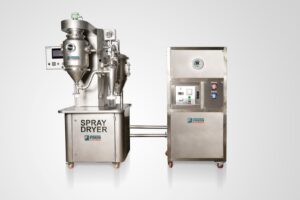
Symeres Expands Spray Drying Capabilities at Its U.S. New Jersey Site

Netherlands CRDMO Symeres expanded its spray drying capabilities at its Cranbury, NJ CMC development site to support formulation development for poorly soluble and development-challenged small-molecule drug candidates.

The expanded capability is designed to support bioavailability enhancement strategies, including amorphous solid dispersions (ASDs), particle engineering and solubility optimization for compounds progressing from preclinical development through Phase II clinical activities.

The investment strengthens the company’s integrated CMC offering by combining spray drying, formulation sciences, analytical characterization, solid-state sciences, and process development within a single development environment, according to Henning Steinhagen, CEO of Symeres. This enables sponsors to progress from early formulation screening through to clinical-ready material within one coordinated scientific framework, reducing tech-transfer risk, accelerating decision-making, and improving development continuity, he adds.

By expanding spray drying capabilities within its integrated Cranbury CMC site, Symeres says it can help clients address developability challenges earlier, reduce operational complexity, and support faster progression into clinical development. [Symeres]

“Our investment in spray drying reflects our commitment to supporting customers across the entire drug development journey,” continues Steinhagen. “While Symeres is widely recognized for its discovery expertise, this expanded capability further strengthens our ability to support complex molecules through development and into the clinic.”

“An increasing proportion of modern small molecule drug candidates require advanced formulation approaches to achieve acceptable bioavailability and clinical performance,” explains Paul O’Shea, managing director at Exemplify BioPharma, a Symeres company. “By expanding our spray drying capabilities within our integrated Cranbury CMC site, we can help clients address developability challenges earlier, reduce operational complexity, and support faster progression into clinical development.”

A Symeres spokesperson, who says the Cranbury site now supports laboratory-scale and pilot-scale spray drying workflows for a range of formulation development activities, including rapid material screening, process optimization and scalable process development, notes that the platform is particularly suited to Biopharmaceutical Classification System (BCS) Class II and IV compounds, highly lipophilic molecules and targeted therapies requiring enhanced oral exposure.

The post Symeres Expands Spray Drying Capabilities at Its U.S. New Jersey Site appeared first on GEN – Genetic Engineering and Biotechnology News.

AI Detects Breast Cancer Much Earlier than Radiologists Alone

Using AI, radiologists can see signs of breast cancer up to ten years earlier in the mammograms of patients later diagnosed with the disease, according to new research published this week in Radiology. These findings could help greatly accelerate diagnosis and improve decisions about who to screen sooner and with more regularity—questions that are increasingly important as more younger women are diagnosed with the disease. 

The researchers tested three commercially available AI-based computer-assisted detection (AI-CAD) systems on mammogram data from a large screening population. Cancer prediction scores issued by AI-CAD were elevated for a significant number of patients later diagnosed with breast cancer compared to those who remained cancer-free. The team was led by researchers at the Karolinska University Hospital in Stockholm.

“Approximately 20% of breast cancer cases demonstrate mammographic signs that are already visible to AI around six years before diagnosis,” said senior coauthor Fredrik Strand, MD, PhD, of Karolinska. “Our study confirms the potential of AI to, in some cases, find signs of cancer in the mammograms much earlier than when radiologists detected it.”

Earlier diagnosis is crucial in breast cancer, as it is for most malignancies. Although annual breast screening, using mammography, is recommended for women in the U.S. aged 40 to 74, it is known that approximately 20-25% of women show early signs of breast cancer on their scans before they are diagnosed. 

Strand’s team investigated AI’s potential to flag mammographic signs that were present up to 10 years in retrospect. The study included a total of 88,963 mammograms performed on 31,394 patients over 10 years—between January 2008 and April 2019. Of these participants, 12,072, or 38.5%, were diagnosed with cancer.

The data came from the Validation of Artificial Intelligence for Breast Imaging (VAI-B) database, which collects breast imaging data from volunteers across four regions of Sweden. The Swedish national breast screening program invites women between the ages of 40 and 74 to participate in screening examinations every two years, and each mammogram has traditionally been read by two radiologists. The average age of screening was 57.6 years.

The AI-CAD systems found many of those cancers at earlier screening points, achieving 90% specificity—distinguishing between a true positive and a true negative result—in up to 17% of patients at 10 years before diagnosis, up to 19.7% six years before diagnosis, up to 25.2% four years before diagnosis, and up to 39.3% two years before diagnosis.

“This study aims to add to the growing literature regarding the application of AI in breast cancer screening and how it can help play a role in earlier detection of breast cancer,” said Strand. “Analyzing the AI scores of screened individuals over time could provide insight into how early detectable changes arise, potentially allowing for earlier intervention.”

Breast cancer is the most commonly diagnosed cancer worldwide. It accounts for roughly 30% of all new female cancer diagnoses. In the U.S., AI-based systems have shown promise for predicting five-year risk of breast cancer and identifying women at risk of cancers that arise between regular screening mammograms. 


The post AI Detects Breast Cancer Much Earlier than Radiologists Alone appeared first on Inside Precision Medicine.

Engineered Salmonella Delivers Cancer-Killing Virus to Tumors

Researchers have developed a bacterial delivery platform that uses engineered Salmonella to transport viral genetic material directly into tumors, producing near-complete tumor eradication in mouse models of pancreatic and liver cancer while generating durable antitumor immunity.

The approach, published in Cell Reports Medicine, combines two areas of cancer research that have largely advanced independently: bacterial cancer therapies and oncolytic viruses. By using tumor-targeting bacteria to protect and deliver viral genetic material, the investigators hope to overcome one of the major limitations facing systemic viral therapies for solid tumors.

“We put these two together,” said Neil Forbes, PhD, professor of chemical engineering at the University of Massachusetts Amherst and senior author of the study. “Our Salmonella protects the viral genetic material and delivers it specifically inside tumor cells.”

Combining bacterial and viral cancer therapies

Oncolytic viruses have attracted considerable attention as potential cancer therapies because they can selectively infect tumor cells, destroy them, and stimulate antitumor immune responses. However, delivering viruses to internal solid tumors has proven challenging. “If you inject the virus into the blood, it gets cleared by the immune system,” Forbes said. “You get a few to the tumor, but not enough that it either makes an effect, or you put in so many that it’s toxic.” As a result, many oncolytic virus clinical trials for solid tumors rely on direct injection into accessible tumors, limiting their use in cancers located deep within the body.

Forbes and colleagues sought to address that challenge using engineered Salmonella, which naturally accumulates within tumors after intravenous administration. The researchers modified the bacteria to invade cancer cells and then release their cargo intracellularly specifically into tumors.

Rather than administering intact viral particles, the team loaded the bacteria with plasmids containing the complete genome of an oncolytic virus. After entering tumor cells, the bacteria release the viral genetic material, which then migrates to the nucleus and begins the viral replication process.

“The Salmonella get inside the cancer cell, they release the genomic material that then traffics to the nucleus of the cancer cell, where the virus starts to work like it naturally does,” Forbes said. The virus subsequently replicates, forms infectious viral particles, destroys the host cancer cell, and spreads throughout the tumor microenvironment.

Strong responses in pancreatic and liver tumors

The researchers evaluated the platform in mouse models of pancreatic and liver cancer, using animals with fully functional immune systems. “We use mice with full immune systems because that’s the whole idea here—we’re going to trigger an immune response,” Forbes said.

The results were striking. According to Forbes, treatment produced near-complete tumor eradication in most animals. The study also demonstrated that intravenous administration was sufficient to achieve therapeutic activity. Tumor responses following systemic delivery were comparable to those observed with direct tumor injection.

“We showed that we can get the same tumor reduction from an IV injection as we do from an intratumoral injection,” Forbes said. The finding suggests that the bacterial carrier successfully protected the viral payload in circulation and delivered it to tumor sites after systemic administration.

Evidence of durable antitumor immunity

Beyond direct tumor destruction, the investigators found evidence that the therapy generated a robust adaptive immune response against cancer cells.

To test whether immune memory had developed, the researchers harvested splenocytes from treated mice and transferred them into naïve animals that had never been exposed to tumors, Salmonella, or the virus. The recipient animals were subsequently challenged with tumor cells. “In 100% of the cases they did not take any tumors,” Forbes said. “We’ve generated this antitumor immunity against the tumor.” Importantly, the protection appeared to be directed against the cancer itself rather than against the bacterial or viral components of the therapy.

According to Forbes, the findings suggest the treatment could potentially help prevent metastatic disease or tumor recurrence after elimination of the primary tumor.

Addressing safety concerns

The use of live bacteria as a cancer therapy has historically raised concerns about toxicity and safety. To address those issues, the researchers engineered additional modifications into the Salmonella strain.

During development of the platform, the team removed bacterial antiviral genes that would otherwise interfere with viral production. Unexpectedly, those modifications also appeared to improve safety. “We found that those Salmonella we made with those deletions end up being much safer,” Forbes said.

The modified bacteria were cleared more efficiently from normal tissues and were more susceptible to elimination by macrophages, reducing the likelihood of persistent infection.

While treatment was not entirely free of side effects, Forbes described the observed toxicities as relatively mild. “The side effects from any delivery of bacteria are going to be like standard flu-like symptoms,” he said. “We’re talking about late-stage cancer patients where the prognosis is usually really poor.”

Expanding the therapeutic toolbox

Although the current work remains preclinical, Forbes believes the study highlights the broader potential of engineered bacterial therapies as programmable platforms for cancer treatment. “I think that bacteria have massive potential to treat disease, specifically cancer, in ways that we can’t do with small molecules,” he said.

Unlike conventional drugs, bacteria can be engineered to carry multiple therapeutic payloads, control where treatment occurs and coordinate several biological mechanisms simultaneously.” It is very plastic, highly modifiable, very flexible,” Forbes said. “We can control timing, we can control localization, so we have a lot of power.”

Forbes hopes the findings encourage more researchers to explore bacterial approaches alongside other forms of immunotherapy and targeted therapy. “I want people to see the massive ways that we could treat cancer,” he said. “There are a lot of possibilities that I think are untapped.”


The post Engineered <i>Salmonella</i> Delivers Cancer-Killing Virus to Tumors appeared first on Inside Precision Medicine.

Updated Amplification Tool Rapidly Detects Mycoplasma

Nucleic acid amplification techniques (NAAT) are recommended by pharmacopoeias in the United States, the EU, and Japan as an alternative to traditional culture and indicator cell methods used to detect Mycoplasma in biological products. Used for in-process controls and release testing, NAAT is an improvement over traditional methods that take up to 28 days, but attempts to balance broad species coverage and sensitivity favor one over the other.

Recently, Chinese researchers developed a NAAT that overcomes those challenges, according to a recent paper by scientists at the National Institute for Food and Drug Control, Yeasen Biotechnology, and Xi’an Jiaotong-Liverpool University.

Rather than surpassing existing technologies, “It optimizes the core pain points of mainstream multiplex NAATs,” encompassing their advantages and forming others, senior author Xiaoliang Sun, PhD, scientist, genomics division, Yeasen Biotechnology, tells GEN.

For example, for cell therapy products, Sun says this NAAT technique, “cuts mycoplasma tests from a 28-day culture to several hours, enabling same-day batch release and avoiding cell product expiry scrap.” It also “accelerates finished-product release for short shelf-life recombinant proteins and monoclonal antibodies.”

The three pairs of primer-probe sets in this assay cover 183 Mollicutes species by targeting Mycoplasma-specific conserved regions. “This fills the detection gap [experienced by] some rare strains…and makes it suitable for trace contamination screening in biopharmaceutical production,” Sun points out.

To objectively assess this method, they compared it to traditional 165 rRNA degenerate PCR, strain-specific NAATs, and mainstream multiplex NAATs cited in the literature.

The analysis shows the new assay offers “single-copy detection sensitivity (validated by 10 pharmacopoeia standard strains), no cross-reactivity (validated with 14 non-Mycoplasma genera and six engineered cell lines), short amplicons of 100 to 200 bp, amplification efficiency of 95–105%, and excellent repeatability,” Sun says. This ensures specificity and improves detection consistency. Consequently, the method “meets the strain detection requirement of Chinese and European pharmacopoeia for full-process regulatory scenarios.

“The detection process is compatible with existing qPCR platforms without requiring special equipment and can be directly applied to full-process scenarios, such as raw material screening, cell bank verification, and finished product release,” Sun continues, “achieving more comprehensive compliance.”

There are limitations, though. “Detection performance for unrecorded Mycoplasma strains from extreme environments or highly variable subspecies has not been verified… leaving a potential detection gap,” he cautions. Additionally, “The use of three pairs of primer-probe sets increases the reagent cost per sample.” Therefore, scientists may best use this method for initial screening, followed by digital PCR confirmation.

For biopharmaceutical manufacturers, Sun says this assay’s main advantages are “comprehensiveness, stability, and practicability.” Future work is envisioned to expand the assay’s applicability parameters and robustness.

The post Updated Amplification Tool Rapidly Detects Mycoplasma appeared first on GEN – Genetic Engineering and Biotechnology News.

OB-GYN association, deviating from CDC guidance, issues its own vaccine recommendations

The American College of Obstetricians and Gynecologists has released a recommended vaccine schedule for pregnant people, one that diverges from the advice currently offered by the Centers for Disease Control and Prevention.

ACOG is recommending four vaccines be routinely administered during pregnancy, with several other vaccines recommended under certain circumstances. The new schedule is endorsed by 13 medical societies and health organizations.

Read the rest…

STAT+: Hope for Kendall Square’s lab market

Want to stay on top of the science and politics driving biotech today? Sign up to get our biotech newsletter in your inbox.

Good morning. In today’s news, we have: pricing conundrums, lab demand, and drug shortages.

The need-to-know this morning

  • Sanofi said it was halting a Phase 3 study of its drug riliprubart in a rare autoimmune disease after an interim analysis showed the therapy was not effective. It’s the latest blow to the French firm’s R&D efforts, which new CEO Belén Garijo has been brought in to revitalize.
  • Parabilis Medicines, a developer of cancer medicines, raised $670 million in an initial public offering. It’s the largest-ever biotech IPO, topping obesity drugmaker Kailera Therapeutics’ $625 million debut in April. 

European countries at odds over drug-pricing policies

In Europe, countries are grappling with what to do about drug prices as they contend with conflicting pressures. Aging populations and growing rates of chronic disease are straining their budgets, but, at the same, the U.S. and drugmakers are demanding they pay more for medicines.

Continue to STAT+ to read the full story…

10x Genomics Acquires Proteintech Genomics, Expanding Proteomics Capablities

10x Genomics has acquired Proteintech Genomics for an undisclosed price, the companies said, in a deal driven by the buyer’s commitment to expanding its multiomics presence—in this case, by strategically expanding its proteomics capabilities.

The acquisition is intended to bring together 10x’s expertise in scalable single-cell and spatial biology platforms with Proteintech Genomics’ capabilities in protein detection. Founded in 2022, Proteintech Genomics specializes in life science technologies enabling researchers to apply single-cell and spatial multiomics tools toward discovery. The company develops fully optimized and highly multiplexed proteomic assays designed for ready integration into various single-cell and spatial analysis application workflows.

By helping researchers harmonize RNA and protein analysis, Proteintech Genomics has positioned itself as an alternative to the multiple vendors and their workflows traditionally needed to accomplish both analyses, as researchers increasingly combine transcriptomic- and proteomics-based data to gain complementary insights into cellular identity, state, and function.

“Proteintech Genomics strengthens our capabilities in one of the most exciting and rapidly evolving areas of biology: proteomics,” Michael Schnall-Levin, 10x’s CTO, chief strategy officer, and founding scientist, told GEN. “While transcriptomic technologies have advanced tremendously over the last decade, we believe there is still significant opportunity to push protein-based analysis much further, particularly in combination with RNA and other analytes.”

“We believe the future of biological analysis will increasingly integrate single-cell, proteomic, and spatial information,” Schnall-Levin added. “This acquisition reflects our conviction that proteomics will be an important part of that future and expands our ability to support richer multiomic workflows across our portfolio.”

Among Proteintech Genomics’ technologies is its Human Discovery Panel, which, according to the company, is the largest antibody-based single-cell protein panel. The panel allows researchers to simultaneously profile 347 DNA-barcoded antibodies covering 325 distinct protein targets, alongside transcriptomic measurements.

“Significant opportunities”

“We see significant opportunities to continue expanding both plex and content over time. One of the exciting aspects of bringing Proteintech Genomics into 10x is the ability to invest more deeply in future proteomic innovation,” Schnall-Levin explained. “While we aren’t announcing specific products today, directionally we’re interested in enabling higher-plex measurements, broader biological content, and more accessible workflows. Those are all areas where we see substantial opportunity going forward.”

The Human Discovery Panel is also designed to support integrated analysis of intracellular proteins, cell surface proteins, and transcriptomic profiles within sequencing-compatible workflows. The panel is compatible with 10x’s Flex chemistry, including the Flex Apex assay, the company’s fastest-growing single-cell assay.

“Proteintech Genomics brings innovative protein detection technologies, including the Human Discovery Panel, as well as deep expertise in protein biology, antibody panel development, and assay design. Together, we believe we can move faster, pursue more ambitious product development efforts, and make high-quality multiomic workflows more accessible and scalable for researchers,” Schnall-Levin said.

He said one attraction to 10x of combining with Proteintech Genomics was the combination it offered to 10x of technical performance and ecosystem fit: “Proteintech Genomics has been a longtime 10x partner, and its products were purpose-built to work with 10x workflows. Our customers are already using these technologies together today, which gives us a strong foundation to innovate more quickly and bring even more powerful multiomic capabilities to the field.”

Through its acquisition of Proteintech Genomics, 10x aims to achieve its vision of enabling multimodal biological analysis across its single-cell and spatial platforms—including protein capabilities planned for the Atera spatial platform, unveiled during the American Association for Cancer Research (AACR) conference.

Atera can run up to 800 1 cm2 whole transcriptome samples (FFPE and fresh frozen) per year, with flexible run configurations, and a greater than 5 cm² imageable area per slide (for greater than 2,000 mm² total tissue per run when using all four slides). The Atera WTA (Whole Transcriptome Analysis) panel targets more than 18,000 genes, with stackable customization of 1,000-gene Atera Select panels available now—and optional stacking of up to three 1,000-gene panels coming in the future.

“We’ve already spoken publicly about future protein capabilities planned for Atera, and this acquisition strengthens our ability to deliver on that vision while continuing to advance integrated approaches across both our single-cell and spatial platforms, Schnall-Levin said.

Higher-plex proteomics challenge

10x’s interest in higher-plex proteomics makes sense since it is the fastest-growing submarket in the $11 billion core proteomic space, set to grow by double digits, according to Leerink Partners. But a Leerink analyst cautioned that the company will find it challenging to grow in the space as it absorbs costs associated with Atera and Flex Apex.

“TXG leveraging itself to higher-plex proteomics is helpful,” Puneet Souda, senior managing director, life science tools and diagnostics, and a senior research analyst with Leerink, wrote in a research note. “We believe the deal accelerates higher-plex proteomics content for Atera, which adds to its long-term value. TXG can also bundle single-cell proteomic kits, which is a small but growing area of single-cell research.”

“Nonetheless, we still expect the digestion of Flex Apex and Atera-driven freezing/impact to weigh on near-term growth, particularly in a challenged academic funding backdrop,” Souda added.

Investors did not appear to share that concern, as 10x shares dipped 0.6% as of 12:21 p.m. ET, to an even $29.00 from $29.18 at Monday’s close. The share fluctuated between $28.93 and $30.87 during Tuesday morning trading.

Ci Chu, senior vice president, AI-enabled discovery for Xaira Therapeutics, said in a statement included within 10x’s announcement that the acquisition reflected the importance of integrating protein biology with single-cell and spatial technologies.

“Biology is bigger than transcriptomics alone,” Chu stated. “Bringing scalable protein measurements into single cell and spatial biology is an important step toward richer, more predictive views of cellular state—and ultimately, virtual cell models that better reflect the complexity of living systems.”

Potential clinical applications

In addition to facilitating expansion in multiomics, the acquisition of Proteintech Genomics could help 10x achieve another longer-term goal, namely, looking beyond its traditional focus on research tools for academic, government, and industry customers, by strengthening its clinical diagnostic offerings.

10x expanded into clinical diagnostics during the J.P. Morgan 44th Annual Healthcare Conference, when the company announced three partnerships with top-tier institutions: Brigham and Women’s Hospital and Dana-Farber Cancer Institute, both in Boston, as well as the New York-based Cancer Research Institute. 10x also committed to building its own CLIA-certified laboratory within about a year, with the goal of enabling clinical deployment of diagnostics that will come up with such collaborations.

Integrating Proteintech Genomics tools into clinical settings will be a longer-term priority since the company’s offerings are for research use only and not intended for diagnostics procedures.

“Protein measurements are highly relevant to many translational research applications, particularly in areas such as immunology, oncology, and neurology. Researchers in academia and biopharma increasingly want to combine protein and RNA measurements to better understand cellular function, therapeutic response, and disease biology,” Schnall-Levin said. “Longer term, we believe single-cell and spatial proteomics are likely to play a meaningful role in diagnostics.”

10x and Proteintech Genomics did not disclose the price or other financial terms of the acquisition, though 10x said it believes the transaction “will not meaningfully impact its near-term financial outlook.”

10x finished the first quarter with a net loss of $13.47 million, less than half its $34.358 million net loss of Q1 2025, on revenue that shrunk 3% year-over-year, to $150.843 million from $154.883 million in the first three months of last year. The company reported $490.285 million in cash and cash equivalents as of March 31, up 3% from $473.966 million as of December 31, 2025.

Proteintech Genomics is a subsidiary of Proteintech Group, a developer of high-plex proteomic solutions for single-cell and spatial applications; both companies are privately held.

San Diego-based Proteintech Genomics’ workforce consists of what Schnall-Levin described as “a small team of eight people,” including CEO Kristopher Nazor, PhD.

“We’re going to keep that team,” Schnall-Levin declared.

Added Nazor: “From day one, Proteintech Genomics was built around the belief that RNA and protein measurements are most powerful when used together.”

“Because our technologies were designed to integrate with 10x workflows, joining the 10x team feels like a natural next chapter,” Nazor continued. “We are excited about the opportunity to accelerate innovation together and expand access to integrated multiomic approaches for researchers around the world.”

The post 10x Genomics Acquires Proteintech Genomics, Expanding Proteomics Capablities appeared first on GEN – Genetic Engineering and Biotechnology News.


STAT+: Pharmalittle: We’re reading about U.S. pressure on European drug prices, longer shortages, and more

Good morning, everyone, and welcome to the middle of the week. Congratulations on making it this far, and remember, there are only a few more days until the weekend arrives. So keep plugging away. After all, what are the alternatives? While you ponder the possibilities, we invite you to join us for a delightful cup of stimulation. Our choice today is maple cinnamon French toast, a pantry favorite. Remember that no prescription is required — so no need to reach for your abacus to calculate a co-pay or rebate. Meanwhile, here is the latest menu of tidbits to help you on your way. Have a wonderful day, and please do stay in touch. …

The number of prescription drug shortages in the U.S. fell by 23% last year, marking the second consecutive year of declines and the lowest level since 2017, according to a new analysis that otherwise found troubling signs about medicines that are in short supply, STAT says. For instance, the average drug shortage lasted 5.3 years, exceeding the 4.3 years seen in 2024 and greatly outpacing the average two-year shortage experienced in 2019. Moreover, nearly two-thirds of out-of-stock medicines were in short supply for more than three years, and 39% were unavailable for more than five years. Meanwhile, the 75 drugs that were in short supply last year spanned 130 therapeutic categories, indicating that shortages affected a wide range of diseases and patient populations.

In Europe, two divergent paths are emerging as countries grapple with what to do about drug prices, affecting pharma companies and patients across the continent — and testing the influence of the U.S., STAT explains. In the U.K., after a pressure campaign from both pharma companies and the Trump administration, the government has adopted more industry-friendly policies while also simply promising to spend more on medicines. Germany, another of the continent’s biggest markets, is headed in the opposite direction. Facing growing deficits in its health budget, the government has proposed moves that would cut spending and increase the fees the industry has to pay.

Continue to STAT+ to read the full story…