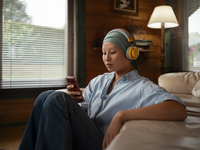
For Ben Sasse, Revolution Medicines’ pancreatic cancer trial felt like his best, only option

When Ben Sasse, a former U.S. senator (R-Neb.), learned he had metastatic pancreatic cancer, he quickly chose action over comfort. Whatever he could do to save his life, for as long as he could, he wanted to try it. Perhaps his only option, doctors told him, was to enroll in a clinical trial.

“If we were to have much of a chance of living longer than the three to four months they were giving us at that point, we were going to need to get into an aggressive trial,” Sasse told STAT last month.

Read the rest…

Want to understand the current state of AI? Check out these charts.

If you’re following AI news, you’re probably getting whiplash. AI is a gold rush. AI is a bubble. AI is taking your job. AI can’t even read a clock. The 2026 AI Index from Stanford University’s Institute for Human-Centered Artificial Intelligence, AI’s annual report card, comes out today and cuts through some of that noise. 

Despite predictions that AI development may hit a wall, the report says that the top models just keep getting better. People are adopting AI faster than they picked up the personal computer or the internet. AI companies are generating revenue faster than companies in any previous technology boom, but they’re also spending hundreds of billions of dollars on data centers and chips. The benchmarks designed to measure AI, the policies meant to govern it, and the job market are struggling to keep up. AI is sprinting, and the rest of us are trying to find our shoes.

All that speed comes at a cost. AI data centers around the world can now draw 29.6 gigawatts of power, enough to run the entire state of New York at peak demand. Annual water use from running OpenAI’s GPT-4o alone may exceed the drinking water needs of 12 million people. At the same time, the supply chain for chips is alarmingly fragile. The US hosts most of the world’s AI data centers, and one company in Taiwan, TSMC, fabricates almost every leading AI chip. 

The data reveals a technology evolving faster than we can manage. Here’s a look at some of the key points from this year’s report. 

The US and China are nearly tied

In a long, heated race with immense geopolitical stakes, the US and China are almost neck and neck on AI model performance, according to Arena, a community-driven ranking platform that allows users to compare the outputs of large language models on identical prompts. In early 2023, OpenAI had a lead with ChatGPT, but this gap narrowed in 2024 as Google and Anthropic released their own models. In February 2025, R1, an AI model built by the Chinese lab DeepSeek, briefly matched the top US model, ChatGPT. As of March 2026, Anthropic leads, trailed closely by xAI, Google, and OpenAI. Chinese models like DeepSeek and Alibaba lag only modestly. With the best AI models separated in the rankings by razor-thin margins, they’re now competing on cost, reliability, and real-world usefulness. 

Chart of the performance of top models on the Arena by select providers, showing the Arena score from May 2023 to Jan 2026 with the models all trending upward.  The scores are tightly packed by US based Anthropic, xAI, Google and OpenAI lead Alibaba, DeepSeek and Mistral (in that order.) Meta trails the pack.

The index notes that the US and China have different AI advantages. While the US has more powerful AI models, more capital, and an estimated 5,427 data centers (more than 10 times as many as any other country), China leads in AI research publications, patents, and robotics. 

As competition intensifies, companies like OpenAI, Anthropic, and Google no longer disclose their training code, parameter counts, or data-set sizes. “We don’t know a lot of things about predicting model behaviors,” says Yolanda Gil, a computer scientist at the University of Southern California who coauthored the report. This lack of transparency makes it difficult for independent researchers to study how to make AI models safer, she says.

AI models are advancing super fast

Despite predictions that development will plateau, AI models keep getting better and better. By some measures, they now meet or exceed the performance of human experts on tests that aim to measure PhD-level science, math, and language understanding. SWE-bench Verified, a software engineering benchmark for AI models, saw top scores jump from around 60% in 2024 to almost 100% in 2025. In 2025, an AI system produced a weather forecast on its own.  

“I am stunned that this technology continues to improve, and it’s just not plateauing in any way,” says Gil.

line chart of Select AI Index technical performance benchmarks vs human performance, showing that skills such as image classification, English language understanding, multitask language understanding, visual reasoning, medium level reading comprehension, multimodal understanding and reasoning have surpassed the human baseline at or before 2025, with autonomous software engineering, mathmatical reasoning and agent multimodal computer use trending towards meeting the human baseline by 2026.

However, AI still struggles in plenty of other areas. Because the models learn by processing enormous amounts of text and images rather than by experiencing the physical world, AI exhibits “jagged intelligence.” Robots are still in their early days and succeed in only 12% of household tasks. Self-driving cars are farther along: Waymos are now roaming across five US cities, and Baidu’s Apollo Go vehicles are shuttling riders around in China. AI is also expanding into professional domains like law and finance, but no model dominates the field yet. 

But the way we test AI is broken

These reports of progress should be taken with a grain of salt. The benchmarks designed to track AI progress are struggling to keep up as models quickly blow past their ceilings, the Stanford report says. Some are poorly constructed—a popular benchmark that tests a model’s math abilities has a 42% error rate. Others can be gamed: when models are trained on benchmark test data, for example, they can learn to score well without getting smarter. 

Because AI is rarely used the same way it’s tested, strong benchmark performance doesn’t always translate to real-world performance. And for complex, interactive technologies such as AI agents and robots, benchmarks barely exist yet. 

AI companies are also sharing less about how their models are trained, and independent testing sometimes tells a different story from what they report. “A lot of companies are not releasing how their models do in certain benchmarks, particularly the responsible-AI benchmarks,” says Gil. “The absence of how your model is doing on a benchmark maybe says something.” 

AI is starting to affect jobs

Within three years of going mainstream, AI is now used by more than half of people around the world, a rate of adoption faster than the personal computer or the internet. An estimated 88% of organizations now use AI, and four in five university students use it. 

It’s early days for deployment, and AI’s impact on jobs is hard to measure. Still, some studies suggest AI is beginning to affect young workers in certain professions. According to a 2025 study by economists at Stanford, employment for software developers aged 22 to 25 has fallen nearly 20% since 2022. The decline might not be pinned on AI alone, as broader macroeconomic conditions could be to blame, but AI appears to be playing a part.

two line charts showing the normalized headcount trends by age group from 2021 through 2025. On the left for software developers the early career (age 22-25) cohort drops rapidly after a peak in September 2022, with other ages still rising albeit less steeply.  On the right, customer support agents see a similar trend, although the decline for the early career group is less steep than for software developers.

Employers say that hiring may continue to tighten. According to a 2025 survey conducted by McKinsey & Company, a third of organizations expect AI to shrink their workforce in the coming year, particularly in service and supply chain operations and software engineering. AI is boosting productivity by 14% in customer service and 26% in software development, according to research cited by the index, but such gains are not seen in tasks requiring more judgment. Overall, it’s still too early to understand the bigger economic impact of AI. 

People have complicated feelings about AI 

Around the world, people feel both optimistic and anxious about AI: 59% of people think that it will provide more benefits than drawbacks, while 52% say that it makes them nervous, according to an Ipsos survey cited in the index. 

Notably, experts and the public see the future of AI very differently, according to a Pew survey. The biggest gap is around the future of work: While 73% of experts think that AI will have a positive impact on how people do their jobs, only 23% of the American public thinks so. Experts are also more optimistic than the public about AI’s impact on education and medical care, but they agree that AI will hurt elections and personal relationships.

Bar chart of US perceptions of AI's societal impact contrasting US adults with AI experts, with the percentage of AI experts saying that AI will have a positive impact in the next 20 years is 2-3 times higher than the US adults.  The most optimistic AI experts are in the field of medical care with 84% predicting a positive outcome (versus 44% of US adults.) The greatest difference is for jobs with experts polling at 73% and US adults  polling at 23%.  Both groups have a similar (11% for experts and 9% of adults.) expectation for a positive outcome for AI in elections.

Among all countries surveyed, Americans trust their government least to regulate AI appropriately, according to another Ipsos survey. More Americans worry federal AI regulation won’t go far enough than worry it will go too far. 

Governments are struggling to regulate AI

Governments around the world are struggling to regulate AI, but there were some minor successes last year. The EU AI Act’s first prohibitions, which ban the use of AI in predictive policing and emotion recognition, took effect. Japan, South Korea, and Italy also passed national AI laws. Meanwhile, the US federal government moved toward deregulation, with President Trump issuing an executive order seeking to handcuff states from regulating AI. 

Despite this federal action, state legislatures in the US passed a record 150 AI-related bills. California enacted landmark legislation, including SB 53, which mandates safety disclosures and whistleblower protections for developers of AI models. New York passed the RAISE Act, requiring AI companies to publish safety protocols and report critical safety incidents.

line chart showing the number of AI-related bills passed into law by all US states from 2016-2025, which increases sharply in 2023 and peaks with 150 bills in 2025.

But for all the legislative activity, Gil says, regulation is running behind the technology because we don’t really understand how it works. “Governments are cautious to regulate AI because … we don’t understand many things very well,” she says. “We don’t have a good handle on those systems.”

Co-Design of a Depression Self-Management Tool for Adolescent and Young Adult Cancer Survivors: Rapid Qualitative Analysis of Interview Feedback on a Prototype

<strong>Background:</strong> Over 2.1 million adolescent and young adult cancer survivors (AYACS) live in the United States. Recent estimates suggest that up to one-third of AYACS experience major depressive disorder. Although several efficacious evidence-based interventions are available to manage symptoms of depression, these interventions are often inaccessible to AYACS who have many competing commitments. Digital mental health tools hold promise for this population; however, only a few have been tailored to meet the unique needs of AYACS, and findings to date have yielded mixed results. <strong>Objective:</strong> This study aims to obtain feedback from AYACS on a mid-fidelity prototype of a depression self-management tool being tailored for AYACS. <strong>Methods:</strong> Individuals with a history of cancer diagnosed at age 12 or older who were between the ages of 15 and 39 and had completed primary treatment were identified through a review of medical records from a comprehensive cancer center in the Southeastern United States. Potentially eligible participants were contacted by study staff to conduct additional screening and obtain informed consent via REDCap (Research Electronic Data Capture; Vanderbilt University). Upon enrollment, participants provided demographic and clinical information, as well as their availability for an interview. The principal investigator (KMI) conducted semistructured individual interviews with consented AYACS. Most of the interview was dedicated to showing participants the mid-fidelity prototype of the tool, explaining how the prototype might work, and requesting targeted feedback. Demographic and clinical characteristics, as well as some aspects of feedback on the prototype, were summarized using descriptive statistics. Interviews were audio- and video-recorded and transcribed. The transcriptions underwent rapid qualitative analysis guided by the Rigorous and Accelerated Data Reduction technique. <strong>Results:</strong> A total of 14 AYACS (n=9, 64%, female; n=9, 64%, white; ages 15-38) completed an individual interview. Participant preferences for mood tracking, content presentation, user input, and duration of use were captured qualitatively but analyzed quantitatively. For example, most participants (n=10, 71%) indicated that they preferred a mood-tracking option that included emojis and would be willing to track their mood at least once per day (n=11, 79%). Participant preferences captured qualitatively fell into 4 themes: (1) features to promote user engagement (eg, the use of gamification); (2) tailored content presentation (eg, authenticity in the portrayal of the cancer experience); (3) perceived usability (eg, simplifying user input); and (4) interface design (eg, implementing a coherent design theme and color scheme). <strong>Conclusions:</strong> Findings indicated that AYACS highly value personalization, flexibility, and peer support in digital interventions. Based on insights obtained during individual interviews, a working prototype was developed by reprogramming an existing digital tool. Qualitative and quantitative findings informed modifications to the existing digital tool. The working prototype will next undergo evaluation as part of a pilot full-factorial trial.

STAT+: Federal judge tosses California No Surprises Act lawsuit against HaloMD

A federal judge has tossed one of the four pending civil lawsuits against HaloMD, a company that represents providers in No Surprises Act arbitration cases. 

The ruling, which grants HaloMD’s motion to dismiss, represents a major win for the Texas-based middleman, which quickly rose to become the number one user of the federal arbitration process in the first half of 2025. The judge found that Anthem Blue Cross of California’s lawsuit failed to establish a legal basis for invalidating HaloMD’s arbitration wins against the company. 

Lawsuits from four Blue Cross Blue Shield plans alleged that many of the disputes in which HaloMD prevailed weren’t actually eligible for arbitration. The lawsuits claimed to reveal a costly side effect of the process: Providers could potentially game the system to extract more money from health insurers for out-of-network services than they got before the surprise billing law passed. 

Continue to STAT+ to read the full story…

Salk to Lead $41.3M ARPA-H Effort to Advance Sonogenetics Therapies

The scientists responsible for developing sonogenetics, which refers to the application of low-intensity ultrasound to noninvasively achieve precise control of cellular proteins, have secured an influx of federal funding that will allow them and their collaborators transform the technology into a potential therapy for various conditions starting with peripheral neuropathies.

Late last week, Salk Institute for Biological Studies announced that Sreekanth Chalasani, PhD, an associate professor in Salk’s molecular neurobiology laboratory, and his partners in collaborating laboratories elsewhere, were awarded $41.3 million from the Advanced Research Projects Agency for Health (ARPA-H), an agency within the United States Department of Health and Human Services. Working on multiple fronts over the next five years, the partners will develop core biological tools and ultrasound delivery systems while generating the preclinical evidence needed to move sonogenetics into human clinical trials. 

“This award is a major step toward a long-held goal—a drug-free way to deliver therapy exactly where it’s needed and only when it’s needed,” said Chalasani, who serves as the principal investigator for the grant and is also the co-founder of SonoNeu, a startup launched to commercialize therapies based on the technology. Key to accomplishing that goal is “a platform that pairs engineered ultrasound-sensitive proteins with wearable ultrasound technology, which, unlike conventional pharmaceutical treatments, could let us treat conditions with cellular and temporal control.” 

Reaching cells through sound

In 2011, armed with support from Salk’s Innovation and Collaboration Grants program, Chalasani and his team pioneered sonogenetics, a technique for sensitizing specific cell types to ultrasound by equipping them with ultrasound-responsive proteins. In 2015, his group first identified a particular protein in the roundworm Caenorhabditis elegans (C. elegans) that makes cells sensitive to low-frequency ultrasound. When they added this protein to C. elegans neurons that did not usually have it, they were able to activate these cells using ultrasound waves. 

Since that initial discovery, Chalasani’s team and others have shown that they can use sonogenetics to manipulate mammalian cells. Some of their work was published in a 2022 Nature Communications paper which describes efforts to engineer a human channel protein in cultured mammalian cells and living animal models to confer cell-specific sensitivity to ultrasound stimulation.

Chalasani noted in an interview with GEN that the pace of their progress from an idea to potential clinical translation in the span of about 15 years is remarkable, compared to the typical multi-decade timeline for most new therapies. “In terms of how quickly this has gone from a [research] idea to what patients should we look at [and] how are we going to help them? The pace has been overwhelming,” he said. He attributed much of that progress to the work of the trainees, post-doctoral students, and collaborators through the years who were willing to take on “this crazy idea and work on this project, even though there was no guarantee it would get anywhere.” He also highlighted the early investment from Salk and other entities including the National Institutes of Health’s Brain Initiative as key to project’s success.  

Though Chalasani and his lab pioneered sonogenetics, the next phase of its development is not a solo effort. It involves a multiple institutions and teams all of whom are contributing essential and specialized expertise. The list of collaborators includes Scripps Research, where a team led by 2021 Nobel Laureate Ardem Patapoutian, PhD, will support the discovery and engineering of ultrasound-sensitive proteins. Then a team at St. Boniface Hospital Research and the University of Manitoba led by Paul Fernyhough, PhD, will help define how ultrasound-triggered signals move through cellular machinery and drive nerve repair pathways.

Another team, led by Aravind Asokan, PhD, at Duke University will work on targeted vectors for delivering ultrasound-sensitive proteins to specific cell types. Separately, a team led by Xuanhe Zhao, PhD, at Massachusetts Institute of Technology will work on targeted mechanisms for delivering ultrasound to animal and human targets. Then scientists at the University of California, San Diego, led by Nigel Calcutt, PhD, will validate the efficacy of sonogenetics across established paradigms and in mammalian systems. Finally, Ghassan Kassab, PhD, and his team at California Medical Innovations Institute, will support advanced translational validation and clinically relevant assessment in preclinical systems. 

For their part, Chalasani and his team at Salk will work on finding additional actuators or sensors for ultrasound that will be optimized for targeted delivery. “What we have are proteins that can respond to that small amount of mechanical deflection that ultrasound can cause,” Chalasani explained. “These proteins are channels [that] sit on the membrane of the cell and when the cell experiences ultrasound, the protein gets activated, it opens up, and allows calcium [for example] into the cell. Because these proteins can actuate an effect, they are called ultrasound actuators.” 

Currently, the group has identified proteins that can move things like calcium and chloride into cells in response to ultrasound but they are hunting for other proteins that can activate various signaling pathways. Besides new actuators, the Salk scientists will work on validation studies in mouse models, and lay the groundwork for experiments in larger animal models, specifically pigs, Chalasani told GEN. 

There is a plan in place to commercialize therapies developed using sonogenetics technology. Salk spinout SonoNeu will receive a portion of the ARPA-H funding to help  move potential therapies through the regulatory process and commercialization. Chalasani is listed as a co-founder as is Venkat Reddy, chief scientific officer of General Inception, a firm that partners with scientific founders to build their companies. The target, Chalasani said, is to have something ready for the U.S. Food and Drug Administration in the next five years. 

The initial treatment target condition is peripheral neuropathies and in that context, “there are a lot of interesting places for us to evaluate,” he said. “But I think the real question is going to be what pathway are we targeting? We can do calcium and chloride [but] is that enough to get a therapeutic benefit in a patient or should we have to activate something else other than that? Do we have to activate an enzyme [or] a kinase? And how would we do that? Can we link these proteins to those signals? So there are some unknowns here.”  

If all goes well, other patient populations could benefit from sonogenetics-based therapies besides peripheral neuropathies including people with diabetes, heart conditions or it could help with bladder control, Chalasani said. There are even possible applications in the context of brain-computer interfaces. 

The post Salk to Lead $41.3M ARPA-H Effort to Advance Sonogenetics Therapies appeared first on GEN – Genetic Engineering and Biotechnology News.

AACR 2026: Professional Awards Acknowledge Community’s Contributions to Cancer Research

The American Association for Cancer Research (AACR) has released the names of the recipients of several annual professional awards. These awards recognize outstanding accomplishments and achievements in cancer research, therapy development, education, mentorship, and more. The honorees, listed below, will give lectures during this year’s meeting, which is being held in San Diego, CA. This year’s meeting runs from April 17-22.


AACR Lifetime Achievement in Cancer Research Award 

James P. Allison, PhD, FAACR

This award honors individuals who have made fundamental contributions to cancer research through a single scientific discovery or a body of work. Allison is being recognized for his contributions to cancer research and patient care. Most notably, he is being celebrated for his identification of CTLA-4 as a negative regulator of T-cell activation, an insight that has since been translated into a first-in-class therapy that revitalized the field of cancer immunology and led to a revolution in cancer immunotherapies. Allison is a fellow of the AACR Academy, a professor and chair of the department of immunology, vice president for immunobiology, and the founding director of the James P. Allison Institute at the University of Texas MD Anderson Cancer Center.


AACR Outstanding Achievement in Basic Cancer Research Award 

Housheng Hansen He, PhD

This award recognizes early-career investigators for meritorious achievements in basic cancer research. He is a professor in the department of medical biophysics at the University of Toronto and a senior scientist in the Princess Margaret Cancer Center. He is recognized for contributions to cancer epigenetics and RNA medicine, particularly in revealing how chromatin accessibility and epigenomic landscapes govern oncogenic transcription. His studies of FOXA1-androgen receptor networks, noncoding RNAs, and RNA modifications have improved scientists’ understanding of tumor progression, plasticity, and therapeutic resistance.  


AACR Outstanding Achievement in Blood Cancer Research Award 

John F. DiPersio, MD, PhD

This award recognizes individuals with meritorious achievements and contributions to blood cancer research. DiPersio is this year’s recipient for his work in leukemia and stem cell biology, including essential contributions to the development of the hematopoietic stem cell mobilizing agents plerixafor and motixafortide. DiPersio identified AK1/2 signaling in graft-versus-host disease, which led to the identification and approval of JAK inhibitors, including ruxolitinib (Jakafi). DiPersio is the Virginia E. and Sam J. Golman professor of medicine and a professor of medicine, immunology, and pathology at Washington University School of Medicine in St. Louis. He is also director of the Center for Gene and Cellular Immunotherapy at Siteman Cancer Center at Barnes-Jewish Hospital and WashU Medicine.


AACR Outstanding Achievement in Chemistry in Cancer Research Award 

Cheryl H. Arrowsmith, PhD

This award honors individuals who have done novel and significant chemistry research that has led to important contributions in basic and translational cancer research, cancer diagnosis, prevention, and treatment. Arrowsmith is being recognized for foundational studies defining the structure and function of chromatin-associated proteins that regulate gene expression in cancer. Her work enabled the development of chemical probes that target epigenetic regulators. She is a senior scientist at the Princess Margaret Cancer Centre, University Health Network and chief scientist of the Structural Genomics Consortium. She is also a professor in the department of medical biophysics at the University of Toronto.


AACR Daniel D. Von Hoff Award for Outstanding Contributions to Education and Training in Cancer Research

Charles W.M. Roberts, MD, PhD, FAACR

This award recognizes significant contributions to education and training for cancer scientists and physicians at any career level. Roberts is a fellow of the AACR Academy and the executive vice president and director of the St. Jude Comprehensive Cancer Center. He is also a member in the department of oncology and the Lillian R. Cannon Comprehensive Cancer Center Director Endowed Chair at the St. Jude Children’s Research Hospital. This award recognizes his leadership and dedication to the education and training of cancer researchers across the spectrum of childhood cancer research, including basic, translational, clinical, and population science. 


AACR James S. Ewing-Thelma B. Dunn Award for Outstanding Achievement in Pathology in Cancer Research 

David L. Rimm, MD, PhD

The award celebrates pathologists who have contributed to advancing cancer research, diagnosis, treatment, and prevention. Rimm is recognized this year for innovations in quantitative biomarker science that transformed cancer diagnostics and treatment. His invention of the fluorescence-based Automated Quantitative Analysis platform improved immunohistochemistry by enabling precise, reproducible protein quantification in tissue specimens. Rimm is the Anthony N. Brady professor of pathology, a professor of medicine in oncology, director of quantitative diagnostics in the anatomic pathology lab, director of Yale Pathology Tissues Services, and director of the physician scientist training program in pathology at Yale University School of Medicine. He is also a member of Yale Cancer Center and director of the Yale Cancer Center Tissue Microarray Facility.


AACR Margaret Foti Award for Leadership and Extraordinary Achievements in Cancer Research

Antoni Ribas, MD, PhD, FAACR

This award recognizes individuals whose leadership and achievements contributed to the acceleration of progress against cancer, raising national or international awareness of the importance of cancer research, among other achievements. Ribas is being recognized for contributions to melanoma biology and cancer immunotherapy that were instrumental to the clinical development of pembrolizumab (Keytruda) and other transformative therapies. His research helped define mechanisms of immunotherapy response and resistance, which guided the design of innovative combination therapy approaches. Ribas is a fellow of the AACR Academy and AACR Past President. He is also a professor of medicine, surgery, and molecular and medical pharmacology at the University of California Los Angeles (UCLA), as well as director of the tumor immunology program at the UCLA Jonsson Comprehensive Cancer Center. He also serves as the director of the Parker Institute for Cancer Immunotherapy Center at UCLA. 


AACR Team Science Award

The Cancer Dependency Map (DepMap) team

This award recognizes interdisciplinary research teams for science that advances or is likely to advance our fundamental knowledge of cancer, or a team that has applied existing knowledge to advance the detection, diagnosis, prevention, or treatment of cancer. The Broad Institute Cancer Dependency Map (DepMap) team is recognized this year for systematically mapping genetic dependencies across cancer cells and creating a comprehensive resource that reveals genes and pathways essential for tumor survival. By combining large-scale CRISPR functional genomic screens, drug response data, and multiomic profiling, the team uncovered lineage- and genotype-specific cancer vulnerabilities, including synthetic lethal dependencies such as WRN in microsatellite instability cancers and PRMT5 dependencies in cancers with MTAP deletions. 


AACR American Cancer Society Award for Research Excellence in Cancer Epidemiology and Prevention

Elizabeth A. Platz, ScD, MPH 

This award recognizes research accomplishments in cancer epidemiology, biomarkers, and prevention. Platz is the Martin D. Abeloff, MD Scholar in Cancer Prevention in the epidemiology department at the Johns Hopkins Bloomberg School of Public Health. She is also the associate director of population sciences at the Sidney Kimmel Comprehensive Cancer Center at Johns Hopkins. This award recognizes her contributions to scientists’ understanding of prostate cancer development, progression, and prevention. Her research linked intraprostatic inflammation to prostate cancer risk, identified telomere length patterns as prognostic biomarkers, and demonstrated protective associations between statin use, cholesterol, and disease lethality. 


AACR Cancer Research Institute Lloyd J. Old Award in Cancer Immunology 

Kenneth M. Murphy, MD, PhD 

This award recognizes scientists whose research has had a major impact on the cancer field and has the potential to stimulate new directions in cancer immunology.  Murphy is the Eugene Opie First Centennial Professor in pathology and immunology at the Washington University School of Medicine in St. Louis. This award recognizes his work on discoveries related to the development and functional specialization of dendritic cell subsets that regulate adaptive immune responses. His work elucidated the transcriptional programs that control dendritic cell lineage commitment, including the role of transcription factors such as BATF3 in the development of cross-presenting dendritic cells required to prime cytotoxic T-cell responses. 


AACR G.H.A. Clowes Award for Outstanding Basic Cancer Research 

Andrew P. Feinberg, MD, MPH

This award, which has the distinction of being AACR’s oldest award, recognizes individuals who have made outstanding recent accomplishments in basic cancer research. Feinberg is recognized this year for discoveries about the fundamental role of epigenetic alterations in cancer, including the identification of early, widespread DNA methylation abnormalities and the role of genomic imprinting in tumor development. His research demonstrated that large-scale epigenomic alterations contribute to tumor initiation, progression, and cellular heterogeneity, leading to the concept of epigenetic plasticity as a driver of cancer evolution. Feinberg is the Bloomberg Distinguished Professor at the Johns Hopkins University Schools of Medicine, Engineering, and Public Health. He also serves as director of the Center for Epigenetics of the Institute for Basic Biomedical Sciences.


AACR Irving Weinstein Foundation Distinguished Lectureship Award

Dennis Lo, DM, DPhil

The recipient for this award is selected by the AACR president, and acknowledges individuals whose personal innovation in science and whose position as a thought leader in fields relevant to cancer research have the potential to inspire creative thinking and new directions in cancer research. Lo is the vice-chancellor and president of the Chinese University of Hong Kong, where he also serves as the Li Ka Shing Professor of Medicine and professor of chemical pathology. He is being recognized for his discovery of fetal DNA in maternal plasma. Lo was the first to identify cell-free fetal DNA and fetal epigenetic markers in maternal plasma, enabling safer and earlier prenatal diagnostics. He also demonstrated that DNA released by tumors may be used for cancer screening, an insight that led to the development of circulating DNA-based tools for early cancer detection and screening. 


AACR Joseph H. Burchenal Award for Outstanding Achievement in Clinical Cancer Research 

Luis A. Diaz Jr., MD, FAACR

This award recognizes outstanding achievements in clinical cancer research. Diaz, a fellow of the AACR Academy, heads the division of solid tumor oncology and is the Grayer Family Chair at the Memorial Sloan Kettering Cancer Center. This award recognizes his pioneering discoveries such as biomarker-driven immunotherapies and for demonstrating that tumors with mismatch repair deficiencies and microsatellite instability are highly responsive to immune checkpoint blockade. Diaz has also advanced the use of circulating tumor DNA to detect minimal residual disease and led clinical trials of PD-1 blockade in mismatch repair-deficient cancers. 


AACR Minorities in Cancer Research Jane Cooke Wright Lectureship

Ahmedin M. Jemal, DVM, PhD

This lectureship recognizes scientists with meritorious contributions to the field of cancer research and who have furthered the advancement of minority investigators in cancer research. This year’s awardee is recognized for research that quantified temporal and geographic trends in cancer burden using large-scale analysis of cancer registries, mortality rates, and risk factor data, and identified population-level determinants of cancer incidence, survival, and stage at diagnosis across demographic groups. Jemal’s work linked changes in risk factor exposure, screening uptake, and treatment advances to declines in cancer mortality and informed strategies for cancer prevention, early detection, and population-level cancer control. He is the senior vice president of the Surveillance, Prevention, & Health Services Research department at the American Cancer Society. He is also an adjunct professor in the department of epidemiology at the Rollins School of Public Health at Emory University. 


AACR Princess Takamatsu Memorial Lectureship 

David C. Lyden, MD, PhD

This award recognizes individual scientists whose work has had or may have a far-reaching impact on the detection, diagnosis, treatment, or prevention of cancer. Lyden is the Stavros S. Niarchos Professor in pediatric cardiology and professor of pediatrics at Weill Cornell Medicine. He is also director of the physician-scientist training program in pediatrics, a founding member of the Drukier Institute for Children’s Health  and a member of the Sandra and Edward Meyer Cancer Center. He is being recognized for describing how primary tumors systemically promote metastasis by forming pre-metastatic niches in distant organs. Lyden’s research demonstrated that tumor-derived extracellular vesicles and exomeres, together with bone marrow-derived progenitor cells, remodel distant microenvironments and determine organ-specific metastatic tropism.


AACR St. Baldrick’s Foundation Award for Outstanding Achievement in Pediatric Cancer Research

Kimberly Stegmaier, MD, FAACR

This award recognizes individuals who have contributed to pediatric cancer research, resulting in the fundamental improvement of the understanding and/or treatment of pediatric cancer. Stegmaier serves as chair in the department of pediatric oncology at Dana-Farber Cancer Institute and the David G. Nathan professor of pediatrics at Harvard Medical School. She is also the associate chief of the division of hematology/oncology at Boston Children’s Hospital and an institute member at the Broad Institute. This award recognizes her genomic discoveries that defined the molecular landscape of childhood cancers and led to the identification of key drivers of fusion oncoprotein positive malignancies. Her research used systematic functional genomic screening and chemical biology strategies to identify critical dependencies in high-risk acute leukemias and pediatric solid tumors. 


AACR Waun Ki Hong Award for Outstanding Achievement in Translational and Clinical Cancer Research

Eliezer M. Van Allen, MD

This award recognizes cancer researchers under the age of 51 who have conducted meritorious translational and clinical cancer research anywhere in the world. Van Allen is the Chandra Nohria Family Chair for AI in Cancer Research and chief of the division of population sciences at Dana-Farber Cancer Institute. He is also a professor of medicine at Harvard Medical School and an institute member at the Broad Institute. Through large-scale tumor sequencing and integrative genomic analyses, Van Allen’s research defined genomic mechanisms underlying resistance to targeted therapies, including BRAF inhibition in melanoma, and identified genomic features associated with response to immune checkpoint blockade. His work has advanced biomarker discovery and the use of genomic data to guide personalized cancer treatments, as well as bridged advances in artificial intelligence with translational cancer research.


AACR Women in Cancer Research Charlotte Friend Lectureship 

Maryellen L. Giger, PhD

This award recognizes scientists’ contributions to the cancer research field and those who have furthered the advancement of women in science through leadership or by example. Giger is the A.N. Pritzker Distinguished Service Professor of Radiology at the University of Chicago. Giger’s research has established quantitative imaging and radiomics approaches that extract high-dimensional features from radiologic images to characterize tumor phenotype and predict cancer risk, diagnosis, and treatment response. She has also guided more than 120 trainees and consistently championed the careers of women scientists and clinicians.


Pezcoller Foundation-AACR International Award for Extraordinary Achievement in Cancer Research

Douglas R. Lowy, MD, FAACR and John T. Schiller, PhD, FAACR

This award is presented to international scientists who have made a scientific discovery in basic cancer research or who have made significant contributions to translational cancer research. Lowy is principal deputy director of the National Cancer Institute (NCI) and chief of the Laboratory of Cellular Oncology at NCI. Schiller is deputy chief of the Laboratory of Cellular Oncology at NCI and chief of the lab’s neoplastic disease section. Both awardees are also fellows of the AACR Academy and NIH Distinguished Investigators. They are being recognized for pioneering the molecular and immunologic foundations of human papillomavirus vaccines, engineering virus-like particles for safe and effective immunization, and driving their translation into global cancer prevention strategies that have dramatically reduced cervical and other HPV-related cancer incidence.  

The post AACR 2026: Professional Awards Acknowledge Community’s Contributions to Cancer Research appeared first on GEN – Genetic Engineering and Biotechnology News.


Why opinion on AI is so divided

This story originally appeared in The Algorithm, our weekly newsletter on AI. To get stories like this in your inbox first, sign up here.

In an industry that doesn’t stand still, Stanford’s AI Index, an annual roundup of key results and trends, is a chance to take a breath. (It’s a marathon, not a sprint, after all.)

This year’s report, which dropped today, is full of striking stats. A lot of the value comes from having numbers to back up gut feelings you might already have, such as the sense that the US is gunning harder for AI than everyone else: It hosts 5,427 data centers (and counting). That’s more than 10 times as many as any other country.  

There’s also a reminder that the hardware supply chain the AI industry relies on has some major choke points. Here’s perhaps the most remarkable fact: “A single company, TSMC, fabricates almost every leading AI chip, making the global AI hardware supply chain dependent on one foundry in Taiwan.” One foundry! That’s just wild.

But the main takeaway I have from the 2026 AI Index is that the state of AI right now is shot through with inconsistencies. As my colleague Michelle Kim put it today in her piece about the report: “If you’re following AI news, you’re probably getting whiplash. AI is a gold rush. AI is a bubble. AI is taking your job. AI can’t even read a clock.” (The Stanford report notes that Google DeepMind’s top reasoning model, Gemini Deep Think, scored a gold medal in the International Math Olympiad but is unable to read analog clocks half the time.)

Michelle does a great job covering the report’s highlights. But I wanted to dwell on a question that I can’t shake. Why is it so hard to know exactly what’s going on in AI right now?  

The widest gap seems to be between experts and non-experts. “AI experts and the general public view the technology’s trajectory very differently,” the authors of the AI Index write. “Assessing AI’s impact on jobs, 73% of U.S. experts are positive, compared with only 23% of the public, a 50 percentage point gap. Similar divides emerge with respect to the economy and medical care.”

That’s a huge gap. What’s going on? What do experts know that the public doesn’t? (“Experts” here means US-based researchers who took part in AI conferences in 2023 and 2024.)

I suspect part of what’s going on is that experts and non-experts base their views on very different experiences. “The degree to which you are awed by AI is perfectly correlated with how much you use AI to code,” a software developer posted on X the other day. Maybe that’s tongue-in-cheek, but there’s definitely something to it.

The latest models from the top labs are now better than ever at producing code. Because technical tasks like coding have right or wrong results, it is easier to train models to do them, compared with tasks that are more open-ended. What’s more, models that can code are proving to be profitable, so model makers are throwing resources at improving them.

This means that people who use those tools for coding or other technical work are experiencing this technology at its best. Outside of those use cases, you get more of a mixed bag. LLMs still make dumb mistakes. This phenomenon has become known as the “jagged frontier”: Models are very good at doing some things and less good at others.

The influential AI researcher Andrej Karpathy also had some thoughts. “Judging by my [timeline] there is a growing gap in understanding of AI capability,” he wrote in reply to that X post. He noted that power users (read: people who use LLMs for coding, math, or research) not only keep up to date with the latest models but will often pay $200 a month for the best versions. “The recent improvements in these domains as of this year have been nothing short of staggering,” he continued.

Because LLMs are still improving fast, someone who pays to use Claude Code will in effect be using a different technology from someone who tried using the free version of Claude to plan a wedding six months ago. Those two groups are speaking past each other.

Where does that leave us? I think there are two realities. Yes, AI is far better than a lot of people realize. And yes, it is still pretty bad at a lot of stuff that a lot of people care about (and it may stay that way). Anyone making bets about the future on either side should bear that in mind.

Neural Mechanism Underlying Sensory Behavior Revealed in C. elegans

Animal behavior reflects a complex interplay between an animal’s brain and its sensory surroundings. In a new study published in Nature Neuroscience titled, “Neural sequences underlying directed turning in Caenorhabditis elegans,” researchers from Massachusetts Institute of Technology (MIT) have shown how neuron circuits within C. elegans nematode worms respond to odors and generate movement as they pursue favorable versus unfavorable smells. The results inform understanding of the basic principles of the sensory nervous system for therapeutic applications. 

“Across the animal kingdom, there are just so many remarkable behaviors,” said Steven Flavell, PhD, associate professor at the Picower Institute at MIT, Howard Hughes Medical Institute (HHMI) investigator, and corresponding author of the study. “With modern neuroscience tools, we are finally gaining the ability to map their mechanistic underpinnings.” 

Whether moving toward a food source or away from a predator, animals must integrate sensory stimuli to navigate to favorable locations. The neural circuits for navigation are tasked with generating directed movement while simultaneously integrating sensory input to update behavior. Understanding how neural circuits select, execute and adapt sensory-guided navigation behaviors uncovers basic principles of how nervous systems are organized to integrate sensory information and control behavior. 

In C. elegans, the authors identified error-correcting turns during navigation and used whole-brain calcium imaging and cell-specific perturbations to determine their neural underpinnings. Defined neurons activated in a stereotyped order during each turn. Distinct neurons in this sequence respond to the spatial distribution of attractive and aversive olfactory cues, anticipate upcoming turn directions and drive movement, linking key features of this sensorimotor behavior across time. 

“One thing that really excited us about this study is that we were able to see what a sensorimotor arc looks like at the scale of a whole nervous system: all the bits and pieces, from responses to the sensory cue until the behavioral response is implemented,” Flavell said.  

The electrical activity of more than 100 neurons was tracked during sensory movement. Notably, C. elegans only have 302 neurons total. Instead of random movements, the worms executed turns with advantageous timing and at well-chosen angles.  

The activity of SAA neurons was crucial for integrating odor detection with planned movement and predicted the direction of upcoming turns. Several neurons showed different activity patterns depending on the location of odors were and whether the worm was moving forward or in reverse. 

Additionally, the neuromodulator, tyramine, was essential for turning and shifting gears. When the worms moved in reverse, tyramine from the neuron RIM enabled other neurons in the sequence to change their activity appropriately to execute the turns. In several experiments, the scientists knocked out RIM tyramine, which disrupted the navigation behaviors and the sequence of neural activity. 

The post Neural Mechanism Underlying Sensory Behavior Revealed in <i>C. elegans</i> appeared first on GEN – Genetic Engineering and Biotechnology News.