In Memoriam: Edna B. Foa, PhD

Dr. Edna Foa served for decades as a professor of clinical psychology in psychiatry at the University of Pennsylvania, where she also directed the Center for the Treatment and Study of Anxiety (CTSA), the internationally renowned program she founded in 1979. Through the CTSA, Edna created not only a hub for groundbreaking research, but also a training ground that would shape the future of evidence-based treatment for anxiety, obsessive compulsive disorder (OCD), and post-traumatic stress disorder (PTSD).
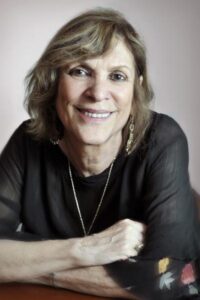
Foa_Edna

At a time when OCD was poorly understood and often ineffectively treated, Edna helped establish and rigorously validate exposure and response prevention (ERP) as a gold-standard intervention. Building on the early behavioral work of pioneers before her, she brought a level of empirical precision, clinical sophistication, and dissemination that transformed ERP from a promising approach into a cornerstone of modern treatment. In doing so, she fundamentally changed what recovery could look like for millions of people living with OCD.

Her influence extended well beyond OCD. Dr. Foa was also a central figure in the development of cognitive-behavioral models and treatments for PTSD, including prolonged exposure therapy, which has become one of the most widely used and effective interventions for trauma-related disorders. Across both domains, her work exemplified a rare integration of theory, research, and clinical application—always grounded in a singular goal: to reduce suffering and restore lives.

Her connection to the International OCD Foundation (IOCDF) was a natural extension of her commitment to bridging science and real-world impact. Edna was deeply engaged with the IOCDF community over many years, contributing to its mission of improving access to effective treatment and advancing understanding of OCD. The Foundation awarded her with the Outstanding Career Achievement Award in 2011. She was a frequent presence at conferences, where she not only shared her research but also helped elevate the standards of clinical care through teaching, mentorship, and collaboration.

The IOCDF’s growth into a global leader in OCD advocacy, education, and training reflects, in many ways, the scientific foundation that Edna helped build. Her work made it possible for organizations like the IOCDF to promote treatments that are not only evidence-based, but truly life-changing. And through her direct involvement, she helped ensure that the connection between research and practice remained strong, dynamic, and accessible.

Edna Foa showed us what it means to dedicate a life to advancing knowledge in the service of humanity. She illuminated a path forward for so many, and her influence will continue to guide the field for generations to come.

Below are several tributes to Dr. Foa from IOCDF community members.

From Jonathan Grayson, PhD

My mentor, Tom Borkovec, used to talk about our psychological lineage; that in 1979, you only had to go back a few generations of your “forefathers” to reach the founders of American psychology. In this respect, Tom is my psychology father – he taught me to discipline my thinking – he encouraged wild flights of speculation, but to always temper it in print with what could be researched and proved. With this in mind, Edna is my psychology mother. As I noted elsewhere, for all of us who work with OCD, we are her children, grandchildren and so on.

I first met Edna  in 1979 at Joseph Wolpe’s Behavior Therapy Unit at Temple University. She hired me as an adjunct research assistant professor. This was in the ancient days at the height of the first wave. There was no cognitive behavioral therapy. ABCT was AABT, American Association of Behavior Therapy. The disorder we were studying was OC, the DSM labeling it obsessive compulsive disorder doesn’t yet exist. Edna was on the first of her landmark OC grants.

She was the flashpoint for all that we do with OCD.  Don’t get me wrong, she didn’t invent ERP, but her work was/is the basis of all OCD treatment today. In the same way that cognitive therapy techniques existed before Aaron Beck, but his work was the flashpoint of that second wave; and the techniques of ACT pre-exist Stephen Hayes, but his work and thinking were the flashpoint of the third wave. There was no OC Foundation.

I joined Edna and Gail Steketee and to work with Edna was always a collaboration. So many hours of discussing, designing and analyzing research. Writing papers together often until midnight and beyond. You may have heard that Edna was demanding.  She was, but that had nothing to do with the hours we worked.  The same clinical skills she used with patients, she used in choosing those who worked with her. We were all driven. There are those who found her direct delivery difficult, but it wasn’t anger or belittling, it wasn’t intimidating (okay, maybe a little), she was simply direct without sugar coating. The truth about Edna was that she was caring and very generous.

As I said, our research was a collaboration and the order of authors on publications reflected our contributions. If you had a research idea that was tangential to her main projects, she would support you.  When I told her I thought we should have support groups to help sufferers maintain their gains, I was given a free hand to develop and run GOAL as I saw fit. When my son was nine months old and I told Edna that I was going to change my work hours to: one and a half daytime hours and the rest of my hours after 4 pm, she accepted this. She didn’t have to admonish me or warn me to do my job, Edna knew the kind of people she had chosen.  She wanted the people who worked with her to grow. When it came time for me to move on, she was like any parent, sorry for me to go, but happy for me to pursue my life.  She was like that with all of us.  So many of those who have shaped the OCD world worked with Edna.  While I was there, Michael Kozak joined the team and later Edna and Michael published their ground breaking paper on emotional processing. Alec Pollard, Charly Mansueto and Rich McNally also passed through our center. Marty Franklin and Jon Abramowitz came after me making up the many generations of her “children.”

For those whom I’ve neglected to mention, forgive me, but the list is too long. My OCD career began in 1979. Her loss is a hole in the fabric of reality, but her legacy and wisdom lives on through all of us whose OCD psychological lineage can be traced back to Edna Foa.

From Marty Franklin, PhD

I am writing this tribute while waiting at an airport gate for a flight to a national conference. Over the course of the next few days I will have the opportunity to present applied research data, participate in a clinical roundtable about OCD and its treatment, & engage with colleagues as we toss around ideas for how best to move the field forward. Edna’s profound influence on my career, my life, and even my thinking is most often accessible during relatively quiet moments like this, where opportunities for reflection make their way forward amidst the work I have committed to myself to doing.  Indeed, I learned of Edna’s passing a few weeks ago while right in the middle of presenting a clinical training about exposure-based treatments for OCD. I paused for a moment to take it all in, but before I could decide how best to proceed under the circumstances, I heard Edna’s voice, in her characteristic and unmistakable Israeli accent, telling me that these clinicians took time out of their busy schedules to receive this training, and therefore I must continue straight through to the end. My feelings?  You can process those later. Classic Edna.

My very first day of internship in 1991 at the Medical College of Pennsylvania was spent in Edna’s presence at her Center for the Treatment and Study of Anxiety, the unit she established in 1979 to develop, test, and disseminate cognitive-behavioral interventions for anxiety and related conditions. Edna’s work even by then was highly influential, and her legend was already well in the making.  At that initial meeting, Edna slid a formidable stack of old-school medical charts across the table to me and said, “Marty, is it?  These are your OCD cases for this rotation.” I thanked her, then asked the first of myriad naïve questions in the legendary Tuesday Meetings:  “When will I receive the training to treat these cases?” She pivoted back to look at Michael Kozak, her Clinical Director, as if to wax nostalgic about the process of indoctrinating yet another green intern. Edna then gestured at the pile, and said, “The training is in there.” Edna was a fine clinician too, and thus read well my horrified expression, then offered, “But don’t worry: we’ll help you.” True to her word, she did exactly that.

Edna’s influence on the field broadly speaking, on the development and expansion of cognitive-behavioral theory, on using clinical science to alleviate human suffering, and in pushing the proverbial envelope, has been chronicled elsewhere and cannot ever be overstated. Edna was one of the true pillars of clinical psychology, and the effects of her work will live on in perpetuity, of that I have little doubt. What was less well known except for those of us fortunate enough to have been mentored by Edna was the incredible amount of time and emotional investment she made in seeding the field with the next generation of theorists, scholars, and clinicians who would carry that work forward in the years to come. I count myself in that incredibly lucky group, all of whom were blessed by her personal investment in our training and careers. Edna had exacting standards for herself and for us, and fully expected that same level of investment and intensity on our part. Vigorous debate was just part of the process, where occasionally the fur would fly. But Edna also knew us well enough to understand what each of us needed in order to help us make the commitment needed to join her in the vanguard. In one of our many career development conversations back in the mid 1990s, likely in her East Falls office well after 8 pm, I was fretting about the “soft money” environment of academic psychiatry, and openly wondering if it was time to pivot to hard-line academic psychology or even to private practice. Edna stopped my rumination dead in its tracks, looked into the depths of my soul (which she did regularly), and said, “It’s only soft money if you can’t get it…and I know you can get it. Plus, academia is a really fun way to make a living, and a life.” Edna Foa believed in me:  it was about damn time to believe in myself as well, and to make the commitment required to honor that belief. And to always keep pushing to get better at the work, which is truly a never-ending process.

Sitting in this airport now, on my way to give another set of talks on topics I have come to know very well and continue to pursue with the passion that comes from also believing that this work is vital, I concur with Edna’s assessment of academia, and am truly grateful that I listened. Thank you, Edna, for illuminating a path forward for me, as I know you did for countless others. You were unforgettable, and your work will continue on in the hands of those you mentored and trained to carry on the legacy.

From Gail Steketee, PhD, MSW

I had the pleasure and helpful educational challenge of training under Dr. Edna Foa beginning in 1976 and continuing for a decade during which I worked closely with her studying OCD and co-authoring manuscripts and federal grant applications.  Edna generously provided me with excellent clinical supervision during my training at the Behavior Therapy Unit at Temple University where I learned how to treat phobias, agoraphobia and panic, and especially OCD.  Edna’s encouragement and specific feedback guided my understanding of patients and how to provide effective treatment.  Her supervision coincided with the end of her important early study of the impact of exposure and response prevention, following in the steps of Victor Meyer, Isaac Marks, and Jack Rachman. I treated the last few patients with OCD in her study and co-authored a case report stemming from that work – my first published paper in the field in 1977.

Edna opened many doors for me to join colleagues around the world who were studying OCD and behavioral treatment methods. Together we wrote and published 26 papers and 14 book chapters.  And I mean “together”.  We would schedule writing times during which Edna generated ideas and spoke aloud in her heavily accented Israeli English while I contributed my thoughts and sharpened the language as we went along. Grant applications were a special challenge as NIMH became strict about page limits.  More than once we stayed up all night writing grants to meet the deadline – we were both younger then – and once we actually drove to Bethesda to deliver a grant application just in time for the deadline.  I joined Edna at many conferences in the U.S. (especially AABT [now ABCT] and OCF [now IOCDF]) and in Europe at EABCT and WCBCT (the World Congress of CBT). We met many delightful OCD researchers and clinicians – it was an exhilarating time.  I traveled with Edna and friends to her home country of Israel where she treated us to delightful sights and experiences including the Dead Sea.

The 10 year period with Edna was a heady time as my career unfolded. She supported my decision to get a PhD in social work at Bryn Mawr while working full time with her on our research. Eventually, I left Temple to take a full-time faculty position at Boston University, arriving with a strong publication record already in hand thanks to Edna’s masterful training and modeling of how to design and conduct research, how to write papers that accurately reflected the study and its findings, how to write strong grant applications, and how to connect with energizing colleagues around the world.  I am grateful for her mentoring that enabled me to establish my own career and become a mentor to others.  She was a brilliant theoretician who spawned impressive thinking and research on OCD, PTSD, behavior therapy, and related topics.  Hers was a long and full life.  She will be sorely missed.

The post In Memoriam: Edna B. Foa, PhD appeared first on International OCD Foundation.

Chasing the Zero That Matters

Mary Royal almost skipped her mammogram.

At 51, the mother of four from Wichita Falls, Texas, was busy,

Mary Royal,
Mary Royal, Patient

tired, and juggling the overlapping demands of work, family, and everyday life. The appointment felt routine—easy to reschedule and easy to dismiss. In a decision that would change everything, she went.

In 2023, Royal was diagnosed with stage 2B multicentric invasive lobular and ductal carcinoma. What followed was a cascade familiar to many cancer patients but deeply personal in its toll: a double bilateral mastectomy, months of chemotherapy and radiation, and the discovery of a nodule in her chest cavity. Another scan later revealed a mass on her ovary, prompting a preventative radical hysterectomy. By the end of the year, Royal had endured positron emission tomography (PET) scans, injections, fasting, and what she called “all that nuclear medicine.”

For many patients, completing treatment is supposed to signal relief. In reality, it often marks the beginning of a new phase—one defined by uncertainty. Surveillance imaging, blood tests, and follow-up visits can feel like checkpoints in an endless waiting game. Every scan carries both hope and fear.

Royal knows this phase well. Like many survivors, she lives with what patients and clinicians call scan anxiety. “I’ve never met a person diagnosed with cancer who did not live with scan anxiety,” she said.

That anxiety eventually led her to consider a different way of monitoring her disease—one that looks not for tumors large enough to be seen on a scan, but for microscopic traces of cancer that may remain in the body after treatment. These traces are known as measurable, or minimal, residual disease (MRD).

MRD basics

MRD refers to the small number of cancer cells that can persist after treatment, even when imaging and conventional tests show no evidence of disease. These cells are often invisible to computed tomography (CT), magnetic resonance imaging (MRI), or PET scans, yet they can drive relapse months or years later.

Historically, MRD testing has been best established in hematologic malignancies such as leukemia, lymphoma, and multiple myeloma. In these diseases, molecular and flow-based techniques can detect one malignant cell among tens of thousands, or even millions, of normal cells. In solid tumors, however, detecting MRD has been far more challenging. That is now changing.

Advances in liquid biopsy technologies allow researchers to analyze circulating tumor DNA (ctDNA): tiny fragments of DNA shed by cancer cells into the bloodstream. With increasingly sensitive assays, it is now possible to detect residual disease at levels far below what imaging can reveal.

MRD matters because cancer recurrence is often a race against time. The earlier residual disease is detected, the greater the opportunity to intervene—whether by intensifying therapy, switching treatments, or, in some cases, sparing patients from unnecessary additional therapy if no disease is detected.

Regulators are taking note. In January 2026, the U.S. Food and Drug Administration (FDA) issued draft guidance supporting the use of MRD negativity as an endpoint in clinical trials for multiple myeloma. The move signaled growing confidence in MRD as a meaningful surrogate for long-term outcomes, potentially accelerating clinical trials and access to new therapies.

Deciding to look closer

When Royal’s oncologist suggested the Personalis NeXT Personal® test, a blood-based MRD assay, her initial reaction was hesitation.

“I said, ‘Let me think about it,’” she recalled. As she researched the test online, her anxiety rose. “I thought, ‘No, thank you. I have had so much anxiety already.’”

Her husband disagreed. “You are insane,” he told her, “Why would you not want to do that?” Her oncologist offered a different perspective: “What is the point of science if we don’t use it?”

“That really resonated with me,” Royal said.

She agreed to the test and had her first ctDNA draw in early 2024. Since then, she has taken it 13 times.

“Seeing that zero in the results is a huge relief,” she said. “I really appreciate how much easier the test is on me, both mentally and physically. Now, I cannot believe anyone would say ‘no’ to this. It brings me so much comfort. And I want to know what to do next. I don’t want to just sit around waiting for something when I have the ability to see things early on.”

Her experience reflects a growing shift in survivorship—from episodic imaging to continuous molecular monitoring.

An ultrasensitive approach

For Richard Chen, MD, CMO at Personalis, the goal of ultrasensitive MRD testing has always been to address the uncertainty patients live with after treatment.

Richard Chen
Richard Chen, MD
Chief Medical Officer
Personalis

“Our NeXT Personal test pioneered ‘ultrasensitive MRD’ down to about one part per million of ctDNA, designed to be a leap forward in detecting very small traces of cancer from a blood sample earlier,” Chen said.

The test is tumor-informed, meaning that it begins with whole-genome sequencing of a patient’s tumor. From that data, up to approximately 1,800 tumor-specific mutations are identified to create a personalized molecular signature. Blood samples are then analyzed for that signature.

“The groundbreaking clinical data that we have published in lung and breast cancer shows that the ultrasensitive capabilities of NeXT Personal enable it to detect cancer many months to years ahead of imaging,” Chen said, “potentially allowing for earlier intervention and treatment of the patient.” Equally important, he added, is the reassurance that a highly sensitive negative result can provide.

Personalis is expanding MRD testing beyond simple detection. A new opt-in feature, the Real-Time Variant Tracker®, allows clinicians and patients to view potentially actionable mutations detected in ctDNA, including those associated with treatment resistance.

MRD testing is increasingly viewed not just as a prognostic tool, but as a way to actively guide care. Chen outlines three major applications: earlier detection of residual or recurrent disease; earlier de-escalation of therapy for patients who have cleared their cancer at a molecular level; and real-time monitoring of treatment response.

“Cancer is often a race against time,” he said. “If you can detect cancer that’s coming back much earlier than before, then you have the opportunity to intervene earlier with additional treatment for the patient.”

Adding biological precision

Sensitivity alone, however, is not the only challenge in MRD detection. Biological precision—understanding which cells persist and why—is equally important.

Zivjena Vucetic
Zivjena Vucetic, MD, PhD
Chief Medical Officer
Mission Bio

Zivjena Vucetic, MD, PhD, CMO at Mission Bio, points to the limitations of bulk sequencing approaches, which average signals across mixed-cell populations.

Mission Bio’s single-cell MRD assay simultaneously detects genetic mutations and surface protein expression across thousands of individual cells in acute myeloid leukemia. This approach reveals whether mutations coexist in the same cell and how they relate to cellular phenotypes.

“Our integrated single-cell approach provides a more biologically precise definition of measurable residual disease,” Vucetic said, which might improve risk stratification beyond conventional molecular or flow-based methods.

By identifying rare, therapy-resistant clones, single-cell MRD technologies offer insight into clonal evolution and emerging resistance. This information can guide treatment selection and drug development.

Decentralizing monitoring

Accessibility and turnaround time are also shaping the MRD landscape. For example, QIAGEN is advancing MRD monitoring by pairing tumor-informed assay design with decentralized digital polymerase chain reaction (dPCR), aiming to make longitudinal molecular monitoring faster, more accessible, and more informative for research and drug development.

In June 2025, QIAGEN announced a partnership with Tracer Biotechnologies to integrate Tracer’s tumor-informed assay design with QIAGEN’s QIAcuity dPCR platform. The approach begins with sequencing a patient’s tumor, often leveraging existing next-generation sequencing (NGS) data, to identify somatic mutations. Tracer then designs personalized multiplex dPCR assays to detect ctDNA carrying those mutations in blood samples.

Richard Watts
Richard Watts
Vice President
QIAGEN

Running these assays on QIAcuity enables absolute quantification of rare tumor-derived molecules by partitioning samples into thousands of reactions. According to Richard Watts, vice president of partnering for precision diagnostics at QIAGEN, “The result is a decentralized, high-frequency monitoring solution,” with turnaround times measured in hours to days rather than weeks. He noted that this model significantly reduces cost and logistical complexity compared with centralized NGS-based MRD testing while enabling earlier detection of molecular recurrence, often before radiographic changes are visible.

While currently intended for exploratory research use, the platform has clear implications for oncology drug development. By allowing assays to be run on standard dPCR instruments at clinical trial sites, sponsors can avoid centralized sample shipping, simplify global study design, and more rapidly generate data. Frequent sampling also provides detailed insight into tumor kinetics and treatment response, potentially enabling earlier assessments of drug activity.

Looking ahead, QIAGEN anticipates MRD evolving beyond detection toward biological characterization. Emerging single-cell technologies, supported by QIAGEN’s recent acquisition of Parse Biosciences, could reveal why residual disease persists by distinguishing resistant cell populations and non-genetic resistance mechanisms. Watts emphasized that future clinicians will not only ask whether MRD is present, but “why it persists and which pathways sustain it,” signaling a shift toward more precise, biology-driven intervention strategies.

The expanding ecosystem

Beyond ultrasensitive and single-cell approaches, a growing number of companies are contributing complementary technologies that are broadening how MRD is detected, characterized, and monitored across cancer types.

Twist Bioscience, for example, has developed scalable target enrichment solutions for MRD monitoring that support highly personalized approaches to disease surveillance. Its MRD Rapid 500 Panel enables fast design and manufacture of customized capture panels using silicon-based DNA synthesis. By offering panels that range from dozens to hundreds of tumor-specific probes and fast turnaround times, this approach allows researchers to assess adjuvant treatment response at a genomic level while remaining compatible with established NGS library preparation and hybrid capture workflows.

Whole-genome sequencing-based plasma assays are also playing an expanding role in solid tumor MRD detection. Labcorp offers a plasma-based assay for colorectal cancer that uses whole genome sequencing to identify ctDNA associated with MRD. This approach enables the detection of recurrence at a molecular level before clinical symptoms, biological markers, or radiographic evidence emerge, creating an opportunity for earlier and more proactive intervention.

In hematologic malignancies, ultrasensitive liquid biopsy platforms are demonstrating the ability to dramatically shorten the time required to detect residual disease. For instance, Foresight Diagnostics has developed a ctDNA-based MRD platform that achieves exceptionally high sensitivity across multiple cancers. In patients with large B-cell lymphoma, this approach can detect ctDNA immediately after treatment, rather than waiting for months or even years for disease recurrence to become apparent through PET or CT imaging.

Comprehensive NGS-based MRD solutions are also advancing in myeloid malignancies. Thermo Fisher Scientific offers an integrated research-use testing solution that combines highly sensitive DNA and RNA assays on a single sequencing platform. This enables the simultaneous assessment of single-nucleotide variants, insertions and deletions, and gene fusions alongside streamlined informatics and reporting designed to simplify MRD data interpretation in research settings.

Meanwhile, dPCR continues to play a crucial role in MRD monitoring, where absolute quantification and extreme sensitivity are required. Bio-Rad Laboratories has long supported droplet dPCR technologies that are well suited for tracking low-abundance disease markers. These capabilities are particularly valuable in both hematologic malignancies and solid tumors, where MRD signals in blood can be vanishingly small yet clinically meaningful.

Pre-analytical precision

As MRD assays push detection limits ever lower, pre-analytical steps such as sample collection and cell-free DNA (cfDNA) extraction become increasingly important.

Anagha Kadam
Anagha Kadam, PhD
Scientist, NEB

As one example, Anagha Kadam, PhD, applications and product development scientist at New England Biolabs (NEB), highlights how the Monarch Mag Cell-free DNA Extraction Kit addresses crucial challenges in liquid-biopsy workflows and MRD research.

This kit is a magnetic bead-based solution designed for the reproducible isolation of circulating cfDNA from biofluids like plasma, urine, and cerebrospinal fluid. “The kit can be used to isolate cfDNA for discovery and detection workflows, including ctDNA profiling, cancer biomarker discovery, and oncology diagnostics research,” Kadam explained. This technology efficiently recovers cfDNA fragments in the typical sizes of 150–300 base pairs, and even as small as 50 base pairs, while remaining compatible with common anticoagulant and preservative collection tubes. According to Kadam, “The silica-coated magnetic beads, combined with optimized buffer chemistry, help ensure maximum binding and recovery of cfDNA in manual or automation formats.”

Sensitivity and reproducibility are especially crucial for MRD applications. “A cfDNA isolation method that is compatible with different sample types, and that faithfully isolates cfDNA, is a key consideration when establishing MRD workflows,” Kadam noted. She added that the kit delivers “reproducible, high-quality cfDNA yields from different biofluid samples, without additional post-extraction cleanups,” enabling consistent fragment profiles while saving time. When integrated with NEB’s sequencing and amplification tools, the kit supports streamlined, end-to-end workflows for generating high-quality data from challenging clinical samples.

From waiting to watching

For Mary Royal, MRD testing has not eliminated uncertainty, but has transformed it.

Instead of waiting passively for scans, she feels engaged in her care. Instead of fearing every appointment, she has access to information that helps her understand what is happening inside her body in near real time.

“I want to know what to do next,” she said. “I don’t want to just sit around waiting for something when I have the ability to see things early on.”

As MRD technologies continue to mature, the desire to replace waiting with knowledge is becoming central to modern oncology. MRD is no longer just a research endpoint or laboratory metric. It is becoming a bridge between science and survivorship, offering patients, clinicians, and researchers a clearer signal in the noise of uncertainty.

And sometimes, that signal is a simple zero—small, powerful, and profoundly reassuring.


Mike May, PhD, is a freelance writer and editor with more than 30 years of experience. He earned an MS in biological engineering from the University of Connecticut and a PhD in neurobiology and behavior from Cornell University. He worked as an associate editor at American Scientist, and he is the author of more than 1,000 articles for clients that include GEN, Nature, Science, Scientific American, and many others. In addition, he served as the editorial director of many publications, including several Nature Outlooks and Scientific American Worldview.

The post Chasing the Zero That Matters appeared first on Inside Precision Medicine.

The Download: AstroTurf wars and exponential AI growth

This is today’s edition of The Download, our weekday newsletter that provides a daily dose of what’s going on in the world of technology.

Is fake grass a bad idea? The AstroTurf wars are far from over. 

In 2001, Americans installed just over 7 million square meters of synthetic turf. By 2024, that number was 79 million square meters—enough to carpet all of Manhattan and then some. The increase worries folks who study microplastics and environmental pollution.  

While the plastic-making industry insists that synthetic fields are safe if properly installed, lots of researchers think that isn’t so. Find out why AstroTurf has ignited heated debates.

—Douglas Main 

This story is from the next issue of our print magazine, packed with stories all about nature. Subscribe now to read the full thing when it lands on Wednesday, April 22. 

Mustafa Suleyman: AI development won’t hit a development wall anytime soon—here’s why 

—Mustafa Suleyman, Microsoft AI CEO and Google DeepMind co-founder 

The skeptics keep predicting that AI compute will soon hit a wall—and keep getting proven wrong. To understand why that is, you need to look at the forces driving the AI explosion.  

Three advances are enabling exponential progress: faster basic calculators, high-bandwidth memory, and technologies that turn disparate GPUs into enormous supercomputers. Where does all this get us? Read the full op-ed on the future of AI development to learn more. 
 

Desalination technology, by the numbers 

—Casey Crownhart 

When I started digging into desalination technology for a new story, I couldn’t help but obsess over the numbers. 

I knew on some level that desalination—pulling salt out of seawater to produce fresh water—was an increasingly important technology, especially in water-stressed regions including the Middle East. But just how much some countries rely on desalination, and how big a business it is, still surprised me.

Here are the extraordinary numbers behind the crucial water source. 

This story is from The Spark, our weekly newsletter on the tech that could combat the climate crisis. Sign up to receive it in your inbox every Wednesday. 

The must-reads 

I’ve combed the internet to find you today’s most fun/important/scary/fascinating stories about technology. 

1 Meta has launched the first AI model from its Superintelligence Labs
Muse Spark is the company’s first model in a year. (Reuters $) 
+ The closed model brings reasoning capabilities to the Meta AI app. (Engadget) 
+ It’s built by Meta’s Superintelligence Labs, the unit led by Alexandr Wang. (TechCrunch) 

2 Anthropic has lost a bid to pause the Pentagon’s blacklisting 
An appeals court in Washington, DC denied the request. (CNBC) 
+ A California judge had temporarily blocked the blacklisting in March. (NPR) 
+ The mixed rulings leave Anthropic in a legal limbo. (Wired $) 
+ And open doors for smaller AI rivals. (Reuters $) 

3 New evidence suggests Adam Back invented Bitcoin 
The British cryptographer may be the real Satoshi Nakamoto. (NYT $) 
+ Back denies the claims. (BBC) 
+ There’s a dark side to crypto’s permissionless dream. (MIT Technology Review) 

4 Gen Z is cooling on AI 
The share feeling angry about it has risen from 22% to 31% in a year. (Axios) 
+ Anti-AI protests are also growing. (MIT Technology Review) 

5 War in the Gulf could tilt the cloud race toward China 
Huawei is pitching “multi-cloud” resilience to Gulf clients. (Rest of World) 

6 Meta has killed a leaderboard of its AI token users 
It showed the top 250 users. (The Information $) 
+ Meta blamed data leaks for the shutdown. (Fortune) 
+ It encouraged “tokenmaxxing,” a growing phenomenon in Big Tech. (NYT $) 

7 Did Artemis II really tell us anything new about space? 
Or was it primarily a PR exercise? (Ars Technica) 

8 Israeli attacks have brutally exposed Lebanon’s digital infrastructure 
It’s managing a modern crisis without modern technology. (Wired $) 

9 AI models could offer mathematicians a common language 
They hope it will simplify the process of verifying proofs. (Economist)  

10 A “self-doxing’ rave is helping trans people stay safe online 
It’s among a series of digital self-defenses. (404 Media) 

Quote of the day 

“I feel like anything that I’m interested in has the potential of maybe getting replaced, even in the next few years.” 

—Sydney Gill, a freshman at Rice University, tells the New York Times why she’s soured on AI. 

One More Thing 

""
A view inside ATLAS,
one of two general-purpose detectors at the Large Hadron Collider.
MAXIMILIEN BRICE/CERN

Inside the hunt for new physics at the world’s largest particle collider 

In 2012, data from CERN’s Large Hadron Collider (LHC) unearthed a particle called the Higgs boson. The discovery answered a nagging question: where do fundamental particles, such as the ones that make up all the protons and neutrons in our bodies, get their mass?

But now particle physicists have reached an impasse in their quest to discover, produce, and study new particles at colliders. Find out what they’re trying to do about it.

—Dan Garisto 

We can still have nice things 

A place for comfort, fun and distraction to brighten up your day. (Got any ideas? Drop me a line.) 

+ Enjoy this tale of the “joke” sound that accidentally defined 90s rave culture. 
+ Take a nostalgic trip through the websites of the early 00s. 
+ One for animal lovers: sperm whales have teamed up to support a newborn. 
+ Here’s a long overdue answer to a vital question: can the world’s largest mousetrap catch a limousine? 

Is fake grass a bad idea? The AstroTurf wars are far from over.

A rare warm spell in January melted enough snow to uncover Cornell University’s newest athletic field, built for field hockey. Months before, it was a meadow teeming with birds and bugs; now it’s more than an acre of synthetic turf roughly the color of the felt on a pool table, almost digital in its saturation. The day I walked up the hill from a nearby creek to take a look, the metal fence around the field was locked, but someone had left a hallway-size piece of the new simulated grass outside the perimeter. It was bristly and tough, but springy and squeaky under my booted feet. I could imagine running around on it, but it would definitely take some getting used to.

My companion on this walk seemed even less favorably disposed to the thought. Yayoi Koizumi, a local environmental advocate, has been fighting synthetic-turf projects at Cornell since 2023. A petite woman dressed that day in a faded plum coat over a teal vest, with a scarf the colors of salmon, slate, and sunflowers, Koizumi compulsively picked up plastic trash as we walked: a red Solo cup, a polyethylene Dunkin’ container, a five-foot vinyl panel. She couldn’t bear to leave this stuff behind to fragment into microplastic bits—as she believes the new field will. “They’ve covered the living ground in plastic,” she said. “It’s really maddening.” 

The new pitch is one part of a $70 million plan to build more recreational space at the university. As of this spring, Cornell plans to install something like a quarter million square feet of synthetic grass—what people have colloquially called “astroturf” since the middle of the last century. University PR says it will be an important part of a “health-promoting campus” that is “supportive of holistic individual, social, and ecological well-being.” Koizumi runs an anti-plastic environmental group called Zero Waste Ithaca, which says that’s mostly nonsense.

This fight is more than just the usual town-versus-gown tension. Synthetic turf used to be the stuff of professional sports arenas and maybe a suburban yard or two; today communities across the United States are debating whether to lay it down on playgrounds, parks, and dog runs. Proponents say it’s cheaper and hardier than grass, requiring less water, fertilizer, and maintenance—and that it offers a uniform surface for more hours and more days of the year than grass fields, a competitive advantage for athletes and schools hoping for a more robust athletic program.

But while new generations of synthetic turf look and feel better than that mid-century stuff, it’s still just plastic. Some evidence suggests it sheds bits that endanger users and the environment, and that it contains PFAS “forever chemicals”—per- and polyfluoroalkyl substances, which are linked to a host of health issues. The padding within the plastic grass is usually made from shredded tires, which might also pose health risks. And plastic fields need to be replaced about once a decade, creating lots of waste.

Yet people are buying a lot of the stuff. In 2001, Americans installed just over 7 million square meters of synthetic turf, just shy of 11,000 metric tons. By 2024, that number was 79 million square meters—enough to carpet all of Manhattan and then some, almost 120,000 metric tons. Synthetic turf covers 20,000 athletic fields and tens of thousands of parks, playgrounds, and backyards. And the US is just 20% of the global market. 

Where real estate is limited and demand for athletic facilities is high, artificial turf is tempting. “It all comes down to land and demand.”

Frank Rossi, professor of turf science, Cornell

Those increases worry folks who study microplastics and environmental pollution. Any actual risk is hard to parse; the plastic-making industry insists that synthetic fields are safe if properly installed, but lots of researchers think that isn’t so. “They’re very expensive, they contain toxic chemicals, and they put kids at unnecessary risk,” says Philip Landrigan, a Boston College epidemiologist who has studied environmental toxins like lead and microplastics.

But at Cornell, where real estate is limited and demand for athletic facilities is high, synthetic turf was a tempting option. As Frank Rossi, a professor of turf science at Cornell, told me: “It all comes down to land and demand.”


In 1965, Houston’s new, domed base­ball stadium was an icon of space-age design. But the Astrodome had a problem: the sun. Deep in the heart of Texas, it shined brightly through the Astrodome’s skylights—so much so that players kept missing fly balls. So the club painted over the skylights. Denied sunlight, the grass in the outfield withered and died.

A replacement was already in the works. In the late 1950s a Ford Foundation–funded educational laboratory determined that a soft, grasslike surface material would give city kids more places to play outside and had prevailed upon the Monsanto corporation to invent one. The result was clipped blades of nylon stuck to a rubber base, which the company called ChemGrass. Down it went into Houston’s outfield, where it got a new, buzzier name: AstroTurf.

""
Workers lay artificial turf at the Astrodome in Houston on July 13, 1966. Developed by Monsanto, the material was originally known as ChemGrass but was later renamed AstroTurf after the stadium.
AP PHOTO/ED KOLENOVSKY, FILE

That first generation of simulated lawn was brittle and hard, but quality has improved. Today, there are a few competing products, but they’re all made by extruding a petroleum-based polymer—that’s plastic—through tiny holes and then stitching or fusing the resulting fibers to a carpetlike bottom. That gets attached to some kind of padding, also plastic. In the 1970s the industry started layering that over infill, usually sand; by the 1990s, “third generation” synthetic turf had switched to softer fibers made of polyethylene. Beneath that, they added infill that combined sand and a soft, cheap shredded rubber made from discarded automobile tires, which pile up by the hundreds of millions every year. This “crumb rubber” provides padding and fills spaces between the blades and the backing.

In the early 1980s, nearly half the professional baseball and football fields in the US had synthetic turf. But many players didn’t like it. It got hotter than real grass, gave the ball different action, and seemed to be increasing the rate of injuries among athletes. Since the 1990s, most pro sports have shifted back toward grass—water and maintenance costs pale in comparison to the importance of keeping players happy or sparing them the risk of injury. 

But at the same time, more universities and high schools are buying the artificial stuff. The advantages are clear, especially in places where it rains either too much or not enough. A natural-grass field is usable for a little more than 800 hours a year at the most, spread across just eight months in the cooler, wetter northern US. An artificial-turf field can see 3,000 hours of activity per year. For sports like lacrosse, which begins in late winter, this makes artificial turf more appealing. Most lacrosse pitches are now synthetic. So are almost all field hockey pitches; players like the way the even, springy turf makes the ball bounce.

Furthermore, supporters say synthetic turf needs less maintenance than grass, saving money and resources. That’s not always true; workers still have to decompact the playing surface and hose it off to remove bird poop or cool it down. Sometimes the infill needs topping up. But real grass allows less playing time, and because grass athletic fields often need to be rotated to avoid damage, synthetic ground cover can require less space. Hence the market’s explosive growth in the 21st century.


The city and town of Ithaca—two separate political entities with overlapping jurisdiction over Cornell construction projects—held multiple public meetings about the university’s new synthetic fields: the field hockey pitch and a complex called the Meinig Fieldhouse. Koizumi’s group turned up in force, and a few folks who worked at Cornell came to oppose the idea too—submitting pages of citations and studies on the risks of synthetic grass.

At two of those meetings, dozens of Cornell athletes turned out to support the turf. Representatives of the university and the athletic department declined to speak with me for this story, citing an ongoing lawsuit from Zero Waste Ithaca. But before that, Nicki Moore, Cornell’s director of athletics, told a local newspaper that demand from campus groups and sports teams meant the fields were constantly overcrowded. “Activities get bumped later and later, and sometimes varsity teams won’t start practicing until 10 at night, you know?” Moore told the paper. “Availability of all-weather space should normalize scheduling a great deal.”

That argument wasn’t universally convincing. “It’s a bad idea, but that’s from the environmental perspective,” says Marianne Krasny, director of Cornell’s Civic Ecology Lab and one of the speakers at those hearings. “Obviously the athletic department thinks it’s a great idea.”

square patch of artificial turf

GETTY IMAGES

Members of Cornell on Fire, a climate action group with members from both the university and the town, joined in opposing the use of artificial turf, citing the fossil-fuel origins of the stuff. They described the nominal support of the project from student athletes as inauthentic, representing not grassroots support but, yes, an astroturf campaign. 

Sorting out the actual science here isn’t simple. Over time, the plastic that synthetic turf is made of sheds bits of itself into the environment. In one study, published in 2023 in the journal Environmental Pollution, researchers found that 15% of the medium-­size and microplastic particles in a river and the Mediterranean Sea outside Barcelona, Spain, came from artificial turf, mostly in the form of tiny green fibers. Back in 2020, the European Chemicals Agency estimated that infill material from artificial-­turf fields in the European Union was contributing 16,000 metric tons of microplastics to the environment each year—38% of all annual microplastic pollution. Most of that came from the crumb rubber infill, which Europe now plans to ban by 2031. 

This pollution worries the Cornell activists. Ithaca is famous for scenic gorges and waterways. The new field hockey pitch is uphill from a local creek that empties into Cayuga Lake, the longest of the Finger Lakes and the source of drinking water for over 40,000 people.

And it’s not just the plastic bits. When newer generations of synthetic turf switched to durable high-density polyethylene, the new material gunked up the extruders used in the manufacturing process. So turf makers started adding fluorinated polymers—a type of PFAS. Some of these environmentally persistent “forever chemicals” cause cancer, disrupt the endocrine system, or lead to other health problems. Research in several different labs has found PFAS in many types of plastic grass.

But the key to assessing the threat here is exposure. Heather Whitehead, an analytical chemist then at the University of Notre Dame, found PFAS in synthetic turf at levels around five parts per billion—but estimated it’d be in water running off the fields at three parts per trillion; for context, the US Environmental Protection Agency’s legal drinking-water limit on one of the most widespread and dangerous PFAS chemicals is four parts per trillion. “These chemicals will wash off in small amounts for long periods of time,” says Graham Peaslee, Whitehead’s advisor and an emeritus nuclear physicist who studies PFAS concentrations. “I think it’s reason enough not to have artificial turf.”

This gets confusing, though. There are over 16,000 different types of PFAS, few have been well studied, and different ­companies use different manufacturing techniques. Companies represented by the Synthetic Turf Council now “use zero intentionally added PFAS,” says Melanie Taylor, the group’s president. “This means that as the field rolls off the assembly line, there are zero PFAS-formulated materials present.”

Some researchers are skeptical of the industry’s assurances. They’re hard to confirm, especially because there are a lot of ways to test for PFAS. The type of synthetic turf going onto the new field hockey pitch at Cornell is called GreenFields TX; the university had a sample tested using an EPA method that looks for 40 different PFAS compounds. It came back negative for all of them. The local activists countered that the test doesn’t detect the specific types they’re most concerned about, and in 2025 they paid for three more tests on newly purchased synthetic turf. Two clearly found fluorine—the F in “PFAS”—and one identified two distinct PFAS compounds. (The company that makes GreenFields TX, TenCate, declined to comment, citing ongoing litigation.)

PFAS isn’t the only potential problem. There’s also the crumb rubber made from tires. A billion tires get thrown out every year worldwide, and if they aren’t recycled they sit in giant piles that make great habitats for rats and mosquitoes; they also occasionally catch fire. Lots of the tires that go into turf are made of styrene-­butadiene rubber, or SBR. In bulk, that’s bad. Butadiene is a carcinogen that causes leukemia, and fumes from styrene can cause nervous system damage. SBR also contains high levels of lead.

But how much of that comes out of synthetic-­turf infill? Again, that’s hotly debated. Researchers around the world have published suggestive studies finding potentially dangerous levels of heavy metals like zinc and lead in synthetic turf, with possible health risks to people using the fields. But a review of many of the relevant studies on turf and crumb rubber from Canada’s National Collaborating Centre for Environmental Health determined that most well-conducted health risk assessments over the last decade found exposures below levels of concern for cancer and certain other diseases. A 2017 report by the European Chemicals Agency—the same people who found all those microplastics in the environment—“found no reason to advise people against playing sports on synthetic turf containing recycled rubber granules as infill material.” And a multiyear study from the EPA, published in 2024, found much the same thing—although the researchers said that levels of certain synthetic chemicals were elevated inside places that used indoor artificial turf. They also stressed that the paper was not a risk assessment. 

The problem is, the kinds of cancers these chemicals can cause may take decades to show up. Long-term studies haven’t been done yet. All the evidence available so far is anecdotal—like a series for the Philadelphia Inquirer that linked the deaths of six former Phillies players from a rare type of brain cancer called glioblastoma to years spent playing on PFAS-containing artificial turf. That’d be about three times the usual rate of glioblastoma among adult men, but the report comes with a lot of cautions—small sample size, lots of other potential causes, no way to establish causation.

Synthetic turf has one negative that no one really disputes: It gets very hot in the sun—as hot as 150 °F (66 °C). This can actually burn players, so they often want to avoid using a field on very hot days.

""
A field hockey player from Cornell University passes the ball during a game played on artificial turf at Bryant University in 2025. Cornell’s own turf field will be ready for the 2026 season.
GETTY IMAGES

Athletes playing on artificial turf also have a higher rate of foot and ankle injuries, and elite-level football players seem to be more predisposed to knee injuries on those surfaces. But other studies have found rates of knee and hip injury to be roughly comparable on artificial and natural turf—a point the landscape architect working on the Cornell project made in the information packet the university sent to the city. Athletic departments and city parks departments say that the material’s upsides make it worthwhile, given that there’s no conclusive proof of harm.

Back in Ithaca, Cornell hired an environmental consulting firm called Haley & Aldrich to assess the evidence. The company concluded that none of the university’s proposed installations of artificial turf would have a negative environmental impact. People from Cornell on Fire and Zero Waste Ithaca told me they didn’t trust the firm’s findings; representatives from Haley & Aldrich declined to comment.

Longtime activists say that as global consumption of fossil fuels declines, petrochemical companies are desperate to find other markets. That means plastics. “There’s a big push to shift more petrochemicals into plastic products for an end market,” says Jeff Gearhart, a consumer product researcher at the Ecology Center. “Industry people, with a vested interest in petrochemicals, are looking to expand and build out alternative markets for this stuff.”

All that and more went before the decision-­makers in Ithaca. In September 2024, the City of Ithaca Planning Board unanimously issued a judgment that the Meinig Fieldhouse would not have a significant environmental impact and thus would not need to complete a full environmental impact assessment. Six months later, the town made the same determination for the field hockey pitch.

Zero Waste Ithaca sued in New York’s supreme court, which ruled against the group. Koizumi and lawyers from Pace University’s Environmental Litigation Clinic have appealed. She says she’s still hopeful the court might agree that Ithaca authorities made a mistake by not requiring an environmental impact statement from the college. “We have the science on our side,” she says.


Ithaca is a pretty rarefied place, an Ivy League university town. But these same tensions—potential long-term environmental and public health consequences versus the financial and maintenance concerns of the now—are pitting worried citizens against their representatives and city agencies around the country. 

New York City has 286 municipal synthetic-­turf fields, with more under construction. In Inwood, the northernmost neighborhood in Manhattan, two fields were approved via Zoom meetings during the pandemic, and Massimo Strino, a local artist who makes kaleidoscopes, says he found out only when he saw signs announcing the work on one of his daily walks in Inwood Hill Park, along the Hudson River. He joined a campaign against the plan, gathering more than 4,300 signatures. “I was canvassing every weekend,” Strino says. “You can count on one hand, literally, the number of people who said they were in favor.” 

But that doesn’t include the group that pushed for one of those fields in the first place: Uptown Soccer, which offers free and low-cost lessons and games to 1,000 kids a year, mostly from underserved immigrant families. “It was turning an unused community space into a usable space,” says David Sykes, the group’s executive director. “That trumped the sort of abstract concerns about the environmental impacts. I’m not an expert in artificial turf, but the parks department assured me that there was no risk of health effects.”

Artificial turf doesn’t go away. “You’re going to be paying to get rid of it. Somebody will have to take it to a dump, where it will sit for a thousand years.”

Graham Peaslee, emeritus nuclear physicist studying PFAS concentrations, University of Notre Dame

New York City councilmember Christopher Marte disagrees. He has introduced a bill to ban new artificial turf from being installed in parks, and he hopes the proposal will be taken up by the Parks Committee this spring. Last session, the bill had 10 cosponsors—that’s a lot. Marte says he expects resistance from lobbyists, but there’s precedent. The city of Boston banned artificial turf in 2022.  

Upstate, in a Rochester suburb called Brighton, the school district included synthetic-­turf baseball and softball diamonds in a wide-ranging February 2024 capital improvement proposition. The measure passed. In a public meeting in November 2025, the school board acknowledged the intent to use synthetic grass—or, as concerned parents had it, “to rip up a quarter ­million square feet of this open space and replace it with artificial turf,” says David Masur, executive director of the environmental group PennEnvironment, whose kids attend school in Brighton. Parents and community members mobilized against the plan, further angered when contractors also cut down a beloved 200-year-old tree. School superintendent Kevin McGowan says it’s too late to change course. Masur has been working to oppose the plan nevertheless—he says school boards are making consequential decisions about turf without sharing information or getting input, even though these fields can cost millions of dollars of taxpayer money.

In short, the fights can get tense. On Martha’s Vineyard, in Massachusetts, a meeting about plans to install an artificial field at a local high school had to be ended early amid verbal abuse. A staffer for the local board of health who voiced concern about PFAS in the turf quit the board after discovering bullet casings in her tote bag, she said, which she perceived as a death threat. After an eight-year fight, the board eventually banned artificial turf altogether. 


What happens next? Well, outdoor artificial turf lasts only eight to 12 years before it needs to be taken up and replaced. The Synthetic Turf Council says it’s at least partially recyclable and cites a company called BestPLUS Plastic Lumber as a purveyor of products made from recycled turf. The company says one of its products, a liner called GreenBoard that artificial turf can be nailed into, is at least 40% recycled from fake grass. Joseph Sadlier, vice president and general manager of plastics recycling at BestPLUS, says the company recycles over 10 million pounds annually. 

Yet the material is piling up. In 2021, a Danish company called Re-Match announced plans to open a recycling plant in Pennsylvania and began amassing thousands of tons of used plastic turf in three locations. The company filed for bankruptcy in 2025.

In Ithaca, university representatives told planning boards that it would be possible to recycle the old artificial turf they ripped out to make way for the Meinig Fieldhouse. That didn’t happen. An anonymous local activist tracked the old rolls to a hauling company a half-hour’s drive south of campus and shared pictures of them sitting on the lot, where they stayed for months. It’s unclear what their ultimate fate will be.

That’s the real problem: Artificial turf just doesn’t go away. “You’re going to be paying to get rid of it,” says Peaslee, the PFAS expert. “Somebody will have to take it to a dump, where it will sit for a thousand years.” At minimum, real grass is a net carbon sink, even including installation and maintenance. Synthetic turf releases greenhouse gases. One life-­cycle analysis of a 2.2-acre synthetic field in Toronto determined that it would emit 55 metric tons of carbon dioxide over a decade. Plastic fields need less water to maintain, but it takes water to make plastic, and natural grass lets rainwater seep into the ground. Synthetic turf sends most of it away as runoff.

It’s a boggling set of issues to factor into a decision. Rossi, the Cornell turf scientist, says he can understand why a school in the northern United States might go plastic, even when it cares about its students’ health. “It was the best bad option,” he says. Concerns about microplastics and PFAS are “significant issues we have not fully addressed.” And they need to be. 

Douglas Main is a journalist and former senior editor and writer at National Geographic.

STAT+: Biotech VCs, used to a winning formula in drug development, face disruption

For decades, venture capitalists have relied on a tried-and-true recipe to make money in biotech: Start with compelling scientific research — usually out of a U.S. university lab — add a dash of veteran executives from a pharmaceutical goliath or big biotech, and finish with tens of millions of dollars. The approach has led to scores of new medicines, successful companies, and financial returns for VC firms and their investors. 

Now, it’s being disrupted. 

In the aftermath of biotech’s Covid-era rally and subsequent decline, the industry has been startled to find that Chinese scientists are conducting innovative research, faster and at lower costs, than their U.S. counterparts. In the United States and elsewhere, meanwhile, investors are being wooed by artificial intelligence, drawing attention and dollars away from biotech.

Continue to STAT+ to read the full story…

Single-Cell Atlas of Maternal–Fetal Interface Sheds Light on Pregnancy Complications

The biological connection between a pregnant woman and her developing baby—the human maternal–fetal interface—is a specialized, transient organ composed of uterine cells from the mother and fetal cells that acts as a barrier, supports fetal growth, and maintains the mother’s health. The cellular complexity of the maternal-fetal interface has limited scientists’ ability to study how healthy pregnancies develop and why complications arise. The underlying cellular, molecular, and spatial programs of the interface—which forms about a week after fertilization and lasts until birth—has remain incompletely defined.

Now, the human maternal–fetal interface has been mapped in unprecedented detail by scientists at the University of California, San Francisco (UCSF), revealing new cell types and providing insights into conditions such as preeclampsia, preterm birth, and miscarriage.

“By examining this tissue cell by cell across pregnancy, we can begin to understand both normal development and what may go wrong,” said Susan J. Fisher, PhD, professor of obstetrics, gynecology, and reproductive sciences at UCSF.

The team generated a comprehensive atlas of the human maternal–fetal interface across normal pregnancies, from early gestation to term. The researchers did this by “integrating large-scale paired single-nucleus transcriptomic and chromatin accessibility profiling with submicrometer-resolution spatial transcriptomics and CODEX multiplex protein imaging.”

Using these tools, the researchers analyzed about 200,000 individual cells and compared them with nearly one million cells in their original positions within the uterine and placental tissue. This enabled them to identify different cell types, track how they develop, and see how they are linked to pregnancy complications.

“This work gives us a much clearer picture of this critical region than ever before,” said Jingjing Li, PhD, associate professor in UCSF’s Department of Neurology and the Eli and Edythe Broad Center of Regenerative Medicine and Stem Cell Research.

This work is published in Nature in the paper, “Single-Cell Spatiotemporal Dissection of the Human Maternal–Fetal Interface.”

The atlas revealed a previously unknown maternal cell type located where fetal placental cells first enter the uterus. These cells appear to regulate how deeply placental cells invade uterine tissue, a process that is essential for establishing blood flow to the fetus. The researchers found that these cells carry a cannabinoid receptor, and exposure to cannabinoid molecules caused them to further restrict placental cell invasion.

“Population studies have linked cannabis use during pregnancy to poorer outcomes,” said Cheng Wang, PhD, a postdoctoral fellow at UCSF. “This cell type may help explain the biological basis of that association.”

To understand how complications arise, the team integrated genetic data from more than 10,000 patients. They mapped genetic risk signals for conditions including preterm birth, preeclampsia, and miscarriage onto regulatory regions of DNA that control gene activity. This approach allowed the researchers to identify the specific cell types and states most strongly associated with each condition.

The team then focused on preeclampsia, a potentially life-threatening disorder marked by sudden high blood pressure. They found that the most affected cell types are involved in remodeling the mother’s uterine blood vessels, a process required to supply adequate blood to the placenta. The findings suggest that preeclampsia may result from disrupted communication between maternal and fetal cells that normally coordinate this process.

Having established a detailed map of healthy pregnancies, the researchers plan to study complicated pregnancies to identify potential targets for treatment.

The post Single-Cell Atlas of Maternal–Fetal Interface Sheds Light on Pregnancy Complications appeared first on GEN – Genetic Engineering and Biotechnology News.

Organ-on-Chip Integrated Into Preclinical Glioblastoma Research

Dynamic42 and EPO (Experimental Pharmacology and Oncology), both based in Germany, report that they are addressing the limited availability of preclinical models in brain cancer research by forming a strategic collaboration that focuses on bringing organ-on-chip technologies “closer to the core of preclinical drug development.”

The partnership combines Dynamic42’s organ-on-chip platforms with EPO’s expertise in translational oncology and access to well-characterized tumor models and patient-derived material. Together, the teams are developing experimental setups designed to reflect human tumor biology more closely and generate data that translates more reliably into clinical outcomes.

The first joint projects target glioblastoma and the blood–brain barrier (BBB). Using Dynamic42’s human-based BBB-on-chip model, the partners will explore how differences between human and non-human BBB-biology can influence therapeutic responses, which is a major factor for the limited activity of brain cancer drugs.

“Too often, critical decisions in drug development rely on data that do not fully reflect human biology,” said Thomas Sommermann, PhD, head of cancer research at Dynamic42. “We want to change that. By bringing human-based models earlier into the process, we can sharpen decision-making and reduce late-stage failure risks.”

“For us, this collaboration is about strengthening the translational link,” added Jens Hoffmann, CEO at EPO. “Integrating advanced in vitro systems allows us to look at tumor biology from a different angle and to build robust experimental in vivo strategies.”

The collaboration is designed as a complementary approach that connects established preclinical in vivo expertise with emerging human-based in vitro technologies. It supports more targeted, biology-driven research strategies and the principles of the 3Rs (Replace, Reduce, Refine), contributing to the ongoing shift toward more human-relevant experimental systems.

Beyond joint research, the partnership includes model development activities, elaboration of commercialization strategies, and close scientific exchange, including collaboration between early-career researchers from both organizations.

Dynamic42 and EPO will jointly present the first results of their collaboration at the American Association for Cancer Research® Annual Meeting 2026. Both companies plan to expand the collaboration further, exploring additional indications and extending the use of organ-on-chip technologies across different areas of drug development.

The post Organ-on-Chip Integrated Into Preclinical Glioblastoma Research appeared first on GEN – Genetic Engineering and Biotechnology News.

Team approach to lowering high blood pressure worked even in ‘a tough landscape’

It’s the leading risk factor for the leading cause of death in the United States and around the world: high blood pressure, the prime mover in heart attacks and strokes.

High blood pressure is treatable, but despite having access to effective and affordable medications, more than half of Americans still have uncontrolled hypertension, with rates going up in sync with adverse social determinants of health. 

Read the rest…

Moving In Vivo: Next Steps For CAR T-Cell Therapy

There is no doubt that autologous chimeric antigen receptor (CAR) T-cell therapy has revolutionized the treatment of serious blood cancers. A significant proportion of advanced-stage blood cancer patients who failed to respond to previous therapies now go into remission with this treatment, with some remaining cancer-free in the long term.

However, despite their success, these immunotherapies have significant disadvantages. Although CAR T-cell therapies have essentially rescued advanced-stage patients who previously would only have been offered palliative care, serious side effects such as cytokine release syndrome and immune effector cell-associated neurotoxicity syndrome (ICANS) are associated with the treatment.

All seven CAR T-cell therapies approved by the U.S. Food and Drug Administration (FDA) since August 2017 are autologous cell therapies, wherein the patient’s own T cells must be extracted and genetically engineered in the lab to produce cancer-targeting CAR T cells that are reinfused into the patient to fight the cancer.

Unless they live near a major cancer center or company with the relevant expertise and lab capacity in-house, many eligible patients miss out on the therapy because the wait time is too long or the whole process is too expensive. Patients must also be admitted to the hospital to undergo lymphodepletion chemotherapy before receiving the final infusion to allow the infused cells to expand, persist, and work better.

“It’s just simply too expensive, too complex to manufacture, and has all kinds of logistical issues that translate to limited patient access,” explained Maurits Geerlings, MD, co-founder, CEO, and president of in vivo CAR T-cell therapy biotech NanoCell Therapeutics, which has offices in Pennsylvania and Utrecht.

“Also, importantly, the batch capacity in highly specialized hospitals is so limited that altogether maybe 10% of patients that are eligible effectively get access to CAR T-cell therapy in the Western world.”

Maurits Geerlings
Maurits Geerlings, MD
Co-founder, CEO
NanoCell Therapeutics

Initially, after the first ex vivo, autologous CAR T-cell therapies like Novartis’s Kymriah and Kite’s Yescarta were approved in 2017, the field looked to develop “off-the-shelf” allogeneic therapies made from donor cells that would overcome some of the issues with autologous CAR T-cell therapies.

Despite the best efforts of a number of companies and researchers, no allogeneic CAR T-cell therapies have yet reached the market, although some companies like Allogene have reached Phase II trials. This is likely due to a few factors, such as adverse events linked to the rejection of donor cells, complex engineering problems, and the small margin of benefits of allogeneic over autologous CAR T-cell therapies.

Instead, over the last couple of years, the focus of the field has moved towards developing next-generation in vivo CAR T-cell therapies. Until recently, vectors or nanoparticles that could hit T cells precisely, safely, and predictably enough in humans to justify skipping ex vivo engineering were simply not available, but this is now changing.

In vivo CAR T-cell therapy uses the patient as a bioreactor. Upon injecting an engineered treatment carried by a vector such as a lentivirus or a lipid nanoparticle (LNP), it programs the patient’s T cells to attack either the cancer or autoreactive B cells in the case of autoimmune disease.

The field is still young, but initial clinical results reported last year in multiple myeloma blood cancer by Kelonia Therapeutics and in the B cell-driven autoimmune disease systemic lupus erythematosus by MagicRNA, as well as from EsoBiotec and academic labs, are promising.

Kevin Friedman
Kevin Friedman, PhD
Co-founder, CEO
Kelonia Therapeutics

“It’s early days, so I don’t want to overinterpret the data. It’s also only in four patients, but what we are seeing is substantially better than what ex vivo CAR T cells have shown from an efficacy perspective,” emphasized Kelonia CEO and co-founder Kevin Friedman, PhD.

Indeed, this early success seems to have prompted intense investor and big pharma interest in the field. Since March 2025, when EsoBiotec was acquired by AstraZeneca, at least four other in vivo CAR T cell biotechs have been acquired, including Capstan Therapeutics by AbbVie and Interius BioTherapeutics by Kite/Gilead.

Whether in vivo CAR T-cell therapy will truly be the future of the field remains to be seen, but its convenience, economic viability, and the fact that it is effectively an “off-the-shelf” therapy that does not require lymphodepletion make it an attractive prospect for many.

Blue gloved hand touching a vial
Credit: Kelonia

Lentiviral vectors: Sticking with a known quantity

Five of the seven FDA-approved autologous CAR T-cell therapies, including Kymriah, use lentiviral vectors in the lab to engineer a patient’s T cells and transform them into CAR T cells.

Many of the most advanced companies in the in vivo CAR T- cell therapy space are applying similar technologies and using lentiviral vectors to target and transform T cells, but inside the body rather than in the lab.

Kelonia, which is based in Boston, is a leader in the in vivo CAR T-cell space and has already started clinical trials with its lead candidate KLN-1010 for the treatment of patients with relapsed and refractory multiple myeloma.

“It’s essentially delivering a fully human anti-BCMA (B cell maturation antigen) CAR to T cells, to reeducate them by expressing this anti-BCMA CAR inside the body to fight their tumor cells. Just like Abecma, or Carvykti, but it’s all done inside the body,” explained Friedman.

At the American Society of Hematology Annual Meeting in December last year, the company presented early Phase I results from four patients with relapsed and treatment-resistant myeloma who were treated with KLN-1010.

Although the study was small, the results were promising, with all four patients showing 100% minimal residual disease-negative response rate at follow-up and a lower rate of side effects than approved autologous CAR T-cell therapies.

“With our data and the efficacy and the safety profile that we’re seeing, this has a real shot at getting out of the major medical centers and into the community hospitals where the patients live, so they don’t have to travel to major medical centers,” said Friedman.

“Doctors can potentially treat patients in their own community and get access to the 90% of myeloma patients who, right now, despite the profound clinical benefit that CAR T cells provide, cannot be treated.”

Ryan Larson
Ryan Larson, PhD
Senior Vice President
Umoja Biopharma

Umoja Biopharma is another biotech using lentiviral vectors to develop in vivo CAR T-cell therapies. “We have three different products in the clinic currently. Two of those products are in B-cell malignancies, and one of the products is in autoimmune disease. And we’re making really great progress in enrolling patients across those studies,” said Ryan Larson, PhD, senior vice president and head of research at Umoja, although the Seattle-based company has not yet released any results from its Phase I studies.

Although Umoja is using lentiviral vectors, it has built in a rapamycin-activated cytokine receptor, which essentially acts as a booster switch for the engineered T cells in cancer patients while slightly dampening the rest of the immune system.

“It allows us to deliver a controlled pro-survival signal selectively to our CAR T cells in vivo,” explained Larson. “We’re able to potentiate persistence in a controlled manner in our in vivo generated CAR T cells with this rapamycin-activated cytokine receptor to drive persistence and ongoing immune surveillance, thus driving the key durable outcomes in oncology specifically.”

The requirements for autoimmune disease patients are different from those of advanced cancer patients, with a greater focus on safety. Long-term depletion of B cells is also not ideal, with the aim being to reset the immune system by getting rid of autoreactive B cells and replacing them with healthy ones.

“You’re eliminating all of the autoreactive repertoire and replacing it with a normal B cell repertoire, thus driving, ideally, a durable response wherein those autoimmune disease patients are no longer reliant on all the various immunosuppressants that are typically used to treat autoimmune disease,” said Larson.

Kite Pharma, now owned by Gilead and headquartered in California, was a pioneer in the autologous CAR T-cell therapy space. It developed Yescarta, one of the first two autologous CAR T-cell therapies approved by the FDA to treat blood cancers in 2017. Kite recently acquired Interius BioTherapeutics, a biotech in the lentiviral in vivo CAR T-cell space, for $350 million.

Priti Hegde
Priti Hegde, PhD
Senior Vice President
Kite Pharma, a Gilead Company

“The reason why we moved forward with Interius was that the clinical proof of concept for lentiviral-based delivery systems is far more advanced than for LNP-based systems,” said Priti Hegde, PhD, senior vice president and global head of research at Kite. “We were really excited to see that translation of the pharmacokinetics from an ex vivo platform to an in vivo platform.”

While lentiviral vectors are arguably “tried and tested” in the CAR T-cell space, there are some disadvantages associated with using them. For example, they can be hard to produce, implying that it is expensive and challenging to scale up manufacturing.

This is something both Umoja and Kelonia seem to have addressed, however. “We actually are quite unique from a biotech perspective in that we have our own, wholly owned manufacturing facility … It’s really allowed us to have a true pipeline from an in vivo cell therapy development perspective,” said Larson. “We’re actively working in our early phase clinical trials in a manufacturing setting that we know is scalable to commercial readiness.”

Kelonia does not do all its manufacturing in-house, but Friedman said that they have worked hard to develop a system that can be scaled. “Manufacturing is complicated. We like to think that we were thoughtful about our manufacturing approach, but it’s challenging generating these particles, these complicated medicines for Phase I use. We did it, though, and we now have a very reliable and scalable manufacturing process.”

Another potential risk linked to lentiviral and other viral vectors is that there is a small but significant risk of the vector inducing unwanted mutations in the DNA of target cells.

“Viral vectors have a propensity to integrate in transcriptionally active gene regions where you don’t want to go, because that enhances the mutagenesis risk,” noted NanoCell’s Geerlings.

Taking the non-viral route

Not everyone working to develop in vivo CAR T-cell therapies is using viral vectors. The second main route that companies and researchers are following to develop these cell and gene therapies is to use mRNA encapsulated in an LNP.

Last September, Shenzhen-based Chinese biotech MagicRNA published data from a Phase I trial of its in vivo mRNA and LNP-based CAR T-cell therapy in five patients with systemic lupus erythematosus. Similar to in Kelonia’s cancer trial, the results were promising. However, larger studies are needed for more conclusive results, as the sample size was small. But rapid, near-complete B cell depletion was seen for up to 10 days with no significant side effects like serious cytokine release syndrome or ICANS.

Since the pandemic, the use of mRNA therapeutics has become much more mainstream. For example, both of the prevalent vaccines against COVID-19 use a combined mRNA–LNP approach. In in vivo CAR T-cell therapy, the LNPs are used to take CAR-encoding mRNA to the right target cells in the body. Once inside a T cell, the LNP breaks apart and releases the mRNA into the cytoplasm. The cell’s protein synthesis machinery reads the mRNA and makes the correct CAR protein, which is then added to the surface of that T cell.

Aera Therapeutics, founded by CRISPR pioneer Feng Zhang, PhD, and based in Cambridge, Massachusetts, takes a combined mRNA–LNP approach to in vivo CAR T-cell therapy development, with a focus on treating B cell-mediated autoimmune disease.

Akin Akinc
Akin Akinc, PhD
CEO, Aera Therapeutics

“We were really focused on autoimmune indications, so we said, ‘Let’s try to build a product profile that’s a great fit for that,’” explained Akin Akinc, PhD, who is CEO at Aera.

“You have the risk of insertional mutagenesis with lentiviral vectors. Even if those rates are small, they’re not zero … So that’s why we thought an mRNA–LNP approach, where there’s no chance of insertion, is theoretically a more attractive approach.”

Aera has not yet moved into clinical studies but reported preclinical data for its therapy candidate AERA-109 in non-human primates at the American Society of Hematology Annual Meeting at the end of last year. They showed potent and durable B cell depletion across different tissues in the body.

One potential disadvantage of using a combined mRNA–LNP approach, particularly for treating cancer, is that it is unlikely to last as long as a lentiviral approach. As this could be potentially advantageous in people with autoimmune disease, where B cell depletion does not need to occur over such a long period of time, it seems to be the most common method followed by companies designing in vivo CAR T-cell therapies for autoimmune conditions.

“Our therapeutic goal is to go in and clear out the B cells that exist in the body, both in the periphery and the tissues, and then allow them to repopulate. If we achieve that immune reset, then that’s all that we can do,” said Akinc.

Scott Barros, Akin Akinc,Bill Querbes
Scott Barros, Head of Early Development, Akin Akinc, Chief Executive Officer, Bill Querbes, Chief Scientific Officer.

“Then the question is, is there going to be a relapse 12–18 months later? But so long as we clear out all the B cells, which happens pretty quickly, I think there’s no benefit to having the CAR T cells hanging around for longer, because at that point you’ve done the job. Then it’s about whether or not that remission is going to persist.”

NanoCell Therapeutics is also taking a non-viral approach to developing in vivo CAR T-cell therapy for treating B-cell malignancies, but is using DNA instead of RNA. The candidate has not yet reached the clinic, but it has achieved good preclinical results and will soon be tested in non-human primates.

Similar to Aera, NanoCell packages its therapy in targeted LNPs. However, these carry a minicircle DNA that encodes the CAR information and an mRNA transposase that allows the DNA to integrate into the target cell genome.

“We still remain, I think, pretty much in the lead as a company delivering non-viral DNA, because it is very difficult … We see an opportunity for us to actually make a breakthrough there,” said Geerlings.

“The nuclear membrane of the cell is such a barrier. You need to find an opportunity to open it up and to be just in time with your DNA in a way that is not triggering an innate immune response. You also need to have a mechanism by which that DNA can integrate, because otherwise, you will end up having an episomal expression of your DNA.”

The approach taken by NanoCell is definitely at an earlier stage than the lentiviral and mRNA–LNP approaches that are already generating clinical data, but there are a couple of other companies working on similar products, like Stylus Medicine and CPTx. If it works, then this approach has the promise of ruling out problems with viral vectors, such as manufacturing difficulties. It would also theoretically generate longer-lasting and more durable treatment effects than could be achieved with mRNA.

What’s next for CAR T-cell therapy?

It seems that we are on the cusp of next-generation in vivo CAR T-cell therapies, although the studies published so far have all been small and it remains to be seen if the current buzz in the space is based on hype or reality.

“I do think that in vivo will go from a platform with initial proof-of-concept to broad applicability faster than perhaps ex vivo platforms did,” said Hegde. “But we have a lot of scientific questions. For example, in the absence of lymphodepletion, can an in vivo platform give you the depth and durability of response that an ex vivo platform does?”

There is a lot of interest in whether safer and more accessible in vivo CAR T-cell therapy can make this treatment approach more appealing to people with B-cell-mediated autoimmune conditions than autologous CAR T-cell approaches. The initial clinical results are good, but questions remain about how long the results will last.

“I think these are going to work, but we’re going to learn things that allow us to make second-generation products that are even better and even more potent,” said Akinc.

On the cancer side of things, most companies developing in vivo CAR T-cell therapies for oncology indications are sticking with blood cancers against which autologous CAR T-cell therapies have already been shown to be efficacious.

“I think we’ll continue to see strong proof of concept in de-risked indications like the hematologic malignancies over the next year,” said Larson. “Over the next two years, I think we’re going to be closely watching the field for durable outcomes in oncology and the ability to drive immune reset in autoimmune disease that then translates to durable remissions in autoimmune disease patients.”

A big question on everyone’s mind is whether this new technology could help overcome some of the hurdles that prevent CAR T-cell therapy from being successful at treating “solid” tumors, such as working out how to overcome diverse tumor microenvironments.

“I think there’s great potential in solid tumors. One reason why we went with Interius was [that] we think that the application of the in vivo platforms could really break open the problems that we perhaps had in solid tumors with ex vivo CAR T cells,” said Hegde.

“The nice thing about the in vivo space is you can put whatever targeting antigen you want on the virus to go to a specific cell type. So it’s really up to your imagination, how you want to design an in vivo CAR T cell.”

Dispatch Bio is also in the CAR T-cell therapy space, but is targeting solid tumors rather than developing in vivo CAR T cells. The company is based in Philadelphia and was co-founded by Carl June, MD, one of the pioneers of CAR T-cell therapy.

The technology they are developing is a two-component system, in which a human-specific adenovirus designed to infect cancer cells, but not healthy tissue, is used to “paint” the tumor cells so that a CAR T cell can more easily home in on the cancer and destroy it.

Barbra Sasu
Barbra Sasu, PhD
Chief Scientific Officer
Dispatch Bio

“The virus gets into the tumor microenvironment and then, because it’s a virus, creates an inflammatory condition. When it does that, it’s immediately more supportive for T cells,” explained Dispatch chief scientific officer Barbra Sasu, PhD.

“We’re doing what T cells can’t do for themselves. We’re expressing a target and directing them to kill what we want them to kill. We’re also adding a cytokine to support them and, actually, the endogenous immune system too.”

The two-part approach is very new, so Sasu and colleagues are testing the system using a known autologous CAR T-cell therapy approach. But she says that the system is potentially very flexible and could allow a wide range of therapies, including in vivo CAR T-cell therapies, to be combined with the viral targeting approach if they prove effective.

“What we wanted to do was to start with something that we felt we understood very well. We also had the benefit in our first program of being able to work with people who’ve already developed CAR T-cell therapies,” said Sasu. “That’s a big advantage because [when] coming in with a two-component system, it’s good if you don’t have to refine both parts at once.”

Another CAR T-based approach being developed by Kite and others in this space is logic gating, which is the development of IF, AND, and NOT switches to allow much more refined control of CAR T-cell therapies by clinicians and potentially increase effectiveness in complex solid tumors.

“We’re really interested in exploring the logic gating space and what it can do to deliver CAR T cells more safely, especially in solid tumors, where the antigens aren’t as broadly homogeneously expressed,” said Hegde.


Helen Albert is senior editor at Inside Precision Medicine and a freelance science journalist. Prior to going freelance, she was editor-in-chief at Labiotech, an English-language, digital publication based in Berlin focusing on the European biotech industry. Before moving to Germany, she worked at a range of different science and health-focused publications in London. She was editor of The Biochemist magazine and blog, but also worked as a senior reporter at Springer Nature’s medwireNews for a number of years, as well as freelancing for various international publications. She has written for New Scientist, Chemistry World, Biodesigned, The BMJ, Forbes, Science Business, Cosmos magazine, and GEN. Helen has academic degrees in genetics and anthropology, and also spent some time early in her career working at the Sanger Institute in Cambridge before deciding to move into journalism.

The post Moving <i>In Vivo</i>: Next Steps For CAR T-Cell Therapy appeared first on Inside Precision Medicine.