

<![CDATA[Explore Pride Month insights on LGBTQ+ and other minoritized patients—social determinants, research, practice tips, and case studies for clinicians, in our June theme. ]]>
Pancreatic Cancer Drug Doubles Survival While Reducing Side Effects
Revolution Medicines reports that its investigational drug daraxonrasib doubled the overall survival of patients with metastatic pancreatic cancer compared to standard chemotherapy, according to results from the Phase III RASolute 302 trial. These findings were published yesterday in The New England Journal of Medicine and presented at the 2026 American Society of Clinical Oncology (ASCO) Annual Meeting.
“In this trial, daraxonrasib redefined treatment expectations in previously treated metastatic pancreatic cancer by reducing the risk of death by 60% and increasing median overall survival to more than one year, a result not previously reported in any Phase III clinical trial in any line of therapy for this disease,” said Mark A. Goldsmith, MD, PhD, chief executive officer and chairman of Revolution Medicines.
Pancreatic ductal adenocarcinoma (PDAC) is one of the deadliest cancer diagnoses, with a five-year survival rate of 3%. Currently available therapies offer very limited benefits for these patients, especially for those who have already been treated with a first line of chemotherapy and continued to see tumor progression.
In over 90% of pancreatic tumors, mutations that result in an overactivation of RAS(ON) signaling are a major driver of cancer growth. Daraxonrasib is an oral drug designed to block a broad spectrum of wild type and mutant RAS variants. The RASolute 302 trial set out to compare the effects of a daily dose of daraxonrasib to a standard chemotherapy course in 500 patients with metastatic pancreatic cancer who had previously received a first line of chemotherapy.
Results show that daraxonrasib increased the median overall survival from 6.6 to 13.2 months, while boosting progression-free survival from 3.5 to 7.3 months. Notably, these effects were consistent regardless of whether the tumors carried RAS mutations. Serious side effects were reported less frequently by patients who received daraxonrasib, reducing the likelihood of a patient having to discontinue treatment due to side effects by 10 times.
“Daraxonrasib significantly elevates the survival bar in the treatment of one of the deadliest human cancers, while better preserving quality of life compared to chemotherapy,” said Goldsmith. “These striking results firmly support daraxonrasib as the new standard of care for patients with previously treated metastatic pancreatic cancer, and usher in a new era of RAS-targeted therapy for patients living with this disease.”
Revolution Medicines has stated its intention to submit this data to the FDA and other regulators to seek approval of daraxonrasib in this patient population. Three other Phase III trials are currently underway, evaluating the drug in patients with PDAC and metastatic non-small cell lung cancer.
“These results from the Phase III RASolute 302 trial of daraxonrasib represent a major milestone for patients facing metastatic pancreatic cancer,” said Brian M. Wolpin, MD, director of the Hale Family Center for Pancreatic Cancer Research at the Dana-Farber Cancer Institute, professor of medicine at Harvard Medical School, and principal investigator for the RASolute 302 trial.
“For many patients, second line chemotherapy provides modest benefits, and new treatments delivering more durable tumor control have been urgently needed. These results will change how scientists, clinicians, and patients think about treatment for pancreatic cancer, and support a new paradigm where RAS(ON) inhibition enters standard of care for patients with previously treated metastatic pancreatic adenocarcinoma.”
The post Pancreatic Cancer Drug Doubles Survival While Reducing Side Effects appeared first on Inside Precision Medicine.
Top 10 U.S. Biopharma Clusters 2026
Some of the forces that shape biopharma cluster development are constants year after year, such as the emergence of startups from university and research institute labs to develop new treatments, thanks to ideas backed by the brains of researchers and executives, and the bucks of serial entrepreneurs and other investors.
But in recent years, several additional unique circumstances have come to reshape how much and especially where biopharmas choose to grow, Matthew Gardner, CBRE Americas Life Sciences Leader, shared with GEN recently.
One is increased acquisition of lab and manufacturing properties by “mid-cap” biopharmas ranging between $2 billion and $10 billion in market capitalization (share price times the number of outstanding shares), as they seek to better control their supply chains by maintaining their own infrastructure in evolving from research- to commercialization-focused drug developers.
“They might have been more likely to lease in a different circumstance. They’ve definitely caught an opportunity to jump in and take ownership. That has been an ongoing trend, and that has been true coast-to-coast in most of the major centers,” Gardner said.
Among investor-owners, Gardner said, another transition has begun from pure-play biopharma real estate landlords to investors with broader portfolios encompassing healthcare—a reflection of how the two fields are increasingly converging. During December 2025 and January 2026, for example, the public real estate investment trust (REIT) Healthpeak shelled out $600 million to close on the acquisition of a 1.4-million square foot, 29-acre campus on Gateway Boulevard in South San Francisco, CA, from the nation’s largest biopharma REIT, Alexandria Real Estate Equities and BXP (formerly Boston Properties).
Those and other investors aim to cash in on the improving climate for biopharmas seeking to raise capital, from a recovering venture capital market to increased merger-and-acquisition (M&A) activity, and, in recent weeks, a revived market for initial public offerings (IPO).
Another key factor in recent cluster-building cited by Gardner is the “reshoring” of manufacturing in the U.S. by global biopharma giants, whether to satisfy growing demand for treatments—especially obesity drugs—or avoid tariffs, or both. While many of those new facilities are in manufacturing-heavy clusters like North Carolina and Greater Philadelphia, others have spread into Maryland and Virginia (the BioHealth Capital Region), and several new biomanufacturing sites have been built or are under construction in emerging clusters outside the Top 10—a trend GEN plans to explore in the coming weeks.
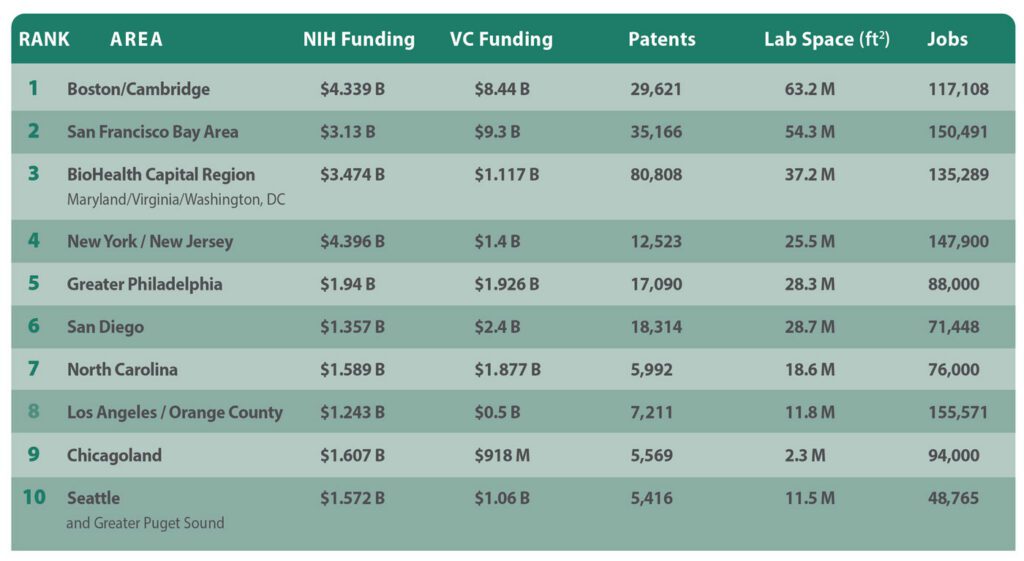
Speaking of top 10 clusters, GEN presents its latest edition of its nationally- and regionally-cited annual A-List of its top 10 U.S. biopharma cluster rankings, designed to show which regions are most competitive in attracting life sciences leaders, companies, and institutions. Over more than a decade, GEN has based its rankings on five criteria:
- Patents: Figures from the Patent Public Search database of the U.S. Patent and Trademark Office, showing the number of patent families containing the word “biotechnology” and towns and cities within a given region or state.
- NIH funding: Figures for NIH funding were taken from the publicly available NIH Research Portfolio Online Reporting Tools (RePORT) database for the current federal fiscal year through May 4, plus all of fiscal year 2025 (October 1, 2024, through September 30, 2025).
- Venture capital funding: Figures for all of 2025 and the first quarter of 2026 as compiled by regional life sciences groups and PitchBook, which joins with the National Venture Capital Association to publish the quarterly Venture Monitor reports.
- Laboratory space: The total-size-of-market figure, in millions of square feet, as furnished by regional life sciences groups. In regions that did not compile such information, the figure cited is the highest by any of several commercial real estate companies, including CBRE Group, Colliers, Cushman & Wakefield, JLL, and Newmark.
- Number of jobs: The preferred sources for job figures were regional life sciences groups. Alternative sources included commercial real estate firms.
1. Boston/Cambridge, MA

Years of growing into the nation’s top biopharma cluster have taken a toll on Boston and adjacent Cambridge, MA: The Wall Street Journal in December highlighted the inability of Boston-area PhDs to find work, while the region faces a glut of life sciences space as biopharmas and real estate developers scale back earlier plans—a 32.7% availability rate according to CBRE, up 70 basis points from Q1 2025. Takeda Pharmaceutical in March eliminated 247 jobs in Massachusetts, where the company has facilities in Lexington, MA, and Cambridge, part of a $1.3 billion restructuring that cut 634 jobs nationwide. Replimune in April chopped 223 jobs at its Woburn, MA, HQ, and Framingham, MA, manufacturing site after the FDA rejected its BLA seeking approval for RP1 [plus Bristol Myers Squibb’s Opdivo® (nivolumab)] for advanced melanoma. In February, Takeda placed 449,140 square feet within three Cambridge buildings on the sublease market, a week after Alexandria Real Estate Equities scrapped plans to convert 401 Park Drive in Boston’s Fenway section into lab space, with CEO and chief investment officer Peter M. Moglia saying the real estate investment trust was pivoting to meet growing demand for office space.
Among the region’s growing life-science companies: Genentech agreed to more than triple its space, growing from 30,000 to 100,000 square feet within One Milestone Street at the Harvard University-owned, Tishman Speyer-developed Enterprise Research Campus in Boston’s Allston section. Hemab Therapeutics (based in Cambridge and Copenhagen) and Seaport Therapeutics (Boston) both priced IPOs on April 30, raising $301.5 million and $254.88 million, respectively—a day after Avalyn Pharma (Boston) garnered $300 million in its IPO. In March, Terrestrial Bio became the first life-science tenant at Allston Labworks (250 Western Avenue) by leasing 42,000 square feet at the mixed-use building within Boston’s Allston neighborhood, while AI Proteins in January inked a 40,000-square-foot lease at 660 Commonwealth Avenue, within Related Beal’s One Kenmore Square in Boston. Regional companies finding buyers in April include Boston-based Kelonia Therapeutics and Cambridge-based Ajax Therapeutics, both to be acquired by Eli Lilly (for up to $7 billion and up to $2.3 billion, respectively) and Framingham-based KalVista Pharmaceuticals, to be acquired by Italy’s Chiesi Group for about $1.9 billion.
Boston/Cambridge enjoys the nation’s largest portfolio of lab space (63.2 million square feet according to industry group MassBio), but was bested by the San Francisco Bay Area in NIH funding (7,037 awards totaling $4.339 billion) following a year of government funding cuts. The region also placed second in VC ($6.85 billion in 2025, says MassBio; $1.59 billion in Q1 2026, according to PitchBook data cited by MassBio), but landed third in patents (29,621 families) and just fifth in jobs (117,108, according to MassBio).
2. San Francisco Bay Area

Santa Clara, CA-based Nvidia and Eli Lilly electrified the annual J.P. Morgan Healthcare Conference, held in downtown San Francisco each January, by announcing a five-year, $1-billion collaboration to create a “Co-Innovation AI Lab” in the region to address key challenges in artificial intelligence (AI) drug discovery, powered by a supercomputer that went live in February. That welcome news aside, more than one-third of the region’s life-science space is available for lease (33.7% as of Q1, according to CBRE). And more space has entered the market: Pfizer confirmed plans in April to shut down its 164,000-square-foot research facility at 181 Oyster Point Blvd. in South San Francisco, CA, shifting employees to remote jobs. Cushman & Wakefield is marketing the space for sublease. Also, on the market in “South City” is a 21,552-square-foot lab building and surrounding 3.65 acres previously occupied by the U.S. Department of Agriculture, which is selling the building for just under $48 million. In May, Foster City, CA-based Gilead Sciences disclosed plans to lay off 108 employees based in Redwood City, CA, (and 84 in Rockville, MD) following its $7.8-billion acquisition of Arcellx.
Not all the recent news is bad: Gladstone Institutes plans early next year to open approximately 20 new labs employing about 300 scientists within the 105,000 square feet it agreed to lease in March at 1450 Owens Street, within Alexandria Real Estate Equities’ Alexandria Center® for Science and Technology–Mission Bay Megacampus. Natera inked a 62,969-square-foot lease at Brittan West in San Carlos, CA, in February. And last fall, Elon Musk’s Neuralink leased the entire approximately 144,000-square-foot 499 Forbes Boulevard in South San Francisco. On the financing side, SF-based Breakout Ventures in March closed its $114-million Fund III, which aims to invest in founder-led companies applying AI in biopharma, while Palo Alto, CA-based Surf Bio, whose lead investor for its only institutional round was Breakout, was acquired by San Diego-based Halozyme Therapeutics for up to $400 million, in a deal announced in January.
San Francisco and its suburbs topped Boston/Cambridge in VC ($7.8 billion in 2025, $1.5 billion in Q1 2026, both according to PitchBook). The Bay Area is second in three criteria: patents (35,166 families), lab space (54.3 million square feet according to Colliers), and jobs (150,491 according to BIOCOM California, but “more than 147,000” according to CBRE, both from last year). In NIH funding, the region is fourth (5,180 awards totaling $3.13 billion).
3. BioHealth Capital Region (Maryland, Virginia, and Washington, D.C.)

The BHCR takes in Virginia and Maryland, both of which benefited over the past year from the domestic “reshoring” of biomanufacturing by pharma giants. AstraZeneca in November announced $2 billion in plans for Maryland that include a major expansion of its biologics manufacturing facility in Frederick, MD, and a new clinical manufacturing facility in Gaithersburg, MD. A month earlier, AstraZeneca expanded the scope of its new manufacturing facility in Rivanna Futures, near Charlottesville, VA, into a $4.5-billion project designed to support manufacturing for weight management, metabolic, and cancer technologies, including antibody-drug conjugates. The project is expected to create 600 permanent jobs. Also last fall, Merck & Co. broke ground on a $3 billion, 400,000-square-foot Center of Excellence for Pharmaceutical Manufacturing at its longstanding site in Elkton, VA, while Eli Lilly announced plans for a $5-billion manufacturing facility just west of Richmond, VA, in Goochland County that will be the company’s first-ever dedicated, fully integrated active pharmaceutical ingredient (API) and drug product facility for its bioconjugate platform and monoclonal antibody portfolio. However, a longtime strength of the region—the headquarters presence of the NIH and FDA—is now among its most serious challenges as government funding cuts chopped the workforces of both agencies last year by 3,500 and 1,200 jobs, respectively, though the FDA in recent months has worked to hire 1,000+ new staffers to fill reviewer, inspector, and investigator roles. And in May, Gilead Sciences disclosed plans to lay off 84 employees in Rockville, MD (and 108 in Redwood City, CA) following its $7.8-billion acquisition of Arcellx.
The BioHealth Capital Region fulfills its top-three cluster ambitions by continuing to lead the nation in patents (80,808 families) while placing third in NIH funding (4,665 awards totaling $3.474 billion) and lab space (37.208 million square feet according to JLL data cited by BHCR, including 9.2 million square feet of NIH labs in Bethesda, MD). The region is fourth in jobs (135,298, according to JLL and state data cited by BHCR), but seventh in venture capital ($1.117 billion in 2025, zero in Q1 2026, according to BHCR data).
4. New York/New Jersey

The Big Apple will soon see a big biotech campus emerge, the $1.6 billion, 2-million-plus-square-foot Science Park and Research Campus (SPARC) Kips Bay, projected to create more than 15,000 jobs by combining life-science space with academic and public health facilities. Exterior demolition is scheduled for the third quarter, followed by construction next year. However, Johnson & Johnson has shifted operations of its JLABS@NYC incubator to site owner New York Genome Center, part of a corporate cutback of its incubator network. The 17-member Emerging Technology Advisory Board appointed by New York Gov. Kathy Hochul (D), who is seeking re-election this year, proposed numerous efforts in December to expand life sciences activity statewide, including a $65-million “Excellence” fund and a $40-million pre-commercialization fund. At deadline, the fate of those efforts was unknown despite a tentative agreement on May 7 of a $268-billion state budget.
In New Jersey, New Brunswick’s Planning Board in February approved the $468-million H-3, the third phase of the HELIX downtown campus, a 40-story, 554,000-square-foot tower, for which the city council approved a 30-year PILOT agreement that will generate $1.8 million a year in annual payments in lieu of taxes. In suburban Westchester County, Regeneron Pharmaceuticals is completing a $1.8-billion HQ expansion in Tarrytown but has scuttled earlier plans to expand across the Hudson River into the Rockland County village of Suffern, where the company spent $39 million to buy an old Avon Cosmetics warehouse for conversion into an infectious disease lab and a cold storage facility. In February, Regeneron hired JLL to market the site for sublease.
New York and its northern New Jersey suburbs lead the nation in NIH funding (7,033 awards totaling $4.396 billion) and are third in jobs (147,900, according to Cushman & Wakefield). From there, the region falls to the middle of the pack, placing fifth in VC ($1 billion in 2025 and about $400 million in Q1 2026, both according to PitchBook), and sixth in both lab space (25.5 million square feet, according to Colliers) and patents (12,523 families).
5. Greater Philadelphia

Eli Lilly made history in January by announcing Pennsylvania’s largest-ever biotech project, a $3.5-billion biomanufacturing site planned for Upper Macungie Township, an hour’s drive northwest of Philadelphia. Lilly plans to base 850 jobs at the plant, which will produce retatrutide and other weight loss drugs when it becomes operational in 2031. Lilly also has plans for the City of Brotherly Love, namely a 44,000-square-foot Lilly Gateway Labs innovation hub in Center City West at 2300 Market set to open later this year. And, in Philadelphia’s Old City, Thermo Fisher Scientific last November opened its East Coast Advanced Therapies Collaboration Center (ATxCC) within the BioLabs for Advanced Therapeutics incubator.

The region’s rich biotech history includes the first gene therapy Luxturna® marketed by Roche-owned Spark Therapeutics—which is completing its $575 million Gene Therapy Innovation Center in University City despite laying off more than half of its Philly staff last year. In March, TerraPower Isotopes announced plans for a $450-million radioisotope manufacturing facility designed to produce actinium-225 for cancer treatments. The project will employ 225, receive $10 million in state grants, and rise within The Bellwether District, the 1,300-acre former Philadelphia Energy Solutions refinery site. Greater Philadelphia has long benefited from innovations from its institutions, two of which won more than $100 million in NIH funding during the 2025 federal fiscal year, the Perelman School of Medicine at the University of Pennsylvania to Children’s Hospital of Philadelphia (CHOP)—which last year treated KJ Muldoon (“Baby KJ”), the world’s first patient to receive a personalized CRISPR gene-editing therapy (for CPS1 deficiency). The region’s needs for more C-suite talent and venture capital remain persistent challenges to cluster growth, stakeholders told The Philadelphia Inquirer in December, though Audrey Greenberg, chair of corporate development and “Mayo Venture Partner” at Mayo Clinic and founder of AG Capital Advisors, told the Inquirer: “I’m going to be starting my companies all here in Philadelphia, because that’s where I am.”
Greater Philadelphia improved the most this year, climbing two positions in this year’s A-List after remaining fifth in patents (17,090 families) and rising to fifth in lab space (25.9 million square feet, according to Colliers’ data cited by Pennsylvania’s Department of Economic Development or DECD) and NIH funding (3,201 awards totaling $1.94 billion). The region jumped four spots to fifth in VC ($1.31 billion in 2025, $616 million in Q1 2026, says Colliers), but dipped to seventh in jobs (88,000, also according to DECD), including nearly 10,000 with cell and gene therapy expertise.
6. San Diego

The Biotechnology Innovation Organization (BIO) expects to draw 20,000 to its BIO International Convention when it returns this month to the San Diego Convention Center. The region remains a vibrant life-sciences cluster: Novartis broke ground in February on a $1.1-billion, 466,000-square-foot global Biomedical Research center in San Diego, expected to house 1,000 employees when operational in 2029, three months after opening a radioligand therapy manufacturing facility for cancer treatments in Carlsbad, CA. Eli Lilly in March completed its $1.2-billion acquisition of home-grown Ventyx Biosciences—months after the pharma opened a Lilly Gateway Labs innovation hub with Alexandria Real Estate Equities in Torrey Pines. The J. Craig Venter Institute—whose founder died April 29 at age 79—plans this summer to move its West Coast headquarters from the University of California San Diego campus in La Jolla to the downtown Research and Development District (RaDD), a $1.6-billion, 1.7-million-square-foot campus on the city’s Pacific coastline completed last year by San Diego-based developer IQHQ—which is fighting an investor’s fraud allegations related to a $50-million investment in 2020. Home-grown F5 Therapeutics (up to 10 employees) folded in March, while two other San Diego biotechs laid off employees this year: Gossamer Bio (65 employees, nearly half its workforce, as of May 15, following a Phase III trial failure) and BioAlta (70% of its staff, which was 41 as of December 31, 2025). In February, San Diego drug developer Iambic Therapeutics inked an up-to-$1.7-billion collaboration with Takeda Pharmaceutical, which will use Iambic’s AI technologies and wet lab capabilities to design and develop small molecule drugs. And global contract development and manufacturing organization (CDMO) Bora Biologics, in January, opened a $30-million expanded manufacturing facility with two to four 2,000-liter bioreactors, corresponding seed trains, and advanced downstream processing equipment.
“America’s Finest City” and vicinity stayed third in VC ($1.9 billion in 2025, says PitchBook, $743 million in Q1 2026 according to a GEN spot-check of recent deals) and fourth in patents (18,314 families) but dipped to fifth in lab space (28.685 million square feet, according to CBRE). While the San Diego region last year rose to ninth in NIH funding (2,001 awards totaling $1.357 billion), it slid to ninth in jobs (71,448, according to year-old BIOCOM California data).
7. North Carolina

Always strong on drug manufacturing, North Carolina is among the biggest beneficiaries of biopharma’s reshoring push. In April, AbbVie announced a $1.4-billion, 185-acre drug production facility in Durham County near Research Triangle Park (RTP), expected to employ 734. Roche’s Genentech subsidiary in January expanded to $2 billion its planned investment in its first East Coast manufacturing facility in Holly Springs, NC, which broke ground last year and is set to support 500+ manufacturing jobs when operational by 2029. And in November 2025, Novartis said it will expand Tar Heel State operations into a flagship manufacturing hub by adding capabilities for sterile filling of biologics into syringes and vials at its current Durham site, constructing two new Durham facilities for manufacturing biologics and sterile packaging, and building a new Morrisville, NC, site to produce solid dosage tablets and capsules, including packaging. Morrisville is where Novartis also plans to build a 56,200-square-foot facility focused on API manufacturing for solid dosage tablets, capsules, and RNA therapeutics, a project announced April 30. Manufacturing sites account for most of the combined $24.5 billion in new or expanded facilities with a potential 15,000+ new jobs that life sciences companies have announced statewide since 2021, according to the state-funded North Carolina Biotechnology Center. As for startups, Raleigh-based Slate Medicines launched in February with $130 million in Series A financing to fund development of therapies led by its migraine candidate, the anti-PACAP monoclonal antibody SLTE-1009 licensed from Zhongshan, China-based DartsBio Pharmaceuticals, and set to start Phase I trials in mid-2026.
The Tar Heel State climbed to fourth in VC ($1.6 billion in 2025, $276.8 million in Q1 2026, both according to the state-funded North Carolina Biotechnology Center). But North Carolina showed consistency on the other criteria, ranking seventh in NIH funding (2,248 awards totaling $1.589 billion) and lab space (18.6 million square feet, according to JLL), and eighth in jobs (76,000, says the Center) and patents (5,992 families).
8. Los Angeles / Orange County, CA

The region’s biopharma anchor Amgen broke ground last fall on a $600-million center for science and innovation being built within its Thousand Oaks, CA, headquarters campus, set to integrate research & development and process development teams to smooth the transition from drug discovery to commercial manufacturing. “With the first shovel in the ground, we’re reaffirming something essential: We discover here, we manufacture here, we deliver for patients from Thousand Oaks to all around the world,” Amgen chairman and CEO Robert A. Bradway said. Regional industry group BioscienceLA CEO Stephanie Hsieh recently acknowledged the region’s fragmentation as a challenge—from 88 cities in LA County alone, to the numerous county, city, and private agencies focused on growing the bioindustry— while citing strengths such as corporate anchors Amgen, Takeda Pharmaceutical, and Gilead Sciences-owned Kite Pharma, plus institutions like USC, UCLA, Cedars-Sinai, and City of Hope.
California signaled interest in growing the region’s biopharma industry last August when the state-funded California Jobs First Regional Investment Initiative awarded $23.92 million to a coalition led by Los Angeles County’s Department of Economic Opportunity (DEO) toward four programs intended to create 10,000 jobs by 2030. Most of the money ($19 million) was approved for a DEO revolving loan fund to support startups, especially those looking to graduate from the Larta Institute’s commercialization and capital access accelerator into lab space within Los Angeles County. Larta was awarded $3.3 million to expand its Heal.LA Bioscience & Healthcare Accelerator and assist small startups via its Larta Impact Fund, a revolving loan fund.
Los Angeles/ Orange County would still lead the nation in jobs, based on a year-old BIOCOM California tally of 155,571, which also includes San Bernardino and Ventura counties; figures run as low as 116,000, compiled last year for the four counties plus Riverside and Santa Barbara counties (regional industry group SoCalBio). The region finished seventh in patents (7,211 families), eighth in lab space (11.7 million square feet, according to JLL), and 10th in both NIH funding (1,911 awards totaling $1.243 billion) and VC ($500 million in 2025, zero in Q1 2026, according to PitchBook).
9. Chicagoland

At least one developer has pivoted to a large non-biotech tenant to help fill a Chicago campus once envisioned as a life-sciences mecca: Trammell Crow in March inked a $100-million, 169,860-square-foot lease with candy/chocolate giant Mars to base 600 jobs at 400 North Aberdeen Street within the Fulton Market campus. Other biotech spaces are in the works: In North Chicago, Rosalind Franklin University of Medicine and Science plans to nearly double the size of its Helix 51 biomedical incubator to just under 13,000 square feet by adding 6,000 square feet of new lab and office space, citing growing demand from early-stage biotechs. The expansion is expected to create space for up to 10 additional companies. Also in North Chicago, home-grown AbbVie announced plans to build two new API manufacturing facilities totaling $380 million at its campus in the Chicago suburb. The facilities—designed to support production of next-generation neuroscience and obesity treatments—are set to be fully operational in 2029. However, AbbVie opted to build its planned $1.4-billion biomanufacturing campus not in North Chicago but 821 miles southeast in Durham, NC. Across Illinois, biotech stakeholders have applauded Gov. J.B. Pritzker (D) for proposing to sweeten the state’s Research & Development Tax Credit program by allowing companies to transfer their credits for cash. “This is a transformative step for our startup and growth-stage ecosystem,” stated John Conrad, president and CEO of the Illinois Biotechnology Innovation Organization (iBIO). Pritzker is seeking a third term in November vs. Darren Bailey (R).
The Windy City and vicinity rank sixth in both NIH funding (2,658 awards totaling $1.607 billion) and jobs (94,000, according to statewide industry group Illinois Biotechnology Innovation Organization or iBIO). The region places ninth in patents (5,569 families) and VC ($917.677 million in 2025, says iBIO, zero in Q1 2026,
10. Seattle
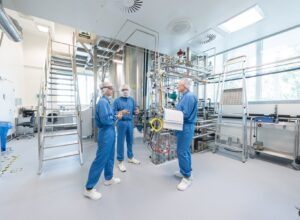
Seattle and the Greater Puget Sound’s strong base of academic and other nonprofit research institutions helped the region achieve consecutive years of Nobel laureates: Mary E. Brunkow, PhD, of the Institute for Systems Biology in Seattle co-won the 2025 prize in Physiology or Medicine a year after David Baker, PhD, director of the Institute for Protein Design at University of Washington (UW), co-won the 2024 prize in Chemistry. A UW spinout, Seattle-based 3D tissue model developer Curi Bio, closed in December on a $10-million Series B financing led by South Korean contract research organization DreamCIS. In April, Achieve Life Sciences (based in Seattle and Vancouver, BC) announced an up-to-$354 million private placement whose purposes include funding a Phase III trial and future commercialization of e-cigarette cessation candidate cytisinicline, while Athira Pharma landed up to $236 million in conjunction with acquiring exclusive rights from Sermonix Pharmaceuticals to the Phase III metastatic breast cancer candidate lasofoxifene. AGC Biologics, a global CDMO, expanded its regional research footprint last fall by signing a 37,575-square-foot lease at Element Research Center in Bothell, WA. However, Astellas Pharma told Washington state officials in April it will shutter the Seattle site of its Universal Cells subsidiary by 2028, with 50 employees to be impacted via layoffs or transfers to South San Francisco, CA, or Westborough, MA.
Seattle and its suburbs placed highest at eighth in both NIH funding (eighth with 1,892 awards totaling $1.572 billion) and VC ($1.06 billion in 2025, zero in Q1 2026, according to industry group Life Science Washington). The region was ninth in lab space (11.46 million square feet, according to regional real estate firm Flinn Ferguson Cresa) and 10th in both jobs (48,765 according to Life Science Washington) and patents (5,416 families).
The post Top 10 U.S. Biopharma Clusters 2026 appeared first on GEN – Genetic Engineering and Biotechnology News.
Targeted Protein Degradation Broadens Its Scope
Like any complex system, the cell depends on a tightly regulated quality control network to maintain order and prevent the accumulation of harmful proteins. This network governs protein homeostasis, including the synthesis, folding, trafficking, and ultimately the clearance of proteins. When these processes fail, aberrant or misfolded proteins can accumulate and drive disease.
Targeted protein degradation (TPD) therapeutics seek to harness this intrinsic quality control machinery to selectively eliminate disease-causing proteins. Central to this approach is the principle of induced proximity, in which a designed molecule brings a target protein into close contact with a cellular effector, triggering its removal through endogenous degradation pathways.
Two major systems underpin these processes. The ubiquitin-proteasome system governs the degradation of intracellular, soluble proteins, where targets are tagged with ubiquitin by a cascade of enzymes, including E3 ubiquitin ligases, and directed to the proteasome for destruction. In parallel, lysosome-mediated pathways handle larger, membrane-bound, extracellular, or aggregated proteins by routing them through endocytic or autophagic mechanisms for degradation.
Building on these natural systems, a growing toolkit of TPD modalities has emerged. For example, proteolysis-targeting chimeras (PROTACs) exploit the ubiquitin-proteasome system, while newer approaches such as lysosome-targeting chimeras, including sortilin-based lysosome targeting chimeras (SORTACs), extend degradation to extracellular and membrane-associated proteins. Molecular glues, by contrast, stabilize interactions between E3 ligases and target proteins without requiring a bifunctional design, further expanding the scope of induced proximity strategies. Additional degrader technologies are being developed.
Although first described more than 25 years ago, TPD is now entering a phase of rapid maturation and increasing therapeutic relevance. By operating through catalytic, event-driven mechanisms rather than traditional occupancy-based inhibition, these approaches offer the potential to address previously “undruggable” targets, overcome resistance mechanisms, and deliver more durable clinical responses. At the same time, key challenges remain, including expanding access to extracellular targets, improving target validation strategies, and navigating an increasingly complex and data-rich development landscape.
Tackling the extracellular frontier
Early TPD efforts have primarily targeted cytosolic proteins, leaving extracellular and membrane-bound targets (estimated to comprise about 40% of the human proteome) largely unaddressed.
“Many key drivers of disease, including inflammatory cytokines, protein aggregates, and secreted factors, remain inaccessible to conventional PROTAC-based approaches,” says Simon Glerup, PhD, co-founder and CSO, Draupnir Bio, a spinout from Aarhus University (Denmark).
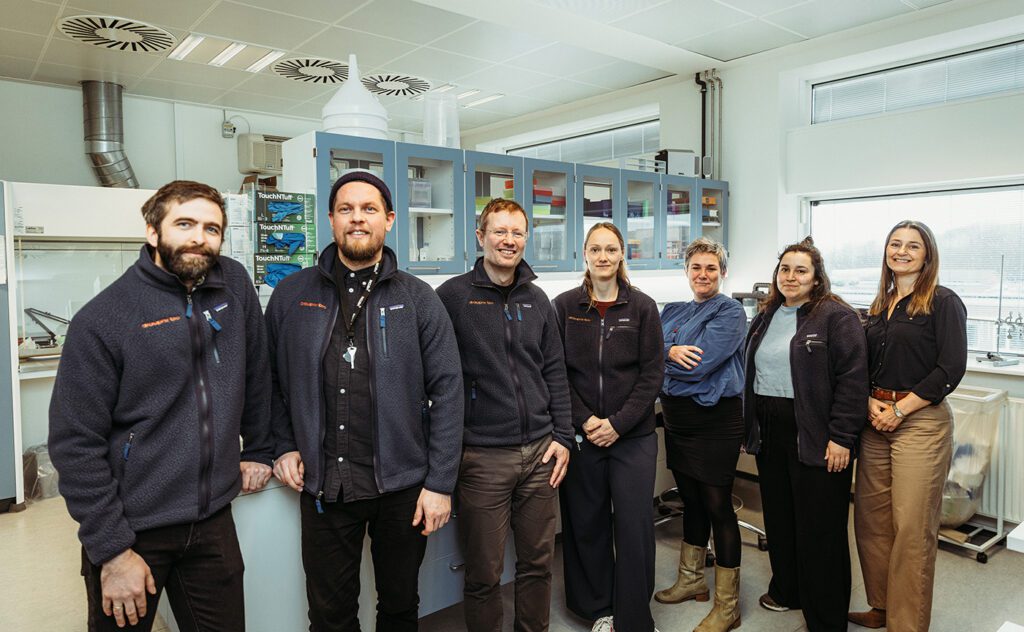
The company is addressing this gap by utilizing its proprietary SORTAC platform, a modular, small-molecule technology designed to degrade extracellular proteins by harnessing the natural lysosomal clearance pathway. Glerup notes that “these targets are central to diseases such as neurodegeneration and inflammation, yet remain difficult to drug with existing modalities.”
SORTACs are bifunctional small molecules composed of a sortilin-binding module linked to a target-binding ligand, enabling formation of a ternary complex between an extracellular disease protein and the lysosomal receptor sortilin, which drives internalization and degradation in lysosomes. Glerup elaborates, “Unlike antibody-based or intracellular TPD approaches, SORTACs combine the advantages of small molecules (such as potential oral delivery and tissue penetration) with catalytic, event-driven pharmacology. The platform has demonstrated hallmark TPD properties, including ternary complex formation and catalytic turnover, with in vitro and in vivo degradation of therapeutically relevant targets.”
Glerup emphasizes that SORTACs enable degradation of both soluble and membrane-associated proteins and leverage receptor recycling to drive sustained target clearance.
The company has launched a multi-partner Danish initiative, DESYNA (Degradation of Extracellular α-SYNuclein Aggregates) in collaboration with Aarhus University, focusing on Parkinson’s disease. Accumulation of α-synuclein aggregates is a key driver of disease, and the approach aims to selectively degrade these pathogenic species and halt their progression.
Glerup believes extracellular TPD represents the next major wave of innovation in the field. “By extending TPD beyond the cell’s interior, the cytosol, SORTAC has the potential to unlock a large and previously inaccessible target space. With growing validation and collaborative efforts such as DESYNA, there is strong reason for optimism that this approach can deliver transformative therapies for diseases that currently lack effective treatment options.”
Enabling TPD workflows
Advancing TPD depends on a coordinated ecosystem of tools that support target validation, mechanistic interrogation, and translational predictions. Within this context, attention is increasingly focused on the central challenge of translating mechanistic promise into consistent patient benefits.

Senior Director
Bio-Techne
“I think we are on the brink of seeing TPD and induced proximity truly usher in a new era in drug discovery as we await the first clinical approval of a PROTAC degrader,” says Hannah Maple, PhD, senior director at Bio-Techne®. At the same time, she notes that “one of the challenges with this as a new drug modality is to gain a deeper understanding of where the maximum patient benefit lies from a target and indication perspective.”
That uncertainty places renewed emphasis on target validation strategies. Maple elaborates, “Driving efficacy versus standard of care in a predictable way remains a challenge, despite in many cases strong mechanistic rationale for degradation versus inhibition of a particular target. For this reason, I would keep target validation high on the list of key challenges for the field as it relates to driving clinical impact and patient benefit with this technology.”
To support this critical transition, Maple says Bio-Techne has established long-standing collaborations with leading research groups to co-develop new technologies and support training of the next generation of TPD scientists. The company has also built an integrated portfolio of tools spanning biological reagents, chemical probes, and assay platforms with TPD-focused capabilities across its R&D Systems portfolio brand, including the Tocris small-molecule products.
Maple provides an example. “Some of the most useful categories of tools for target exploration and validation in the context of TPD are the R&D Systems’ Tocris Tag Degradation Platforms and self-labeling protein tag platforms.” These approaches involve fusing a small protein tag to the protein of interest and pairing it with a complementary small-molecule ligand that binds the tag. The tag ligand is typically bifunctional and can be developed to recruit an E3 ligase to the protein-of-interest, eliciting degradation in a controllable, tunable manner.
Within this ecosystem, protein-level tools support target interrogation and validation. Maple highlights self-labeling tag systems as particularly valuable. “Through our R&D Systems brand, we have built a leading portfolio of these technologies, and very recently launched BromoCatch, a next-generation self-labeling tag platform that was co-developed with [the lab of Alessio Ciulli, PhD] at the Centre for Targeted Protein Degradation, University of Dundee. BromoCatch represents a powerful, modular platform that uses a low molecular weight protein tag. The benefit of this approach is to minimally perturb the native localization or function of the protein being tagged, versus prior larger tags that could cause undesired functional effects.”
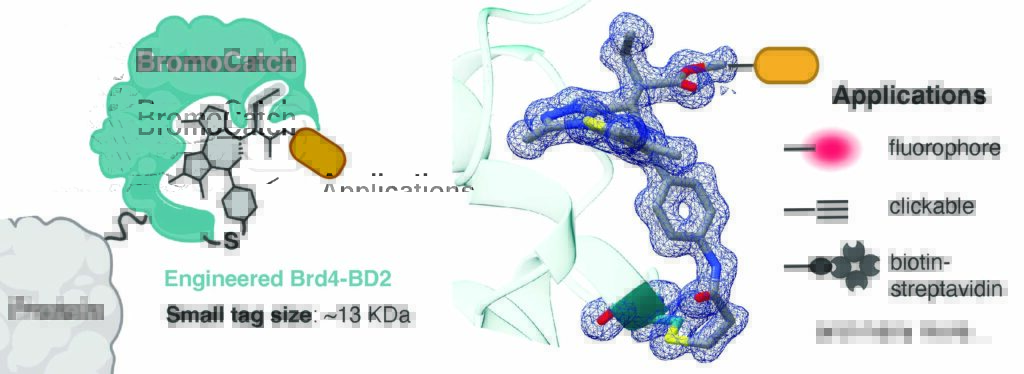 is a small, rationally designed self-labeling tag platform for targeted protein analysis, manipulation, and degradation.
[Bio-Techne]
Complementing these approaches, the R&D Systems portfolio provides targeted degradation reagents such as dTAG-13, a heterobifunctional degrader used in tag-based systems to selectively eliminate engineered proteins of interest, offering a chemical alternative to genetic knockdown approaches.
Maple reports that another impactful technology of Bio-Techne’s R&D Systems portfolio is their Simple WesternTM automated western blot instruments. She explains, “TPD heavily relies on western blotting, but scaling screening campaigns using this as a primary assay is a huge time and resource drain, with variable data quality and poor reproducibility. Simple Western technology allows researchers to get reliable, reproducible and quantitative degradation data on a fully automated instrument.”
Enhancing pipeline intelligence

Lead Research Analyst
Beacon by Hanson Wade
Keeping pace with the fast-moving TPD landscape can be daunting. “Part of the problem is that reliable data is hard to come by, particularly in regards to the advancements coming out of China, with developers still relying on their own, in-house methods to generate viable, orally bioavailable lead candidates at the cost of significant time and investment,” observes Flavio Lima Bianchi, lead research analyst at Beacon by Hanson Wade.
As evidence of this challenge, Bianchi notes that despite PROTACs comprising roughly a third of the overall TPD landscape, “to date less than five percent of PROTACs have managed to progress into the clinic and only a select few drugs have reached late-state, pivotal studies.”
The company is addressing these limitations in several ways. “We aggregate all available TPD data and render it into an easily searchable and digestible format. Too often is information siloed within organizations and, perhaps more importantly, failed degraders are rarely published or are quietly swept under the rug.”
He continues, “Beacon leverages a mixture of publicly available and proprietary data obtained directly from developers to track every single TPD program globally and to lift the lid on both the successes and the failures, enabling developers to make better, more informed decisions.”
While investigators relying on in-house methods may spend significant time searching available information, Bianchi emphasizes that their platform extends well beyond data access. “Beacon TPD is a subscription-based intelligence platform, providing users the ability to search comprehensive, curated preclinical, clinical, and commercial data across the induced proximity landscape. Aside from this primary search and retrieve function, Beacon’s additional functionalities include analyst reports, conference summaries, weekly newsletters and alerts, all designed to keep users abreast of the latest development within their field of interest.”
Broadening TPD horizons
Bio-Techne’s Maple envisions TPD expanding well beyond its original scope. “I think about TPD as one portion of a broader induced proximity revolution. The basic principles and technological breakthroughs that have driven TPD can be applied to targeted protein localization, stabilization, modulation, etc. This opens new optionality from a therapeutic standpoint and is also opening entire new fields of basic research enabled by these new principles and chemical tools.”
The post Targeted Protein Degradation Broadens Its Scope appeared first on GEN – Genetic Engineering and Biotechnology News.
Organ Chips Move Towards Mainstream Drug Development, with Hurdles Ahead
In April 2025, the U.S. Food and Drug Administration (FDA) released a strategic roadmap to make animal testing the exception for preclinical safety and toxicity studies within the next three to five years. Central to that vision is the adoption of validated new approach methodologies (NAMs), including organ-on-chip systems. The National Institutes of Health reinforced that shift the same month by requiring that all new notices of funding involving animal models incorporate human-focused approaches such as organ chips and other NAMs. Similar changes are emerging globally. In November 2025, the U.K. government published its roadmap to largely phase out animal testing in research while accelerating the development and validation of alternative methods.
For organ-on-chip developers, growing interest from federal agencies is a welcome trend. They are currently generating the data necessary to show that their technologies can work in stringent regulatory environments. However, there are still outstanding questions around validation standards, regulatory expectations, and how NAM data will be evaluated in submissions. At the same time, adoption remains slow, with drug developers continuing to rely largely on established animal models, which command billions in investment compared to the much smaller organ-chip sector.
Still, it is clear that momentum is building behind NAMs. And in response, organ-chip developers are stepping up to ensure that their platforms can produce results when the time comes.
From space flight to lab scale-up
When the Artemis II astronauts launched their historic 10-day journey around the Moon in April 2026, they carried some unusual cargo: organ chips containing cells from their bone marrow. The chips are part of the AVATAR (A Virtual Astronaut Tissue Analog Response) investigation, which is using organ-on-chip devices to study the effects of deep-space radiation and microgravity on human health.
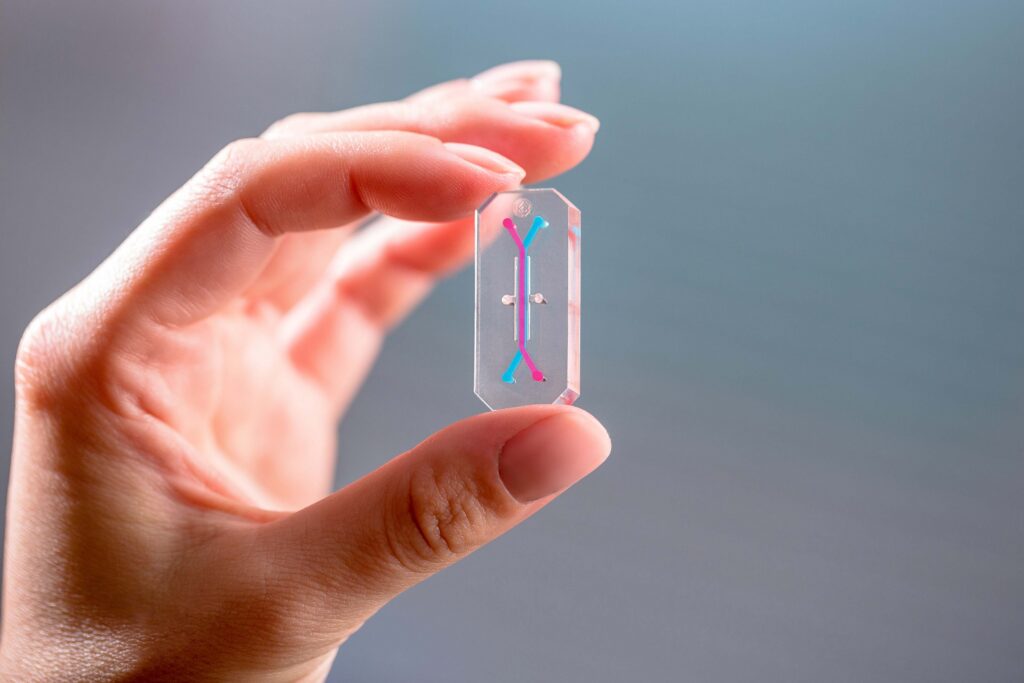
Before the trip, cells from the astronauts were harvested to create two sets of bone marrow chips: one set traveled beside the crew aboard their spacecraft, while another remained on Earth. The idea was to compare both sets of chips when the astronauts returned to Earth. More broadly, the AVATAR project also aims to provide proof-of-concept for including human organ chips in future missions.
In 2025, Emulate announced that its organ-chip technology was selected to accompany the astronauts on their lunar fly-by. It is an exciting project for Emulate, which commercializes human organ-chip technology developed at the Wyss Institute for Biologically Inspired Engineering at Harvard University. But it is only one of several activities that the company has been involved in the recent past. The company’s liver organ chips were one of the first to be accepted for the FDA’s Innovative Science and Technology Approaches for New Drugs (ISTAND) program, which supports tools that fall outside the scope of existing qualification programs but may still be useful for drug development.

Chief Scientific Officer
Emulate
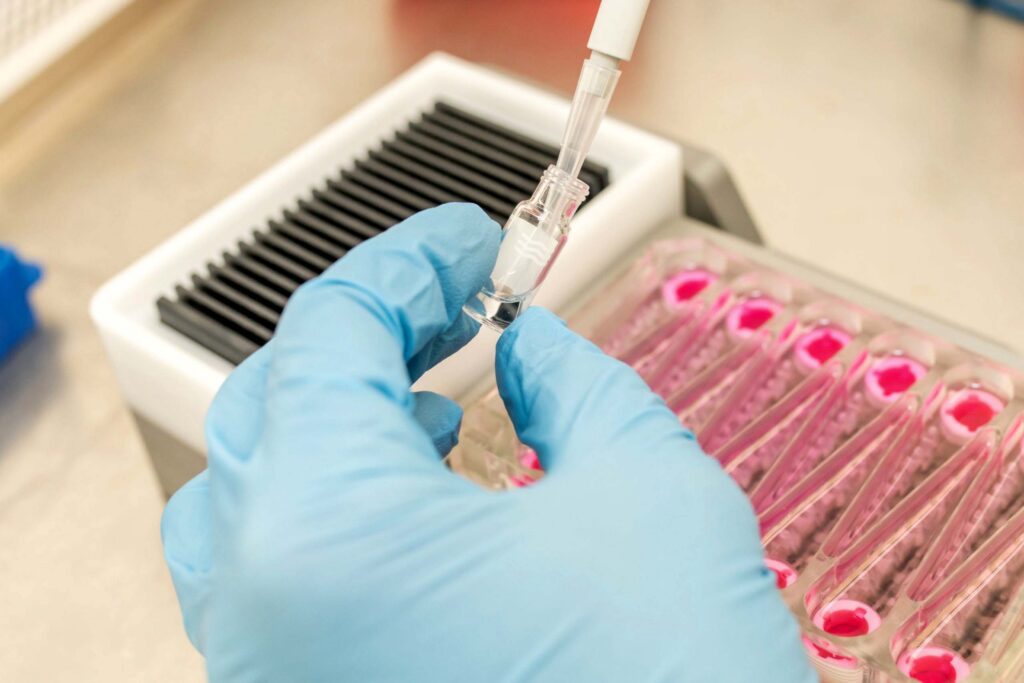
In a conversation with GEN, Lorna Ewart, PhD, Emulate’s chief scientific officer, described 2025 as a pivotal year both externally—with announcements from multiple federal agencies promising increased support for organ chips—and internally, with the launch of Emulate’s new instrument, AVA, in June 2025 to address what Ewart describes as “key operational challenges” with the company’s first-generation platform. AVA has a higher throughput than its predecessor, enabling microfluidic workflows across 96 parallel organ chips or “emulations” in a single run. The company claims that it is the first organ-on-chip workstation to combine high-throughput microfluidic tissue culture with automated imaging in a self-contained environment.
Interest in the instrument to date has come primarily from large pharmaceutical companies and mid-sized biotech firms, who need to run large numbers of chips in parallel. But, Ewart says, there is also strong interest from academic institutions and government agencies. Some of that interest is driven by AVA’s much smaller footprint. Compared to Emulate’s first-generation system, AVA is a compact benchtop system that does not require multiple incubators. The company has also reduced the size of each emulation, or chip equivalent, by about 50%, meaning that the new platform requires fewer cells and uses less media, helping to keep experimental costs down. “Academics are actually quite excited about getting their hands on it and looking at it as a core lab instrument where multiple labs will be able to use it.”
AVA also addresses concerns about reproducibility, a consistent source of worry for drug developers, and one that Emulate has made a priority. The company has shared data showing that its liver-chip biology is reproducible both internally and externally in laboratories using AVA. The company has also taken steps to minimize technical variability within experiments as well as bias when running AVA at scale. “We need to make sure that the first chip array looks the same as chip array eight,” Ewart says. “If it doesn’t, there’s variability across those different [chip arrays] that will impact the way that a user can design, what we would refer to as a fully burdened experiment.”
More complex, automated models
When it first launched, U.K.-based organ-on-chip company CN Bio started with a liver-on-a-chip platform, but has since expanded to include various organ models, including intestine, lung, and kidney. The company’s commercial platform is built on technology developed in the laboratory of Linda Griffith, PhD, at the Massachusetts Institute of Technology.

Chief Scientific Officer
CN Bio
Currently, CN Bio has applications in multiple arenas, including safety, toxicology, and disease modeling. “For example, in the toxicology space, we have a very well-known and well-utilized model of drug-induced liver injury,” Tomasz Kostrzewski, PhD, the company’s CSO, tells GEN. That model is being utilized by several global clinical research organizations to offer assays as a service. The company also has a multi-organ system that links its intestine and liver chip models, which can be used to predict the oral bioavailability of drugs, and a range of disease models for metabolic liver disease, chronic obstructive pulmonary disease, and more.
Perhaps one of the biggest challenges, from Kostrzewski’s perspective, is the misconception among some stakeholders that organ chips can fully replace animal models today. That is not a position that the organ-chip community has advocated for, he says. The focus should be on “using these tools to answer the right question and [in] the right context of use at the right time alongside all those other approaches that are out there.”
Development plans in the near future involve making incremental improvements that refine CN Bio’s platform over time. “One key area that we’re working on is immunology and adding in more complex immune cultures into our chips,” Kostrzewski says. Recently, “we presented some of the first data [incorporating] peripheral immune cells in our liver model and looking at the toxicity of monoclonal antibodies.” Some customers are building “neuronal blood brain barrier models on our platform” with an eye towards “understanding how drugs can penetrate across that barrier.” In parallel, the company is expanding into new organ systems, including kidney models, via partnerships.
The company is also turning to automation to help customers scale their work. CN Bio’s open design integrates well with standard robotic systems, making it well-suited for high-throughput workflows, Kostrzewski says. Customers could run more chips in parallel as part of larger screening studies with more consistency and less human intervention. There is also the potential to incorporate sensing capabilities, much like those used in biomanufacturing, to monitor system performance in real time and generate functional readouts.
In addition, the company is working to demonstrate to drug developers that organ chips can generate valuable translational data that predicts clinical outcomes. That certainly has been true for CN Bio as “we have a number of molecules that we have helped take to the clinic” that have been proven successful, says Kostrzewski. And there are customers using its organ chips “to make no-go decisions” regarding potential drug programs. “That’s the ultimate proof that these technologies do what they say,” he says.
Digital twin and multi-organ models
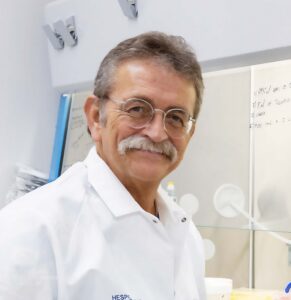
Hesperos’ co-founders, James Hickman, PhD, and Michel Shuler, PhD, have been involved in the organ-chip space since its early conception. In fact, the technology that underpins the company’s services emerged from work that both scientists were doing independently in their laboratories. Today, the company provides drug development services using its Human-on-a-Chip® single- and multi-organ systems in areas such as neurodegenerative disease.
In April, the company published a study in Alzheimer’s & Dementia: The Journal of the Alzheimer’s Association focused on familial Alzheimer’s disease (fAD). Specifically, scientists at Hesperos and the University of Central Florida (UCF) used a neuromuscular junction (NMJ) multi-organ chip to show that fAD-associated mutations caused specific impairments in NMJ functions that occurred independently of brain pathology. Building on that work, Hesperos scientists and their collaborators are trying to understand what therapeutics could potentially be useful for both the peripheral and central nervous systems, as well as which would need to be specific for each.
Last year, the company also demonstrated what they claim is the first true digital twin capability using an organ-on-chip platform. That capability is described in an Advanced Science paper where the scientists explain how a multi-organ system comprising human liver, spleen, endothelial tissues, and blood was used to replicate the full lifecycle of Plasmodium falciparum, the parasite responsible for malaria. They plan to publish additional studies on their work on digital twins. Additionally, like Emulate, Hesperos is also participating in the FDA’s ISTAND program.
Co-founder
Hesperos
In a conversation with GEN, Hickman described the broader adoption of organ-on-chip technology as a mixed bag, with some people being more open to the technology and others showing more resistance. He noted that many in the community are still accustomed to using animal models, which may make them more reticent to change, but also acknowledged that animal testing is a multi-billion-dollar business. “There are a lot of people with a vested interest in keeping animal experimentation going,” he says. That means that although people may be interested in alternatives like organs-on-chips, from a practical perspective, it may be difficult for them to disengage from their reliance on animal models.
He also pointed to the FDA’s evolving guidance on alternative technologies—and the lack of clarity—as one of the biggest hurdles. “People are still trying to get their hands around the FDA announcements on moving away from animal models,” and trying to understand what the agency wants to see, Hickman explained. “We have a pretty good idea of what that [might be needed and] we work with a couple of people [to] generate data along those lines,” he says. “The biggest thing is to start getting [clearer guidance] in terms of what they will accept in lieu of safety data.” There are also questions around whether good laboratory practice (GLP) requirements for these new approach methodologies need to mirror those for animal studies, given the differences between the systems. “Doing GLP is really expensive,” Hickman said, and requiring the same standards could effectively put many companies out of the running to conduct safety studies because they can’t afford it.
Equally important is addressing the limited investment in organ chip and other alternative technologies. Hickman estimates that commercial NAM entities collectively generate hundreds of millions in revenue, compared to tens of billions secured by large animal CROs. Although federal agencies have committed to supporting NAMs, providing millions in funding, greater investment is needed for these alternative technologies to come into their own. Hickman added, “It’s a matter of trying to increase that capacity to really start showing that it’s a force in the industry versus a shiny new toy that people haven’t quite figured out what to do with.”
The post Organ Chips Move Towards Mainstream Drug Development, with Hurdles Ahead appeared first on GEN – Genetic Engineering and Biotechnology News.
Next Generation Biopharma Innovation
Researchers are digging deeper into biology’s complexity. In preclinical research, the traditional in vivo models are simply not enough to fuel the engine with the relevant translational data needed to progress successfully to the clinic.
As research needs evolve in immunology and immune-oncology—as focus on neuroscience increases and metabolic drugs such as GLP-1-based therapeutics become more prevalent—in vivo model suppliers are being requested to up the game on new platforms. In response, these suppliers are expanding their humanization platforms while developing advanced models that can be used to study complex and overlapping disease biology.
Regulatory factors also affect this market. The continued focus on the reduction of the use of animals by U.S. and European regulatory authorities has further opened the door to new approach methodologies (NAMs). NAMs are not new. Organ-on-chip or microphysiological systems, organoids, and iPSCs have been available for years. Finally, these systems are entering the limelight. Although the NAM market still requires more standardization across platforms, these systems are starting to impact preclinical research.
Building translational engines
The Jackson Laboratory (JAX) recently launched its latest humanized model, the NSG®-SGM3-IL15-MHC I/II DKO (S15-DKO). The S15-DKO represents their latest advancement in generating PBMC-humanized mice, supporting broad engraftment of immune cell subtypes such as CD4+ and CD8+ T cells, CD33+ myeloid cells, and CD16+/CD56+ natural killer (NK) cells. The knockout of the murine MHC Class I/II receptors delays the onset of Graft vs. Host Disease (GvHD).
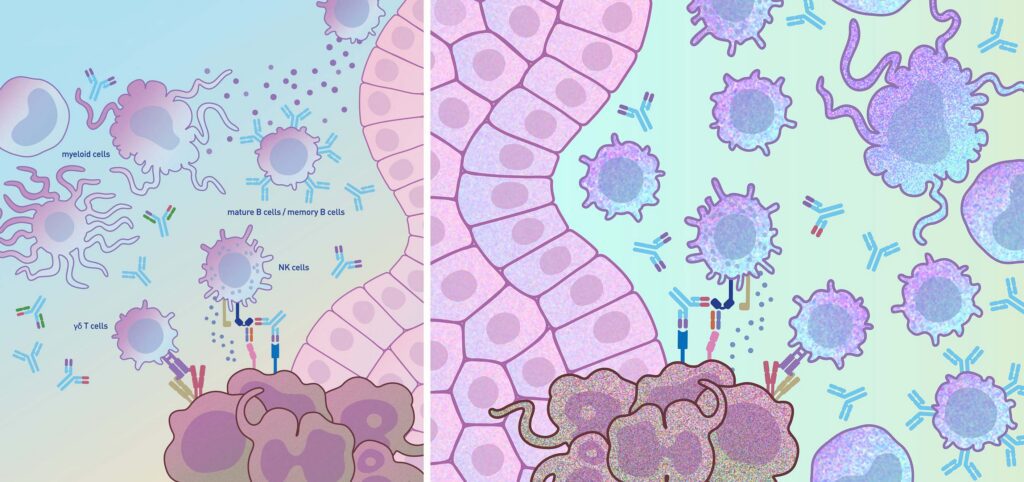
The model also supports the engraftment of rare immune cell subsets, including gd T cells and CD19+/CD38+ B cells that retain the memory state of the donor PBMCs.
Another advanced model for CD34+ hematopoietic stem cell (HSC) humanization, the NSG-FLT3-IL15 mouse generates a cellular-diverse human immune system encompassing myeloid cells, mature NK cells, functional dendritic cells, and T cells.
Both models are available in naïve strains, or off-the-shelf pre-characterized PBMC- and HSC-engraftment, along with full preclinical services tailored to immuno-oncology and autoimmune drug discovery.
“With the FDA’s renewed focus on reducing reliance on non-human primates in biologic development, demand for validated, translational preclinical models has never been higher,” said Luke Dimasi, senior director, JAX.
The genetically humanized FcRn platform and the newly expanded Tg32 hALB mouse address this need. Lacking murine Fcgrt and albumin while expressing their human counterparts, the Tg32 hALB is the first model for studying the pharmacokinetics and pharmacodynamics of human albumin therapeutics, as well as human IgG and Fc-domain-based biologics. Preclinical mAb testing services are available.
“Our offering extends beyond the vivarium,” Dimasi emphasized. JAX’s iPSC repository continues to grow with engineered lines carrying disease-relevant mutations linked to Alzheimer’s, Parkinson’s, ALS, and frontotemporal dementia. In 2025, JAX added HALO-tagged and TET-inducible lines to the collection. The acquisition and integration of the New York Stem Cell Foundation (NYSCF) brings complementary patient-derived iPSCs to the portfolio.
“As the field moves towards new approach methodologies (NAMs), we are evolving alongside it,” Dimasi pointed out. “Our in vivo mouse capabilities give us decades of deeply validated biological context. We are now layering human iPSCs and AI-computational phenotyping on top of that foundation to build a convergent translational engine that no single approach could deliver alone.”
Developing relevant models
According to Jason Rashkow, PhD, product manager for research models, Charles River Laboratories, the company’s comprehensive collection of spontaneously developing rat models spans metabolic disease, diabetes, hypertension, and heart failure, providing strong translational relevance across cardiometabolic indications.
Custom diet preconditioning services allow researchers to tailor disease progression to specific study objectives through strategic model selection and diet design. Standardized preconditioning offerings are planned. “This approach will accelerate study initiation, giving researchers faster access to these metabolic disease models,” said Rashkow.
The increasing prevalence of GLP-1-based therapeutics and next-generation incretin and poly-agonist therapies expanding into cardiometabolic indications such as heart failure with preserved ejection fraction (HFpEF) is accelerating demand for advanced disease models. The combination of established disease models, standardized preconditioning approaches, and custom solutions reflects the complexity of modern metabolic drug development.
In addition, optimization of the generation of CD34+ HSC-humanized mice continues. These models, developed on the severely immunodeficient NCG strain, support research in immuno-oncology, autoimmune disease, vaccine research, and related fields.
As immuno-oncology research needs shift, so does the need for models that enable the study of NK cell-based therapies, tumor microenvironment reprogramming, and cancer vaccines. “Although variant NCG models expressing human cytokines or HLA transgenes begin to meet these needs, transgenes can influence humanization requirements,” Rashkow noted.
To counteract this, the company expanded access to a peripheral blood mononuclear cell (PBMC) engrafted NCG variant strain carrying a double knockout for murine MHC class I and class II, which significantly delays the onset of GvHD, allowing for longer-term studies in the context of mature T cells.
To better support researchers studying HLA-A2-restricted immune responses in vivo, humanization optimization of a NCG variant expressing human HLA-A*02:01 was completed. Further development of the humanization protocols for other variant strains will support next-generation immunotherapy discovery and translational research.
Lastly, the expanded aged C57BL/6 mouse offerings support researchers investigating age-related disease. As a licensed distributor of JAX® Mice to researchers in Europe and Asia, Charles River Europe can now provide aged C57BL/6J mice up to 90 weeks of age. In North America, Charles River offers aged C57BL/6N mice up to 77+ weeks of age.
Improving translational fidelity
“Improved translational fidelity, increased demand for study-ready systems that better align with clinical endpoints, and the need to model complex and overlapping disease biology are driving model development,” related Michael Seiler, PhD, vice president of portfolio management, Taconic Biosciences.
Complex modalities such as checkpoint inhibitors and engineered cell therapies require more complete immune system function and deeper phenotyping. Expansion of the FcResolv® NOG portfolio and huSelect services reduces murine immune interference and donor variability. Advanced flow cytometry panels support deeper, standardized
immune profiling.
Planned launches include platforms and models designed to support immuno-oncology, biologics, engineered cell therapies, infectious disease, and autoimmune research, with a focus on more complete and functional human immune system biology. Gene and protein analysis services are available.
In neuroscience, the shift is toward better alignment with clinical disease biology, particularly in Alzheimer’s disease and neuroinflammation, along with increased focus on blood-brain barrier (BBB) biology and CNS delivery. Parkinson’s disease model offerings include aSyn KI/KO, PINK1 KO, and LRRK2 KO rat models.
Future models include BBB-focused platforms such as TFRC and CD98, ARTE10 crosses with BBB models, and neuroimmunology-focused NOG variants, including IL-34 and TREM2-related models.
The rapid growth of obesity therapeutics, including GLP-1 and next-generation incretin approaches, is accelerating demand for more predictive metabolic and liver models in cardiometabolic disease. A range of models are aimed at obesity, MASH, cardiovascular disease, and DMPK applications.
Taconic is expanding its capabilities in transgene characterization, CRISPR off-target analysis, and tiered Custom Model Generation Solutions. The acquisition of TransCure bioServices significantly bolsters support of integrated in vivo study services, particularly in humanized immune system and immuno-oncology research. “We now offer a more seamless, end-to-end solution from model selection through study execution and data generation,” said Seiler.
“We continue to evolve toward integrated solutions rather than standalone models. This includes expanded CMS and CMGS capabilities, humanization-as-a-service, deeper phenotyping and multiomic analysis, and partner-enabled data generation,” Seiler added.
Importantly, the move toward integrating in vivo models with complementary technologies such as organoids, iPSCs, and AI-enabled analysis will influence how models are developed and deployed within research workflows.
Standardizing NAMs
The field is clearly shifting toward ready-to-use biology, producing a strong demand for standardized NAM platforms and services that deliver consistent, high-quality results. To facilitate scientists, MIMETAS continues to develop robust OrganoReady® models and advanced services, including immune-competent and vascularized systems across multiple organs.
“Last year, we strengthened our fee-for-service capabilities and advanced several models to deliver high-quality biology in a consistent, scalable way,” said Paul Vulto, PhD, co-CEO and co-founder, MIMETAS. “We made strong progress in our kidney tubuloid research program, CAR T-related applications, and a BBB model under unidirectional flow.”
The novel human distal nephron-on-chip model in the OrganoPlate® replicates physiologic sodium and water transport using primary human kidney cells. This three-dimensional microfluidic platform, as detailed in Kidney360, serves as a high-throughput tool for functional drug screening and investigating distal nephron physiology and disease.1
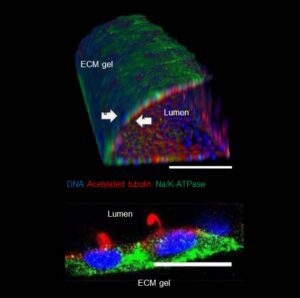
In addition, a three-dimensional BBB microvasculature model developed on the OrganoPlate Graft 48 UniFlow was evaluated in a recent Fluids Barriers CNS publication. Tri-cultures of endothelial cells, pericytes, and astrocytes were used to demonstrate that this pump-free, unidirectional perfused, three-dimensional BBB model outperformed simpler systems on vascular architecture and barrier function. Its high-throughput nature renders the model suitable for studies of BBB function in health, disease, and therapeutic development.2
This year, the company’s UniFlow technology will be offered for in-lab use, enabling customers to create a stable, perfusable vascularized bed for endothelial tissues. New OrganoServices for gastrointestinal toxicity (GI tox) and drug-induced vascular injury (DIVI), alongside a multi-donor expansion of the OrganoReady Colon Organoid product, are also planned.
A major trend in NAMs is the increased need for standardization and regulatory alignment across the field. With initiatives like IAMPS (Industry Alliance for MicroPhysiological Systems), of which MIMETAS is a founding member, industry innovators will work together to advance regulatory acceptance.
The space is evolving quickly, but Vulto emphasized that their focus remains unchanged: building robust human models that help researchers make better decisions.
Improving organoid access
“Organoids are part of a broader innovation focus to help researchers work with more predictive models, more advanced tools, and more connected workflows across the path from discovery to development,” commented Heather Hargett, PhD, head of cell biology reagents franchise at MilliporeSigma, the U.S. and Canada Life Science business of Merck KGaA, Darmstadt, Germany.
The regulatory landscape is becoming increasingly favorable to NAMs. In March 2026, the FDA issued a draft guidance to establish clear validation principles for NAMs, including organoids and in silico (or AI) models, when submitted in support of drug applications.
Phasing out animal use for research and regulatory purposes is also supported by the European Commission’s Roadmap Towards Phasing Out Animal Testing for Chemical Safety Assessments.
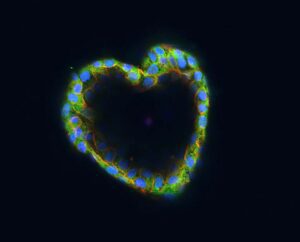
HUB’s advanced organoid capabilities are now being combined with the company’s cell culture expertise, manufacturing scale, global commercial reach, and broad life science portfolio to make organoids a more practical and scalable tool in drug discovery and translational research.
Key priorities include expanding the validated organoid biobank across additional therapeutic areas, tissues, disease states, and patient backgrounds. “Last October, we announced a strategic partnership with Promega Corporation,” said Hargett. “By combining our organoid expertise with Promega’s advanced reporter technology, we aim to enable high-throughput screening that helps researchers identify safer and more effective drug candidates.”
The case of petosemtamab, developed by Merus, is a notable example of the real-world impact of organoid technology. Petosemtamab’s efficacy was tested using HUB organoids. The EGFR x LGR5 bispecific antibody has received FDA Breakthrough Therapy Designation for use in combination with pembrolizumab for first-line treatment of PD-L1-positive recurrent/metastatic head and neck squamous cell carcinoma (HNSCC). A global Phase III trial is ongoing. Recently, Genmab acquired Merus for approximately $8 billion USD.
Adopting organoid technology is a capital efficiency strategy, according to Hargett. Patient-derived organoids retain individual genetic and phenotypic characteristics, enabling drug response testing across diverse patient backgrounds and disease subtypes. Organoids support a “fail fast” approach by identifying non-viable candidates earlier, reducing costly late-stage clinical trial failures, and allowing companies to redirect resources toward the most promising programs.
References
- Bernardi MDL, Dilmen E, Kurek D et al. A Novel Human Distal Tubuloid-on-a-Chip Model for Investigating Sodium and Water Transport Mechanisms. Kidney360. 2025 Nov 1;6(11):1981-1993. doi: 10.34067/KID.0000000992.
- Admiraal J, Emeh PO, Bokkers M et al. Building the blood-brain barrier: a scalable self-assembling 3D model of the brain microvasculature under unidirectional flow. Fluids Barriers CNS. 2026 Jan 23;23(1):29. doi: 10.1186/s12987-026-00765-x.
The post Next Generation Biopharma Innovation appeared first on GEN – Genetic Engineering and Biotechnology News.
Macrocyclic Peptide Drugs Unlocked, Membrane Permeability Screened at Scale
Macrocyclic peptides are a promising drug modality that combine the oral convenience of small molecules with the high specificity of large biologics. Yet, they struggle with cell membrane permeability, limiting their ability to target disease interactions within cells.
In a new study published in Nature Chemical Biology titled, “Generation of membrane-permeable cyclic peptides inhibiting protein–protein interaction”, researchers from École Polytechnique Fédérale de Lausanne (EPFL) have developed a new method to generate and screen large libraries of synthetic cyclic peptides to identify compounds that can enter cells for therapeutic effect.
“We focused on small, less than 1000-Dalton, non-polar cyclic peptides that can enter cells by rapidly crossing the hydrophobic inner region of cell membranes,” says Christian Heinis, PhD, associate professor at EPFL. “The challenge was then to develop cyclic peptides with suitable shapes so that they can bind to targets of interest.”
The authors focused on protein interactions linked to inflammation, oxidative stress, and neurodegeneration, and cancer. The study synthesized and screened a library of 15,360 fully random cyclic peptides, all designed to be small, compact, and relatively nonpolar to support membrane permeability. The screen identified several compounds capable of disrupting the disease-associated Keap1–Nrf2 interaction.
The team optimized a cyclic peptide candidate, termed peptide 30, which combined strong target binding with membrane permeability. Peptide 30 inhibited the Keap1–Nrf2 interaction inside living cells in a dose-dependent assay. Compared with the natural Nrf2 sequence, peptide 30 had no electrical charge, fewer hydrogen bond donors, and lower polar surface area to support membrane permeability.
The study demonstrated that membrane-permeable cyclic peptides can be developed without starting from known ligands, natural products, or binding motifs, broadening access to intracellular targets previously considered difficult to drug.
“Our lab is now further advancing the technology to synthesize and screen even larger libraries of small, membrane-permeable cyclic peptides,” says Heinis. “And we are applying the technology to some of the most challenging protein–protein interaction targets, including big cancer targets like KRAS, b-catenin and c-Myc.”
Heinis’s group has patented the method and founded the spin-off company Orbis Medicines, which recently raised more than €90 million in Series A funding to further develop and apply the technology for drug discovery.
The post Macrocyclic Peptide Drugs Unlocked, Membrane Permeability Screened at Scale appeared first on GEN – Genetic Engineering and Biotechnology News.
Personalized Cancer Vaccine Reduces Melanoma Recurrence by 49%
Results from the Phase IIb KEYNOTE-942 trial reveal that adding a personalized mRNA vaccine to standard immunotherapy after surgery can reduce the five-year risk of recurrence and death by 49% among patients with advanced melanoma. These findings were presented today at the annual meeting of the American Society of Clinical Oncology and published in the Journal of Clinical Oncology.
“Our study offers strong evidence to melanoma patients that intismeran vaccine therapy, when used in combination with immunotherapy, can demonstrably reduce their risk of having their cancer return and improve clinical outcomes,” said Janice Mehnert, MD, professor in the department of medicine at NYU Grossman School of Medicine and associate director of clinical research at Perlmutter Cancer Center.
Melanoma is one of the most common forms of cancer. Although immunotherapies like pembrolizumab (Keytruda) have significantly improved outcomes for melanoma patients, this cancer is still known for its ability to evade the immune system and become resistant to treatment.
Developed by Moderna, intismeran autogene is an mRNA cancer vaccine made specifically for each patient. The bespoke therapy is created by screening tumor samples for 34 neoantigens that can be leveraged to strengthen the immune system’s response against tumor cells and enhance the efficacy of immunotherapy.
The KEYNOTE-942 trial recruited 157 patients with advanced stages of melanoma and at high risk of recurrence who were randomized to either receive standard pembrolizumab immunotherapy, or a combination of pembrolizumab and intismeran. Since the treatment was administered after surgery, intismeran was individually manufactured for each patient based on an analysis of their resected tumor.
After five years, 68.8% of patients treated with the combination therapy remained alive and cancer-free, compared to 49.1% for those who received standard treatment. The addition of personalized vaccines also reduced the risk of developing a distant metastasis by 59%.
“Now with five years of follow-up data, today’s results highlight the potential of a prolonged benefit of the intismeran autogene and Keytruda combination in patients with resected high-risk melanoma,” said Kyle Holen, MD, senior vice president and head of development, oncology and therapeutics at Moderna. “We continue to invest in our platform in oncology because of encouraging outcomes like these, which illustrate mRNA’s potential in cancer care.”
A Phase III clinical trial is already underway to confirm the efficacy of intismeran as a first line therapy for melanoma in combination with pembrolizumab. Additional studies are looking into the effects of the cancer vaccine in other types of cancer, including non-small cell lung cancer, bladder cancer, and renal cell carcinoma.
“Our findings also serve as encouragement to cancer researchers globally that mRNA vaccines like intismeran could work well in combination with immunotherapy for other cancers whose high rates of mutations have proven difficult to target,” said Mehnert.
The post Personalized Cancer Vaccine Reduces Melanoma Recurrence by 49% appeared first on Inside Precision Medicine.
The Download: China’s brain implant ambitions
This is today’s edition of The Download, our weekday newsletter that provides a daily dose of what’s going on in the world of technology.
China has approved the world’s first invasive brain-computer chip—here’s what’s next
Sitting in the courtyard of his house in China’s Henan province last October, Dong Hui decided to try holding a pen. Six years after a car accident left him paralyzed from the neck down, he slowly wrote his name, “Thank you,” and the date.
The breakthrough was made possible by a brain implant called NEO. In March, it became the world’s first invasive brain-computer interface approved for use beyond clinical trials. The approval is expected to accelerate China’s push to become a global leader in brain implants.
—You Xiaoying
The must-reads
I’ve combed the internet to find you today’s most fun/important/scary/fascinating stories about technology.
1 Nvidia is launching its first AI chip for personal computers
The RTX Spark will power laptops from Dell, HP, Microsoft, and others. (BBC)
+ They’re being designed specifically to run AI agents. (WSJ $)
+ The first devices are set to launch on Windows PCs in the fall. (CNBC)
+ The move marks a challenge to Apple and Intel. (FT $)
2 The US is stopping exports of AI chips to Chinese firms abroad
It’s closed a loophole allowing exports to Chinese subsidiaries. (Reuters $)
+ Which may have enabled unlicensed access to Nvidia chips. (Al Jazeera)
+ Export curbs have led China to redesign its chip industry. (MIT Technology Review)
3 Surgeons have transplanted pig liver and kidneys into a living person
The clinically dead recipient’s organs worked for almost five days. (Nature)
+ Pig organs could ease transplant shortages. (Guardian)
+ Putin says organ transplants could grant immortality. (MIT Technology Review)
4 The US, Australia, and UK will defend seabed cables with underwater drones
They’re developing the vehicles via the trilateral AUKUS defense pact. (CNN)
+ Undersea internet cables face growing threats. (BBC)
5 A new study has revealed chatbots’ manipulative ‘dark patterns’
It found they prey on emotions to encourage harmful behavior. (404 Media)
+ They can also sway voters better than political ads. (MIT Technology Review)
6 Apple plans to disrupt the traditional glasses market
Its smart glasses target the broader spectacles industry. (Bloomberg $)
+ Smart glasses are also gaining traction in warfare. (MIT Technology Review)
7 AI super PACs are dueling over the midterms
Split between Anthropic and OpenAI, they’re fighting to shape AI regulation. (NYT $)
8 SoftBank has overtaken Toyota as Japan’s most valuable company
The AI boom pushed SoftBank’s market value above $305 billion. (Bloomberg $)
9 A botnet of more than 17 million devices has been dismantled in Europe
Dutch authorities linked the network to a Russian proxy service. (Ars Technica)
10 Tech leaders are uniting around a transhuman vision for AI
They’re working toward a post-human agenda. (Guardian)
Quote of the day
“It’s just been shoved down their throats in secrecy. And that makes them upset.”
—Legendary environmental activist Erin Brockovich tells “The Jim Acosta Show” why citizens are angry about data centers expanding into their communities.
One More Thing

MIKE BELLEME
What happens when you donate your body to science
Rebecca George doesn’t mind the vultures. At Western Carolina University’s body farm, forensic anthropologists monitor donors—sometimes for years—as they become nothing but bones.
Around 20,000 people donate their cadavers to scientific research and education each year. At anatomy labs and body farms, they help train doctors, advance research, and teach scientists more about the human body long after death.
But what actually happens after a body is donated? Read the full story to find out.
—A.W. Ohlheiser
We can still have nice things
A place for comfort, fun, and distraction to brighten up your day. (Got any ideas? Drop me a line.)
+ This map of moments turns the planet into a shared diary.
+ Let editors curate your ideal podcast moments with this app.
+ Architecture lovers will enjoy this encyclopedia of famous buildings.
+ Get in touch with your emotions through this map exploring more than 100 feelings.
Evaluating reliability of automated quantitative brain morphometry from fetal T2-weighted MRI
IntroductionThree-dimensional assessment of fetal cortical morphology from MRI is essential for understanding early brain neurodevelopment. However, measurement can be affected by fetal imaging quality, number and selection of available stacks, and reconstruction methods.MethodsWe evaluated the within-session reliability of an automated cortical morphometry pipeline in 30 typically developing fetuses [22–36 weeks gestational age (GA)]. For each subject, two disjoint subsets of 2D T2-weighted stacks (no shared stacks) were independently reconstructed into 3D volumes using the Neural Slice-to-Volume Reconstruction (NeSVoR) and the Slice-to-Volume Reconstruction Toolkit (SVRTK). Cortical plate volume, surface area, mean sulcal depth, and absolute mean curvature were extracted, and measurement reliability was assessed using absolute percent difference (APD) and intraclass correlation coefficients (ICC). Multiple linear regression evaluated the effects of mean stack quality, quality difference between subsets, stack count, and GA on measurement reliability.ResultsNeSVoR-derived metrics showed high reliability for all measures (mean APD < 3%, ICC > 0.99). SVRTK-derived metrics were also robust (mean APD < 5%, ICC > 0.97). Reliability increased with greater stack count and older GA in NeSVoR, and with higher mean stack quality in SVRTK.DiscussionThese results demonstrate that automated cortical morphometry from fetal MRI yields highly consistent measurements of volumetric and surface metrics within the proposed within-session design, once minimum levels of image quality and stack count are met. This study proposes a within-session benchmark for automated fetal cortical measurements and underscores that systematic reliability assessment is essential for confident application of automated pipelines in fetal neuroimaging.