

Background: Out-of-pocket (OOP) costs pose a significant barrier to participating in cancer clinical trials (CCTs). Financial reimbursement programs (FRPs) that reduce the burden of OOP costs can support participation in CCTs if the information is readily available to participants at the time of enrollment. Prior studies have shown the importance and impact of FRPs, but despite improvements, significant barriers still remain. Objective: This study was designed to explore the feasibility and acceptability of automated texts designed to offer, screen, and enroll CCT participants in an FRP for OOP travel and lodging-related clinical trial costs. Methods: This study used a mixed methods approach. Eligible participants were those who consented to participate in a breast, leukemia, or chimeric antigen receptor T cell (CAR-T) trial at the Abramson Cancer Center of the University of Pennsylvania, a National Cancer Institute comprehensive cancer center. Quantitative data were collected through engagement metrics, including text response rates and enrollment rates, as well as patient-reported satisfaction scores. Qualitative data were derived from semistructured interviews. Program enrollment rates were used to determine feasibility, whereas the engagement metrics were used to measure the acceptability of the program. Semistructured interviews were conducted with a subsample of patients who responded to at least one of the FRP texts and agreed to be interviewed to determine the barriers to and facilitators of enrolling in the Improving Patient Access to Cancer Clinical Trials (IMPACT) program via text, perceived advantages and disadvantages of the text messaging program compared to a phone call, and overall feedback on the acceptability of the automated text messaging program. Results: Quantitative data, including engagement with texts, FRP eligibility screening, and enrollment rates, were collected from all participants who successfully received a text (n=51), and qualitative data were collected from a subsample of participants who agreed to participate in a semistructured interview (n=28) about the text-based program. Participants’ mean age was 58 (SD 12) years, approximately 65% (n=33) of participants were female, 21% (n=11) of participants were Black, and 4% (n=2) of participants were Hispanic or Latino. There was high engagement with texts (n=49, 96.1%) and a high screening rate for FRP eligibility (n=33, 64.7%). Of those who successfully screened, 26 (51%) screened via text. We also saw high overall FRP enrollment rates of those who completed the texts (n=16 of 24 eligible, 66.7%) and high satisfaction (Net Promoter Score=51). The text-based platform streamlined the enrollment process, allowing one-third of patients to complete enrollment independently, without assistance from the FRP coordinator. Reported facilitators for completion of the text conversation included support from the coordinator and introduction of the FRP by CCT teams. Barriers were a lack of communication from CCT teams, patient skepticism about the legitimacy of the texts, and limited program information via text. Conclusions: Despite the small sample size and single study site, these findings suggest that automated text messaging can be an effective, low-cost, and scalable strategy to increase awareness and streamline enrollment in FRPs.
<img src="https://jmir-production.s3.us-east-2.amazonaws.com/thumbs/3fd9b4bb7c90efe704d0083d5f382a85" />
Engineered AAVs Harness Glymphatic System to Reach Brain Targets in Mice
Crossing the blood-brain barrier and avoiding off-target effects are two important challenges for gene therapies designed to target diseases of the brain. Now, developers of a gene therapy delivery platform that pairs specially engineered adeno-associated viruses (AAVs) with a delivery strategy that harnesses the brain’s fluid transport pathways claim that their approach addresses both issues and could help pave the way to new treatments for neurological disorders like multiple sclerosis, Huntington’s disease, and rare pediatric white matter disorders.
Details of the work were published recently in a Nature Biotechnology paper titled “Efficient targeting of human glial progenitor cells in vivo with engineered AAV vectors and glymphatic delivery.” The research was done by scientists at University of Rochester Medicine and the University of Copenhagen.
While the platform can deliver therapeutic genes broadly throughout the brain, it preferentially targets human glial cells. Steve Goldman, MD, PhD, lead author of the study and co-director of the Center for Translational Neuromedicine at URochester, has spent his career studying glial cells and elucidating their role in disease progression and recovery. Previously, his lab developed human glial progenitor cell models and investigated the link between glial dysfunction and neurological disease. For example, in Huntington’s disease, his lab has shown that healthy human glial progenitor cells could outcompete and replace diseased cells in the brain.
“Over the last decade, we’ve learned that many neurological disorders involve glial dysfunction as a major driver of disease,” Goldman said. “That realization has created an urgent need for tools that can safely and efficiently deliver therapies to these cells throughout the brain.”
The current study gets scientists one step closer to that goal. Digging into the details, Goldman and his colleagues engineered a library of modified AAV5 viral vectors by making small changes to the vectors’ capsids. They then screened the vectors in mice whose brains were transplanted with human glial progenitor cells and tracked their movements to identify which ones most effectively infected the human glial progenitor cells and their descendants including astrocytes and oligodendrocytes.
“Human cells display different molecular signatures than mouse cells, and cells behave differently in the brain than they do in a dish,” Goldman explained. “By selecting vectors under biologically relevant conditions, we were able to identify candidates with a strong preference for human glia.”
Next, the team turned their efforts to studying how best to distribute the AAVs throughout the brain. For that, they turned to the glymphatic system, the brain’s network of fluid-filled pathways used to clear metabolic waste by circulating cerebrospinal fluid through the brain. They delivered the engineered AAVs into the cisterna magna, a fluid-filled compartment at the base of the brain, while using hypertonic treatment to enhance fluid uptake into the network. This approach spread the vectors broadly throughout the brain tissue while largely avoiding the blood-brain barrier, and reducing exposure to peripheral organs like the liver.
“The glymphatic system is changing the way we think about brain drug delivery,” Goldman said. “Rather than trying to force therapies across the blood-brain barrier from the bloodstream, we can use the brain’s own transport pathways to distribute them more effectively where they are needed.”
Immediate targets for this approach are pediatric lysosomal storage diseases and other inherited disorders in which glial cells lack critical enzymes. Essentially, diseases of the brain’s white matter with well-defined biological targets. Further down the road, the approach could support novel therapies for multiple sclerosis, age-related white matter loss, and Huntington’s, among other neurodegenerative disorders where glial dysfunction is involved.
“We envision a future in which vectors can be designed for specific diseases and specific cell populations,” Goldman said. His lab is already exploring whether they can use artificial intelligence to design viral capsids that have specific targeting characteristics. “This study shows that by combining targeted vector engineering with glymphatic delivery, we can begin to build that future.”
The post Engineered AAVs Harness Glymphatic System to Reach Brain Targets in Mice appeared first on GEN – Genetic Engineering and Biotechnology News.
AI Tool Speeds Biomedical Research Progress
A multi-skilled biomedical AI agent can automate biomedical research tasks, driving forward basic research into practical application.
The AI-powered “co-scientist” Biomni autonomously executes diverse research tasks, working across complex tasks across fields as diverse as genomics, immunology, pharmacology, and clinical medicine.
The large-language model (LLM), outlined in Science, mines through biomedical literature interpreting requests, both composing and executing multi-step workflows.
It can formulate hypotheses, performs complex bioinformatics analyses, and design rigorous experimental protocols, with tests showing comparable accuracy to experts while taking a fraction of the speed.
“Biomni is able to understand a simple question like, ‘Why are these patients responding differently to the drug?’” explained research Kexin Huang, who was studying for his PhD at Stanford University at the time of the research.
“Then it digs in, doing a lot of the scientific legwork.”
Initially, the researchers constructed a unified and comprehensive biomedical action space by systematically analyzing 2500 biomedical research papers spanning 25 distinct subfields, curated from literature repositories.
From this foundation, they developed an LLM-powered action discovery agent capable of reading papers and extracting key tasks, tools, and databases essential to driving biomedical discoveries.
These elements are then chosen and developed into Biomni-E1, the foundational environment that defines the biomedical action space for agentic interaction and includes 150 specialized biomedical tools, 105 software packages, and 59 databases.
The team then designed Biomni-A1, a general-purpose agent architecture capable of flexibly executing a broad spectrum of biomedical tasks by using tools and datasets provided by Biomni E1.
After a user query is entered, the agent uses a retrieval system to identify the most relevant tools, databases, and software needed.
It then applies LLM-based reasoning and domain expertise to generate a detailed, step-by-step plan. Each step is expressed through executable code, enabling precise and flexible compositions of biomedical actions—an essential 10 feature given the domain’s reliance on highly specialized tools and data resources.
This integrated system allows Biomni to efficiently generate solutions for challenging, large-scale biomedical problems, but also to generalize to tasks across previously unseen areas of biomedical research.
In this way it removes the laborious work from biomedical science, allowing researchers to focus on creating hypotheses and innovative experiments and collaborating across disciplines.
“The hurdle in biomedical science is not intelligence or ideas; it is mechanics,” said researcher Jure Leskovec, PhD, also at Stanford.
“It’s this laborious stuff that slows innovation. Biomni can do this work in minutes.”
The team tested Biomni’s practical capabilities through five case studies: analyzing wearable sensor data; performing comprehensive bioinformatics analyses on massive raw datasets such as single-cell RNA-seq and ATAC-seq data; designing laboratory protocols to assist wet-lab researchers; optimizing a protein sequence for better thermostability; and orchestrating robotics wet-lab instruments.
In one test, more than 450 files of real-world continuous glucose monitoring, food intake, and physical activity data from a single person was uploaded and Biomni asked to find interesting and plausible hypotheses.
The researchers asked a simple question: “Analyze this data, find interesting and plausible hypotheses.” In just 40 minutes, the AI-agent identified patterns relating food intake and body temperature that would have taken an estimated 60 or more hours for a human to complete.
“With Biomni, we introduce a scalable, general-purpose biomedical AI agent, pointing toward a future in which AI agents work alongside human researchers to accelerate biomedical discovery from basic research to translation,” the authors concluded.
A prototype of the AI agent is already being used by more than 10,000 labs in academia and industry, making it the most widely used AI co-scientist system in biomedicine.
The post AI Tool Speeds Biomedical Research Progress appeared first on Inside Precision Medicine.
Clinicians Trust Faulty AI Recommendations Over Experience
Reliance of artificial intelligence (AI) has been increasing across all fields, including in the clinic. How to ensure AI is integrated practically, effectively, and ethically has been the focus of many discussions and debates, however final consensus almost always lands on the idea that however AI is integrated into clinical use, conscientious human oversight is necessary.
To test the veracity of this goal, a team of researchers in Spain put over 200 medical doctors to the test to determine if the clinicians would trust their experience and training over AI recommendations.
“It is important to investigate the errors that humans (including doctors) make when working with algorithms, in order to learn how to minimize the problems that arise from them,” said co-author of the study, Fernando Blanco, PhD, researcher at the Mind, Brain and Behavior Research Center (CIMCYC) in Granada, Spain.
“We wanted to see if professional physicians would act differently so that they would notice and correct these errors,” the authors wrote in their paper published in PLOS Digital Health.
The researchers created treatment plan options for a series of fictitious patients with a rare disease. They asked 223 physician participants whether or not to provide a treatment to a patient based on whether the patient was classified by AI as being highly or lowly sensitive to the treatment plan. The physicians were then presented with patient recovery data and asked to rate their perception on how reliable the AI classification was.
In these experiments, both groups of patients responded to treatment with similar sensitivity, resulting in ineffective AI recommendations that could be identified using the patient recovery data.
“In the first experiment, the treatment worked moderately (and equally) well for both groups. In the second, the treatment did not work at all for either group,” the authors wrote. They expected that “in both experiments, participants would administer the treatment less often to the fictitious patients classified as lowly sensitive to the treatment, consistently with the AI classification.” However, this was not the case.
“In both experiments, physicians mostly trusted the AI’s classifications and had trouble learning from the feedback,” said lead author Aranzazu Vinas, PhD, University of the Basque Country, Spain. “Furthermore, in the second experiment, professionals did not notice that the treatment was completely ineffective.”
These results present a major concern for the medical community in its use of AI in the clinic. While AI can be highly effective and useful for data collection and summary, supervision and critical thinking are still required for effective and safe patient care. This study highlights the need for physicians to take the time to critically consider all available data, regardless of recommendations by AI in their diagnostic and treatment decisions.
“People tend to say that there is always a human controlling the algorithm,” opined Helena Matute, PhD, professor, University of Deusto, Spain on the team’s findings “but our experiments show that doctors (as well as anyone else) have problems in learning from the available evidence when it contradicts the suggestions of an algorithm.”
The post Clinicians Trust Faulty AI Recommendations Over Experience appeared first on Inside Precision Medicine.
Mobile AI Tool Expands Access to Prenatal Ultrasonography
A portable AI tool can estimate the age of an unborn baby from scans as well as trained sonographers, potentially extending access to vital prenatal ultrasonography where it might not otherwise be available.
The findings, in JAMA Network Open, reveal the potential of artificial intelligence to expand access to diagnostic tasks such as ultrasonography using novice operators in low-resource settings.
An AI model trained on blind sweep ultrasonography scans performed as well as traditional sonographers on estimating gestational age when used by novice operators across diverse geographical and infrastructural contexts, with minimal fine tuning.
“This system could mitigate disproportionate maternal or fetal comorbidity in low-resource areas by providing access to an essential clinical tool, serving as a template for automating and democratizing other ultrasonography-based diagnostics in future obstetric work,” reported Ryan Gomes, PhD, from Google in California, and co-workers.
Determining gestational age is a fundamental component of prenatal care, allowing obstetric care that can include life-saving interventions to prevent pre- and post-term births and manage high-risk conditions.
But while traditional ultrasonography is recommended by the World Health Organization, it requires skilled sonographers and expensive equipment that may not be available, particularly in low-resource settings.
AI using low-cost portable devices offer a potentially accessibly alternative, with blind sweep ultrasonography—a set of protocolized sweeps that does not rely on real-time imaging interpretation—emerging as a particularly promising approach.
However, clinical sites vary significantly in workflow, staffing, patient demographics, and equipment, which could affect the accuracy of AI-based assessment.
Gomes and team therefore examined the value of an AI tool to estimate gestational age from blind sweep ultrasonography scans across a variety of settings.
The AI-based system was originally trained on data from suburban North Carolina and urban Zambia and validated in a Chicago urban academic center and a Kenyan urban clinic using a different portable probe.
The broader cohort included 2043 participants—consisting of 1008 in Chicago and 1035 in Nairobi.
Fine-tuning using 180 examinations from 120 Chicago participants—approximately 6% of original training size, split evenly for training and validation—targeted generalization to new hardware and gestational-age distributions.
The primary evaluation set of 385 participants—192 in Chicago and 193 in Nairobi—had gestational ages from 16 to 36 weeks.
The researchers found that the AI model effectively generalized to new clinical environments and institutions, achieving a mean absolute error of 4.2 days that was noninferior to the clinical standard.
Its robust performance in Nairobi, with a mean absolute error of 4.3 days without local-tuning mirrored results in Chicago, where this mean error was 4.1 days and underscored the model’s inherent adaptability and transfer-learning efficacy.
These mean absolute errors with the adapted model were similar to the standard of care.
“The lower sweep rejection rate in the Nairobi setting (1.8% vs 7.9% in Chicago) may suggest that approximately six hours of formal, interactive, hands-on training improves acquisition quality compared with informal and written instruction,” the authors noted.
Nonetheless, they conclude overall: “This generalizable accuracy, achieved with low-cost probes, represents an important step toward World Health Organization–recommended scalable prenatal implementation.”
The post Mobile AI Tool Expands Access to Prenatal Ultrasonography appeared first on Inside Precision Medicine.
STAT+: ARPA-H launches $160 million effort to develop custom gene editing drugs
ARPA-H, the U.S.’ “moonshot” agency for health research, announced Thursday that it will spend up to $160 million to push forward custom gene editing treatments for a spate of rare diseases.
The program, called THRIVE, will back seven different teams pursuing various groups of conditions affecting different organ systems.
Each team has a deadline of starting clinical trials by year three of the program, although some may start much sooner.
IBS Linked to Elevated Triglyceride Levels in Large-Scale GWAS
A genome-wide association study (GWAS) among almost 2.8 million individuals has revealed a causal link between irritable bowel syndrome (IBS) and elevated triglyceride levels.
IBS affects between 5% and 15% of the general population, is more common in women, and considerably reduces quality of life. It is known as a disorder of gut–brain interaction, but understanding of underlying disease mechanisms is limited, which has hindered the development of effective biomarkers and mechanism-based therapies.
“Our findings support a more integrated view of IBS that extends beyond the traditional gut–brain axis,” said lead author Mauro D’Amato, PhD, professor of medical genetics at LUM University in Bari, Italy, and Ikerbasque research professor at CIC bioGUNE in Bilbao, Spain. “The specific pathways we highlighted may contribute to mechanism-based patient stratifications and the identification of new or existing drugs to be tested in patients who do not respond to current therapies.”
D’Amato and colleagues used genetic, questionnaire, and electronic health records (EHR) data for 2,775,539 individuals from 22 international biobanks, to investigate the genetic architecture of IBS across three case definitions (self-reported, Rome III criteria, and International Classification of Diseases criteria), three subtypes (IBS-C, characterized by constipation; IBS-D, characterized by diarrhea; and IBS-Mixed, which combines both), and by ancestry.
They found that IBS is an heritable condition among people of European ancestry but not among those of other ancestries. However, the investigators that caution that the finding should not be interpreted as “evidence against a genetic contribution to IBS in these [non-European] populations,” rather that the data they had was not powerful enough to prove a link.
Further analyses revealed 35 regions of the human genome associated with IBS risk. While several of these regions involved the brain and enteric nervous system, the researchers also identified a strong, unexpected overlap with cardiometabolic traits.
Specifically, they demonstrated a likely causal link between genetic liability for IBS and elevated levels of blood triglycerides, which was not explained by BMI.
“This association of IBS with pro-atherogenic lipid profiles is consistent with large-scale observational studies that have repeatedly documented a strong link between IBS and metabolic syndrome, including cardiovascular traits and elevated triglycerides, but not BMI,” write D’Amato and co-authors in Gut.
The molecular basis for the connection was a single nucleotide polymorphism in the gene for glucokinase regulatory protein (GKRP), which is a regulator of triglyceride metabolism. The variant is also associated with metabolic dysfunction-associated fatty liver disease, supporting a shared metabolic background.
“We have long known that IBS involves a complex dialogue between the gut and the brain, but these results show that the conversation includes the body’s metabolic system too,” said D’Amato. “The genetic link to triglyceride regulation and liver function gives us a completely new framework for understanding the condition.”
The researchers also looked for potential drug targets. They identified 276 chemical agents with possible therapeutic relevance, of which 156 had a defined mechanism of action. These included many with known applications in the treatment of IBS and related symptoms, including off-label prescriptions (nortriptyline, sertraline, lorazepam, curcumin, and capsaicin) as well others that are typically used to treat cardiovascular conditions (urapidil, fenoldopam, indapamide, nicardipine, picotamide, torsemide), and triglyceride-modifying compounds (rosuvastatin, simvastatin).
The remaining 120 small molecules, without a known target or mechanism of act, could represent “potential novel opportunities for translational research in IBS,” D’Amato and co-authors suggest.
They conclude that their findings provide “the most comprehensive assessment to date of IBS genetic architecture, its subtypes, and the biological and translational inferences that can be drawn from common-variant association signals.”
The post IBS Linked to Elevated Triglyceride Levels in Large-Scale GWAS appeared first on Inside Precision Medicine.
Advanced Cell Sorting Balances Precision, Scale, and Simplicity
Within complex biological samples, the most important cells are often the hardest to find. Identifying, characterizing, and isolating rare or functionally-distinct populations has become central to modern cell biology, translational research, and cell therapy manufacturing. Among the most powerful tools for this task is fluorescence-activated cell sorting (FACS), a specialized form of flow cytometry that physically separates heterogeneous cell mixtures into defined subpopulations based on fluorescent labeling. Compared with methods such as magnetic-activated cell sorting (MACS), FACS offers higher-resolution analysis and greater flexibility for characterizing diverse, multi-parameter populations.
Flow cytometry itself measures the physical and chemical properties of individual cells as they pass single-file through a laser interrogation point. Although the technology emerged in the mid-1960s, the term “flow cytometry” replaced the earlier “pulse cytophotometry” in the late 1970s as fluorescence-based analysis and physical cell sorting became increasingly intertwined. Using fluorescently-labeled antibodies or probes, investigators can identify and isolate specific populations, including T cells, B cells, cancer cells, stem cells, and genetically-engineered cells.
As cell sorting applications continue to expand, instrument selection increasingly depends on experimental and manufacturing demands. Considerations include fluorochrome capacity, sterility requirements, aerosol containment, throughput, scalability, and budget. GEN spoke with industry leaders about how next-generation sorting platforms are addressing these evolving challenges.
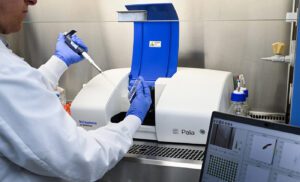
Single-cell isolation has traditionally relied on complex FACS systems or labor-intensive manual methods. These approaches can result in low cell viability, cross-contamination, and loss of cell integrity. Brendan Yee, director of cellular analysis at Bio-Techne, summarizes, “Traditional FACS sorters are expensive, difficult to use, and can take a significant amount of time to set up. Manual limiting dilution is based on Poisson distribution, where 60% of wells will be empty, about 30% will have one cell, and 10% will have multiple cells under the best circumstances.”
To address these challenges, Yee says the company developed the Pala platform, which integrates key components of traditional flow cytometry while focusing on being a faster and easier platform for single cell dispensing. “Within minutes, users can initialize the system, identify sorting parameters, and dispense single cells into a microtiter plate. The intuitive and simple software was designed so that all lab members could quickly learn to use the system.”
During operation, cells are loaded into a sterile, disposable microfluidic cartridge pressurized to less than two pounds per square inch (PSI;13.8 kPa, kilopascals). Yee reports, “Traditional flow cytometers are pressurized up to 35 PSI, which has been demonstrated to reduce viability, especially with sensitive cell lines such as induced pluripotent stem cells.”
Approximately the size of a desktop printer, the Pala cell sorter can be operated inside a tissue culture hood. The system is offered with a dual laser configuration, up to six photomultiplier tubes (PMTs) for fluorescence detection, and two photodiodes for light-scatter detection. Yee notes, “The use of a two-laser design allows for up to 11 different fluorophores to be used and therefore flexibility in the design of the experiment.”
Speed also matters for cell viability. After a brief sorting parameter set-up, a high-speed valve pushes target cells into a channel where a one-microliter droplet is dispensed into a microtiter well. For a 96-well microtiter plate, the process takes about two minutes and approximately six minutes for a 384-well plate.
The system simplifies single-cell applications, including cell line development, single-cell genomics, CRISPR editing, antibody discovery, and rare-cell isolation. Yee reports, “We are starting to see an expanded interest in the Pala platform for use with mass spectrometry and single-cell proteomics.”
Simplifying advanced sorting
As cell sorting moves beyond specialized core facilities into broader laboratory settings, a persistent challenge has been balancing performance with usability. This is particularly true when isolating rare or dim cell populations without further complicating operations. Instruments that deliver high sensitivity often demand extensive expertise, limiting adoption across multidisciplinary teams.
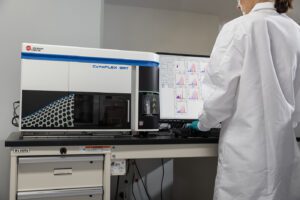
“The CytoFLEX SRT is designed to bring advanced cell sorting into a more routine, accessible, and automation-ready workflow,” says James McCracken, PhD, portfolio product manager, Beckman Coulter Life Sciences. Built on the CytoFLEX platform (i.e., the same underlying optical detection system, fluidics, and software architecture), the SRT system offers users the CytoFLEX analyzer’s high fluorescence and scatter sensitivity alongside a familiar software interface, enabling resolution of complex or low-abundance populations while supporting broader adoption and easier training.
McCracken also highlights, “A key advantage is that automation programming is built into the instrument, helping laboratories integrate the CytoFLEX SRT into automated workflows with less upfront complexity. The compact benchtop design supports integration into connected lab environments, with flexible sorting into tubes, slides, and multi-well plates. This helps researchers connect sorted cells to downstream applications such as culture, liquid handling, single-cell genomics, transcriptomics, proteomics, or functional testing.” Additional capabilities include up to 15 fluorescence parameters, four-way sorting, and the capability to support sort logic across multiple streams.

Portfolio Product Manager
Beckman Coulter Life Sciences
McCracken summarizes, “With automated setup and quality control features, the system helps reduce workflow complexity and support reliable, repeatable sorting. For scientists, that means less time spent managing the instrument and more time spent moving from complex cell biology to downstream insights.”
Managing biosafety risks
The expansion of cell sorting into translational and higher-risk biological applications has elevated the issue of biosafety alongside performance. Researchers must not only balance purity, yield, and viability, but also mitigate risks associated with aerosol generation and operator exposure, especially when working with unfixed or human-derived samples. These considerations can further complicate sorting procedures already requiring technical precision and specialized expertise.

VP and General Manager of Instruments and Informatics
Waters Biosciences
Eric Diebold, PhD, vice president and general manager of instruments and informatics at Waters Biosciences (formerly BD Biosciences), a division of Waters Corp, says the BD FACSAria Fusion cell sorter incorporates biosafety directly into the instrument. He explains, “With its fully integrated Class II biosafety cabinet and aerosol management design, FACSAria Fusion enables high-speed, high-purity sorting of unfixed or higher-risk samples while meeting stringent operator and sample protection requirements.”
According to Diebold, “The system is typically deployed in high‑complexity research environments such as academic core facilities, pharmaceutical R&D, and translational research labs, where maximum flexibility, high‑speed sorting, deep multicolor resolution, and integrated biosafety are required to confidently interrogate complex or rare populations.”
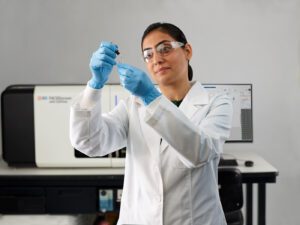
Other instruments include BD FACSAria III and FACSMelody systems. Diebold reports, “All are built on BD’s distinctive fixed-alignment, gel-coupled cuvette flow cell-based sorter that is a historical differentiator that delivers stream stability, high sensitivity, and day-to-day reproducibility beyond the stream-in-air sorters.”
Another innovative instrument is the BD FACSDiscover S8 cell sorter, which employs spectral flow cytometry (i.e., full-spectrum flow cytometry) to capture the entire emission spectrum of fluorochromes rather than specific wavelength bands. Diebold explains, “The S8 sorter represents a significant step forward by integrating spectral flow cytometry with real‑time imaging, enabling simultaneous measurement of phenotype, morphology, and spatial features at the point of sort. This added imaging context allows researchers to visually confirm cell populations, resolve heterogeneous or ambiguous subsets, improve doublet discrimination, and sort based on characteristics that extend beyond fluorescence alone—capabilities that are increasingly important for complex translational studies and early process development.”
Clinical manufacturing
Successful cell therapies begin with high-quality, functional cells. Thus, GMP-compliant cell sorting focuses on producing consistent, sterile cell populations suitable for clinical applications under tightly controlled regulatory conditions. Therapeutic applications include isolation of stem cells, CRISPR-edited cells, and T cells that will be engineered with chimeric antigen receptors.

Global Product Manager
Miltenyi Biotec
“Clinical cell manufacturing demands the highest standards of safety, precision, and reliability,” notes Sudheer Gambheer, PhD, global product manager for flow cytometry cell sorting portfolio, Miltenyi Biotec. He continues, “The key point is that many of the traditional droplet-based FACS limitations become amplified and intertwined under GMP constraints.”
To address these challenges, the company has developed MACS® GMP Tyto® Consumables to enable GMP-compliant multiparameter cell sorting using the MACSQuant® Tyto Instruments. Employing gentle, microchip-based sorting within a closed-cartridge system, the MACSQuant Tyto Family of cell sorters is designed to preserve cell viability and functionality. Gambheer reports, “In the closed cartridge, cells are kept sterile at all times while never coming into contact with the instrument.”
The system employs GMP-compliant consumables, including unique single-use cartridges in a closed environment. A microfluidic chip housing an ultra-fast mechanical valve (30,000 actuations/sec) lies at the heart of the technology. During sorting, cells flow through the microchip under low air pressure. Lasers detect target cells based on fluorescence and scatter as they flow through the microchannel. Non-target cells pass into the negative collection chamber. When a target cell is detected, a magnetic pulse activates a solenoid to open the valve, redirecting the cell into a positive-sorting chamber. The valve then resets, ready to isolate the next target cell.
From a regulatory perspective, Gambheer notes that the MACS GMP Tyto Consumables come with extensive supporting documentation for regulatory submissions. “Miltenyi Biotec is one of the only vendors providing an end-to-end workflow for easy integration into the GMP environment. This includes everything from GMP antibodies, buffers, and cartridges to the 21 CFR Part 11 software module, simplifying sorting compliance with secure electronic records and signatures.”
Future directions
As cell sorting continues moving from specialized core facilities into translational research and therapeutic manufacturing, future platforms will likely emphasize automation, richer cellular characterization, biosafety, and standardized workflows alongside sensitivity and throughput. Increasingly, the challenge is no longer simply identifying rare cells, but isolating them reproducibly, gently, and at a clinically relevant scale.
The post Advanced Cell Sorting Balances Precision, Scale, and Simplicity appeared first on GEN – Genetic Engineering and Biotechnology News.
The Download: a nuclear landmark, and China eyes Nvidia chips
This is today’s edition of The Download, our weekday newsletter that provides a daily dose of what’s going on in the world of technology.
Four nuclear reactors hit a big milestone in the US
—Casey Crownhart
I was really looking forward to July 4, and not just because I love a poolside barbecue. This year the American holiday also marked a big symbolic deadline for US nuclear power.
Last year the Trump administration set a goal to see three new microreactors achieve criticality, a technical milestone establishing that a reactor can sustain a chain reaction, by the nation’s 250th birthday. And just in time, not just three, but four reactors did so.
It’s a positive sign for nuclear technologies at a time of increasing need for electricity and emissions-free energy sources. But achieving criticality doesn’t mean a reactor is ready to provide electricity for the grid (or at all, for that matter).
This story is from The Spark, our weekly climate tech newsletter. Sign up to receive it in your inbox every Wednesday.
The must-reads
I’ve combed the internet to find you today’s most fun/important/scary/fascinating stories about technology.
1 China plans to let its top AI firms buy Nvidia H200 chips
Alibaba, ByteDance, and DeepSeek are set to get permission. (Information $)
+ China had previously withheld approval despite US authorization. (Reuters $)
2 NATO is building a network to stop Russian attackers in their tracks
It will use sensors, drones, satellites, and AI to detect them. (Business Insider)
+ Troops are donning odd camouflage to elude drones. (Economist $)
+ The US wants cheaper drones as Iran’s wrecking its Reapers. (Ars Technica)
3 Researchers have a new idea to fight future El Niños: dimming the sun
Deflecting solar energy could cool the ocean and mitigate the risks. (Wired $)
+ But there could be unexpected consequences. (New Scientist $)
+ And geoengineering as a field is getting a reality check. (MIT Technology Review)
4 Meta is patenting an AI device that records users to analyse emotions
It ostensibly aims to tailor workout plans to the user’s mood. (404 Media)
+ AI memory is privacy’s next frontier. (MIT Technology Review)
5 Chipmakers are going vertical as Moore’s Law slows
They’re stacking transistors to keep chips advancing. (Economist $)
+ IBM is betting on the technique. (MIT Technology Review)
6 Ivy League students suspected of AI cheating saw scores fall in person
From 96% all the way down to 48%. (Ars Technica)
+ AI giants want to take over the classroom. (MIT Technology Review)
7 A new study says parents’ phone addictions damage bonds with kids
It can exacerbate “insecure attachment” for life. (Bloomberg $)
+ And make children more anxious and avoidant. (Gizmodo)
8 A judge approved Musk’s $1.5 million Twitter settlement with the SEC
Despite what she called “serious misgivings” and “red flags.” (Reuters $)
+ Musk was accused of skirting stock disclosure rules. (Fortune)
9 Shoebox-sized “detector satellites” could find nuclear bombs in space
Cubesats carrying the detector could sense a bomb’s radiation. (Space)
+ Russia is suspected of developing space-based nukes. (Reuters $)
10 A World Cup match drove Google Search traffic to a new record
The milestone came after Argentina’s comeback against Egypt. (CNBC)
Quote of the day
“I talk about it on Tic Tac.”
—President Donald Trump tells the public where to find his insights on the dangers of communism, Gizmodo reports.
One More Thing

Robots are bringing new life to extinct species
Paleontologists aren’t easily deterred by evolutionary dead ends or a sparse fossil record. And in the last few years, they’ve developed a new trick for turning back time and studying prehistoric animals: building experimental robotic models of them.
In the absence of a living specimen, an ambling, flying, swimming, or slithering automaton is the next best thing for studying the behavior of extinct organisms. Learning more about how they moved can in turn shed light on their lives, such as their historic ranges and feeding habits. Scientists can simply sit back and observe their behavior in different environments.
—Shi En Kim
We can still have nice things
A place for comfort, fun, and distraction to brighten up your day. (Got any ideas? Drop me a line.)
+ Georgia Hill’s monochrome artworks are filled with visual harmony.
+ AI has salvaged text from a papyrus scroll burned to a crisp when Mount Vesuvius erupted 2,000 years ago.
+ Rare images taken by a Japanese space probe show a near-Earth asteroid resembling a cuddly snowman.
+ “Another One Bites the Bee Gees” smoothly merges two classic tracks with a 4/4 time signature into the perfect song for applying CPR.
A novel mutation in SETD1A is associated with early-onset epilepsy—a rare case report
SET Domain Containing 1A (SETD1A) is a histone H3K4 methyltransferase implicated in neurodevelopmental disorders. Pathogenic variants in this gene are associated with schizophrenia, intellectual disability, and epilepsy. Here, whole-exome sequencing and Sanger sequencing were performed on a 4-year-old Chinese girl with early-onset epilepsy and her unaffected parents. A novel de novo heterozygous variant in SETD1A (NM_014712.3: c.1067C > T/p.Ser356Phe) was identified in a patient presenting with focal-to-bilateral tonic–clonic seizures, beginning at 3 months of age. Neuroimaging revealed a normal brain MRI, and comprehensive neuropsychological assessment indicated preserved cognitive function. The variant was absent in 200 local controls and classified as likely pathogenic per ACMG criteria. This study may expand the mutation and phenotypic spectrum of SETD1A-related disorders, establishing the relationship between SETD1A variants and isolated early-onset epilepsy without accompanying severe neurodevelopmental deficits, highlighting the value of genetic testing in infants with unexplained epilepsy.