

IntroductionAdults with attention-deficit/hyperactivity disorder (ADHD) often report excessive daytime sleepiness, but the relationship between subjective sleepiness and objective sleep propensity remains unclear. We examined this relationship in adults referred for Multiple Sleep Latency Test (MSLT) evaluation, using a clinical comparison group with excessive daytime sleepiness (EDS) but without ADHD.MethodsIn this retrospective cross-sectional study, we analyzed medical records of 130 adults aged 18 years or older who underwent MSLT between January and December 2021, including 68 adults in the ADHD group and 62 in the EDS-only group. Subjective sleepiness was assessed by the Epworth Sleepiness Scale (ESS) and objective sleep propensity by mean MSLT sleep latency, with MSLT positivity defined as mean sleep latency ≤ 480 s. Associations between ESS scores and mean sleep latency were assessed within each group, and correlation coefficients were compared between groups using Fisher’s r-to-z transformation.ResultsESS scores did not differ significantly between groups, with median scores of 14.0 in the ADHD group and 13.0 in the EDS-only group. In contrast, objective sleep propensity differed significantly: median mean sleep latency was longer in the ADHD group than in the EDS-only group (432.0 s vs 322.0 s, p = 0.008), and MSLT positivity was less frequent in the ADHD group (61.8% vs 87.1%, p = 0.001). Within the ADHD group, ESS scores were not significantly correlated with mean sleep latency, including among MSLT-positive cases. A significant inverse correlation was observed in the MSLT-positive EDS-only subgroup, although formal comparison of correlation coefficients did not demonstrate a statistically significant between-group difference in the ESS–MSLT relationship. SOREMP frequencies were numerically higher in the EDS-only group but did not differ significantly between groups.DiscussionThese findings suggest that subjective sleepiness complaints and objective sleep propensity may not closely align in adults with ADHD referred for sleep evaluation, and support the need for integrated psychiatric and sleep-medicine assessment when such patients present with excessive daytime sleepiness.
Associations of TNF-α, MIF, and cortisol with cognitive function in patients with bipolar disorder during acute manic episodes: a short-term follow-up study
BackgroundBipolar disorder (BD) is frequently accompanied by cognitive impairment, and growing evidence suggests that immune-inflammatory activation and hypothalamic-pituitary-adrenal axis dysregulation may contribute to its pathophysiology. This study aimed to examine the associations of tumor necrosis factor-α (TNF-α), macrophage migration inhibitory factor (MIF), and cortisol (COR) with cognitive function in patients with BD during manic episodes and to characterize their short-term changes.MethodsIn this short-term follow-up study, 53 patients with BD during manic episodes and 53 healthy controls (HCs) were enrolled. Plasma TNF-α, MIF, and COR levels were measured using enzyme-linked immunosorbent assay. Cognitive function was assessed using the Chinese Brief Cognitive Test, including information processing speed (IPS), executive function (EF), sustained attention (SAT), and working memory (WM). Patients were evaluated at baseline and after 8 weeks of treatment, whereas HCs were assessed once at baseline. Group comparisons and biomarker–cognition correlation analyses were performed. Multiple testing in the correlation analyses was controlled using the Benjamini–Hochberg false discovery rate (FDR) procedure.ResultsAt both baseline and follow-up, patients with BD had significantly lower IPS, EF, SAT, and WM scores, but significantly higher plasma TNF-α, MIF, and COR levels, than HCs. After 8 weeks of treatment, cognitive scores in the BD group improved significantly, whereas reductions in TNF-α, MIF, and COR did not reach statistical significance. In exploratory unadjusted Pearson analyses, several biomarker–cognition associations survived FDR correction. However, in the primary adjusted partial correlation analyses, only the negative association between TNF-α and WM remained significant after adjustment for covariates and FDR correction at both baseline and follow-up.ConclusionPatients with BD during manic episodes exhibited widespread cognitive impairment accompanied by elevated inflammatory and neuroendocrine markers. TNF-α showed the most robust association with working memory after adjustment for covariates and correction for multiple comparisons. Associations involving MIF or cortisol and executive function should be interpreted as exploratory and require validation in larger longitudinal studies.
Tecan Integrates Agentic AI Into Its Introspect Lab Analytics Platform
Tecan reported the integration of agentic AI capabilities into its lab analytics platform Introspect, leveraging the NVIDIA BioNeMo Agent Toolkit, which enable AI agents to access scientific AI capabilities within the Introspect platform. The goal is to help laboratories to optimize operations.
According to Tecan, agentic AI will allow laboratories to move beyond traditional monitoring and reactive troubleshooting toward proactive actions that help prevent issues before they impact performance, quality, or scientific outcomes. Early access to the enhanced Introspect platform is available, with applications focused on pharmaceutical, biotechnology, and clinical laboratory environments.
A milestone in the collaboration announced in 2026, this agentic AI development demonstrates advancement of Tecan and Nvidia’s shared vision of enabling data-driven laboratories with AI-powered platforms designed to accelerate scientific discovery and improve laboratory productivity, notes a company spokesperson, who adds that agentic AI introduces a new paradigm for laboratory operations.
Rather than identifying problems after they occur, intelligent agents can continuously analyze laboratory data, workflows, and system performance to uncover hidden patterns that limit throughput, constrain scalability, or reduce operational efficiency, explains Mukta Acharya, executive vice president and head of the life sciences business division at Tecan. By transforming data into recommended actions, laboratories can accelerate decision-making, optimize resource utilization, and proactively improve overall productivity, she continues.
“Agentic AI has the potential to reshape how laboratories operate. By combining Tecan’s laboratory expertise with NVIDIA’s BioNeMo Agent Toolkit, we are enabling a new generation of intelligent laboratory solutions that can proactively support scientists, improve productivity, and help accelerate scientific outcomes,” says Acharya.
The work with Nvidia reportedly also focuses on the agentic guardrails required for the responsible and reliable deployment of AI in laboratory environments. These safeguards are designed to support transparency, reliability, and controlled automation, helping in the establishment of agentic AI as a technology to support key research and operational workflows.
The post Tecan Integrates Agentic AI Into Its Introspect Lab Analytics Platform appeared first on GEN – Genetic Engineering and Biotechnology News.
Relationship of Peripheral Inflammatory and Neuroprotective Biomarkers With Response to Intermittent Theta Burst Stimulation in Treatment-Resistant Depression
Conditions: Treatment-resistant Depression (TRD); Major Depression
Interventions: Device: Intermittent Theta Burst Stimulation (iTBS)
Sponsors: Gulhane Training and Research Hospital
Not yet recruiting
Interventions: Device: Intermittent Theta Burst Stimulation (iTBS)
Sponsors: Gulhane Training and Research Hospital
Not yet recruiting
Women with Parkinson’s Have More Amyloid Plaques than Men
A study led by the Mayo Clinic Arizona shows women with Parkinson’s disease have greater amyloid plaque burden than men with the condition, even after controlling for factors like carriage of the APOE4 Alzheimer’s disease susceptibility gene variant.
As reported at the European Academy of Neurology Congress in Geneva this week, 57% of women included in the study had a high amyloid plaque burden versus 40% of the men.
Amyloid-beta is a protein fragment that normally gets cleared from the brain. In Alzheimer’s disease, it misfolds and aggregates into oligomers and plaques between neurons. This disrupts synaptic signaling, activates neuroinflammation, and promotes tau protein hyperphosphorylation into neurofibrillary tangles as the disease progresses.
In contrast, Parkinson’s disease is caused by the misfolding and clumping of a protein called alpha-synuclein into toxic deposits known as Lewy bodies, which build up in and destroy the neurons that produce dopamine in a brain region called the substantia nigra. While Parkinson’s is known for its characteristic motor symptoms, at least 25% also have dementia-like symptoms similar to those seen in Alzheimer’s disease. Amyloid beta plaques are thought to worsen Parkinson’s disease and increase the risk of dementia symptoms.
There are known differences in the prevalence and symptoms shown by men and women with Parkinson’s disease. To investigate this further, 230 people enrolled in the Arizona Study of Aging and Neurodegenerative Disorders and Brain and Body Donation Program were included in this study after death. Amyloid burden in the brain was assessed during autopsy. Other clinical factors such as cognition and symptoms were recorded prior to death.
The study found that amyloid plaque burden in women was higher than in men with Alzheimer’s. For example, mean cortical total plaque score in women was 6.5/15 vs 4.9/15 in men. Neuritic plaque density was also higher in women at 1.7/3 compared with 1.3/3 in men.
After correcting for age at death and APOE4 status, women in the study were more than twice as likely to have a high plaque burden than men.
This did not seem to translate to cognitive differences between men and women in the study though. “Men and women with Parkinson’s disease had similar rates of Alzheimer’s dementia and similar results on cognitive testing. However, women showed a higher amyloid plaque burden compared with men,” explained presenting author Erika Driver-Dunckley, MD, Mayo Clinic Arizona, in a press statement.
Notably, in standard Parkinson’s disease, men are at higher risk of developing dementia than women, so it is possible women have some protection from alpha-synuclein-driven decline but not from damage linked to amyloid accumulation. Women with Parkinson’s also live longer than men with the condition, as well as being more prone to amyloid buildup and Alzheimer’s disease, which complicates understanding the meaning of these results.
“Our findings highlight the need for further research into sex differences in Parkinson’s disease and Alzheimer’s-related pathology,” concluded Driver-Dunckley. “An important next step will be to confirm these findings in additional large clinicopathological studies and better understand the biological mechanisms that may underlie these differences.
The post Women with Parkinson’s Have More Amyloid Plaques than Men appeared first on Inside Precision Medicine.
Remote Assessment of Parkinson Disease Using Deep Learning on Structured Mouse-Trace Data From Suspected Cases: Machine-Learning Pilot Feasibility Study
Background: Parkinson disease (PD) is a pervasive neurodegenerative disorder globally, largely characterized by motor symptoms. Most existing artificial intelligence models for PD detection are trained on participants in well-resourced settings with confirmed clinical diagnoses. However, specialist-confirmed labels are often infeasible in low-resource settings. Objective: We developed a web platform for structured mouse data collection through pattern tracing tests. We sought to assess the feasibility of leveraging data from a community-recruited sample of participants with suspected but undiagnosed PD to train artificial intelligence models that achieve respectable performance in predicting diagnosed PD. We tested whether using weaker diagnostic labels that may be more feasible to collect in community or global health settings, where access to professional neurologists is sparse or nonexistent, can lead to models that learn predictive signals that are diagnostically useful. Methods: 261 participants (73 self-reported PD, 155 non-PD, and 33 suspected PD) were recruited from community organizations in Hawaii and completed 3 pattern tracing tasks on our custom web assessment: straight line, sine wave, and spiral wave. During each task, cursor positions, screen dimensions, and an in-target boolean flag were recorded. From these data, we engineered features and generated mouse trace images. We built 3 categories of classifiers: (1) a feed-forward neural network using engineered features, (2) fine-tuned computer vision deep learning models, and (3) multimodal models concatenating a feed-forward neural network with computer vision models. Performance was evaluated using 1 primary experiment and 2 secondary analyses. The primary experiment involved training on suspected PD versus non-PD and testing on self-reported PD versus non-PD. A secondary analysis evaluated the reverse direction by training on participants with self-reported PD and without PD and then testing on participants with suspected PD versus participants without PD. Additionally, a cross-validation analysis was conducted using participants with self-reported PD versus those without PD with 5-fold cross-validation to establish baseline performance under well-defined diagnostic labels. Results: The best-performing models included a multimodal Vision Transformer in the primary experiment (: mean 0.7619, SD 0.0535), a multimodal ResNet-50 in the secondary analysis (: mean 0.9353, SD 0.0334), and an image-based DenseNet-201 in the cross-validation analysis (: mean 0.9027, SD 0.0332). Training on patients with suspected PD yielded meaningful performance in predicting self-reported PD, supporting the feasibility of using lower-specificity labels for model development. Conclusions: This pilot feasibility study suggests that remotely collected mouse-tracing data can support PD screening models under data labeling conditions of low diagnostic specificity: models trained on suspected PD from a community sample may learn signals that can transfer to predicting actual PD. Future work may consider pretraining using weaker labels and then fine-tuning on stronger clinical labels.
<img src="https://jmir-production.s3.us-east-2.amazonaws.com/thumbs/591064dc81d94c027cbe8ed308f60713" />
Adherence to a Digital Knee Rehabilitation Platform Among Patients With Knee Osteoarthritis and Anterior Cruciate Ligament Reconstruction in Hong Kong: Qualitative Study
Background: Exercise therapy is fundamental to rehabilitation for knee osteoarthritis and anterior cruciate ligament (ACL) reconstruction, yet adherence to prescribed exercise typically declines once clinical supervision ends. Digital rehabilitation platforms offer a promising means of supporting sustained exercise adherence, but qualitative evidence on how patients experience these platforms in real-world clinical practice remains limited, particularly in non-Western health care contexts. Objective: This study aimed to explore how patients with different knee conditions experienced the Healthy Knees digital rehabilitation platform in Hong Kong and to identify the factors shaping their platform engagement and exercise adherence. Methods: A qualitative design was adopted using reflexive thematic analysis. Fifteen adults (9 with ACL, 6 with osteoarthritis) who had been prescribed the Healthy Knees web-based platform at Prince of Wales Hospital participated in semistructured, in-person interviews (30‐45 min). Interviews were conducted in Cantonese or Mandarin, transcribed verbatim, translated into English, and analyzed inductively. Ethics approval was obtained from the Chinese University of Hong Kong and the University of New South Wales. Results: Participants were aged 21 to 79 years, with most being male (11/15). Younger participants were predominantly patients with postoperative ACL, while older participants were predominantly patients with preoperative osteoarthritis. Three interrelated themes were identified, collectively describing the fit between the platform and participants’ contexts. Content fit captured the alignment between exercise content and rehabilitation needs; participants across both groups perceived substantial overlap with existing physiotherapy, and content was often mismatched to their recovery stage. Motivational fit captured the alignment between platform support features and motivational needs; pain functioned as both a driver and a deterrent to exercise, and participants ranged from highly self-directed to reliant on external scaffolding, not following a simple age pattern. Access fit captured the alignment between the platform’s delivery mechanism and participants’ technological circumstances; QR code–dependent access, absence of a dedicated mobile app, and display issues created friction that led several participants to migrate to alternative resources, maintaining exercise adherence while abandoning platform engagement. Conclusions: Adherence to digital knee rehabilitation was shaped by the degree of fit between the platform and users’ contexts across content, motivational, and access dimensions. When access fit failed, participants often substituted alternative exercise resources rather than ceasing exercise entirely, highlighting a distinction between platform engagement and exercise adherence. As the sample’s clinical and demographic characteristics were closely linked, these findings should not be interpreted as diagnostic comparisons between ACL and osteoarthritis populations but as patterns shaped by the recovery phase and age. These findings suggest that digital rehabilitation platforms should incorporate adaptive content aligned with the recovery stage, integrated feedback mechanisms, and reduced access friction to sustain platform engagement within an ecosystem of competing alternatives.
<img src="https://jmir-production.s3.us-east-2.amazonaws.com/thumbs/7a14e974f70af5794765b21582feb228" />
VR Rehabilitation Improves Arm and Hand Movement After Stroke
A new rehabilitation platform combining virtual reality (VR) and nerve stimulation significantly improved the recovery of arm and hand function after a stroke compared to conventional rehabilitation approaches. Published today in Nature Medicine, results from a small-scale clinical study show early promise for a more effective and accessible rehabilitation approach that can be personalized to each patient’s needs.
Approximately 60% of stroke survivors develop long-term disability affecting their mobility. Even after extensive physiotherapy and occupational therapy, many continue to live with reduced arm and hand function, which severely impacts their ability to perform day to day tasks and live independently.
“Our aim was to go beyond mere movement training,” said Stanisa Raspopovic, PhD, professor of biomedical engineering at the Medical University of Vienna and senior author of the study. “After a stroke, patients often have difficulty not only moving the affected limb, but also feeling it and perceiving it correctly. MultiSensy was developed to reconnect movement, sensation and body awareness during rehabilitation.”
The MultiSensy rehabilitation platform combines immersive VR with electrical nerve stimulation. The VR goggles present users with interactive virtual tasks designed to train arm and hand functions such as reaching, grasping, pinching, and forearm rotation. Meanwhile, electrodes on the skin stimulate sensory nerves in real time to make patients feel virtual objects as if they were physically touching them.
The system was tested on a cohort of 34 patients who had suffered a stroke over three months before. Participants were divided into two groups who were treated either with MultiSensy or conventional rehabilitation including physiotherapy and occupational therapy. Both groups completed a total of 12 training sessions over the course of three weeks.
Patients who used the VR system saw a greater recovery of arm and hand movement compared to those in the control group, achieving nearly twice the improvement according to a standard assessment of motor impairment after stroke. In addition, MultiSensy was able to address body awareness and sensory deficits caused by stroke, which are often left aside by conventional rehabilitation strategies.
“After a stroke, some patients struggle to feel touch in their affected hand and may even perceive the arm as distorted in size, shape, or position,” said Valerio Aurucci, PhD, lead author of the study and former graduate student at ETH Zurich. “Participants treated with the new system showed improvements in their sense of touch and in perception of their affected arm.”
Another advantage of the MultiSensy platform is that each task can be adapted to the impairment level of the user, tailoring treatment to their unique needs. The VR system collects movement data during training, providing objective measurements of progression that clinicians can rely on to monitor a patient’s performance and recovery over time.
“The results provide early clinical evidence that immersive virtual reality combined with sensory nerve stimulation can support recovery after stroke, even after months from the event”, said Raspopovic. “The technology is still at the research stage, and larger clinical trials are needed to confirm its benefits. However, the study opens a promising perspective for future personalized and potentially home-based stroke rehabilitation.”
The post VR Rehabilitation Improves Arm and Hand Movement After Stroke appeared first on Inside Precision Medicine.
Perspectives on Continuous Glucose Monitoring Among Adults with Type 2 Diabetes in the United Kingdom: Cross-Sectional Survey
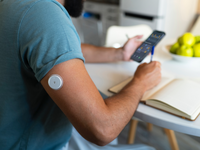
<strong>Background:</strong> Type 2 diabetes (T2D) is one of the most common noncommunicable diseases, requiring ongoing lifestyle changes and continuous glucose management through medication, diet, and physical activity. Traditional self-monitoring of blood glucose can be burdensome, especially with frequent finger pricks. As continuous glucose monitoring (CGM) becomes more affordable and accessible, it offers benefits such as increased glucose awareness, behavioral modifications, and reduced anxiety. However, challenges remain, including cost, discomfort, skin reactions, and privacy concerns. In the United Kingdom, perceptions of CGM among people with T2D, including both users and nonusers, are not well understood, limiting insight into factors influencing adoption and sustained use. <strong>Objective:</strong> This study aims to explore how adults with T2D perceive the benefits and challenges of using CGM, including both current users and nonusers. <strong>Methods:</strong> This study used a cross-sectional, online survey using YouGov’s nationally representative panel to explore experiences of CGM among adults with T2D in the United Kingdom. A total of 531 participants were recruited from November to December 2024. Thematic analysis of responses to 2 open-ended questions identified key perceived benefits and challenges associated with CGM use. <strong>Results:</strong> A total of 531 adults with T2D completed the YouGov online survey. Over half were male (297/531, 55.9%) and aged 65 years and older (281/531, 52.9%). Two-thirds (347/531, 65.3%) had lived with T2D for more than 5 years, and 9.6% (51/531) use or had previously used a CGM. Overall, 50.8% (270/531) responded to at least one free-text question, with 49% (260/531) commenting on benefits and 33.1% (176/531) on challenges. Thematic analysis identified five key benefit themes: (1) reduced monitoring burden, described as eliminating frequent finger prick testing and simplifying daily routines; (2) lifestyle feedback, enabling participants to better understand how diet and physical activity influence glucose levels; (3) greater control, by supporting more informed decision-making and increasing confidence in self-management; (4) feeling safer, through alerts for hypo- and hyperglycemia; and (5) sharing data with clinicians, which facilitated communication and more collaborative care. The main challenges were (1) access barriers, including restrictive eligibility criteria and the high cost of self-funding; (2) device issues, such as discomfort, inconvenience, and practical difficulties wearing the sensor; (3) technology reliance, with concerns about depending on devices rather than listening to bodily cues; (4) emotional strain, including anxiety, over-monitoring, and increased preoccupation with glucose levels; and (5) data concerns, particularly regarding accuracy, interpretation, and privacy. <strong>Conclusions:</strong> Adults with T2D, including both users and nonusers, described CGM as a practical and empowering tool that improves understanding, safety, and collaboration with health care providers. Nevertheless, access barriers, usability issues, and emotional and data-related burdens remain major obstacles to equitable adoption. Addressing these through improved affordability, digital literacy support, and customized clinical guidance may support ongoing and inclusive CGM use in routine care.
Toward a Digitally Informed Knitted Prosthetic Interface With Graded Stiffness to Enhance Comfort in Transtibial Amputees: Proof-of-Concept Case Study
Background: Despite considerable advancements in prosthetic technology, a substantial proportion of lower limb amputees reduce or discontinue prosthesis use, with reported nonuse rates ranging from 12% to 53%. This reflects the multifactorial challenges associated with long-term prosthetic use, among which comfort and skin health are consistently identified as key determinants. More specifically, studies point toward nonbreathable silicone liners trapping heat and sweat, leading to skin and hygiene problems. These persistent limitations underscore the need for alternative interface materials that offer improved breathability, moisture management, and tunable mechanical properties. Objective: This study aimed to introduce Flexoknit, a transtibial prosthetic liner that integrates user-specific digital skin strain analysis with computer numerical control multimaterial knitting to create a mechanically tuned, breathable, and anatomically customized interface. Using digital biomechanical data as the primary design driver—rather than clinician heuristics alone—Flexoknit aims to determine the feasibility and performance of a skin strain–guided, computer numerical control–knitted prosthetic interface in terms of material function, clinical performance, and user experience. Methods: Flexoknit uses programmable multimaterial knitting, incorporating thermal-reactive yarns that stiffen when heated to create structural support zones, alongside spandex yarns that provide elastic compression and breathable zones. Uniaxial tensile tests showed that yarn and stitch combinations can generate distinct stiffness grades, with nearly order-of-magnitude differences. The spatial layout of these graded zones aligns high-stiffness regions with the lines of nonextension, and low-stiffness regions with areas of greater skin strain. With the new prosthetic interface, a series of controlled tests was conducted to compare performance against the participant’s existing prosthesis with a conventional silicone liner. User testing was organized into 3 domains (ie, mobility, suspension, and comfort) using standardized quantitative assessments and structured qualitative data collection. Results: User testing demonstrated a 22.5% improvement in total range of motion, a 37.5% reduction in interface mass, and improved thermal regulation in hot, humid environments compared to that of a conventional silicone liner. The user walked unaided and performed sit-to-stand movements, reporting positive comfort and usability feedback. Conclusions: This work establishes Flexoknit as a promising direction for future prosthetic development—one that integrates principles of biomechanics, textile engineering, and digital fabrication to create user-centered interface solutions. The findings suggest that digitally engineered knitted interfaces can provide a highly customizable, breathable, and compliant alternative to conventional silicone liners, particularly for lower-activity amputees or individuals prioritizing comfort and ease of use.
<img src="https://jmir-production.s3.us-east-2.amazonaws.com/thumbs/1f123aec95a2fcf5815c3d0e97a3a02f" />