

BFRBs vs. OCD: Similarities and Differences

This blog was originally posted by the TLC Foundation for BFRBs

Body-focused repetitive behaviors (BFRBs) and obsessive-compulsive disorder (OCD) are two distinct mental health conditions that share some similarities but also have significant differences. BFRBs involve repetitive, self-grooming behaviors that can cause physical damage, such as hair pulling or skin picking. On the other hand, OCD is a condition characterized by intrusive thoughts (obsessions) and repetitive behaviors (compulsions) performed to alleviate anxiety. 

While both conditions involve repetitive behaviors and can impact daily life, their underlying mechanisms, triggers, and treatment approaches differ. This article explores the key similarities and differences between BFRBs and OCD to better understand these complex conditions.

Similarities Between BFRBs and OCD

Most professionals view BFRBs and OCD as similar conditions due to the similarity in symptoms, such as compulsivity and repetitive behaviors. These two conditions share several similar systems and are usually a reaction to triggering factors such as stress and anxiety. Below are some of their similarities.

Repetitive Behaviors

Individuals dealing with BFRBs often engage in various repetitive behaviors such as hair pulling, lip biting, or skin picking. These actions are usually challenging to control and are frequently triggered by stress or anxiety. One may indulge in the habit subconsciously to find instant relief from the trigger. 

Individuals with OCD often experience intrusive thoughts that result in repetitive behaviors known as compulsions. Some common compulsions include washing hands and repetitively checking or counting to alleviate the stress caused by obsessive thoughts. In both conditions, the repetitive behaviors are often exacerbated by stress and anxiety, and individuals may adapt these behaviors as a coping mechanism.

Impulse Control

Closely related to repetitive behaviors is the concept of impulse control. Both BFRBs and OCD involve challenges in this area, albeit in different ways. Individuals with BFRBs and OCD may find it hard to control the urge to perform repetitive behaviors. This is because these repetitive behaviors often relieve tension. Despite knowing the consequences of these behaviors, the desire to indulge in them is usually irresistible. 

For example, individuals with BFRBs understand that hair pulling may affect their appearance, but they cannot refrain from doing it. OCD occurs as a result of intrusive thoughts whereby one believes that if they do not perform a specific action, the stressor won’t go away. These intrusive thoughts often cause anxiety, which can be eased by engaging in the said repetitive behavior.

Onset and Course

Having examined the behavioral aspects, let’s now consider how these conditions develop over time. The onset of these two conditions shares several similarities regarding age, triggers, and psychological mechanisms. 

The onset of both conditions is usually during childhood or adolescence and often coincides with various developmental changes and stressors. For individuals with BFRBs, the repetitive behaviors alleviate stress and anxiety instantly. At the same time, for those with OCD, performing the compulsions temporarily relieves them from the stress caused by their intrusive thoughts. The cognitive patterns involve repetitive actions, intrusive thoughts, and a lack of impulse control. In BFRBs, the urge to engage in these repetitive behaviors can be intrusive and persistent, while in OCD, one’s obsessions create a sense of urgency, which leads to the adoption of compulsive actions.

Neurobiological Factors

To fully understand the similarities between BFRBs and OCD, we must delve deeper into their biological underpinnings. Both conditions have a genetic origin and are associated with neurobiological factors. Neurobiological studies indicate that the impulse control and emotional regulation difficulties for people with BFRBs and OCD are often caused by abnormalities in brain regions that are responsible for impulse control and habit formation. Therefore, the underlying brain mechanism may result in the onset and development of both conditions. It is not uncommon for individuals to have both BFRBs and OCD or for both conditions to coincide with other mental health conditions, usually depression and anxiety. The overlap is generally because they typically share common underlying factors that play a part in their severity and development.

Differences Between OCD and BFRBs

While BFRBs and OCD share several commonalities, it’s equally important to understand their distinct characteristics, from the symptoms to the underlying mechanisms. Let’s explore the key differences that distinguish these two conditions.

Nature of the Behavior

First and foremost, let’s examine how the behaviors associated with each condition differ in their fundamental nature. Individuals dealing with these two conditions adopt diverse behaviors as coping mechanisms for their triggers. In BFRBs, the behaviors adopted, such as trichotillomania (hair-pulling) or cheek-biting, usually result in physical harm. However, regardless of the consequences, one always feels relieved when picking their skin or pulling their hair. 

OCD, on the other hand, involves a wide range of compulsions, from washing to organizing, checking, and counting. Compulsive behaviors are performed due to intrusive thoughts that make one think that if they fail to indulge in a specific behavior, they might get hurt, or there might be other negative consequences.

Presence of Obsessions

Another crucial distinction lies in the cognitive processes behind these behaviors. Generally, BFRBs do not involve obsessive thoughts. The primary focus on BFRBs is usually more on the physical behavior and not the fear of specific consequences. 

However, the major characteristic of OCD is intrusive thoughts, which increase the urge to indulge in particular behaviors for relief. The thoughts are usually persistent with unwanted images that result in distress. 

People with BFRBs DO NOT report that if they do not pick on their skin, something terrible will happen. Instead, they report that picking or pulling their hair helps relieve them from intense and negative emotions. These behaviors, therefore, serve a self-regulatory function, unlike in OCD, where the repetitive behavior calms them from their intrusive thoughts.

Triggers

The nature of triggers for each condition is closely related to the presence or absence of obsessions. The primary trigger in BFRBs is stress and anxiety, but for OCD, the main trigger is intrusive thoughts, which then result in anxiety. OCD and BFRBs triggers differ in several ways, often resulting in different outcomes. OCD triggers often result in one taking measures to prevent harm, while for BFRBs, one uses the adopted behaviors to regulate and manage intense emotions. The nature of thoughts is an essential distinguishing factor, seeing as OCD involves intrusive and obsessive thoughts that trigger specific behaviors adopted to prevent harm. The purpose of compulsions in OCD is to reduce the anxiety caused by the obsessive thoughts, while in BFRBs, the behaviors are for emotional relief.

Awareness

Beyond triggers, the level of conscious awareness also differentiates these two conditions. Those dealing with BFRBs usually find themselves biting their nails or even pulling their hair subconsciously. Individuals with OCD are generally aware of their intrusive thoughts and are compelled to adopt specific behaviors as a response to these thoughts. Individuals with OCD are often aware of their compulsions and understand when they are being irrational, but they are unable to control themselves. Compared to people with OCD, those with BFRBs often find their behaviors more rewarding than distressing.

Treatment

Finally, while both conditions may benefit from cognitive behavioral therapy, the specific approach to treatment varies significantly. For individuals with BFRBs, the focus is on behavior modification and awareness, achieved through habit reversal training. For OCD, the emphasis is often placed on exposure to anxiety-provoking thoughts to help an individual tolerate anxiety, which prevents compulsive behavior.

Bottom Line 

While BFRBs and OCD can coexist, they are distinct disorders with unique manifestations despite sharing some similarities. The key distinctions between these conditions are evident in their underlying mechanisms and treatment approaches.

Both involve compulsive behaviors, but their purposes differ. BFRBs primarily serve as subconscious tools for emotional regulation. OCD compulsions are conscious attempts to alleviate anxiety and prevent perceived harmful consequences. BFRB behaviors often occur with limited conscious awareness, while OCD sufferers are typically more aware of their compulsive actions.

Both conditions can significantly affect daily functioning and social interactions.BFRBs may lead to physical injuries and lowered self-esteem due to visible effects. OCD can cause severe anxiety and time-consuming rituals that interfere with daily activities.BFRB treatment emphasizes behavior modification and awareness techniques, while OCD treatment often involves exposure therapy to reduce anxiety responses.

Understanding these distinctions is crucial for accurate diagnosis and effective treatment. While both conditions present challenges, with proper support and intervention, individuals with BFRBs or OCD can learn to manage their symptoms and improve their overall quality of life.

The post BFRBs vs. OCD: Similarities and Differences appeared first on International OCD Foundation.

Gone fishin’… for distinct patterns of belief-updating in late-life worry and rumination

IntroductionWorry and rumination are two common forms of repetitive negative thinking encountered as core symptoms of anxiety and depression. They are difficult to treat and increase the risk of relapse for remitted depressive and anxiety disorders, especially in late-life. We propose that dysfunctional belief-updating is a fundamental cognitive mechanism underlying repetitive negative thinking and use a Bayesian model to test whether distinct components of belief updating are differentially associated with worry and rumination.MethodsWe recruited 83 older participants (age≥50) dimensionally for worry and rumination to perform a belief-updating task and undergo neuropsychological testing. We extracted three parameters from a Bayesian model of belief-updating: performance compared to the Bayesian optimal model, emphasis on initial information (prior weight), and relative weighting of new evidence compared to current beliefs (update strength). These parameters were tested for associations with worry and rumination severity, and four neuropsychological domains were tested as moderators (attention, visuospatial, working memory maintenance, and executive function).ResultsWorry severity was uniquely associated with lower prior weight, while rumination was associated with low update strength. Neither worry nor rumination were associated with performance. None of the neuropsychological domains moderated these relationships.ConclusionWorry and rumination are associated with unique alterations in belief-updating but not overall performance. Low prior weight in worry may inflate perceived uncertainty, while low update strength in rumination—specifically reflective pondering—is consistent with slower incorporation of new information. Both biases may contribute to the distinct phenomenological profiles of worry and rumination and inform specific therapeutic targets for these symptoms.

From promise to practice: artificial intelligence in mental health care in the MENA region

Mental health disorders represent a growing burden across the Middle East and North Africa (MENA) region, where depression and anxiety are highly prevalent amid conflict, displacement, and socioeconomic strain, affecting up to 40 percent of adults, yet treatment gaps remain at 80-95% due to provider shortages, financial strain, and cultural barriers. In this context, artificial intelligence (AI), in the form of large language models (LLMs) and specialized psychotherapy chatbots, may offer a scalable adjunct to help address these gaps through anonymous screening, predictive risk modeling, psychoeducation, and brief interventions. This narrative review examines current evidence of AI-driven conversational tools in mental health with a specific focus on their application, acceptance, and limitations within the MENA region. To do so, A structured search of MEDLINE and Embase (2000–2026) identified studies on conversational AI in mental health, prioritizing evidence from the MENA region and supplemented by relevant global literature. Overall, findings suggest that while these tools offer high accessibility and user engagement, particularly for low-intensity support, their effectiveness is limited by linguistic and cultural mismatches, including Arabic diglossia and poor alignment with locally grounded expressions of distress. At the same time, user acceptance reflects a paradox in which stigma and privacy concerns drive reliance on anonymous AI tools while simultaneously limiting trust in their clinical reliability, reinforcing a preference for hybrid models with human oversight. Taken together, these findings indicate that current systems remain insufficiently adapted to the MENA context, underscoring the need for culturally grounded, dialect-sensitive, and clinically supervised approaches to ensure safe and effective integration.

Modeling Short-Term Symptom Changes and Behavioral Subtypes of Depression and Anxiety in the General Population: Observational Study Using Smartphone Data

Background: Smartphone-based digital phenotyping has emerged as a promising approach for monitoring mental health using passive behavioral data. Prior studies have linked smartphone-derived features to depression and anxiety severity; however, knowledge regarding whether short-term changes in symptoms can be captured using passive smartphone data in general population samples remains limited, as does the understanding of how such findings should be interpreted vis-à-vis behavioral patterns and demographic variability. Objective: This study aimed to model short-term changes in depression and anxiety severity using passive smartphone data, examine model performance across demographic subgroups, and identify behavioral patterns associated with symptom changes. Methods: We collected 2 weeks of smartphone usage data from 95 adults in the general population and assessed depressive and anxiety symptoms using the clinician-rated Hamilton Depression Rating Scale and Hamilton Anxiety Rating Scale, respectively. Behavioral features—including physical activity, app use, and screen usage metrics—were extracted and compressed using an autoencoder and principal component analysis. The resulting features—along with age, sex, and baseline Hamilton scores—were used to train random forest classifiers predicting symptom score changes (increase, decrease, or unchanged). Additionally, we examined whether model performance differed across demographic subgroups and whether models excluding baseline scores retained predictive performance, as baseline severity was expected to be a strong predictor. To add explanatory value beyond prediction, behavioral subtypes associated with symptom changes were identified by applying unsupervised clustering. Results: The model exhibited moderate performance in predicting changes in the Hamilton Depression Rating Scale (mean accuracy=0.70, mean area under the receiver operating characteristic curve=0.74) and Hamilton Anxiety Rating Scale (mean accuracy=0.65, mean area under the receiver operating characteristic curve=0.69) scores. Performance varied according to demographics, with reduced accuracy among younger adults and females, although these differences were not significant in permutation tests. Excluding baseline Hamilton scores diminished performance substantially, suggesting that baseline symptom severity accounted for a substantial proportion of the predictive performance. Clustering revealed 4 distinct behavioral subtypes according to smartphone usage patterns. A cluster characterized by structured, daytime-focused smartphone use and lower temporal entropy demonstrated greater improvement in depressive symptoms, whereas clusters with lower and irregular usage patterns exhibited minimal improvement or worsening. Conclusions: Passive smartphone-derived behavioral data demonstrated moderate ability to model short-term symptom changes in this predominantly nonclinical sample. However, a substantial proportion of the predictive performance was attributable to baseline symptom severity, underscoring that passive smartphone data may provide modest supplementary information rather than robust stand-alone predictive value. Nevertheless, clustering analyses indicated that passive data may still assist in identifying behaviorally distinct subtypes associated with different depressive symptom trajectories. These findings reflect a practical contribution to digital phenotyping research by elucidating both the potential and constraints of passive smartphone data for short-term symptom monitoring in small general population samples.
<img src="https://jmir-production.s3.us-east-2.amazonaws.com/thumbs/2b5b9064697224d28bcc61cc4b38c531" />

Differentiating Radiotherapy-Specific Distress From General Cancer Distress: Natural Language Processing Analysis of Patient Narratives

Background: Psychological distress is common among patients with cancer, and it negatively impacts treatment adherence and quality of life. Radiotherapy, with its unique procedures, such as daily sessions and physical immobilization, may induce distress distinct from general cancer anxiety. However, existing screening tools cannot differentiate these distress sources. This study leverages online patient narratives and natural language processing to distinguish radiotherapy-specific distress from general cancer distress. Objective: This study aimed to systematically identify, differentiate, and compare the composition, structure, and emotional characteristics of general cancer distress and radiotherapy-specific distress through the analysis of large-scale online patient narratives. Methods: Using a retrospective observational design, we screened 52,831 relevant posts published between 2015 and 2025 on the online health community Reddit, ultimately including 9860 first-person patient narratives meeting the inclusion criteria. Content-based extraction revealed that the most frequently represented cancer types were head and neck (1576/6625, 23.8%), breast (1418/6625, 21.4%), and prostate (1000/6625, 15.1%), with the majority of posts written during active treatment (3587/5748, 62.4% of phase-identifiable posts). We used latent Dirichlet allocation thematic modeling for topic identification, supplemented by manual qualitative coding for thematic classification. Structural relationships between topics were analyzed via correlation heatmaps, while emotional polarity and discrete sentiments for both distress categories were quantitatively compared using VADER (Valence Aware Dictionary and Sentiment Reasoner) and RoBERTa models. Results: Radiotherapy-specific distress formed a thematically distinct and substantial domain, accounting for 50.4% (4969/9860) of all narratives, comparable to the proportion of 49.0% (4831/9860) attributed to general cancer distress. The remaining 0.6% (60/9860) was unclassifiable into either category. Thematic correlation analysis revealed that both categories exhibited high internal cohesion but weak intercategory associations, a pattern consistent with thematic differentiability between the 2 domains rather than a single undifferentiated construct. Sentiment analysis further revealed that radiotherapy-specific distress carried significantly stronger negative emotional intensity (Mann-Whitney test, <.001; rank-biserial correlation=0.34), with core emotions dominated by “fear” (2773/4969, 55.8%) and “anger/frustration” (1262/4969, 25.4%), whereas general cancer distress was more frequently expressed as “anxiety” (2183/4831, 45.2%) and “sadness” (1599/4831, 33.1%; ² test, <.001; Cramér V=0.22). Conclusions: This study provides exploratory evidence that radiotherapy-specific distress is thematically and emotionally differentiable from general cancer distress, suggesting it may constitute a distinct domain warranting targeted assessment and intervention strategies. Developing targeted assessment and care strategies addressing radiotherapy-specific challenges is essential for achieving truly patient-centered, individualized psychosocial support in oncology.

Paint-on Electrodes Enable Bespoke Health Monitoring

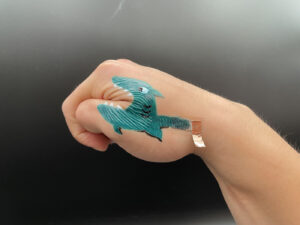
Wearable electronic “tattoos” painted onto the skin could allow comfortable and reliable health monitoring to personalized designs.

The flexible electrodes, outlined in PNAS, represent a pathway to the next generation of wearable systems for healthcare.

The novel devices are made of intrinsically conductible polymers that conform to the skin and maintain reliable connections to electronic systems, allowing stable electrophysiological monitoring.

Their ability to create bespoke designs could be particularly useful for long-term use in children, adolescents, and people sensitive to potential stigmatization.

WE-PDD electrode [Wanqing Zhang]

The researchers describe their invention “as a personalized and scalable solution for next-generation electronic tattoos that combine ultra conformality, customizability, and long-term reliability, accelerating their translation into clinical diagnostics and interactive bioelectronic systems.”

The current gold-standard electrodes of wet silver/silver chloride gels can dry out and produce inaccurate readings during motion.

The team therefore developed a paintable, drawn-on-skin dry electrode based on the biocompatible polymer poly (3,4-ethylenedioxythiophene): poly (styrene sulfonate (PEDOT:PSS).

The conductive ink can be painted onto microtextured skin with a commercial paintbrush and even go through hair.

It comprises polyvinyl alcohol as a mechanically supportive network, PEDOT:PSS as a conductive filler, and 4-dodecylbenzenesulfonic acid (DBSA) as both conductive additive and plasticizer, in a water-ethanol cosolvent system.

The resulting WE-PPD (water-ethanol-PVA/PEDOT:PSS/DBSA) electrode is breathable, sticks well to the skin, and conforms to it closely, minimizing skin contact impedance.

The paintable formulation also enables it to penetrate porous silver textile to form a robust soft-rigid connection.

In proof-of-concept demonstrations, the team demonstrated the versatility of the electrodes for biopotential monitoring and human-machine interfaces.

It was tested across wireless long-term electrocardiography recordings, robotic hand control based on electromyogram, and electroencephalogram-based neural response detection.

The absence of imaging artifacts also demonstrated its potential for multimodal MRI imaging and electrophysiological (EP) recordings, noted first author Wanqing Zhang, a PhD research assistant at Penn State University, and co-workers.

The team added: “The ability to customize the electrode appearance transforms WE-PPD from a conventional medical device into a user-friendly and aesthetically integrated wearable technology.

“For example, electrodes can be designed with cartoon patterns, which may reduce anxiety and improve acceptance among pediatric users by making EP monitoring less intimidating.

“Such personalization not only improves physiological comfort but also enhances social acceptance, user experience, and long-term compliance during continuous health monitoring.”

The post Paint-on Electrodes Enable Bespoke Health Monitoring appeared first on Inside Precision Medicine.

Development and Formative Evaluation of a Narrative-Based Serious Game for Pregnancy Education: Mixed Methods Study

Background: Serious games are increasingly used in professional health education and maternal health promotion. However, most pregnancy-related digital interventions target specific behaviors and do not provide a comprehensive, longitudinal simulation of the pregnancy journey that incorporates psychosocial and administrative aspects. Objective: This study aimed to develop and evaluate a narrative-based serious game that simulates the chronological course of pregnancy and to assess its perceived educational usefulness, accessibility, and user acceptance across multiple platforms. Methods: We developed a 9-chapter interactive serious game covering pregnancy recognition, partner communication, public health consultation, mid-pregnancy and late-pregnancy checkups, and home preparation for childbirth. The game was collaboratively created by a pediatrician, 6 medical students, and a student illustrator using a low-cost visual novel engine (TyranoBuilder). It was released in April 2025 on iOS, Android, and Steam. A voluntary, anonymous postgame survey was conducted between April 2025 and January 2026. Descriptive statistics were used to summarize survey responses and platform analytics. This study was approved by the Ethics Committee of Shinshu University Hospital. Results: A total of 65 users completed the postgame questionnaire. Most respondents were aged 10 to 19 years (38/65, 58.5%) and female (55/65, 84.6%). Nearly half of the participants (30/65, 46.2%) completed the game within 1 hour. Gameplay evaluation scores (5-point Likert scale; 3=neutral or appropriate) were balanced: game length (mean 3.37, SD 0.96), difficulty (mean 2.84, SD 0.85), and interactivity (mean 3.31, SD 1.10). Educational outcomes were rated highly (5-point Likert scale; higher=more favorable): reduced anxiety (mean 3.84, SD 0.96), perceived educational usefulness (mean 3.98, SD 1.02), perceived knowledge acquisition (mean 4.06, SD 1.06), story empathy (mean 3.80, SD 1.11), and overall satisfaction (mean 4.05, SD 1.04). Across all platforms, the game achieved 925 cumulative downloads. iOS and Android downloads were predominantly from Japan, whereas Steam downloads were geographically diverse. Of the 21 Steam reviews, 20 (95.2%) were positive. Conclusions: A serious pregnancy education game developed through a low-cost clinician-student collaborative model demonstrated high perceived educational usefulness, balanced gameplay characteristics, and broad user acceptance, including substantial engagement among teenagers and international users. Narrative-based serious games represent an accessible and scalable approach to maternal health education. Further research using more rigorous evaluation designs is warranted to assess long-term educational and behavioral impacts.
<img src="https://jmir-production.s3.us-east-2.amazonaws.com/thumbs/e2f36ab34de77d0bdb26718b9c29b61f" />

Very Low Uptake in Workplace Semen Analysis Research: Formative Web-Based Cross-Sectional Follow-Up Survey Distinguishing Employees With Self-Reported Unawareness From Aware Nonparticipants

Background: Very low uptake in workplace semen analysis research is difficult to interpret, particularly in employer-adjacent settings, where nonparticipation may reflect limited recruitment reach, limited understanding of the occupational rationale, low perceived relevance, or procedure-related concerns. Objective: This post hoc formative study described self-reported awareness of a parent workplace semen analysis study as an indicator of effective recruitment reach, reported reasons for nonparticipation under the implemented survey condition, and design issues for exposure-defined workplace reproductive health research. Methods: In April-May 2025, we conducted an anonymous web-based cross-sectional follow-up survey among male employees in Japan who had been eligible for, but had not completed, a parent workplace semen analysis study. The parent study invited approximately 2000 male employees from 3 companies between November 2024 and January 2025; 6 completed the protocol. The follow-up survey invited approximately 900 male employees from 1 company. Part 1 assessed awareness, reasons for nonparticipation, interest in male reproductive health information, and general openness to future related research. Optional Part 2 assessed age, knowledge, concerns, expected reactions, and willingness under simplified conditions. Responses were summarized descriptively using Wilson 95% CIs; no hypothesis testing was performed. Results: We analyzed 108 submitted questionnaires; 83 respondents completed Part 2. Overall, 74/108 (68.5%; 95% CI 59.3‐76.5) respondents reported no awareness of the parent study. Among unaware respondents, 68/74 (91.9%; 95% CI 83.4‐96.2) selected “did not know the study existed.” Among aware nonparticipants, the most frequent reasons were perceived irrelevance and resistance to collecting semen (each 9/34, 26.5%; 95% CI 14.6‐43.1), embarrassment or reluctance (8/34, 23.5%; 95% CI 12.4‐40), and hassle (7/34, 20.6%; 95% CI 10.3‐36.8). In Part 2, anxiety about unfavorable results was reported by 52/83 (62.7%; 95% CI 51.9‐72.3) respondents, concerns about collection location or privacy protection by 48/83 (57.8%; 95% CI 47.1‐67.9), and self-reported resistance by 42/83 (50.6%; 95% CI 40.1‐61.1). Under simplified conditions, 36/83 (43.4%; 95% CI 33.2‐54.1) respondents indicated willingness to undergo semen analysis. Conclusions: Very low uptake in this employer-adjacent semen analysis study was not interpretable as a single phenomenon. This post hoc formative process evaluation identified limited awareness, suggesting limited effective recruitment reach under the implemented procedures, and characterized the reason profile among aware nonparticipants, including low perceived relevance and semen collection–related concerns. Rather than identifying primary causal determinants of nonparticipation, the findings support a bounded recruitment-methodological interpretation and highlight recruitment-cascade components for prospective measurement: objective exposure to recruitment materials, information access, understanding of the occupational rationale, voluntary postinformation declination, privacy concerns, logistical burden, and specimen-return completion. Informed acceptability after occupational reproductive-hazard education should be evaluated in future designs that include such education and comprehension assessment.
<img src="https://jmir-production.s3.us-east-2.amazonaws.com/thumbs/5074771fda02afb1286842c831d3f8f2" />