High-resolution extracellular electrophysiology is typically used to record from neurons in order to understand brain function. Combining electrophysiology with optogenetics allows researchers to test the causal role of specific neurons by activating or inactivating those populations while recording the effects of neural activity.
Now, a new technology, co-developed by UCL scientists, simultaneously records and manipulates neuronal activity deep within the brain. The device, known as Neuropixels Opto and researched in mice, integrates electrophysiology and optogenetics in a single probe, enabling unprecedented insight into how individual neurons in the brain function and interact. By packing around 1,000 closely spaced recording sites onto an ultra-thin probe, it is possible to capture high-resolution signals from individual brain cells while monitoring large neural networks at the same time. The device could transform our understanding of neural circuits and neurological conditions, such as Alzheimer’s disease and schizophrenia.
“This makes it possible, for the first time, to directly test how specific neurons influence the activity of surrounding circuits—revealing causal relationships between neuronal activity and brain function,” notes Matteo Carandini, PhD, a professor at the UCL Institute of Ophthalmology. “The ability to both record and control neuronal activity in the same experiment represents a significant advance for neuroscience.”
This work is published in Nature Methods in the paper, “Neuropixels Opto: combining high-resolution electrophysiology and optogenetics.” The device, which packs 960 electrical recording sites and two sets of 14 light emitters onto a 70-μm-wide, 1-cm-long shank, allows spatially addressable optogenetic stimulation with blue and red light. The device allows researchers to monitor the electrical activity of hundreds of neurons while also selectively activating or silencing specific cells using light.
“The brain processes information through complex patterns of electrical activity, with billions of neurons communicating via rapid electrical signals,” explains Carandini. “Understanding how these signals give rise to behavior, thought and disease requires tools that can both observe and influence neuronal activity.”
“Until now, scientists have typically relied on separate approaches: electrophysiological probes to record neural activity, and optogenetics to control it,” Carandini adds. “Combining the two has proved challenging, particularly in deeper brain regions, where delivering light without disrupting sensitive recordings is technically difficult. Neuropixels Opto overcomes these limitations by integrating both capabilities into a single device, enabling simultaneous measurement and manipulation of neural circuits.”
Karolina Socha, PhD, research fellow at UCL Institute of Ophthalmology, has used the probes to investigate the function of the cerebral cortex. “We were surprised to discover that the activity of neurons in the cortex can be remarkably localized. Up to now, we thought that neurons are so interconnected that there would be no way to activate some of them without activating many others,” she said. “The new Neuropixels Opto probes revealed that these neurons can operate not only in concert but also rather independently.”
The technology may also have important implications for understanding neurological and psychiatric conditions. Many disorders, including schizophrenia, Alzheimer’s Disease and Parkinson’s Disease, are associated with disruptions in how neurons communicate. By providing a clearer picture of how neural circuits function in both healthy and diseased states, Neuropixels Opto could support the development of more targeted treatments.
The 2030 patent cliff may either decimate revenue streams or provide an opportunity for innovation that can transform the biopharmaceutical industry. As it stands today, some 200 biopharmaceuticals are scheduled to go off patent during the next four years, representing approximately $300 billion in revenue.
That revenue hit can be softened if biopharma manufacturers replace traditional mammalian expression systems with a Lemna plant-based system. Susan Stipa, CEO and co-founder of Phylloceuticals, tells GEN the Lemna platform her team has developed can reduce operational costs by nearly 80%–90% per gram in the upstream part of the process and one-third the cost overall. That’s because Lemna-based production lacks the 12-month lag and need for sterile growth media associated with mammalian cell lines and has less need for viral deactivation.
Demonstrating those points, Phylloceuticals’ Lemna-based approach produced microgram quantities of the PD-1 inhibitor pembrolizumab in only 16 weeks. Batch harvesting garnered “yields of approximately 0.6 grams purified mAb per kilogram of fresh weight,” Stipa says.
This isn’t how production has been traditionally handled, she says. So, “most companies are making defensive plays—such as mergers and acquisitions, reformulations, and reducing headcounts. But…what if the patent cliff could be an opportunity?”
The duckweed advantage
In optimal conditions Lemna, a genus of small free-floating aquatic flowering plants also known as duckweed, can double within 36 hours. In the wild, five to seven days is normal. “It’s one of the most prolific plants in the world,” Stipa points out. That rapid doubling time creates a huge speed advantage for line development and scale-up. “Line development speed for Lemna is four to six months versus 18+ months for Chinese hamster ovaries (CHO) cells,” Stipa says, “primarily due to Lemna’s genetic stability and clonal growth.” It boasts inexpensive, animal serum-free growth medium, no adventitious viruses, a negative carbon footprint, and uses about 10% of the water used by CHO cell systems to produce mAbs. And, she adds, “There is near-zero impact from unforeseen environmental deviations, like power outages.”
Susan Stipa CEO, Co-Founder
Importantly, “As a multicellular eukaryote, it possesses the advanced chaperones and complex post-translational modification machinery—specifically sophisticated N-glycosylation—required to correctly fold and stabilize large, bioactive human molecules. Our ability with duckweed to control sugars and, in particular, obtain human (or human-like) sugar profiles is what sets us apart.”
Those features make Lemna an attractive alternative to the more expensive CHO and other mammalian cell lines. CHO cells require a very complex system, and “thousands of CHO cells must be screened to find the cell that produces the right protein and remains genetically stable. There can be genetic drift, but with Lemna, there is none,” Stipa points out. Mammalian cells are sensitive to environmental fluctuations and require skilled technicians to manage them.
“Almost anything you can make in mammalian cells, you can make in duckweed, just a little bit better. And, yes, we do a bit better with folding,” she says.
Yeast such as Pichia pastoris or Saccharomyces cerevisiae is another option, but Stipa points out, “Yeast is a story of quantity versus quality. It can produce a lot very quickly, and it does simple proteins very well, but when the protein size and complexity increase, productivity drops.”
Building where there’s a need
That said, Phylloceuticalshas a potentially broad client base that includes individual investigators needing microgram quantities up to contract development organizations, biosimilar manufacturers, and innovators. The company is still young, though. “We need to prove the platform is what the industry wants it to be,” Stipa says.
Stipa developed a comprehensive view of the industry as a young cancer patient and through a career as a chemical process engineer who built biopharma facilities globally, and as a life sciences marketer exposed to many companies.
Her time in marketing, in fact, led to the formation of Phylloceuticals. “I had developed brand strategy for so many start-ups only to see the scientist-founders lose the room pretty quickly,” Stipa says. “In today’s media-saturated world, innovative science also needs advocates able to tell incredibly compelling stories, and to tell them so they stick.”
In 2024, Stipa and her co-founders, Lynn Dickey, PhD, now chief technology and science officer, and Bill Brydges, one of the original leaders of bioengineering firm Foster-Wheeler Biokinetics, incorporated Phylloceuticals.
The company became operational in January 2025, opening its pilot facility in Rapid City, South Dakota. “Our location choice perfectly mirrors the bio-agility of our platform,” Stipa says. “Traditional mammalian cell [production facilities] are often tied to very specific legacy pharma hubs. The idea of Phylloceuticals is that we can be up and running anywhere the need is, and in underserved regions. Rapid City is at the core of one of the largest rural healthcare areas [in the U.S.].”
That the facility was operational in only 12 weeks helped Phylloceuticals transition from friends and family financing to angel investment. Stipa says she expects to close the company’s first funding round soon, “to be followed immediately by a Series A round.”
Initial focus: biosimilars
The company’s focus on biosimilars is directly related to the patent cliff and the industry’s widely discussed onshoring. The COVID pandemic highlighted a flaw in the global supply chain that left nations dependent upon others for critical pharmaceutical ingredients. Plugging that gap with the Biosecure Act (signed into law December 2025) and Federal Acquisition Regulations that ban commerce with companies of concern, Stipa says, makes Phylloceuticals an attractive choice for low-cost, onshore, mAb production. “Beyond biosimilars, we are also very active in animal health biologics and ADC/RTL support,” she adds.
Regulators—notably the FDA—are familiar with Lemna because of its commercial-scale use for food, and for pharmaceutical products that have been through Phase II, including β-interferon, although it hasn’t been used commercially for pharmaceutical products. Commercial scale has been on Stipa’s mind since the beginning. “From the very early months, we had a team beginning to think about what scale-up would look like. Even when we didn’t have the funds, we had advisors working on the scaleup question,” Stipa says. Currently, Phylloceuticals can make microgram-to-gram quantities. Its next phase is to make gram-to-kilogram quantities.
Challenges
“I think pharma rarely fails because of the science,” Stipa says. She says the company is still improving extraction from the apoplast (the network of cell walls and intercellular spaces that help transport water and nutrients) and scaling to commercial quantities.
Instead, the big challenge for Phylloceuticals is simply innovating in an industry that has a legacy, multi-billion-dollar investment in stainless steel infrastructure. “Change is hard,” she acknowledges. But change is also inevitable, and the biopharmaceutical industry is hardly the first to face entrenched legacy equipment and processes.
As an example, she cites Kodak, which invented the first digital camera in 1975 but didn’t commercialize it. Aside from its initial technical immaturity, digital photography “would challenge the paradigm of film and chemicals Kodak sold,” Stipa points out. Yet, today, more than 90% of all photos are digital, and film photography is a relatively small niche. Clearly, she says, “It is possible to shift a legacy mindset.
“Our challenge is to find forward-thinking leaders who believe the same way [we do],” Stipa continues. The first two customers have signed on—one engaged in preclinical studies around joint disease, and one focused on animal health—which suggests such leaders are there and are open to new ways of doing things.
“The industry is at a crossroads,” Stipa says. “I see this as an opportunity to help our partners transition from ‘how we’ve always done it’ to a model of bio-agility.”
Phylloceuticals
Location: 800 N. King Street, Suite 304, Wilmington, DE 19801
Focus: Phylloceuticals has developed a plant-based expression system using Lemna (duckweed) as the bioreactor that has produced a mAb in 16 weeks, start to finish. As a multicell eukaryote, Lemna has the cellular machinery necessary to correctly fold and stabilize large, bioactive human molecules.
Like any complex system, the cell depends on a tightly regulated quality control network to maintain order and prevent the accumulation of harmful proteins. This network governs protein homeostasis, including the synthesis, folding, trafficking, and ultimately the clearance of proteins. When these processes fail, aberrant or misfolded proteins can accumulate and drive disease.
Targeted protein degradation (TPD) therapeutics seek to harness this intrinsic quality control machinery to selectively eliminate disease-causing proteins. Central to this approach is the principle of induced proximity, in which a designed molecule brings a target protein into close contact with a cellular effector, triggering its removal through endogenous degradation pathways.
Two major systems underpin these processes. The ubiquitin-proteasome system governs the degradation of intracellular, soluble proteins, where targets are tagged with ubiquitin by a cascade of enzymes, including E3 ubiquitin ligases, and directed to the proteasome for destruction. In parallel, lysosome-mediated pathways handle larger, membrane-bound, extracellular, or aggregated proteins by routing them through endocytic or autophagic mechanisms for degradation.
Building on these natural systems, a growing toolkit of TPD modalities has emerged. For example, proteolysis-targeting chimeras (PROTACs) exploit the ubiquitin-proteasome system, while newer approaches such as lysosome-targeting chimeras, including sortilin-based lysosome targeting chimeras (SORTACs), extend degradation to extracellular and membrane-associated proteins. Molecular glues, by contrast, stabilize interactions between E3 ligases and target proteins without requiring a bifunctional design, further expanding the scope of induced proximity strategies. Additional degrader technologies are being developed.
Although first described more than 25 years ago, TPD is now entering a phase of rapid maturation and increasing therapeutic relevance. By operating through catalytic, event-driven mechanisms rather than traditional occupancy-based inhibition, these approaches offer the potential to address previously “undruggable” targets, overcome resistance mechanisms, and deliver more durable clinical responses. At the same time, key challenges remain, including expanding access to extracellular targets, improving target validation strategies, and navigating an increasingly complex and data-rich development landscape.
Tackling the extracellular frontier
Early TPD efforts have primarily targeted cytosolic proteins, leaving extracellular and membrane-bound targets (estimated to comprise about 40% of the human proteome) largely unaddressed.
“Many key drivers of disease, including inflammatory cytokines, protein aggregates, and secreted factors, remain inaccessible to conventional PROTAC-based approaches,” says Simon Glerup, PhD, co-founder and CSO, Draupnir Bio, a spinout from Aarhus University (Denmark).
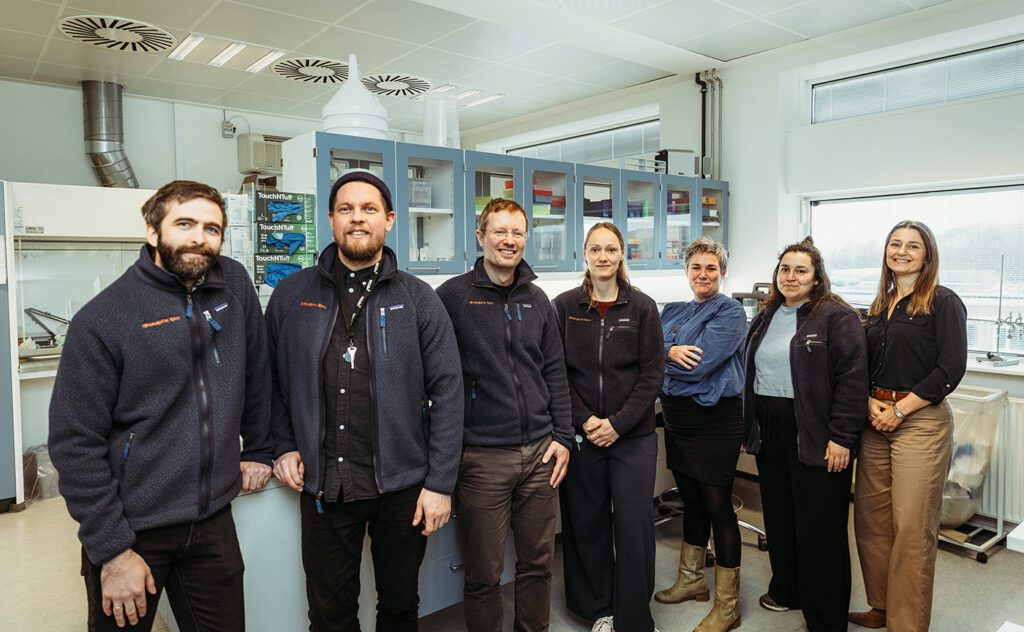
Simon Glerup, PhD, co-founder and CSO, Draupnir Bio and Lab: Lab photo from left: Jonas Lende, Casper Larsen, Simon Glerup, Marianne Kristensen, Camilla Gustafsen, Amanda Simonsen, Line Slemming.
The company is addressing this gap by utilizing its proprietary SORTAC platform, a modular, small-molecule technology designed to degrade extracellular proteins by harnessing the natural lysosomal clearance pathway. Glerup notes that “these targets are central to diseases such as neurodegeneration and inflammation, yet remain difficult to drug with existing modalities.”
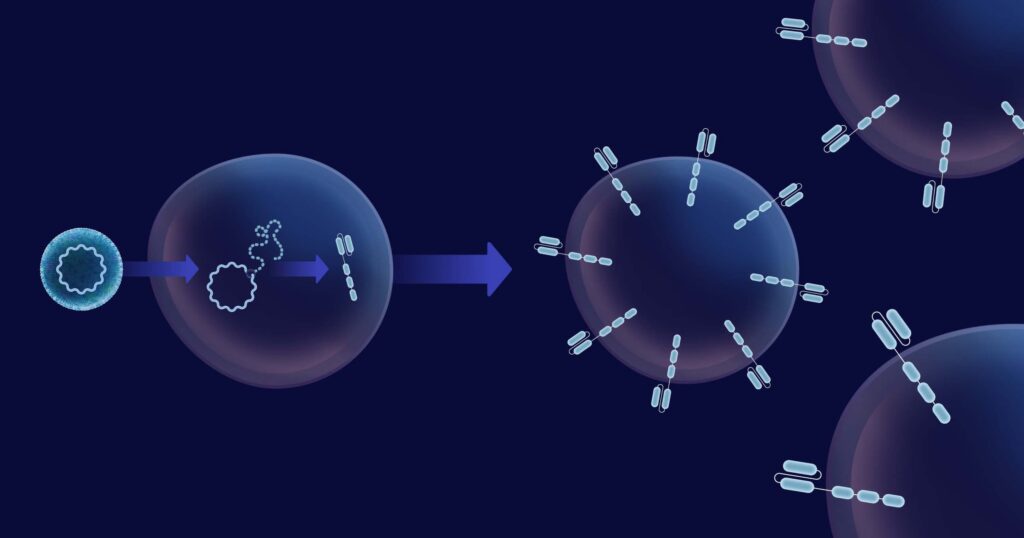
SORTACs are bifunctional small molecules composed of a sortilin-binding module linked to a target-binding ligand, enabling formation of a ternary complex between an extracellular disease protein and the lysosomal receptor sortilin, which drives internalization and degradation in lysosomes. Glerup elaborates, “Unlike antibody-based or intracellular TPD approaches, SORTACs combine the advantages of small molecules (such as potential oral delivery and tissue penetration) with catalytic, event-driven pharmacology. The platform has demonstrated hallmark TPD properties, including ternary complex formation and catalytic turnover, with in vitro and in vivo degradation of therapeutically relevant targets.”
Glerup emphasizes that SORTACs enable degradation of both soluble and membrane-associated proteins and leverage receptor recycling to drive sustained target clearance.
The company has launched a multi-partner Danish initiative, DESYNA (Degradation of Extracellular α-SYNuclein Aggregates) in collaboration with Aarhus University, focusing on Parkinson’s disease. Accumulation of α-synuclein aggregates is a key driver of disease, and the approach aims to selectively degrade these pathogenic species and halt their progression.
Glerup believes extracellular TPD represents the next major wave of innovation in the field. “By extending TPD beyond the cell’s interior, the cytosol, SORTAC has the potential to unlock a large and previously inaccessible target space. With growing validation and collaborative efforts such as DESYNA, there is strong reason for optimism that this approach can deliver transformative therapies for diseases that currently lack effective treatment options.”
Enabling TPD workflows
Advancing TPD depends on a coordinated ecosystem of tools that support target validation, mechanistic interrogation, and translational predictions. Within this context, attention is increasingly focused on the central challenge of translating mechanistic promise into consistent patient benefits.
Hannah Maple, PhD Senior Director Bio-Techne
“I think we are on the brink of seeing TPD and induced proximity truly usher in a new era in drug discovery as we await the first clinical approval of a PROTAC degrader,” says Hannah Maple, PhD, senior director at Bio-Techne®. At the same time, she notes that “one of the challenges with this as a new drug modality is to gain a deeper understanding of where the maximum patient benefit lies from a target and indication perspective.”
That uncertainty places renewed emphasis on target validation strategies. Maple elaborates, “Driving efficacy versus standard of care in a predictable way remains a challenge, despite in many cases strong mechanistic rationale for degradation versus inhibition of a particular target. For this reason, I would keep target validation high on the list of key challenges for the field as it relates to driving clinical impact and patient benefit with this technology.”
To support this critical transition, Maple says Bio-Techne has established long-standing collaborations with leading research groups to co-develop new technologies and support training of the next generation of TPD scientists. The company has also built an integrated portfolio of tools spanning biological reagents, chemical probes, and assay platforms with TPD-focused capabilities across its R&D Systems portfolio brand, including the Tocris small-molecule products.
Maple provides an example. “Some of the most useful categories of tools for target exploration and validation in the context of TPD are the R&D Systems’ Tocris Tag Degradation Platforms and self-labeling protein tag platforms.” These approaches involve fusing a small protein tag to the protein of interest and pairing it with a complementary small-molecule ligand that binds the tag. The tag ligand is typically bifunctional and can be developed to recruit an E3 ligase to the protein-of-interest, eliciting degradation in a controllable, tunable manner.
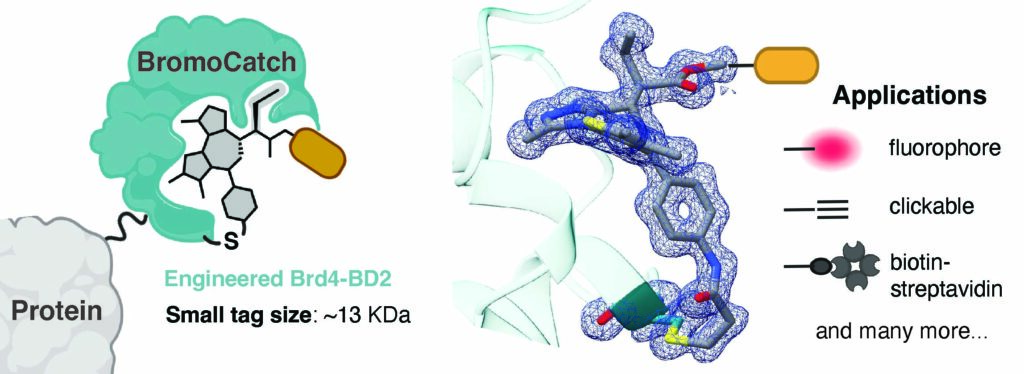
Within this ecosystem, protein-level tools support target interrogation and validation. Maple highlights self-labeling tag systems as particularly valuable. “Through our R&D Systems brand, we have built a leading portfolio of these technologies, and very recently launched BromoCatch, a next-generation self-labeling tag platform that was co-developed with [the lab of Alessio Ciulli, PhD] at the Centre for Targeted Protein Degradation, University of Dundee. BromoCatch represents a powerful, modular platform that uses a low molecular weight protein tag. The benefit of this approach is to minimally perturb the native localization or function of the protein being tagged, versus prior larger tags that could cause undesired functional effects.”
BromoCatch is a small, rationally designed self-labeling tag platform for targeted protein analysis, manipulation, and degradation. [Bio-Techne]
Complementing these approaches, the R&D Systems portfolio provides targeted degradation reagents such as dTAG-13, a heterobifunctional degrader used in tag-based systems to selectively eliminate engineered proteins of interest, offering a chemical alternative to genetic knockdown approaches.
Maple reports that another impactful technology of Bio-Techne’s R&D Systems portfolio is their Simple WesternTM automated western blot instruments. She explains, “TPD heavily relies on western blotting, but scaling screening campaigns using this as a primary assay is a huge time and resource drain, with variable data quality and poor reproducibility. Simple Western technology allows researchers to get reliable, reproducible and quantitative degradation data on a fully automated instrument.”
Enhancing pipeline intelligence
Flavio Lima Bianchi Lead Research Analyst Beacon by Hanson Wade
Keeping pace with the fast-moving TPD landscape can be daunting. “Part of the problem is that reliable data is hard to come by, particularly in regards to the advancements coming out of China, with developers still relying on their own, in-house methods to generate viable, orally bioavailable lead candidates at the cost of significant time and investment,” observes Flavio Lima Bianchi, lead research analyst at Beacon by Hanson Wade.
As evidence of this challenge, Bianchi notes that despite PROTACs comprising roughly a third of the overall TPD landscape, “to date less than five percent of PROTACs have managed to progress into the clinic and only a select few drugs have reached late-state, pivotal studies.”
The company is addressing these limitations in several ways. “We aggregate all available TPD data and render it into an easily searchable and digestible format. Too often is information siloed within organizations and, perhaps more importantly, failed degraders are rarely published or are quietly swept under the rug.”
He continues, “Beacon leverages a mixture of publicly available and proprietary data obtained directly from developers to track every single TPD program globally and to lift the lid on both the successes and the failures, enabling developers to make better, more informed decisions.”
While investigators relying on in-house methods may spend significant time searching available information, Bianchi emphasizes that their platform extends well beyond data access. “Beacon TPD is a subscription-based intelligence platform, providing users the ability to search comprehensive, curated preclinical, clinical, and commercial data across the induced proximity landscape. Aside from this primary search and retrieve function, Beacon’s additional functionalities include analyst reports, conference summaries, weekly newsletters and alerts, all designed to keep users abreast of the latest development within their field of interest.”
Broadening TPD horizons
Bio-Techne’s Maple envisions TPD expanding well beyond its original scope. “I think about TPD as one portion of a broader induced proximity revolution. The basic principles and technological breakthroughs that have driven TPD can be applied to targeted protein localization, stabilization, modulation, etc. This opens new optionality from a therapeutic standpoint and is also opening entire new fields of basic research enabled by these new principles and chemical tools.”
In April 2025, the U.S. Food and Drug Administration (FDA) released a strategic roadmap to make animal testing the exception for preclinical safety and toxicity studies within the next three to five years. Central to that vision is the adoption of validated new approach methodologies (NAMs), including organ-on-chip systems. The National Institutes of Health reinforced that shift the same month by requiring that all new notices of funding involving animal models incorporate human-focused approaches such as organ chips and other NAMs. Similar changes are emerging globally. In November 2025, the U.K. government published its roadmap to largely phase out animal testing in research while accelerating the development and validation of alternative methods.
For organ-on-chip developers, growing interest from federal agencies is a welcome trend. They are currently generating the data necessary to show that their technologies can work in stringent regulatory environments. However, there are still outstanding questions around validation standards, regulatory expectations, and how NAM data will be evaluated in submissions. At the same time, adoption remains slow, with drug developers continuing to rely largely on established animal models, which command billions in investment compared to the much smaller organ-chip sector.
Still, it is clear that momentum is building behind NAMs. And in response, organ-chip developers are stepping up to ensure that their platforms can produce results when the time comes.
From space flight to lab scale-up
When the Artemis II astronauts launched their historic 10-day journey around the Moon in April 2026, they carried some unusual cargo: organ chips containing cells from their bone marrow. The chips are part of the AVATAR (A Virtual Astronaut Tissue Analog Response) investigation, which is using organ-on-chip devices to study the effects of deep-space radiation and microgravity on human health.
Emulate’s organ chips played a pivotal role in the recent Artemis II lunar mission. The so-called AVATAR experiment could change how space agencies study the effects of radiation and microgravity impact human health. [Emulate
Before the trip, cells from the astronauts were harvested to create two sets of bone marrow chips: one set traveled beside the crew aboard their spacecraft, while another remained on Earth. The idea was to compare both sets of chips when the astronauts returned to Earth. More broadly, the AVATAR project also aims to provide proof-of-concept for including human organ chips in future missions.
In 2025, Emulate announced that its organ-chip technology was selected to accompany the astronauts on their lunar fly-by. It is an exciting project for Emulate, which commercializes human organ-chip technology developed at the Wyss Institute for Biologically Inspired Engineering at Harvard University. But it is only one of several activities that the company has been involved in the recent past. The company’s liver organ chips were one of the first to be accepted for the FDA’s Innovative Science and Technology Approaches for New Drugs (ISTAND) program, which supports tools that fall outside the scope of existing qualification programs but may still be useful for drug development.
Lorna Ewart, PhD Chief Scientific Officer Emulate
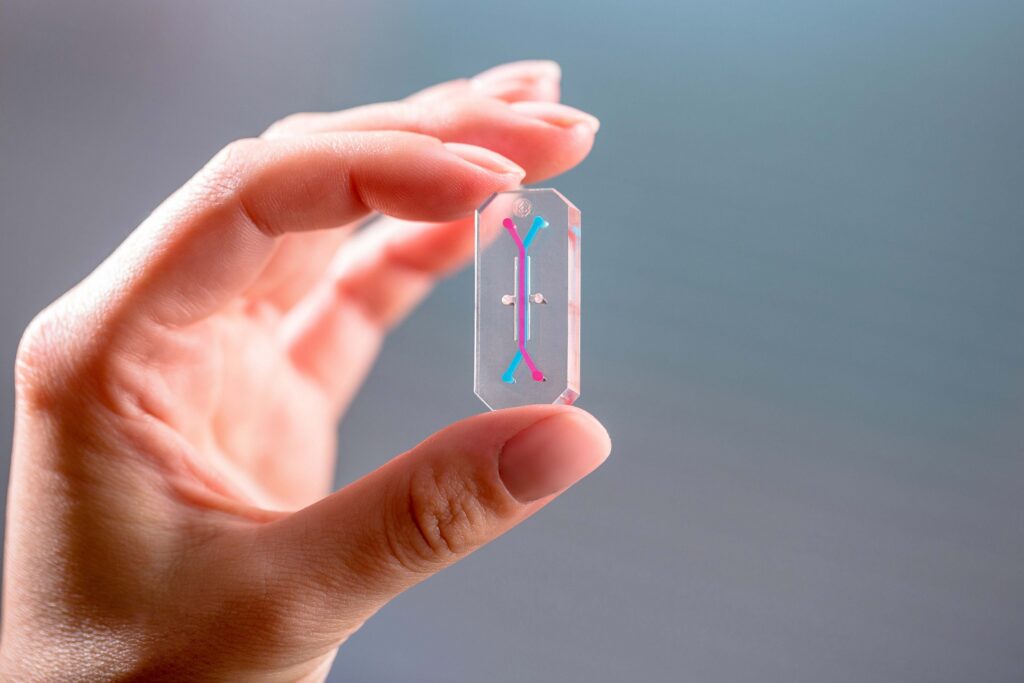
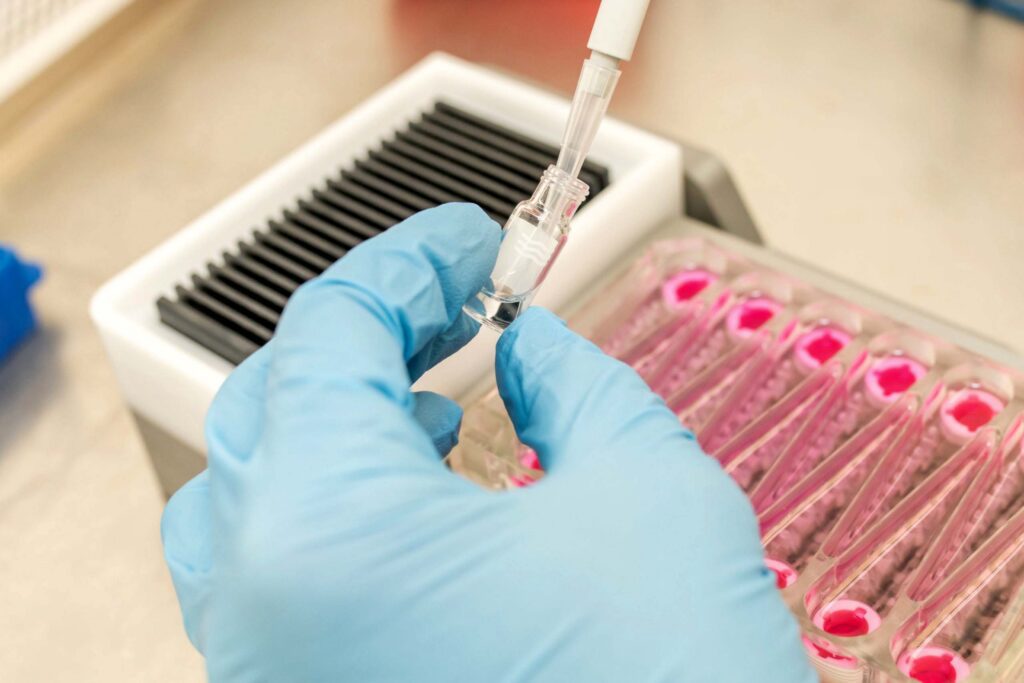
In a conversation with GEN, Lorna Ewart, PhD, Emulate’s chief scientific officer, described 2025 as a pivotal year both externally—with announcements from multiple federal agencies promising increased support for organ chips—and internally, with the launch of Emulate’s new instrument, AVA, in June 2025 to address what Ewart describes as “key operational challenges” with the company’s first-generation platform. AVA has a higher throughput than its predecessor, enabling microfluidic workflows across 96 parallel organ chips or “emulations” in a single run. The company claims that it is the first organ-on-chip workstation to combine high-throughput microfluidic tissue culture with automated imaging in a self-contained environment.
Interest in the instrument to date has come primarily from large pharmaceutical companies and mid-sized biotech firms, who need to run large numbers of chips in parallel. But, Ewart says, there is also strong interest from academic institutions and government agencies. Some of that interest is driven by AVA’s much smaller footprint. Compared to Emulate’s first-generation system, AVA is a compact benchtop system that does not require multiple incubators. The company has also reduced the size of each emulation, or chip equivalent, by about 50%, meaning that the new platform requires fewer cells and uses less media, helping to keep experimental costs down. “Academics are actually quite excited about getting their hands on it and looking at it as a core lab instrument where multiple labs will be able to use it.”
AVA also addresses concerns about reproducibility, a consistent source of worry for drug developers, and one that Emulate has made a priority. The company has shared data showing that its liver-chip biology is reproducible both internally and externally in laboratories using AVA. The company has also taken steps to minimize technical variability within experiments as well as bias when running AVA at scale. “We need to make sure that the first chip array looks the same as chip array eight,” Ewart says. “If it doesn’t, there’s variability across those different [chip arrays] that will impact the way that a user can design, what we would refer to as a fully burdened experiment.”
More complex, automated models
When it first launched, U.K.-based organ-on-chip company CN Bio started with a liver-on-a-chip platform, but has since expanded to include various organ models, including intestine, lung, and kidney. The company’s commercial platform is built on technology developed in the laboratory of Linda Griffith, PhD, at the Massachusetts Institute of Technology.
Tomasz Kostrzewski, PhD Chief Scientific Officer CN Bio
Currently, CN Bio has applications in multiple arenas, including safety, toxicology, and disease modeling. “For example, in the toxicology space, we have a very well-known and well-utilized model of drug-induced liver injury,” Tomasz Kostrzewski, PhD, the company’s CSO, tells GEN. That model is being utilized by several global clinical research organizations to offer assays as a service. The company also has a multi-organ system that links its intestine and liver chip models, which can be used to predict the oral bioavailability of drugs, and a range of disease models for metabolic liver disease, chronic obstructive pulmonary disease, and more.
Perhaps one of the biggest challenges, from Kostrzewski’s perspective, is the misconception among some stakeholders that organ chips can fully replace animal models today. That is not a position that the organ-chip community has advocated for, he says. The focus should be on “using these tools to answer the right question and [in] the right context of use at the right time alongside all those other approaches that are out there.”
Development plans in the near future involve making incremental improvements that refine CN Bio’s platform over time. “One key area that we’re working on is immunology and adding in more complex immune cultures into our chips,” Kostrzewski says. Recently, “we presented some of the first data [incorporating] peripheral immune cells in our liver model and looking at the toxicity of monoclonal antibodies.” Some customers are building “neuronal blood brain barrier models on our platform” with an eye towards “understanding how drugs can penetrate across that barrier.” In parallel, the company is expanding into new organ systems, including kidney models, via partnerships.
The company is also turning to automation to help customers scale their work. CN Bio’s open design integrates well with standard robotic systems, making it well-suited for high-throughput workflows, Kostrzewski says. Customers could run more chips in parallel as part of larger screening studies with more consistency and less human intervention. There is also the potential to incorporate sensing capabilities, much like those used in biomanufacturing, to monitor system performance in real time and generate functional readouts.
In addition, the company is working to demonstrate to drug developers that organ chips can generate valuable translational data that predicts clinical outcomes. That certainly has been true for CN Bio as “we have a number of molecules that we have helped take to the clinic” that have been proven successful, says Kostrzewski. And there are customers using its organ chips “to make no-go decisions” regarding potential drug programs. “That’s the ultimate proof that these technologies do what they say,” he says.
CN Bio’s PhysioMimix supports studies of metabolic liver disease, chronic obstructive pulmonary disease, and drug delivery in the brain. There are also efforts to develop additional organ systems using the technology. [CN Bio]
Digital twin and multi-organ models
Hesperos’ co-founders, James Hickman, PhD, and Michel Shuler, PhD, have been involved in the organ-chip space since its early conception. In fact, the technology that underpins the company’s services emerged from work that both scientists were doing independently in their laboratories. Today, the company provides drug development services using its Human-on-a-Chip® single- and multi-organ systems in areas such as neurodegenerative disease.
In April, the company published a study in Alzheimer’s & Dementia: The Journal of the Alzheimer’s Association focused on familial Alzheimer’s disease (fAD). Specifically, scientists at Hesperos and the University of Central Florida (UCF) used a neuromuscular junction (NMJ) multi-organ chip to show that fAD-associated mutations caused specific impairments in NMJ functions that occurred independently of brain pathology. Building on that work, Hesperos scientists and their collaborators are trying to understand what therapeutics could potentially be useful for both the peripheral and central nervous systems, as well as which would need to be specific for each.
Last year, the company also demonstrated what they claim is the first true digital twin capability using an organ-on-chip platform. That capability is described in an Advanced Science paper where the scientists explain how a multi-organ system comprising human liver, spleen, endothelial tissues, and blood was used to replicate the full lifecycle of Plasmodium falciparum, the parasite responsible for malaria. They plan to publish additional studies on their work on digital twins. Additionally, like Emulate, Hesperos is also participating in the FDA’s ISTAND program.
James Hickman, PhD Co-founder Hesperos
In a conversation with GEN, Hickman described the broader adoption of organ-on-chip technology as a mixed bag, with some people being more open to the technology and others showing more resistance. He noted that many in the community are still accustomed to using animal models, which may make them more reticent to change, but also acknowledged that animal testing is a multi-billion-dollar business. “There are a lot of people with a vested interest in keeping animal experimentation going,” he says. That means that although people may be interested in alternatives like organs-on-chips, from a practical perspective, it may be difficult for them to disengage from their reliance on animal models.
He also pointed to the FDA’s evolving guidance on alternative technologies—and the lack of clarity—as one of the biggest hurdles. “People are still trying to get their hands around the FDA announcements on moving away from animal models,” and trying to understand what the agency wants to see, Hickman explained. “We have a pretty good idea of what that [might be needed and] we work with a couple of people [to] generate data along those lines,” he says. “The biggest thing is to start getting [clearer guidance] in terms of what they will accept in lieu of safety data.” There are also questions around whether good laboratory practice (GLP) requirements for these new approach methodologies need to mirror those for animal studies, given the differences between the systems. “Doing GLP is really expensive,” Hickman said, and requiring the same standards could effectively put many companies out of the running to conduct safety studies because they can’t afford it.
Equally important is addressing the limited investment in organ chip and other alternative technologies. Hickman estimates that commercial NAM entities collectively generate hundreds of millions in revenue, compared to tens of billions secured by large animal CROs. Although federal agencies have committed to supporting NAMs, providing millions in funding, greater investment is needed for these alternative technologies to come into their own. Hickman added, “It’s a matter of trying to increase that capacity to really start showing that it’s a force in the industry versus a shiny new toy that people haven’t quite figured out what to do with.”
Four years ago in GEN, Scripps Laboratories predicted that the clinical diagnostic industry was on the verge of a recombinant protein revolution. At the time, in vitro diagnostic (IVD) assay developers were opposed to using recombinant proteins as replacements for proteins derived from human or animal tissues, glands, organs, and fluids, so-called “native” proteins. The pushback was vigorous, even palpable.
David A. George Director, Product Research Scripps Laboratories
Today, the transition to recombinants is underway, as they are being approved and adopted in IVD assays around the globe. I witnessed firsthand the shortage of native starting materials and helped drive this shift by developing recombinants suitable for the IVD industry. Recombinants are now the most responsible option in many diagnostic areas for laboratories that care about long‑term risk management, supply chain resilience, sustainable sourcing, and price stability.
The IVD industry relied far too long on a surprisingly fragile supply network. Many of the proteins used in diagnostic assays are purified from starting materials obtained from human donors, or from abattoirs in the case of animal-sourced materials. For decades, this system appeared satisfactory: native materials were available, performance was good, and IVD assays were being produced to meet global demand. The system appeared sustainable, and there was no visible reason to change; that is, until there was.
Native sourcing becomes unsustainable
The erosion of the native starting material supply chain was not a single, isolated event. It occurred over many years, even decades. Today, native raw materials for critical proteins in several diagnostic areas are unavailable in the quantities needed to support the growing IVD industry.
Going back 10 to 15 years, human hearts and livers were becoming increasingly expensive and difficult to obtain. In addition, the quality of the donor organs made available to material manufacturing companies was deteriorating severely. Many organs were either resected or visibly diseased. The poor-quality hearts yielded less and less of the cardiac biomarkers creatine kinase MB (CK-MB), troponin I (TnI), and troponin T (TnT). Similarly, yields of the iron-storage protein ferritin from human livers decreased precipitously.
Pituitary glands have a similar story of declining availability and spiking costs. Pituitaries are the source of follicle-stimulating hormone (FSH), luteinizing hormone (LH), prolactin (PRL), and thyroid-stimulating hormone (TSH). These hormones are essential to testing in reproductive medicine (FSH, LH, PRL) and thyroid disease (TSH). The pituitary gland is small, the size of a pea, and each human has only one. Several thousand glands are needed, from several thousand donors, for a single pituitary gland-extraction batch. Given the growing size of the reproductive and thyroid testing markets, such large-scale consumption of this limited resource was not sustainable.
Animal-derived proteins are not immune to such supply chain disruptions. Changes in how porcine stomachs are processed at abattoirs around the world significantly reduced the intrinsic factor content available for purification. Porcine intrinsic factor has a high affinity for vitamin B12 and has been used for decades in metabolic diagnostics as the binding reagent in B12 assays. With the new stomach excision process resulting in lower yields, producing native intrinsic factor has become more challenging and expensive.
One telling indicator that some areas of the native protein model are under strain is the behavior of IVD assay manufacturers themselves. Many long-standing hormone customers have implemented a “last time buy” strategy, purchasing native hormones in quantities to last three to five years. This tactic may bridge a short-term gap, but it signals a deeper, industry-wide revelation: continuing to build assay portfolios on such vulnerable raw materials is not aligned with long-term risk management.
From skepticism to necessity
When companies began presenting recombinant alternatives to the IVD industry, the reception was cool. Many companies would not entertain a discussion about recombinants, let alone consider evaluating them. The conventional wisdom was that native proteins were inherently superior in immunoassays, particularly for structurally complex proteins, like the 24-subunit ferritin molecule, or for glycosylated, two-subunit proteins, like FSH, LH, and TSH. To be fair, the recombinants available 10 or 20 years ago were not produced with the IVD industry in mind and did not perform up to industry standards.
In only a few years, the IVD industry’s attitude toward recombinants has shifted dramatically. A willingness to evaluate them as replacements for native proteins has spread across the globe. The same diagnostic laboratories that refused to have a conversation about recombinants four years ago are now proactively soliciting their suppliers for recombinant alternatives to native proteins. Many global IVD leaders have implemented a mandate to switch to recombinant proteins wherever a native protein may be considered at risk of a raw material shortage. Furthermore, when a new assay is being developed, a “recombinant-first” approach is now the norm.
I have also witnessed a cultural element to the shift. Some of the larger IVD companies have said that their scientific staff was reluctant to switch away from native proteins, but that the transition to recombinants is happening, regardless. This, too, demonstrates a broader understanding in the industry of the fallibility of the old native model.
Recombinants taking over
The most swift and dramatic transition to recombinant hormones is occurring in the fields of reproductive biology (FSH, LH, PRL) and thyroid disease (TSH). Historically, recombinant forms of these hormones performed poorly, so the resistance to evaluating recombinants was strong. As the supply of pituitary glands contracted, however, assay manufacturers were forced to confront the vulnerability of their supply chain. Fortunately, having inside knowledge of the pituitary supply constraints, our laboratory set out early to develop recombinant forms of these hormones. By the time the supply crisis hit, we were prepared with a full line of IVD-assay-tested recombinant hormones.
Credit: vdvornyk/ iStock / Getty Images Plus
The response in the industry has been decisive and far-reaching. Most customers for native hormones have now tested, approved, and switched to recombinant versions. This change did not occur because native hormones suddenly became unusable, but because their supply became incompatible with the magnitude, reliability, and planning requirements of the industry. By contrast, recombinant hormones can be produced at scale in controlled systems with consistent quality and predictable availability.
Cardiovascular diagnostics are following a similar path. Recombinant TnI, TnT, CK-MB, and myoglobin are being adopted quickly as replacements for the native forms derived from human hearts. The supply of suitable organs cannot keep pace with industry demand, as cardiovascular disease is on the rise globally and the growth of point-of-care testing continues. Recombinant cardiac markers offer a solution to organ supply shortages, meeting the industry’s high demand for these proteins, while maintaining the performance characteristics IVD laboratories expect.
In anemia and metabolic diagnostics, the switch has not been immediate, but it is underway. Recombinant apoferritin (ferritin without iron) and recombinant human intrinsic factor are available to replace the native proteins, and they are being evaluated and approved. The global supply of native ferritin and intrinsic factor is diminishing, but the situation is not as dire as with heart- and pituitary-derived proteins. Thus, the transition is progressing, but is not as far along.
Keys to producing recombinants
To justify switching to a recombinant protein, the recombinant must perform comparably to the native protein it is intended to replace. Early recombinants did not perform well, resulting in the skepticism seen initially. In antibody-based assays, even subtle structural differences can translate into poor recognition, reduced sensitivity, or altered calibrator performance. Overcoming these issues requires more than simply expressing a protein in a convenient host; it requires a project development and testing strategy tailored to the nuances of IVD assay development.
At Scripps, our intention was to devise and implement a strategy that would produce recombinants suitable for the IVD industry. The process involves appropriate gene, expression vector, and host cell line selection; tagless protein expression; early and extensive testing in antibody-based systems, including clinical analyzers; and a willingness to revisit any or all of these elements if the desired recombinant is not produced.
This development strategy addresses the concern about recombinant protein performance in the IVD industry. When a recombinant biomarker performs well and can be supplied consistently, without relying on the unstable supply framework of donor materials, the recombinant becomes not just an acceptable option, but the preferred one.
Looking ahead
The IVD industry is at an inflection point, bending toward global acceptance of recombinant biomarkers. The constraints on native tissue supply and quality will not ease; in fact, they will likely intensify. Simultaneously, industry expectations surrounding ethical sourcing, supply chain stability, risk mitigation, and long-term cost control will become more stringent. Given this environment, continued reliance on donor materials is difficult to justify and is perhaps foolish.
Recombinant proteins offer a way forward that unites consistent assay performance with sound business judgement. Disconnected from unreliable tissue supply networks, recombinants support sustainable and ethical sourcing practices, providing IVD assay manufacturers with a stable foundation for planning and growth. The experience of recent years—in reproductive biology, cardiology, and thyroid disease in particular—has shown that when recombinants are developed with clinical assay performance in mind, they can match or even exceed the standards set by native proteins.
I have seen the industry’s view of recombinants evolve from skepticism to necessity. Focusing on tagless expression and rigorous early testing, recombinants can be produced not as lesser-quality replacements, but as robust solutions. As assay developers and IVD executives look ahead to the next decade of innovation, recombinants are no longer a speculative option. They are the most responsible path toward assuring the continued availability of the tests that patients and clinicians rely on daily.
David A. George is director of product research at Scripps Laboratories.
Laurence Arnold, PhD Head of R&D Pelago Bioscience
We’ve never had more data in drug discovery. Yet despite this explosion in capability, our industry’s most fundamental challenge remains stubbornly intact: making confident early decisions about which drug programs deserve billion-dollar investments, and which should be shelved.
It costs two to three billion dollars to bring a drug to market, with a 90% failure rate, often higher. These numbers mask something more troubling. We’re not just failing because biology is hard; we’re failing because the mountains of data we’re generating aren’t giving us what we actually need at decision points that matter.
In my view, we don’t have a data volume problem—we have a data relevance problem.
Biological activity is not relevance
Traditional drug discovery relies on a “dissect and build” approach: isolate one variable, measure it in a controlled environment, then extrapolate. It’s disciplined. It’s reproducible. And it has delivered important medicines.
But the persistently high failure rate in drug development tells us we’re reaching the limits of this approach. In reality, biology operates through cascading networks, feedback loops, and context-dependent equilibria. These are dynamic biological systems where cause and effect rarely follow straight lines.
We’ve successfully drugged only about 650 of 20,000 potentially druggable proteins. Not because scientists lack talent, but because for most targets, we don’t have robust ways to measure what matters—the initiating molecular event in a biologically relevant context.
We’re good at measuring activity. What we struggle with is measuring relevance.
An assay telling you a compound binds to your target protein is useful, but does it bind in living cells? In the disease context that matters? With the pharmacokinetics to reach patients? A compound brilliant in a purified enzyme assay might never reach its target in cells, or it might hit off-targets producing effects through entirely different mechanisms.
The result? Ever-expanding data sets that still don’t answer the critical question in modern drug discovery: Are we making the right decision?
The cost of borrowed confidence
There’s a human dimension here that rarely makes it into industry discussions. Despite what is often repeated in drug discovery circles, scientists in R&D are rewarded for being right, not for being bold.
Most scientists think in terms of “future hindsight”: will we look back and realize we missed something obvious? The responsibility isn’t to push programs forward at all costs. It’s to execute each step well, knowing that most will fail. Success stories often appear bold in retrospect. In practice, they are usually built on careful, incremental decisions that gradually improve the odds.
So, teams do their jobs with discipline and rigor. They hit milestones, generate data, and advance programs. Everyone knows 90% of projects will fail, but this one has shown activity in the assay, has a plausible mechanism, and has momentum. The data might not be perfect, but it’s good enough to keep going.
Until it isn’t. And the failure comes late, after years of effort and hundreds of millions spent.
Of course, failure is how science advances. But many of these failures were avoidable earlier. Hard-working teams just didn’t have data that would let them make the call with confidence when it mattered most, before massive resources were committed.
What decision-ready evidence looks like
The best experiment isn’t always the one that moves your program forward—it’s the one that tells you when to stop.
Think of it as taking a stepladder to look over a thick hedge rather than hacking through it with an axe. You might not learn everything about what’s inside it, but you’ll know much faster whether there’s anything worth pursuing on the other side.
The pharmaceutical industry has been built on a model of going through the hedge, but the resource cost and timelines are increasingly untenable. So, what would an alternative, evidence-driven discovery model look like?
Evidence-driven discovery requires a hierarchy of questions. Before optimizing potency or selectivity, can you prove that engaging this target in this context produces therapeutically relevant effects? Not in an abstract system, but in actual disease biology.
This is about front-loading proof of concept before investing in optimization. Measure the initiating molecular interaction early, free from tags or unnatural expression control, in cells and tissues that approximate disease.
It also requires new frameworks for proof of target engagement. We’re seeing this with technologies that measure binding in native cellular contexts, patient-derived models, and translational designs that test hypotheses much earlier in preclinical development. The goal isn’t replacing traditional assays, but knowing which programs deserve that investment.
Ultimately, the win comes from making the right decision at each stage, even when that decision is to stop.
The path forward
Successful programs will establish coherent lines of evidence from initial target engagement through preclinical models to human proof of concept—and they will do it fast enough to fail early when evidence doesn’t align.
This means rigorously testing hypotheses in the real biological context of disease before perfecting molecules or committing billions of dollars.
Some will argue this is unrealistic—that you need optimized compounds, and that shortcuts lead to false negatives killing promising programs. These concerns aren’t wrong; they’re just insufficient when the old model demonstrably isn’t working.
The real question is whether the risk of earlier translational testing exceeds spending nine years and a billion dollars on a target that was never going to work.
Making the call with confidence
Here’s what I tell my team: Your job isn’t to get a drug to the clinic. Your job is to do each step exceptionally well, building evidence you can defend. Because if we’re systematic about gathering the right evidence early, and if we’re honest about what the data is—and isn’t—telling us, the statistics start working in our favor.
The industry is moving toward evidence-first approaches—technologies validating targets in relevant contexts, translational frameworks testing hypotheses earlier, and computational tools trained on quality data.
But all this data is just noise until it answers the question keeping many of us up at night: Can I make this call with confidence, or am I crossing my fingers and hoping?
We won’t solve the 90% failure rate entirely. Biology is too complex. But we can close the confidence gap by using the right data, at the right time, to answer the key question: Should we keep going?
And sometimes—often, even—the most valuable answer will be no.
Laurence Arnold, PhD, is the Head of R&D at Pelago Bioscience.
From small molecules and protein therapeutics to gene therapies, biotech industry players have placed their bets on a wide range of modalities that push the limits of what was once considered “druggable.”
AI biologics company, Absci, focuses on rational antibody design to bypass labor-intensive experimental screens. The ability to computationally design antibodies from scratch, or de novo, without reference to a known binder, could transform an antibody drug market projected to reach $445 billion within the next five years.
Unveiled in January, the company’s latest protein design model, Origin-1, generated developability-optimized antibodies that achieved nanomolar binding affinity and functional inhibition of IL36RA, a therapeutic target for squamous cell carcinomas. By simulating the delivery of pro-inflammatory cytokine, IL-36, the AI-designed drug candidate boosts intratumor immune response for cancer control.
Origin-1 generates de novo antibodies for “zero-prior” epitopes, or target sites that lack structural data from known protein-protein complexes. Sean McClain, CEO of Absci, emphasizes the approach as a “more expansive” version of de novo design that requires only a monomeric structure as input to generate viable candidates.
Nathaniel Bennett, PhD, co-founder at Xaira Therapeutics, highlights that Absci’s atomic-level experimental validation contributes to the field’s understanding of how AI will play a major role in therapeutic development, particularly for expanding the range of tractable drug targets.
“This is a solid piece of work that shows how AI-driven antibody design continues to mature,” says Bennett, “particularly in settings with limited prior structural information.”
Janani Iyer, PhD, head of AI/ML product at Absci, emphasizes that the targets that most often strike interest from pharma partners are typically less studied and lack epitope structure in the public domain. “We’re focused on building an AI platform technology that unlocks really unmet needs,” she said.
Permanently bound
While highly precise therapeutics, biologics, such as antibodies, are typically constrained to intravenous delivery. A growing number of biotech companies are expanding the capabilities of small molecules, which offer the advantage of convenient oral administration.
Unveiled from stealth last October, Expedition Medicines leverages generative AI to design small-molecule drugs that target shallow pockets using covalent chemistry. The Flagship Pioneering spinout targets a range of traditionally undruggable sensors, regulators, and transcription factors, where disease is driven by interactions across protein surfaces. These small molecules remain inert inside the body until activated by the appropriate protein catalyst.
“Small molecules have historically been more challenging for generative AI, but I think we are at an inflection point, with the right chemistry insights, data, algorithms, and compute finally coming together,” said Molly Gibson, PhD, CEO of Expedition.
Expedition Medicines leverages generative AI to design small-molecule drugs that hit shallow pockets using covalent chemistry. The approach targets a wealth of traditionally undruggable sensors, regulators, and transcription factors, where interactions across surfaces drive disease. [Expedition Medicines]
She notes that Expedition’s technology contrasts with many of today’s molecular design efforts, which use 3D atomic positions to model reversible interactions in deep pockets.
The company’s tech stack trains AI models on high-throughput mass spectrometry data that measures the potency of each small molecule against 20,000 sites in the proteome. These fit-for-purpose datasets are advantageous over DNA-encoded libraries (DELs), which are burdened by substantial noise that can limit predictive power.
Expedition is focusing on demonstrating clinical proof points. In a partnership with Pfizer, the startup is identifying target molecules correlated with prostate cancer disease progression and treatment resistance. As a long-term goal, the team plans to expand the proteomics platform to additional modalities, such as proximity events that drive protein degradation or stability.
Biologic in a pill
AI drug developer, 1910 Genetics, has recently tackled macrocyclic peptides, a class that aims to combine the oral convenience of small molecules with the high specificity of biologics. Historically, these compounds have struggled to balance cell-membrane permeability with key therapeutic properties such as potency and solubility.
To address this gap, 1910’s AI model, PEGASUS, is trained on a multi-modal dataset that generates billions of cyclic peptides separated by permeability-related characteristics and solvent-dependent computational simulations. PEGASUS was able to demonstrate the first cyclic peptides with more than two polar or ionizable fragments to achieve in vitro cell-membrane permeability.
Jen Asher, PhD, founder and CEO of 1910, describes the model as a “versatile tool” that accelerates the design-make-test cycle by triaging compounds for synthesis, supporting lead optimization, and designing new starting peptides with desired properties.
With a company name that references the year that the first patient was diagnosed with sickle cell disease in the United States, the first condition for which the field identified a molecular basis, 1910 is committed to multi-modality drug discovery. The company’s platform also houses CANDID-CNS, an AI model that predicts small molecule blood-brain barrier (BBB) penetration within Beyond-Rule-of-5 (bRo5) chemical space to advance therapies for neurological disease.
With only about two percent of small-molecule drugs able to cross the BBB, accurate penetration prediction can identify promising candidates that are more likely to succeed in the clinic. The model achieved an 87% success rate for predicting bRo5 small molecule brain penetration and distribution, outperforming a 56% success rate for the industry standard, Pfizer’s CNS Multiparameter Optimization (CNS-MPO) score.
Encrypted message
Jacob Becraft, PhD, CEO at Strand Therapeutics, is placing his bet on programmable mRNA therapeutics for cancers and autoimmune diseases. Strand is among a vibrant genetic medicine ecosystem, where engineered vehicles, such as adeno-associated vectors (AAVs) and lipid nanoparticles (LNPs), deliver therapeutic genetic material into patient cells to produce therapeutic proteins. These medicines must achieve therapeutic potency in the right tissues while avoiding off-target effects. Yet, targeted delivery beyond the liver remains a challenge.
STX-005 extends the same programmable mRNA platform behind STX-001 to in vivo CAR T therapy, using circular RNA and targeted systemic delivery to generate CAR T cells directly inside the body. The approach is designed to produce long-term, cell-specific expression without the ex vivo manufacturing required by conventional CAR T. The program extends the company’s work in targeted, safe, and effective systemic delivery and has potential applications to autoimmune diseases and blood cancers. [Strand Therapeutics]
Strand’s technology addresses this gap by enabling selective mRNA expression within cancer cells while sparing healthy tissue. This approach allows mRNA to be delivered broadly while targeting expression to the intended tumor cells.
“It’s like an encrypted message. It doesn’t matter who picks up my message because they can’t read it,” Becraft said. “If the protein doesn’t get created, then it’s not off-target.” The tech stack challenges the “old school mentality” that mRNA biodistribution is the key metric that defines off-target effects.
Strand’s technology leverages a machine learning–driven approach that applies molecular sensors to detect microRNA expression signatures distinguishing tumor cells from healthy cell types. As an example, liver-specific microRNAs bind to target sites in the 3¢ UTR of the delivered mRNA to suppress its expression in healthy hepatocytes and prevent off-target effects.
Last May, Strand announced the Phase I dose-escalation trial for STX001, a programmable, self-replicating mRNA therapy designed to treat advanced solid tumors by producing IL-12 directly in the tumor microenvironment. Notably, STX001 demonstrated an abscopal response, in which localized treatment of a single tumor led to a systemic immune response that reduced distant tumor sites. The company looks to advance the candidate to Phase II trials.
As the therapeutic toolbox continues to expand, the field is working to close the “undruggable” gap.
Macrocyclic peptides are a promising drug modality that combine theoral convenience of small molecules with the high specificity of large biologics. Yet, they struggle with cell membrane permeability, limiting their ability to target disease interactions within cells.
In a new study published in Nature Chemical Biology titled, “Generation of membrane-permeable cyclic peptides inhibiting protein–protein interaction”, researchers from École Polytechnique Fédérale de Lausanne (EPFL) have developed a new method to generate and screen large libraries of synthetic cyclic peptides to identify compounds that can enter cells for therapeutic effect.
“We focused on small, less than 1000-Dalton, non-polar cyclic peptides that can enter cells by rapidly crossing the hydrophobic inner region of cell membranes,” says Christian Heinis, PhD, associate professor at EPFL. “The challenge was then to develop cyclic peptides with suitable shapes so that they can bind to targets of interest.”
The authors focused on protein interactions linked to inflammation, oxidative stress, and neurodegeneration, and cancer. The study synthesized and screened a library of 15,360 fully random cyclic peptides, all designed to be small, compact, and relatively nonpolar to support membrane permeability. The screen identified several compounds capable of disrupting the disease-associated Keap1–Nrf2 interaction.
The team optimized a cyclic peptide candidate, termed peptide 30, which combined strong target binding with membrane permeability. Peptide 30 inhibited the Keap1–Nrf2 interaction inside living cells in a dose-dependent assay. Compared with the natural Nrf2 sequence, peptide 30 had no electrical charge, fewer hydrogen bond donors, and lower polar surface area to support membrane permeability.
The study demonstrated that membrane-permeable cyclic peptides can be developed without starting from known ligands, natural products, or binding motifs, broadening access to intracellular targets previously considered difficult to drug.
“Our lab is now further advancing the technology to synthesize and screen even larger libraries of small, membrane-permeable cyclic peptides,” says Heinis. “And we are applying the technology to some of the most challenging protein–protein interaction targets, including big cancer targets like KRAS, b-catenin and c-Myc.”
Heinis’s group has patented the method and founded the spin-off company Orbis Medicines, which recently raised more than €90 million in Series A funding to further develop and apply the technology for drug discovery.
Advances in end-to-end multiomics platforms and the underlying scientific knowledge now enable faster and more precise biomarker discovery, mechanistic insight generation, and therapeutic design—core drivers of modern drug discovery programs. Within this integrated ecosystem, mass spectrometry-based metabolomics serves as a central analytical modality, offering the ability to quantify large numbers of metabolites from a single sample with high sensitivity and rapid turnaround.
Metabolomics supports biochemical pathway-level interpretation, where a primary biomarker can be contextualized alongside upstream and downstream metabolites to inform target identification, pathway modulation, and pharmacodynamic response assessment. Rather than focusing solely on the discovery of novel metabolites, emerging approaches emphasize the identification of characteristic metabolic signatures that differentiate disease states, therapeutic responses, or mechanistic subtypes.
Realizing this potential requires the development and deployment of AI enabled data analysis workflows that can reduce interpretation time, expand the breadth of detectable targets, and uncover complex patterns of metabolite perturbation. These capabilities ultimately enhance the precision and effectiveness of targeted therapeutic development.
Taraka Donti, PhD, is director of lab services at Revvity Omics.
This Perspective positions cellular self-organization as a foundational principle for the origin of multicellular life and discusses how decoding this concept with stem cell-based models will advance biological engineering.




 portfolio brand, including the Tocris