Hello there from the final day of the Alzheimer’s Association International Conference. This is our last edition of this pop-up newsletter, but if you somehow haven’t tired of me, you can join me as well as my colleagues Damian Garde and Katherine MacPhail tomorrow to recap AAIC and discuss how the research presented here fits into the broader direction of the field. You canregister for the virtual event here. It’s at 10 a.m. Eastern, 3 p.m. here in the U.K.
With next year’s AAIC set for Chicago, and as this nation descends into full World Cup mania in the coming hours, I’ll end by saying thanks for following along with me here in London.
How blood tests could reshape the future of identifying dementia
Traditionally, an Alzheimer’s diagnosis comes after a brain scan or spinal tap, or perhaps some cognitive tests administered by a behavioral neurologist. The tests can be burdensome, and specialist capacity is limited.
But research presented throughout the conference indicated how the field is moving in new directions, finding ways to make testing much more accessible, and offering more nuanced results that go beyond saying whether someone has Alzheimer’s or not.
One study detailed here looked at whether these tests could be used in the primary care setting. Alzheimer’s experts say it’s crucial for more doctors to be able to diagnose the condition, particularly with the availability of new treatments that are more beneficial the earlier they can be used. Wait times for neurologists can extend for months, if not over a year.
A first-in-human Phase I trial has established preliminary safety and efficacy data for a reformulated version of thiostrepton, a mitochondrially targeted covalent PRX3 inhibitor, in patients with mesothelioma and other malignancies associated with malignant pleural effusion. The results were published in Nature Communications.
Thiostrepton was originally characterized decades ago and has since accumulated substantial preclinical evidence of anticancer activity, but its poor solubility and manufacturing complexity had previously precluded clinical development. The researchers undertook both the mechanistic characterization of the compound and the chemistry work required to bring it to a first-in-human setting.
“The goal was to take this drug called thiostrepton, which has been studied for 70 years, and formulate it in a way where it could be delivered to human beings for the first time ever, and use it as an anti-cancer drug,” explained principal investigator Brian Cuniff, PhD, associate professor at the University of Vermont.
Study population and design
Rather than restricting enrollment strictly to a single tumor histology, the trial enrolled patients on the basis of a shared clinical phenotype—malignant pleural effusion—which is most commonly, though not exclusively, associated with mesothelioma. This design allowed inclusion of a small subset of patients with metastatic lung and colorectal cancers alongside the mesothelioma-predominant cohort.
“Our primary goal is in the treatment of mesothelioma, but from a utilization and development standpoint, we’re very interested in testing it in other cancers,” Cuniff said.
Fifteen patients were enrolled, consistent with a dose-escalation, first-in-human design. “Around 30% of those patients we did see tumor reduction, and then we had 67% disease control,” Cuniff said, clarifying that disease control included patients whose “tumor didn’t grow for a period of time, or their tumor shrunk a little bit.”
A completed Phase II study is expected to provide a larger dataset on efficacy later this year.
Mechanistic rationale: PRX3 inhibition
The therapeutic rationale centers on thiostrepton’s activity as a covalent inhibitor of peroxiredoxin 3 (PRX3), a mitochondrial antioxidant protein. Preclinical work from Cuniff’s group established that irreversible PRX3 inhibition impairs mitochondrial bioenergetics and increases oxidative and metabolic stress selectively within tumor cells.
“It binds to the PRX3 protein irreversibly, and inactivates that protein, and that protein is really important for keeping the mitochondria of our cells… functioning correctly,” Cuniff said. “In tumor cells, we’re essentially taking away the ability for the tumor cell to make energy, and we’re also increasing waste products that are toxic to the tumor cells.”
A key element of the preclinical dataset is a reported therapeutic window between malignant and normal cell populations. “Our evidence shows that this same effect is not occurring in normal cells, and they can tolerate that inhibition much more than tumor cells,” Cuniff said.
Beyond direct cytotoxicity, investigators describe an additional immunomodulatory component to the drug’s activity, distinguishing it mechanistically from both chemotherapy and immune checkpoint-based approaches. “It’s not an immunotherapy, it’s not a chemotherapy,” Cuniff said. “It’s basically a cytotoxic immunomodulator. It kills cells, but it also has some activity against the immune system, which we think is important for its overall activity.”
Formulation and regulatory considerations
Historically, thiostrepton’s clinical translation was limited by poor aqueous solubility and manufacturing challenges. To address this, the development team formulated the compound into a micellar solution to enable solubilization and systemic delivery, and scaled manufacturing to meet regulatory-grade standards.
“We were able to manufacture the drug in a way that would allow it for the delivery to human beings, and then we developed a formulation that would allow for safe and effective delivery of the drug,” Cuniff said. The trial was conducted in the United Kingdom under MHRA oversight, the agency’s equivalent of the U.S. FDA.
Clinical context and unmet need
Cuniff situated the findings within a treatment landscape that has seen limited innovation. Standard-of-care chemotherapy for mesothelioma remained largely unchanged for roughly three decades until the 2021 approval of an immunotherapy-based frontline regimen—the most recent major regulatory advance for the disease.
“To only have two drugs essentially be approved in a 30-, 40-year period is unlike any other cancer,” Cuniff said, attributing the slow pace of development primarily to the disease’s rarity rather than to scientific tractability. “There’s not a ton of value in developing in mesothelioma because [of] the low patient population… although it really needs development. These patients, you know, they die very quickly. There’s not a lot of options, so we need new drugs.”
With Phase II data anticipated by year’s end, the investigators intend to further define thiostrepton’s efficacy profile in mesothelioma while continuing to evaluate its applicability across other PRX3-dependent tumor types.
Research shows fluorescence lifetime imaging microscopy (FLIM) combined with a form of artificial intelligence (AI) known as deep learning can predict if a person has lung cancer-related EGFR mutations with no need for genetic testing or tissue staining.
As reported in the journal Cancer Research, the AI model was able to achieve 96.6% accuracy on a standard diagnostic test and could also distinguish between the two most important subtypes of the EGFR mutation, which matters because they respond differently to treatment and carry different survival outlooks.
“With this research we are able to take a single fluorescent image and can very accurately predict whether the mutation is present. We can do this with a single image, without special stains and without gene sequencing,” co-lead author Ahsan Akram, MBChB, PhD, a professor at the Institute for Regeneration and Repair, University of Edinburgh, told Inside Precision Medicine.
“All the cells in our body, to some degree are capable of emitting light when excited by the correct type of laser light, what FLIM does it takes this emitted light and measures the time taken for the fluorescence to be emitted. The FLIM signal therefore captures a snapshot of the metabolic activity through an ‘optical fingerprint’.”
Lung cancer is the second most common cancer in the U.S. and by far the deadliest. For many lung cancer patients, particularly non-smokers, the key question is whether their tumor carries a mutation in a gene called EGFR, encoding a protein that drives cancer cell growth. If it does, they can receive effective targeted drugs, but looking for these mutations currently requires genetic testing. This is commonly PCR or next-generation sequencing, both of which are slow, expensive, and result in the tumor tissue sample being lost after testing.
The team used FLIM to scan lung tissue samples from 85 patients and trained a deep learning model (DenseNet-169) to classify each sample as EGFR-mutant or normal. The model achieved an area under the receiver operating characteristic curve score, a standard statistical measure of diagnostic accuracy, of 0.966, outperforming all previously published methods that rely on conventionally stained tissue images. The model also distinguished between the two most common EGFR mutation subtypes, an exon 19 deletion and an exon 21 point mutation.
“The machine learning was able to extract features that are specific to the EGFR mutation, and although we don’t exactly know what these are, when we test these on samples it has never seen before we saw remarkable accuracy in the prediction,” says Akram.
Although the microscopes needed to carry out FLIM are not cheap, this technique has several advantages that counteract this including speed of testing and also allowing the sample material to be reused for other tests as destructive staining is not needed.
“Current pathways require specialized labs and next generation sequencing. These are time consuming and costly. It can take weeks to have an answer. Here, as we are taking an image using laser light the process can take minutes,” he says.
“As we are shining laser light on the sample, without any stains, this is a completely nondestructive process. The tissue sample is intact following the image and then can be used for whatever else is needed. This is particularly important in lung cancer diagnostics as often we run out of tissue to do the full suite of tests we require in a cancer diagnostic workup.”
The authors acknowledge the current FLIM imaging and analysis process is somewhat time-consuming, taking around 1-2 hours per sample, but note that faster acquisition methods are in development. If validated in larger, more diverse patient cohorts, this type of testing could shorten the amount of time from biopsy to a patient receiving targeted treatment.
“We are at the stage of compelling proof of concept with strong performance on tissue samples. The next essential step is prospective clinical validation, testing the approach on samples collected in real time within clinical pathways, and demonstrating that it performs consistently and integrates practically into NHS laboratory workflows,” says Akram.
“In parallel, we are actively exploring the extension of this platform to other cancer types and additional targetable mutations, and investigating how FLIM can be integrated into existing clinical imaging infrastructure.”
Research led by Harvard University shows an artificial intelligence algorithm can predict how likely it is that a given patient will develop 348 diseases based on data collected from electronic health records (EHRs) and genetic data.
As reported in Nature, the researchers built a new computational tool called ALADYNOULLI, a statistical machine learning model known as a Bayesian generative model, that jointly analyzes EHR data and genetics to model how disease risk evolves over an individual’s lifetime.
They applied it to over 683,000 participants across three independent biobanks, the UK Biobank, Mass General Brigham, and All of Us, covering 348 diseases and up to 52 years of follow-up.
ALADYNOULLI identified 21 disease signatures, which the researchers defined as clusters of conditions that tend to co-occur and evolve together over time, such as cardiovascular or metabolic disease. These were remarkably consistent across all three biobanks.
Crucially, the model also revealed biological subtypes within the same diagnosis: for example, early-onset and late-onset heart attacks showed distinct signature trajectories, suggesting different underlying mechanisms. Genetics also contributed to disease predictions, for example, in the case of cardiovascular disease the team found 23 cardiovascular variants missed by conventional single-disease analyses.
“We have painstakingly curated these signatures, which is a big differentiator. In contrast to deep learning approaches, which are typically ‘black boxes,’ our curated signatures capture the underlying biology in an interpretable way,” said co-lead author Giovanni Parmigiani, PhD, a Dana-Farber researcher and associate director of the Division of Population Sciences, in a press statement. “These signatures are then the drivers of the model’s ability to make predictions.”
For disease prediction, ALADYNOULLI substantially outperformed established clinical risk scores such as the Pooled Cohort Equation and PREVENT for cardiovascular disease, and the Gail model for breast cancer.
“There is a lot of useful information in a medical record, both over time and across different disease areas,” says Parmigiani. “That data would be difficult for a human to process in their head, but tractable for a machine learning model.”
Current medicine largely treats diseases in isolation and uses static, single-disease risk scores. ALADYNOULLI offers a unified, continuously updating health prediction for each patient that integrates their full diagnostic history and genetic predisposition simultaneously. This has major implications for earlier and more precise risk prediction, patient stratification in clinical trials, and genetic discovery.
“People are thinking about what their health is going to look like over the next few years, especially with increasing intervention options. This tool offers a path toward improving the prediction of future diseases so doctors and patients can take action to try to prevent them,” said co-senior author Alexander Gusev, PhD, a Dana-Farber scientist.
The team behind the model is now working to make the model broader and more accurate. They are also looking for opportunities to test the model in clinical practice and to help design better clinical trials.
A blood-based biomarker could predict a person’s risk of developing Alzheimer’s disease years before any symptoms arise, research suggests.
Plasma levels of phosphorylated tau 217 (p‑tau217) may one day help identify at-risk individuals before overt signs of dementia, enabling the pre-emptive use of disease-modifying therapies.
Higher plasma p‑tau217 levels were associated with a greater risk of progressing to cognitive impairment in previously unaffected older adults, and they also predicted faster levels of decline.
“In this longitudinal study of several selected cohorts, plasma p-tau217 provided long-term prognostic information for individuals who were cognitively unimpaired at baseline, laying the groundwork for possible future development of individualized risk prediction scores,” proposed Rachel Buckley, PhD, from Mass General Brigham, and co-workers in their published work.
“By providing absolute risk estimates of progression to cognitive impairment, this article moves the field closer to presymptomatic risk stratification with p-tau217, supporting trial design.”
The large, pooled multicohort study included 2684 cognitively unimpaired older adults from six longitudinal studies, who were followed for a median of 5.4 years. Their median age was just short of 70 years, and 63% were women.
Results showed that higher baseline p-tau217 was significantly associated with an increased risk of progression to cognitive impairment during up to 13.5 years of follow up, with a hazard ratio of 1.38 per standard deviation (SD) increase.
This remained significant after accounting for age, sex, education, apolipoprotein E ε4 status, cohort, as well as amyloid positron emission tomography—known to accurately detect Alzheimer’s disease brain pathology.
The researchers report that the absolute risk of cognitive decline at five years was “meaningfully elevated” in the group with very high p-tau217 levels (≥2.5 SD) at 38%, versus just 12% in group with low levels.
Estimated 10-years risks were substantially higher at between 40% and 78% for the low and high p-tau217 groups, respectively. However, just 139 participants—or one in every 20—were followed up for at least a decade and the researchers say these risk estimates should be treated with caution.
Elevated p-tau217 was also associated with faster decline on the harmonized latent Preclinical Alzheimer Cognitive Composite assessment tool.
In an editorial accompanying the published study, Suzanne Schindler, PhD, from Washington University in St Louis school of medicine, and David Wolk, MD, from the University of Pennsylvania, note that cognitive impairment likely reflected multiple etiologies, not just Alzheimer’s disease.
“Indeed, even the low p-tau217 group, in which Alzheimer disease pathology was minimal or absent, still had a 12% risk of progression to cognitive impairment at five years, suggesting the importance of other drivers of cognitive decline in this population and the likelihood that in the higher p-tau217 groups, some proportion of individuals who declined may have primarily been driven by other processes,” they pointed out.
“Notably, discordance between plasma p-tau217 and amyloid PET (especially at intermediate or low amyloid levels) highlights that biomarkers beyond p-tau217 could further improve risk prediction.”
Nonetheless, overall they summarized: “The study by Buckley et al. represents a significant advance. It demonstrates that plasma p-tau217 can provide a time-specific absolute risk estimate for development of cognitive impairment.”
AstraZeneca has acquired exclusive global rights to develop and commercialize Dizal Pharmaceutical’s marketed lung cancer drug Zegfrovy® (sunvozertinib), through an agreement that could generate up to $1.5 billion for the spinout of the pharma giant’s onetime Chinese R&D operation.
Wuxi City, China-based Dizal has inked an exclusive license agreement with AstraZeneca to expand the development of Zegfrovy into new indications beyond the one for which it has approvals in the United States and China—namely the treatment of adult patients with locally advanced or metastatic non-small cell lung cancer (NSCLC) with EGFR exon 20 insertion mutations, whose disease has progressed on or after platinum-based chemotherapy.
Dizal has been pursuing approvals from the FDA and China’s Center for Drug Evaluation (CDE) for a new indication for Zegfrovy, as a first-line treatment for NSCLC with exon 20 insertion EGFR mutations. In May, Dizal presented at the 2026 American Society of Clinical Oncology (ASCO) Annual Meeting and simultaneously published in The New England Journal of Medicine (NEJM), positive results in the indication from its Phase III WU-KONG28 trial (NCT05668988).
In the study, Zegfrovy showed a median progression-free survival (PFS) of 10.3 months compared with 7.5 months PFS for platinum-doublet chemotherapy in untreated NSCLC patients with EGFR exon 20 insertion mutations (exon20ins).
“The efficacy of sunvozertinib was superior to that of chemotherapy as first-line treatment for advanced NSCLC with EGFR exon 20 insertions,” the researchers concluded in their study, “First-Line Sunvozertinib in NSCLC with EGFR Exon 20 Insertion Mutations,” which was published May 29 in NEJM.
Dizal also showed Zegfrovy delivering a BICR-assessed best objective response rate (BoR) of 68.1% vs. 35.4% with chemotherapy, and a median duration of response (DoR) of 11.2 months vs. 7.1 months for chemo.
Based on those results, Dizal has filed supplemental New Drug Applications (NDAs) for Zegfrovy in the first line to the FDA and China’s Center for Drug Evaluation (CDE). Both regulators have granted their Breakthrough Therapy designations to Zegfrovy in that setting.
“AstraZeneca is a leader in treating EGFR-mutated lung cancer, and we are eager to add Zegfrovy to our world-class portfolio of innovative medicines for patients whose tumors carry exon 20 insertion mutations,” Dave Fredrickson, executive vice president of AstraZeneca’s Oncology Hematology Business Unit, said in a statement. “With this agreement, we will bring a differentiated, oral targeted treatment to these patients with limited options across the globe.”
20% jump
Dizal shareholders reacted to the agreement with AstraZeneca warmly enough to send shares traded on the Shanghai Stock Exchange jumping 20%, from RMB 46.94 ($6.93) to RMB 56.33 ($8.31). But the news did not appear to wow AstraZeneca investors, as shares of the pharma giant traded on the London Stock Exchange dipped 1.95% today, from 12,610 pence to 12,364 pence. Shares traded on the New York Stock Exchange also fell 1.95% as of 2:17 pm ET, from $169.47 to $166.16.
Dizal was established in 2017 as a joint venture between AstraZeneca and China’s State Development & Investment Corp. (SDIC), with AstraZeneca spinning out the R&D operations of its China Commercial Innovation Center to Dizal as well as three preclinical candidates, one each in cardiometabolic disease, respiratory disease, and oncology, the drug that was eventually developed into Zegfrovy. Xiaolin Zhang, PhD, who headed the innovation center, was appointed Dizal’s CEO, a position he still holds.
AstraZeneca has agreed to pay Dizal $600 million upfront; up to $900 million tied to achieving development, regulatory, and sales-related milestones; plus tiered double-digit royalties on global sales of Zegfrovy. The milestone payments consist of up to $400 million in clinical development-related payments and up to $500 million in sales-related payments, Dizal disclosed in a regulatory filing to the Shanghai Stock Exchange.
In March, Dizal reported that Zegfrovy generated about RMB 576 million (about $85.057 million) in revenue last year, up 85% from 2024. Zegfrovy accounted for nearly three-fourths (72%) of Dizal’s total 2025 sales of RMB 801 million ($118.282 million).
Zegfrovy is a once-daily oral irreversible epidermal growth factor receptor (EGFR) inhibitor approved by the FDA in July 2025 based on evidence from the Phase I/II WU-KONG1B trial (NCT03974022) in patients with locally advanced or metastatic NSCLC with EGFR exon 20 insertion mutations whose disease has progressed on platinum-based chemotherapy and received Zegfrovy 200 mg once daily with food.
WU-KONG1B enrolled 202 patients with locally advanced or metastatic NSCLC with EGFR exon 20 insertion mutations who had received previous platinum-based chemotherapy. The trial was conducted at 89 sites in the United States, Argentina, Australia, Canada, China, Chile, France, Italy, Malaysia, South Korea, Spain, and Taiwan.
AstraZeneca’s licensing deal with Dizal is expected to close in the second half of this year, subject to customary closing conditions and regulatory clearances. AstraZeneca said the transaction does not impact its 2026 financial guidance to investors, which it reaffirmed on April 29 as calling for a mid-to-high single-digit percentage increase in total revenue, and a low double-digit increase in “core” earnings per share from primary ongoing business activities.
“As a leading global company with a strong lung cancer franchise, AstraZeneca will help ensure patients around the world can benefit from this innovation discovered by Dizal scientists in China,” stated Zhang.
Nebius, an AI cloud company, sponsored its second “AI Discovery Awards” event and dinner earlier this month in London, where the winning companies were announced. The event highlighted leading startups in biopharma, genomics, medical devices, and digital health that are using AI to deliver advances in healthcare and life sciences.
During the evening awards ceremony, artificial intelligence demonstrated that it is rapidly reshaping biomedical research. However, practitioners agree that AI’s success depends on more than advanced algorithms. [Nebius]
At a Nebius-hosted morning discussion before the awards dinner, several researchers highlighted the importance of powerful computing infrastructure, high-quality biological data, and laboratory validation.
Examples included AI models that predict osteoarthritis years before symptoms and an Alzheimer’s platform, which achieved 97% diagnostic accuracy when paired with protein biomarkers. A Stanford Medicine scientist described CRISPR-GPT, an AI assistant that helps design and troubleshoot gene editing.
The investigators also spotlighted AI-powered lab automation, multimodal datasets, and AlphaFold’s dramatic acceleration of protein structure prediction. Across every application, participants emphasized that collaboration among academia, healthcare, industry, and governments will be essential to advance preventive, personalized medicine and to translate AI discoveries into clinical practice.
Ilya Burkov, PhD, who has a background in clinical medicine, is now global head of healthcare and life science at Nebius. Burkov began his research career focusing on osteoarthritis, osteoporosis, hip and knee replacements, and trying to figure out how such diseases develop and progress.
“My goal was to work backward from the end stage of disease and determine whether we could predict who was at risk years before serious joint damage occurred,” he explained. “If we could identify those patients early enough, perhaps we could delay disease progression.”
Machine learning
Speaking with colleagues in a hospital, he was asked: “Have you looked at it from any machine learning perspective?” Burkov had no formal background in artificial intelligence, but he was intrigued by the idea of using emerging AI models and advanced algorithms to analyze long-term medical imaging data.
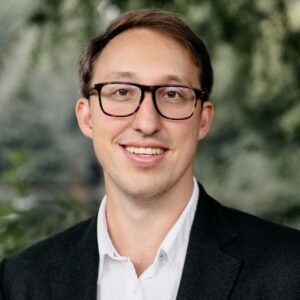
Ilya Burkov, PhD [Nebius]
The concept was simple but powerful: if AI could identify patterns shared by patients who later developed osteoarthritis or osteoporosis, it might be able to detect subtle biomarkers long before the disease became clinically apparent.
“That idea became the focus of my PhD research. AI models were not a thing ten years ago when I was in the hospital. There were transformer models and algorithmic-based approaches.
“I developed techniques capable of predicting the early onset of osteoarthritis and osteoporosis with an accuracy of roughly 80% to 90%,” he pointed out. “The models identified imaging features that consistently appeared years before patients required joint replacement surgery.
“This made it possible to examine scans from otherwise healthy individuals and estimate their future risk. In some cases, we could tell patients that, without changes to certain lifestyle factors, they had a high probability of requiring a hip replacement within the next 10 to 15 years.”
For Burkov, that was transformative. AI made it possible to move beyond treating individual patients and instead create tools that could benefit entire healthcare systems. Rather than applying clinical expertise one patient at a time, scalable technologies could be created capable of helping clinicians identify high-risk patients earlier and intervening before irreversible damage occurred.
That realization ultimately convinced him to transition from clinical medicine into industry, where he saw the opportunity to build technologies that could have a much broader impact. Whether it’s a small academic lab with only a handful of researchers or a global pharmaceutical company operating at massive scale, every organization faces different computational challenges.
“At Nebius, our role is to provide the computing infrastructure and technology that enables researchers to train increasingly sophisticated AI models and accelerate scientific discovery to advance biomedical research and improve patient care,” he said.
Alzheimer’s disease
Artificial intelligence is rapidly reshaping drug discovery, but many researchers believe the greatest challenge is not designing drugs—it’s knowing what biological targets to pursue.
Prima Mente, a previous AI Discovery Award winner, is tackling that problem by building foundation AI models designed to uncover the molecular mechanisms behind Alzheimer’s disease and other neurodegenerative disorders. By combining blood-based biomarkers, multimodal biological data, and transformer-based AI, the London startup hopes to identify the molecular drivers of neurodegenerative disease—and ultimately accelerate the development of new therapies.
“If we can diagnose disease earlier, better stratify patients, and understand what’s actually driving Alzheimer’s, we can help create better treatments,” said co-founder Hannah Madan, PhD.
Based in London’s King’s Cross innovation district, Prima Mente has grown to approximately 35 employees across London, San Francisco, and the United Arab Emirates. Madan, whose academic background includes a master’s degree in pharmacology and a PhD investigating the relationship between bowel cancer and diabetes, has spent most of her career building biotechnology startups. Prima Mente is the fifth company she has helped launch.
The company’s mission addresses one of healthcare’s most pressing challenges. Dementia is the leading cause of death in the U.K. and the sixth highest in the U.S. Alzheimer’s disease remains the most common form of dementia worldwide.
Looking beyond traditional biomarkers
Prima Mente’s scientific strategy draws inspiration from advances in cancer diagnostics, particularly liquid biopsy technologies that detect circulating tumor DNA in blood samples. The company wondered whether a similar approach could work for neurodegenerative disease.
“When we started three years ago, many people thought we were a little crazy,” noted Madan. “The prevailing view was that very little DNA from dying brain cells entered the bloodstream.”
Hannah Madan, PhD [Nebius]
The team has since demonstrated that cell-free DNA originating from neurons, microglia, and astrocytes can be detected in blood. More importantly, those DNA fragments retain epigenetic information that may reveal the biological state of brain cells before they died.
Rather than focusing solely on DNA sequences, Prima Mente analyzes methylation patterns carried on cell-free DNA. Because methylation reflects how genes are regulated within specific cell types, these signals can provide insight into disease progression and cellular dysfunction.
“When cells die, they release fragmented DNA into the bloodstream,” Madan explained. “Those fragments preserve methylation signatures that tell us what state those brain cells were in.”
The biological strategy is paired with an equally ambitious computational one. Prima Mente believes that transformer architectures—the same AI technology underlying large language models such as ChatGPT—can learn the language of biology.
“If ChatGPT can understand human language, our hypothesis is that similar models can understand biological languages,” noted Madan.
Instead of converting sequencing data into simplified numerical counts, the company trains models directly on raw biological sequences, including DNA, methylation signals, RNA transcripts, and proteomic data. By preserving more of the underlying biological information, Prima Mente believes its models could uncover relationships that conventional bioinformatics pipelines often overlook.
The company’s first foundation model, known as Pleiades 1, demonstrated the potential of that approach. Initially trained to identify Alzheimer’s disease from blood-derived molecular data, the model successfully diagnosed a subset of patients. After protein biomarkers were incorporated, diagnostic accuracy increased to approximately 97% within the study dataset—exceeding the performance of current clinical standards, according to Madan.
AI tokens are the fundamental units of data processed by AI models during training and inference. They represent smaller components of text, audio, images, or other modalities, enabling models to understand, predict, and generate outputs effectively. Pleiades 1 was trained on 1.9 trillion tokens. Its successor, Pleiades 2, is being trained on 80 trillion tokens spanning five biological data modalities, with the long-term goal of building a 100-billion-parameter foundation model.
Prima Mente partnered with AI infrastructure provider Nebius, which supplied a dedicated 32-node computing cluster powered by NVIDIA GPUs. The additional computing capacity enabled the company to scale from a 1-billion-parameter model to a 10-billion-parameter model within weeks while increasing training throughput from roughly 8,000 tokens per second per device to more than 1.1 million tokens per second across a 16-node cluster.
Beyond model development, Prima Mente is collaborating with the U.K.’s National Health Service (NHS) through the Sandbox Study, which collects blood samples from patients with suspected neurological disease. The real-world data help researchers develop AI models aimed at detecting Alzheimer’s earlier, potentially enabling treatment before irreversible brain damage occurs.
Dementia is the leading cause of death in the U.K. and the sixth highest in the U.S. Alzheimer’s disease remains the most common form of dementia worldwide. [Cecille Arcurs/Getty Images]
Unlike AI companies that rely primarily on public datasets, Madan said Prima Mente is generating much of its own training data. The company collaborates with 20 NHS memory clinics throughout the U.K., collecting blood samples, speech recordings, clinical notes, and imaging data from patients at the earliest stages of cognitive decline. It also participates in the U.K.’s Sovereign AI initiative.
Lab validation is integrated into the company’s development process. Candidate discoveries generated by AI models are tested using stem cell systems, brain tissue, and additional blood-based experiments, creating a continuous feedback loop between computational prediction and experimental validation.
That combination of proprietary data generation, lab experimentation, and AI model development represents what the company views as a significant competitive advantage.
While AI has attracted enormous attention for accelerating drug discovery, Madan argues that identifying the right biological target remains the industry’s greatest bottleneck. She compares today’s AI revolution to the impact AlphaFold had on protein structure prediction. As computational tools become increasingly capable, designing drug candidates may become faster, cheaper, and more routine.
“But if you don’t know what biology actually matters,” she said, “there’s little value in having better tools to build drugs.”
For Prima Mente, Madan says the opportunity lies upstream of drug development—discovering the cellular pathways, biomarkers, and molecular mechanisms that should become tomorrow’s therapeutic targets.
That strategy recently received external validation when the company won the AI Insights Prize for Alzheimer’s from the Gates Foundation, receiving $1 million to expand research into microglial biology. The funding will support AI models designed to identify gene perturbations in specific brain cell types that could serve as the basis for future Alzheimer’s therapies.
As foundation models continue to expand beyond language into biology, Madan is betting that the next major AI breakthrough in medicine will not simply generate better drugs—it will reveal entirely new biology that makes those drugs possible.
CRISPR-GPT
CRISPR-GPT is a large language model developed by Stanford Medicine to automate key steps in CRISPR gene-editing research. Acting as an AI agent, it interprets scientific literature, designs guide RNAs, suggests experimental parameters, and integrates with lab automation systems to execute and refine experiments. By reducing manual planning and accelerating iterative testing, the system enables researchers to complete complex gene-editing workflows more efficiently and consistently, noted Stanford researchers.
CRISPR-GPT is also credited with lowering the barrier for scientists with limited CRISPR expertise, improving accessibility. The platform represents an emerging class of AI tools that can “reason” through complex scientific tasks, recommend next steps, and accelerate discovery. Potential applications include developing gene therapies, improving cancer research, engineering cell therapies, and expanding access to genome-editing technologies.
The goal, according to Le Cong, PhD, assistant professor of pathology and genetics is to help scientists produce life-saving drugs faster. “The hope is that CRISPR-GPT will help us develop new drugs in months instead of years,” he said.
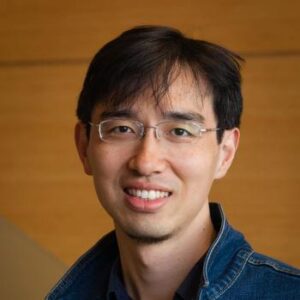
Le Cong, PhD [Stanford Medicine]
Cong and team developed CRISPR-GPT using Nebius AI Cloud as its core infrastructure. The group leveraged Nebius’ GPU clusters to train their specialized CRISPR-Llama3 model, rapidly iterate on architectures, and scale from prototyping to full model training.
CHAT-GPT could also expand the pool of scientists who can effectively use gene editing technology—no experience required, pointed out Cong. “Trial and error is often the central theme of training in science, but what if it could just be trial and done?” he added. Cong is the senior author of a study “CRISPR-GPT for agentic automation of gene-editing experiments,” published July 2025, in Nature Biomedical Engineering.
AI Discovery Awards
At the AI Discovery Awards dinner in the evening, the sponsors announced that the 2026 program added medical devices and medical imaging to the existing biopharma, genomics, and digital health tracks to reflect the growing role of AI in connected medical equipment and diagnostic imaging.
“Our winners—and indeed all of the 647 submissions we reviewed—reflect how rapidly AI is changing the pace of healthcare research,” said Ilya Burkov during a short presentation. “Across all categories, startups are compressing timelines that once took years into months or even weeks, and bringing capabilities to clinical and laboratory settings that simply did not exist before.
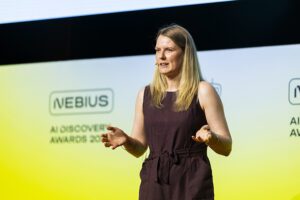
Margaret Hua, founding chief of staff at Phylo, accepts $100,000 in GPU cloud credits for first prize in the biopharma category. The company is building AI research assistants that can independently help biomedical scientists think through problems, design experiments, analyze data, and suggest what to do next, with the aim of speeding up scientific and biomedical discovery. [Nebius]
“The AI Discovery Awards exist to accelerate that momentum, and to connect the most promising teams with the compute resources, investor networks, and mentorship they need to move from promising research to bringing products to market.”
Alongside the awards program, Nebius previewed its Nebius Scientific AI and Healthcare Platform, which is an AI infrastructure built to meet the specialist needs of healthcare and life sciences organizations, explained a Nebius official.
The 2026 AI Discovery Awards were open to companies from pre-seed through to Series D that put AI and machine learning at the core of their product. Category winners were selected from 647 applications from around the world by an independent panel of 28 judges representing leading pharmaceutical companies, academic institutions, and venture capital firms. Submissions were evaluated based on the use of AI within the product, use of compute, technical innovation, functionality and advantages, performance and efficiency, global impact, market potential, and business sustainability.
A full list of shortlisted companies, as well as qualification criteria and a jury list, can be found on Nebius’s website.


![During the evening awards ceremony, event, artificial intelligence demonstrated that it is rapidly reshaping biomedical research. However, practitioners agree that AI’s success depends on more than advanced algorithms. [Nebius]](https://www.genengnews.com/wp-content/uploads/2026/07/Nebius_Highlights-28.jpg)

![Margaret Hua, founding chief of staff at Phylo, accepts $100,000 in GPU credits for first prize in the biopharma category. The company is building AI research assistants that can independently help biomedical scientists think through problems, design experiments, analyze data, and suggest what to do next, with the aim of speeding up scientific and biomedical discovery. [Nebius]](https://www.genengnews.com/wp-content/uploads/2026/07/Nebius_Highlights-33-300x200.jpg)