

IntroductionSince 2001, approximately 17.3% of enlisted personnel have experienced a traumatic brain injury (TBI) according to the United States military. Visual deficits (e.g., convergence insufficiency or pursuit abnormalities) are reported as chronic, persistent symptoms of TBI, which can impact daily activities such as reading, computer work, and driving.MethodsIn the present study, diffusion-weighted imaging (DWI) data and behavioral and survey data related to visual function were analyzed for 63 combat veterans with and without mild TBI (mTBI). We also tested the hypothesis that white matter damage, measured as either decreased fractional anisotropy of white matter or “potholes” evident in the DWI data, would predict visual behaviors (reading speed, smooth pursuit catch-up saccades, and/or convergence insufficiency).ResultsOur key finding is that scores on the Convergence Insufficiency Symptom Survey (CISS) predicted whether the use of a color overlay would increase reading speed for participants with mTBI, but not for control participants. General linear model analyses found a relationship between smooth pursuit catch-up saccades and the cumulative number of white matter “potholes” found in white matter across the cerebrum. However, the sample size was too small to conclude that these correlations were uniquely related to TBI status.DiscussionThese findings point toward the importance of additional research to determine exactly how mTBI is associated with reduced reading speed and why altering the color of the page improves performance for individuals with mTBI and convergence insufficiency.
STAT+: Pharmalittle: We’re reading about a Parkinson’s drug setback, a Merck lung cancer therapy, and more
And so, another working week will soon draw to a close. Not a moment too soon, yes? This is, you may recall, our treasured signal to daydream about weekend plans. Our agenda is unusually busy thanks to a lengthy to-do list that must be tackled before we walk one of the no-longer-so-short people down the aisle. What else? Hard to keep track, but once the chaos subsides, we hope to settle in for another listening party, where the rotation will likely include this, this, this, this and this. And what about you? Spring is in the air, so perhaps this is time to hike a trail, stroll through a park, or take a long drive to nowhere. You could also plan a summer getaway (book now before those fuel costs rise again) or clear out the perennial clutter. If all this is too much or the weather fails to cooperate, you could simply go into zen mode and plan the rest of your life. Well, whatever you do, have a grand time. But be safe. Enjoy, and see you on Tuesday, since there is a long weekend due to a holiday on this side of the pond. …
Biogen and Denali Therapeutics said Thursday that their experimental therapy for Parkinson’s disease failed to slow the degenerative brain disorder in a randomized trial, dealing a substantial blow to a scientific approach that stoked excitement among advocates and academics, STAT explains. In the study, 648 adults with Parkinson’s were randomized to receive either a placebo or a pill targeting a protein called LRRK2. In 2004, researchers discovered that mutations in the LRRK2 gene can cause a rare, inherited form of Parkinson’s. And in 2018, another group of scientists showed that blocking the protein might actually benefit all patients with the disease. The results are a significant setback to the latter idea.
Earlier this month, Genentech offered countless academics and other researchers up to $125,000 in grants to generate papers about several topics that read like key talking points for a trip to Capitol Hill, STAT reports. The company is seeking “rigorous, independent” work that focuses on the potential consequences of U.S. pricing policies on future innovation, the idea that pharmaceutical discovery is a strategic national asset, and the risks surrounding R&D, according to a request for proposals that came with a June 30 deadline for submissions. Such overtures are hardly new, but this particular solicitation appears notable partly because the company is being very direct about seeking research that is designed to address specific points, rather than solicit topics that may — or may not — dovetail with corporate goals.
MyLungHealth, a Patient-Facing Education Tool for Lung Cancer Screening: Qualitative User-Centered Design Study
Background: Lung cancer remains the leading cause of cancer-related mortality worldwide, with low-dose computed tomography screening demonstrating an approximately 20% reduction in mortality among high-risk individuals. Despite this benefit, screening prevalence remains suboptimal, with often less than 20% of eligible individuals reported to be up to date on screening. Shared decision-making is essential for effective lung cancer screening (LCS) implementation, with decision aids shown to enhance patient knowledge and engagement. Objective: The aim of this study is to identify patient preferences, concerns, and design considerations through qualitative evaluation of MyLungHealth, a personalized patient-facing educational tool for LCS integrated with electronic health records, and to describe how these findings informed iterative design modifications. Methods: We employed qualitative research methods through focus groups (n=34) and individual interviews (n=18) with individuals who met screening eligibility criteria. Participants were recruited from the University of Utah Health and New York University Langone Health between May and December 2023. Feedback was analyzed using Braun and Clarke’s thematic analysis principles. Results: Six themes were organized into three overarching domains. Domain A included interpretation and impact of personalized risk information: theme 1, difficulties interpreting risk information, and theme 2, varied impacts of risk information on motivation. Domain B included autonomy, privacy, and user interface preferences: theme 3, desire for autonomy and control over personal health data, and theme 4, preference for straightforward language and multiple information formats. Domain C included integration with clinical workflows and patient portal systems: theme 5, expectations for integration with health care provider workflows, and theme 6, mixed experiences with personal health record systems. These insights led to key design modifications, including simplified risk presentation, multimodal content delivery options (video and text), and implementation of electronic health record alerts for clinicians. Conclusions: The user-centered design process for MyLungHealth revealed important considerations for developing effective patient education tools for LCS. The findings highlighted the need for simplified risk presentation, personalized information delivery, and integration with clinical workflows. These findings underscore the importance of balancing comprehensive risk communication with user accessibility. Trial Registration: ClinicalTrials.gov NCT06338592; https://clinicaltrials.gov/study/NCT06338592 International Registered Report Identifier (IRRID): RR2-10.1136/bmjopen-2024-087056
<img src="https://jmir-production.s3.us-east-2.amazonaws.com/thumbs/912e33dcbc9d4e0ade062267a8435697" />
Bio-IT World Celebrates 25 Years with Opening Plenary on Rare Disease Challenges and Opportunities
BOSTON — Thomas Bartlett’s life changed in 2019 when he was diagnosed with late-onset myasthenia gravis (MG). The 15-year veteran of the Bio-IT World Conference and Expo took to the stage on Tuesday as one of seven speakers in the opening plenary session of this year’s conference, which focused on various aspects of rare disease research and treatment.
The session offered a poignant, but often uplifting, launch to the annual conference, which celebrated 25 years from its inception in 2002, when the event was produced by the IDG World Expo Group.
Speaking with Susan Ward, PhD, founder and executive director of the Collaborative Trajectory Analysis Project (cTAP), Bartlett described an active life and fulfilling work prior to his diagnosis, and some of the debilitating physical and emotional impact of his disease. “I have to plan everything. If I’m going to go out, I plan ahead of time where I’m going to go [and] the amount of time,” he said. “I have to plan recovery.” Bartlett’s MG has prevented him from working a full-time job, as he would need a full day of rest just to recover from each day. “The math doesn’t work.”
Bartlett is now an ambassador for MG Uniter Myasthenia Gravis, an online platform designed to support some 70,000 patients living with the disease in the United States alone. Though there are some treatments that alleviate disease symptoms, there currently is no cure. Bartlett’s disease was diagnosed early thanks to a quick-thinking primary care provider. A recurring theme in the session was the stark reality that many in the rare disease community wait many years for a diagnosis.
Of the estimated 7–8,000 rare genetic diseases, many not well understood. About one in 10 people in the U.S. “either has or will have a rare disease at some point,” Ward noted. In a conference of about 2,700 attendees, “there are going to be about 270 people on average who might have a rare disease. So the magnitude of the problem is huge, even though the numbers of people are quite small.”
Given the computational nature of the Bio-IT conference, Bartlett and Ward soon turned to data and the challenges with collecting and aggregating information from rare disease populations. Ward noted that centers of excellence in rare disease may have several patients but “no one center that has enough data for anybody to really learn much.” Aggregating data from multiple centers and across geographies is one possibility but due to the differences that exist between centers across states and countries, “you need a really rich and deep ontology” as well as “context for what those data mean,” she said.
And that’s not the only challenge. In many cases, rare diseases can present and progress differently in patients with the same condition. “Imagine you’re trying to design a clinical trial. You’ve got patients who are fluctuating [while] you’re really looking for patients who are slowly declining” and “patients who have intermittent remissions,” Ward noted. With that mix, “you’re going to have a very noisy trial.”
There are also other data sources that could provide value. Bartlett noted that wearable devices such as the Apple watch capture useful health-related data, but as it is not clinical data, physicians cannot use it. As someone with decades of tech experience—including a stint at Apple—Bartlett asked: “How do we change that?” How do we prove the patient’s experience with the data that we can collect, and work with companies and legislation” to “include real world data and evidence and compare that … with the clinical data and get a much broader picture.”
Bartlett’s closing comments focused on hope for people living with rare diseases. And with good reason given recent successes in development of gene therapies and other therapeutics. As a patient, “you need to have something that you can look forward to today,” he said. For now, MG is incurable but “we will find ways to get to that end game and ultimately have a cure or at least a high level of quality of life.”
Shortening the rare disease diagnostic journey
Sebastien Lefebvre, head of technology, data and AI at Aurelis Insights, has spent 10 years in the rare disease space in different capacities including developing platforms for digital decision support or “data-driven and AI-assisted support decisions.” Speaking with William Van Etten, PhD, co-founder, CEO and principal scientist, StarfleetBio, Lefebvre described Rare Answers, a clinical decision support platform for rare disease diagnostics that he worked on while at Alexion Pharmaceuticals. The platform was designed in collaboration with two children’s hospitals as well as a number of technology and data science companies.
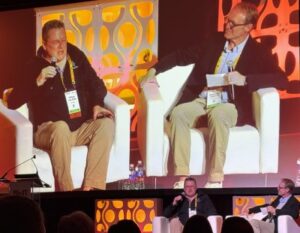
He also described a second project in 2022 with the Rare-X program that analyzed data from public databases of rare and inherited diseases, drugs, and genes. Lefebvre and his colleagues hoped to produce an accurate assessment of the total number of rare diseases. Following extensive data cleaning and normalization—now made much simpler with advances in AI and machine learning—they arrived at a figure closer to 12,000. Of that number, between 80–87 percent have a genetic basis and about 80 percent had at least three associated phenotypic descriptors. That kind of information provides a viable starting point for applying AI-assisted data-driven diagnostic approaches. This is important because, as Bartlett noted, many patients with rare diseases wait years for a diagnosis. “It all starts with a diagnosis,” Lefebvre said. “[If] you don’t known what you’ve got, how can you [treat it].”
Van Etten is focused on making individual genomes truly private. The emergence of commercial personal genomics companies created a data privacy problem. Customers pay for their genomes to be sequenced by a company that holds the data, reads it, and sends periodic reports. He has developed an app called DNAVault that lets people host their genomes on their smartphones, putting data control back into their hands.
Van Etten’s new company, StarfleetBio, is partnering with his former consulting firm, BioTeam, and the Hubbard Center for Genomic Studies at the University of New Hampshire, to provide sequencing services.
“It used to be that we needed to centralize all the human genome data because you need a lot of compute to perform the analysis, but it’s really not required anymore,” he said. “We decided to decentralize it, where your genome is on your phone, you can generate your own reports, and nobody has access to it but you.”
Each encrypted genome is only accessible with a key unique to the individual’s phone. This way, only they individual can download their data and read it. Some audience members clearly approved of Van Etten’s app, with shouts of “Bravo!” from the back of the hall. (The app was later named one of three “Best of Show” winners at this year’s meeting.)
Among the features in the app is a fun kinship feature, which lets two people determine if they are related by placing their phones in close proximity as if sharing a Wi-Fi password. Another feature dubbed “origins” lets people track their ancestry over thousands of years via their Y-chromosome or mitochondrial DNA. Van Etten was particularly moved by the kind of insights this feature revealed about human relationships. “We found that all humans are far more closely related than we thought,” he said. “We all really [came from] the same 5,000–10,000 people from 50,000–70,000 years ago.”
Another app feature screens for the 81 ACMG medically actionable genes to provide health reports, while a final feature lets people ask questions about their genome and get answers much the same way one might enter a question into Google or ChatGPT.
Tying this to rare diseases, Van Etten is working on ways for app users to opt into participating in relevant research studies and clinical trials. The idea is that users could “toggle a switch” that would let alert the relevant researchers and then answer questions to help gauge eligibility. Importantly, this would all be done without people having to share their primary information.
Learning from rare diseases to treat common conditions
Another plenary conversation took place between Morgan Cheatham, MD, partner, head of healthcare & life sciences, Breyer Capital, and Catherine Brownstein, PhD, manager of the Molecular Genomics Core Facility at Boston Children’s Hospital and scientific director of the Manton Center for Orphan Disease Research Gene Discovery Core.

Brownstein and Cheatham use OpenAI’s generative AI to help diagnose patients who in some cases had been waiting decades for answers. Importantly, “this was a zero-shot model,” Cheatham noted. “We didn’t do any specialized training of GPT-3, we just deployed the existing models and we’re able to return answers to families who have been waiting for sometimes over a decade.”
He also acknowledged the contributions of people living with rare diseases to many major drug modalities including CAR Ts and RNA medicines. “Many of those modalities were actually validated” with “the help of rare patients who were willing to participate in trials that allowed us to show the efficacy, the safety, and the durability of these modalities.”
According to Brownstein, a deeper understanding of rare conditions often has implications for more common conditions. “As someone who spent six years studying hypophosphatemic rickets … it’s these extreme cases, these rare presentations of disorders where you don’t know the underlying etiology [that] inform the common diseases,” she said. Understand the biology behind hypophosphatemic rickets “has implications for bone density and osteoporosis that affects a ton of us in this room.”
Many opportunities were highlighted where some form of AI is already being used or could be applied. One company that Cheatham mentioned is applying AI to colonoscopies to characterize inflammation levels in the bowel in a standardized way with an eye towards connecting patients with ulcerative colitis and Crohn’s disease to relevant clinical trials. There are also opportunities in cardiology, neurology, pathology and more.
Giving more patients the right to try
In the closing conversation, Van Etten spoke with Dylan Livingston, founder and president of The Alliance for Longevity Initiatives (A4LI). Livingston is at the forefront of efforts aimed at implementing policies in different states that allow patients with rare diseases to try treatments that may benefit before they have been approved.
The story of how Livingston, still in his 20s, got involved in healthcare policy is interesting. As a college senior during the Covid-19 lockdowns, “I started thinking about COVID as it relates to age [and] why … [I] would be pretty much completely unaffected by COVID and why my grandfather at 92 would most likely die,” he recalled. “It all comes back to aging, your immune response to these diseases and your immune response to chronic diseases overall.” That got him interested in the field of aging and longevity more broadly.
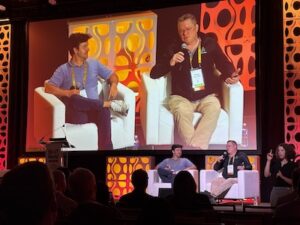
Livingston and his group have worked to pass laws in the state of Montana that extend eligibility under the Right to Try Act, a piece of federal legislation that lets people with terminal illnesses try therapeutics that may help them which are not yet fully approved. The issue with the Right To Try Act as it stands is that “the definition of who is eligible is very narrow” and restricted to people with months left to live “which made no sense to me” Livingston said. From his perspective, people just diagnosed with conditions like Alzheimer’s or Parkinson’s should also have the chance to access treatments which could potentially help them earlier in their journeys as those who are further along in their journeys.
Expanding the Right to Try provides a possible pathway to those treatments without requiring approval from the U.S. Food and Drug Administration, which may be years away.
Livingston and his team have been successful in expanding the law in Montana to cover people with age-related ailments as well as people with rare diseases, people recently diagnosed with terminal diseases, and people with disease that will eventually become terminal. Now he and his team are working on getting similar changes in place in New Hampshire. There are safeguards in place: the proposed treatment has to be prescribed by two physicians, pass through IRB review, and the therapy must have passed a Phase I testing. “What we’re trying to do is create a system that is safe enough to prevent as many tragedies as possible while also opening up access to as many people as possible,” Livingston said.
As an example of the benefit of changing the law, Livingston shared a story of a father whose son had died from a rare mitochondrial disease. The father has since had the genomes of his two other children sequenced, only to discover that they carry the same mitochondrial mutation. In this scenario, Montana’s model would allow the father in this instance to bypass the strict requirements of a drug trial and access treatments that could potentially help his children.
“Maybe it’s not as great in terms of a data collection standpoint for companies, but what we’re offering here [are] options for people that don’t have any other options.”
*Bio-IT World Conference & Expo, Boston; May 19-21, 2026.
The post Bio-IT World Celebrates 25 Years with Opening Plenary on Rare Disease Challenges and Opportunities appeared first on GEN – Genetic Engineering and Biotechnology News.
Melatonin for Kids: Is It Safe?
If you’ve spent any time talking to other parents about sleep, you’ve probably heard about melatonin. One person swears by it. Someone else warns against it. And if your child is struggling to fall asleep, it can be hard to know what to believe.
Melatonin is widely available, often marketed as a “natural” sleep aid, and increasingly used to help kids of all ages. But it may not be the right solution. The key is knowing when it makes sense, when it doesn’t, and how to make it work best as part of a bigger sleep plan.
What is melatonin?
Melatonin is a hormone the body produces naturally to regulate sleep. As it gets dark, the brain releases melatonin to signal that it’s time to wind down. Light exposure at night — especially blue light from screens — can disrupt the body’s natural rhythm so you don’t feel sleepy even when it’s bedtime.
“Melatonin supplements can help facilitate that circadian rhythm, that 24-hour sleep cycle,” says Rohn Nahmias, DO, a child and adolescent psychiatrist at the Child Mind Institute. Because it’s sold over the counter, melatonin seems to be harmless. In practice, clinicians are much more cautious. While they tend to consider it relatively low risk, with few side effects, they still don’t view it as something to take casually or indefinitely.
That’s because there are real gaps in what we know about melatonin — especially when kids take it regularly over long periods. “The longest study was about four years, and they did not find any issues,” says Judith Owens, MD, MPH, a pediatric sleep expert and professor of neurology at Harvard Medical School. “But the data are very limited in subject numbers and long-term follow-up.”
So, the question parents often ask — is melatonin safe for kids? — doesn’t have a simple yes or no answer. The more useful question may be whether melatonin is right for your kid and what guidelines should you follow if you’re going to give it to them.
That’s why it’s especially important to consult your child’s pediatrician or tell them if you’ve already started your child on melatonin. “Because melatonin is over the counter, families often forget to mention it,” says Dr. Nahmias. But doctors need to know about supplements, especially if a child is on other medications or has additional health concerns.
Melatonin can be helpful in the right situations, but using it without looking deeper can be “kind of slapping a Band-Aid onto a problem,” Dr. Nahmias says. In his practice, he always wants to rule out anxiety, mood concerns, or a medical issue that may be impacting sleep (such as snoring, breathing problems, or pain) before introducing something new like melatonin.
When melatonin can help
Melatonin is most useful when the issue is falling asleep, not staying asleep. For example, if your child has persistent trouble falling asleep — not just occasional bedtime resistance — and you have already tried using behavioral strategies.
The immediate-release melatonin sold in the United States is primarily helpful for sleep onset. (A prolonged-release form approved in the UK and EU may help with staying asleep, but it’s not available here.) Melatonin can also help with circadian rhythm issues like delayed sleep-wake phase disorder, when a child or teen’s natural sleep and wake times are much later than their schedule allows. “That is the other real indication for melatonin,” Dr. Owens says.
How to use melatonin thoughtfully
If melatonin does make sense for your child, experts agree: Start low and go slow. Dr. Nahmias recommends beginning with 1 to 2 milligrams for kids four and up and increasing the dose only if needed — up to 3 milligrams for kids ages 6–10. Many children respond well to low amounts. More than 5 milligrams, he says, isn’t much more effective and is more likely to cause side effects like grogginess or irritability. Dr. Owens emphasizes a similarly cautious approach: Use the lowest effective dose, monitor whether it’s actually helping, and reassess regularly rather than letting it quietly become an open-ended routine.
Dr. Nahmias recommends using melatonin in “clusters” — short, purposeful stretches of nightly use to help realign the circadian rhythm — and then pulling back to use as needed. A cluster might make sense for a few weeks after travel, during a tough transition, or while the family works on behavioral changes.
If a child needs melatonin every night for months, that’s a signal to dig deeper. “That tells me that there’s something likely going on underneath that’s not being addressed,” Dr. Nahmias says.
Side effects and safety
Melatonin is generally well tolerated, but knowing the possible side effects can help you catch problems early. The most common is grogginess the next morning. Others include irritability, headaches, dizziness, stomach upset, and — in toddlers and younger children — increased bedwetting. Some children may also experience vivid dreams or nightmares, though these tend to be mild.
Check in with your child’s pediatrician if side effects appear, your child needs melatonin frequently or for more than a short period, the dose keeps creeping up, sleep problems get worse, or if you notice signs of anxiety, depression, or ADHD that might be driving their sleep struggles.
One important safety note: melatonin gummies look like candy, and Dr. Owens describes an “astronomical increase” in calls to poison control centers and emergency room visits related to melatonin in children, largely due to accidental ingestion. Store melatonin — especially gummies — like any other medication: out of reach, ideally in a locked cabinet. Never present them to children as a treat.
A bigger concern: what’s actually in the bottle
Melatonin isn’t tightly regulated in the United States, which means the dose on the label may not match what’s actually in the product. Studies have found that 22 out of 25 over-the-counter melatonin gummies were labeled inaccurately, with some containing far more melatonin than advertised.
Dr. Owens describes the variability as “huge” and says she was genuinely shocked by the findings. When shopping, look for products with a USP Verified mark. USP (United States Pharmacopeia) is an independent nonprofit that tests supplements to confirm the product contains what the label says, in the correct amount, and without harmful contaminants.
Melatonin for kids with ADHD or autism
There’s solid evidence that melatonin can benefit children with neurodevelopmental conditions, particularly autism and ADHD, who are more likely to have disrupted sleep-wake cycles. “There is a pretty robust literature supporting efficacy, without a lot of side effects,” Dr. Owens says about children on the autism spectrum.
But Dr. Nahmias encourages parents of kids with autism or ADHD to take a closer look at bedtime routines before turning to melatonin. “Both of those populations of kids do best when there is structure put into their day,” he says. He recommends having a posted list of the sleep routine that a child needs to accomplish as a helpful visual reminder that will start to become second nature as it is built into their evening.
If getting to sleep is still an issue, trying melatonin makes sense. But for kids with autism and ADHD, it may take more time to see an effect. “It can be helpful to give it a bit longer to re-right the sleep cycle,” Dr. Nahmias says. “Trying it for two to three months may be more beneficial than just a few weeks.”
Many neurodivergent kids may also need to stay on melatonin longer than neurotypical children. “This makes it absolutely imperative that administration of melatonin for these children is under the supervision of a health professional who can monitor efficacy and side effects, and recommend periodic ‘off-drug holidays,’” Dr. Owens says. The goal is to get sleep back on track and consistent for some time. Once that goal is achieved, Dr. Nahmias adds, “it is important that there be attempts to take breaks from the medication or try lower doses.”
When melatonin is not likely to help
Melatonin is often used in situations where it’s unlikely to make much difference. That’s not a criticism of parents — sleep deprivation is exhausting, and it’s natural to reach for something that seems gentle and accessible. But if the real issue is an inconsistent routine, untreated anxiety, or an unidentified medical problem, melatonin may only be a temporary solution. The real problem will persist and need diagnosis and treatment.
For younger children — kids under five, especially — sleep problems are almost always better addressed with changes in habits and routines rather than supplements. For kids under two, “there’s no reason to use melatonin… and really, honestly, under five, for the most part,” Dr. Owens says. At those ages, behavioral approaches almost always work better.
What to try before using melatonin
Small, consistent changes in sleep habits can make a real difference — and unlike a supplement, these strategies can help children build skills that support sleep for years to come. Dr. Nahmias focuses on what’s often called sleep hygiene: a consistent bedtime and wake time, a predictable wind-down routine, and a sleep environment that actually supports rest, like keeping the bedroom dark, cool, and quiet. “The bed is meant for one thing and one thing only, and that is for sleep,” he says, emphasizing no TV or cellphones before bed. Even small amounts of light can interfere with the body’s natural melatonin production.
He also suggests addressing anxiety, rumination, or bedtime fears directly. “Behavioral interventions, time and time again, have really been shown to be very effective,” Dr. Owens says. For younger children, that might mean learning to fall asleep without a parent in the room. For older kids and teens, it often means setting limits around devices and making sure the schedule they’re keeping is actually realistic.
Making a melatonin plan
Melatonin is a tool that works best with a plan behind it. Before starting, write down what problem you’re actually trying to solve. Is your child unable to fall asleep before 11pm? Waking during the night? Scared to sleep alone? Anxious about school?
A simple sleep log can make your conversation with your child’s doctor much more useful. For a week or two, track bedtime, approximate time asleep, any night wakings, morning wake time, screen use, and whether melatonin was used and, if so, at what dose. Dr. Owens calls sleep diaries “invaluable” because they reveal patterns that are nearly impossible to see when everyone’s tired and running on memory. That information helps you and your child’s doctor decide whether melatonin is worth trying, whether it’s working, and when it might be time to stop — keeping the focus not just on getting through tonight, but on helping your child build the sleep habits they’ll carry with them for years.
Frequently Asked Questions
Melatonin is generally considered low risk and can be helpful for some children who have trouble falling asleep, especially when used short term and under a doctor’s guidance. But experts caution that there are still gaps in research about long-term use in kids, so it shouldn’t be treated as harmless or used casually without looking at underlying issues.
Accidental overuse can happen, especially because melatonin gummies may look like candy to young children. In recent years, there has been a major increase in poison control and ER visits related to accidental ingestion, so melatonin should always be stored like any medication — out of reach and ideally locked away.
Melatonin is not inherently “bad” for kids, but it’s not the right solution for every sleep problem. If poor sleep is caused by anxiety, inconsistent routines, or a medical issue, melatonin may only mask the problem.
Experts recommend starting with the lowest effective dose. Some clinicians suggest starting with 1–2 milligrams for children ages four and up, and generally not exceeding 3 milligrams for kids ages 6–10 unless advised by a doctor.
The post Melatonin for Kids: Is It Safe? appeared first on Child Mind Institute.
Open-Source Algorithm Advances Precision Menstrual Health Beyond Fertility
Scientists at SRI International have developed an algorithm that analyzes menstrual cycle data to uncover hidden connections to overall health and aging, moving beyond the fertility focus of most previous research. In a study published in Science Advances, the tool revealed how aging influences key changes during the menstrual cycle and identified markers of individual variability that could be leveraged for the development of personalized approaches to menstrual health.
“Across the reproductive life stage, a woman living in the United States would have, on average, 450 menstrual cycles, out of which [approximately] 3.2 cycles result in pregnancy. Yet, most of the focus on menstrual health—including research, medical training, customers apps, and patents—are centered solely on the reproductive aspect, and fail to leverage these 99% non-conceptive menstrual cycles as health indicators,” writes Marie Gombert-Labedens, PhD, postdoctoral researcher at SRI International and lead author of the study.
The menstrual cycle is a complex process that is tightly connected to an individual’s health, influencing many physiological processes including metabolic and immune functions. Gombert-Labedens and colleagues believe that tracking the rhythms of the menstrual cycle can be a valuable yet underexplored diagnostic tool—similar to how cardiac rhythms are routinely monitored to diagnose a wide range of cardiovascular conditions or how circadian rhythms can indicate metabolic disorders.
However, more work needs to be done in menstrual health research to identify the most relevant metrics, their relationship with health conditions, and the extent to which individual variations may require a personalized approach. To aid the research community in this endeavor, the team developed the WAVES algorithm, which stands for ‘women’s health assessment through variability in endocrine-related signals.’
Using the WAVES algorithm, the researchers analyzed data from 5,674 menstrual cycles from 753 participants between 18 and 42 years old, including daily temperature measurements, vaginal secretions, age, reproductive history and sexual activity. Results showed that aging was associated with measurable changes in the menstrual cycle, including higher average temperatures, shorter cycles, and a decrease in regularity across multiple metrics.
Gombert-Labedens and colleagues also looked at individual variability across all metrics, as menstrual cycles are known to vary widely from person to person both in terms of length and regularity. “Although the menstrual cycle is typically described as 28 days long, research based on large datasets indicate that this is more the exception than the rule, as only 12.4% of individuals present 28-day cycles,” she stated.
Their analysis revealed that each participant showed individual patterns concerning mean body temperature across cycles, minimum and maximum temperature measurements, and the duration of both the full cycle and its phases. “These findings suggest that, across cycles from the same individual, each person has their own temperature baseline measurement around which the menstrual fluctuations are organized and are highly stable,” noted Gombert-Labedens.
As an open-source platform, the WAVES algorithm is now available to researchers worldwide studying menstrual cycle patterns, helping them parse through large amounts of data to identify relevant biomarkers associated with health, disease, and treatment response.
“The menstrual cycle is a rich yet underused source of physiological information,” Gombert-Labedens concludes. “This work suggests that the WAVES algorithm can be used for advancing digital biomarker discovery, and highlights the relevance of a personalized approach in the development of next-generation tools for women’s health.”
The post Open-Source Algorithm Advances Precision Menstrual Health Beyond Fertility appeared first on Inside Precision Medicine.
Oncology’s Next AI Battleground: Instant Clinical and Commercial Insight
Across the oncology pharmaceutical industry, the bar for precision is constantly being raised. Cancer drug development has become increasingly biomarker-driven, trial populations are narrowing, and the cost of identifying eligible patients for studies continues to rise. At the same time, life sciences organizations are under growing pressure to generate real-world evidence (RWE) faster for commercialization strategies as well as regulators and payers.
The race to operationalize artificial intelligence (AI) across oncology research has entered a new phase. After years of building massive catalogs of real-world data (RWD) from electronic health records (EHRs), molecular testing, and longitudinal patient outcomes, healthcare technology companies are now competing to transform those datasets into interactive intelligence systems capable of answering complex clinical and commercial questions in real time.
That convergence has fueled a wave of oncology AI platform development from companies including SOPHiA GENETICS, Ontada, COTA Healthcare, and now Flatiron Health. “As oncology becomes more complex, the ability to quickly identify the right patients and answer critical research questions is no longer a nice-to-have, it’s essential,” Kate Estep, chief product officer at Flatiron Health, told Inside Precision Medicine.
The move by Flatiron Health supports the continuing trend of data companies in oncology and across healthcare positioning themselves beyond simply aggregating clinical datasets toward creating AI-native research environments where clinicians, commercial strategists, and researchers can interact directly with data using natural language.
The need for speed
Historically, RWE generation has been labor-intensive. Pharmaceutical teams often rely on analysts or biostatistics groups to construct cohorts, validate inclusion criteria, and generate feasibility assessments—a process that can take days or weeks before a research question even begins to take shape. That workflow is increasingly incompatible with modern oncology development, where therapies are often targeted toward highly specific molecular subpopulations.
Cancer research may be uniquely suited for AI-native evidence generation systems. Compared with many therapeutic areas, oncology already produces unusually data-dense patient journeys involving pathology reports, genomic sequencing, imaging, biomarker testing, treatment lines, progression tracking, and survival endpoints. Oncology drug development is also increasingly dependent on identifying narrow molecular populations quickly and accurately. That complexity creates ideal conditions for conversational AI systems capable of navigating structured and unstructured clinical data simultaneously.
Flatiron Telescope attempts to address that bottleneck by giving users a conversational interface layered on top of Flatiron’s oncology-specific datasets. Researchers can describe inclusion and exclusion criteria in natural language, dynamically refine cohorts, and immediately view patient counts, attrition curves, treatment patterns, and survival analyses without writing code. “We were chatting with one of our early access partners last week, and this person was remarking, ‘I could answer my question in 30 minutes, and that would have taken me two days before waiting for my data team to come back to me,’” Estep said during a media briefing ahead of launch.
That acceleration may ultimately become the defining metric in the AI healthcare infrastructure market: not simply the size of a company’s dataset, but how quickly actionable insight can be extracted from it.
From data vendors to research platforms
But the challenge is not merely access to information. Trust and scientific validity remain central concerns. “One of the things our head of data science was sharing is that off-the-shelf models are roughly 60% accurate,” Estep said. “When built and trained with the clinical and scientific best practices that we have applied to model context because we have been asking cohort questions of our data for 15 years, that’s 90% plus accuracy.”
Those comments point toward an increasingly important divide in healthcare AI: the distinction between general-purpose AI models and clinically fine-tuned systems trained on domain-specific workflows. For companies like Flatiron, the competitive moat may ultimately come less from the underlying language models themselves and more from proprietary clinical context, curation methodologies, and validated evidence-generation pipelines.
The emergence of platforms like Telescope also reflects a broader transformation occurring across healthcare AI. The first generation of healthcare data companies focused primarily on aggregation, assembling electronic health record (EHR) data, claims data, genomic profiles, and imaging repositories into structured datasets. The second generation is now focused on orchestration: enabling users to interrogate those datasets continuously through AI-driven systems.
Flatiron is betting that domain specificity will matter more than generic AI capability. “Most people in the space either give you data, they give you analytics, or they give you a platform,” Estep said. “Very few cut across all three buckets.”
That positioning distinguishes Flatiron somewhat from competitors. Tempus AI has built a broad precision medicine tech ecosystem for both providers and life sciences companies. SOPHiA GENETICS has emphasized multimodal analytics and genomic interpretation. Ontada, backed by McKesson, combines oncology data assets with point-of-care tools and network analytics.
Flatiron, by contrast, is leaning heavily into its reputation for longitudinal oncology RWE and EHR-derived clinical depth. The company says Telescope is powered by more than 15 years of oncology-specific data infrastructure spanning over 4,700 providers and 1,600 clinical sites in the United States, representing approximately 40% of U.S. community oncology practices. Globally, the company now manages data from more than five million patient journeys across the U.S., U.K., Germany, and Japan.
That scale matters because oncology AI systems depend heavily on context-rich longitudinal data. Large language models alone are insufficient if the underlying clinical infrastructure lacks standardized outcomes, biomarker histories, treatment sequences, or progression events. “Flatiron has spent the last decade and a half building high-quality, oncology-specific real-world datasets,” Estep said. “Telescope really sits at the epicenter of that.”
Global oncology intelligence
Another major shift underway in oncology AI involves international interoperability. Historically, most RWE systems were fragmented geographically, with datasets built independently for different markets. But as pharmaceutical companies globalize clinical development programs, pressure is increasing to harmonize datasets across countries.
Flatiron says it is now building globally interoperable oncology datasets across the U.S., U.K., Germany, and Japan, beginning with prostate cancer data expected later this year. “We are ensuring that our datasets are interoperable from a global perspective,” Estep said. “Conclusions drawn on definitions of variables and data models in one market can easily be applied or explored in another.”
The long-term implications could be substantial. Globally harmonized oncology datasets would allow researchers to study treatment variation, biomarker prevalence, and outcomes across healthcare systems at a scale previously difficult to achieve. It may also help address longstanding concerns around representativeness in RWE generation. “Representativeness of a RWD is probably one of the single biggest requirements for us as we think about whether this dataset is considered reliable,” Estep said.
Perhaps the most important industry trend underlying Telescope’s launch is the democratization of advanced analytics. Historically, sophisticated oncology data analysis required teams of data scientists, epidemiologists, or biostatisticians. AI interfaces are beginning to collapse those barriers, enabling clinical operations leaders, medical affairs teams, and commercial strategists to interact directly with research-grade datasets. “There’s no coding required,” Estep said. “Any team member can use it, not just your data analysts.”
That shift could fundamentally change how oncology organizations make decisions, reducing delays between hypothesis generation and evidence generation while broadening access to sophisticated analytical capabilities across enterprise teams.
Whether Telescope ultimately becomes a dominant platform remains to be seen. But its launch reflects a broader reality now reshaping healthcare: in oncology, the future competitive advantage may belong not simply to companies with the most data but to those capable of turning clinical complexity into usable intelligence fastest.
The post Oncology’s Next AI Battleground: Instant Clinical and Commercial Insight appeared first on Inside Precision Medicine.
Climate tech companies are pivoting to critical minerals
We’re over a year into the second Trump administration here in the US, and support for climate causes is weak. But climate tech companies are finding ways to survive and even thrive in this new environment, including by focusing on potential benefits outside decarbonization.
Suddenly, it feels like every climate tech company has a story to tell about topics that are politically in vogue: data centers, energy abundance, or critical minerals. In my newest story, I covered Boston Metal’s latest funding round. Largely known for its efforts to produce steel with lower greenhouse gas emissions, the company raised $75 million from new and existing investors to help support its critical metals business.
Focusing on metals like niobium and tantalum won’t have the massive climate benefit that cleaner steel would, but it could generate the cash the company needs to keep going. It’s a strategy I’m noticing more as these tough industries like steel look ever tougher to succeed in with limited federal support in the US.
Boston Metal’s molten oxide electrolysis technology uses electricity to produce metals.
I covered the startup last year, when it announced a major milestone for its steel business, running its pilot reactor in Massachusetts and producing a literal ton of material.
Now the company’s focus has shifted, and it is going all-in on making other metals, from niobium and tantalum (used in aircraft engines and high-end steel alloys) to chromium and vanadium.
The steel industry is a difficult one: It operates at a massive scale, and the product doesn’t command too high a price. Focusing on other metals, especially ones the US government deems critical, could be a way to stay afloat, maybe even long enough to meaningfully cut emissions from the steel industry.
“By deploying in the critical metals industry where we can go very fast, we generate the resources to continue with the development of steel,” says Tadeu Carneiro, CEO of Boston Metal.
Other companies are also hoping critical materials could help their business models.
California-based Brimstone has a new process to make cement—another heavily polluting industry that’s proving difficult to decarbonize. The company uses a new starting material to help cut down on carbon dioxide emissions. In addition to cement, it makes supplementary cementitious materials that can be added into concrete as well as smelter-grade alumina.
Last year, the US Department of Energy canceled $1.3 billion in funding that had been set aside for cement-related projects. Brimstone saw one of its awards canceled, as did Sublime Systems, another cement startup I’ve covered a lot over the years.
At the time, a Brimstone representative told me that the company saw the cancellation as a “misunderstanding” and said the facility the funding had been designated for would make not only cement, but also alumina, which would support US aluminum production.
Today, the company’s website prominently highlights that it produces critical minerals in addition to cement.
Some carbon dioxide removal companies are hoping to hop on the critical minerals train, too, aiming to work with the mining industry. Others are pitching that they can help mining operations operate more efficiently or serve as cleanup for active or abandoned mine sites.
All of this is part of a much broader messaging shift. Everyone from politicians to heads of energy companies is talking less about climate.
It’s a trend that makes me nervous, even if I understand the impulse. I worry that if we keep too quiet on climate, companies might lose the plot and make choices that won’t help cut emissions. But for some, leaning into a different priority or pushing a different message could help them stay in business long enough to make a difference. We’ll all have to wait to see how it all pans out.
This article is from The Spark, MIT Technology Review’s weekly climate newsletter. To receive it in your inbox every Wednesday, sign up here.
Tech researchers are suing the Trump administration over the future of online safety
Since its earliest days back in office, the Trump administration has been going after researchers who study and try to counter hate speech, harassment, propaganda, and disinformation online.
Now, some of those researchers are fighting back. Last week their lawsuit—which could have global repercussions for online safety and free speech—made its first appearance in court.
This fight started a year ago, when US Secretary of State Marco Rubio announced on X what he called a “visa restriction policy” against “foreign officials and other persons” who were “complicit in censoring Americans.” Since then, a handful of foreign officials and researchers have been barred from travel to the US, and in theory, anyone working in fact-checking or online trust and safety more broadly could face the same restrictions.
Still, the exact implications of Rubio’s announcement are unclear—purposefully so, argues Carrie DeCell, a lawyer representing the researchers. “This policy is expansive and incredibly vague, and the chilling effects are correspondingly enormous,” DeCell said outside the courthouse in Washington, DC, on May 13.
The case has been brought by the Coalition for Independent Technology Research (CITR), an advocacy organization for tech researchers. It is suing Rubio, former US secretary of homeland security Kristi Noem, and former US attorney general Pam Bondi and asking the court to strike down the policy as unconstitutional. In their complaint, the plaintiffs say the policy violates the speech and due process rights of foreign-born tech researchers and workers whose “work supports greater moderation of content on the [tech] platforms.”
CITR is represented by Columbia University’s Knight First Amendment Institute and the legal nonprofit Protect Democracy. DeCell, a senior staff attorney at the Knight Institute, tells MIT Technology Review that they’re in court because the Trump administration is effectively “using immigration law to punish people for expressing views that it disagrees with.”
This story is part of MIT Technology Review’s “America Undone” series, examining how the foundations of US success in science and innovation are currently under threat. You can read the rest here.
Most immediately, the plaintiffs are asking the government to halt these visa restrictions while the case proceeds. Zachariah Lindsey, the assistant US attorney representing Rubio and the other defendants, argued in last week’s hearing that the government is not targeting speech but, rather, “conduct [that] is assisting or facilitating foreign government censorship of free speech.” At the end of the week, the government filed a motion to dismiss the case.
The judge has yet to rule on either motion, and his questions so far appeared to focus on parsing what (and who) is actually affected by the State Department’s announcements, as well as other procedural issues.
The outcome of the case may ultimately affect how much the public knows about the risks of social media and AI, says Nicole Schneidman, head of Protect Democracy’s technology and data governance team. The workers bringing this suit, she says, “serve a really, really important function in educating the public, holding tech companies accountable, doing research on the ramifications that advanced technology has on our society.”
“A political witch hunt”
CITR’s lawsuit is the latest salvo in a yearslong battle over how the internet should be moderated, and by whom—a question that has become increasingly political and entangled in allegations of censorship.
For years, Trump and his allies have claimed to be victims of a vast conspiracy between government agencies, civil society groups, academics, and Big Tech platforms to specifically censor conservative voices online. According to this narrative, a so-called “censorship-industrial complex” helped the Biden administration subvert First Amendment protections on speech by allegedly outsourcing censorship to these groups.
The State Department claims Rubio was able to implement the immigration policy because the Immigration and Nationality Act authorizes him to “render inadmissible any alien whose entry into the United States ‘would have potentially serious adverse foreign policy consequences for the United States.’” Before the current Trump administration, the statute was rarely invoked, and when it was, it was typically with more limited, specific criteria, rather than its current application against anyone who has participated in alleged censorship—an action that has no legal definition.
The administration first deployed the policy in July 2025, when Rubio issued a statement announcing the revocation of visas for Alexandre de Moraes, the lead justice on the Brazilian Supreme Federal Court, and “his allies on the court” who were involved in prosecuting Jair Bolsonaro, Brazil’s former president. The prosecution was a “political witch hunt,” said Rubio, calling it evidence of a “censorship complex so sweeping that it not only violates basic rights of Brazilians, but also … targets Americans.”
Then, in early December, the State Department issued instructions to embassies to reject H-1B visa applications from individuals who had worked specifically in fact-checking, online trust and safety, and mis- or disinformation research, as Reuters first reported.
A few weeks later, on December 23, the agency announced visa restrictions for five Europeans whom it accused of censoring Americans. This included two CITR members: Imran Ahmed, founder and CEO of the Center for Countering Digital Hate, which documents hate speech on social media platforms, and Clare Melford, cofounder of the Global Disinformation Index, which ranks websites according to how often they publish hate speech and disinformation. Also banned were the former European Union commissioner Thierry Breton, a key architect of the European Union’s Digital Services Act (which the State Department has called “Orwellian” and an example of censorship), and Josephine Ballon and Anna-Lena von Hodenberg, co-CEOs of HateAid, a German nonprofit that fights online hate speech.
Ahmed, who lives in the US with his American wife and child, quickly filed his own lawsuit to stave off deportation and halt the policy. A preliminary injunction preventing his detention and deportation is in place as the lawsuit continues.
The Department of Homeland Security referred questions from MIT Technology Review to the State Department, which referred “specific questions” to the Department of Justice, while also writing that “the Trump Administration believes that aliens who are or were involved or complicit in censoring American citizens must face appropriate consequences. An American visa is a privilege not a right.” The Department of Justice did not respond to a request for comment.
“A gut punch”
Now, more tech researchers are fighting back.
CITR represents 500 individual and institutional members in 47 countries; 40 are based in the United States, including around 30 noncitizens. The organization argues that US-based tech researchers are experiencing a widespread chilling effect and are having to change or reframe what they’re studying so that it’s less explicitly (or less obviously) about content moderation or countering disinformation. Alternatively, some are leaving the US altogether, or making plans to do so, in order to safely carry out their work.
CITR member Eirliani Abdul Rahman, a Singaporean online safety expert and a founding member of Twitter’s Trust and Safety Council, is one of these individuals. Her experience was included, though described anonymously, in CITR’s initial legal complaint.
Back in December 2022, shortly after Elon Musk purchased Twitter, Abdul Rahman and two other Trust and Safety Council members publicly resigned. They spoke out against “red lines” the new owner had crossed, including his reinstatement of accounts that had previously been banned, and noted the marked increase in hate speech on the platform.
Musk disbanded the council days later, but first he retweeted a post that tagged Abdul Rahman and the others and said: “You all belong in jail.” This led to a level of online harassment, doxxing, and death threats that she had never before experienced. “I was trained as an economist, and I could just see line graphs form in my head of the stochastic jump in what happened,” Abdul Rahman says, referring to the way the dangerous attention spiked after Musk effectively endorsed the other user’s provocation.
This experience inspired her to pursue a new area of research: using quantitative methods to study and hopefully stop social media harassment “in real time,” she says.
“The ones that are most harassed are people [who] have historically been marginalized,” she adds. “Most of us know about this already, like it’s intuitive. But until you quantify it, sometimes it’s just not seen and taken seriously.”
But then Trump was reelected, making the work feel untenable. The US quickly became “a funding desert” for scientific research, she says, with federal support for any research perceived by conservatives to focus on mis/disinformation getting cut. At the same time, tech companies shifted their positions on content moderation to align with the president’s, meaning that her research would be unlikely to have any practical implications: “There’s simply no guardrails around social media anymore,” she says.
Fast-forward to December 2025, and the travel bans on the five Europeans felt like “a gut punch to the stomach,” Abdul Rahman says. She and Ahmed had both testified earlier in the year before the UK Parliament on the role social media played in spreading false claims about the supposed Muslim identity of a murderer who had killed three British girls; this online activity contributed to violent anti-immigrant and Islamophobic riots across the country in the summer of 2024.
The targeting of Ahmed and the other Europeans “was the last straw” for Abdul Rahman. Soon after, she left the US for a six-year fellowship in Germany aimed at supporting “international academic freedom”—coincidentally arriving in the country on the same day CITR filed its lawsuit.
“My body just calmed down,” Abdul Rahman says of landing in Germany. “I didn’t wake up in the middle of the night … always wondering about the next executive order and how it pertained to my situation.”
Abdul Rahman believes this legal battle has implications that reach beyond CITR members and their families. It “pertains to all immigrants in the US to protect our First Amendment rights,” she says.
Additionally, whether fact-checkers, online trust and safety workers, and tech researchers can continue to do their work has a broader impact on anyone who uses the internet.
Earlier this year, for example, Ahmed’s Center for Countering Digital Hate published widely cited research that Grok’s image-editing feature had generated an estimated 3 million sexualized images, including 23,000 images of children, in an 11-day period. This led to government investigations, lawsuits, and even temporary bans for Grok’s parent company, xAI, across the United States and world.
“The threats have really sharpened”
MIT Technology Review has reported extensively on this right-wing war on supposed censorship; one of our stories revealing that State Department leadership requested communications records from a now-shuttered office focused on countering foreign disinformation has been included as an exhibit in the CITR lawsuit. This request sought insight into communications with a slew of individuals some far-right activists allege are involved in the “censorship-industrial complex,” including journalists, the German foreign minister, and numerous researchers studying disinformation and hate speech (including Medford, Ahmed, and their organizations).
DeCell tells us that over the past year and a half, there have been more lawsuits against the Trump administration regarding free speech—because “the threats have really sharpened,” she says.
Last year, the Knight Institute sued Rubio on behalf of of university faculty and students who have been arrested, detained, and deported for their pro-Palestinian speech; this past January, a judge ruled that the administration’s deportation policy was unconstitutional. The risk to free speech rights is “palpable” when the government “decides to target people specifically with the threat of rounding them off the streets, throwing them into a detention center, and then potentially deporting them from this country,” DeCell says.
Though Abdul Rahman is safely abroad for now, she says she’s watching the CITR lawsuit closely. Ultimately, she says, she believes it will determine whether researchers will be able to continue to do their work, “which is to take social media platforms to account,” she says—“making sure there’s actual accountability and independent oversight is critical to protecting our democracies.”
Green steel startup Boston Metal is doubling down on critical metals
The startup Boston Metal has raised a $75 million funding round to produce critical metals, MIT Technology Review can exclusively report.
The company has been known largely for its efforts to clean up steel production, an industry that’s responsible for about 8% of global greenhouse emissions today. With the additional money, the new focus could help it survive at a time when support for industrial decarbonization has been waning in the US.
In addition to steel, Boston Metal has also worked to use its technology with other metals, and a subsidiary (Boston Metal do Brasil) is setting up a commercial facility in Brazil to produce niobium, tantalum, and tin. The funding will help support that facility’s operation as well as future efforts to produce critical metals like vanadium, nickel, and chromium, says CEO Tadeu Carneiro. The funding comes after the company faced cash-flow problems following an industrial accident at the Brazil facility earlier this year.
Boston Metal’s core technology is called molten oxide electrolysis (MOE). It involves running electric current through a reactor filled with ore dissolved in a molten electrolyte. The electricity heats everything up to about 1,600 °C (3,000 °F) and drives chemical reactions that separate the desired metal (or metals) from the ore. The metal gathers at the bottom of the reactor, where it can be siphoned off.
In early 2025, Boston Metal completed the largest run of its pilot industrial cell in Woburn, Massachusetts, producing about a ton of steel.
But the focus is currently on making other metals, which are more valuable and can command a higher price. The company’s Brazilian subsidiary is working to test and start up an industrial-scale plant that takes in a low-grade material and makes a mixture of critical metals. Niobium, for example, is used in some steel alloys, as well as in alloys used to make jet engines and the superconducting magnets of MRI scanners. Tantalum is used in aerospace applications like rocket nozzles and turbine blades, as well as medical devices and electronics.
Construction on the Brazil plant kicked off in 2024 and took about 18 months, but the company ran into some challenges that delayed official startup.
In January there was an issue with the plant’s refractory system, the equipment that insulates the reactor and prevents corrosion. That caused electrolyte to leak. Operators shut down the system and removed the metal, and there weren’t any injuries or environmental issues, Carneiro says.
But the leak did interfere with the timeline for the plant’s opening, which meant the company missed a milestone and lost out on funding that had been committed. It restructured and laid off 71 employees in April.
This new funding will help support the plant moving forward. “Because of this delay, we had a big stress in our cash flow, so the investors came very strong to support us,” Carneiro says. Boston Metal is repairing the facility in Brazil now, and it should be ready to start up in September 2026, he adds.
The funding will also help support other critical metals projects, Carneiro says. The company plans to eventually deploy a US plant to produce chromium, a metal the country imports nearly all its supply of today.
Boston Metal has now raised over $500 million in total. The latest round of funding includes support from existing investors and from the massive Indian steel company Tata Steel Unlimited.
Making a higher-value critical metal now could help Boston Metal prove its technology and pave the way for future steel projects, says Seaver Wang, director of climate and energy at the Breakthrough Institute. “Nobody wants to pay a green premium for steel—hence niobium,” he adds.