

ObjectiveThe importance of multiple gene-environment interaction (G × E) has been highlighted in understanding the etiology of negative emotions. This study examines the impact of oxytocin (OXT) polymorphisms (rs2740210, rs6133010, and rs2740209) in combination with alcohol dependence on anxiety and depression symptoms during acute alcohol withdrawal under different social and environmental contexts.MethodA total of 414 Chinese Han male adults undergoing acute alcohol withdrawal were recruited. Participants provided blood samples for genotyping, self-reported measures of depression and anxiety, assessments of alcohol dependence severity, and demographic information regarding social and environmental contexts.ResultsResults revealed a positive correlation between severity of alcohol dependence and symptoms of depression and anxiety, while oxytocin polymorphism did not have a direct effect on depressive and anxiety symptoms. A significant interaction between OXT polymorphism (rs2740210 and rs2740209) and alcohol dependence in relation to anxiety symptoms solely among adults living with family and/or those who were married was observed. Further analyses indicate that the GG and CC genotypes are risk genotypes, while the T allele (rs2740210) and G allele (rs2740209) are non-risk alleles in the interaction between OXT genotypes (rs2740210, rs2740209) and alcohol dependence on anxiety among the aforementioned participants.ConclusionsThese findings provide evidence for distinct G × E interaction effects on anxiety and depression symptoms during acute alcohol withdrawal, supporting the weak diathesis-stress model. Furthermore, the study highlights the importance of considering environmental factors when investigating the role of oxytocin as a biological substrate underlying social bonding and the regulation of negative emotions.
Validation of a criterion-based screening and triage pathway for adult ADHD: a prospective observational study of safety and operational efficiency
BackgroundThe increasing demand for adult attention-deficit hyperactivity disorder (ADHD) assessments has required the development of efficient triage pathways. This study provides a formal assessment of a criterion-based screening model designed to prioritise patient safety and operational efficiency within a National Health Service (NHS) specialist secondary care setting.MethodsA prospective observational validation design was employed, involving 49 consecutive adults referred for ADHD assessment none of whom had a previous ADHD diagnosis. The Comprehensive ADHD Screening Questionnaire (CASQ), a clinician-administered instrument based on DSM-5 criteria, was utilised by four trained Physician Assistants. To ensure an assessment of triage safety, a universal assessment model was adopted: all participants received a blinded, gold-standard diagnostic assessment (NICE-compliant) regardless of the initial triage recommendation thereby eliminating verification bias. The primary outcome measure was the Number Needed to Harm (NNH), defined as the number of people screened before a single false-negative result occurs.ResultsOf the 48 participants who completed the diagnostic process, six (12.5%) received an ADHD diagnosis. The triage pathway correctly identified all six cases, resulting in a sensitivity of 100.0% (95% CI: 61.0%–100.0%) and an infinite NNH. Specificity was 45.2% (95% CI: 31.2%–59.9%), with a positive predictive value of 20.7%. The pathway permitted 39.6% (n = 19) of referrals to be triaged to alternative pathways rather than full ADHD assessment, potentially saving significant specialist clinician time. Exploratory analyses indicated that score magnitude did not reliably distinguish between true and false positives within the group triaged as appropriate for further assessment.ConclusionsThese preliminary findings suggest that criterion-based screening conducted by appropriately trained non-specialist clinicians can achieve high levels of safety whilst improving service efficiency. The findings support the feasibility of task-shifting models in adult ADHD services, provided that triage thresholds are calibrated to prioritise sensitivity. These results require replication in adequately powered multi-site studies before firm conclusions regarding pathway safety can be drawn. Further research is required to establish inter-rater reliability and cost-effectiveness across diverse clinical settings.
Parsing autism spectrum heterogeneity through fMRI
Nature Neuroscience, Published online: 15 May 2026; doi:10.1038/s41593-026-02269-1
Autism is remarkably heterogeneous, posing a long-standing challenge for linking genetics to brain dynamics. A cross-species study identifies two principal dysconnectivity signatures across 20 mouse models of autism risk, each associated with distinct molecular pathways, and shows analogous connectivity patterns in autistic humans. These results establish a translational framework for biologically grounded fMRI phenotyping.
ASGCT 2026: AI-Optimized Cas12l Gene Editor Offers Compact Cas9 Alternative
BOSTON — In a potentially significant advance for the genome editing field, researchers from the biotechnology company Caszyme and the Vilnius University Institute of Biotechnology in Lithuania have developed a potent and compact variant of Cas12l nuclease. Giedrius Gasiūnas, PhD, Caszyme co-founder and CEO, presented highlights of the research at ASGCT.
The work represents “a great example of the potential of continued mining for novel Cas effectors within the bacterial metagenomic diversity dark matter,” said Rodolphe Barrangou, PhD, Editor in Chief of The CRISPR Journal, which will shortly be publishing a paper on the Lithuanian team’s results.
“We need more diverse effectors to address the technical shortcomings of the CRISPR toolbox,” Barrangou continued. “This study is a great illustration of the potential of mining bacterial diversity.”
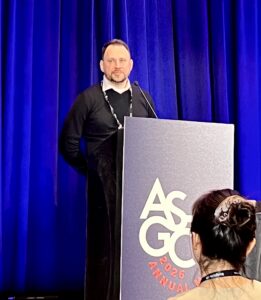
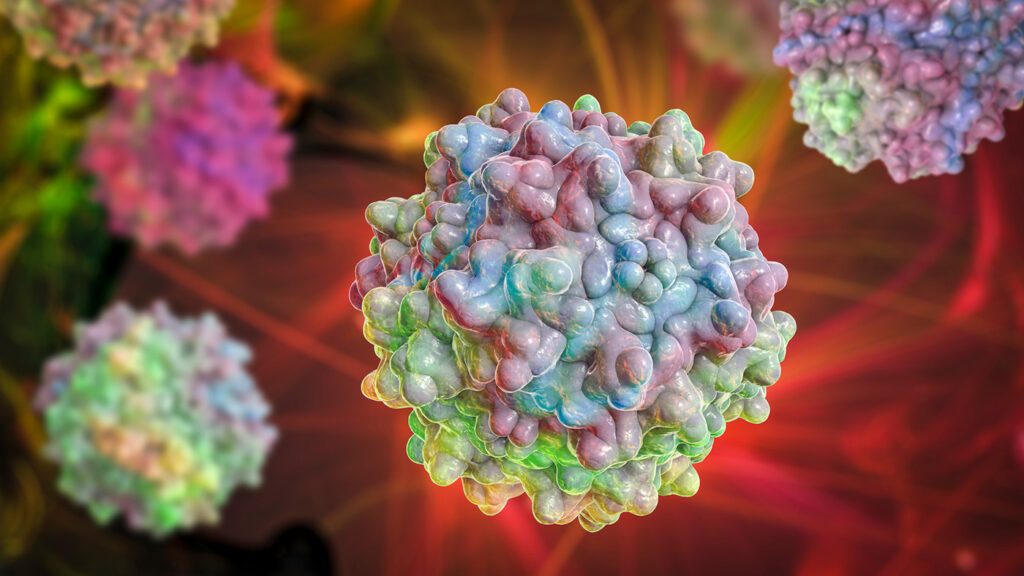
The Lithuanian team, including veteran gene editor Virginijus Siksnys, PhD—winner of the 2018 Kavli Prize with Jennifer Doudna, PhD, and Emmanuelle Charpentier, PhD, for CRISPR gene editing—used a hybrid approach to optimize Cas12l. By combining cryo-electron microscopy (cryo-EM) structure-guided design with artificial intelligence (AI) protein language models, the team was able to engineer a variant (Asp2Cas12l M82) that overcomes the known efficiency limitations of the Cas12l family.
Although Cas9 has widespread utility, including clinical applications, researchers have long considered its relatively large size and requirement for G-rich protospacer adjacent motifs (PAMs) problematic. The Cas12l family, discovered in the Armatimonadota bacterial phylum, offers a more compact size (867 amino acids) and recognition of a C-rich PAM site.
But wild-type Cas12l enzymes exhibit lower editing efficiencies and higher target-to-target variation compared to Cas9. According to Gasiūnas, the new M82 variant is “reliable, precise and adaptable,” and shows promise for a wide range of therapeutic applications.
“Through our continued work exploring novel Cas systems, Caszyme is focused on advancing technologies that move beyond promise into practical use.”
Path to potency
The engineering of the M82 variant proceeded in two steps. First, the Caszyme researchers solved the 3D structure of Asp2Cas12l complexed with an sgRNA and DNA to high resolution (2.51 Å). This revealed a unique “bracelet” architecture whereby the nuclease encircles the DNA target via interlocking helical bundles and a proline-rich string.
Next, the team introduced arginine substitutions at dozens of positions in the molecule to enhance electrostatic attraction to the negatively charged DNA backbone. This work included the production of an M67 variant, which provided a 7-fold improvement in indel editing over the wild-type nuclease.
To engineer further refinements, the Caszyme group turned to AI, specifically the ESM-2 protein large language model. This model predicted evolutionary hotspots considered likely to preserve or enhance function. Integrating these AI-derived substitutions—Q572R in the bridge helix and F607S in the RuvC domain—resulted in the final M82 Cas12l variant, illustrating the value of AI-supported engineering rather than deploying protein-directed evolution.
Rivaling Cas9
Gasiūnas presented data showing that M82 possesses good activity across recalcitrant gene targets, reducing the target-to-target variation that plagues many novel nucleases. In head-to-head comparisons in HEK293T cells, M82 demonstrated an average indel editing rate of 67.4%, nearly identical to that of Cas9 at overlapping target sites. This potency was consistently maintained across several delivery formats, including plasmid DNA, mRNA, and ribonucleoprotein complexes.
The Caszyme group also showed excellent M82 efficiency in homology-directed repair (HDR). In experiments targeting the AAVS1 locus, M82 facilitated a site-specific gene insertion frequency of 39%, outperforming Cas9 in the same context. Using single-stranded donor templates, HDR rates reached as high as 56%. Gasiūnas suggested that the staggered cut produced by Cas12l may inherently steer DNA repair toward precise correction rather than stochastic indels. With regard to safety, Caszyme found that M82 Cas12l maintained a high degree of on-target precision. Secondary editing signals were largely detected at or near the lower limits of assay sensitivity, suggesting a low risk of off-target cleavage.
The compact size of the M82 variant makes it an attractive candidate for adeno-associated virus-mediated delivery, which has strict limits on cargo size. “It is no secret that the CRISPR space has faced challenges and concerns in recent years,” Gasiūnas said. “However, we are confident in M82’s ability to create headroom for scientists to stand up and innovate within.”
Crowded field
Cas12l is not the only compact Cas nuclease gaining attention, of course. In a talk preceding Gasiūnas’ presentation, Zhaoshi Wu, PhD, co-founder and chief technology officer of Shanghai-based Castalysis Bioscience, presented an update on Cas12n, details of which were first published in Molecular Cell in 2023. The nuclease was touted as being the first independent CRISPR-Cas complete gene family uncovered by Chinese scientists within China’s territory.
Touted as a next-gen ultra-compact gene editing system, Cas12n (branded as alphaCas) consists of just 450 amino acids, and possesses structural similarity to TnpB. Cryo-EM structural analysis led the Chinese investigators to optimize the molecule for non-viral in vivo delivery. Preclinical experiments showed robust genome editing in a mouse model by targeting PCSK9 using lipid nanoparticle delivery, resulting in sharp drop in serum LDL levels.
Wu said his company is on target to begin its first clinical before the end of 2026. But he faced an uncomfortable moment during audience questions. Fyodor Urnov, PhD, challenged Wu’s claim that an inherent advantage of Cas12n was its safety profile compared to Cas9. Urnov pointed out that Intellia Therapeutics has two ongoing Phase III in vivo trials using CRISPR-Cas9 that show no immunogenicity concerns using LNP delivery.
Urnov later congratulated Wu on the rest of the company’s data and wished them success.
The post ASGCT 2026: AI-Optimized Cas12l Gene Editor Offers Compact Cas9 Alternative appeared first on GEN – Genetic Engineering and Biotechnology News.
Applications Open for the SNF Global Center Communicator Fellowship
The Stavros Niarchos Foundation (SNF) Global Center for Child and Adolescent Mental Health at the Child Mind Institute launches its next two-year fellowship for professionals pursuing evidence-based approaches across diverse, underserved global communities
New York, NY—Applications are now open for the 2026 Communicator Fellowship at the Stavros Niarchos Foundation (SNF) Global Center for Child and Adolescent Mental Health at the Child Mind Institute. The fellowship is designed to support a new generation of communicators working to shape child and adolescent mental health care in low- and middle-income countries, in addition to the SNF Global Center’s core country offices in Brazil, Greece, and South Africa. Up to three professionals working in public communications, including journalists, broadcasters, and podcasters, will be selected for the two-year program.
The Communicator Fellowship is part of the SNF Global Center’s broader mission to reduce gaps in data and care, catalyze system-level advancements, and transform child and adolescent mental health care by turning evidence into action, scaling culturally appropriate solutions, and building a global network of experts so young people everywhere can access support when they need it.
The application deadline is June 15, 2026. Fellows will be selected and announced by early August 2026. In addition to financial support of up to $100,000 USD, fellows will receive training, mentorship, and networking opportunities.
At a time when one in five young people are experiencing mental health or learning challenges, with most cases beginning by age 14, effective and accurate communication is urgently needed.
At the Child Mind Institute, we believe that translating research into accessible knowledge that empowers young people, families, and communities is integral to advancing mental health care. The Communicator Fellowship builds on this commitment by supporting professionals who can bring evidence-based mental health information to the public in clear, engaging, and culturally relevant ways.
Vinicius Gaby Vieira Rego, MD, of Brazil, a current Communicator Fellow with the support of the Institute of Psychiatry at the University of São Paulo, exemplifies this mission. Working with youth, Dr. Rego is co-creating a multi-platform literacy hub designed to combat harmful misinformation by empowering Brazil’s young leaders.
“I am deeply grateful for the opportunity to join the SNF Global Center’s network of fellows to support adolescent mental health in Brazil through communication,” said Dr. Rego. “This fellowship will enable a multi-channel communication project aimed at strengthening mental health literacy and peer-support capacity — with young people and for young people — across the country.”
As a fellow, Dr. Rego’s work directly addresses complex mental health challenges faced by young people in Brazil, while contributing to broader global efforts to improve communication about mental health care.
“In the current digital environment, where adolescents are exposed to a high volume of mental health content, the need for evidence-based information that resonates with young people has never been greater,” said Guilherme Polanczyk, MD, PhD, associate professor of Child and Adolescent Psychiatry at the University of São Paulo. “We are proud to endorse a project committed to supporting how young people and their communities understand and reflect on their mental health.”
Other current fellows are leading high-impact projects dispelling misinformation, reducing stigma, and increasing youth engagement — all while bringing critical attention to links among mental health, climate change, and human rights. Through partnerships, these efforts are transforming the future of youth mental health across the globe.
“Vinicius’s project is ambitious, and with the support of the Institute of Psychiatry at the University of São Paulo, we know it will provide young people in Brazil with much-needed resources to support their mental health,” said Peter Raucci, Director of Global Fellowship Strategy of the SNF Global Center at the Child Mind Institute. “What we’re seeing through the Communicator Fellowship is how quickly ideas can move from concept to culturally relevant, real-world impact.”
SNF Global Center Communicator Fellowship Timeline
Application deadline: June 15, 2026
Fellows announced: August 2026
Program Resources
About the SNF Global Center at the Child Mind Institute
The Stavros Niarchos Foundation (SNF) Global Center for Child and Adolescent Mental Health at the Child Mind Institute brings together the Child Mind Institute’s expertise as a leading independent nonprofit in children’s mental health and the Stavros Niarchos Foundation’s deep commitment to supporting collaborative projects to improve access to quality health care worldwide. The center is building partnerships to drive advances in under-researched areas of children and adolescents’ mental health, and expand access to culturally appropriate training, resources, and treatment in low- and middle-income countries. This work is conducted by the Child Mind Institute with support from SNF through its Global Health Initiative (GHI).
About the Child Mind Institute
The Child Mind Institute is dedicated to transforming the lives of children and families struggling with mental health and learning disorders by giving them the help they need. We’ve become the leading independent nonprofit in children’s mental health by providing gold-standard, evidence-based care, delivering educational resources to millions of families each year, training educators in underserved communities, and developing tomorrow’s breakthrough treatments.
The post Applications Open for the SNF Global Center Communicator Fellowship appeared first on Child Mind Institute.
ASGCT 2026: Rare Instance of AAV Integration into Human Genome Linked to Brain Tumor
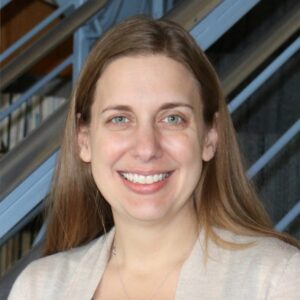
BOSTON — A team at Children’s Hospital of Philadelphia (CHOP) led by Rebecca Ahrens-Niklas, MD, PhD, and Lindsey George, MD, has described a case of a brain tumor linked to a rare integration of adeno-associated virus (AAV).
George presented the work at the American Society of Gene and Cell Therapy (ASGCT) conference in a plenary talk selected as the “presidential abstract” by ASGCT president, Terry Flotte, MD. The study, “Neuroepithelial tumor with AAV integration after intracisternal magna vector delivery,” was published in the New England Journal of Medicine.

Over the past 25 years, some 6,000 patients have been treated with some form of AAV gene therapy. In all that time, George said, there have been no established long-term safety concerns, although genome integration events have been reported in mouse and dog studies. But the case documented by George and colleagues at CHOP suggests that the gene therapy field may need to pay more attention to this potential occurrence.
The story began with a 5-year-old boy with an inherited lysosomal disorder, severe MPS1 deficiency (Hurler subtype). The patient received enzyme replacement therapy at six weeks of age, followed by a cord blood stem cell transplant at age four months.
Investigators chose to perform gene therapy when the patient was 13 months old to deliver the iduronidase (IDUA) gene. The vector chosen was an AAV9 serotype, using a cytomegalovirus enhancer and a chicken beta-actin promoter driving the gene. The virus was administered into the boy’s cisterna magna in the base of the skull.
When the boy was five years old, a routine neurological scan revealed a large intraventricular mass that had not been observed two years earlier. Analysis of the tumor revealed it was a PLAG1-driven neuroepithelial tumor—indeed, PLAG1 expression was almost 300 times higher than in other central nervous system tumors studied at CHOP. (PLAG1 is usually only expressed during embryogenesis.)
Surgery to remove the tumor was successful. Eight months after surgery, there are no signs of tumor growth. The boy is also showing advanced neurocognitive function.
Tumor typing
George described RNA sequencing of the tumor, which revealed the fusion of a fragment of the AAV9 vector cassette to exon 5 of the PLAG1 gene on chromosome 8. The resulting transcript is predicted to encode a PLAG1 derivative containing five zinc-finger DNA-binding domains and a C-terminal transcriptional activation domain, which was previously reported to function as a transcriptional activator.
Curiously, the chimeric junction also included a segment of human chromosome 10, which George suspects originated during the vector manufacturing process. The integration event was present in about 40% of the total reads, suggesting integration into one of the two PLAG1 alleles.
George concluded her talk by noting that while the clinical outcome in this patient is so far encouraging, this is evidence that AAV integration can be associated with oncogenesis. The study underscores the need to monitor the most heavily transduced tissues after AAV gene therapy.
While the gene therapy community should be cautious in extrapolating this single case report across all AAV gene therapy programs, George said the study supports the use of the lowest feasible vector dose as well as tissue-specific promoters.
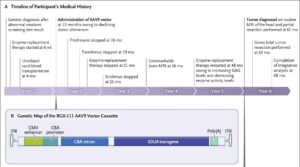
George noted that detection of the integrated AAV vector DNA was challenging, in part because of rearrangements of vector DNA. The use of several complementary techniques—long-read DNA sequencing, targeted PCR amplification, and RNA sequencing—was required to confirm the integration.
George and coworkers closed their paper, noting that, “Our findings support the hypothesis that rare AAV integration can contribute to human oncogenesis, which emphasizes the need to optimize gene delivery methods and monitor transduced tissues after treatment.”
The post ASGCT 2026: Rare Instance of AAV Integration into Human Genome Linked to Brain Tumor appeared first on GEN – Genetic Engineering and Biotechnology News.
DNA‑Guided CRISPR Suggests a New Direction for RNA Editing
CRISPR’s rise from obscure bacterial defense system to molecular scalpel has always hinged on one small component: the guide RNA. For years, that guide RNA—meticulously designed, modified, and optimized in countless labs—has been treated as an immutable feature of the system. CRISPR cuts where the RNA tells it to cut. That’s the central dogma of the system.
But a new approach suggests the system is more flexible than anyone expected. The study, published in Nature Biotechnology, is titled “DNA-guided CRISPR–Cas12 for cellular RNA targeting.”
Researchers at the University of Florida (UF) have developed the first CRISPR system that uses DNA, rather than RNA, to direct Cas enzymes to RNA targets. The platform, called ΨDNA, reprograms Cas12 nucleases to recognize and act on RNA using a DNA-based guide scaffold. The result is a fundamentally different way of controlling RNA inside cells—one “that extends Cas12 systems beyond genome editing and diagnostics to enable precise, programmable control of cellular transcriptomes and their epitranscriptomic marks,” according to the authors.
The concept is rooted in a simple biological distinction. DNA stores the cell’s long-term instructions, but RNA carries the working copies. “Those RNA copies are like Xerox copies of the original manual, and sometimes those copies have errors,” said Piyush Jain, PhD, associate professor of chemical engineering at UF and lead author of the study. Errors in those working copies can drive disease, and targeting RNA offers a way to intervene without altering the underlying genome. But RNA‑guided CRISPR systems, such as Cas13, can suffer from instability and off‑target effects. “Existing RNA-targeting CRISPR systems rely on RNA guides to find their targets,” Jain said. “While effective, they can sometimes affect unintended molecules… They can also be costly and less stable.”
ΨDNA takes a different approach. The team engineered a DNA guide that mimics the crRNA scaffold in reverse orientation, enabling AsCas12a and Cas12i1 to bind RNA and trigger strong single‑stranded DNA trans‑cleavage. As the abstract describes, “ΨDNA… enables RNA targeting by Cas12 nucleases… including 100% accurate hepatitis C virus RNA detection in clinical samples.” In human cell lines, ΨDNA achieved 70–95% knockdown of endogenous RNA transcripts, driven by mechanisms such as ribosome stalling and RNase H1 recruitment.
Jain sees the work as a conceptual shift for CRISPR. “The most meaningful advance is that we show CRISPR‑Cas12 can be reprogrammed to target RNA using a DNA guide rather than an RNA guide,” he told GEN. “That is a real conceptual shift for the field.” Until now, RNA targeting has been dominated by RNA‑guided systems. ΨDNA demonstrates that Cas12 enzymes—traditionally DNA editors—can be redirected toward RNA “while preserving strong specificity and enabling multiple functions, including RNA detection for developing diagnostics, intracellular knockdown, multiplex targeting, dual DNA and RNA targeting, and effector fusion strategies for RNA modification and potential therapeutic strategies.”
The discovery emerged from a structural puzzle. Simply swapping RNA bases for DNA bases does not work; Cas12 enzymes are thought to be tightly dependent on RNA scaffolds. “Several groups have tried to achieve DNA-guided CRISPR/Cas, but simply converting RNA bases to DNA bases doesn’t work,” Jain said. The breakthrough came from engineering a 3′ DNA handle that recreated the crRNA scaffold. Mutational screening revealed that a stem‑loop architecture was essential for activity, and recent cryo‑EM structures—solved in collaboration with David Taylor’s group at UT Austin—showed that AsCas12a has more structural flexibility than expected, allowing it to accommodate a DNA guide bound to an RNA target.
What surprised the team most was how robust the system proved to be. “It was especially exciting to see that this was not just an in vitro curiosity,” Jain said. ΨDNA worked in clinical RNA detection, achieving 100% accuracy on hepatitis C virus samples, and functioned inside cells with lower off‑target effects than Cas13d.
The platform’s modularity may be its most powerful feature. ΨDNA can be fused to RNase H1 for targeted RNA degradation or to METTL3 for epitranscriptomic editing. And because crRNA and ΨDNA can be codelivered, a single Cas12a enzyme can operate in two modes at once. “A single Cas12a effector can simultaneously edit DNA and regulate RNA,” Jain said. “This work starts to blur that boundary.”
Looking ahead, the team is expanding both the mechanistic and translational sides of the platform. They are refining guide design rules, dissecting how ΨDNA‑guided Cas12 triggers knockdown, and exploring applications in diagnostics, multiplex RNA regulation, and ex vivo therapeutic settings. One emerging direction involves using the technology to repair donor organs before transplantation.
More broadly, DNA guides offer practical advantages. They are easier to synthesize, more stable, and potentially more scalable than RNA guides. That combination could make ΨDNA a versatile platform for basic research, diagnostics, and future therapeutic engineering.
After decades of CRISPR research built around RNA‑guided systems, ΨDNA introduces a new way to direct one of biology’s most powerful tools. As Jain put it, “At its core, this is about giving us better control—not just rewriting the instruction manual but also precisely managing how those instructions are used.”
The post DNA‑Guided CRISPR Suggests a New Direction for RNA Editing appeared first on GEN – Genetic Engineering and Biotechnology News.
How Chinese short dramas became AI content machines
In a dimly lit bedroom, a frightened young woman is thrown onto a bed by a tall, muscular man. He grabs her hand, and flame-like vines crawl across her body, fusing with her flesh. She levitates, then drops. A dragon-shaped tattoo appears across her chest.
“Two months,” the man says. “Give me an heir, or I will eat you.”
The scene is from Carrying the Dragon King’s Baby, one of the many hundreds of short dramas that appear on apps like DramaWave and ReelShort. There’s just something about this one that isn’t quite right. The lighting may be glossy and cinematic, but the show has an odd visual texture like something between a movie and a video game cutscene.
That’s because Carrying the Dragon King’s Baby is part of a new trend for making these shows entirely with AI: no actors, camera operators, cinematographers, or CGI specialists required.
China’s short drama industry has boomed since its launch, in 2018. These ultrashort, melodramatic, and often smutty shows are designed for smartphone viewing, with episodes often running just one or two minutes long: Viewers can finish an entire series in as little as 30 minutes to an hour. The films are made for endless scrolling, packed with emotional confrontations and melodramatic plot twists. The trend’s growth is driven by apps that bombard TikTok, Instagram, and Facebook with cliffhanger-heavy ads designed to lure viewers into buying subscriptions. In 2024, China’s short drama market reached roughly $6.9 billion in revenue, surpassing the country’s annual box office earnings for the first time.
Since 2022, Chinese short drama companies have aggressively expanded overseas, translating existing hits and producing localized series featuring local actors. Globally, short drama apps have approached a billion cumulative downloads. The United States is the biggest market outside of China, providing around 50% of the revenue, according to research firm DataEye.
Now the industry is reinventing itself. Chinese short drama companies—already masters of low-budget, algorithmically optimized entertainment—are embracing generative AI to produce content faster and cheaper than ever. An average of 470 AI-generated short dramas were released every day in January, according to DataEye. Short-drama companies like Kunlun Tech are ramping up AI productions, shrinking film crews, and reorganizing the labor pipeline from the ground up. For some studios, AI has moved from being a supporting tool to providing the backbone of production itself.
Infinite stories, infinite tropes
Short dramas are already famously low-budget. But AI has made them dramatically cheaper to mass-produce, helping to accelerate the entire process—and save money. Production timelines have collapsed. Conceptualization, script writing, casting, shooting, and editing used to take three to four months. With AI, the process can now take less than a month, says Tang Tang, vice president at short-drama platform FlexTV. Producing a short drama in North America once cost roughly $200,000, but AI can cut that cost by 80% to 90%, according to Tang.
After expanding into the US market, Chinese short drama companies largely followed the same playbook they used in China: Buy traffic aggressively on TikTok, Facebook, and YouTube; offer a handful of free episodes; then charge viewers to unlock the rest inside the companies’ apps. Decisions about what to produce next are often driven less by creative instinct than by performance data. “We look at what themes, plotlines, and writers resonate with audiences, then quickly adjust,” says Tang.
The industry operates at a relentless pace. “Everyone expects quick returns,” Tang says. “In China, if a series doesn’t break even within a month, the industry considers it a failure.”
As a result, screenwriters who spoke with MIT Technology Review said platforms often categorize projects using highly specific keywords that encompass everything from genre and setting to plot structure, such as “campus romance,” “gang rivalry,” “enemies to lovers,” or “rags to riches.” Recently, one of the most popular genres has been “reborn revenge,” a fantasy trope in which a wronged protagonist is miraculously reborn and given a chance to change their fate.
“You kind of have to keep the emotional intensity extremely high throughout the show, using the same plot devices over and over again: sudden deaths, betrayals, physical violence, huge confrontations,” says Phoenix Zhu, a freelance short drama screenwriter based in Suzhou. “It’s common to sacrifice narrative logic for shock value, because otherwise people are more likely to scroll away.”
Those simple tropes have made the format particularly compatible with AI-generated production. Earlier this year, FlexTV halted all traditionally shot productions and shifted entirely to AI-generated dramas. Kunlun Tech, the parent company of drama apps DramaWave and FreeReels, began producing AI-generated short dramas in 2025 and now offers more than 1,000 AI titles on its platforms. StoReels, another popular short drama company targeting a global audience, has said it aims to produce 100 AI-generated dramas per month.
“People’s attention spans are getting shorter, and serialized drama naturally has to get shorter,” says Han “Daniel” Fang, the CEO of Kunlun Tech. Fang told MIT Technology Review that the company is not going to stop investing in traditionally shot short dramas with real actors. But the company is expanding AI-generated productions and gradually increasing their share on its platforms as a low-cost way to experiment with new genres, themes, and ideas. “We want to bring the amount of AI work to 20% of the platform,” Fang says.
The format is also rapidly growing overseas. Research firm Omdia estimates that the global microdrama market reached $11 billion in 2025 and will grow to $14 billion by the end of 2026. The United States is expected to generate $1.5 billion in revenue in that market this year.
“No one comes to short dramas expecting high art,” says investor Shangguan Hong, former partner of Legend Capital. “The short-drama industry already stands out from traditional TV and filmmaking by being real-time and data-driven. AI only furthers that logic. In a sense, short drama is perfectly compatible with AI.”
Inside the content machine
The industry’s AI revolution is already changing the type of roles required to make short dramas.
Phoenix Zhu graduated from college in 2024 with a degree in philosophy. After months of rejections from traditional media and film studios, she eventually found work writing scripts for short dramas. “It was a very difficult job market for young people,” Zhu says. “I couldn’t afford to be picky about what I wrote.”
To support herself, Zhu worked a string of part-time jobs, including as a barista, a flower seller, and an event coordinator, while taking freelance writing gigs online for advertising and education companies. In April 2025, she sold her first short-drama script for around 20,000 yuan (approximately $2,945). More commissions followed, and she thought her career was finally beginning to pick up.
Then AI arrived. Two projects already in the contract stage were abruptly canceled, Zhu says. Rates across the industry began falling. The raises she expected as she gained more experience never materialized.
Still, writers like Zhu have been among the less disrupted workers in the industry. Many production roles on traditional filming sets have disappeared almost entirely from AI-generated productions.
“We could shrink the production team down to around 10 people,” says Tang, vice president at FlexTV. Like many companies in the industry, FlexTV relies primarily on Chinese writers and production teams, even for shows featuring non-Chinese characters and targeting overseas audiences. The reason is not just lower costs, Tang says, but also that Chinese writers better understand the pacing and narrative rhythm of short dramas.
Instead of camera crews, lighting technicians, makeup artists, and visual effects teams, AI productions now rely on smaller groups consisting largely of producers, writers, AI directors, and “AI asset curators.”
An AI asset curator translates scripts into prompts and generates reference images of characters, costumes, and scenes for AI video models to follow. MIT Technology Review found hundreds of job listings for the role on Chinese job sites, many requiring little prior industry experience beyond familiarity with AI tools.
“The technology has improved enormously just in the past few months,” says Hanzhong Bai, an AI short-drama producer based in Beijing. Bai says it is common for AI asset curators to use prompts like “combine the faces of these celebrities I like” when generating characters. Studios typically use a mix of tools, including Google’s image-generation model Nano Banana, ByteDance’s Seedance, and Kuaishou’s Kling.
For producers like Bai, AI also makes it economically viable to produce genres that were previously too expensive for short dramas, especially fantasy series requiring elaborate visual effects, costumes, or makeup. “We’ll see many more dragon and mermaid shows for exactly this reason,” Bai says.
The compressed production cycle has also changed the writing process itself. Writers once had two to three months to finish a script. Now, Zhu says, platforms often expect delivery within a month. Scripts can also be rougher and more flexible, since scenes, visuals, and even plot details can be changed later through prompts.
As a result, writers increasingly have to write for AI models as much as for human audiences. Zhu says she now has to describe scenes with far greater visual specificity, effectively taking on responsibilities once handled by cinematographers or visual effects teams.
“Before AI, writing ‘He gave her a cold stare’ might have been enough,” Zhu says. “Now I might need to write, ‘Cold beams of light shot out from his eyes.’”
Fang of Kunlun Tech believes the future quality of AI-generated short dramas is ultimately a numbers game. “Good ideas and good writing still stand out,” Fang says. “The quality [of AI short drama] will improve simply because more people with strong ideas will be able to make their shows.”
Opinion: Tributes to Craig Venter and the genomics race are missing something important
Two weeks ago, one of the most important scientists of the 20th century died. Craig Venter was a legend in genomics — a self-styled maverick who made a career of challenging institutional science and its methods and assumptions.
His most famous challenge to the scientific status quo came in the late 1990s, when his private company Celera announced it would beat the publicly funded Human Genome Project in the race to generate the first sequence of the human genome. It was one of the top science stories of the 20th century.
Research on the Efficacy and Safety of Targeted Suprachiasmatic Nucleus Electrical Stimulation for Improving Metabolic Disorders in Patients With Stable Bipolar Disorder Comorbid With Obesity
Conditions: Bipolar Disorder (BD)
Interventions: Other: Temporal Interference Stimulation; Other: Sham Temporal Interference Stimulation Arm Description
Sponsors: First Affiliated Hospital of Zhejiang University
Recruiting
Interventions: Other: Temporal Interference Stimulation; Other: Sham Temporal Interference Stimulation Arm Description
Sponsors: First Affiliated Hospital of Zhejiang University
Recruiting