

Background: Tobacco, alcohol, and illicit drug use continue to pose substantial public health challenges in China. Although public service announcements (PSAs) are widely used for prevention, little is known about how these messages are constructed or the extent to which they draw on established health communication theories. Objective: This exploratory study aimed to characterize the design features of anti–substance use PSAs in China, assess their use of constructs from the extended parallel process model (EPPM) and the elaboration likelihood model (ELM), and compare patterns across anti–substance use PSAs. Methods: We conducted a content analysis of 89 publicly available anti–substance use PSAs produced in mainland China. Messages were identified via major Chinese video platforms and institutional websites and then screened using predefined eligibility criteria. Variables captured message source, intended audience, framing, substance depiction, cultural appeals, and EPPM and ELM components. Frequencies and proportions were calculated, and tests were used to examine differences by PSA type. To account for multiple comparisons, values were adjusted using the Holm-Bonferroni correction. Results: Most PSAs did not identify a target audience (54/89, 60.7%), and public security departments were the most common sponsors (n=37, 41.2%), while none were sponsored by public health agencies. Theory use was selective: response efficacy (n=63, 70.8%) and perceived severity (n=55, 61.8%) appeared more often than self-efficacy (n=45, 50.6%) and perceived susceptibility (n=34, 38.2%); peripheral cues (n=79, 88.8%) were more common than central route cues (n=16, 18%). Differences across PSA types were observed in sponsorship, message features, and theoretical constructs. After adjustment for multiple comparisons, associations involving sponsoring organizations (public security departments and Chinese media) and perceived susceptibility remained statistically significant (all adjusted =.01). Antidrug PSAs were predominantly associated with public security sponsorship, whereas antialcohol and antitobacco PSAs were more frequently linked to Chinese media sources. Perceived susceptibility cues were more common in antismoking PSAs than in antidrug PSAs, while other differences in framing, substance cues, cultural appeals, and ELM or EPPM constructs were not statistically significant after adjustment. Conclusions: Anti–substance use PSAs in China were characterized by limited audience segmentation and uneven use of theory-based persuasive strategies. Observed differences across alcohol-, tobacco-, and drug-focused messages suggest that PSA design may be shaped not only by partial application of communication theory but also by institutional influences and substance-specific contexts. These findings highlight the need for more context-sensitive and theory-informed approaches to anti–substance use PSA design in China.
<img src="https://jmir-production.s3.us-east-2.amazonaws.com/thumbs/52867fbcfe8e52b0bb8afabe3c0cb874" />
Use of Commercially Available Large Language Models to Generate Information Leaflets on Post–Intensive Care Syndrome: Clinical Utility Assessment
Background: Patients and their families without medical knowledge may find professional health care information difficult to understand. The use of large language models (LLMs) to simplify and translate complex medical content holds promise for improving comprehension while reducing the burden on health care providers tasked with delivering explanations. Objective: This study aims to evaluate the quality of information leaflets generated using commercially available LLMs. Methods: Informational texts on post–intensive care syndrome were generated using 6 different LLMs and 4 prompt designs with varying levels of instructional guidance. Clinical practice guideline documents were uploaded and provided to the models as reference context, reflecting a pragmatic clinical scenario without model tuning or advanced retrieval pipelines. In total, 72 texts were generated (6 models × 4 prompts × 3 outputs). After excluding texts shorter than 500 characters (n=16) and those without explicit mention of post–intensive care syndrome (n=3), 53 texts remained. To enable balanced human evaluation across model-prompt combinations, the longest eligible response from each pair was selected (4 prompts × 4 models; n=16). Following independent expert review by 2 medical specialists, 7 texts were excluded, leaving 9 texts for final analysis. Ten individuals, including health care professionals and nonmedical personnel, assessed the texts using a 10-point Likert scale across multiple quality domains. An LLM-based parallel assessment was also conducted, and scores were compared across models and evaluator groups. Results: In the human evaluation of the selected 9 texts, the generated texts achieved an average score of 6.8 or higher across all evaluation criteria, with no potentially harmful content identified. The text generated by LLaMA 3 70B, using a step-by-step approach combined with text-augmented prompting based on clinical guidelines, received the highest overall score, whereas the lowest-rated text was produced using a simple prompt without text augmentation. Although no consistent trends were observed across LLMs or prompt engineering strategies, text-augmented prompting was generally associated with higher evaluation scores. Ratings differed between professional and nonprofessional evaluators. Given the feasibility-driven screening process and the resulting limited sample size, the findings should be interpreted as exploratory and descriptive rather than definitive estimates of overall model performance. Conclusions: Among the selected texts included in the final human evaluation, informational materials generated using commercially available LLMs were generally rated as acceptable by human evaluators, and none contained harmful content. These findings suggest that LLMs may support the development of patient-facing informational materials under feasibility-constrained conditions, although further validation with larger and more diverse samples is warranted.
<img src="https://jmir-production.s3.us-east-2.amazonaws.com/thumbs/2ea53e5bb03a40b2559808dc17a3b7e3" />
Cross-Dataset Evaluation of an Automated Video-Based Model for Detecting Tardive Dyskinesia Using the Clinician’s Tardive Inventory: Validation Study
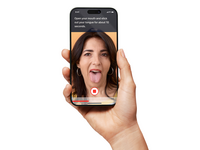
<strong>Background:</strong> Tardive dyskinesia (TD) is a common, often underrecognized movement disorder resulting from long-term antipsychotic use, yet its detection in routine mental health care remains inconsistent despite the availability of structured rating scales. <strong>Objective:</strong> This study evaluated the performance of an artificial intelligence–powered, video-based model for detecting abnormal movements associated with TD using the Clinician’s Tardive Inventory (CTI) dataset. We compare automated assessments of videos from the CTI dataset with previously completed clinician-rated Abnormal Involuntary Movement Scale (AIMS) and CTI scores for the dataset’s videos to determine the model’s reliability and the accuracy of its assessment conclusions relative to expert raters. <strong>Methods:</strong> In total, 69 videos with corresponding AIMS and CTI ratings were analyzed using the visual transformer algorithm model called TDtect reported previously. The dataset included single-video assessments per participant, with varied instructions and movement types. The relationship between automated predictions and clinician ratings was assessed using Pearson correlation, and predictive accuracy was evaluated using area under the curve (AUC) metrics. <strong>Results:</strong> The model showed a strong correlation with AIMS total scores (<i>r</i>=0.717) and high diagnostic accuracy (AUC 0.854), which improved further at an optimized threshold (AUC 0.900). Performance differed across anatomical regions, with the tongue, lips, and jaw displaying the highest predictive reliability. Functional CTI components had weaker correlations (<i>r</i>=0.27-0.63), as expected due to the subjective nature of these measures. <strong>Conclusions:</strong> These findings provide preliminary evidence that an artificial intelligence–driven TD detection model can generalize across video protocols, suggesting potential for broader clinical applicability, although further validation is needed. Future refinements and fine-tuning are expected to enhance accuracy, particularly in predicting functional impact.
Adoption of Digital Mental Health Interventions in National Health Service England, Scotland, and Wales: Freedom of Information Questionnaire Study
<strong>Background:</strong> Digital mental health interventions (DMHIs) have been widely promoted to improve access to mental health care within the UK National Health Service (NHS), particularly following the COVID-19 pandemic. In 2015, a total of 48 technologies were reportedly used in NHS services in England, but over the past decade, substantial changes to regulatory requirements, evidence standards, and procurement processes have reshaped the digital mental health landscape. There is limited clarity regarding which DMHIs are currently being formally procured and funded by NHS mental health services across the United Kingdom. <strong>Objective:</strong> This study aimed to identify and describe the DMHIs currently procured, contracted, or paid for by NHS mental health service providers in England, Scotland, and Wales for adult common mental health problems and to compare current procurement practices with findings reported in 2015. <strong>Methods:</strong> Freedom of Information requests were submitted to all NHS mental health trusts in England and all health boards in Scotland and Wales. Responses were collated and screened to provide an updated and extended record of which technologies are reportedly procured or paid for by services. <strong>Results:</strong> In total, 19 different DMHIs were identified as being procured across mental health service providers for adult common mental health problems at the time of data collection. This demonstrates a substantial reduction in the number of technologies being adopted into practice compared to the 48 reported in England in 2015. The findings reveal several key insights, including that only 2 technologies have remained in use for a decade, and they shed light on the types of technologies being selected and the variations in procurement practices among the 3 national health services. <strong>Conclusions:</strong> Despite the expansion of the digital mental health marketplace, the number of DMHIs formally procured by NHS mental health services has markedly decreased over the past decade. This consolidation may reflect increased selectivity and the adoption of higher-quality products, driven by strengthened regulatory oversight, evidence standards, and national guidance. Although these developments may enhance safety and quality assurance, they also raise important questions about innovation, market sustainability, and equitable access to digital mental health care. Ongoing monitoring of procurement practices is needed to inform policy, service design, and the future development of DMHIs.

Molecular Anchors Help Tumor Therapies Stay Longer on Cancer Cells
For cancer therapies to work, they need to stay in proximity to the target diseased tissues for long enough. To help with that challenge, a group of scientists, led by a team at University of California, San Francisco (UCSF), have developed a drug carrier that physically anchors itself to cancer cell membrane, which helps to improve drug retention and effectiveness. Full details are published in a new ACS Central Science paper titled “A Prodrug Strategy to Conditionally Trap Therapeutic Payloads for Improved Tumor Retention.”
“Retaining drugs within tumors is an often-overlooked dimension of drug development that nevertheless greatly impacts the therapeutic window and outcomes,” said Michael Evans, PhD, a professor in the department of radiology and biomedical imaging at UCSF and a corresponding author on the study. In fact, approaches that deliver cancer therapeutics to tumors but lack dedicated mechanisms to ensure tumor retention often lose efficacy within a few days of drug administration.
Previously, Evans and others designed drug delivery systems called restricted interaction peptides or RIPs that can deliver diverse therapeutic cargos including cytotoxins and radioisotopes. They work by changing shape when processed by disease-associated enzymes. These allow them to embed in cell membranes, tethering their drug payloads in place, promoting cellular uptake and improving effectiveness. Building on that work, the scientists engineered RIPs to interact with fibroblast activation protein, a serine protease that is prevalent in solid tumors and fibrosis.
Imaging studies of cancer cell cultures showed that a fluorescently tagged RIP was rapidly taken up by the cells. Then when the scientists attached an anticancer drug, monomethyl auristatin E or MMAE, to the RIP, they found that the drug-peptide combination was as effective in killing cancer cells as the drug alone. Furthermore, when the drug-peptide combination was injected into mice with human cancers, it selectively targeted tumor tissue and was more effective at shrinking tumors than the unmodified drug with fewer side effects. The scientists observed similar results when they attached RIPs to radioactive copper isotopes which are commonly used in nuclear imaging and radiotherapy.
The scientists expect to initiate Phase I clinical imaging studies of the RIP-radioactive copper isotope pairing in human cancer patients later in 2026 in collaboration with a company that is developing RIPs into therapeutics.
The post Molecular Anchors Help Tumor Therapies Stay Longer on Cancer Cells appeared first on GEN – Genetic Engineering and Biotechnology News.
A Retina’s Biological Age Can Predict Osteoporosis Risk
Researchers have found that a retina that is aging faster than usual can indicate a lower bone density and an increased risk of fractures due to osteoporosis. Published today in PLOS Digital Health, these findings set the basis for a novel diagnostic method for a condition that remains underdiagnosed due to a lack of accessible screening tools.
“Osteoporosis is a common condition that weakens bones and raises the risk of fractures, especially in older adults,” write the study authors, who were led by Ching-Yu Cheng, MD, PhD, professor at the Duke-NUS Medical School and director of the Singapore Epidemiology of Eye Diseases (SEED) program. “However, many individuals are not diagnosed until after a fracture occurs, in part because the standard diagnostic test, dual-energy X-ray absorptiometry (DEXA), is not always readily accessible.”
A DEXA scan uses very low levels of X-ray radiation to measure a patient’s bone density—a major indicator of osteoporosis and fracture risk. However, it is a costly procedure requiring specialized equipment, and therefore typically only recommended for high-risk individuals with suspected fractures on X-rays or patients on long-term steroid therapy. This limits early detection in the broader population, with many people being diagnosed with osteoporosis only after experiencing a fracture.
Worldwide, nearly 20% of the population is affected by osteoporosis. If left untreated, this condition increases the risk of major fractures, which can be life-threatening and represent a large economic burden for healthcare providers. This drives an urgent need for accessible and non-invasive screening methods that can replace traditional DEXA scans.
Cheng’s team investigated whether images from a patient’s retina could help identify those at a higher risk of developing osteoporosis. This idea stemmed from previous research indicating that the retina can reflect the body’s overall biological aging.
The researchers developed a deep learning algorithm, known as RetiAGE, which calculates the probability of a person being older than 65 years based on images from their retina. They then investigated whether there was an association between RetiAGE results and bone mineral density (BMD) scores, as well as osteoporotic and hip fracture risk scores calculated using the fracture assessment tool (FRAX).
Retinal images and DEXA measurements were obtained from 1,965 participants in the PopulatION HEalth and Eye Disease PRofilE in Elderly Singaporeans (PIONEER) study. In this patient population, older RetiAGE scores were linked to lower BMD scores and an increased risk of major osteoporotic and hip fractures.
The ability of RetiAGE to predict the onset of osteoporosis was then evaluated in another 43,938 participants from a prospective UK Biobank cohort with retinal photographs and no osteoporosis at the time of taking these images. Higher RetiAGE scores, indicating accelerated retinal biological aging, were able to predict future osteoporosis onset even when adjusting for common osteoporosis risk factors as well as female-specific risks such as menopause and hormone replacement therapy.
“These findings suggest that retinal biological aging may reflect broader aging processes related to skeletal health,” state the researchers. “Retinal imaging may therefore provide a simple, non-invasive, and accessible way to support opportunistic screening for osteoporosis risk.”
The post A Retina’s Biological Age Can Predict Osteoporosis Risk appeared first on Inside Precision Medicine.
Prior Heart Attack Linked to Faster Cognitive Decline Over Time
People who have experienced a heart attack, including those who had a “silent” heart attack that hadn’t been previously diagnosed, showed faster declines in memory and thinking skills over time, according to a study published in the journal Stroke. Researchers found that evidence of a previous myocardial infarction was associated with an accelerated rate of cognitive decline and a higher likelihood of developing cognitive impairment during more than a decade of follow-up, indicating this a cohort of patients who may need to take more proactive measures to retain cognitive acuity as they age.
“Having had a heart attack in the past may speed up the decline in memory and thinking over time,” said study lead author Mohamed Ridha, MD, an assistant professor of neurology at The Ohio State University. “Given the rising burden of dementia and cognitive decline among Americans, it is important to understand how cardiovascular disease affects their brain health. This knowledge can help heart attack survivors take steps to improve their brain health as they age.”
The research analyzed data from 20,923 adults enrolled in the REGARDS (Reasons for Geographic and Racial Differences in Stroke) study, a national cohort designed to examine racial and geographic disparities in stroke outcomes in the United States. Participants, who were enrolled between 2003 and 2007, had interpretable electrocardiograms and no evidence of cognitive impairment at the start of the study. Their average age was 63 years, with 62% identified as White adults and 38% as Black adults.
The team used a combination of self-reported medical history and electrocardiogram readings to determine if participants had evidence of a prior heart attack. The patients in the study were categorized into groups: those who had self-reported a heart attack, a clinically recognized heart attack confirmed by electrocardiogram, and silent heart attack, defined as electrocardiographic evidence of myocardial infarction without a prior diagnosis.
All participants took part in an annual telephone-based cognitive screening for a median of 10.1 years. The six-question assessment evaluated orientation and memory recall, with lower scores indicating poorer cognitive performance. Investigators adjusted for other factors that are known to be associated with cognitive decline including age, sex, race, education, exercise frequency, diabetes, smoking, blood pressure, depression, kidney function, and cardiovascular events that occurred during follow-up.
Among the study population, 2,183 participants had evidence of prior myocardial infarction at baseline. Of those cases, 1,098 were self-reported heart attacks, 281 were clinically recognized heart attacks confirmed by electrocardiogram, and 804 were silent heart attacks. Nearly 37% of all heart attacks identified in the study were clinically silent.
Compared with participants without a prior heart attack, heart attack survivors had an annual risk of developing cognitive impairment that was 5% higher that patients who had not suffered a heart attack. The accelerated decline was observed across all categories of prior heart attack, including silent myocardial infarction and was also consistent across races and sex.
The study adds to prior research that has linked cardiovascular disease and dementia risk and noted the importance of identifying such patients. “Previous investigations of incident coronary ischemic events have demonstrated that the impact on cognitive function is not immediate but manifests as a subsequent accelerated rate of long-term cognitive decline,” the researchers wrote. “Vascular contributions to cognitive impairment, including stroke, are prevalent and potentially modifiable factors underlying cognitive decline.”
The findings could help clinicians provide preventative care, since electrocardiograms and patient history are commonly available in routine practice. These tools could help clinicians identify patients who may benefit from counseling and monitoring related to cognitive health and Ridha noted that clinicians caring for heart attack survivors should discuss ways to reduce the risk of cognitive decline and dementia as patients age.
While the biological mechanisms linking heart attack and cognitive decline remain uncertain, the discussion proposed possible contributors, including microvascular disease, silent cerebral infarcts, systemic inflammation, reduced blood flow to the brain, and impaired amyloid clearance.
The post Prior Heart Attack Linked to Faster Cognitive Decline Over Time appeared first on Inside Precision Medicine.
Generative AI–Assisted Microlearning for Erectile Dysfunction Myth Reduction: Single-Center Pre–Post Quasi-Experimental Study
Background: Erectile dysfunction (ED) is strongly influenced by persistent misconceptions that delay help-seeking and limit engagement with effective care. Patient-centered digital strategies, including generative artificial intelligence (AI) microlearning, may improve sexual-health knowledge; however, real-world evidence in urological practice remains sparse. Objective: This study aimed to evaluate whether a clinician-supervised generative AI microlearning video improves ED-related knowledge in adult men attending routine outpatient care. Methods: This single-center pre–post quasi-experimental study included 200 adult men in a university urology clinic. Participants completed an 8-item ED myth questionnaire immediately before and after watching a 3-minute educational video. The narration script was drafted using a large language model (ChatGPT) and iteratively reviewed by urologists for accuracy and cultural appropriateness. The primary outcome was the within-participant change in total correct responses (0‐8). Subgroup analyses assessed effects across age (<40 years vs ≥40 years), education level, and self-reported ED. Paired analyses and multivariable logistic regression were used (α=.05). Results: All participants completed the intervention (mean age 44.0, SD 11.6 years). Total mean correct responses increased from 3.77 to 6.56 (mean difference 2.79; <.001), indicating a large effect (Cohen =1.52). Knowledge gains were consistent across subgroups, with greater improvements among those with lower education. Self-reported ED was independently associated with lower odds of achieving ≥2-point improvement (odds ratio 0.46, 95% CI 0.26‐0.81; =.01). No adverse events or technical difficulties occurred. Conclusions: A brief clinician-supervised generative AI microlearning video was associated with substantial short-term improvements in ED myth–related knowledge in routine outpatient care. AI-assisted microlearning may represent a scalable adjunct to patient education during urological consultations. Future studies should evaluate long-term retention and behavioral outcomes.

STAT+: CDC plans to transfer monkeys to nonprofit’s sanctuary as it seeks to reduce animal testing
As part of efforts to phase out the use of monkeys in research, the Centers for Disease Control and Prevention intends to transfer more than 160 macaques to Born Free USA, a nonprofit that runs a large primate sanctuary in Texas.
The agency is trying to move quickly due to the “unusual and compelling urgency” of finding housing for the monkeys, according to a notice about the proposed contract that was posted on a procurement website run by the General Services Administration.
A timeline for the transfer was not specified, but the agency is accepting responses until May 28.
Contact Lenses Show Promise for Depression
Using specialized contact lenses to stimulate the brain could offer a novel route to treating depression, preclinical research suggests.
The research, in mice, demonstrates how wearable neuromodulation devices can provide a versatile platform for mood and other brain disorders.
It brings eye-based neurotherapies a step closer towards clinical reality and reveals the feasibility of using contact lenses as a bioelectronic strategy for the treatment of depression.
The findings appear in the latest issue of Cell Reports Physical Science.
“Our work opens up an entirely new frontier of treating brain disorders through the eye,” said lead author Jang-Ung Park, PhD, from Yonsei University.
“We believe this wearable, drug-free approach holds tremendous promise for transforming how depression and other brain conditions are treated, including anxiety, drug addiction, and cognitive decline.”
Depression is increasingly recognized as a disorder involving structural and functional abnormalities in brain networks.
Conventional treatments—such as pharmacological therapy, electroconvulsive therapy, and deep brain stimulation—target these abnormalities but can be invasive and are often limited in their efficacy or tolerability.
Park and team note that the eye provides a compelling gateway for indirect brain modulation due to its embryological derivation from the brain and extensive connectivity.
Studies also suggest that visual impairment with higher prevalence of depression, further recognizing the importance of the eye-brain axis.
To investigate this avenue further, the researchers developed a contact lens that uses transcorneal electrical stimulation (TES) based on temporal interference (TI) to stimulate the brain. This delivers two electrical signals to the retina, which only become active where they intersect, allowing specific areas of the brain to be targeted.
The platform circumvents the invasiveness and limited tolerability of conventional brain stimulation therapies by using the retina as a precise interface for the eye-brain axis.
Electrodes made from ultrathin layers of gallium oxide and platinum allow the lens to be flexible and transparent, conforming to the cornea and preserving natural vision.
The researchers examined the efficacy of the lenses in a stress-induced mouse model that recapitulated key behavioral and biological features associated with depression.
Depressed mice received either no intervention, temporal interference, or the SSRI fluoxetine and were compared with control mice that were not depressed before and after treatment. Machine learning was applied for comprehensive efficacy evaluation.
The team reported that the lenses restored behavioral, neural, and biological deficits in depression.
TI-TES enhanced behavioral resilience, restored prefrontal-hippocampal oscillatory synchrony, and normalized depression-related biomarkers.
When machine-learning integration was used to integrate behavior, brain activity, and biomarkers, it consistently grouped the mice with lenses with the non-depressed control mice rather than the untreated depressed mice.
The researchers acknowledge their research is in its early stages, and that the current study employed a wired configuration to ensure precise waveform control and stimulation stability during proof-of-concept validation.
“Like any new medical technology, our contact lenses will need to go through rigorous clinical evaluation in patients before reaching the market,” said Park.
“Next, we plan to make the lens fully wireless, test it for long-term safety in larger animals, and personalize the stimulation for each user before advancing into clinical trials in patients.”
The post Contact Lenses Show Promise for Depression appeared first on Inside Precision Medicine.